
How to Avoid Forklift Overload Accidents
· Updated
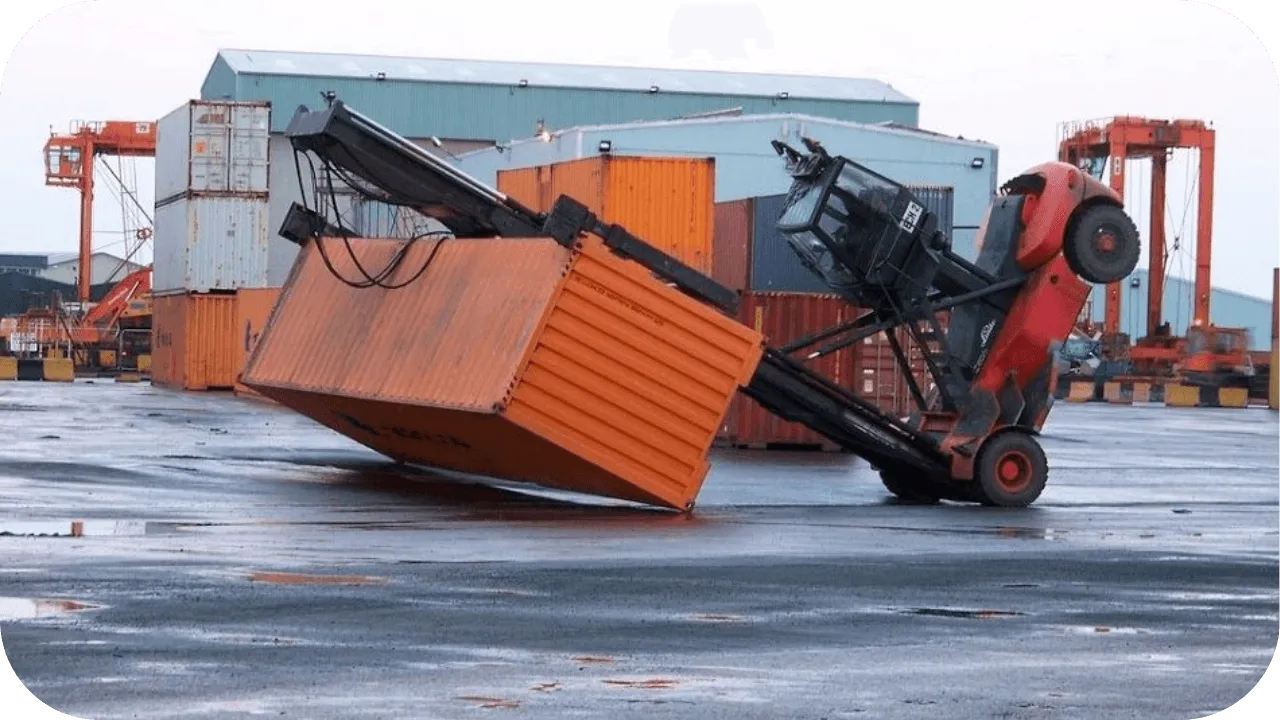
Forklift overloads cause thousands of workplace accidents each year. A single mistake can lead to costly damage, injuries, or fatalities. It all starts with ignoring safety basics.
But there’s good news! By following simple safety steps, you can avoid these dangerous incidents. In this article, I’ll provide easy-to-follow tips for keeping your workplace safe and compliant. Let’s get started!
The Risks of Forklift Overload Accidents
These accidents put workers at risk and can also result in costly damage to equipment and goods. Businesses could also face legal consequences for failing to follow safety regulations. Understanding the risks of forklift overloads is crucial for preventing accidents and maintaining a safe, productive work environment.
- Worker Safety: Overloading forklifts increases the risk of tipping, leading to serious injuries or fatalities.
- Equipment Damage: Exceeding weight limits can cause mechanical failures, such as tire blowouts and engine breakdowns, which can result in costly repairs and downtime.
- Damage to Goods: Overloaded forklifts can cause loads to shift, damaging products and negatively impacting inventory and customer satisfaction.
- Legal Consequences: Businesses may face legal action and financial penalties if found negligent in maintaining safe forklift operations.
- Operational Disruption: Forklift overloads can cause unexpected delays and disruptions in the workflow, affecting overall productivity and business efficiency.
Key Practices to Avoid Forklift Overload Accidents

To prevent forklift overload accidents, it’s essential to follow key safety practices that ensure safe and efficient operations:
1. Know the Forklift’s Rated Capacity
Understanding the forklift’s rated capacity is the first step in avoiding overload accidents. Each forklift has a specific weight limit, which is clearly indicated on the data plate or operator manual. Never exceed this weight limit, as doing so compromises the vehicle’s stability.
Overloading can result in tipping, even on flat surfaces. It’s also important to remember that the load capacity decreases as the lifting height increases. Always check the forklift’s rated capacity before using it, and make sure to factor in the weight of any attachments or accessories when calculating the load.
2. Proper Load Distribution
Proper load distribution is key to forklift stability. A poorly balanced load can cause the forklift to tip over, even if the weight is within the rated capacity. Place heavier items closer to the forklift’s centre of gravity and evenly distribute the load across the forks.
Additionally, loads should be securely fastened to prevent them from shifting during movement. Proper load distribution ensures that the forklift remains stable while transporting goods, minimising the risk of accidents.
3. Regular Equipment Maintenance
Regular maintenance is crucial to prevent forklift overload accidents. Forklifts should undergo routine inspections to ensure all components are in good working order. This includes changing the hydraulic system, changing tyres, brakes, and the lifting mechanism.
A forklift in poor condition is more likely to experience mechanical failures, exacerbating the risks of an overload accident.
Operators should also perform daily pre-operational checks, such as ensuring the load forks are free from damage and the hydraulic system is functioning correctly. Keeping forklifts well-maintained ensures they operate at peak performance, reducing the likelihood of accidents caused by equipment failure.
4. Employee Training
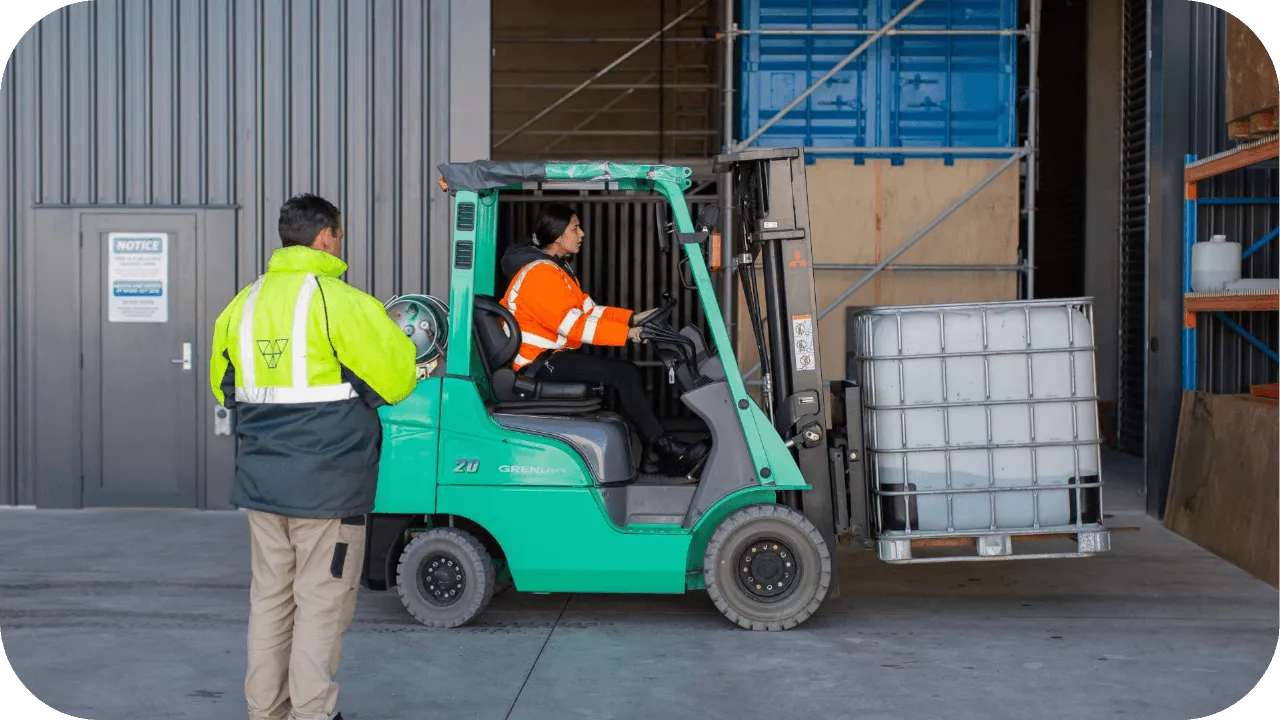
Training is one of the most effective ways to avoid forklift overload accidents. Operators must understand the forklift’s rated capacity and the importance of never exceeding it. They should also be trained to load and unload goods properly, ensuring that the load is evenly distributed and secured.
Comprehensive training should also include understanding the risks of overloading and recognising warning signs of instability. Regular refresher courses are essential to update employees on safety practices and regulations. Well-trained operators are better equipped to make safe decisions, reducing the likelihood of overload incidents.
5. Use Technology
Leveraging technology can significantly reduce the risk of forklift overload accidents. Many modern forklifts have load sensors, overload alarms, and automatic weight measurement systems. These technologies provide real-time feedback to operators, alerting them when they are nearing or exceeding the forklift’s weight limit.
Load sensors can be particularly useful in busy environments where multiple loads are handled quickly. Additionally, some forklifts have load weight indicators on the dashboard to give operators a clear view of their current load status.
Australian Regulations and Guidelines on Forklift Loading
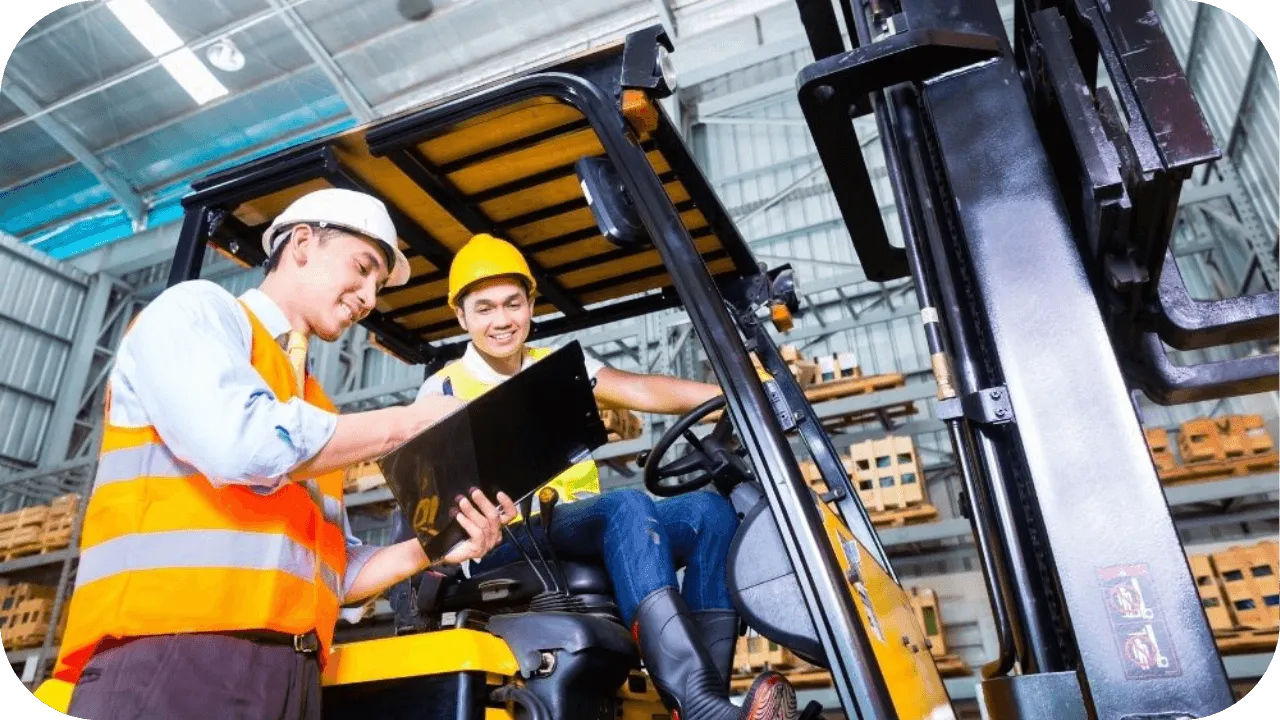
In Australia, forklift safety is governed by strict regulations to prevent accidents, including those caused by overloads. The Work Health and Safety (WHS) Act and relevant state regulations provide the legal framework for operating forklifts safely in workplaces.
- Rated Capacity: Under Australian guidelines, forklifts must not exceed their rated load capacity. This capacity is indicated on the forklift’s data plate, which must be checked before every operation. Exceeding this capacity is illegal and can result in severe penalties.
- Load Limitations: According to Safe Work Australia, the load must be properly balanced and evenly distributed when using a forklift. Overloading or poorly balanced loads can cause the forklift to tip over, leading to injuries, fatalities, or property damage.
- Operator Training: Australian law requires forklift operators to hold a valid High Risk Work (HRW) Licence. This training ensures operators understand the principles of safe loading, lifting, and operation. Without proper training, operators cannot legally operate forklifts in Australia.
- Workplace Safety: WHS regulations stipulate that forklifts must be inspected regularly for maintenance and safety checks. Employers must ensure that forklifts used in the workplace comply with safety standards, including regular maintenance schedules and daily operational checks.
- Load Chart Use: Australian guidelines stress the importance of using load charts to determine the correct lifting capacity for specific conditions. These charts consider factors like load height and the forklift’s lifting capacity, ensuring operators don’t exceed safe weight limits.
How to Properly Calculate Load Limits
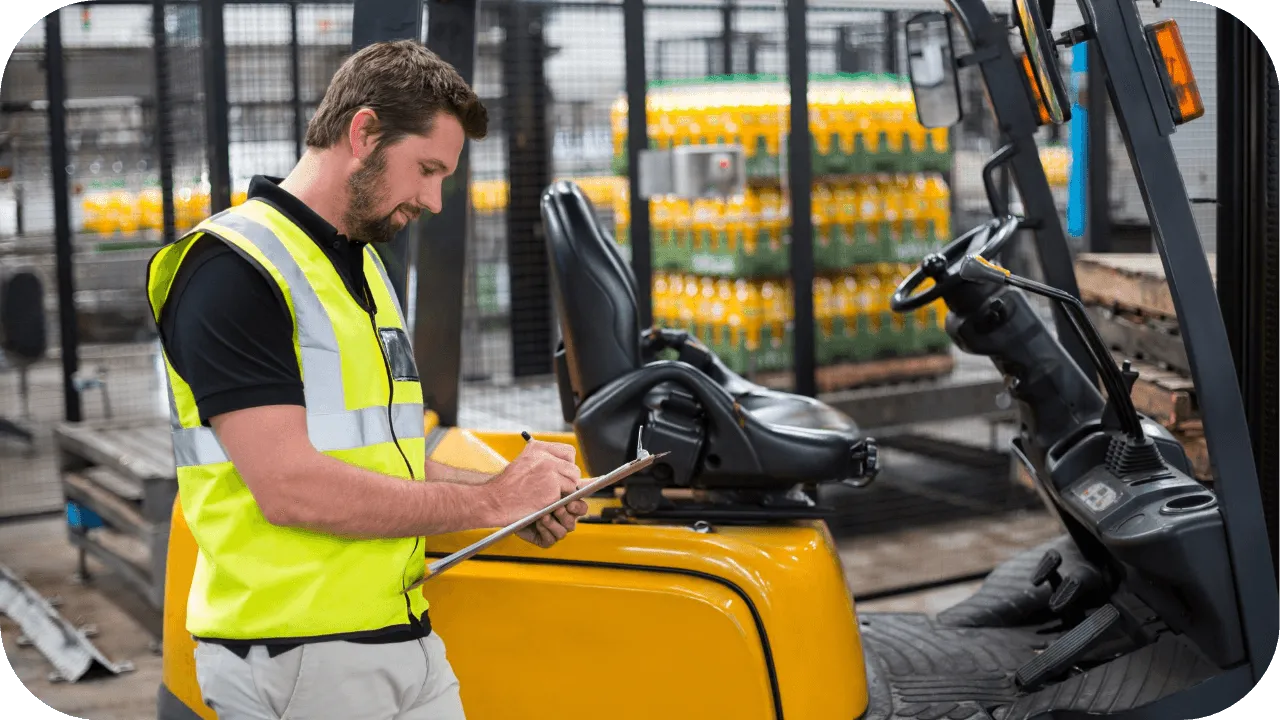
The manufacturer specifies this capacity, which is typically displayed on the forklift’s data plate. However, the rated capacity is not always straightforward, as factors such as load height, load centre, and attachment type can impact the maximum weight a forklift can handle.
To properly calculate load limits, consult the forklift’s load chart, which provides detailed information on the lifting capacity at different heights and with various attachments. These charts account for the change in the forklift’s stability when lifting heavier loads at higher elevations, ensuring operators understand the limits for each scenario.
Additionally, it’s essential to factor in the weight of any attachments, such as forks or clamps, as these can reduce the forklift’s overall capacity. Always subtract the attachment’s weight from the forklift’s rated capacity to determine the actual available load weight.
Lastly, remember that load distribution plays a significant role in load limits. Ensure the load is centred on the forks, as uneven weight distribution can result in instability and tip-over risks.
The Role of Equipment in Preventing Overload Accidents
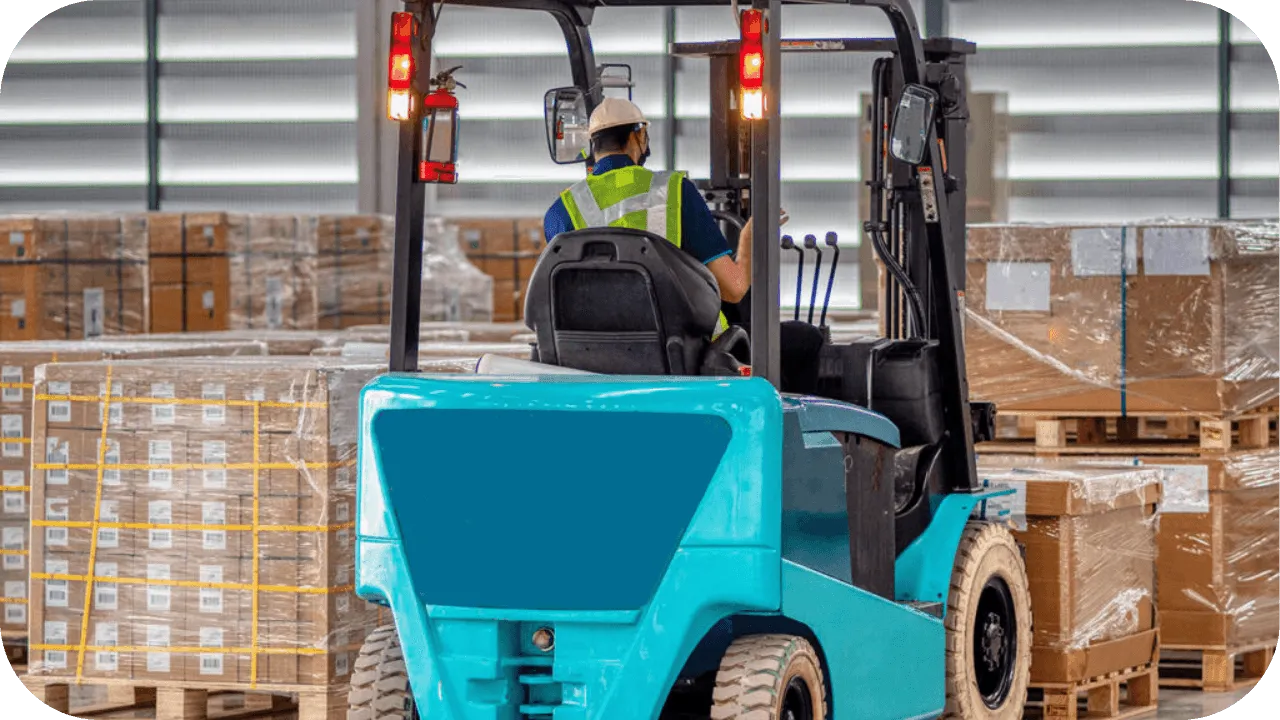
The right equipment plays a crucial role in preventing forklift overload accidents. While operator training and safety protocols are essential, the equipment must be suitable and well-maintained to reduce the risk of overload.
- Forklift Selection: Choose the right forklift for the job to ensure it can handle the intended load. Different forklifts have different weight capacities and lifting heights.
- Load Sensors and Alarms: Use forklifts with load sensors and overload alarms that alert operators when approaching weight limits, preventing overloads.
- Regular Maintenance: Conduct routine maintenance checks on forklifts to ensure all components function properly. Well-maintained forklifts are less likely to experience mechanical failures that can contribute to overload accidents.
- Attachments: Ensure any attachments used with the forklift do not exceed its rated capacity. Always check the manufacturer’s specifications for each attachment to avoid compromising the forklift’s load limit.
Conclusion
Forklift overload accidents can be prevented with the right equipment, proper training, and regular maintenance. Businesses can protect workers and equipment by following safety protocols and understanding load limits. Ensure your workplace remains safe and efficient. For reliable forklifts with full safety compliance, choose Buy a Fork – your trusted partner for quality forklifts and equipment.