
How To Change Hydraulic Oil In A Forklift
· Updated
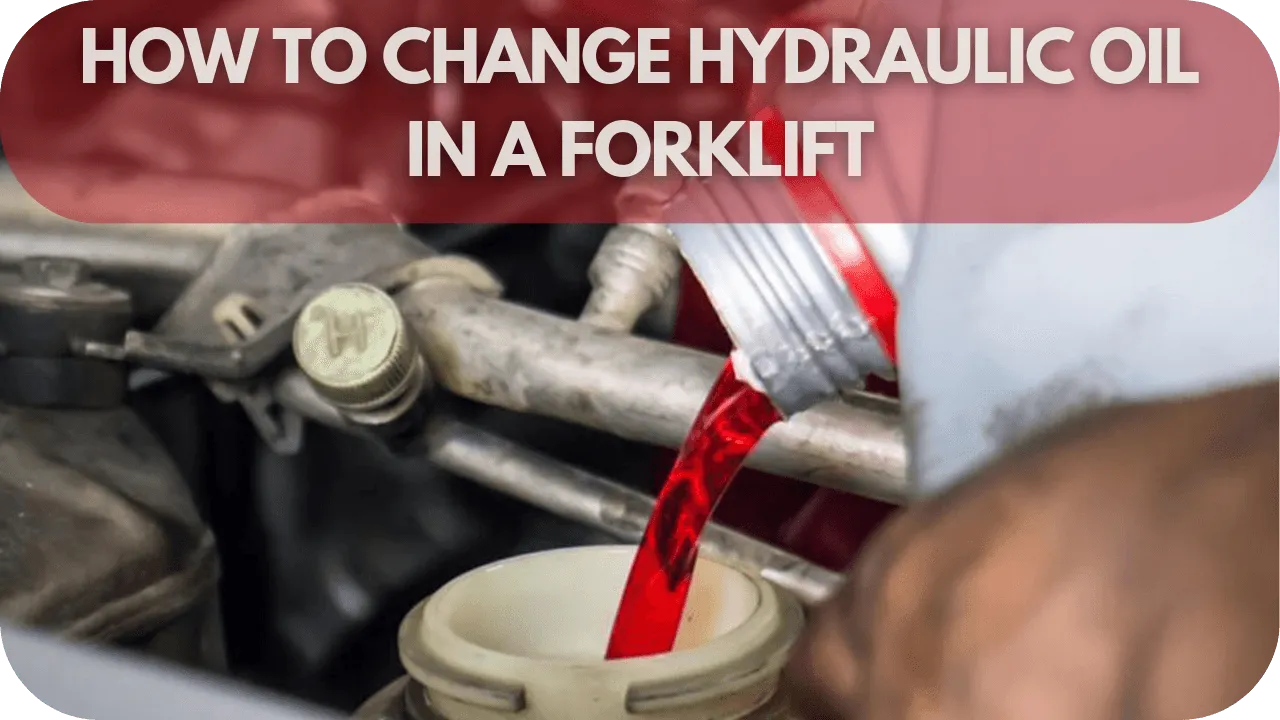
Hydraulic oil is the lifeblood of a forklift’s hydraulic system. It keeps the machine running smoothly, ensuring the lifting and lowering functions work without a hitch.
Over time, this oil gets contaminated with dirt, moisture, and debris, reducing efficiency. If left unchanged, it can damage the hydraulic components and lead to costly repairs.
Changing hydraulic oil may seem like a technical task, but with the right steps, anyone can do it safely. Let’s walk you through the entire process, from knowing when to change the oil to disposing of the old fluid properly.
Why Changing Hydraulic Oil Is Important
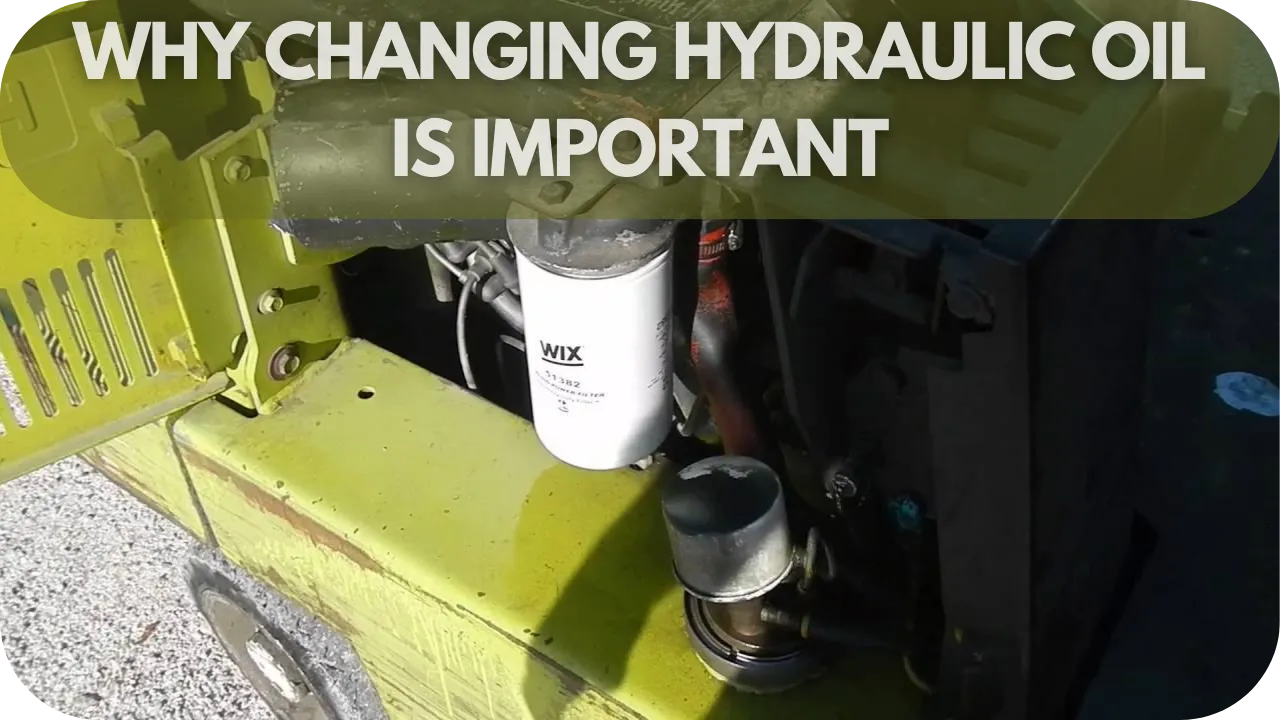
Forklifts rely on hydraulic pressure to lift heavy loads. When hydraulic oil becomes dirty or degrades, it loses its ability to lubricate and power the system. This can cause sluggish operation, excessive wear, and even overheating.
Fresh hydraulic oil keeps the system running efficiently. It reduces friction between moving parts, preventing premature wear and tear. It also helps maintain optimal pressure, ensuring smooth and responsive lifting. Regular oil changes extend the lifespan of the forklift’s hydraulic components, saving money on repairs and downtime.
Ignoring hydraulic oil maintenance can lead to serious problems. Contaminated oil can clog filters, causing pressure drops and poor performance. In severe cases, it can damage pumps, cylinders, and hoses, leading to costly repairs. Changing the oil at the right intervals helps prevent these issues and ensures the forklift operates safely and efficiently.
Tools and Materials Needed
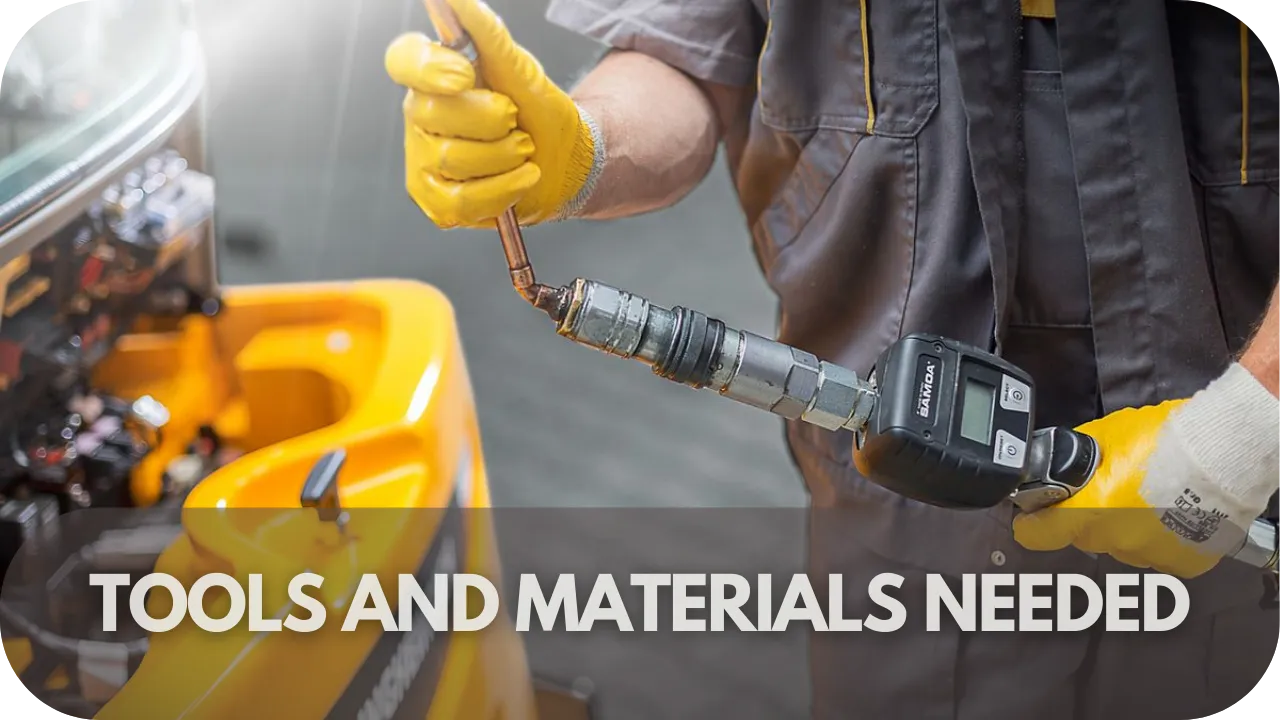
Before starting, gather all necessary tools and materials. Having everything ready makes the process easier and safer. You’ll need:
- A drain pan: To catch and contain the old hydraulic oil as it drains, preventing spills.
- A funnel: Ensures a clean and controlled pour when adding new hydraulic oil.
- A wrench: Needed to loosen and remove the drain plug for proper oil drainage.
- Correct type of hydraulic oil: Always check the forklift manual to ensure compatibility with your system.
- A new hydraulic filter (if applicable): A fresh filter helps keep contaminants out of the hydraulic system.
- Gloves and safety glasses: Protect your hands and eyes from oil spills and splashes.
- Absorbent pads or rags: Helps clean up any accidental spills and keeps the work area tidy.
Step-by-Step Guide to Changing Hydraulic Oil in a Forklift
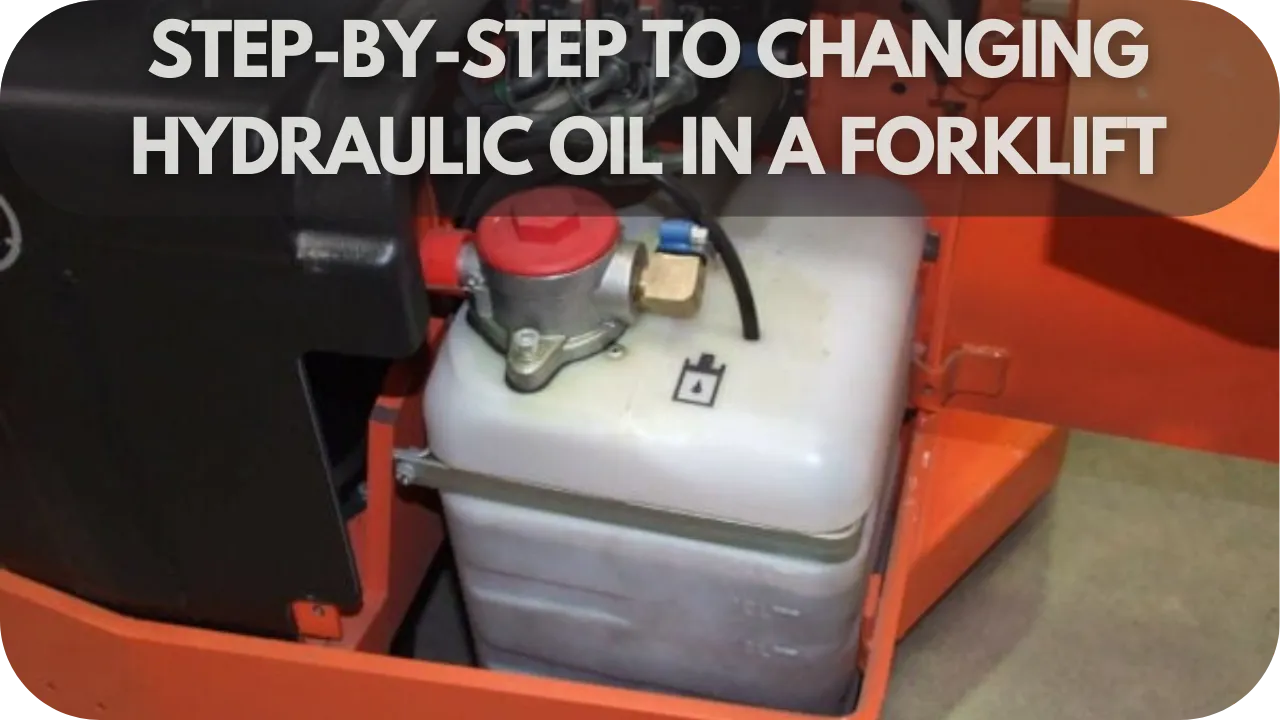
Changing hydraulic oil in a forklift may seem daunting, but it’s easier than you think. Follow these simple steps to get the job done safely and efficiently.
Step 1: Ensure Safety First
Park the forklift on a flat surface and turn off the engine. Engage the parking brake to prevent movement. Let the machine cool down before handling hydraulic components.
Wear gloves and safety glasses to protect against oil splashes. Hydraulic oil can be messy, so place absorbent pads under the machine to catch any spills.
Step 2: Locate the Hydraulic Oil Reservoir
The oil reservoir is usually near the hydraulic pump or control valve. If unsure, check the forklift’s user manual. Before draining, check the oil level and condition using the dipstick or sight glass. If the oil looks dirty or has debris, it’s a sign that a full change is needed.
Step 3: Drain the Old Hydraulic Oil
Place a drain pan under the reservoir’s drain plug. Slowly loosen the plug with a wrench, allowing the oil to flow out completely. Let it drain for a few minutes to ensure all the old oil is removed.
Dispose of the old oil properly. Never pour it down a drain or onto the ground. Take it to a recycling centre or a designated waste disposal facility.
Step 4: Clean the Hydraulic System (Optional but Recommended)
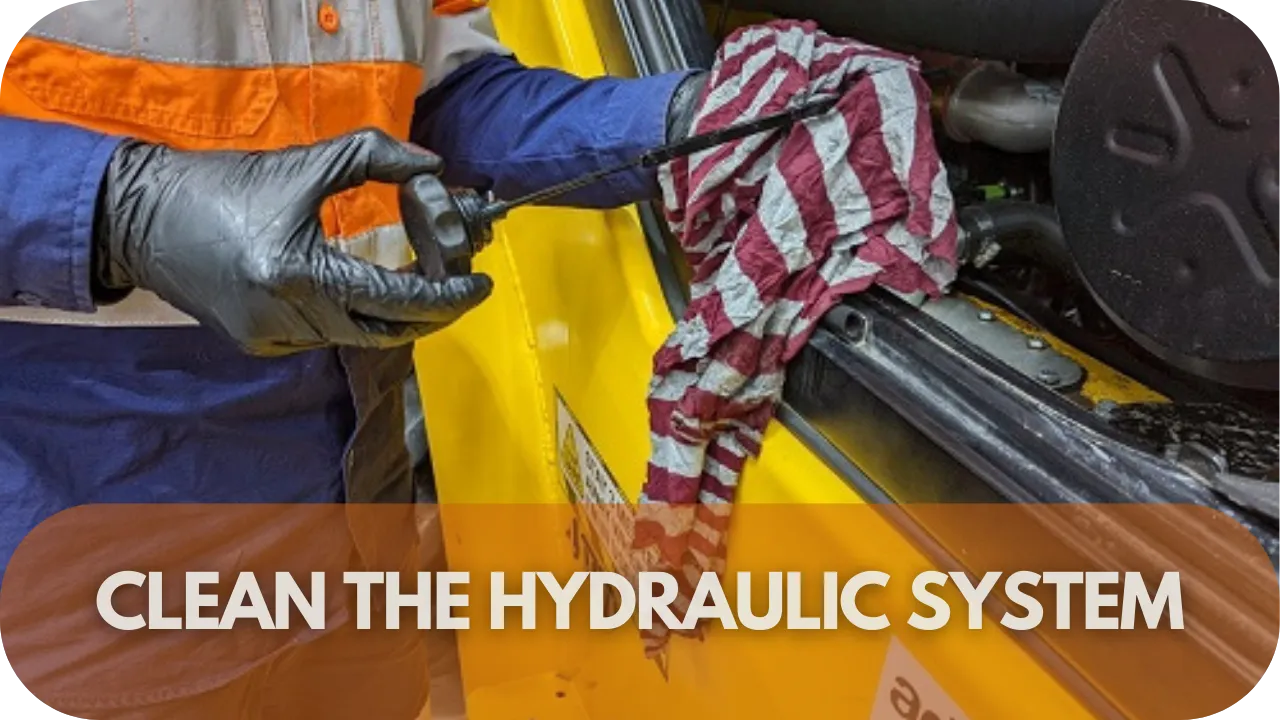
If the oil is extremely dirty, consider flushing the system. Refill with a small amount of clean hydraulic oil, run the forklift briefly, then drain it again. This removes leftover contaminants. Check the reservoir for sludge or metal particles. If you notice excessive debris, it may indicate internal wear that requires further inspection.
Step 5: Replace or Clean the Hydraulic Filter
If your forklift has a hydraulic filter, remove the old one and replace it with a new one. If it’s a reusable filter, clean it thoroughly before reinstalling. A clogged filter can restrict oil flow and reduce system efficiency.
Step 6: Refill with Fresh Hydraulic Oil
Use a funnel to pour new hydraulic oil into the reservoir. Fill slowly to avoid spills. Check the dipstick or sight glass to ensure the correct level. Overfilling can cause pressure issues, so be precise.
Step 7: Bleed the Hydraulic System (If Necessary)
Air trapped in the system can cause problems. Start the forklift and operate the hydraulic functions slowly to remove air bubbles. Check for smooth operation and top-up oil if needed.
Step 8: Check for Leaks and Test the Forklift
Inspect hoses, fittings, and connections for leaks. Look for oil drips or wet spots around hydraulic components. Test the forklift by lifting and lowering loads. Ensure smooth operation before returning it to regular use.
Signs That Indicate Hydraulic Oil Needs Changing
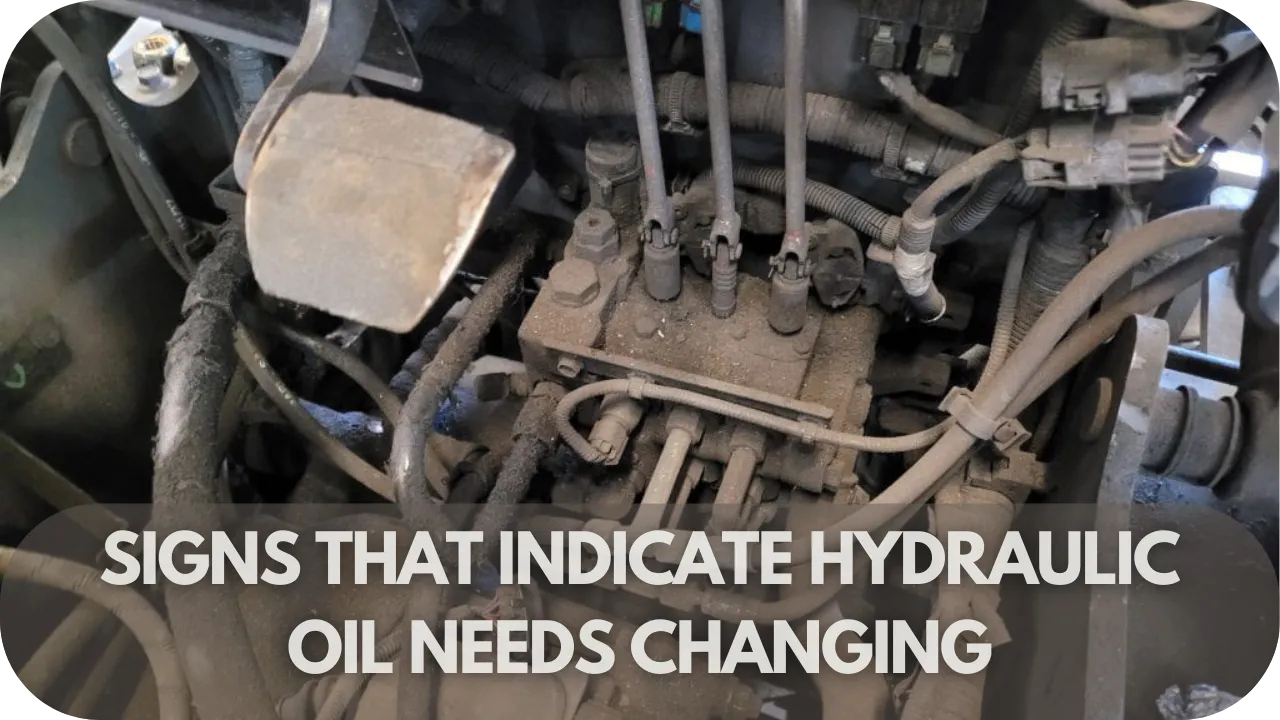
Hydraulic oil doesn’t last forever. Over time, it degrades due to heat, contamination, and moisture. Knowing when to change it can prevent damage to the hydraulic system.
One of the first signs is a decline in lifting performance. If the forklift struggles to lift loads or moves sluggishly, the oil may be old or contaminated. You might also hear unusual noises, such as whining or grinding sounds, coming from the hydraulic system. This can indicate that the oil is no longer providing proper lubrication.
Another warning sign is discoloured or foamy oil. Clean hydraulic oil is usually light amber. If it turns dark or milky, it’s time for a change. Foamy oil means air has entered the system, reducing efficiency.
Leaks around the hydraulic components can also indicate a problem. Old oil can cause seals to wear out, leading to leaks. If you notice hydraulic fluid dripping or pooling under the forklift, check the oil level and consider changing it.
Common Mistakes to Avoid When Changing Hydraulic Oil

Many forklift owners make mistakes that can harm the hydraulic system. One common error is using the wrong type of oil. Always use the oil recommended by the manufacturer. Another mistake is not fully draining old oil. Mixing fresh oil with contaminated fluid reduces its effectiveness. Always drain completely before refilling.
Skipping filter replacement is another issue. A dirty filter can clog the system and restrict flow, leading to pressure drops. Overfilling the oil reservoir can also cause problems. Excess oil increases pressure, leading to leaks or system failure. Always fill to the recommended level.
How Often Should You Change Forklift Hydraulic Oil?
Hydraulic oil doesn’t need changing as often as engine oil, but it still requires regular maintenance. Most manufacturers recommend changing it every 1,000–2,000 hours of operation.
However, factors like working conditions, load capacity, and environmental temperature affect how quickly oil degrades. Forklifts operating in dusty, humid, or high-heat environments may require more frequent oil changes.
Regularly check the oil condition and level to determine when a change is needed. If the oil appears dark, foamy, or contaminated, it’s time for a replacement.
Conclusion
Changing forklift hydraulic oil is simple when done correctly. Regular maintenance keeps the hydraulic system running smoothly, prevents breakdowns, and extends the forklift’s lifespan.
By following this step-by-step guide, you can ensure your forklift stays in top condition. Don’t wait for performance issues—check your hydraulic oil regularly and change it when needed.
For premium hydraulic oil and expert forklift servicing, Buy A Fork has you covered. Visit Buy A Fork today for high-quality forklift maintenance products and professional support!