
Forklift Safety in Australia: The Rules, Checks and Who Is Responsible
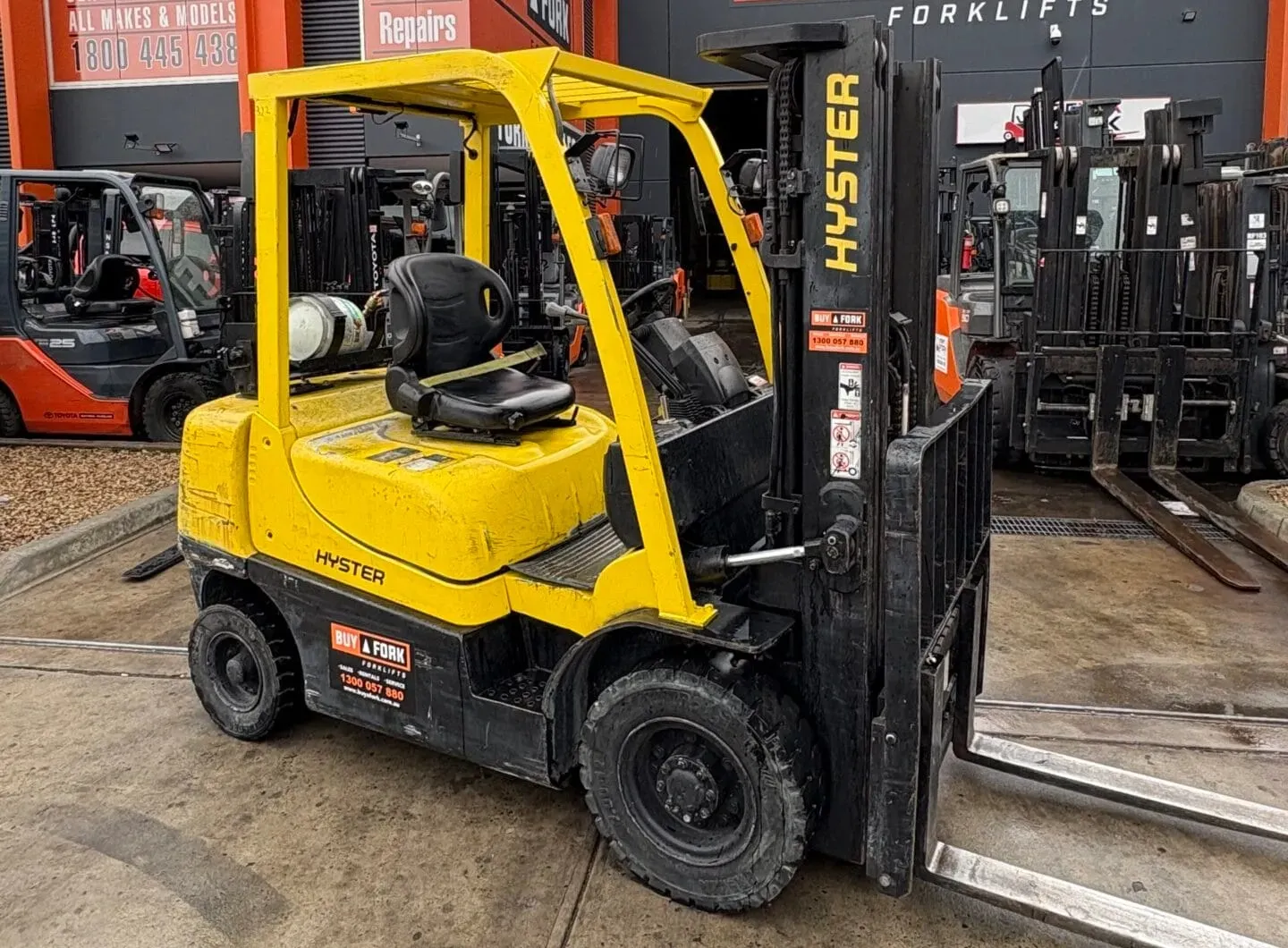
Forklift safety in Australia rests on four things: licensed and trained operators, a check of the forklift before every shift, keeping people and forklifts physically apart, and handling loads within the machine's rated capacity. The employer is legally responsible for making that system work, and operators must follow it. This guide sets out each part, using WorkSafe Victoria's forklift guidance as the reference for Victorian workplaces.
Buy A Fork sells and services forklifts from its Somerton yard in Melbourne, servicing every make on site across Victoria.
Who Is Responsible for Forklift Safety?
The employer carries the main duty: to provide and maintain a workplace that is safe and without risks to health, so far as is reasonably practicable. That duty is set out in WorkSafe Victoria's guidance on forklift legal duties, which also covers supervisors, employees and anyone in control of a workplace.
| Who | What they must do |
|---|---|
| Employer | Provide a safe workplace, control forklift risks using the hierarchy of control, consult employees and health and safety representatives, and not allow anyone to operate a forklift without the appropriate high risk work licence |
| Supervisor | Make sure operators follow safe practices; a supervisor of an unlicensed trainee must hold a licence for that type of forklift and keep direct line of sight and verbal control |
| Operator and other employees | Follow the procedures, training and instructions they are given, and cooperate with the employer's safety measures |
| Person who manages or controls the workplace | Make sure the workplace, and the ways in and out of it, are safe, for the matters they control |
Forklift Licences and Training
In Victoria, an employer must not allow anyone to operate a forklift unless they hold the appropriate high risk work licence. Getting a forklift licence means completing an accredited course and assessment for the class of machine you will drive, and the licence is only the start.
WorkSafe Victoria's training and competency guidance also expects familiarisation training on the specific forklift and any attachments, because designs differ between manufacturers and even between models. Operators need instruction on the site's traffic management plan, reporting faults and collisions, refuelling or recharging, and the loads they will move.
Checks Before Every Shift and Regular Inspections
A pre-operation check should be done at the start of each shift, before the first use of the day and whenever the operator changes, following the manufacturer's recommendations. WorkSafe Victoria's maintenance and inspection guidance adds that defects must be reported and the forklift locked out of service if it is unsafe.
A forklift pre-start check typically covers the brakes, steering, horn, lights, tyres, fluid levels, forks and chains before the machine moves. Periodic inspections go deeper, and the records should show what was inspected, what was repaired and any defects still awaiting sign-off.
Maintenance belongs with a competent forklift technician. Our forklift servicing and repairs cover every make, on site anywhere in Victoria.
Keeping People and Forklifts Apart
The most effective control is physical separation: fixed barriers, pedestrian-only zones and forklift exclusion zones, set out in a traffic management plan. WorkSafe Victoria notes that forklift collisions with pedestrians usually happen when there is no physical separation between them.
A forklift traffic management plan should identify where forklifts travel, the hazards along the way, how every pedestrian (including visiting truck drivers) is protected, and how short-term or unusual work is handled. According to WorkSafe Victoria's guidance on forklift hazards and risk controls, the plan should include a diagram, displayed prominently on site, showing:
- Forklift areas: operating areas, travel paths and exclusion zones.
- Pedestrian areas: walking routes, including routes to amenities, and pedestrian-only zones.
- Driver safety zones: where visiting truck drivers wait while their vehicle is loaded.
- No-go zones: electrical hazards and overhead structures.
Review the plan after any forklift incident and whenever tasks, the layout or the way pedestrians are protected changes. Speed limiters, blue warning lights and proximity warning systems add another layer where barriers cannot cover everything, but they support physical separation rather than replace it.
Speed, Loads and Stability
Tip-overs come from speed, turning, slopes and raised or unstable loads, so these are controlled through site rules, training and staying within the rated capacity. WorkSafe Victoria lists cornering, speed, slopes, uneven surfaces, raised or tilted loads and loads beyond the rated capacity or load centre as causes of instability.
Good site rules set clear forklift speed limits, keep loads low while travelling, and spell out how to approach corners and ramps. The height a load should be carried at is one of the first things new operators are taught, because a raised load moves the forklift's centre of gravity.
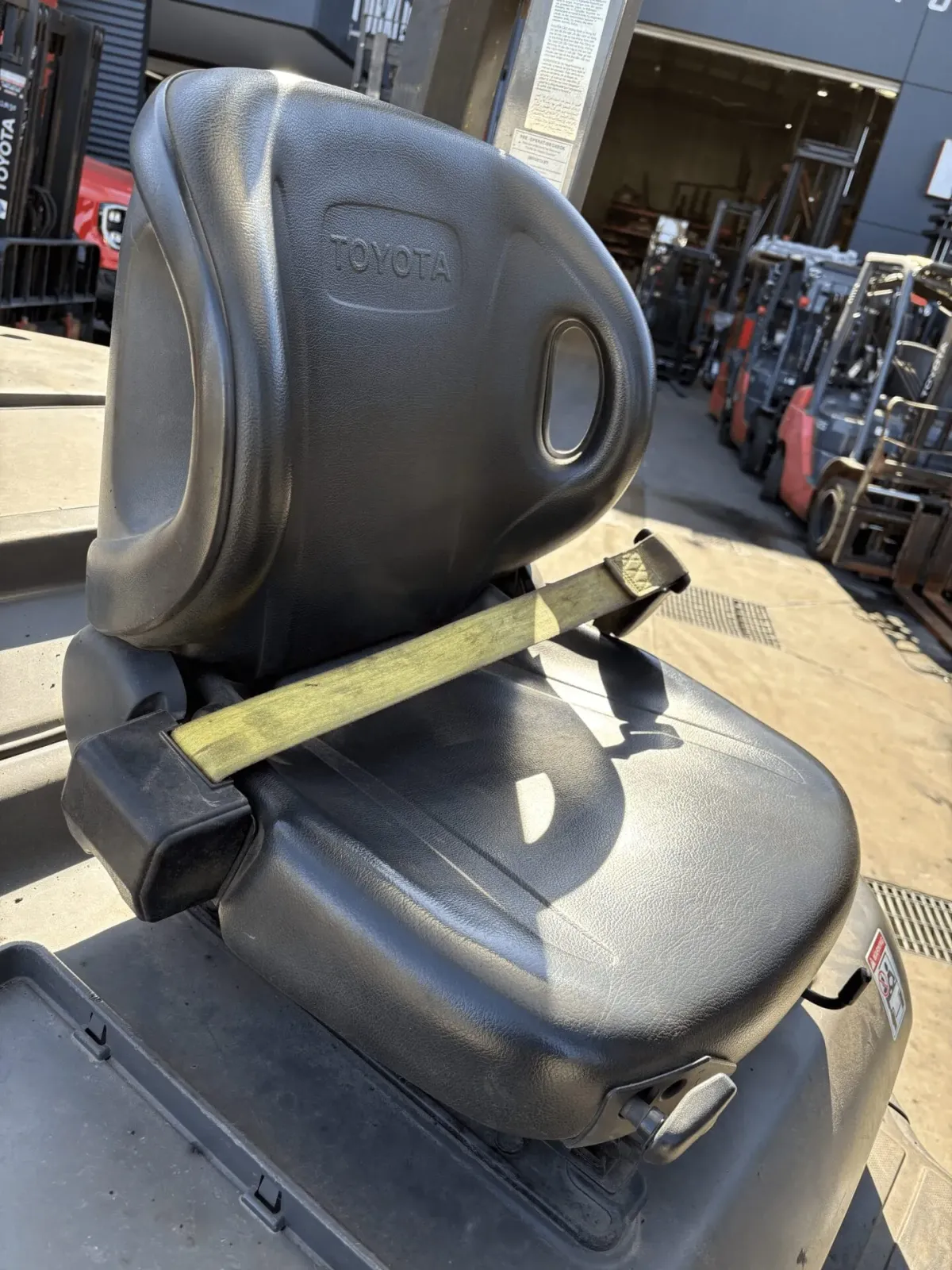
Operators can also be thrown from a forklift that tips. WorkSafe Victoria lists seats not designed to restrain the operator, and seatbelts not fitted, maintained or used, among the causes of operator ejection.
Ramps, Weather and Hazardous Areas
Ramps, outdoor weather and hazardous materials each add risks that need their own rules. WorkSafe Victoria notes that slopes and ramps outside the manufacturer's recommendations increase instability, which is why operating a forklift on slopes and ramps needs clear site rules on speed, load direction and turning.
Indoors, petrol, diesel or gas forklifts can build up fumes such as carbon monoxide in loading docks, containers and cold stores, so ventilation, or an electric forklift, has to be part of the plan there. Outdoors, rain, wind, heat and cold change grip and visibility, and sites storing flammable or reactive goods need forklifts suited to those areas.
When Something Goes Wrong
Every site needs a plan for forklift incidents before one happens: who stops work, who gives first aid, who secures the forklift and who is notified. Setting those roles in advance means nobody has to decide them in the moment, and the traffic management plan should be reviewed after any incident.
Frequently Asked Questions
What are the main forklift hazards?
WorkSafe Victoria lists six: collisions with pedestrians, collisions with other mobile plant, instability and overturning, operators being ejected, falling objects, and environmental hazards such as fumes and weather.
Do you need a licence to drive a forklift in Victoria?
Yes. An employer must not allow anyone to operate a forklift without the appropriate high risk work licence. An unlicensed trainee working towards a licence must be directly supervised by a licence holder.
How often should a forklift be checked?
A pre-operation check at the start of each shift, before the first use of the day and when the operator changes, plus regular maintenance by a competent technician in line with the manufacturer's recommendations.
What is a forklift exclusion zone?
An area forklifts are not allowed to enter, such as amenities, entrances and office areas, ideally protected by fixed physical barriers rather than floor markings alone.