
How to Safely Operate Forklifts on Slopes and Ramps
· Updated
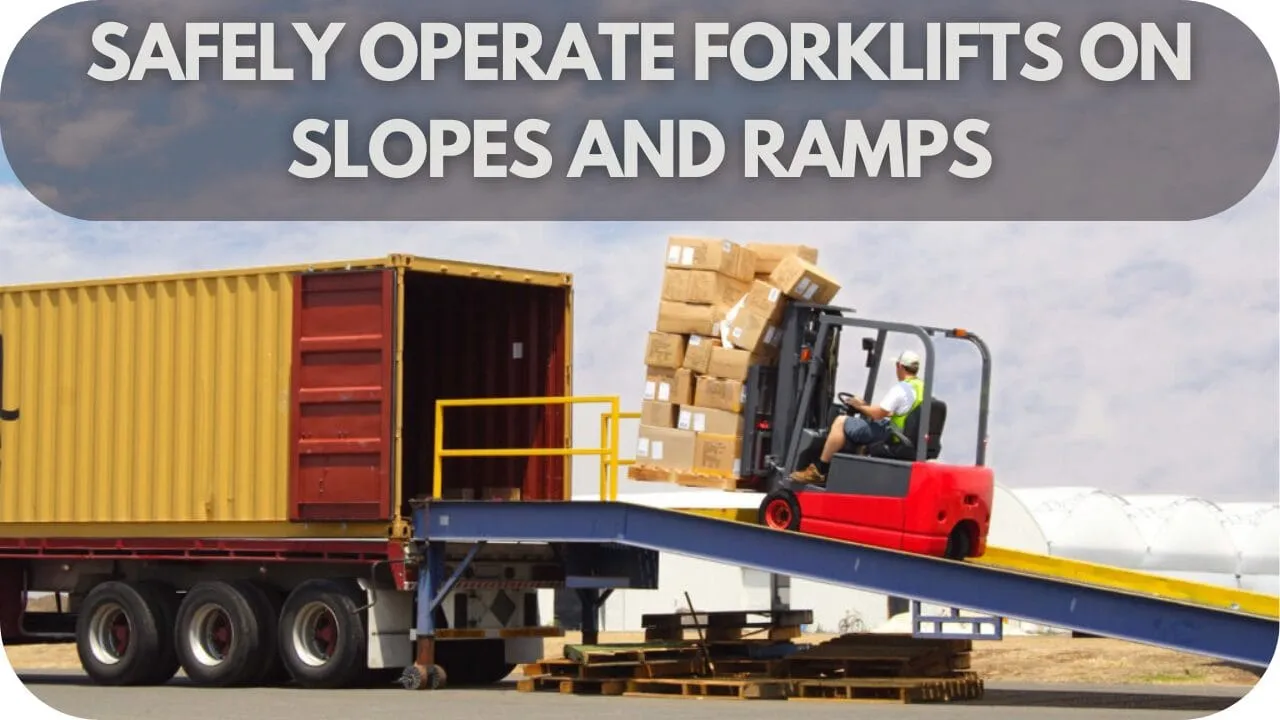
Operating a forklift on slopes and ramps can be dangerous if not handled correctly. Mishandling loads on uneven surfaces increases the risk of tipping, accidents, and damage. Workplace injuries related to forklifts can be serious and costly, making safety a top priority.
Whether you’re a safety officer, warehouse manager, or forklift operator, following the correct safety procedures ensures a safer work environment.
Let’s look at the best practices for safely operating forklifts on slopes and ramps to help prevent accidents and maintain control.
Why Forklift Safety Matters on Slopes and Ramps
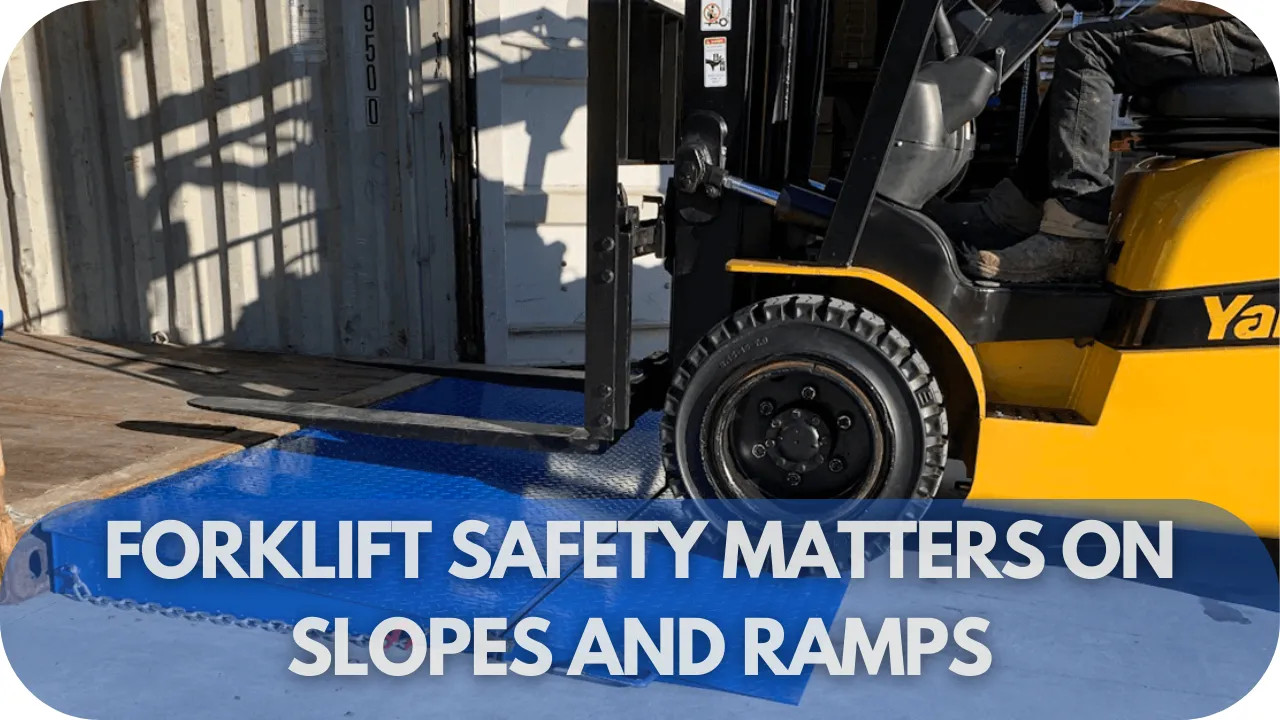
Forklift accidents on slopes can lead to severe injuries and equipment damage. Slopes shift the forklift’s centre of gravity, increasing the risk of tipping or losing load stability. Sudden braking, poor load positioning, and insufficient traction are common causes of slope-related incidents.
Ensuring proper safety procedures protects both workers and equipment. A well-maintained forklift, operated by a trained professional following safety standards, reduces the risk of accidents. Prioritising slope safety also helps businesses stay compliant with workplace regulations and avoid costly downtime or fines.
Key Safety Principles for Operating Forklifts on Slopes and Ramps
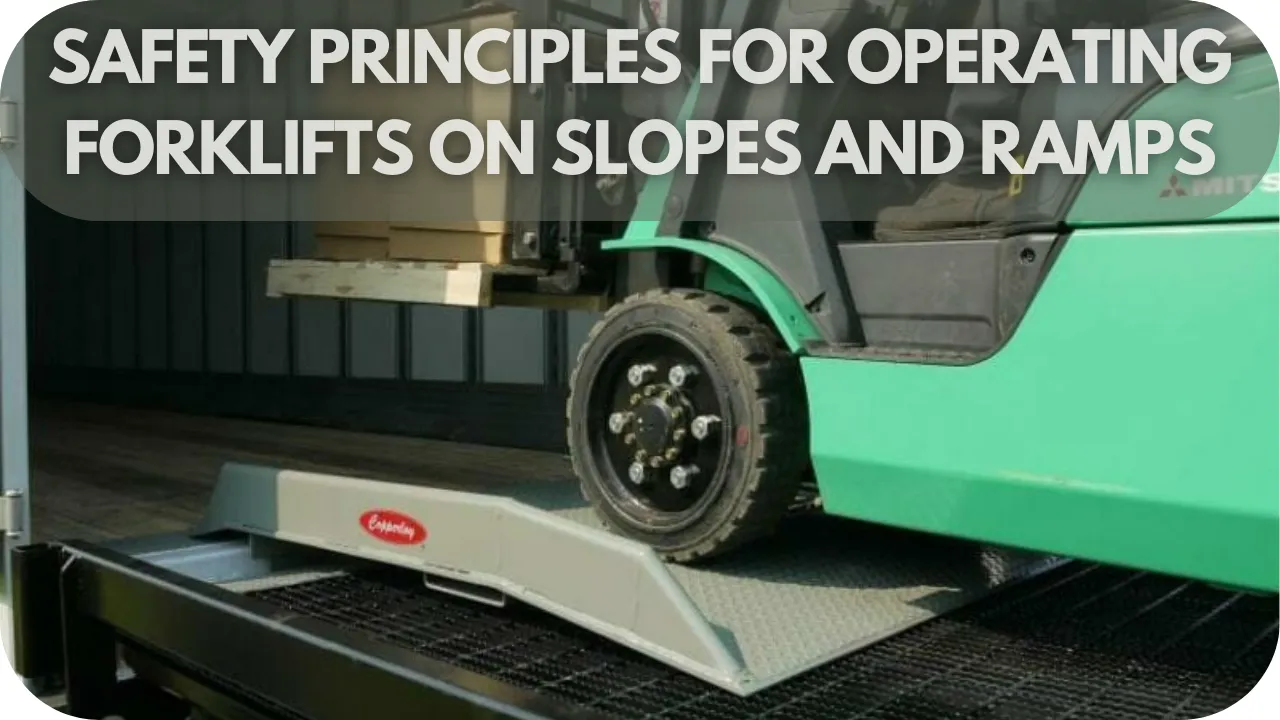
Neglecting basic safety principles can lead to tipping, equipment damage, and serious injuries. These key principles are essential for every forklift operator to master, ensuring safer operations on slopes and ramps.
1. Maintain Proper Load Positioning
Keep the load tilted back and as low to the ground as possible. This stabilises the forklift’s centre of gravity and prevents tipping. Place the heaviest part of the load near the forklift mast for better balance. Ensure the load is properly secured to avoid any shifting during movement, which could destabilise the forklift.
2. Control Speed and Maintain Traction
Drive at a consistent and controlled speed suited to the slope. Avoid sudden braking, rapid acceleration, or sharp turns, which can cause the forklift to skid or lose balance. Apply steady throttle pressure and maintain a firm grip on the controls. Smooth, gradual movements reduce the risk of losing traction and keep the forklift stable.
3. Ensure Proper Forklift Maintenance
Regularly inspect the forklift before use. Check the tyres for wear and proper inflation, brakes for responsiveness, and hydraulic systems for leaks or malfunctions. Ensure all safety mechanisms are fully operational.
Faulty equipment increases the risk of accidents, so perform routine maintenance checks and address any issues immediately.
4. Adhere to the Manufacturer’s Guidelines
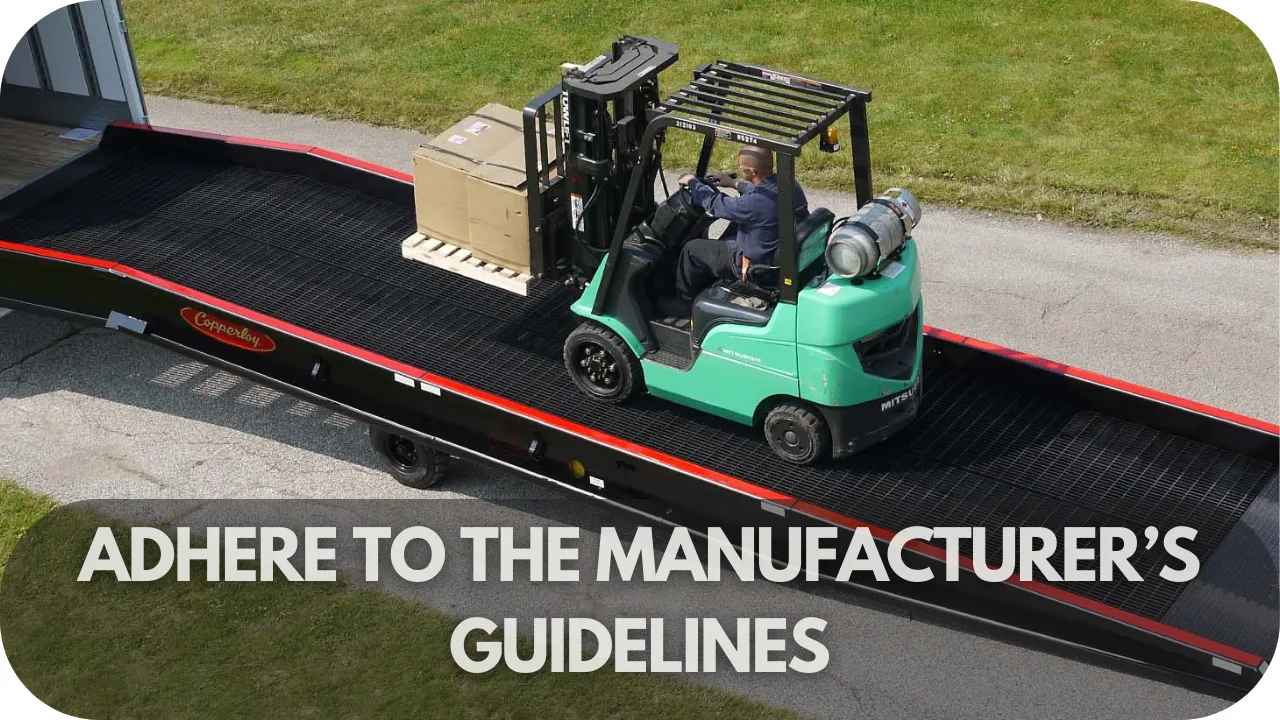
Follow the forklift’s load capacity and slope handling limits provided in the user manual. Each forklift has specific design constraints to ensure safety. Exceeding these limits can result in tipping, mechanical failure, and reduced operator control.
Familiarise yourself with these guidelines and operate the equipment within the recommended parameters.
5. Approach Slopes and Ramps Straight On
Drive straight up or down slopes. Angled approaches can shift the forklift’s centre of gravity and lead to side tipping. Keeping the forklift aligned with the slope improves stability and reduces lateral imbalance. Always assess the slope angle and ensure it is safe for the forklift’s capabilities.
6. Avoid Turning on a Slope
Turning while on a slope can destabilise the forklift, causing tipping. Plan your route to make turns on level ground before approaching an incline. Sudden directional changes on an incline shift the forklift’s weight unevenly, increasing the risk of losing balance.
7. Distribute Weight Evenly
Ensure the load is evenly distributed across the forks. Uneven loads can shift during movement, causing instability. Double-check that the load is balanced and secure before moving. Adjust the forks if necessary to maintain a stable centre of gravity.
8. Assess Slope Conditions Before Operation
Examine the slope for debris, moisture, loose gravel, or uneven surfaces that could reduce traction. Clear the area if necessary and confirm the ramp is suitable for forklift use. Proper surface assessment prevents avoidable accidents and helps operators prepare for the terrain they will encounter.
Preparing the Forklift for Slope Operation
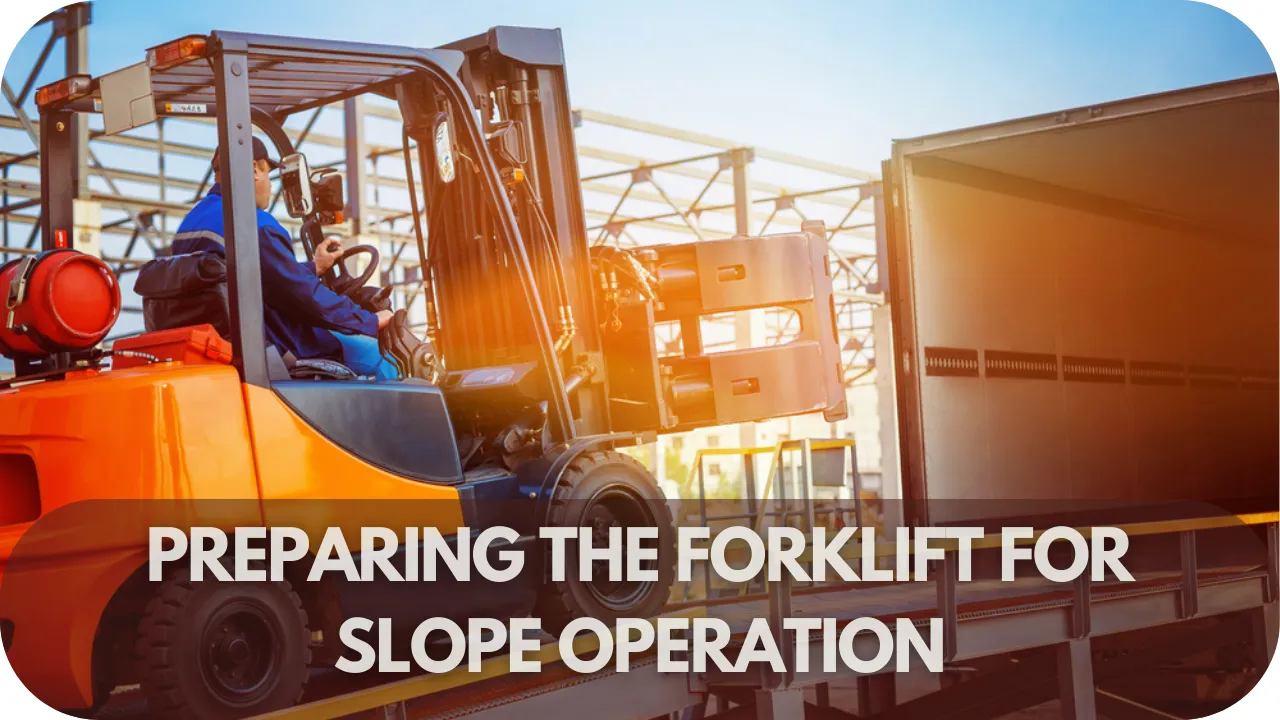
Proper preparation is essential before operating a forklift on slopes to prevent accidents and equipment damage. Begin with a thorough inspection of the forklift, focusing on critical components such as the braking system, tyres, and hydraulic systems.
Check the brakes for responsiveness and ensure the tyres are properly inflated with adequate tread depth for optimal traction. Confirm that the hydraulic system is functioning correctly to maintain stable load control.
Verify the forklift’s load capacity and slope handling specifications outlined in the manufacturer’s manual. Exceeding these limits can compromise stability and increase tipping risk. Adjust the forks to a height that keeps the load low and secure to the forklift’s centre of gravity. Ensure the load is evenly distributed and properly fastened to avoid shifting during operation.
Inspect the slope conditions for hazards like wet surfaces, loose gravel, or uneven patches that could affect traction. If the terrain is hazardous or beyond the forklift’s capabilities, consider alternative equipment such as a rough-terrain forklift.
Operator training is equally crucial. Ensure all personnel are adequately trained on slope-specific handling techniques and fully understand the equipment’s operational limits before use.
Safe Forklift Techniques on Slopes
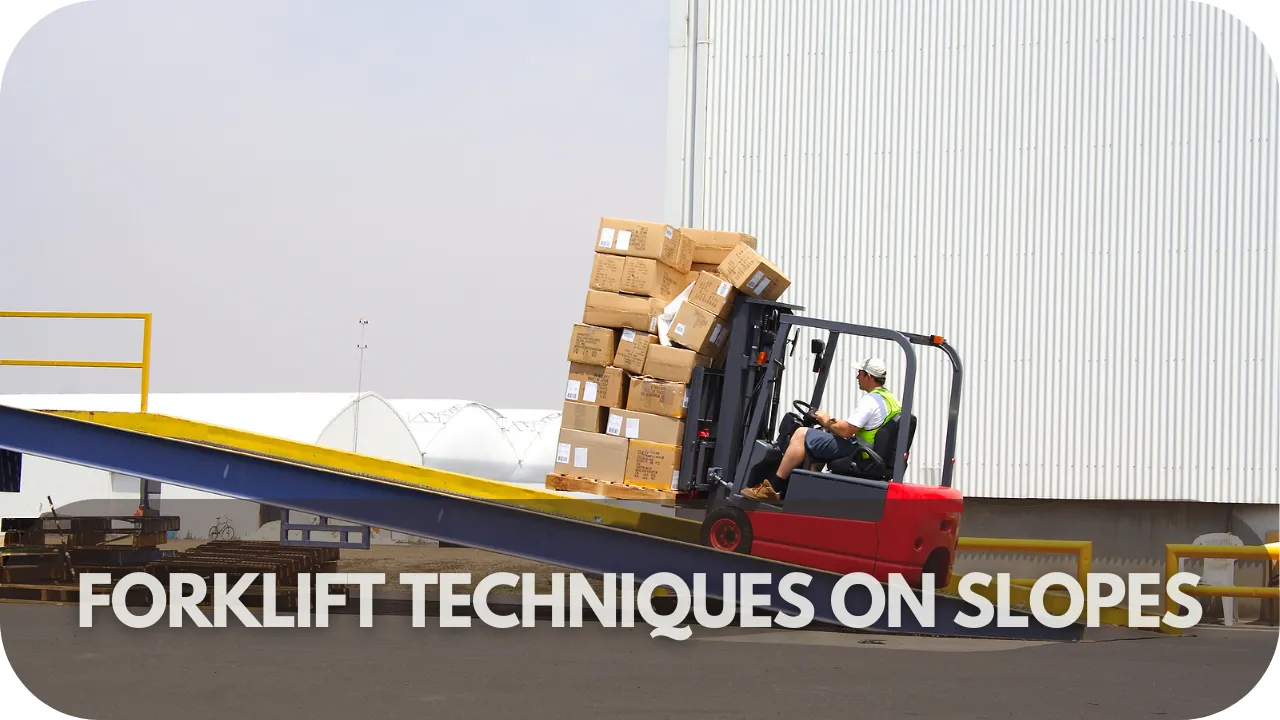
Operating a forklift on slopes requires extra caution and specific techniques to ensure safety and prevent accidents.
1. Ascending Slopes
When driving uphill, always keep the load facing uphill to prevent it from shifting forward. Drive forward at a steady, controlled speed without sudden acceleration, which can reduce traction and increase the risk of tipping.
Keep the forks low to the ground to maintain the forklift’s centre of gravity. If visibility is limited, such as in a confined space, use a trained spotter to help guide the operator safely.
2. Descending Slopes
When descending a slope, reverse the forklift with the load still facing uphill. This positioning ensures the load remains stable and prevents it from sliding forward, which could affect balance.
Drive in reverse slowly and consistently, avoiding sudden braking, as this can cause the forklift to skid or tip. Ensure proper visibility and clear communication if working in a team environment.
3. Operating on Ramps
Approach ramps directly, keeping the forklift square to the incline. This helps prevent lateral tipping caused by unbalanced forces. Keep the forks low and the load secured to maintain balance.
Avoid turning while on the ramp, as any sideways movement can shift the centre of gravity and increase tipping risks. If the ramp surface is slippery or uneven, consider using forklifts with enhanced traction control or additional safety features like rough-terrain tyres. Ensure the ramp is free from obstructions and wet spots before proceeding.
Common Mistakes to Avoid
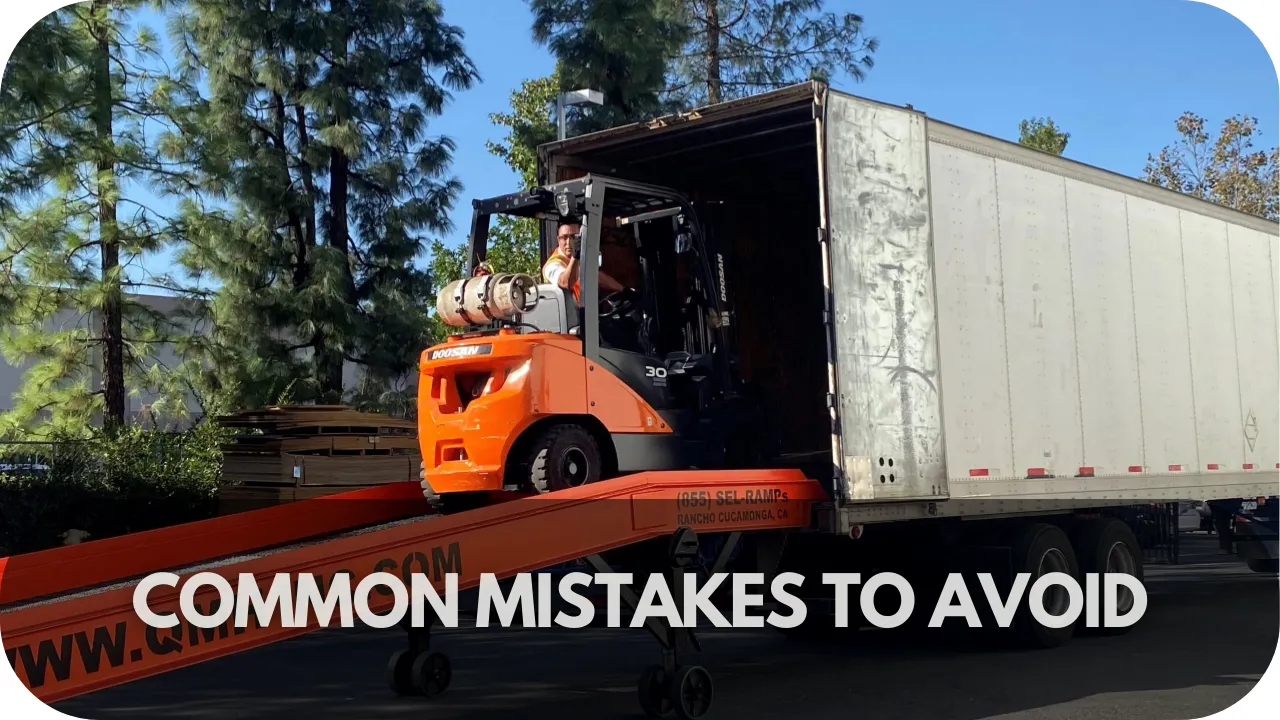
Even experienced forklift operators can make critical errors when working on slopes and ramps. These mistakes often result from poor preparation, improper handling, or neglecting safety protocols.
- Overloading the Forklift: Exceeding the forklift’s load capacity affects balance and increases tipping risks. Overloading can strain the hydraulic and braking systems, reducing control. Always verify the manufacturer’s load specifications before operating.
- Operating on Steep Inclines: Forklifts have specific slope handling limits. Attempting to operate on slopes beyond the recommended gradient can cause tipping. Always assess the incline and avoid using the forklift if the slope exceeds its rated capacity.
- Ignoring Surface Conditions: Wet, loose, or uneven surfaces reduce traction and increase skidding risks. Hazards like loose gravel, wet ramps, or oil spills should be cleared before operation. Inspect and prepare the surface before moving loads on slopes.
- Poor Load Handling: Incorrect positioning, such as unbalanced or loosely secured loads, can cause dangerous shifting. Ensure the heaviest part of the load faces the forklift mast for better stability. Secure the load properly and distribute weight evenly across the forks.
- Insufficient Operator Training: Untrained operators are more likely to misuse equipment and overlook safety procedures. Proper training ensures operators understand load management and slope handling techniques. Ongoing education and refresher courses are essential for maintaining safety standards.
Conclusion
Operating forklifts on slopes and ramps requires proper techniques and attention to detail. Maintaining proper load positioning, controlling speed, and following safety protocols significantly reduce risks. Preparing the forklift through inspections and operator training further ensures safe operations.
Prioritising safety helps prevent accidents, injuries, and costly damage. Contact Buy A Fork today for quality equipment and safety resources.