
The Complete Guide to Forklift Maintenance: Tips for Longevity and Performance
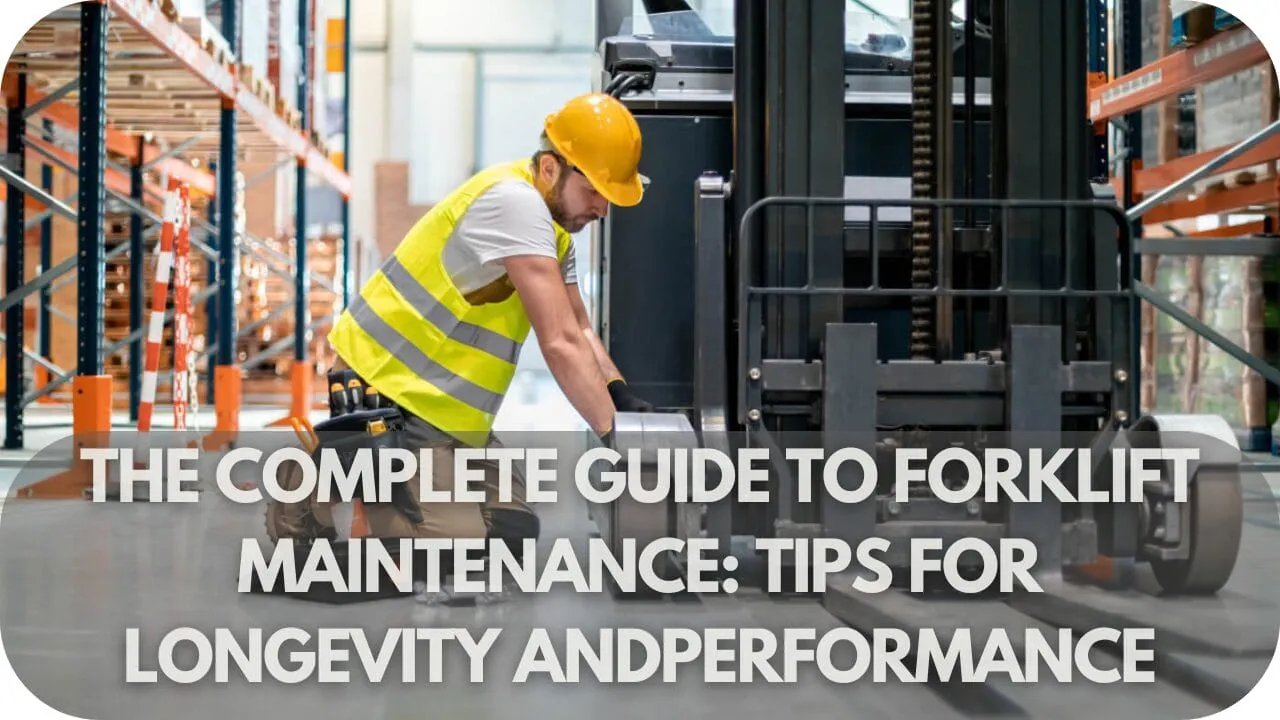
Proper forklift maintenance ensures safety, reliability, and long-term performance. Neglecting routine upkeep can lead to costly repairs and unexpected downtime.
By following a structured maintenance plan, businesses can maximise efficiency and reduce operational disruptions. Scheduled inspections help identify potential issues early, preventing minor problems from escalating.
In addition, well-maintained forklifts contribute to a safer working environment for operators and staff.
This guide provides practical tips and strategies to keep your equipment running at its best. Investing in maintenance is investing in productivity and performance.
Importance of Forklift Maintenance
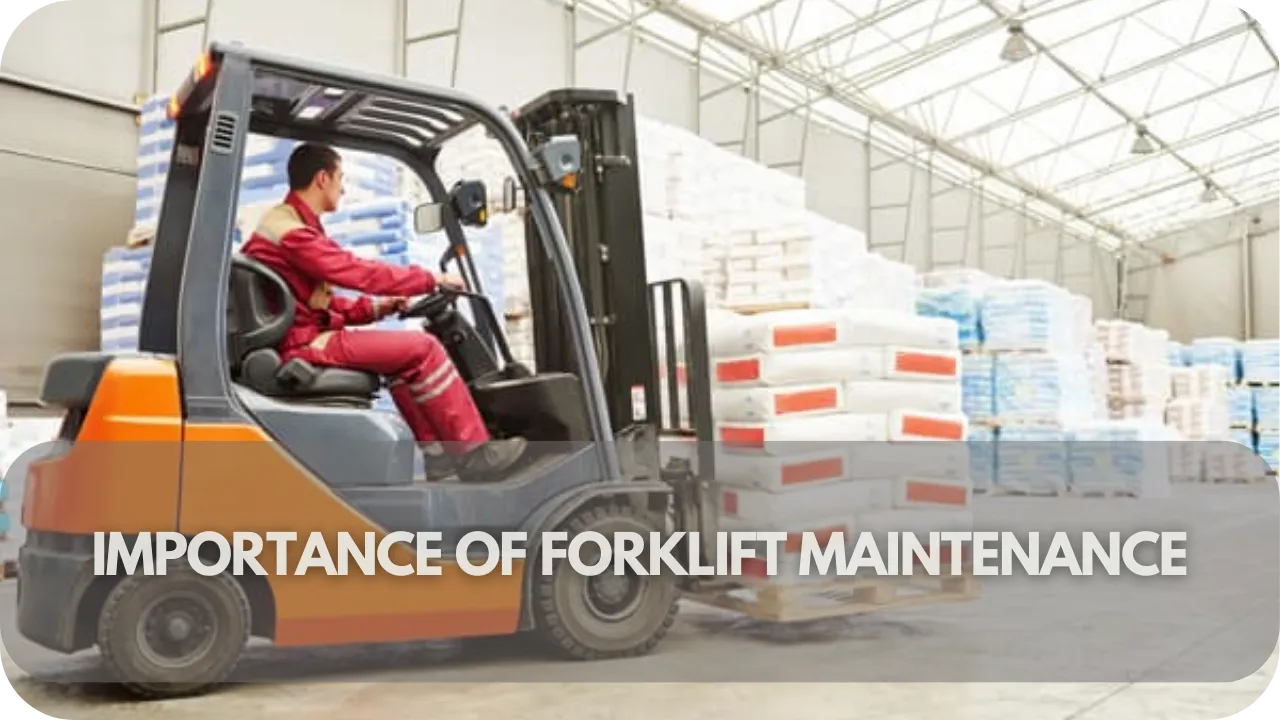
Forklift maintenance ensures operational efficiency and workplace safety. Regular upkeep prevents unexpected breakdowns that can disrupt productivity and cause costly delays.
Properly maintained forklifts operate more efficiently, reducing fuel consumption and wear on critical components. Neglecting maintenance can lead to mechanical failures, posing risks to operators and other staff.
By conducting routine inspections, potential issues can be identified early and resolved before escalating into significant problems. Compliance with safety regulations is easier to achieve when forklifts are kept in top condition.
Maintenance also extends the lifespan of the equipment, protecting your investment and minimising the need for replacements. Scheduled servicing reduces downtime, ensuring forklifts remain available when needed most.
For businesses relying on heavy machinery, prioritising maintenance is not just an option—it is a necessity to maintain smooth, cost-effective operations.
Daily Forklift Maintenance Checklist
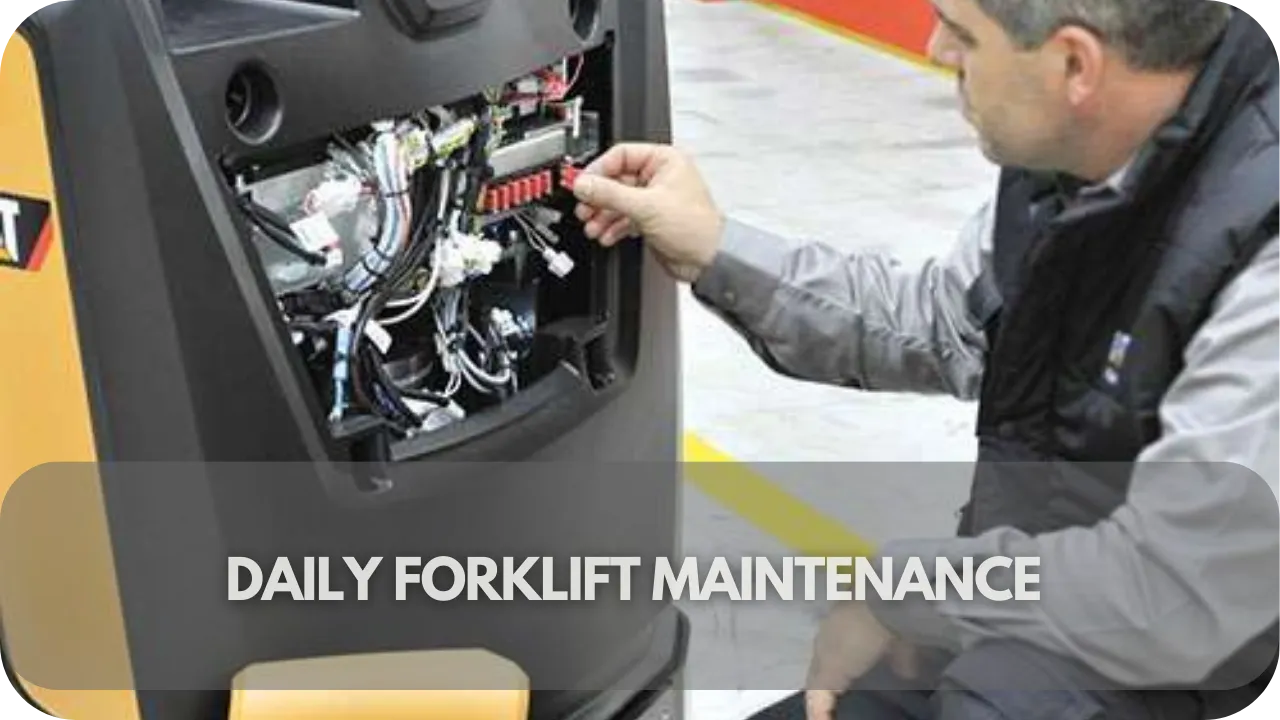
Maintaining forklifts daily is vital for safety and performance. Start by inspecting the exterior for visible damage, such as cracks, leaks, or loose parts.
Tyres should be checked for wear, proper inflation, or embedded debris that may cause damage. Ensure the forks are straight, unbent, and cracks-free to handle loads securely.
Fluid levels, including hydraulic, engine oil, and coolant, must be monitored and replenished if necessary. Batteries require attention, too—clean connections and adequate electrolyte levels are essential.
Brakes should be tested to confirm they respond promptly and without excessive resistance. Lights, mirrors, and alarms must be functional to ensure operational safety.
A quick assessment of the mast and chains can reveal wear or misalignment that might compromise lifting capacity. The operator’s cabin should be inspected for clean, intact controls and unobstructed visibility.
Conducting these checks consistently identifies potential issues early, reducing costly repairs. Proper record-keeping of daily inspections also ensures compliance with safety regulations and enhances accountability.
A disciplined approach to daily maintenance improves performance and extends the forklift’s lifespan, making it a worthwhile investment.
Weekly and Monthly Forklift Maintenance Tasks
Weekly and monthly maintenance tasks are essential for keeping forklifts in peak condition. Begin by thoroughly inspecting the hydraulic system, checking hoses and cylinders for leaks or damage. Filters, including air and oil, should be cleaned or replaced as needed to maintain engine efficiency.
Ensure chains and rollers are lubricated to reduce friction and prevent wear. Battery terminals require cleaning to prevent corrosion, which could disrupt power supply. Carefully examining the cooling system, including radiator fins and coolant levels, helps avoid overheating during operation.
Bolts and fasteners should be tightened to ensure structural integrity. Tyres deserve attention as well, with a focus on tread depth, wear patterns, and pressure consistency. Pay close attention to engine belts for cracks or fraying that might signal impending failure.
For monthly checks, verify the accuracy of load capacity markings and assess the condition of safety decals and labels. The mast and carriage should be inspected for alignment and smooth operation. Testing emergency systems, such as brakes and alarms, ensures they are fully operational.
Dedicating time to these tasks can minimise unexpected breakdowns and improve safety. A proactive weekly and monthly maintenance approach safeguards your investment and ensures consistent performance.
Seasonal and Annual Forklift Maintenance
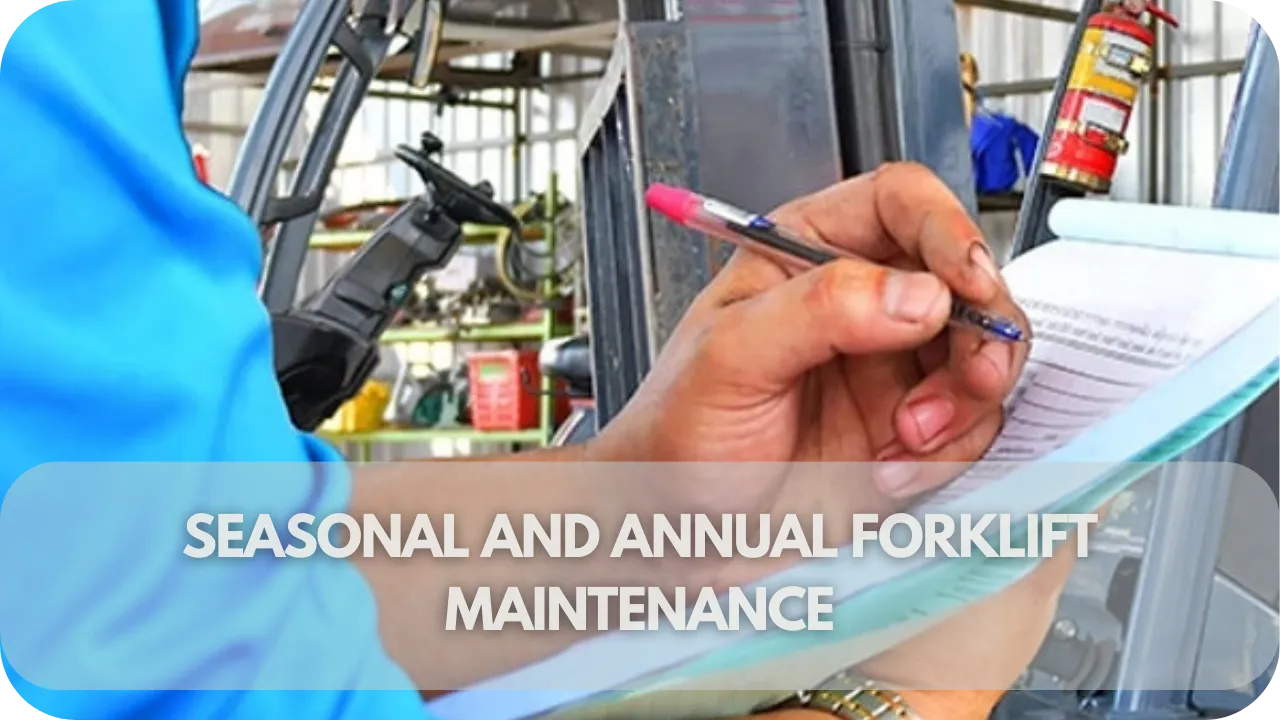
Seasonal and annual forklift maintenance ensures your equipment remains reliable under varying conditions and heavy usage. During seasonal changes, pay special attention to weather-related impacts. Tyres may need adjustments or replacements to handle extreme temperatures or slippery surfaces.
Coolant systems should be inspected to ensure they can handle temperature fluctuations without causing overheating or freezing. Lubrication schedules should be reviewed and adapted to prevent parts from stiffening or corroding during colder months.
Filters, including air and fuel, require more frequent attention in dusty or humid environments. Battery performance can decline in extreme weather, so terminals and charge levels must be checked regularly.
For annual maintenance, a full inspection of critical components is essential. Hydraulic systems should undergo pressure testing to detect leaks or weaknesses. Engine performance should be evaluated through diagnostics, ensuring optimal power output.
Comprehensive brake system checks, including pads, discs, and fluid levels, are crucial for safety. Safety features such as seat belts, alarms, and lights must be tested to ensure compliance with regulations. Forks and attachments should also be inspected for structural integrity.
Tips for Longevity and Performance
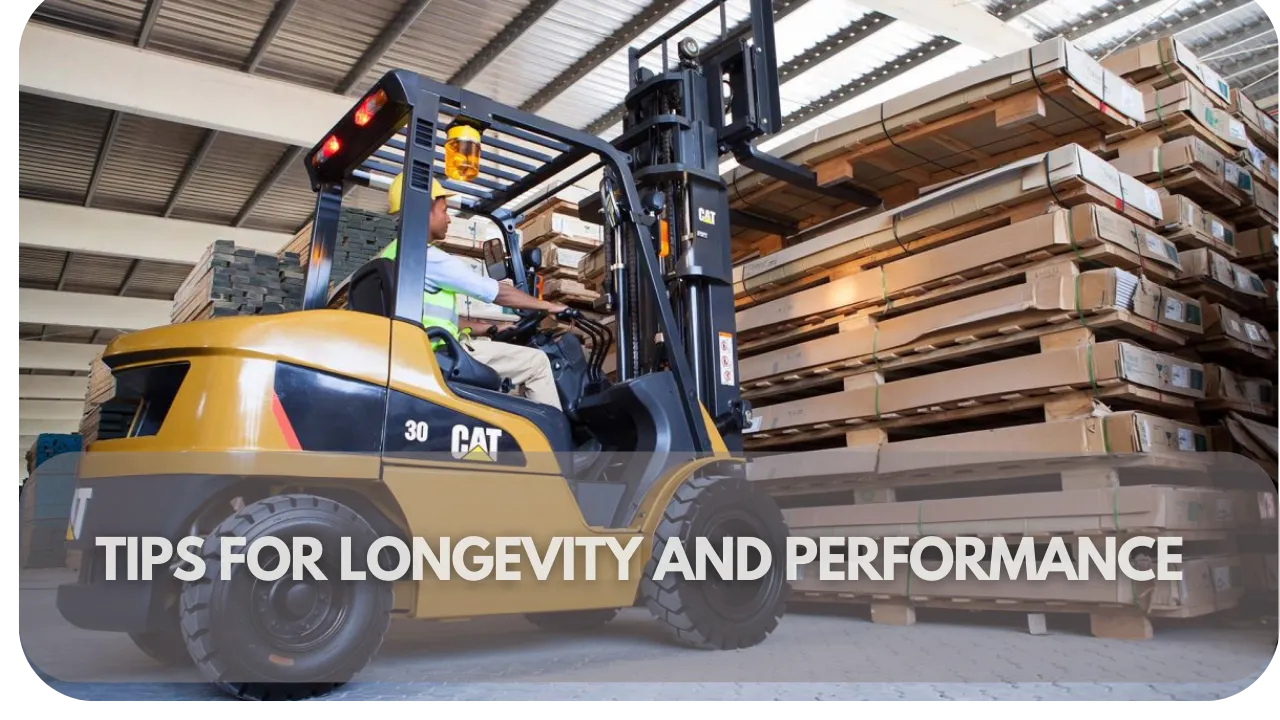
Effective maintenance is the key to maximising forklift lifespan and performance. You can reduce downtime, avoid costly repairs, and ensure operational efficiency with the right strategies.
- Invest in High-Quality Replacement Parts: Use genuine manufacturer parts to ensure compatibility, maintain durability, and reduce frequent replacements. Genuine parts protect warranties and minimise downtime.
- Train Operators Properly: Provide thorough training on correct usage and basic maintenance practices to prevent unnecessary strain and reduce repair needs.
- Monitor Usage Patterns: Track operational hours, load weights, and terrain types to proactively identify stress points and schedule maintenance.
- Schedule Professional Maintenance: Hire certified technicians for regular inspections and advanced diagnostics to prevent costly breakdowns and ensure compliance.
- Implement a Maintenance Management System: Use software to schedule, track, and manage maintenance activities efficiently, reducing missed servicing and improving budget planning.
- Keep Detailed Maintenance Logs: Maintain comprehensive records of maintenance activities to track repair trends, plan effectively, and support compliance requirements.
- Prioritise Safety Measures: Adhere to safety protocols to prevent accidents, minimise equipment damage, and ensure a risk-free working environment.
Common Forklift Maintenance Mistakes to Avoid
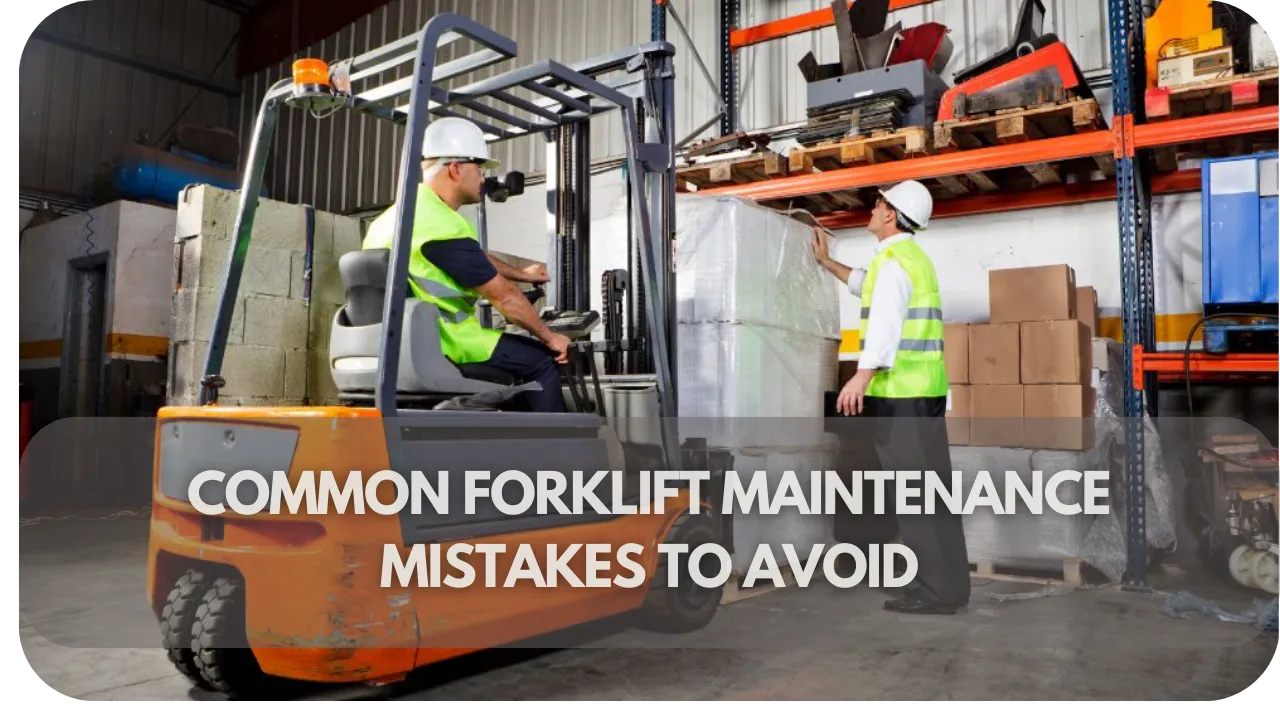
Avoiding common forklift maintenance mistakes is essential to keeping your equipment reliable and efficient. Simple errors can lead to costly repairs, downtime, and safety risks, making proactive care necessary.
- Skipping Regular Inspections: Neglecting routine checks can allow small issues to escalate into costly repairs and unexpected downtime.
- Using Non-Genuine Parts: Installing aftermarket components may compromise performance, reduce lifespan, and void warranties.
- Ignoring Warning Signs: Overlooking unusual noises, leaks, or performance drops can lead to severe mechanical failures.
- Delaying Scheduled Maintenance: Postponing professional servicing increases wear and tear, reducing the forklift’s efficiency and reliability.
- Overloading Forklifts: Exceeding load capacity puts unnecessary strain on key components, leading to damage and safety risks.
- Failing to Train Operators: Poorly trained operators may misuse the forklift, accelerating wear and increasing the likelihood of accidents.
- Neglecting Tyre Care: Ignoring tyre wear and pressure leads to uneven handling and increased fuel consumption.
- Improper Lubrication: Skipping lubrication for moving parts increases friction, causing premature wear and reduced operational efficiency.
- Not Monitoring Battery Health: Failing to check battery levels and cleanliness in electric forklifts reduces power and performance.
- Overlooking Hydraulic System Leaks: Ignoring leaks affects lifting capacity and safety, creating risks for equipment and operators.
- Inconsistent Maintenance Logs: Poor record-keeping makes it harder to track recurring issues and schedule timely repairs.
- Operating in Unsafe Conditions: Using forklifts on unsuitable terrain or in poor weather accelerates wear and creates hazards.
Conclusion
Proper forklift maintenance is key to ensuring longevity and peak performance. These essential tips can minimise downtime, reduce costs, and keep your fleet running smoothly.
Remember, a well-maintained forklift extends its life and improves workplace safety. For expert advice and reliable forklift solutions, trust Buy A Fork to support your business. Start implementing these practices today and experience the difference in performance!