
Top Tips to Choose the Perfect Forklift Tyres for Tough Outdoor Jobs
· Updated
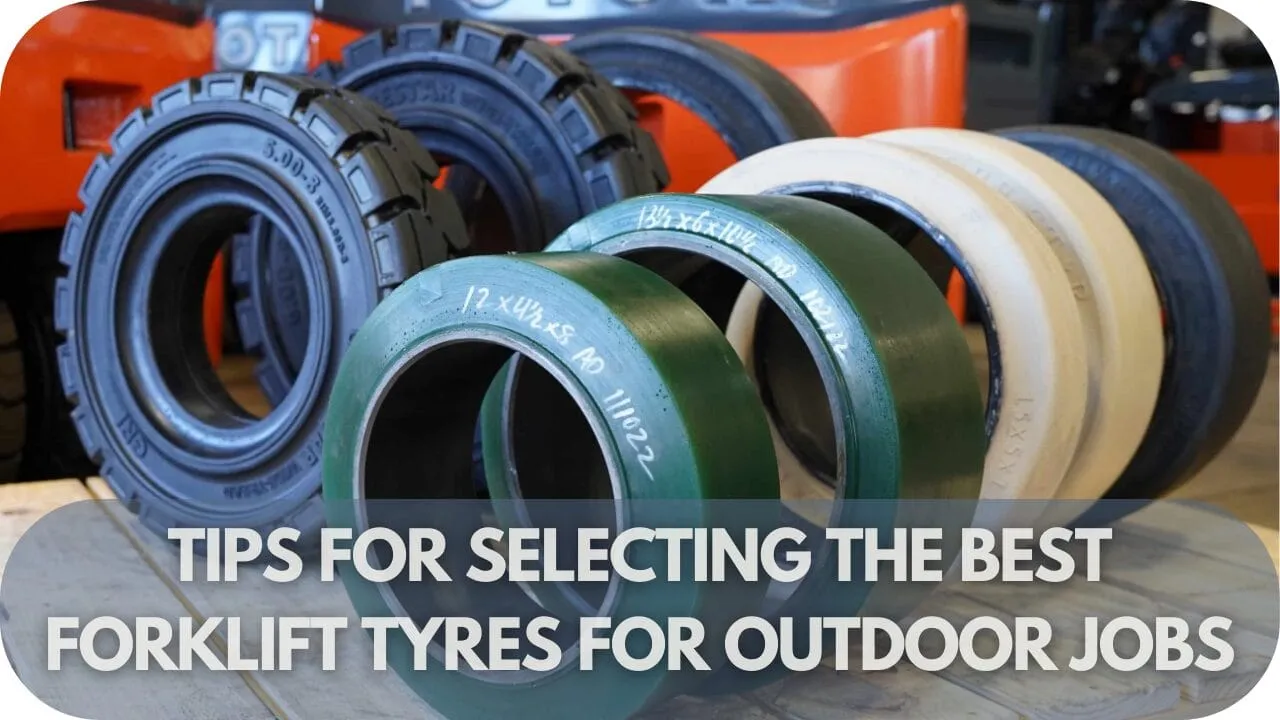
Forklifts are essential for outdoor operations in industries like construction, agriculture, and logistics, but their performance heavily depends on the tyres they use. Selecting the right forklift tyres is a critical decision that impacts safety, efficiency, and cost management in rugged and demanding environments.
This article outlines key considerations for choosing the best tyres, ensuring optimal performance and reliability for outdoor jobs.
1. Choose the Right Tyre Type for Outdoor Use
The first step in selecting the right forklift tyres for outdoor jobs is to choose the correct tyre type. Forklift tyres come in various styles, each suited to different environments.
Pneumatic Tyres
Pneumatic tyres are ideal for outdoor environments where rough, uneven terrain is common. These air-filled tyres are great for absorbing shocks and providing traction on rugged surfaces like gravel, dirt, or uneven ground. The main advantage of pneumatic tyres is their ability to reduce vibration and ensure a smoother ride for the operator.
However, they are more prone to punctures compared to other types, so it’s essential to regularly inspect them for any damage.
Solid Pneumatic Tyres
Solid pneumatic tyres are made from rubber, with no air inside, and are an excellent choice for environments where punctures are a concern. These tyres are highly durable and provide more stability on rough outdoor terrain.
They are often chosen for their longevity and resistance to wear, but they don’t offer the same shock absorption as pneumatic tyres. If your outdoor operations involve handling heavy loads in areas with sharp objects or debris, solid tyres may be the best option.
Foam-Filled Tyres
Foam-filled tyres are similar to pneumatic tyres but are filled with a special foam rather than air. This makes them puncture-resistant while still offering a reasonable level of shock absorption. While they are a good middle-ground option, they tend to be heavier than solid or pneumatic tyres, which can affect your forklift’s efficiency.
2. Match Tyres to the Terrain
One of the most important factors to consider when selecting forklift tyres is the terrain on which your forklift will be used. Different terrains require different tyres, and matching the tyre type to the terrain can significantly impact both performance and safety.
If your outdoor work involves navigating gravel paths or rough, uneven terrain, pneumatic tyres are your best bet. They provide excellent traction and cushioning, making it easier to move across bumpy surfaces.
If your outdoor job site is mostly paved with asphalt or concrete, solid tyres or solid pneumatic tyres are ideal. They provide a stable and durable ride while maintaining good traction without the risk of punctures. However, solid tyres may be less comfortable for the operator due to reduced shock absorption.
For outdoor jobs in wet or muddy conditions, tyres with deep, aggressive tread patterns are essential to ensure traction. Pneumatic tyres, with their flexible treads, can offer good grip in these conditions. If your forklift will be operating in environments where wet surfaces are frequent, choosing tyres designed for better water drainage and increased traction is key.
3. Consider Load and Weight Requirements
Another crucial aspect of selecting the best forklift tyres for outdoor jobs is considering the load and weight that the forklift will be carrying. Tyre load ratings vary, and choosing tyres that are strong enough to support the weight of the forklift and its load is vital for safety and efficiency.
Forklift tyres come with a load rating that indicates the maximum weight they can safely carry. Always ensure that the tyres you select have a load capacity that exceeds the weight of the heaviest load your forklift will handle. Overloading tyres can lead to premature wear, reduced traction, and even tyre failure.
Equally important is how the weight is distributed across the tyres. Uneven load distribution can cause uneven wear on the tyres and impact the forklift’s handling. It’s essential to ensure that the load is evenly balanced to extend the life of the tyres.
4. Take Weather Conditions Into Account
Weather conditions play a significant role in tyre performance. Extreme weather, whether it’s freezing cold, sweltering heat, or wet conditions, can affect the performance and durability of your forklift tyres.
In wet or snowy conditions, tyres with enhanced water drainage capabilities are important to prevent slipping and improve grip. Pneumatic tyres with deep treads perform well in these conditions by dispersing water and offering better traction on slick surfaces.
On hot days, the sun can cause certain types of tyres, especially those made from rubber, to degrade more quickly. Look for tyres that are specifically designed to withstand UV rays and high temperatures if your forklift will be exposed to harsh sunlight.
5. Prioritise Durability and Longevity
Durability and longevity are two critical factors when choosing outdoor forklift tyres. While it might be tempting to go for cheaper options, investing in high-quality tyres can save you money in the long run due to fewer replacements and repairs.
Look for tyres made from high-quality materials that are designed to resist wear, tear, and punctures. Premium tyres tend to last longer and provide a more consistent performance, reducing the need for frequent replacements.
It’s essential to consider how long the tyres will last under the specific conditions of your outdoor job site. Cheaper tyres may wear out more quickly, leading to more downtime and additional costs.
6. Focus on Traction and Stability
Safety is a top priority in any forklift operation, and selecting tyres that offer optimal traction and stability is essential for maintaining control in outdoor environments.
Tyres with aggressive tread patterns provide better traction on loose or uneven surfaces. This is especially important when driving across gravel, dirt, or muddy surfaces where slipping is a risk.
Stability is just as important as traction, especially on uneven outdoor terrain. Forklifts can easily tip over if the tyres lack support or stability. Look for tyres that offer a good balance of grip and stability to ensure safety.
7. Avoid Common Tyre Selection Mistakes
Selecting the wrong forklift tyres can lead to poor performance and costly repairs. One common mistake is choosing the wrong tyre type for the environment. Pneumatic tyres are best for rough terrain, while solid tyres are better for hard surfaces. Using the wrong type can result in rapid wear and reduced efficiency.
Another pitfall is ignoring the load capacity. Every tyre has a specific weight rating, and using tyres that cannot handle the required load can lead to premature wear or failure, posing safety risks.
Lastly, neglecting regular maintenance is a major mistake. Failing to inspect tyres regularly for wear, punctures, or deflation can lead to costly repairs. A routine maintenance schedule ensures that tyres remain in good condition, reducing the risk of problems and extending their lifespan.
8. Check Tyre Compatibility with Forklift Specifications
It’s essential to ensure that your select tyres are compatible with your forklift’s specifications. Forklifts come in various sizes, weights, and load capacities, and not all tyres will be suitable for every model.
Check the tyre size and specifications against your forklift’s manual to ensure proper compatibility. Incorrectly sized tyres can impact performance and may even cause damage to the forklift.
Always follow the manufacturer’s recommendations when selecting tyres for your forklift model. These recommendations are based on safety and performance tests to ensure optimal functionality.
9. Evaluate Cost-Effectiveness Over Time
While it might be tempting to go for the cheapest tyre option, it’s essential to consider the long-term costs. Cheaper tyres may save you money upfront but often wear out faster, leading to higher maintenance and replacement costs.
Premium tyres may cost more initially, but their longevity and durability can make them more cost-effective in the long run. Consider how often you’ll need to replace the tyres and weigh that against their initial cost.
Cheaper tyres may also require frequent maintenance, which can add up over time. Premium tyres often require less maintenance and have fewer issues, making them a better long-term investment.
Maintenance Tips for Outdoor Forklift Tyres
Once you’ve selected the best tyres for your outdoor forklift, it’s essential to keep them in good condition to maximize their lifespan. Here are some maintenance tips:
- Regular Inspections: Regularly check tyres for wear, punctures, and cracks to catch any issues before they become serious.
- Proper Inflation: Keep pneumatic tyres inflated to the recommended pressure to avoid premature wear and ensure maximum performance.
- Clean Tires: Clean tyres regularly to remove debris and prevent damage to the rubber. Dirt, mud, and other materials can cause abrasions and lead to wear faster if not removed.
- Monitor Tread Depth: Regularly check the tread depth of your tyres. Shallow treads reduce traction and compromise safety, especially in wet or uneven conditions. Replace tyres when the tread becomes too worn.
- Rotate Tyres: Rotate your tyres regularly to ensure even wear. This is particularly important for forklifts that carry heavy loads, as uneven wear can lead to decreased performance and shorter tyre life.
Conclusion
Selecting the right forklift tyres for outdoor jobs is crucial for safety and performance. By considering factors like terrain, load requirements, weather conditions, and durability, you can ensure your forklift runs efficiently. Regular maintenance is key to extending tyre life.
For expert advice or to find the best tyres for your outdoor needs, contact Buy A Fork today and make the right choice for your business.