
Pneumatic Tyres Guide: Everything You Need to Know
· Updated
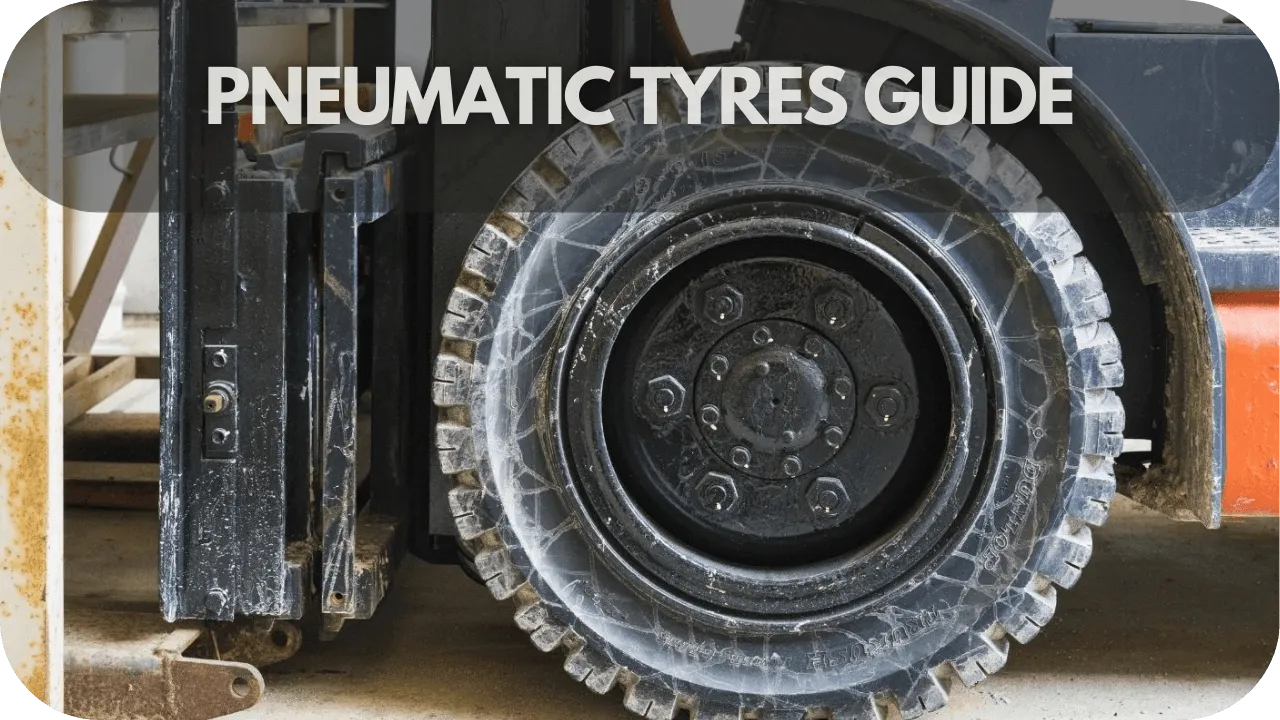
When it comes to vehicle performance, tyres are often overlooked, yet they play a crucial role in safety, comfort, and efficiency. Pneumatic tyres, or air-filled tyres, have been the go-to choice for vehicles for decades. They offer several advantages, from smooth rides to better fuel efficiency.
But how do they work, and how do you choose the right one for your vehicle? In this guide, we will take you through everything you need to know about pneumatic tyres, ensuring you’re fully equipped to make informed decisions for your vehicle’s needs.
What Are Pneumatic Tyres?
Pneumatic tyres are tyres that rely on compressed air to maintain their shape and functionality. Unlike solid tyres, pneumatic tyres have an air-filled chamber that acts as a cushion, providing comfort and flexibility. They consist of several key parts, including the tread, sidewall, and casing, which work together to give a smooth, stable ride.
The air inside the tyre plays a significant role by absorbing shocks from rough surfaces, making driving more comfortable. It also helps in distributing the vehicle’s weight evenly, which is important for both the tyre’s longevity and overall vehicle safety.
Whether on a car, bicycle, or industrial equipment like forklifts, pneumatic tyres are designed to handle different terrains and road conditions, making them a versatile choice for various types of vehicles.
How Do Pneumatic Tyres Work?
Pneumatic tyres work by using air pressure to maintain their shape. The air inside the tyre acts as a cushion, allowing the tyre to absorb impacts from bumps and uneven surfaces. This cushioning helps to reduce road vibrations and provides a smoother ride, especially on rough terrains.
When a vehicle is in motion, the tyre’s air pressure helps maintain the right balance between grip and comfort.
It keeps the tyre flexible enough to adapt to road conditions while offering the necessary traction for safe driving. Over or under-inflating tyres can affect this balance, leading to reduced performance, shorter tyre life, and even safety risks.
The air inside the tyre also helps distribute the weight of the vehicle evenly across the surface, reducing wear and tear. As the tyre rotates, the rubber tread makes contact with the road, providing grip and traction.
In forklift operations, the ability of pneumatic tyres to absorb shock is especially important when transporting heavy loads. It reduces the wear and tear on both the forklift and the surface it’s driving on, making for a smoother, safer operation.
Benefits of Pneumatic Tyres
Pneumatic tyres offer a range of benefits that make them the go-to choice for most vehicles. From safety and comfort, here are some of the top advantages:
- Smooth and Comfortable Ride: The air cushion inside pneumatic tyres absorbs shocks from uneven surfaces, reducing vibrations and road noise. This ensures a more comfortable driving experience, even on bumpy roads.
- Improved Traction and Grip: Pneumatic tyres provide better traction than solid tyres, especially in wet or slippery conditions. This enhanced grip leads to better handling, improving safety and driving confidence, particularly during harsh weather.
- Fuel Efficiency: When properly inflated, pneumatic tyres reduce rolling resistance, which helps improve fuel economy. This is particularly beneficial for long-distance driving or vehicles used frequently, saving on fuel costs.
- Increased Durability: Pneumatic tyres last longer than solid tyres because they distribute weight more evenly and handle road impacts better. This durability reduces wear and tear, extending tyre life and saving you money in the long run.
- Better Heat Dissipation: Pneumatic tyres are effective at dissipating heat generated during driving, which helps prevent overheating. This reduces the risk of tyre blowouts and ensures a safer driving experience.
- Versatility: Pneumatic tyres are suitable for various types of vehicles, from passenger cars and trucks to bicycles and industrial equipment. They are designed to handle a wide range of driving conditions and surfaces.
- Enhanced Safety: The flexibility of pneumatic tyres improves vehicle stability, providing better handling and reducing the risk of skidding or losing control, especially in adverse weather conditions like rain or snow.
- Shock Absorption: Pneumatic tyres provide excellent shock absorption, not only for the driver but for the vehicle’s suspension system as well. This reduces strain on other vehicle components and enhances the overall lifespan of the vehicle.
Different Types of Pneumatic Tyres
Choosing the right type can make a significant difference in both performance and safety. Here’s an overview of the main types of pneumatic tyres:
1. Solid Pneumatic Tyres
Solid pneumatic tyres are made from rubber that is reinforced with steel bands. While they are filled with air, they don’t rely on a traditional inner tube, making them highly durable and resistant to punctures.
These tyres are ideal for heavy-duty applications, such as in warehouses or construction sites where the risk of tyre damage from sharp objects or debris is higher.
2. Standard Air-Filled Pneumatic Tyres
Standard air-filled tyres are the most common type used in forklifts. These tyres are ideal for lighter-duty operations and are commonly used in indoor environments or on smoother outdoor surfaces.
They provide a comfortable ride and good traction but may not be as durable as solid pneumatic tyres when exposed to rough conditions.
3. Tubeless Tyres
Tubeless tyres are designed without the need for an inner tube. Instead, the air pressure is contained within the tyre itself, making it lighter and easier to maintain. Since they don’t have a tube to puncture, they are generally safer and more reliable than tube-type tyres.
Tubeless tyres are now the standard for most vehicles, including passenger cars and motorcycles, thanks to their ease of maintenance and lower risk of air loss in the event of a puncture.
4. Tube-Type Tyres
Tube-type tyres, as the name suggests, require an inner tube to hold the air pressure. These tyres were more common in the past but are still used in certain applications like bicycles and some off-road vehicles.
While they are less common today, they offer a simple design and are relatively easy to repair if punctured. However, they tend to be heavier and more prone to issues such as air loss compared to tubeless tyres.
5. Specialised Pneumatic Tyres
Pneumatic tyres are also tailored for specific uses, such as bicycle tyres, industrial tyres, and off-road tyres. These specialised tyres are designed to meet the demands of their respective environments, whether it’s for smooth city streets or challenging rough, uneven terrain.
Each type of tyre is engineered to provide the best performance for its intended purpose, offering tailored features like increased durability, enhanced grip, and better shock absorption.
Choosing the Right Pneumatic Tyres for Your Forklift
Choosing the right pneumatic tyres for your forklift involves several key factors:
- Consider the Forklift’s Primary Use: If your forklift mainly operates indoors on smooth surfaces, standard air-filled pneumatic tyres are typically sufficient. For outdoor use on rough or uneven terrain, solid pneumatic tyres or heavy-duty air-filled tyres are a better choice.
- Evaluate the Terrain: If your forklift is frequently used on rough, gravelly, or uneven surfaces, tyres with deeper treads and thicker rubber (such as solid pneumatic tyres) will provide better traction and durability.
- Load Capacity: Ensure that the tyres you choose are rated to handle the maximum load your forklift will carry. Choosing tyres with the correct load capacity is crucial to avoid tyre failure and ensure stability.
- Inflation and Pressure: Proper tyre inflation is critical for safety and performance. Under-inflated tyres can lead to poor traction and reduced fuel efficiency, while over-inflated tyres may wear out faster and compromise comfort.
Common Issues with Pneumatic Tyres
Pneumatic tyres, while durable, can face a range of issues if not properly maintained. One of the most common problems is punctures, caused by sharp objects on the road. Punctures can be repaired, but if they are too large or in the sidewall, the tyre may need to be replaced.
Uneven tyre wear is another common issue. This can be caused by improper alignment or inflation. When a tyre isn’t properly inflated or aligned, it wears unevenly, which can affect handling and safety. Regularly checking your tyre pressure and getting your vehicle aligned can help avoid this.
Over-inflation and under-inflation can also reduce the lifespan of your tyres. Over-inflated tyres wear more quickly in the centre, while under-inflated tyres can cause excessive wear on the edges and lead to overheating. Maintaining the correct tyre pressure is crucial for optimal performance and longevity.
How to Maintain Pneumatic Tyres on Forklifts
Proper maintenance of pneumatic tyres is key to ensuring safety and longevity. Here are some tips:
- Check Tyre Pressure Regularly: Maintain the manufacturer-recommended air pressure to avoid under or over-inflation, which can lead to performance issues.
- Inspect for Damage: Regularly check for cuts, punctures, or cracks in the tyre. If you spot any significant damage, have the tyre repaired or replaced as soon as possible.
- Rotate Tyres: Just like with cars, rotating the tyres of your forklift ensures even wear and extends the lifespan of the tyres.
- Ensure Proper Alignment: Misalignment can cause uneven wear and poor handling. If you notice any steering issues or unusual wear patterns, get the forklift aligned immediately.
Conclusion
Pneumatic tyres are essential for vehicle safety, comfort, and efficiency. By choosing the right tyres, maintaining them properly, and addressing issues early, you can enjoy a smoother ride, enhanced performance, and longer tyre life.
If you’re unsure about the best pneumatic tyres for your vehicle, or if your tyres need replacing, visit Buy A Fork for expert advice. Keep your vehicle running smoothly by taking good care of your tyres today!