
When to Replace Your Forklift Tyres: Expert Tips for Safety & Efficiency
· Updated
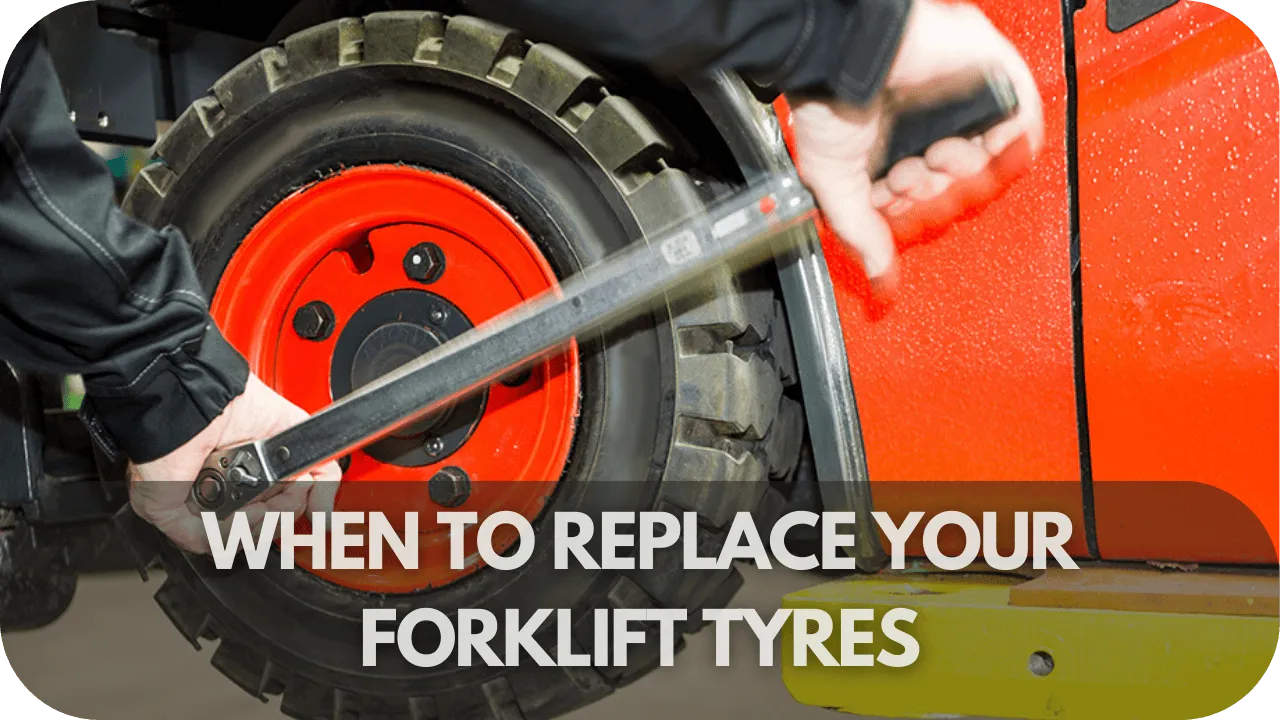
Your forklift tyres work hard every day. They bear heavy loads, handle constant movement, and keep your operations running smoothly. However, worn tyres can compromise safety, efficiency, and even compliance with standards.
Knowing when to replace forklift tyres is essential for protecting your workers and avoiding costly downtime. Learn how to identify tyre wear, why it matters, and how timely replacement improves safety and efficiency. Let’s ensure your forklifts are in top condition and ready for the job.
Why Forklift Tyres Matter for Safety & Efficiency
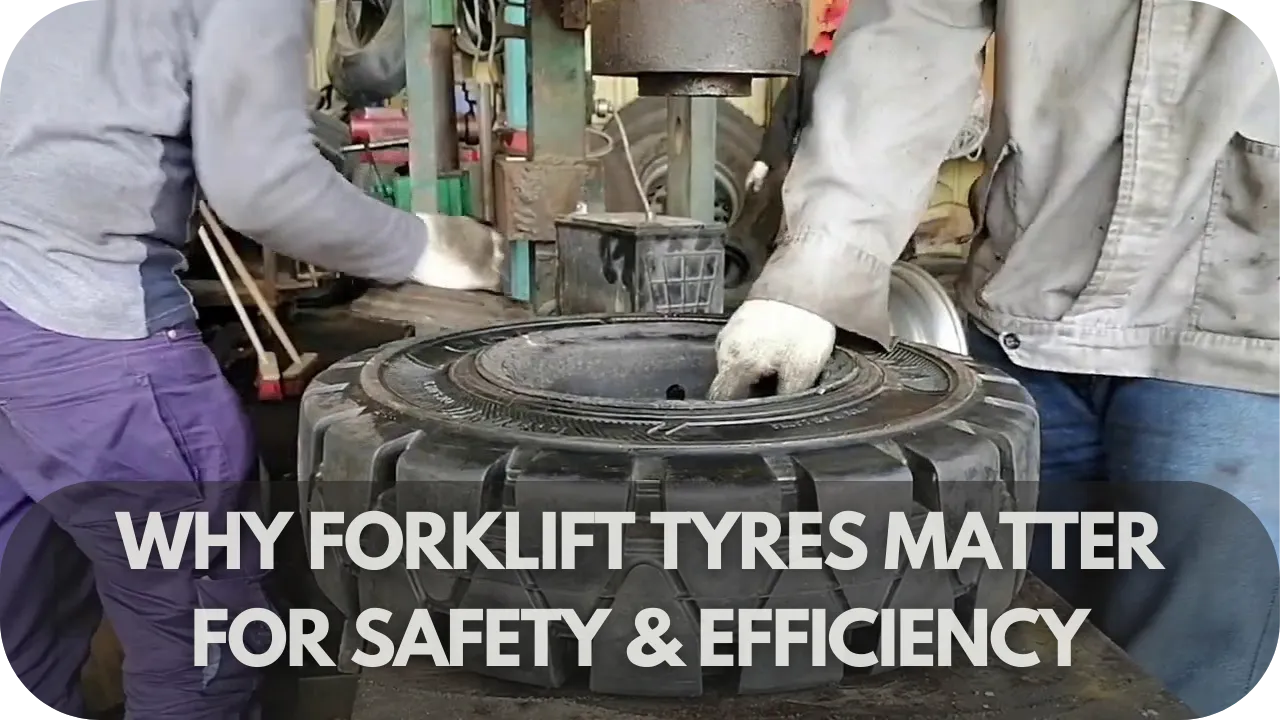
Forklift tyres play a crucial role in workplace safety and performance. Good tyres provide stability, load balance, and traction, which reduces the risk of tip-overs and accidents. Tyres affect how well the forklift grips the surface, especially on slippery or uneven floors.
Efficiency also depends on tyre condition. Worn tyres create drag, forcing the forklift to work harder and use more fuel. This increases operational costs and reduces productivity. Damaged tyres can also stress other parts of the forklift, like the axles and suspension.
Safe and efficient operations start with healthy tyres. Ensuring they are in top shape prevents breakdowns, reduces downtime, and keeps both operators and loads safe. Regular checks and timely replacements should be part of your maintenance plan.
Signs It’s Time to Replace Your Forklift Tyres
Worn tyres can compromise load stability, reduce control, and increase the risk of accidents. Ignoring tyre wear not only puts operators at risk but can also lead to costly downtime and equipment damage. Here are the key signs that it’s time for a replacement:
1. Tread Wear
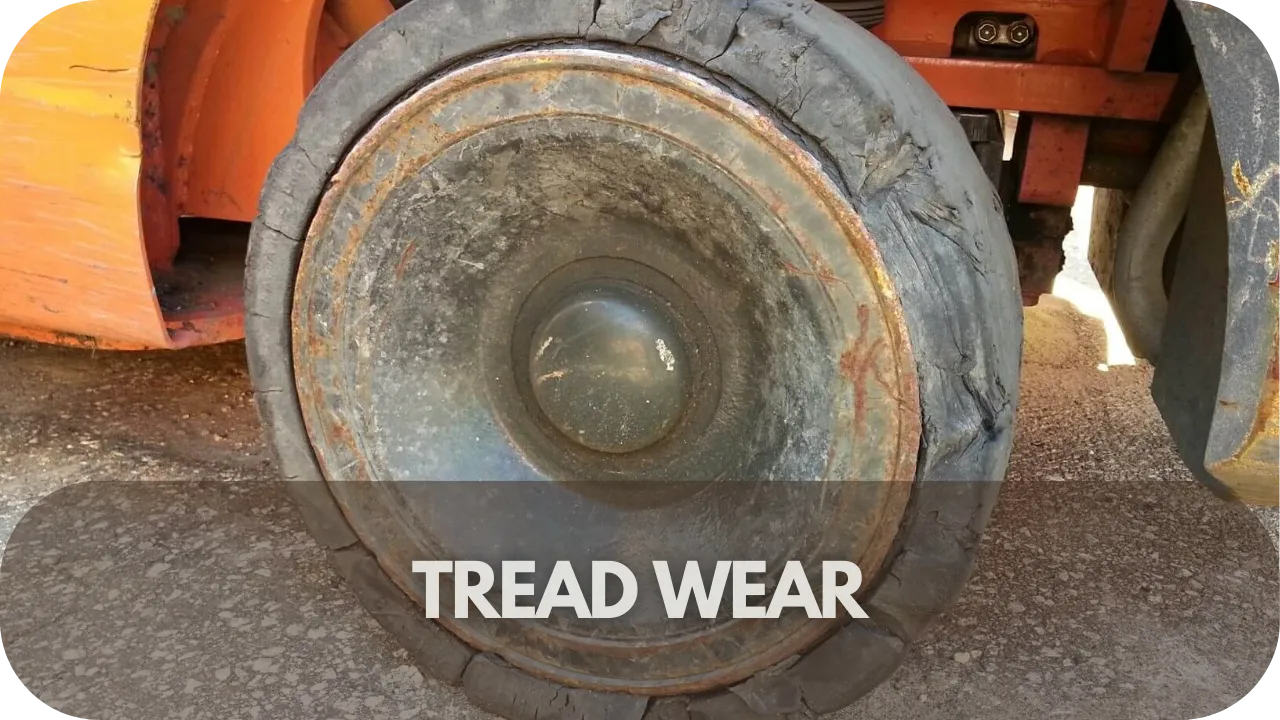
Tread depth is essential for maintaining traction. When the tread wears down significantly, the forklift struggles to grip the surface, especially on smooth warehouse floors.
Reduced traction makes it harder to stop, steer, or balance heavy loads safely. Many tyres have a wear line indicator—if the tread has worn to this line, it’s time to replace them immediately.
2. Chunking
Chunking occurs when pieces of rubber break off from the tyre surface. This often results from extensive use in rough environments or carrying excessive loads.
Chunking weakens the tyre’s integrity and can cause uneven weight distribution, increasing the risk of sudden tyre failure during operations.
3. Cracks & Tears
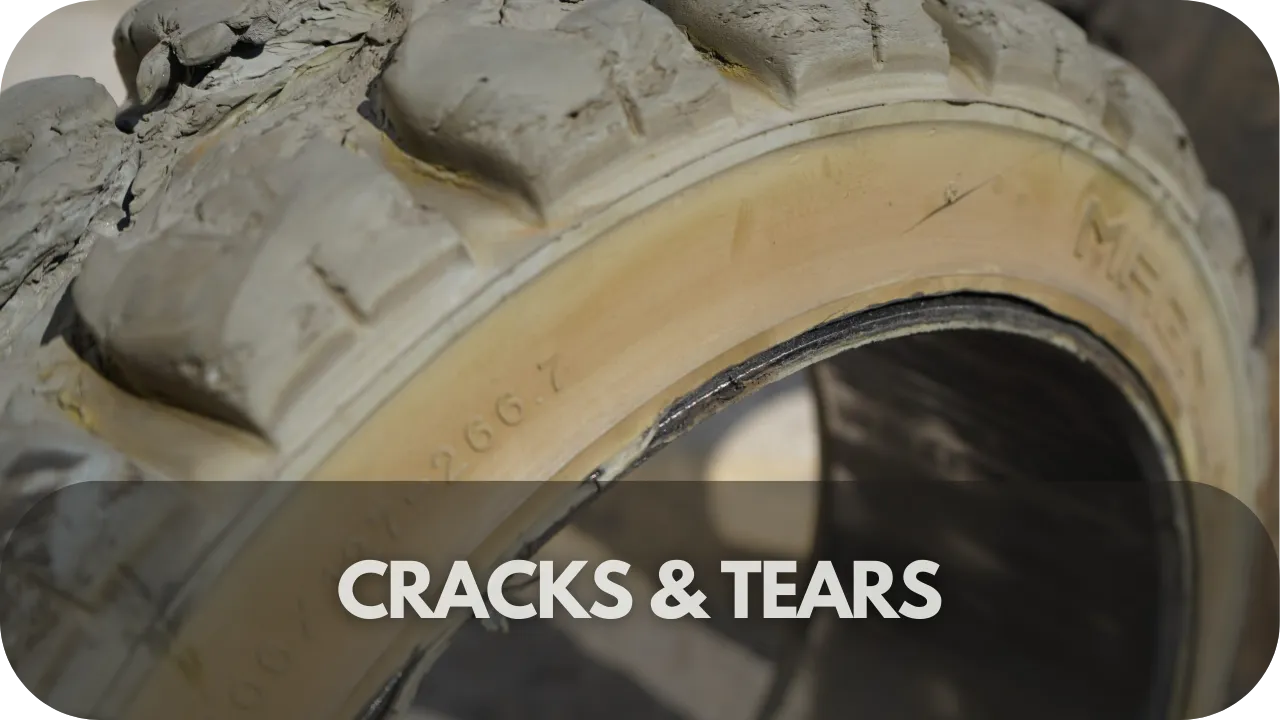
Cracks, splits, and tears, especially along the sidewalls, indicate structural weakening. These signs often occur due to prolonged exposure to harsh environments, chemicals, or improper storage. Cracks can worsen under load pressure, leading to blowouts or unexpected tyre failures.
4. Flat Spots
Flat spots develop from frequent sharp turns, sudden braking, or extended stationary periods with heavy loads. They disrupt the tyre’s shape and create instability, leading to a bumpy ride and uneven weight distribution, which can further damage the forklift’s axle.
5. Embedded Objects
Forklift tyres can pick up nails, screws, or other sharp objects, especially in busy industrial areas. Even if the object appears small, it can puncture the rubber and create gradual pressure loss or internal damage. Embedded objects also increase the risk of blowouts, making prompt inspection crucial.
6. Sidewall Damage
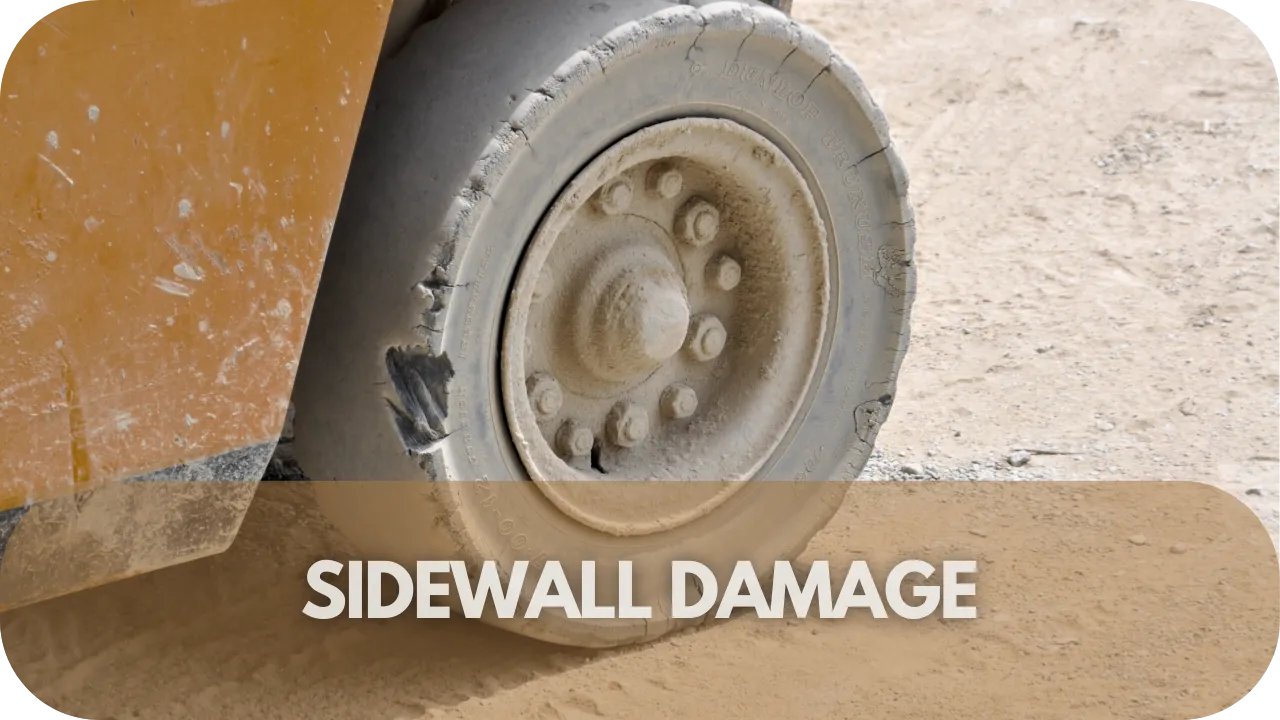
Damage to the sidewall, including bulges or deep cuts, compromises the tyre’s structural strength. Sidewall issues often stem from accidental impacts or frequent side scraping against surfaces.
7. Tyre Age & Hours of Use
Even if visible wear isn’t apparent, tyres can degrade over time due to rubber fatigue. Tyres often need replacement after 1,000 to 2,000 operational hours, depending on usage conditions and load weight. Following manufacturer guidelines on lifespan can help ensure safer operations.
8. Operator Feedback
Listen to your forklift operators. If they notice increased vibration, handling issues, or difficulty braking, it may indicate tyre wear that requires immediate attention.
Consequences of Not Replacing Worn Forklift Tyres
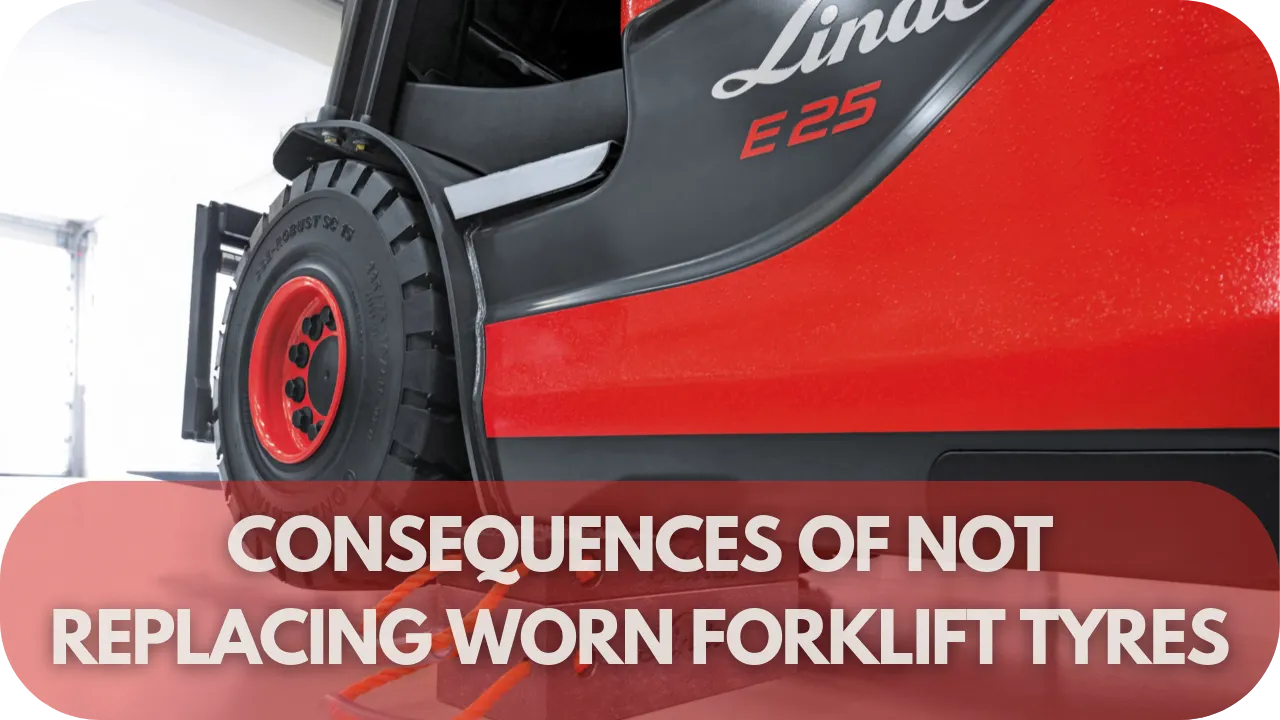
Failing to replace worn forklift tyres can lead to serious safety risks and increased operational costs. Consequences include:
- Safety Risks: Tyres with poor traction make it harder to control the forklift, increasing the risk of tip-overs and collisions. Operators may struggle with load balance, which can lead to dropped goods or equipment instability.
- Increased Maintenance Costs: Damaged tyres cause uneven weight distribution, placing extra strain on the axle, brakes, and transmission. This results in faster wear on other components, leading to costly repairs and replacements.
- Operational Delays: Tyres in poor condition can lead to breakdowns, halting operations and causing costly downtime. Productivity suffers when equipment isn’t ready for use.
- Compliance Issues: Operating with worn tyres may breach Australian Workplace Health and Safety (WHS) standards, potentially leading to fines or legal action. Keeping tyres in good condition ensures compliance and a safer worksite.
How Often Should You Replace Forklift Tyres?
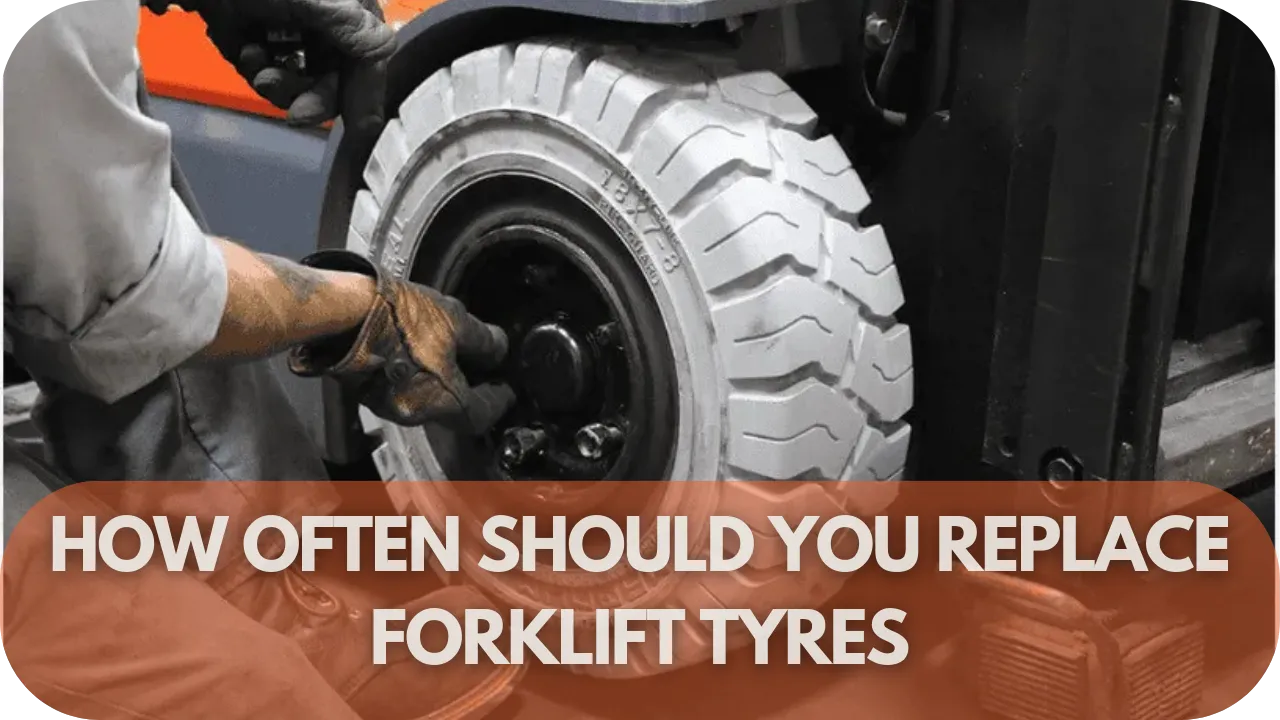
The lifespan of forklift tyres depends on factors like usage, load weight, and surface conditions. Generally, tyres should be replaced after 1,000 to 2,000 operational hours. However, this can vary based on several factors.
Intensity of use matters—forklifts in high-demand environments wear tyres faster than those used occasionally. Load weight also plays a role, as heavier loads increase tyre stress, leading to quicker wear.
Surface conditions affect durability too; rough outdoor terrains cause faster tyre deterioration than smooth warehouse floors. Tyre type matters as well—cushion tyres last longer indoors, while pneumatic tyres wear faster on rough surfaces.
Regular inspections are essential to monitor tread depth, cracks, and other wear signs. Replacing tyres slightly early is safer than risking operational hazards due to excessive wear, ensuring your forklift stays reliable and safe.
Choosing the Right Replacement Tyres for Your Forklift
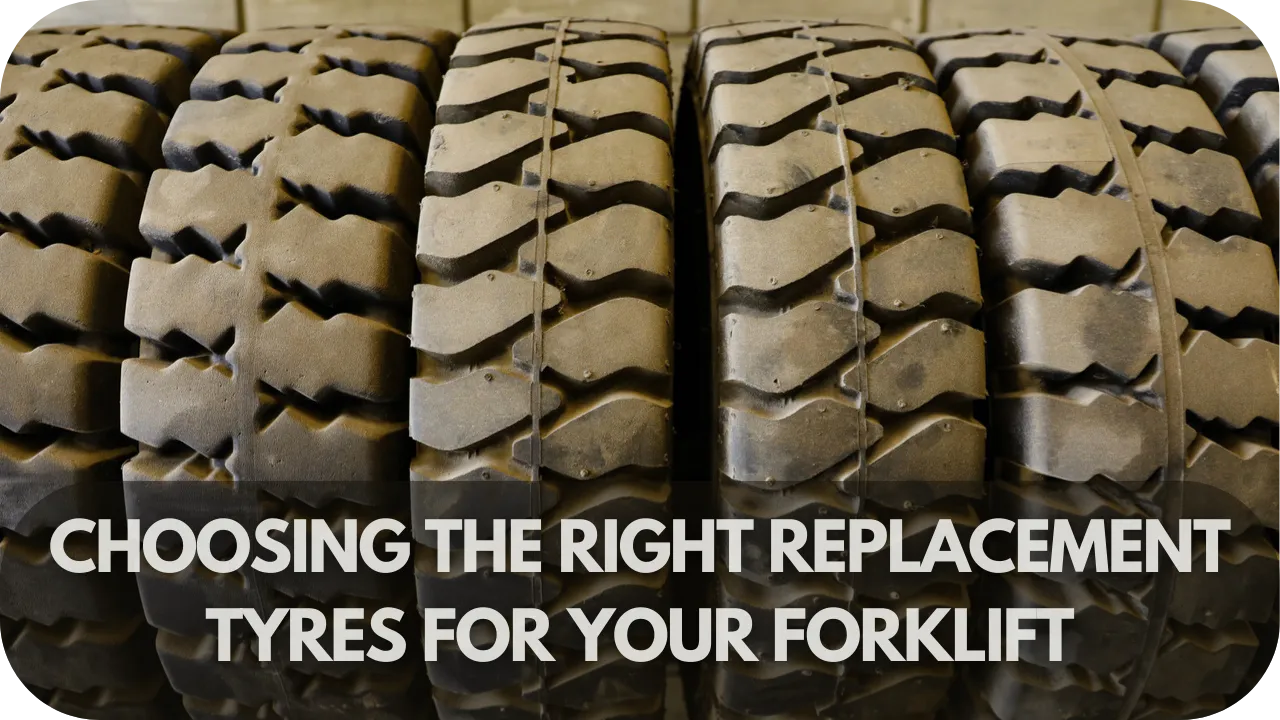
When choosing replacement tyres, consider load capacity, the type of surface your forklift operates on, and the tyre’s wear resistance. Investing in high-quality tyres reduces long-term costs by minimising wear and preventing damage to other parts.
- Tyre Type and Application: Forklift tyres are available in three main types to suit different environments. Pneumatic tyres are best for rough outdoor terrain, offering traction and a smooth ride, while solid tyres are durable and puncture-proof for smoother surfaces. Cushion tyres excel in indoor spaces, providing a smaller turning radius for tight manoeuvres.
- Load Capacity and Tyre Strength: Consider the load your forklift typically carries. Tyres must have the appropriate load rating to handle the weight safely. Overloading can lead to tyre failure and operational risks.
- Surface Conditions: Evaluate the surfaces your forklift will operate on. Rough terrains require durable tyres like pneumatic ones, while smooth, flat indoor surfaces pair well with cushion or solid tyres.
- Tyre Size and Compatibility: Ensure the replacement tyres match the size and specifications recommended by the forklift manufacturer. Incorrectly sized tyres can cause uneven wear, reduced stability, and increased operating costs.
- Weather and Environmental Factors: In environments with extreme temperatures, exposure to chemicals, or wet conditions, select tyres made from materials resistant to these elements. Non-marking tyres are also ideal for clean, indoor environments.
- Tyre Longevity and Cost: Balance cost with durability. High-quality tyres may have a higher upfront cost but save money over time through reduced wear and longer lifespan. Consider the total cost of ownership rather than just the initial price.
- Maintenance Requirements: Choose tyres that suit your maintenance capacity. Solid tyres require less maintenance than pneumatic ones, making them a good choice for operations with limited downtime.
Expert Tips for Maintaining Your Forklift Tyres
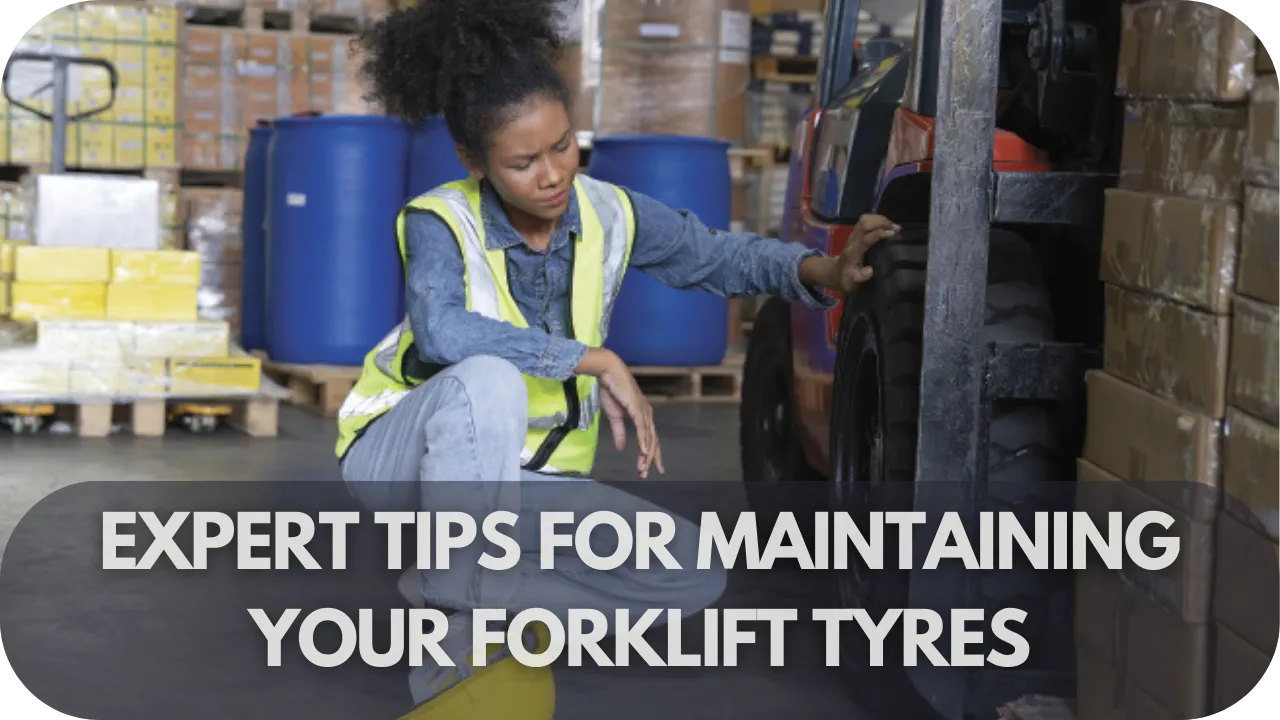
Implementing a proactive maintenance routine can prevent premature tyre wear and unexpected breakdowns. Follow these expert tips to keep your forklift tyres in top condition:
1. Perform Regular Inspections
Schedule routine tyre inspections to check for visible signs of damage, including tread wear, cracks, sidewall tears, and flat spots.
Pay close attention to tread depth, as worn treads reduce traction and stability. Identifying damage early allows for timely repairs or replacements, preventing costly downtime and safety hazards.
2. Maintain Proper Tyre Pressure
For pneumatic tyres, keeping the correct air pressure is essential for optimal performance. Underinflation increases rolling resistance, leading to faster wear and reduced fuel efficiency.
Over-inflation, on the other hand, can cause reduced traction and a rougher ride. Regularly check and adjust the pressure to match manufacturer recommendations.
3. Avoid Overloading
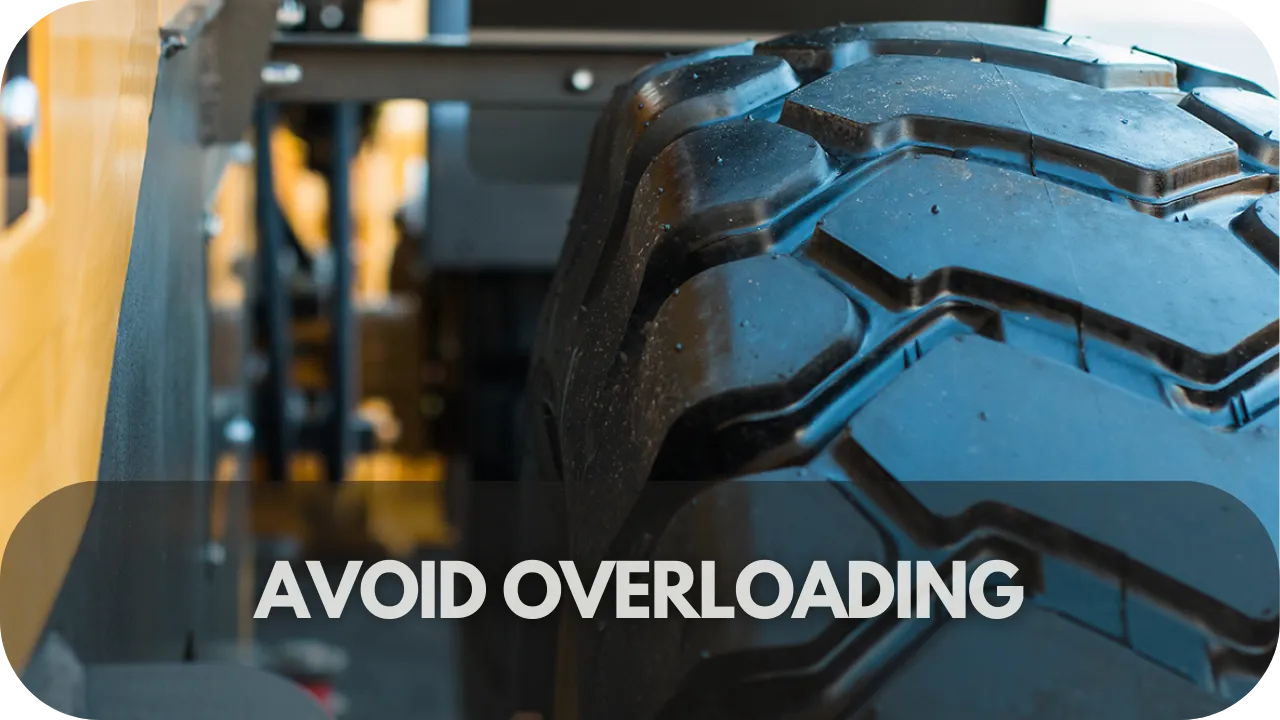
Exceeding the forklift’s recommended load capacity puts excessive strain on the tyres, accelerating wear and reducing stability. Consistently operating with overloaded tyres can also damage the axle and suspension system. Ensure operators are aware of the forklift’s load capacity to prevent unnecessary strain.
4. Rotate Tyres Regularly
If your forklift has interchangeable wheels, rotating the tyres can promote even wear. This practice helps balance the stress distributed across all tyres, especially in forklifts frequently used for turning or cornering. Uneven wear can reduce handling performance and create operational risks.
5. Train Forklift Operators
Proper driver behaviour significantly affects tyre wear. Train operators on safe handling practices, such as smooth braking, gentle turning, and gradual acceleration. Reckless driving, including harsh braking and sharp turns, can stress tyres unnecessarily, causing faster deterioration. Operator education can go a long way in preserving tyre life.
6. Keep Work Areas Clean
Debris, nails, and sharp objects can puncture tyres or cause surface damage. Maintaining a clean workspace reduces the likelihood of embedded objects leading to slow leaks or blowouts.
7. Store Tyres Correctly
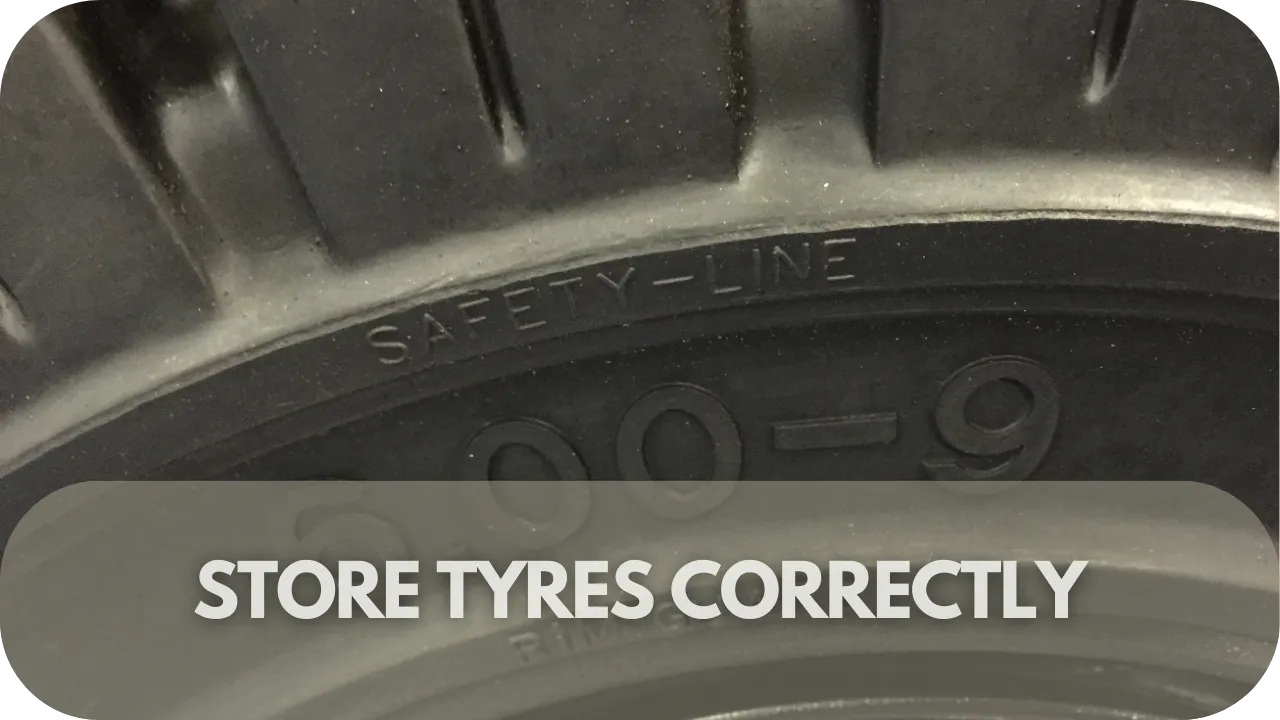
If you keep spare tyres on hand, store them in a dry, cool environment away from direct sunlight and chemicals. Proper storage helps prevent rubber degradation, which can affect the tyre’s performance even before installation.
Conclusion
Maintaining your forklift tyres isn’t just about safety—it’s about keeping your operations efficient and compliant with safety standards. Worn tyres increase the risk of accidents, costly repairs, and operational downtime. Knowing when to replace them and choosing the right tyres makes a significant difference in workplace productivity.
Buy A Fork is your trusted partner for quality forklift tyres. Ensure your equipment runs safely and smoothly. Contact us today for expert tyre replacement services and professional advice.