
What Is a Container Mast Forklift and When Do You Actually Need One?
· Updated
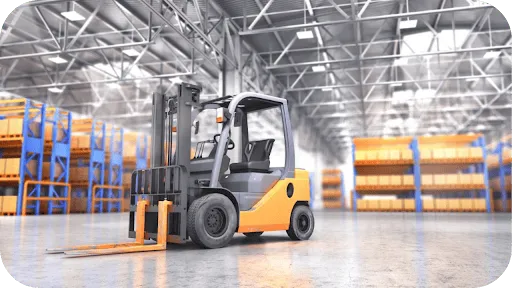
Container unloading causes more forklift damage incidents than almost any other warehouse task. Tight spaces. Low clearance. Poor visibility. Standard forklifts are often pushed beyond what they were built to handle.
That leads to bent masts, damaged containers, slower unload times, and frustrated operators. One wrong lift inside a container can halt operations for hours. The costs stack up fast.
This article breaks down what a container mast forklift actually is, how it works, and when it genuinely makes sense for your operation. By the end, you will know if it is essential or simply unnecessary.
What Is a Container Mast Forklift?
Mast forklift is a specialised forklift designed to safely load and unload goods inside shipping containers. Unlike standard masts, a container mast offers higher lift capacity, controlled tilt, and improved visibility in tight, low clearance spaces. Machines built this way appear in the forklift range we carry as stock turns over.
This design allows operators to work confidently beneath container roofs without compromising stability or safety. The mast is engineered to handle heavier pallet weights while maintaining precise movement, which reduces product damage and operator fatigue.
Container mast forklifts are commonly used in warehousing, freight handling, manufacturing, and import operations where containers arrive daily. They are not built for general yard use alone, but for repeated container work where standard forklifts struggle.
When unloading speed, safety, and control matter, a container mast forklift becomes a purpose-built solution rather than an optional upgrade for growing Australian businesses handling freight every week. Where containers are only ever worked from a dock, a standard counterbalance forklift usually does the job for less.
How a Container Mast Forklift Works
A container mast forklift works by combining a high lift mast with precise control systems designed for confined container spaces. The mast allows controlled vertical movement with minimal free lift, keeping loads stable as they are raised or lowered inside the container. Once the machine is back outside, the usual rules on how high to carry the load apply again.
Improved tilt functionality helps operators adjust pallet angles safely without striking the container roof or walls. Enhanced visibility through the mast design gives clearer sightlines to forks and loads, which is critical when space is limited.
Weight distribution is engineered to maintain balance, even when handling heavy pallets deep inside containers. This reduces strain on both the forklift and operator. The result is smoother handling, faster unloading times, and fewer errors.
By prioritising control and stability over speed, container mast forklifts allow businesses to move freight efficiently while protecting both goods and infrastructure.
Common Industries That Use Container Mast Forklifts
These are the industries that most commonly rely on container mast forklifts to unload shipping containers safely, efficiently, and without clearance issues that slow operations or increase damage risk.
- Warehousing and Distribution: Regular container deliveries require forklifts with reduced mast height to unload pallets safely inside containers while maintaining visibility, preventing roof strikes, and keeping daily warehouse workflows efficient.
- Freight and Logistics Companies: High container turnover demands forklifts designed for container entry, allowing faster unloading, improved operator safety, and reduced risk of equipment damage during tight turnaround schedules.
- Manufacturing and Import Businesses: Imported materials arrive in containers that must be unloaded indoors, where container mast forklifts provide safe clearance, smoother handling, and minimal disruption to production areas.
- Retail and Wholesale Distribution Centres: Containerised stock unloading is common, making low-profile mast forklifts essential for efficient stock movement, reduced double handling, and safer container access.
- Third Party Logistics Providers: Diverse client shipments and container types require adaptable forklifts that improve unloading efficiency, safety, and turnaround speed across multiple warehouse and yard environments.
When Do You Actually Need a Container Mast Forklift?
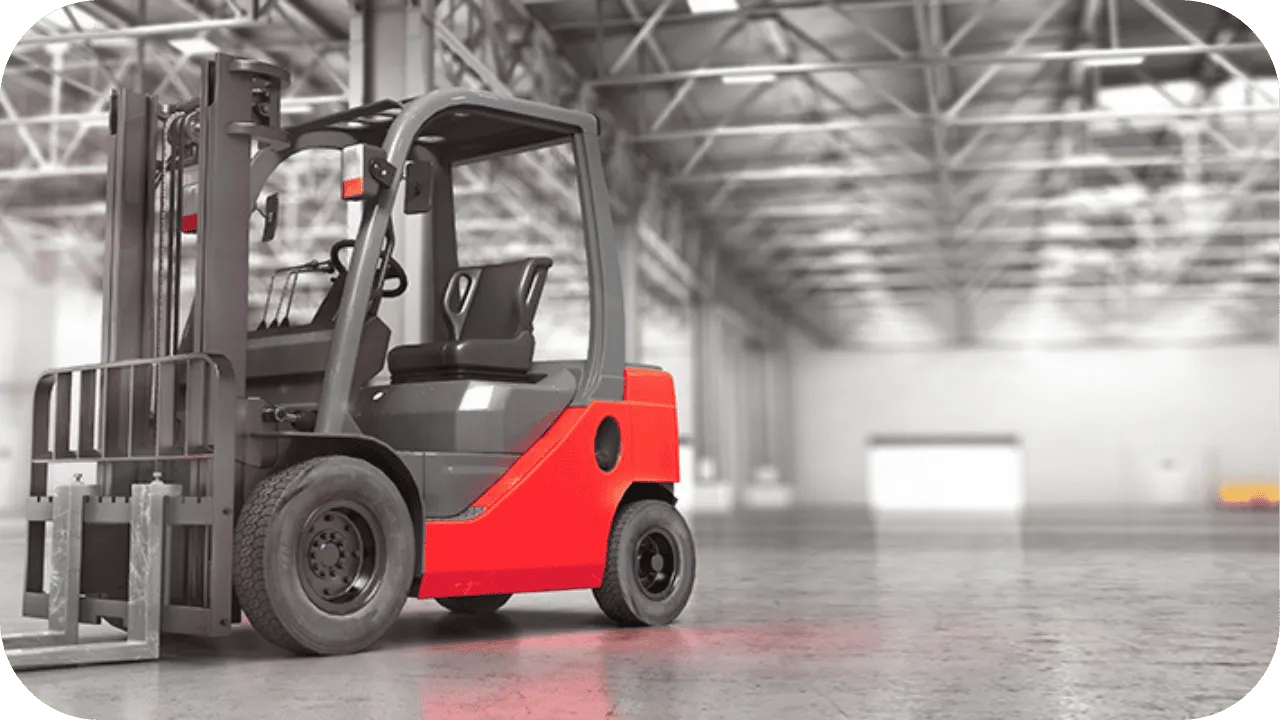
This is when a container mast forklift becomes essential, rather than optional, based solely on clearance limits and safety risks.
1. Regular Container Unloading Operations
Regularly unloading shipping containers with standard forklifts increases roof strike risk, slows operations, and limits visibility.
A container mast forklift provides the clearance needed to work safely inside containers without damaging loads, equipment, or infrastructure during frequent container delivery schedules.
2. Low Dock Heights or No Loading Bays
When your facility has low dock heights or no loading bays, standard masts cannot operate safely. Container mast forklifts allow direct container entry at ground level, reducing double handling, improving efficiency, and maintaining safe mast clearance within restricted vertical spaces.
3. High Volume or Daily Container Handling
If container unloading is a daily or high-volume task, speed and safety become critical. A container mast forklift improves turnaround times, reduces operator fatigue, and lowers damage risk compared to forcing unsuitable forklifts into confined container environments repeatedly.
4. Indoor Container Unloading Requirements
When indoor unloading is required due to weather, security, or workflow constraints, vertical clearance becomes non-negotiable.
Container mast forklifts allow safe indoor container unloading without raising doors, altering roofs, or compromising building structure or compliance standards, regulations, or safety requirements.
5. Ongoing Equipment or Container Damage Costs
If equipment damage, bent masts, or container roof repairs are recurring costs, the forklift is unsuitable.
Container mast forklifts reduce these risks by matching mast height to container constraints, protecting assets, operators, and long-term operating budgets across all sites.
Container Mast Forklift vs Standard Forklift
This table clearly illustrates the differences between container mast forklifts and standard forklifts, helping you determine which option best suits container unloading and everyday operations.
| Feature | Container Mast Forklift | Standard Forklift |
| Mast height | Reduced collapsed mast height designed to safely enter shipping containers without roof contact | Taller collapsed mast height often restricts safe entry into containers |
| Container access | Specifically built for working inside shipping containers with limited overhead clearance | Not designed for container entry and increases the risk of roof strikes |
| Operator visibility | Improved forward visibility due to lower mast profile | Visibility can be restricted by a taller mast structure |
| Safety during unloading | Minimises damage to containers, loads, and equipment during unloading | Higher risk of damage when used inside containers |
| Typical use cases | Frequent container unloading, logistics, imports, and warehousing | General warehouse, yard, and pallet handling tasks |
| Cost efficiency | Higher upfront cost but lower damage and downtime over time | Lower purchase cost but potentially higher repair and damage expenses |
| Flexibility | Ideal for container-specific operations | Better suited to open areas and general material handling |
Key Features to Look for in a Container Mast Forklift
These are the key features that determine whether a container mast forklift will operate safely, efficiently, and reliably inside shipping containers. Capacity is the one to check on the machine itself, because reading the load chart tells you what it can actually lift at the height you need.
- Low collapsed mast height: Ensures the forklift can enter standard shipping containers without roof contact, reducing damage risk while maintaining sufficient lift height for efficient pallet handling tasks during daily operations.
- Clear forward visibility: A compact mast design improves sightlines inside containers, helping operators position loads accurately, work faster, and reduce collision risks in tight, enclosed unloading environments during daily operations.
- Appropriate load capacity: The forklift must handle full container pallet weights safely, ensuring stable lifting, controlled movement, and consistent performance without overstressing the mast, hydraulics, or chassis components during unloading.
- Smooth mast operation: Controlled lift and tilt movements are critical inside containers, allowing precise load placement, reduced shock to goods, and safer operation within confined spaces and uneven container floors.
- Engine or power suitability: Diesel or electric options should match indoor or outdoor unloading needs, balancing emissions, noise, running costs, and reliability across frequent container handling schedules for daily operations.
Common Mistakes Businesses Make When Choosing a Container Mast Forklift
These are the most common mistakes businesses make when selecting a container mast forklift, often leading to safety risks, inefficiencies, and avoidable damage costs over time.
- Ignoring collapsed mast height: Choosing a forklift without checking the true collapsed mast height leads to roof strikes, container damage, and unsafe operation inside standard shipping containers during regular unloading tasks.
- Underestimating load requirements: Selecting insufficient load capacity results in unstable lifting, increased wear, and safety risks when handling fully loaded pallets commonly found in import and logistics operations.
- Overlooking operator visibility: Focusing only on lift height while ignoring visibility increases collision risk, slows unloading, and creates unnecessary safety hazards inside tight container spaces.
- Buying for occasional use only: Purchasing the cheapest option for infrequent container unloading often causes higher repair costs and downtime when unsuitable equipment is forced into container environments.
- Not considering indoor operating needs: Failing to assess indoor emissions, noise, and ventilation requirements can make diesel forklifts unsuitable for enclosed container unloading areas within warehouses.
Why Businesses Choose Buy A Fork
Businesses choose Buy A Fork because they want practical advice, reliable equipment, and long-term support rather than a one-size-fits-all sales approach. Every operation is different, especially when container unloading is involved, so forklift selection needs to be precise, not guesswork.
Buy A Fork takes the time to understand how often containers are unloaded, site clearance limitations, load weights, and whether operations are indoors or outdoors. This ensures customers are matched with forklifts that actually suit their working environment, reducing damage risks, downtime, and unnecessary costs.
With a strong range of new and used forklifts available, businesses can choose solutions that align with both operational demands and budget expectations. Ongoing servicing, maintenance support, 6 month service warranty and expert guidance provide confidence well beyond the initial purchase.
For businesses across Melbourne, Buy A Fork offers dependable equipment, honest recommendations, and forklift solutions built around real-world use, not assumptions.
Frequently Asked Questions
1. What is a container mast forklift?
A container mast forklift is a counterbalance forklift fitted with a low closed height mast so it can drive inside a standard shipping container. The mast still lifts to a usable height once the machine is clear of the container roof.
2. What closed height do I need to enter a shipping container?
It depends on the container. A standard 20ft or 40ft dry container has an internal door height of roughly 2.28m, and a high cube is roughly 2.58m. Check the closed height on the machine’s data plate against the container you actually load, including the fork carriage and any overhead guard.
3. Does a container mast reduce lifting capacity?
It can. Residual capacity drops as the mast extends, and the derate varies by model and mast type. Always read the capacity plate on the specific machine rather than assuming the headline rating applies at height.
4. What is a forklift mast?
The mast is the vertical assembly at the front of the forklift that raises and lowers the forks. It is described by two numbers that matter when buying: closed height, which is how tall the machine is with the forks down, and maximum lift height.
5. Do I need a container mast if I only unload from a dock?
Usually not. If the container is backed onto a dock at trailer height and you are working from outside, a standard mast is fine. A container mast earns its place when the machine has to drive inside the container.
Conclusion
Choosing the right forklift comes down to how often you work with shipping containers and how much risk you are willing to carry.
A container mast forklift is not about upgrading for the sake of it. It is about safer handling, faster unloading, and protecting your operation from costly mistakes. If containers are part of your daily workflow, the right setup matters.
Contact Buy A Fork for honest advice, quality forklifts, and practical guidance tailored to how your business actually operates.