
Used Electric Forklift Buying Guide: What to Check Before You Commit
· Updated
Buying a used electric forklift can be a smart move for warehouses and distribution centres looking to reduce upfront costs without sacrificing efficiency. The challenge lies in knowing what to inspect before committing, especially when battery condition, electrical components, and overall wear can vary significantly between machines.
Without proper checks, what appears to be a good value can quickly turn into an expensive operational issue. This guide outlines what to assess before purchase, helping you make a confident, informed decision. If you are already comparing options, browsing used electric forklifts for sale can help you benchmark specifications, pricing, and condition as you read.
Is a Used Electric Forklift the Right Choice for Your Operation?
Not every warehouse or worksite is suited to a used electric forklift, which is why assessing your operation comes first. Electric forklifts are best suited to indoor environments where emissions, noise control, and tight manoeuvring are key considerations. They perform particularly well in warehouses with narrow aisles, consistent flooring, and predictable lifting requirements.
Operational demands also play a role. Facilities running multiple shifts with high lift frequency may need higher capacity batteries or opportunity charging setups, while lower intensity operations can benefit significantly from the cost savings of used equipment. Understanding how electric models compare to internal combustion options is essential when weighing suitability, especially for businesses still deciding between power types.
Your layout, load weights, and lift heights should also guide your decision. Matching these requirements early helps avoid unnecessary upgrades later and ensures the forklift integrates seamlessly with your racking and workflow. If you are still weighing alternatives, reviewing electric forklifts versus diesel forklifts can help clarify whether electric power is the right long-term fit before moving deeper into the buying process.
Battery Health: The Single Most Important Check
When buying a used electric forklift, battery condition matters more than almost any other component. The battery powers every function, and replacing it can represent a significant portion of the forklift’s total value. Before committing, always confirm the battery type, age, and remaining lifespan rather than relying on appearance alone.
Most electric forklifts use lead-acid batteries, though lithium-ion options are becoming more common. Lead-acid batteries typically last several years when maintained correctly, but poor charging habits, infrequent watering, or prolonged deep discharges can drastically shorten their usable life. Request records of charging routines and maintenance history, as these provide far more insight than hour readings alone.
A proper inspection should include a load test to assess voltage drop under working conditions. Excessive voltage sag, uneven cell readings, or visible corrosion around terminals are warning signs that replacement may be approaching. Buyers should also factor in charging infrastructure, ventilation requirements, and downtime associated with battery swaps or charging cycles.
If you are comparing multiple machines, understanding forklift battery replacement costs helps you judge whether a lower purchase price still represents good value once battery expenses are considered. A forklift with a well-maintained battery often delivers better long-term reliability than a cheaper unit nearing the end of its battery life.
Motor, Controller, and Electrical System Inspection
Beyond the battery, the performance of a used electric forklift depends heavily on the condition of its motor, controller, and electrical systems. These components control acceleration, lifting response, and overall efficiency, and faults can be costly if overlooked. A smooth, responsive drive with no hesitation is a strong indicator of a well-maintained machine.
During inspection, listen for unusual noises from the drive motor and check for delayed throttle response or inconsistent lifting speeds. Modern electric forklifts rely on electronic controllers to manage power delivery, so error codes or warning lights should never be ignored. Even intermittent faults can signal underlying issues with sensors, wiring, or control boards.
Wiring looms and connectors deserve close attention, particularly around high-moisture areas or battery compartments. Corrosion, brittle insulation, or temporary repairs increase the risk of breakdowns and electrical failures. Professional diagnostic scans are often worthwhile, as they can identify issues not visible during a brief inspection.
If you are unfamiliar with these systems, reviewing forklift maintenance and inspection tips can help you understand what a thorough electrical check should include before committing to a purchase. A forklift that passes these tests is far more likely to deliver reliable performance long after it arrives on site.
Mast, Hydraulics, and Lift Performance
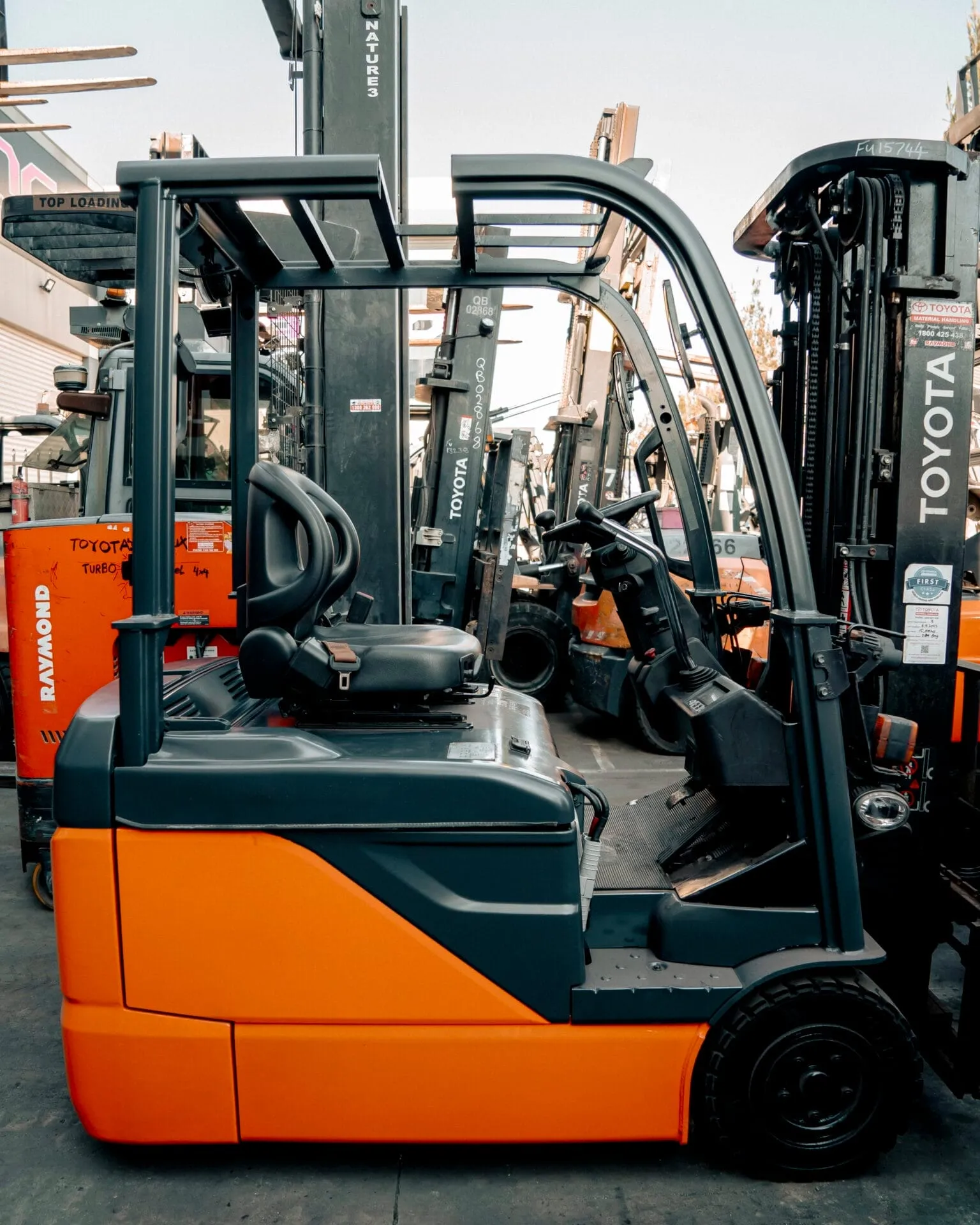
The mast and hydraulic system determine how safely and consistently a used electric forklift can lift and position loads. Wear in these areas is common on older machines, making a thorough inspection essential before committing. Start by raising and lowering the mast under load, watching for jerky movement, uneven lifting, or hesitation.
Inspect mast channels and rollers for excessive play, scoring, or flat spots, as these indicate long-term wear. Chains should be evenly tensioned with no visible stretching or corrosion. Hydraulic hoses and seals must be free from leaks, cracks, or oil residue, as even minor seepage can escalate into costly repairs over time.
Tilt and side shift functions should operate smoothly and hold position without drifting. Any loss of pressure when holding a load can point to internal valve wear or cylinder issues. Stability during lifting is equally important, especially when handling loads at height.
Understanding how these components contribute to safe operation is critical, particularly for buyers new to used equipment. Reviewing a detailed forklift pre-purchase inspection checklist can help ensure no mechanical issues are missed before finalising your decision.
Hours of Operation: What the Meter Really Tells You
Hour readings are often one of the first things buyers look at when assessing a used electric forklift, but they rarely tell the full story. Unlike vehicles, forklift hours do not account for how the machine was used, the loads it carried, or the quality of its maintenance. A higher-hour machine that has been serviced consistently can be a safer investment than a low-hour unit that has been neglected.
Electric forklifts generally experience less engine wear than internal combustion models, but components such as motors, brakes, and hydraulic systems still age with use. Forklifts used in light warehouse environments may accumulate hours slowly, while those in high-throughput operations can log heavy usage in a short period. Understanding this context is far more important than focusing on the number alone.
Always compare hour readings with service records, battery condition, and overall wear patterns. Discrepancies between visible wear and low recorded hours can be a warning sign.
Tyres, Brakes, and Steering Components
Tyres, brakes, and steering systems are often overlooked during inspections, yet they can significantly affect safety and operating costs after purchase. Worn tyres reduce traction and stability, particularly on smooth warehouse floors. Check for uneven wear, chunking, or flat spots, as these can indicate alignment or suspension issues.
Brake performance is equally critical. The forklift should stop smoothly without pulling to one side or requiring excessive pedal pressure. Delayed braking response or noise during stopping may point to worn components that need immediate attention. Steering should feel tight and responsive, with no excessive play in the wheel or difficulty turning under load.
These components directly influence operator control and day-to-day safety. Factoring in replacement or repair costs early helps prevent budget surprises after delivery.
Compliance, Safety, and Australian Standards
Safety compliance should never be an afterthought when purchasing a used electric forklift. Before committing, confirm that the machine meets current Australian workplace safety expectations and includes all required safety features. This typically covers warning alarms, operational lights, emergency stops, seat restraints, and clear operator visibility.
Pay close attention to load rating plates and data tags, as missing or unreadable plates can raise compliance concerns during site audits. Safety decals and signage should be intact and legible, indicating that the forklift has not been heavily modified or neglected. Any changes to the mast, attachments, or lifting capacity should be appropriately documented.
It is also important to consider operator requirements. Even a compliant forklift can pose risks if it is not suitable for your environment or operator skill level. Understanding training obligations and operational guidelines helps reduce workplace incidents and downtime.
Service History and Documentation You Should Always Ask For
A used electric forklift’s service history often reveals more about its condition than a visual inspection alone. Maintenance records show how consistently the machine was serviced, how the battery was managed, and whether issues were addressed early or allowed to escalate. Always ask for documented servicing rather than relying on verbal assurances.
Key records to review include scheduled maintenance logs, battery service reports, and any major repair invoices. These documents help confirm whether components such as controllers, motors, or hydraulic systems have already been replaced or are nearing the end of their service life. A forklift with transparent records is generally a lower-risk investment.
Be cautious if documentation is missing or incomplete. While this does not automatically rule out a purchase, it should prompt a more thorough inspection or price adjustment. Understanding what proper maintenance entails is essential, especially for buyers new to used equipment.
Matching the Forklift to Your Application
Even a well-maintained used electric forklift can underperform if it is not suited to your specific application. Before committing, assess how the forklift will be used day to day, including load weights, lift heights, aisle widths, and operating hours. A mismatch in any of these areas can lead to reduced efficiency, increased wear, or safety concerns.
Load capacity should always exceed your typical working load, not just occasional maximums. Lift height must align with your racking system, factoring in clearance and stability at full extension. In tight warehouse environments, turning radius and overall truck dimensions are as important as lifting capability.
Attachments and accessories also deserve attention. Side shift, fork positioners, or specialised attachments can improve productivity, but they must be compatible with the forklift’s capacity and hydraulic setup.
Common Mistakes Buyers Make When Purchasing Used Electric Forklifts
- Focusing only on the purchase price: A lower upfront cost often hides future expenses such as battery replacement, electrical repairs, or tyre wear that quickly erase initial savings.
- Ignoring battery condition and history: Overlooking battery age, maintenance records, and charge cycles is one of the most expensive mistakes buyers make with used electric forklifts.
- Skipping a proper inspection: Relying on visual checks alone can miss electrical faults, hydraulic wear, or controller issues that only appear under load or diagnostic testing.
- Choosing the wrong specification: Buying a forklift that does not match load capacity, lift height, or aisle width leads to inefficiency, safety risks, and premature component wear.
- Buying without documentation: Missing service records, compliance plates, or ownership history increases risk and often signals poor maintenance or undisclosed issues.
- Purchasing from unreliable sellers: Private or unverified sellers may offer lower prices but often lack inspection standards, warranty support, or after-sales assistance.
When Buying from a Dealer Makes More Sense Than Private Sales
Private sales can appear cost-effective at first glance, but they often place the full risk on the buyer. Without proper inspections or technical support, hidden electrical faults, battery issues, or compliance gaps can surface soon after purchase. Established dealers reduce this risk by inspecting, servicing, and testing used electric forklifts before they are offered for sale, helping buyers avoid unexpected downtime and repair costs.
Another key advantage is access to warranty options and ongoing support. Even limited coverage provides reassurance during the early stages of ownership, while professional guidance on maintenance, parts availability, and compliance can make a meaningful difference for growing operations. This level of support is especially valuable for businesses managing busy warehouses or multiple forklifts.
Transparency is equally important. Reputable suppliers provide clear service histories, realistic battery assessments, and honest guidance on expected lifespan. At Buy A Fork, buyers benefit from this clarity, along with access to carefully assessed stock and practical advice tailored to Australian working conditions.
Ready to Commit with Confidence?
At Buy A Fork, every used electric forklift is carefully inspected, serviced, and assessed for real-world warehouse performance before it is listed. From battery condition and electrical systems to safety compliance and service history, our team helps you choose equipment that fits your operation, not just your budget.
If you are considering your next purchase, speak with Buy A Fork to get expert guidance and access to reliable used electric forklifts backed by transparent information and ongoing support.