
How Much Diesel Does A Forklift Use Per Hour?
· Updated
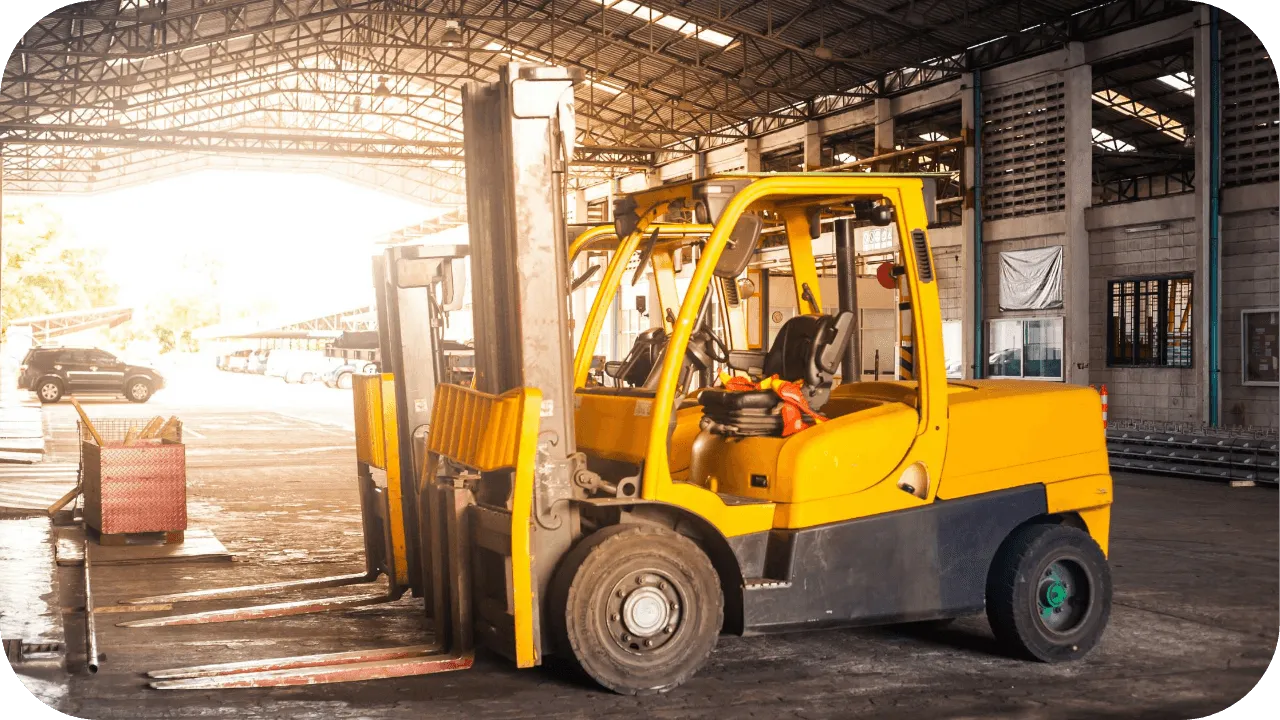
Diesel forklifts keep your operations running, but how much fuel are they burning? Depending on load and conditions, a standard diesel forklift can consume 2 to 6 litres per hour. Over a year, that adds up—fast!
Rising fuel costs and inefficient usage could be eating into your profits. Without a clear understanding of fuel consumption, you might overspend without realising it.
This guide breaks down the amount of diesel a forklift uses per hour, the key factors that affect consumption, and practical ways to cut costs.
How Much Diesel Does A Forklift Use Per Hour?
A diesel forklift typically uses 2 to 6 litres of fuel per hour, depending on load capacity, engine size, and operational conditions. Heavier loads, rough terrain, and frequent acceleration increase consumption. Regular maintenance, efficient driving habits, and proper load management can help reduce fuel usage, improve cost efficiency, and extend the forklift’s lifespan.
Factors Affecting Diesel Consumption in Forklifts
Diesel consumption in forklifts varies based on several operational and mechanical factors. Understanding these can help businesses optimise fuel efficiency and reduce costs.
1. Engine Size & Efficiency
Forklifts with larger engines consume more fuel but deliver higher power output. Older models may lack fuel-efficient technology, leading to increased diesel consumption.
Modern forklifts with advanced fuel injection systems optimise combustion, reducing fuel waste. Choosing an appropriately sized engine for your operational needs can help balance performance and fuel efficiency.
2. Load Capacity & Weight
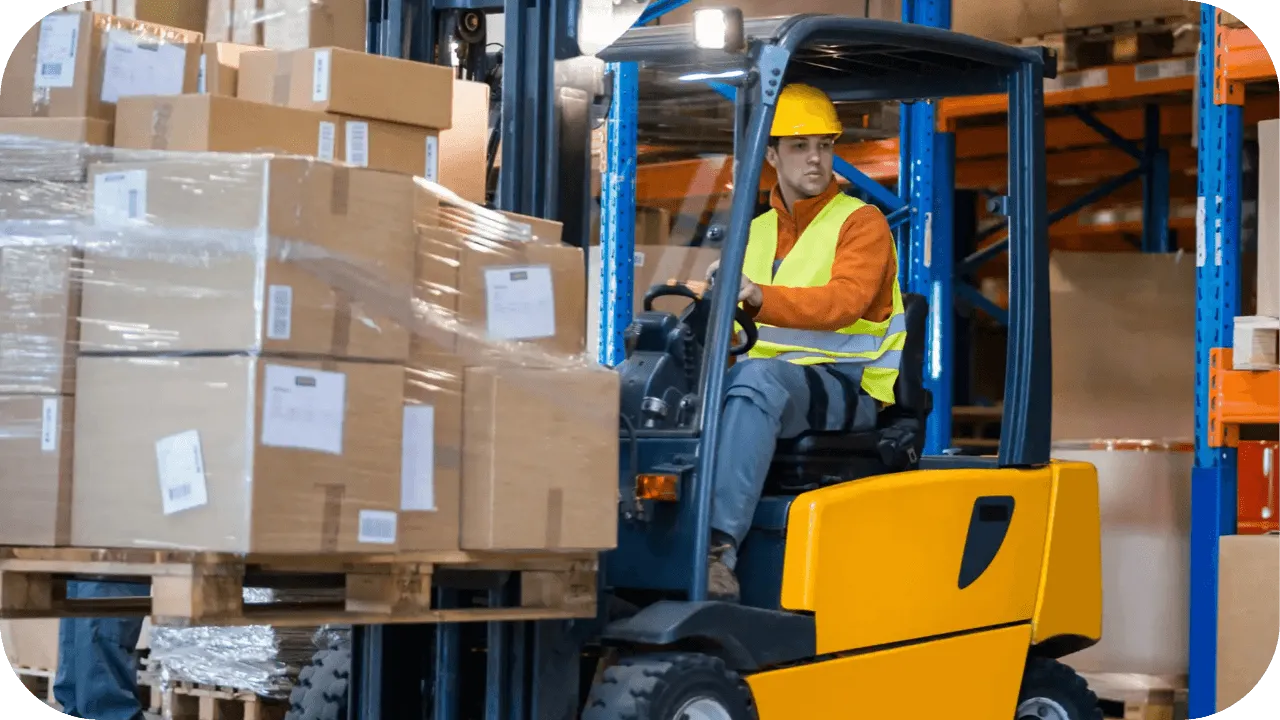
The heavier the load, the more fuel the forklift consumes. Operating near maximum load capacity strains the engine, leading to higher hourly diesel usage.
Overloading can also cause excessive wear and tear, reducing efficiency over time. Keeping loads within the recommended range ensures smooth operation and minimises unnecessary fuel consumption.
3. Work Environment & Terrain
Diesel forklifts operating on rough, sloped, or uneven terrain require more power, leading to higher fuel consumption. Outdoor environments with gravel or mud demand more effort from the engine than smooth indoor warehouse floors.
Choosing the right forklift type for the environment and maintaining a steady driving pace can significantly improve fuel efficiency.
4. Driving Habits & Speed
Frequent acceleration, abrupt braking, and excessive idling waste fuel. Aggressive operators put unnecessary strain on the engine, increasing diesel usage.
Maintaining a consistent speed, avoiding sudden stops, and turning off the engine when idle for long periods helps reduce fuel consumption. Proper operator training ensures forklifts are driven efficiently.
5. Maintenance & Tyre Condition
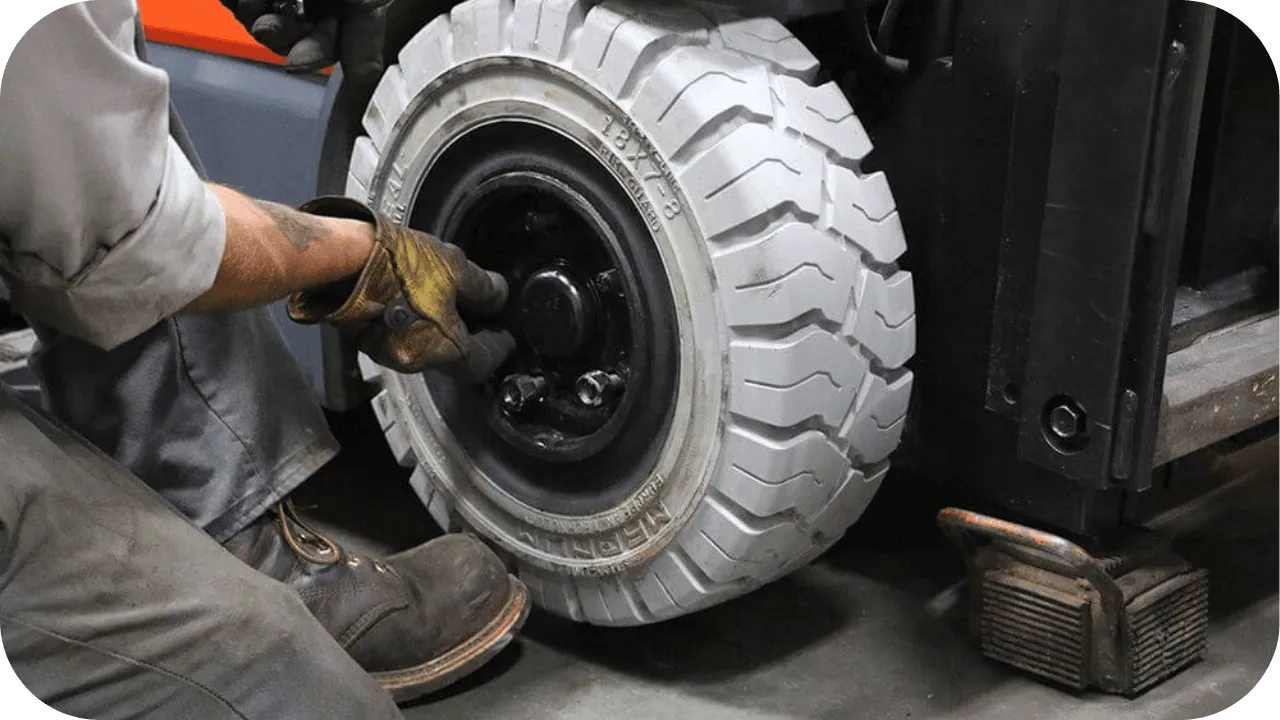
Poor maintenance leads to clogged air filters, underinflated tyres, and inefficient engine performance, increasing fuel consumption.
Worn-out tyres create more rolling resistance, forcing the engine to work harder. Regular servicing, oil changes, and inflated tyres improve fuel efficiency and extend the forklift’s lifespan.
6. Fuel Quality
Using low-quality diesel can lead to carbon build-up in the engine, reducing combustion efficiency and increasing fuel consumption.
Contaminated or watered-down fuel may damage the engine, leading to higher maintenance costs. Investing in high-grade diesel ensures cleaner fuel combustion, better mileage, and improved overall forklift performance.
Average Diesel Consumption of a Forklift Per Hour
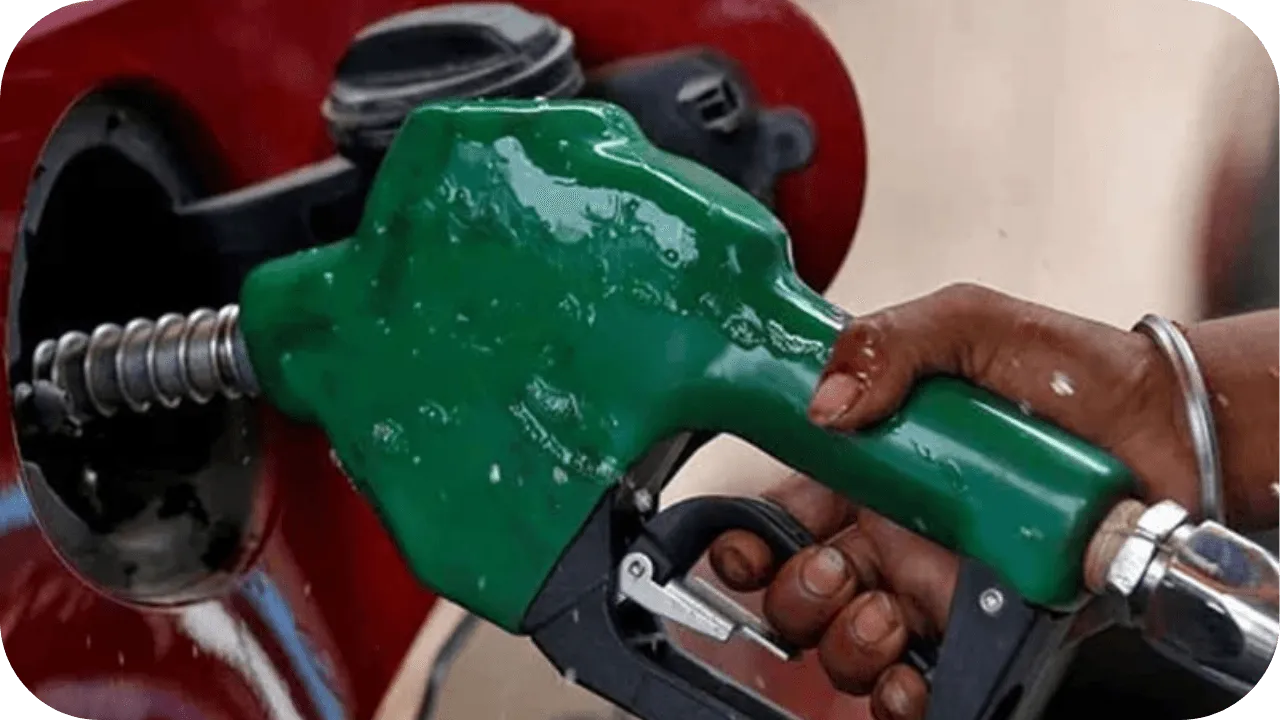
The amount of diesel a forklift consumes per hour depends on its engine size, load capacity, and operational conditions.
On average, a small 1.5 to 2.5-tonne diesel forklift uses around 2 to 3 litres per hour, while a medium-sized 3 to 5-tonne forklift consumes 3 to 5 litres per hour. Larger 6 to 10-tonne forklifts can burn 6 litres or more per hour, especially under heavy loads. Engine size and rating are listed against every machine in the diesel forklift range, which is the place to compare like for like.
Fuel consumption also varies based on terrain and work environment. Forklifts operating on uneven surfaces, slopes, or outdoor conditions use more diesel than those working in smooth warehouse settings. Aggressive driving habits, excessive idling, and poor maintenance can also increase fuel usage.
To improve fuel efficiency, businesses should focus on operator training, regular forklift servicing, and maintaining optimal tyre pressure. Understanding these consumption rates helps businesses budget fuel costs better and implement strategies to reduce unnecessary expenses.
How to Reduce Diesel Consumption in Forklifts
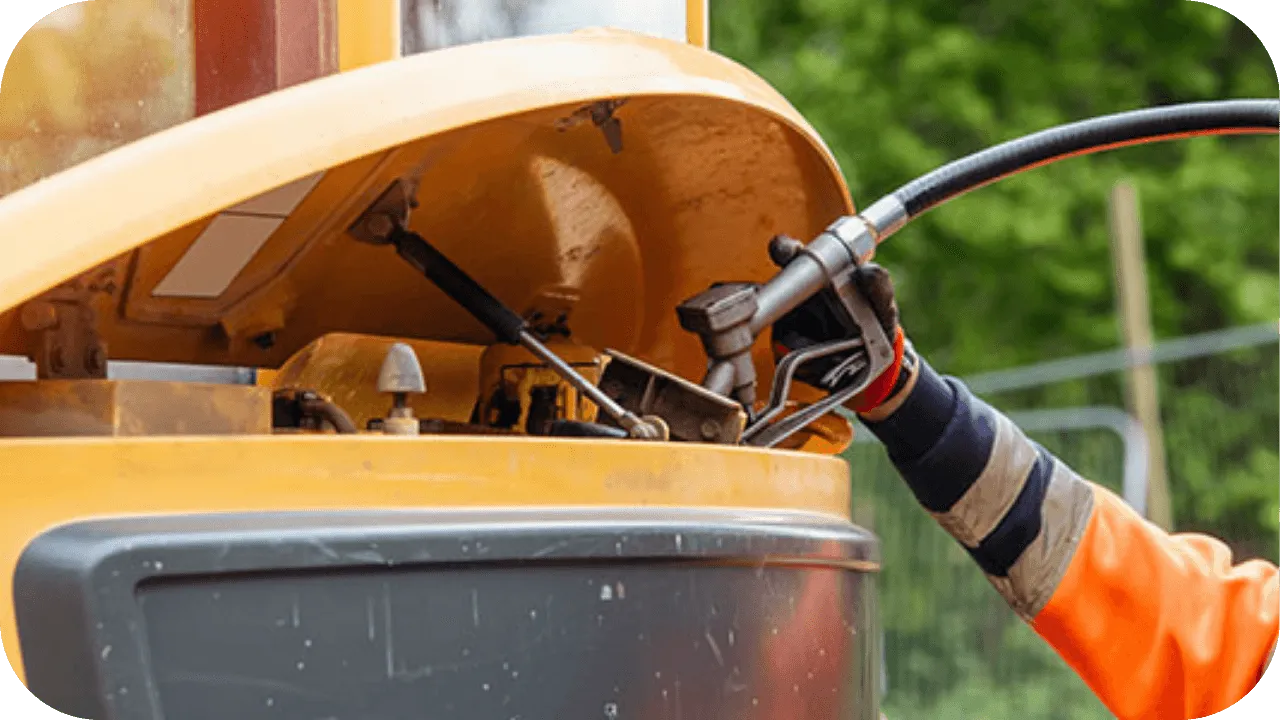
Reducing diesel consumption in forklifts helps lower operational costs, improve efficiency, and extend equipment lifespan. Implementing the following strategies can significantly cut fuel usage without compromising performance. Fuel is only part of the picture, and what servicing costs over a year often matters more to the total.
- Regular Maintenance & Servicing: Routine servicing, including air filter cleaning, engine tuning, and oil changes, ensures efficient fuel combustion. Well-maintained forklifts consume less diesel and perform optimally.
- Efficient Load Handling: Avoid overloading, as excessive weight forces the engine to burn more fuel. Proper load distribution and minimising unnecessary lifting cycles help improve fuel efficiency.
- Improve Operator Driving Habits: Aggressive acceleration, sudden braking, and excessive idling waste fuel. Training operators to drive smoothly and maintain steady speeds can reduce diesel consumption.
- Reduce Idling Time: Turning off the engine during breaks or waiting periods prevents unnecessary fuel wastage. Implementing automatic shut-off systems can further optimise fuel usage.
- Optimise Tyre Condition & Pressure: Underinflated or worn tyres increase rolling resistance, making the engine work harder. Regular tyre pressure checks and maintenance improve efficiency and lower fuel consumption.
- Use High-Quality Diesel Fuel. Low-quality diesel leads to poor combustion and higher fuel usage. Premium fuel prevents engine deposits and enhances overall efficiency.
- Upgrade to Fuel-Efficient Forklifts: Newer forklift models have advanced fuel-saving technology that reduces diesel consumption. Investing in modern equipment can provide long-term cost savings.
When to Choose a Diesel Forklift
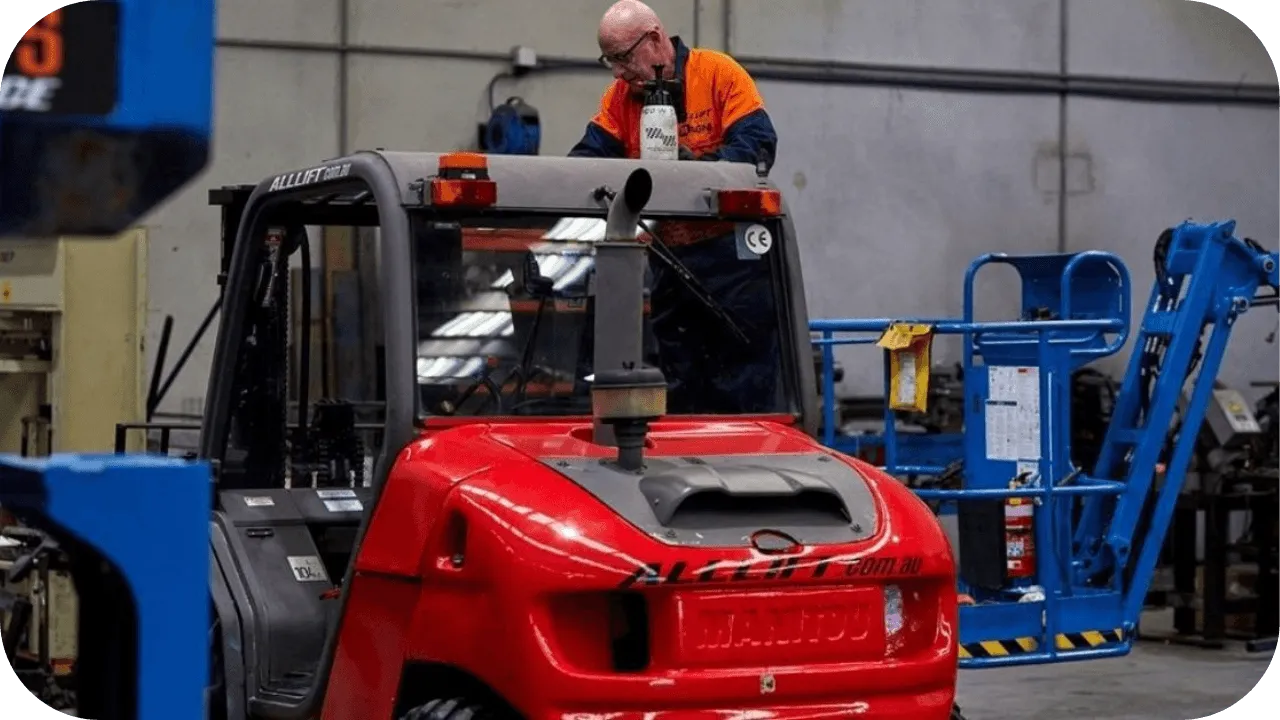
Diesel forklifts are preferred for businesses handling heavy loads above 3 tonnes due to their high torque and superior lifting power. Indoor work usually points the other way, towards an electric forklift or an LPG counterbalance machine, where exhaust and noise are the deciding factors.
They excel in outdoor environments, performing efficiently on rough terrain, slopes, and uneven surfaces. This makes them ideal for construction sites, shipping docks, and lumber yards.
Unlike electric forklifts that require long charging hours, diesel models can run continuously on a single fuel tank, reducing downtime and boosting productivity. They are also cost-effective for high daily usage, offering better fuel efficiency and lower upfront costs than electric alternatives.
Additionally, diesel forklifts operate reliably in cold and wet conditions, where battery performance may decline. They ensure consistent power output in extreme weather. For businesses that lack charging infrastructure or require long operational hours in demanding situations, diesel forklifts remain the most practical and economical choice.
Frequently Asked Questions
1. How much diesel does a forklift use per hour?
Published averages give a useful starting point, and the bands by capacity above are the usual range. The figure that matters for budgeting is your own: divide litres refuelled by hours on the hour meter across a full week of normal work. Engine size, load weight, duty cycle and idling all move the number.
2. How do I work out my forklift’s fuel cost per hour?
Take the litres you put in over a set period, divide by the hours the meter advanced, then multiply by your diesel price per litre. Doing this over a full week rather than a single shift smooths out the variation between light and heavy days.
3. Does idling use much diesel?
Yes, and it is the most common hidden cost. A machine left running between pallet movements burns fuel while doing no work. Shutdown discipline between tasks is usually the cheapest fuel saving available.
4. Is an electric forklift cheaper to run than a diesel?
Electricity is generally cheaper per hour than diesel, and electric machines have fewer consumables to service. The trade-off is charging time, battery replacement cost over the life of the machine, and whether the duty cycle allows a charge between shifts.
5. Does load weight change fuel consumption?
Yes. Working near the machine’s rated capacity uses noticeably more fuel than moving light pallets, because the engine works harder on every lift and every start.
Conclusion
Diesel forklift fuel consumption varies, but every litre counts towards your bottom line. Understanding how much diesel your forklift uses per hour helps optimise efficiency and cut unnecessary costs.
Ready to invest in a fuel-efficient forklift? Explore our range at Buy A Fork and find the perfect machine to power your operations—without wasting fuel or money!