
Forklift Weight Limits and Load Distribution: A Must Read Ultimate Guide
· Updated
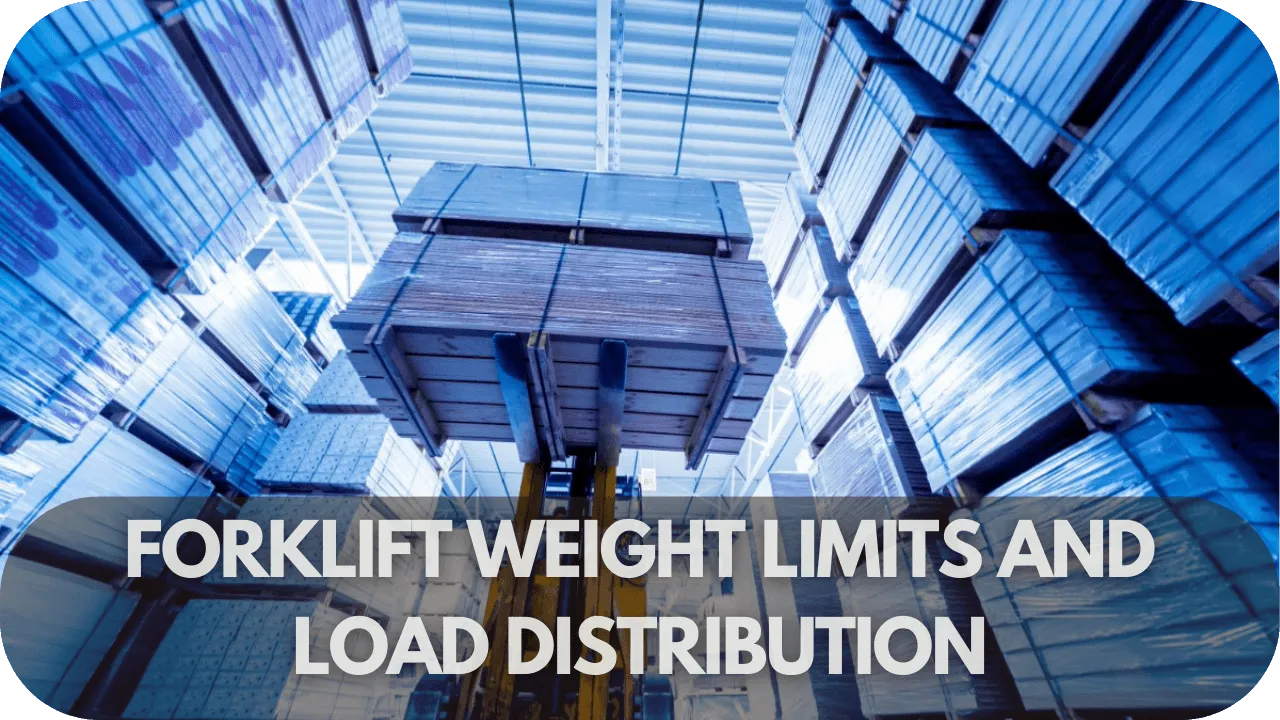
Forklifts are powerful machines, but even the strongest equipment has its limits. Overloading or improperly distributing weight can lead to accidents, costly damages, and even fatalities.
Whether you’re a forklift operator, a warehouse manager, or someone involved in logistics, knowing the right weight limits and load distribution practices is essential for safety and efficiency.
This guide will walk you through everything you need to know about forklift weight limits, load distribution, and how to use this knowledge to operate safely and effectively.
What Are Forklift Weight Limits?
Forklifts are designed with specific weight limits, which are the maximum weight they can safely lift and carry. These limits vary depending on the forklift type and model. When choosing a forklift for your operation, it’s essential to know the lifting capacity.
The forklift’s rated capacity is typically listed on a plate, located on the frame, and displays the maximum weight it can safely lift at a given height and load centre. Overloading a forklift can cause it to tip over, leading to potential damage, injury, or even fatal accidents.
If you’re unsure of the weight limits, always refer to the forklift’s capacity plate. This should be your go-to guide for maximum lifting capabilities. Every forklift has a specified load capacity, usually measured in tonnes or kilograms, that includes the weight of the load and any additional attachments.
Operators must be trained to recognise and adhere to these limits. Operating a forklift within its limits not only protects workers but also ensures the equipment runs efficiently without excessive wear and tear.
Choosing the Right Forklift for Your Load: Weight Limits and Distribution
When it comes to forklifts, choosing the right one for the job isn’t just about capacity; it’s about ensuring that the load is safely managed throughout the lift and transport process. Each forklift type comes with unique weight limits, and knowing the importance of load distribution ensures that both your equipment and workforce stay safe.
1. Capacity vs. Load Distribution
A forklift’s capacity plate lists the maximum weight it can safely lift. However, the way that load is distributed on the forks plays a huge role in whether that weight is safely handled. A load that’s too far forward or unevenly balanced can cause tipping, even if the forklift isn’t technically over its weight limit.
2. Knowing the Stability Triangle
This is the invisible safety zone that forklifts work within. It refers to the balance point of the forklift about the load. The forklift’s stability is directly influenced by where the weight is placed. Keeping the heaviest part of the load close to the mast will ensure greater stability during the lift.
3. Forklift Load Limits and How to Maximise Them
Simply knowing the weight limit of a forklift isn’t enough. Operators must consider the load’s size, shape, and distribution to maximise lifting potential. A forklift that’s loaded properly within its weight capacity will perform better, last longer, and most importantly, operate safely.
The Importance of Proper Load Distribution
Ensuring the correct load distribution isn’t just about keeping the forklift upright—it’s a matter of life and safety. A small mistake can lead to costly accidents, damaged goods, or worse. Here’s why it’s essential to get it right:
- Crucial for Safety: Proper load distribution is as important as respecting the forklift’s weight limit. Incorrect distribution can compromise stability and lead to accidents or tip-overs.
- Centre the Load: The load should be centred on the forklift’s forks, with the heaviest part placed as close to the forklift’s mast as possible to maintain balance and stability.
- Avoid Shifting the Centre of Gravity: Placing the load too far forward or backward can shift the forklift’s centre of gravity, increasing the risk of tipping.
- Even Load Distribution: Distribute the load evenly across the forks to prevent strain on the forklift’s lifting mechanism and ensure smooth handling.
- Check Load Stability: Always ensure the load is stable before moving it. If the load shifts during transportation, it could cause instability and accidents.
- Consider Load Shape, Size, and Weight: Irregularly shaped loads can be difficult to balance, so extra care is required to distribute the weight evenly.
- Safety Assurance: Following proper load distribution methods helps ensure safe operation and prevents potential risks associated with improper handling.
Factors Affecting Forklift Load Capacity and Distribution
Several factors impact a forklift’s ability to safely carry and distribute weight. These include:
- Fork Length and Height: Longer forks can handle larger loads, but they also increase the leverage, making the forklift more susceptible to tipping if not properly balanced. Fork height also plays a role in stability. Lifting a load too high can cause a shift in balance.
- Load Size and Shape: The size and shape of the load significantly affect how weight should be distributed. A small, compact load is easier to balance, while irregularly shaped or oversized loads may require more careful handling.
- Environmental Factors: The condition of the ground where the forklift is operating can also affect its load distribution. Uneven or soft ground, inclines, or ramps can shift the forklift’s centre of gravity, making it harder to keep the load stable.
- Attachment Types: Certain attachments, like clamps or extended forks, can change the forklift’s load capacity and distribution. Attachments can increase the load’s length or alter its balance, which requires operators to adjust the way they handle the load.
How to Maintain Forklift Safety with Weight Limits and Load Distribution
Ensuring forklift safety requires a comprehensive approach that includes regular inspections, ongoing training, and thorough maintenance. Keeping your forklift in top condition is essential to safe operation, preventing unnecessary accidents, and maintaining productivity.
1. Pre-Operational Checks
Before operating a forklift, always perform a series of pre-operational checks to ensure the equipment is safe to use. The load capacity plate is your first stop. Check that the load limit is clearly visible and ensure you’re working within the specified weight limit. If the capacity plate is damaged or unclear, replace it immediately.
Inspect the forks for any signs of wear or damage, as weakened forks can lead to accidents, especially when lifting heavy loads. Also, inspect the mast for any cracks or bending, as a faulty mast can lead to instability when lifting.
Tyres should be checked for proper inflation and tread. If the forklift is using pneumatic tyres, ensure they are free of punctures and that the forklift is capable of operating on rough terrain if needed.
2. Ongoing Operator Training
Regular training is essential to ensure forklift operators are fully aware of safe practices and company policies. Operators should be trained on the importance of load distribution, proper lifting techniques, and the potential consequences of exceeding weight limits.
Reassess training at regular intervals, as keeping operators informed about new equipment, updated safety regulations, or handling techniques helps prevent costly mistakes. Properly trained operators will know how to balance loads and operate within the limits to maximise both safety and productivity.
3. Regular Maintenance of Forklift Equipment
Regular maintenance is crucial to keep forklifts operating safely and efficiently. Ensure that lifting mechanisms such as the hydraulic system, the mast, and the forks are regularly serviced to avoid mechanical failure during operation.
A poorly maintained forklift may not perform as expected, leading to safety hazards, including instability under load or difficulty lifting heavy items. Regular servicing ensures that all components are functioning as intended and that the forklift can safely handle the weight and load distribution requirements.
Conclusion
Knowing the right forklift weight limits and load distribution techniques is essential for a safe and efficient workplace. By following the best practices outlined in this guide, you can avoid costly accidents, protect your team, and maintain a smooth operation.
If you’re looking to purchase or maintain forklifts, Buy A Fork offers a range of reliable forklifts designed to meet various load requirements. Contact us today to find the perfect forklift for your needs!