
Lithium Forklift or Used Lead-Acid Electric? What the Extra Money Buys
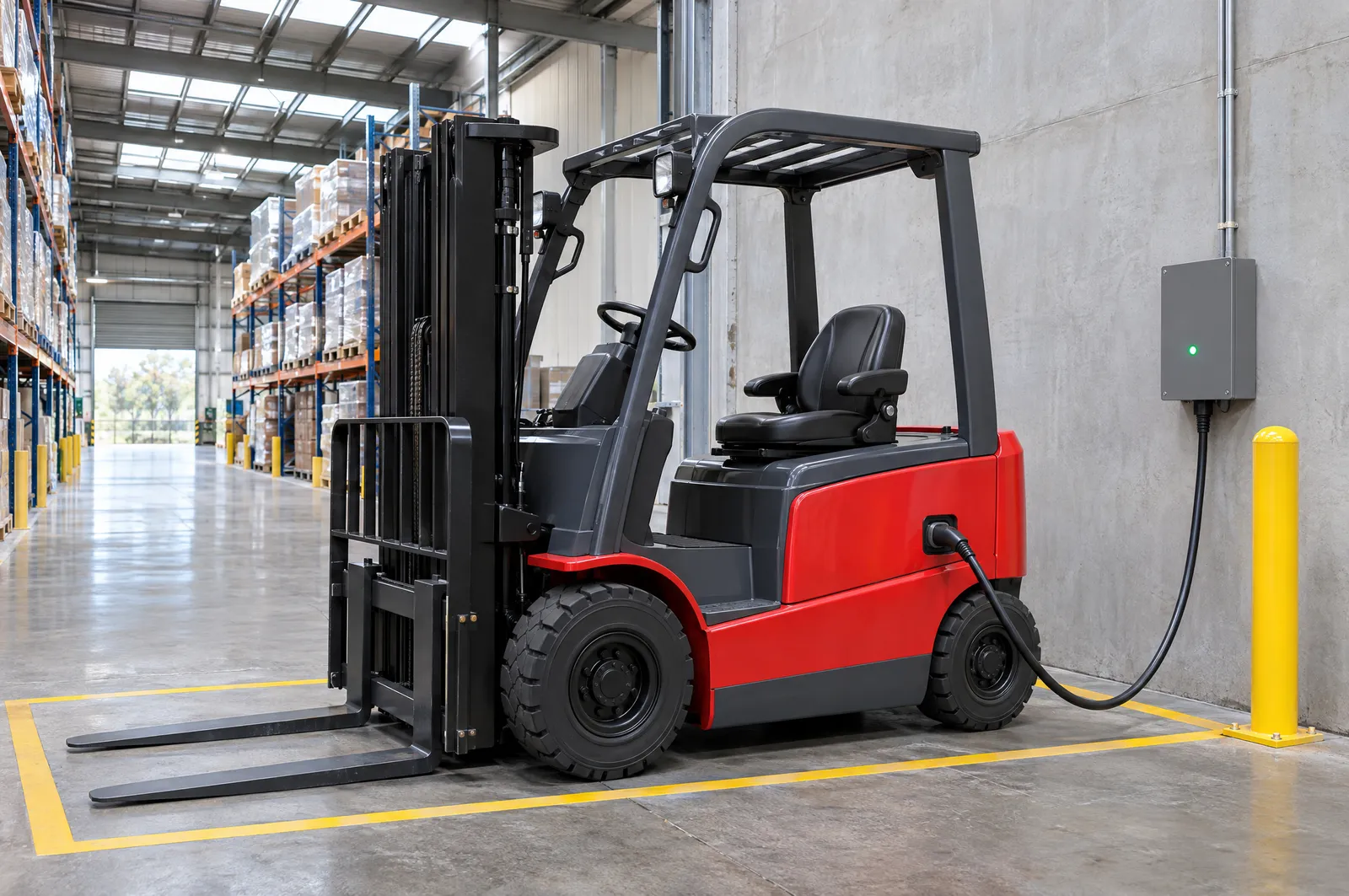
Two quotes are on your desk: a new lithium forklift, and a used electric with a lead-acid battery for far less. The extra money buys fast charging, top-ups at breaks, no battery watering and a battery with all its life ahead. That pays off on long or multi-shift days. On one shift with an overnight charge, a used lead-acid electric with a healthy battery usually does the job for less.
Buy A Fork mostly sells used forklifts, electric counterbalance trucks among them, and supplies new Hangcha machines through an official partnership.
When Is a Lithium Forklift Worth the Extra Money?
A lithium forklift earns its higher price when charging time, not lifting, is what holds the work up. Toyota Material Handling Australia's comparison of forklift energy options gives lead-acid the lowest initial cost and lithium-ion a low life-cycle cost. So the answer turns on how many hours the truck works and how much time it has to charge.
| Your Situation | Better Fit | Why |
|---|---|---|
| One shift, truck parked overnight | Used lead-acid electric | A full lead-acid charge takes 8 to 12 hours, which fits an overnight gap |
| Two or more shifts on one truck | Lithium forklift | Top-ups at breaks replace a spare battery and the change-over |
| No room for a separate charging room | Lithium forklift | Spare lead-acid batteries may need their own charging room; one lithium battery charges in the truck |
| Nobody to keep up with watering | Lithium forklift | No water top-ups and no acid to handle |
| Keeping the truck two or three years | Used lead-acid electric | Less time for lower running costs to cover the higher price |
If your truck sits idle every night, the first row is usually your answer, as long as the used battery has plenty of life left. That condition matters more than the truck's age, and the battery section below shows how to check it.
What Makes Up the Price Gap?
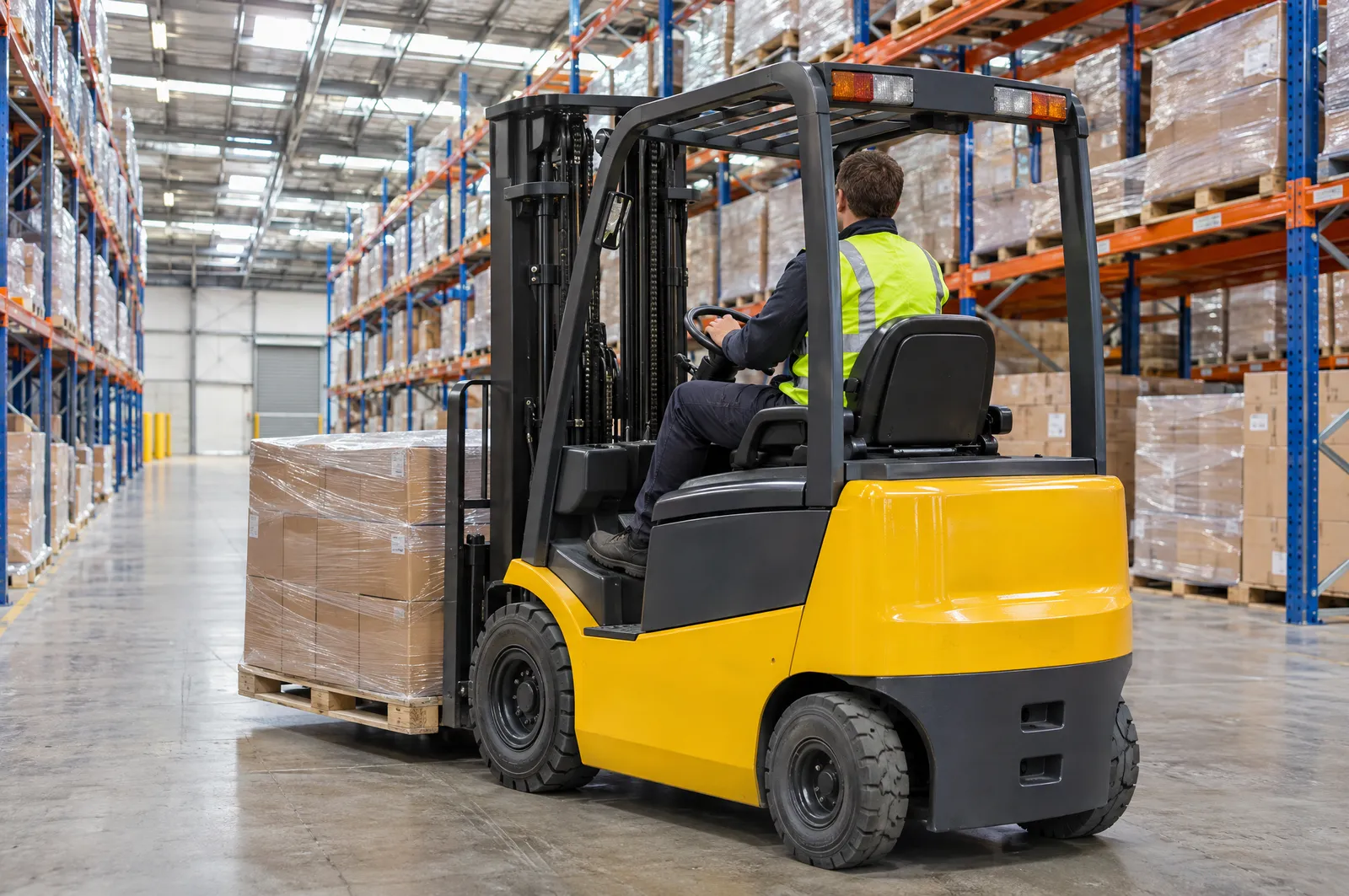
The gap comes from two places: new against used, and the battery and charger that come with each truck. Line the two quotes up against these:
- New or used: the new truck has no hours and a manufacturer's warranty, while the used one carries wear on its mast, tyres and hydraulics that its price should reflect.
- Battery size: voltage and amp-hours (Ah, the battery's storage capacity) set much of the battery's cost on either truck, so compare trucks with similar batteries.
- The charger: check that each quote includes a charger matched to the battery. A faster charger draws more power, so ask an electrician whether your supply suits it before the truck arrives.
- Battery life left: a used lead-acid battery part way through its life costs you more than its price suggests if it needs replacing within a year or two.
That last point changes the sums. Get a figure for the exact battery in the used truck, because what a replacement forklift battery costs depends on its voltage, capacity and chemistry. If the battery is close to the end of its life, add that figure to the used quote before you compare.
What the Extra Money Gets Back Over Time
The return on a lithium forklift comes from charging time, labour and battery life. A new lithium truck and a used lead-acid electric of the same rated capacity lift the same loads. Toyota Material Handling Australia lists these differences for lithium-ion:
- Charging: fully charged in 60 to 180 minutes, against 8 to 12 hours for lead-acid.
- Energy use: up to 30% more energy-efficient than lead-acid.
- Battery life: more than three times the life cycle of lead-acid.
- Servicing: no battery servicing, where lead-acid needs regular water top-ups and cleaning.
On a truck that works a few hours a day, those gains add up slowly. On a truck that runs 16 hours, they decide whether you need a second battery, a change-over routine and someone to water both.
Charging: Overnight Charge or Opportunity Charging?
A lithium battery can be topped up at breaks, while a standard lead-acid battery is built for one full charge after the shift. Opportunity charging means plugging the truck in for short top-ups whenever it stops (smoko, lunch, a shift change) instead of running it down and charging once.
Toyota Material Handling Australia says lead-acid batteries are best charged with roughly 20% charge remaining and typically take 8 to 12 hours to charge fully. That suits a truck that works a day shift and charges overnight. It doesn't suit a truck that's needed again a few hours later.
Some lead-acid batteries and chargers are built for opportunity charging. A standard flooded battery usually isn't, so check the battery maker's charging rules before anyone plugs it in at every break. Those rules come from the chemistry, because lithium and lead-acid forklift batteries respond very differently to partial charges.
Running Two Shifts on Lead-Acid
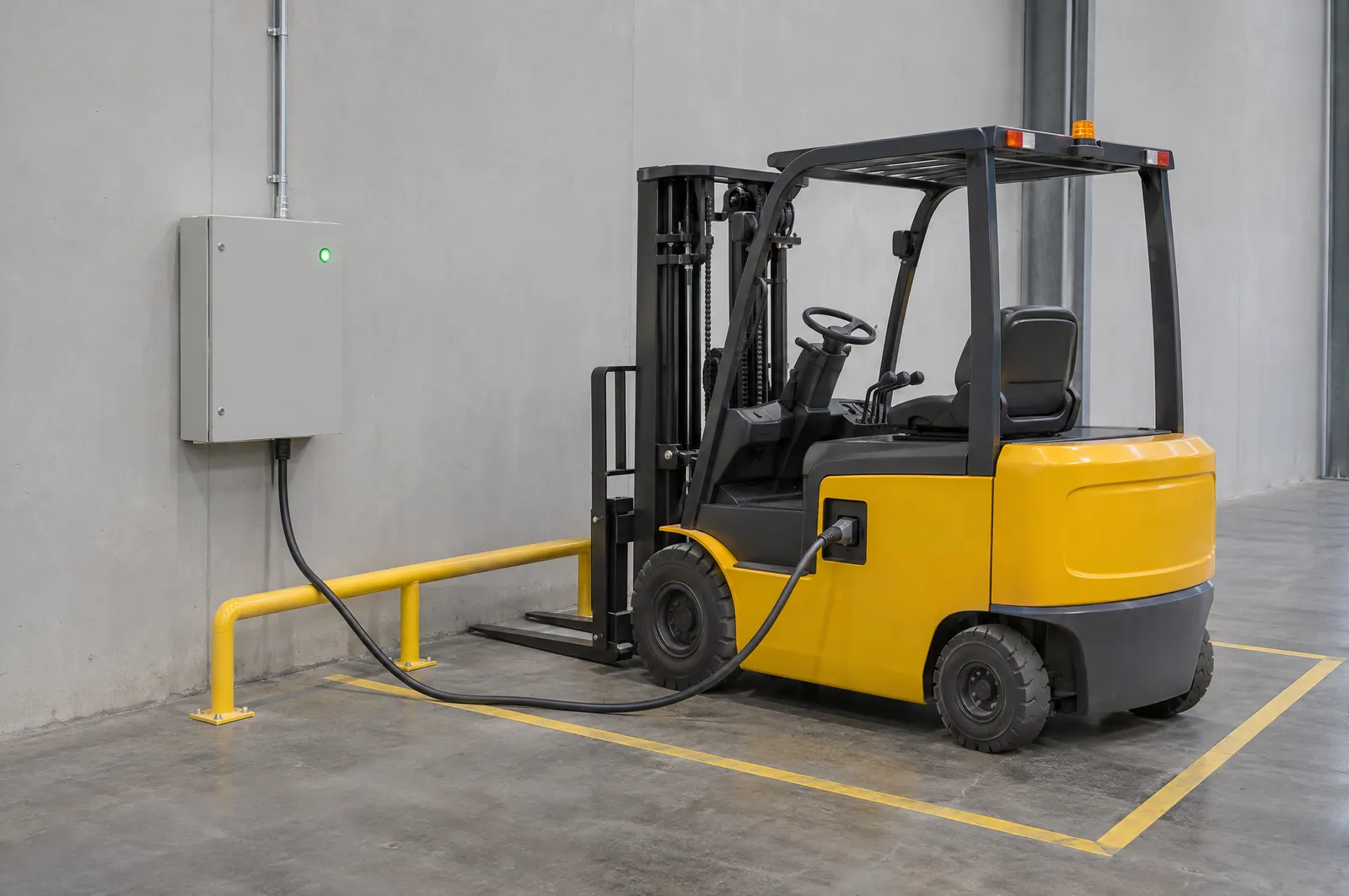
A second shift on lead-acid usually means a spare battery and a change-over between shifts. Toyota notes that additional batteries may need a separate charging room. WorkSafe Victoria's guidance on work practices for forklifts says only trained and authorised people should charge and change batteries, at locations designed for that purpose.
Price the spare battery, the gear to change it and the time each change takes. On a two-shift site, that total is what you're really weighing against the lithium premium.
How Much Life Is Left in a Used Lead-Acid Battery?
Judge the battery by the charge cycles it has used, not by the truck's age. A cycle is one discharge and recharge. Toyota Material Handling Australia gives lead-acid batteries a typical life expectancy of 1,500 cycles.
As a rough guide, one full charge each working day, over about 250 working days, is about 250 cycles a year. On that pattern, 1,500 cycles lasts about six years. A battery that has done four years of single-shift work has roughly a third of its typical life left, and a battery charged twice a day uses its cycles twice as fast.
These are typical figures, not promises. How the battery has been charged and watered changes the real number, and the maker's rating for that exact battery is the one to use.
What to Check on the Used Truck's Battery
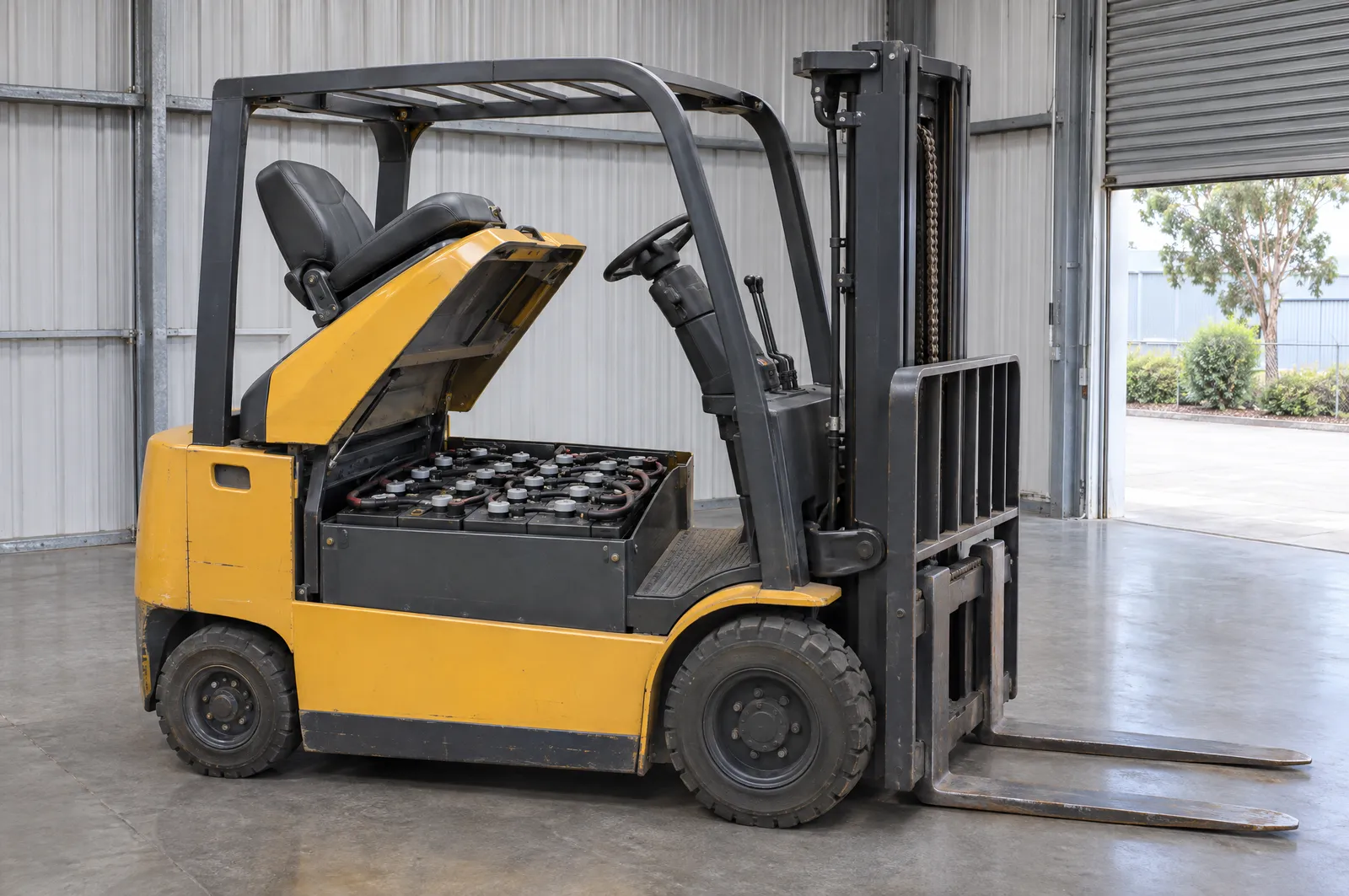
- Build date: ask how old the battery is and whether it's the original. Some used listings name a battery year that's newer than the truck's.
- Capacity test: ask for a capacity (discharge) test result. The charge gauge on the dash shows the state of charge, not how much the battery can still hold.
- Records: charging and watering records show how the battery has been treated.
- Charger: confirm that a charger comes with the truck and matches the battery's voltage and capacity.
- Condition: look for corrosion, acid residue on the tray, and damaged cables or connectors.
The rest of the truck gets the same checks as any used electric forklift: the mast, hydraulics, controller, brakes and tyres.
Maintenance: Watering, Cleaning and the Labour Behind It
Lead-acid batteries need regular watering and cleaning; a lithium battery needs neither. Toyota Material Handling Australia says maintaining lead-acid batteries involves adding water and cleaning them frequently, and lists no battery servicing for lithium-ion.
That work has a cost. Someone has to handle forklift battery watering on the schedule the battery maker sets, with the right protective equipment, because the acid inside is very corrosive. Toyota's point is that lead-acid batteries need this regular care to stay in peak condition, so a used battery with no watering records carries more risk.
Safety: What Each Battery Needs Where It Charges
Both batteries need a planned charging spot, for different reasons. The hazards differ, so the setup differs too.
Lead-Acid
SafeWork SA warns that charging lead-acid batteries releases hydrogen, which is very flammable and easily ignited, and that the acid electrolyte is very corrosive. WorkSafe Victoria's forklift guidance adds these controls:
- Location: charge and change batteries only at locations designed for that purpose.
- Emergency equipment: keep it near the recharging station, in a well-ventilated area.
- Barriers: protect chargers from forklift movements, for example with high-impact barriers.
- Battery vents: some forklifts need the battery vents opened for charging, so follow the truck's charging instructions.
WorkSafe Victoria also points to Australian Standards AS 2402.1.2 and AS 2402.2.2 for detailed battery handling and charging guidelines.
Lithium-Ion
WorkSafe Victoria's safety alert on lithium-ion battery fires lists forklifts among the equipment that may use these batteries. It advises a dedicated charging area separate from where people work, charging with an original or approved charger, and inspecting equipment and charging cables for damage before and after use.
So lithium removes the acid and the watering. It doesn't remove the need for a proper place to charge.
Questions to Ask Before You Choose
- How many hours a day will the truck run, and over how many shifts?
- Is there a gap long enough for a full lead-acid charge every day?
- On the used truck, how old is the battery, is it the original, and is there a capacity test?
- Does a matching charger come with each truck?
- What warranty covers the battery, in years and in hours or cycles, and is extended warranty available on the used truck?
- Where will the truck charge, and does that spot suit the battery type?
- How long do you plan to keep it?
Frequently Asked Questions
1. What Is the Biggest Disadvantage of a Lithium Forklift?
The purchase price. Lead-acid has the lowest initial cost, and a lithium truck still needs a matched charger and a suitable place to charge. On a single shift with an overnight charging window, it may never earn that premium back.
2. Do Forklifts Use Lithium Batteries?
Yes. Toyota Material Handling Australia lists lithium-ion alongside lead-acid among its forklift energy options, and WorkSafe Victoria lists forklifts among the equipment that may use lithium-ion batteries.
3. Can You Fit a Lithium Battery to a Used Lead-Acid Forklift?
Sometimes, but it's a specification job rather than a straight swap. The charger, the battery compartment and the battery's weight all need checking, and Toyota's guide to reading a forklift data plate lists minimum and maximum battery weight among the plate's details. Have a qualified technician confirm it before you buy a truck on that plan.
4. How Much Does a Lithium Forklift Cost?
There's no flat price. Capacity, mast height, battery size, the charger and the warranty all move it, so ask for a quote with the charger included and compare it with a used truck of the same capacity.
Your Next Step
Buy A Fork's team in Somerton can talk you through used electric stock and new Hangcha options, plus trade-ins, finance and rent-to-own. Call 1300 057 880 with the hours the truck will run, your heaviest load and where it will charge.