
When Should A Forklift Battery Be Watered?
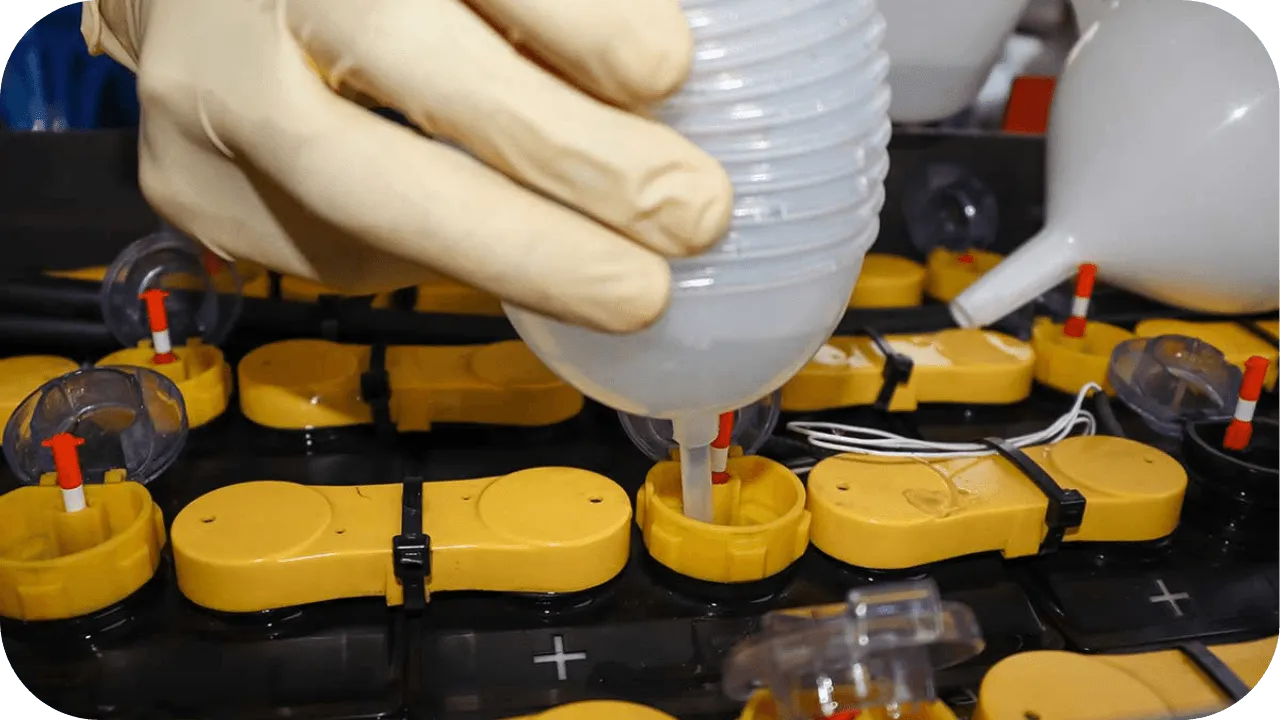
Maintaining your forklift battery ensures consistent performance and a prolonged lifespan. But one aspect that often gets overlooked is watering—and getting it wrong can lead to expensive repairs and downtime.
When should you water a forklift battery? It’s not just about topping up when the levels seem low. Timing is crucial for maintaining optimal battery health and avoiding costly mistakes.
This guide will explain everything you need to know to keep your forklift battery running at its best. Let’s get started!
When Should A Forklift Battery Be Watered?
A forklift battery should be watered after charging, never before, to prevent overflow. Use distilled water and fill cells to the recommended level, avoiding overfilling. Watering is typically needed once a week, but frequency depends on usage. Check levels regularly to maintain performance and battery lifespan. Always follow manufacturer guidelines for best results.
How Forklift Batteries Work
Forklift batteries are typically sealed lead-acid or lithium-ion types. They provide the power needed to operate forklifts in various environments.
These batteries consist of electrolytes (a mix of water and acid) that help conduct electrical charge between plates inside the battery. As the forklift operates, electrolyte levels drop due to evaporation during the charging cycle.
Maintaining the correct water levels ensures proper function, prevents battery overheating, and extends its life. Without adequate water, the battery plates can become exposed, leading to damage, reduced efficiency, and costly repairs. Regular maintenance is crucial for optimal performance.
Signs That Your Forklift Battery Needs Watering
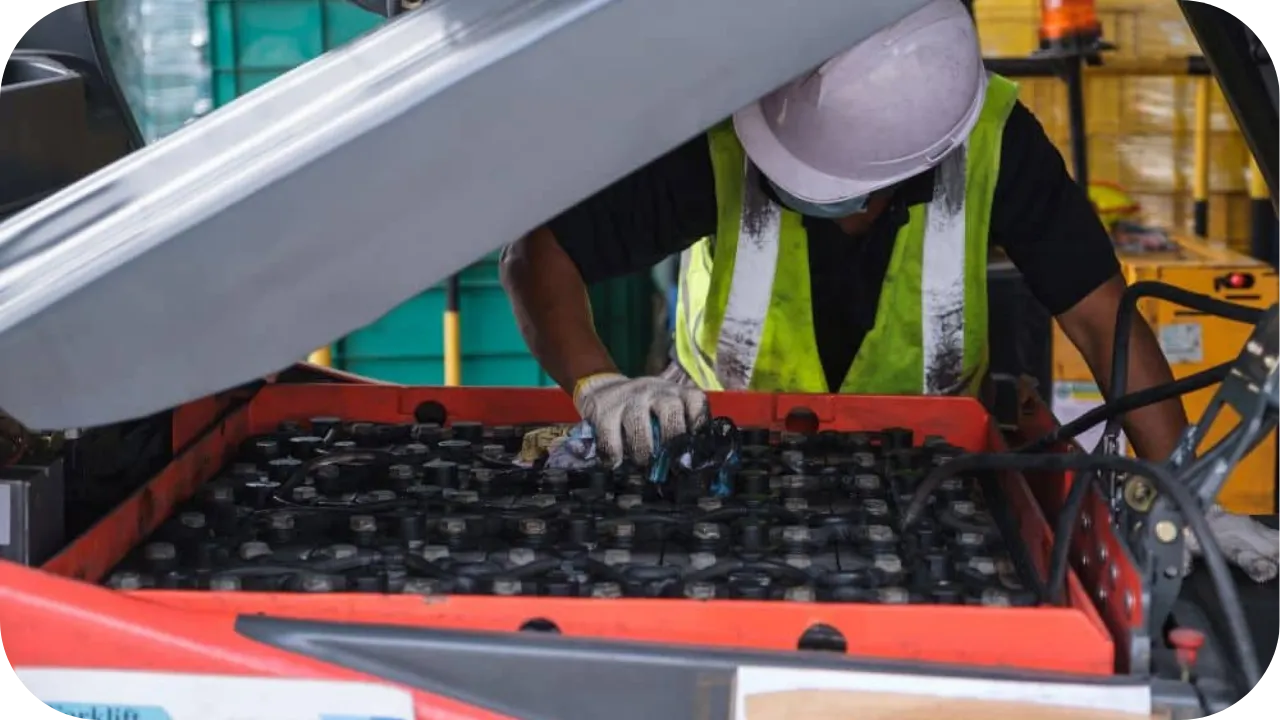
Neglecting to water your forklift battery can lead to costly damage. Watch out for these signs to ensure your battery runs efficiently and lasts longer.
1. Visible Cracks or Exposed Plates
If you notice cracks in the battery casing or exposed plates, it’s a clear sign that the electrolyte level has dropped too low. If not addressed promptly, this can damage the internal components, potentially shortening the battery’s lifespan.
2. Decreased Lift Power or Efficiency
A drop in lifting power or overall efficiency can indicate that the battery is not operating fully. Low electrolyte levels can reduce the battery’s ability to hold charge, resulting in weaker performance and more frequent recharges.
3. Bubbling or Excessive Heat During Charging
Excessive bubbling or noticeable heat while charging suggests the battery is overheating. Insufficient water levels can cause this, as the electrolyte cannot properly cool the battery, leading to increased wear and potential damage to the battery cells over time.
4. Low Electrolyte Levels
Check the electrolyte levels during routine maintenance. If the fluid is below the recommended level, it’s time to add water. Low electrolyte levels can cause the battery to underperform and accelerate internal corrosion if left unaddressed.
5. Frequent Charging Cycles
If your forklift requires frequent charging or doesn’t hold charge as long as it used to, the battery may lack sufficient water. Low water levels affect how well the battery maintains and discharges power, resulting in shorter operational periods.
How Often Should You Water a Forklift Battery?
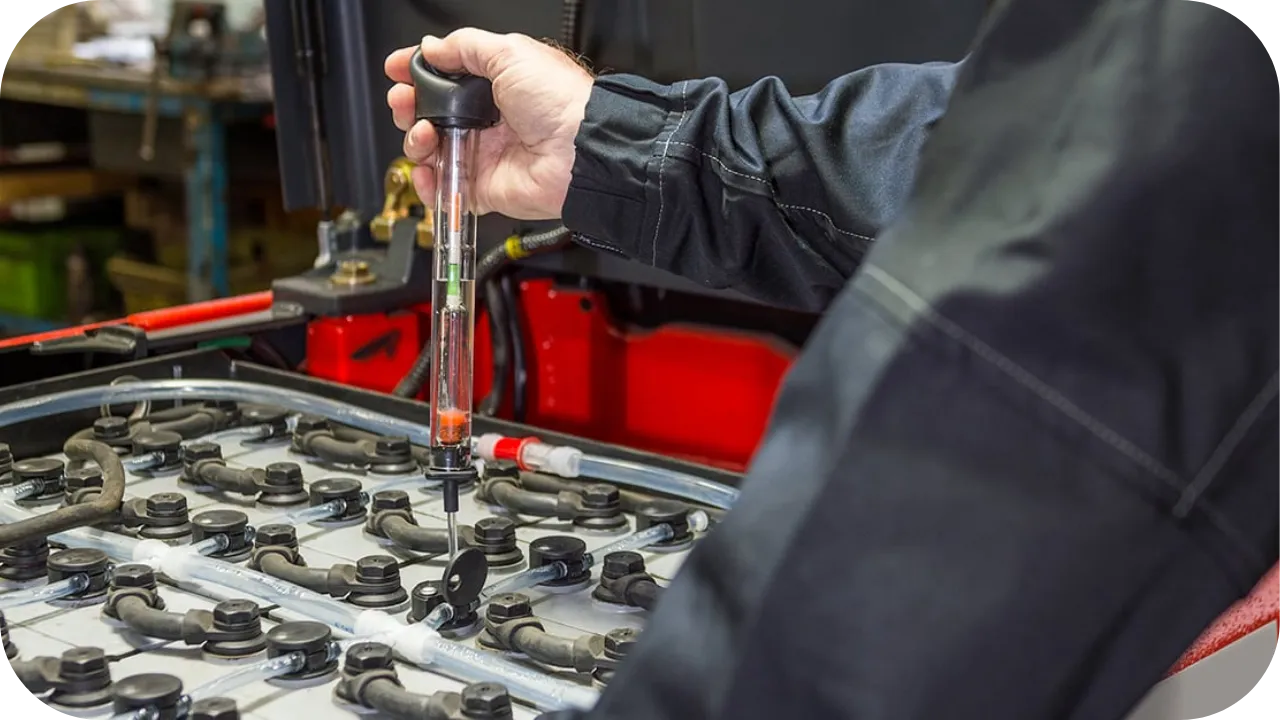
Forklift batteries need regular watering to maintain optimal performance. Generally, they should be watered every 5-10 charge cycles, which can vary depending on usage and environmental conditions. High temperatures or frequent use in demanding conditions may require more frequent watering.
The key is to monitor the electrolyte levels regularly. After charging, check the levels, ensuring the water covers the plates without overflowing. Underwatering can damage the battery, while overwatering may cause spillage and waste.
Remember, distilled water is essential for watering to avoid mineral buildup that could damage your battery. Maintaining the correct water levels will help your battery last longer and run more efficiently—saving you time and money in the long run. Keep an eye on your forklift’s health, and it will keep working for you.
Best Time to Water a Forklift Battery
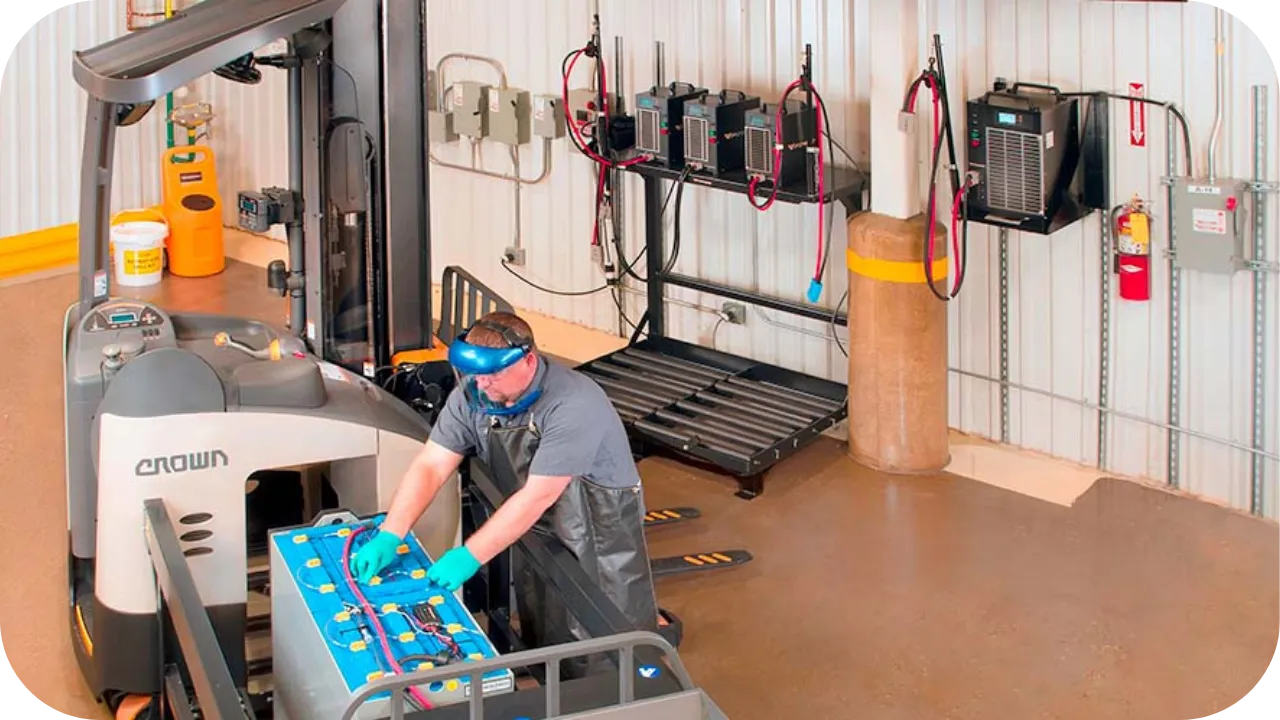
The best time to water a forklift battery is after charging when electrolyte levels are at their lowest. Watering before charging can cause electrolyte expansion, leading to overflow and potential damage.
Check water levels after each charging cycle, especially after frequent use. Add water only if the electrolyte is below the lead plates to avoid overwatering. Distilled water is recommended to prevent impurities.
You may need to water more frequently in hot climates or with heavy use. Regular inspections and timely watering can extend battery life, reduce maintenance costs, and ensure your forklift runs efficiently—keeping your business productive without unnecessary downtime.
Step-by-Step Guide to Watering a Forklift Battery
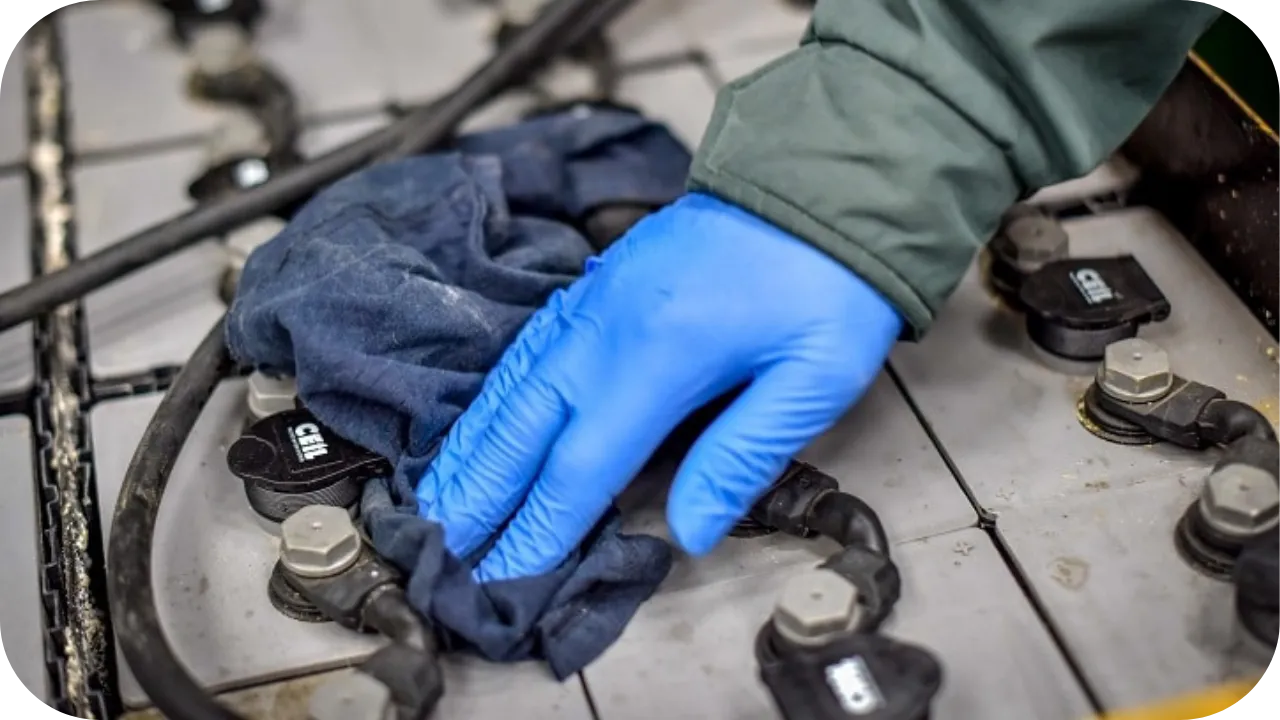
Properly watering your forklift battery is key to maximising its lifespan and performance. Follow these simple steps to ensure your battery stays in peak condition.
1. Turn Off the Forklift and Disconnect the Power
Before watering, ensure the forklift is powered off and in a safe position. Disconnect the battery power to avoid any electrical hazards. This is a crucial first step to ensure safety while handling the battery and prevent accidental short circuits.
2. Inspect the Battery for Damage or Corrosion
Take a moment to check the battery terminals for any signs of damage or corrosion. If you notice any buildup, clean it off carefully with a mixture of baking soda and water. This ensures good electrical contact and prevents damage to the battery components.
3. Check Electrolyte Levels
Remove the battery caps and inspect the electrolyte levels. The liquid should cover the battery plates. If the levels are low, this indicates the need for watering. Always ensure the electrolyte is at the correct level for optimal performance and to prevent internal damage to the battery.
4. Use Distilled Water to Fill the Cells
Fill the battery cells with distilled water—never use tap water, as it contains minerals that can damage the battery. Add water slowly until it reaches the required level, covering the battery plates. Be cautious not to overfill, as this can cause spillage during charging.
5. Seal the Battery Caps and Clean Excess Water
Once you’ve added water, securely seal the battery caps to prevent leakage. Wipe off any excess water to avoid corrosion. Ensure there’s no water left on the terminals, as moisture can lead to corrosion and cause electrical issues.
6. Charge the Battery After Watering
After watering, charge the battery immediately. Charging helps mix the water and electrolyte, ensuring proper battery fluid distribution. It also prevents the water from expanding during the charge, which can cause the battery to overflow. Regular charging after watering is essential for battery health.
Common Mistakes to Avoid
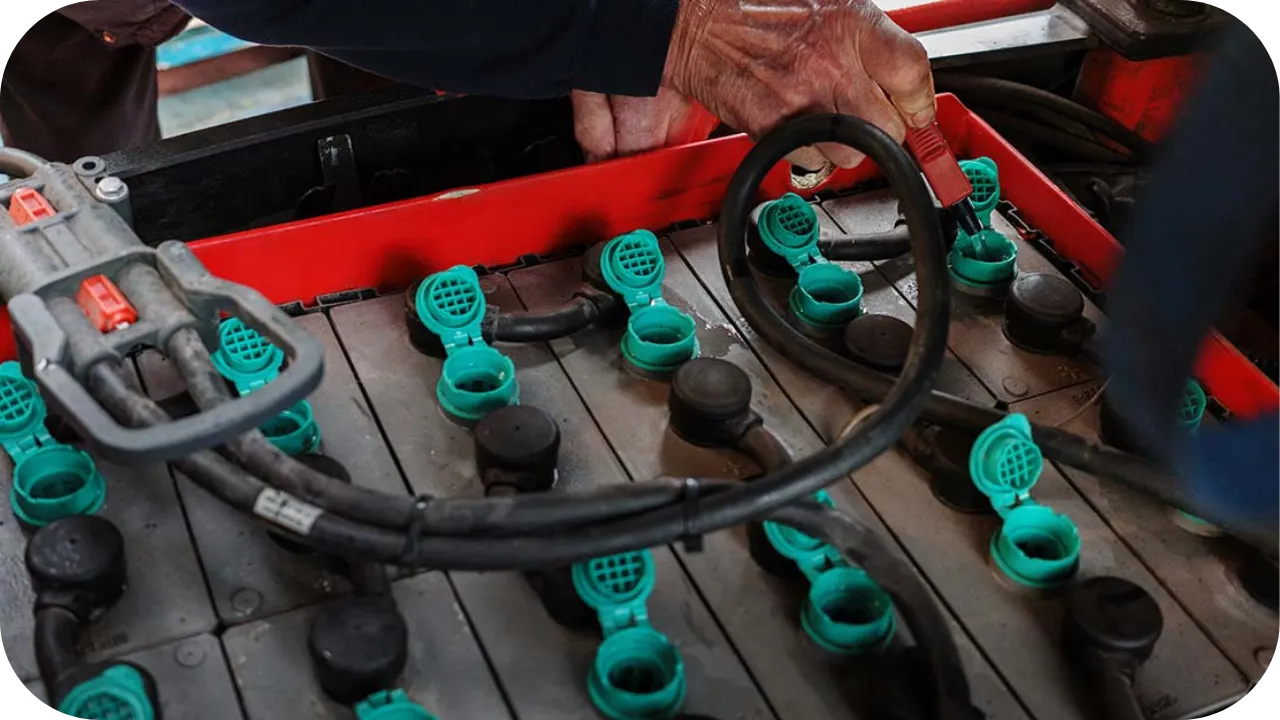
Don’t let simple mistakes shorten your forklift battery’s lifespan. Avoid these common errors to ensure efficient performance, reduce maintenance costs, and keep your operations running smoothly.
- Watering before charging: Watering a forklift battery can cause it to overfill, leading to electrolyte spillage, damaging the internal components. Always water after charging for optimal results.
- Using tap water: Tap water contains minerals like calcium and magnesium that can cause build-up on battery terminals and damage the internal plates. Always use distilled water to prevent contamination and preserve battery life.
- Overwatering: Too much water can flood cells, dilute the electrolyte, and drastically reduce the battery’s performance. Be sure to fill just enough to cover the plates without overfilling.
- Neglecting regular checks: Failing to check the electrolyte levels regularly can cause the cells to dry out, reducing the battery’s efficiency and lifespan. Schedule regular inspections to monitor levels and maintain proper battery health.
Conclusion
Knowing when to water your forklift battery optimises performance and longevity. Regular checks, maintaining the correct water levels, and avoiding overfilling can prevent costly damage and ensure smooth operations.
Following these simple yet vital steps keeps your forklift running efficiently and extends its lifespan. Ready to keep your forklift batteries in top condition? Contact Buy a Fork for expert advice, maintenance tips, and high-quality forklifts to suit your needs!