
Forklift Rental vs. Leasing: Which Option Is Best for You?
· Updated
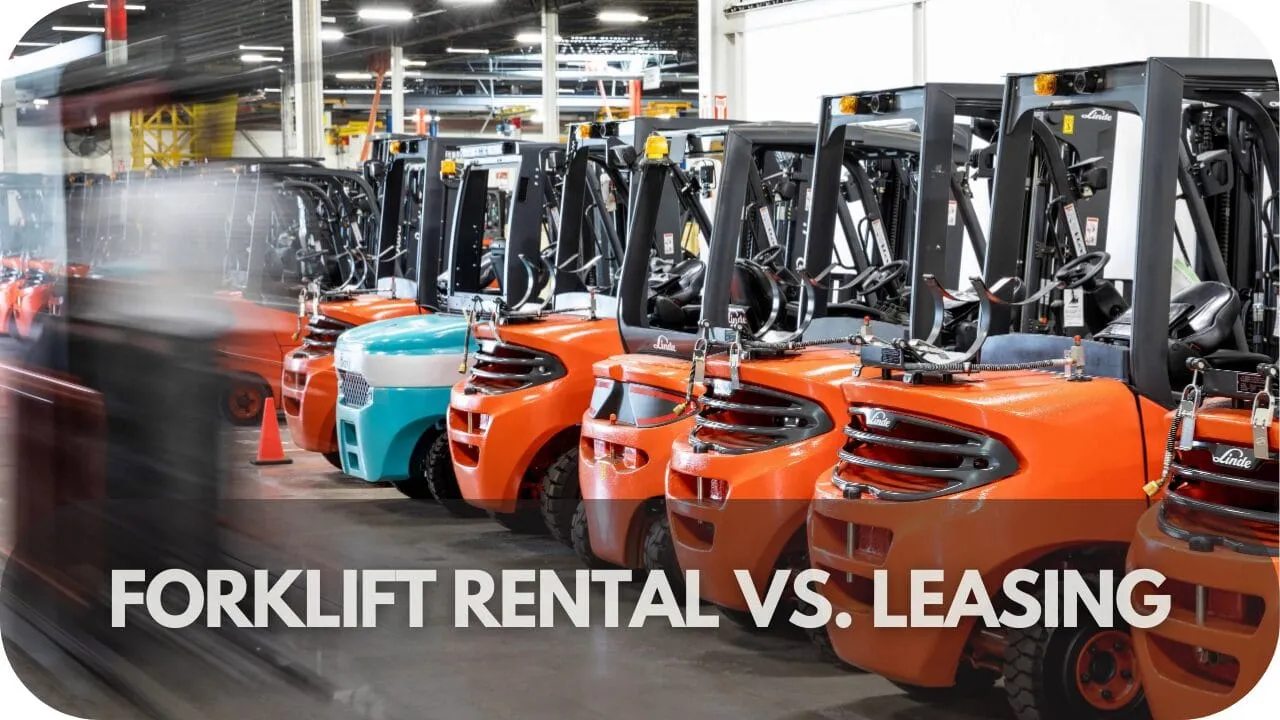
Choosing the right forklift option for your business can make all the difference in your day-to-day operations. Whether you’re managing seasonal peaks, a one-off project, or a long-term need, the decision between forklift rental and leasing can be tricky.
Both options come with their own set of benefits, but it’s crucial to pick the one that aligns with your business goals and budget. Let’s break down the differences between rental and leasing so you can make the best choice for your needs.
What Is Forklift Rental?
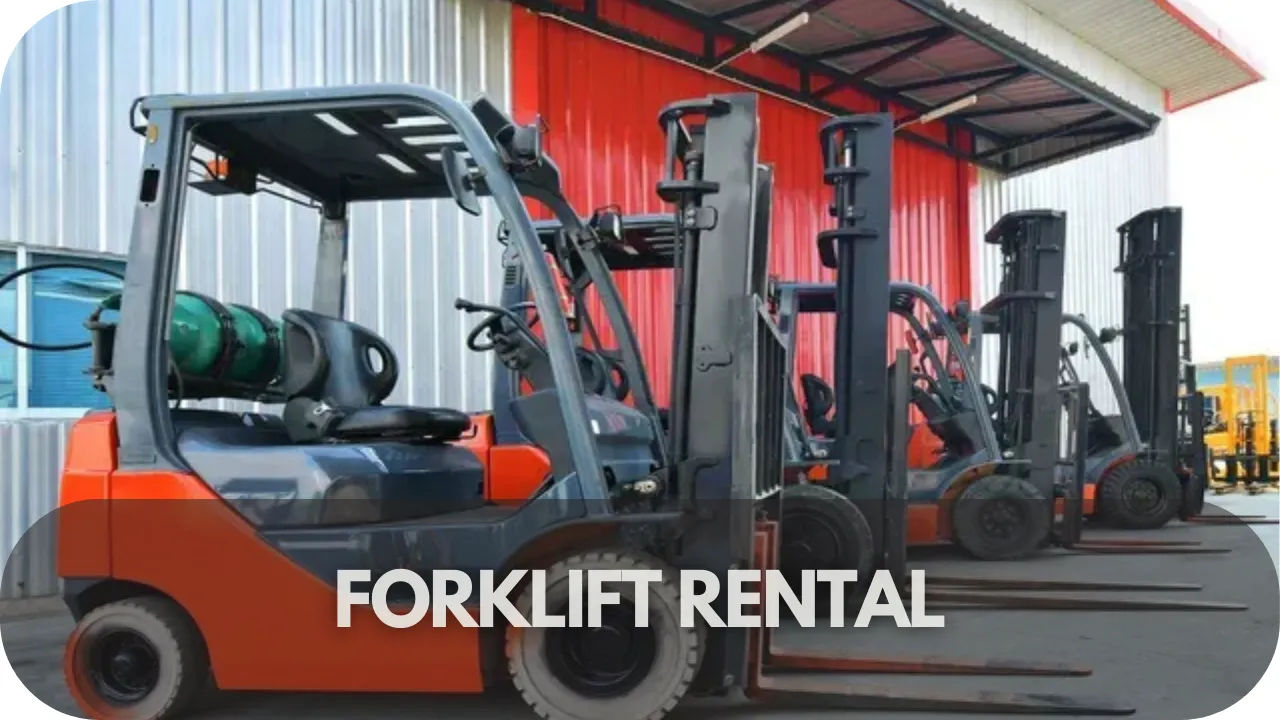
Forklift rental is a short-term agreement where businesses rent equipment for a few days to several months. It’s ideal for temporary needs like seasonal work or specific projects. Rentals offer flexibility to adjust fleet size and often include maintenance.
However, long-term use can become costly. It’s perfect when you need quick access without a large upfront payment.
What Is Forklift Leasing?
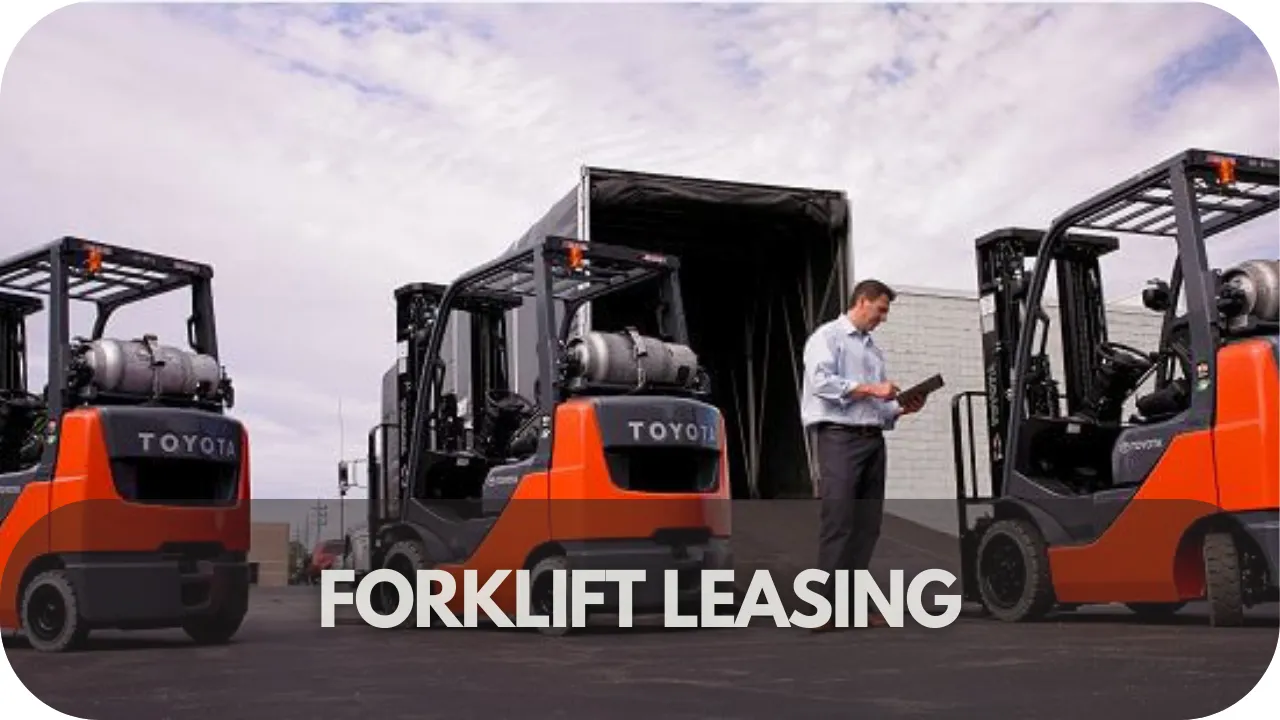
Forklift leasing is a long-term commitment, usually 2 to 5 years, with fixed monthly payments. It’s ideal for businesses with ongoing forklift needs, offering predictable costs and access to newer equipment without high upfront fees.
Maintenance may be included or offered as an add-on. Leasing suits businesses requiring reliable, long-term equipment but may have restrictions on fleet changes.
Key Differences Between Forklift Rental and Leasing
From cost and flexibility to maintenance and ownership, these two options have distinct advantages. Let’s break down how they compare to ensure you choose the best fit for your operations.
1. Duration of Agreement
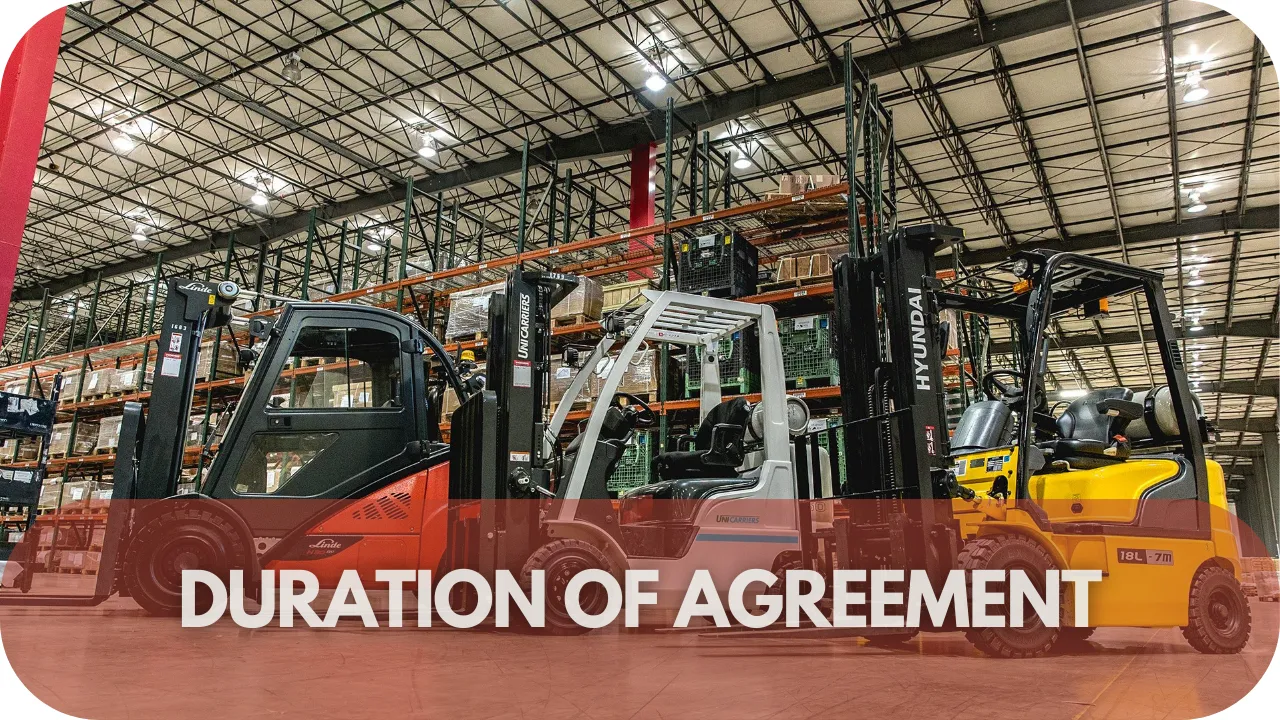
Forklift rental is typically a short-term arrangement, offering flexibility for projects or temporary needs. Leases, on the other hand, are long-term contracts, often lasting from 2 to 5 years, making them more suitable for businesses that rely on forklifts for regular operations.
2. Cost
Rental agreements tend to have higher per-day or per-month costs, especially if used for extended periods. However, rentals are cost-effective for short-term needs, as they don’t require hefty upfront payments.
Leasing, while offering lower monthly payments, may come with an initial deposit or upfront cost. Over time, leasing can be more affordable for long-term needs.
3. Flexibility
Renting a forklift offers greater flexibility, as you can adjust the fleet size and equipment type based on your changing needs. Leasing requires a more rigid commitment, making it less adaptable if your needs fluctuate unexpectedly.
4. Maintenance and Repairs
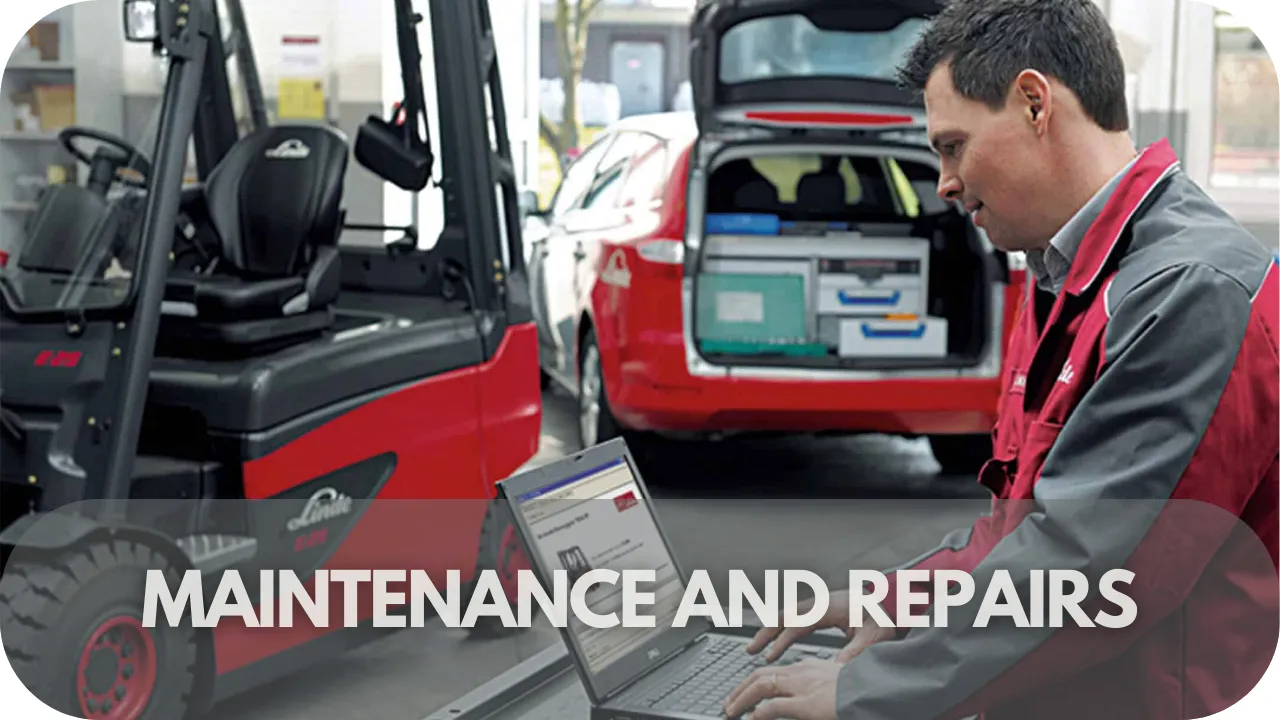
Rentals typically include maintenance and repairs as part of the agreement, sparing you from additional maintenance costs. In contrast, leasing may require you to manage these aspects unless a service plan is included.
5. Ownership
When you rent a forklift, ownership is not an option at the end of the term. Leasing agreements may offer the opportunity to purchase the forklift after the lease ends, allowing businesses to build equity in the equipment over time.
6. Tax Implications
Rental payments are usually treated as an operational expense and are often tax-deductible. Leasing payments may also qualify for deductions, but the structure of the lease (capital vs. operating lease) can affect how these payments are handled tax-wise.
Pros and Cons of Forklift Rental
When you need a forklift for a short-term project, or during seasonal peaks, forklift rental offers unmatched flexibility. Here are some pros and cons of rental:
| Pros of Forklift Rental | Cons of Forklift Rental |
| Short-Term Solution. Ideal for temporary needs or one-off projects. | Higher Costs Over Time. Rental can become expensive if used for long periods. |
| Flexibility. Adjust fleet size or change equipment based on evolving needs. | No Ownership. At the end of the rental, there’s no ownership of the forklift. |
| Maintenance Included. Often covered as part of the rental agreement. | Limited Availability. Rental fleets may not always have the specific forklift model you need. |
| No Long-Term Commitment. Rent as needed without long-term contracts. | Not Cost-Effective for Long-Term Use. Renting continuously is more expensive than leasing. |
| No Depreciation Worries. Return the forklift at the end of the rental period. |
Pros of Forklift Leasing
If your business relies on a forklift for daily operations, forklift leasing could be the best long-term solution. Here’s why:
- Lower Monthly Payments: Leasing typically offers lower monthly payments compared to purchasing equipment outright, making it easier to manage your cash flow and budget.
- Predictable Costs: With fixed monthly payments, leasing provides financial stability and predictable costs over the lease term, making it easier to plan and manage your business finances.
- Access to Newer Equipment: Leasing gives you access to the latest forklift models, ensuring your business benefits from the newest technology and improved efficiency without having to worry about large upfront costs.
- Option to Purchase: Some leasing agreements offer the option to purchase the forklift at the end of the lease term, allowing you to own the equipment and build equity in the asset.
- No Large Upfront Costs: Unlike purchasing, leasing doesn’t require a significant initial investment, making it an attractive option for businesses with limited capital.
Cons of Forklift Leasing
Leasing a forklift comes with a long-term commitment, which can be a downside if your business’s needs change unexpectedly. You’re locked into the lease for several years, and if your needs decrease or you no longer require a forklift, you may face penalties for ending the lease early.
Another disadvantage is that leasing often requires an upfront deposit or down payment, which could be a financial burden. Additionally, leasing agreements may not include maintenance and repairs, leaving you responsible for these costs unless you opt for a service plan.
When Should You Rent a Forklift?
Renting a forklift is ideal for short-term needs or temporary projects. If your business experiences seasonal peaks, such as during holidays or special events, rental provides the flexibility to adjust without committing to a long-term contract. It’s also perfect for one-off tasks like unloading large deliveries or managing a short-term construction project.
Renting allows you to get the right equipment without the financial burden of purchasing or leasing for the long term. If you need quick access to a forklift without the upfront costs or maintenance responsibilities, rental is the way to go. However, for longer-term use, renting may become less cost-effective than leasing.
When Should You Lease a Forklift?
Leasing a forklift is best for businesses with ongoing, long-term needs. If you require a forklift for daily operations, such as in a warehouse or manufacturing environment, leasing offers a stable, cost-effective solution. Leasing provides predictable monthly payments, making it easier to budget over several years.
It’s also ideal if you prefer to avoid a large upfront cost while still having access to newer, reliable equipment. Leasing is a great option if you plan to use the forklift for multiple years and want the possibility of owning it at the end of the term. However, leasing may not be the best option if your needs are temporary or constantly changing.
Which Option Is Right for You? Factors to Consider
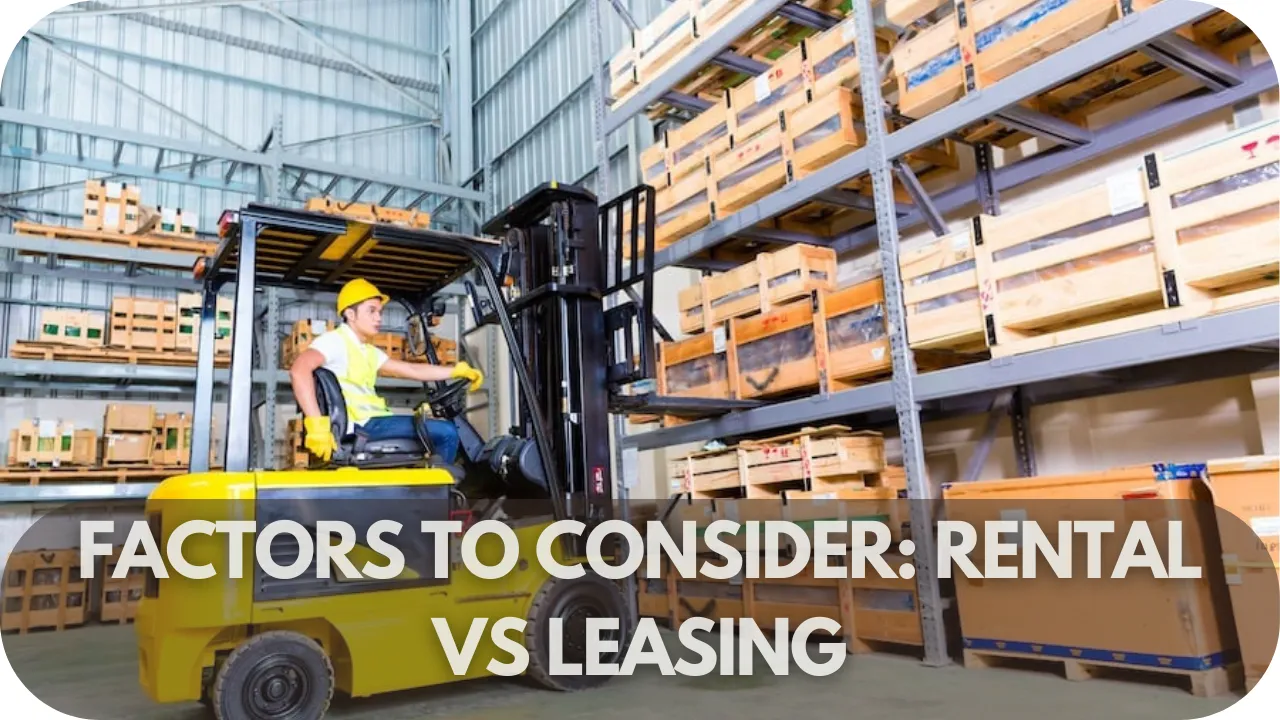
When deciding between renting and leasing a forklift, keep these factors in mind:
- Duration of Need: If you need a forklift for a few months or during a busy season, renting is likely the better option. If your business requires forklifts year-round, leasing may be the most cost-effective choice in the long run.
- Budget: Renting is typically more expensive over time, while leasing offers a lower monthly payment structure, making it more suitable for businesses with long-term needs.
- Flexibility: Renting provides the flexibility to adjust your fleet or change forklifts based on evolving needs. Leasing locks you into a specific forklift model for the term, which may be less adaptable.
- Maintenance: Renting usually includes maintenance as part of the agreement, offering a hassle-free experience. Leasing may require you to manage maintenance costs, but it allows you to build equity in the forklift over time.
Conclusion
Choosing between forklift rental and leasing depends on your business needs, budget, and long-term goals. If you need temporary access to a forklift, rental offers flexibility and convenience.
For long-term operations, leasing can be a cost-effective solution with lower monthly payments and the option to own the forklift at the end of the lease.
If you’re unsure which option is right for you, Buy A Fork is here to help. Get in touch with our team to discuss your needs and find the perfect solution for your business.