
Forklift Leasing: The Ultimate Guide
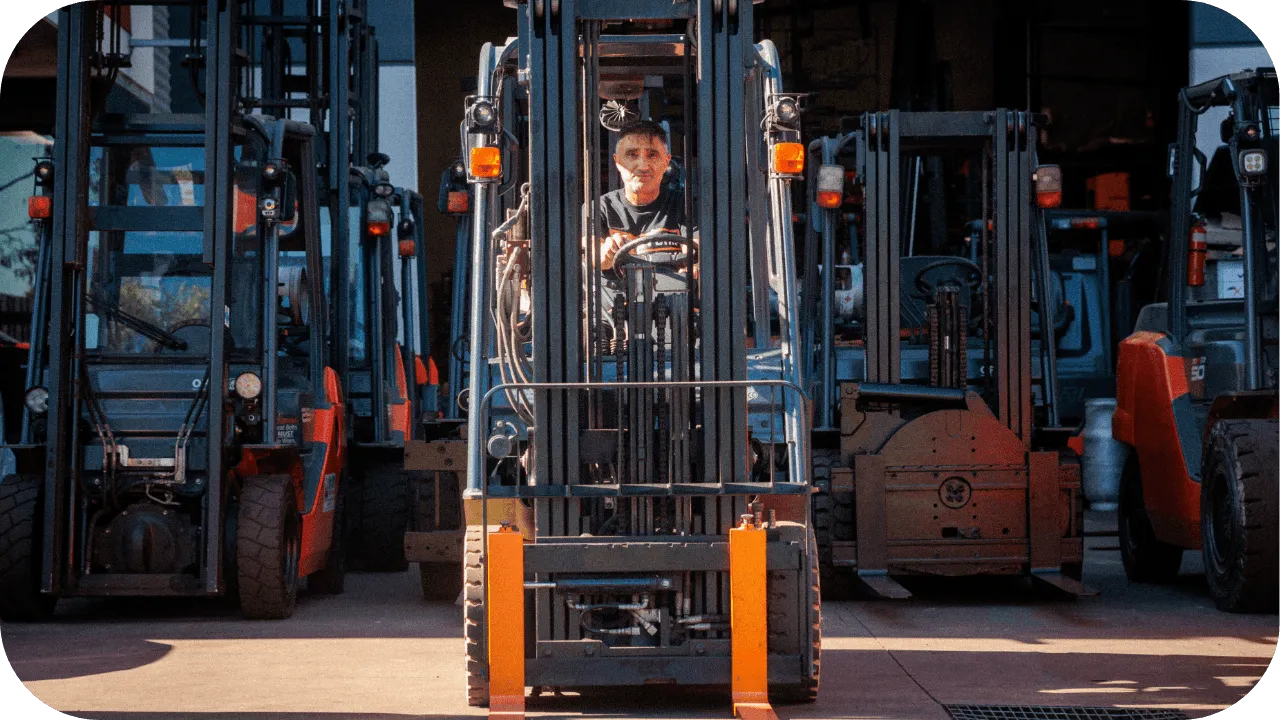
Forklifts play a vital role in many Australian industries, from warehousing to construction, but the high ownership cost can pressure a company’s budget.
Forklift leasing offers a practical and cost-effective alternative. It allows businesses to access reliable equipment without the burden of large upfront expenses. It also provides greater flexibility, helping to preserve cash flow while ensuring operations continue smoothly.
In this guide, we’ll cover the benefits of forklift leasing, the different types of lease agreements, key factors to consider, and how to choose the best option for your business.
Types of Forklift Leasing Options
To acquire a forklift, you can either decide to rent or lease. Choosing the right forklift leasing option is crucial for your business’s needs. Here’s what to consider when deciding whether you need flexibility with an operating lease or the option to own with a finance lease.
1. Operating Lease
An operating lease is typically a short-term lease with lower monthly payments than other lease options. With this type of lease, the lessee (business) rents the forklift for a set period, after which they can return it or upgrade to a newer model.
Operating leases are ideal for businesses that need forklifts for specific tasks or short-term projects. They allow flexibility without a long-term commitment, and the leasing company often covers maintenance and repairs, reducing the business’s operational burden.
2. Finance Lease
A finance lease is more of a lease-to-own option. With this lease type, businesses lease the forklift over a longer term, typically 3 to 5 years, with the option to purchase the equipment at the end of the lease period.
While the monthly payments are higher than an operating lease, this option benefits companies that eventually want to own the forklift. At the end of the lease term, businesses can either buy the forklift for a predetermined price or return it.
Factors to Consider Before Leasing a Forklift
Choosing the right forklift lease requires careful consideration. Understanding these key factors, from usage patterns to maintenance, lease term, and budget, will help you make the best decision for your business’s needs.
1. Forklift Usage
Consider how frequently and intensively the forklift will be used. A long-term lease or robust maintenance coverage may be ideal for heavy daily tasks. An operating lease offers flexibility for seasonal or less frequent use without long-term commitment.
2. Lease Term and Flexibility
The lease term impacts monthly payments and long-term costs. Shorter terms offer flexibility but higher payments, while longer terms lower payments but limit equipment upgrades. Choose a lease term that matches your business’s operational needs and future growth.
3. Maintenance and Support
Clarify who handles maintenance. Some leases include full service, while others may require businesses to cover repair costs. A lease with included maintenance ensures fewer unexpected expenses, reducing downtime and keeping your forklift in peak condition.
4. Upgrades and Technology Needs
Businesses may need to upgrade their forklifts as technology evolves. Leasing allows companies to easily switch to newer models with advanced features, improving efficiency and reducing the risk of outdated equipment impacting operations.
5. Financial Impact and Budgeting
Evaluate your budget for monthly lease payments. Leasing typically requires less initial capital than purchasing, but the long-term costs can add up. Be sure to consider both short-term and long-term financial impacts when choosing a lease option.
Benefits of Forklift Leasing
Leasing a forklift offers numerous advantages, including lower initial costs, predictable cash flow, and avoiding depreciation. These benefits can help streamline your operations and reduce financial pressure.
- Lower Initial Costs: Leasing eliminates the need for a large upfront payment, allowing businesses to manage monthly payments instead of making a significant capital investment.
- Flexibility: Leasing offers the option to upgrade to newer forklift models at the end of the lease term, ensuring access to the latest technology without worrying about depreciation.
- Tax Benefits: Lease payments may be deductible as operational expenses, providing potential tax relief. Check with an accountant to ensure you take advantage of applicable tax deductions based on your leasing agreement.
- Predictable Cash Flow: With fixed monthly payments, forklift leasing makes budgeting and managing cash flow easier, avoiding unexpected costs associated with owning and maintaining equipment.
- No Depreciation Risk: Leasing removes the risk of equipment depreciation, allowing businesses to use forklifts without worrying about their decreasing value over time.
Costs Involved in Forklift Leasing
Leasing a forklift offers financial flexibility, but understanding all associated costs ensures your business can plan effectively and avoid unexpected expenses, keeping operations running smoothly without breaking the bank.
1. Monthly Lease Payments
Monthly lease payments vary based on the lease type, duration, and forklift specifications. Operating leases generally have lower payments, while finance leases may have higher monthly costs, especially if there’s an option to buy.
Lease terms also impact payments—shorter terms usually result in higher monthly rates. It’s crucial to align lease payments with your business’s budget and cash flow.
2. Maintenance and Insurance
Some forklift leases include maintenance and insurance, which can reduce unexpected costs and downtime. If included, the leasing company handles repairs and servicing. However, if not, businesses must budget for maintenance costs separately.
Similarly, check whether insurance is covered, as some leases include it while others require businesses to arrange their own coverage.
3. Additional Fees
Forklift leases may include additional fees, such as charges for exceeding usage limits, early termination, or late payments. Reviewing the lease terms carefully is essential to understand these potential costs.
Incorporating these into your financial planning will help you avoid surprises and ensure the lease remains within your budget.
How to Choose the Right Forklift Leasing Option
Choosing the right forklift lease involves more than just comparing prices. Follow these key steps to select the best leasing option tailored to your business’s needs, budget, and operational goals.
1. Understand Forklift Specifications
Assess your business’s specific needs by considering the forklift’s size, capacity, and any special features required for your operations. By matching its specifications with your operational requirements, ensure the forklift can handle the expected workload efficiently and safely.
2. Compare Lease Offers
Compare various leasing options by evaluating the lease term, monthly payments, and whether maintenance or insurance is included. Use comparison tools to understand the total cost of each lease and find the option that best aligns with your budget and needs.
3. Evaluate the Lease Provider
Choose a reputable leasing provider with a strong history of transparent terms and reliable service. Research customer reviews and testimonials to ensure they offer fair agreements and responsive support, giving you confidence throughout leasing.
4. Consider Lease Flexibility
Look for lease agreements that offer flexibility, such as the option to upgrade equipment or adjust terms based on changing business needs. This ensures you’re not locked into outdated equipment or an unfit lease term.
5. Review Total Cost of Ownership (TCO)
Calculate the long-term costs associated with the lease, including maintenance, insurance, and additional fees. By evaluating the TCO, you can identify potential hidden costs and ensure the lease remains affordable.
Leasing Process with Buy A Fork
Leasing a forklift with Buy A Fork is simple and fast. From easy online applications to personalised service and quick qualification, we ensure a smooth process with competitive rates and flexible terms.
- Easy Online Application: Our simple, paperless application takes only a few minutes to complete, eliminating the need for paperwork and offering a fast, convenient way to apply online.
- Multiple Loan Choices: Once you submit your application, we provide offers from multiple lenders, allowing you to choose the deal with the best rates and terms.
- Great Low Rates: With access to a large lending panel, Buy A Fork ensures we find the most competitive finance rates in the market, helping businesses save money.
- Fast Qualification: You won’t have to wait days for approval. Our fast qualification process lets us tell you if you qualify within minutes of your application.
- Credit Score Protection: We protect your credit score by checking your application against 1,000+ lender policies before sharing it, ensuring no unnecessary credit checks impact your credit score.
- Personalised Service: Buy A Fork’s team of over 150 asset finance brokers works with you at every step, offering tailored support from start to finish, ensuring a smooth experience.
Conclusion
Forklift leasing provides a smart, cost-effective solution for businesses to access the necessary equipment without the hefty upfront costs.
With various lease options, including operating and finance leases, businesses can select the plan that best suits their budget and operational needs. Leasing reduces initial expenses and offers the flexibility to upgrade equipment as your business evolves.
To find the perfect leasing arrangement, contact Buy A Fork for expert guidance and customised solutions that align with your requirements.