
How Seasonal Demand Affects Forklift Rental Prices and Availability
· Updated
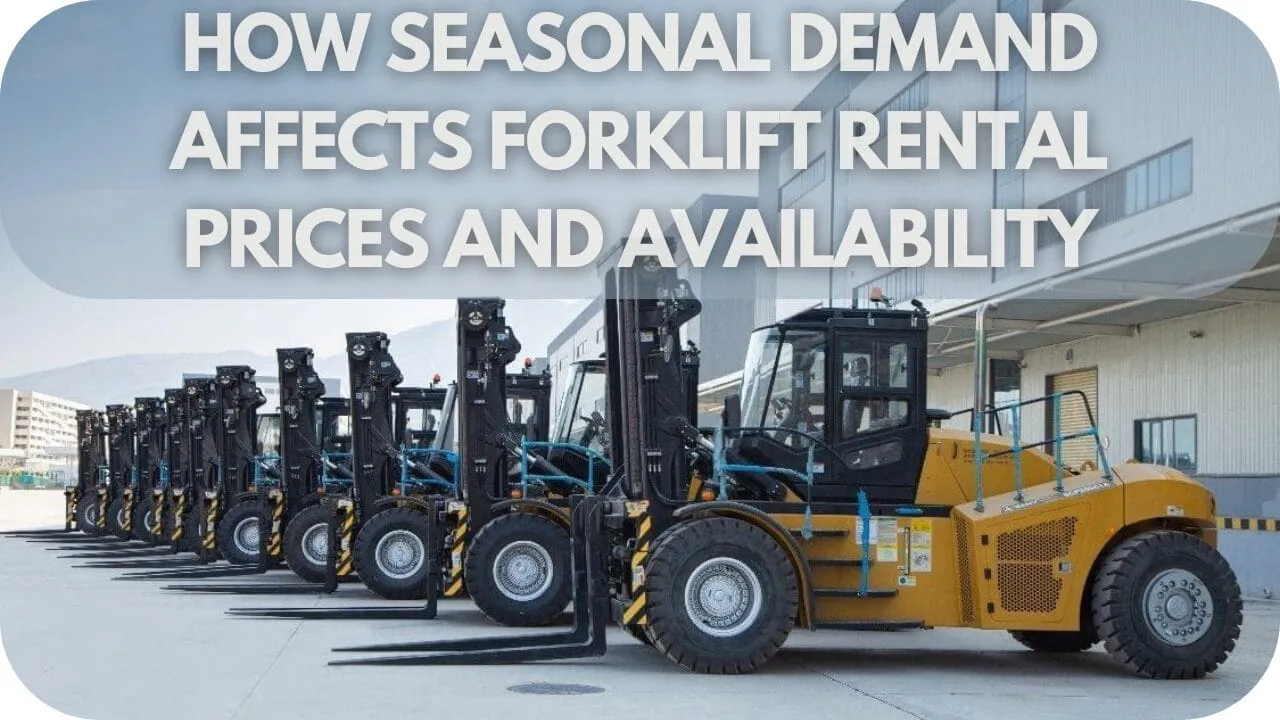
Seasonal demand plays a significant role in influencing forklift rental prices and availability. During peak seasons—such as holidays, harvest periods, or construction booms—businesses experience a surge in activity, driving up the need for forklifts.
This increased demand often leads to higher rental costs and limited availability, making it challenging to secure equipment when it’s most needed. Understanding these fluctuations can help businesses plan, optimise costs, and avoid downtime.
This guide will explore how seasonal trends impact forklift rentals and provide tips to ensure you have the necessary equipment, regardless of the time of year.
The Role of Seasonal Demand in Forklift Rentals
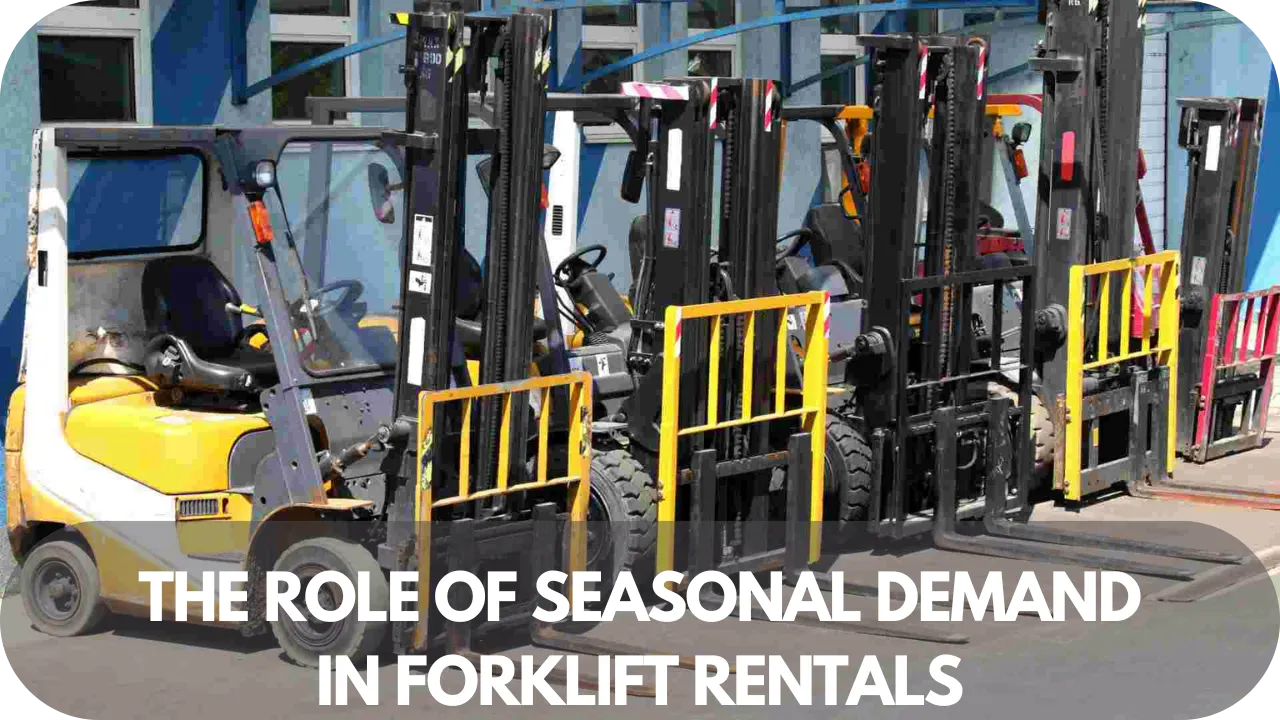
Seasonal demand significantly impacts forklift rental prices and availability as businesses experience fluctuating yearly needs.
During peak seasons, such as holidays, harvest times, and construction booms, industries face increased workloads that require additional equipment to maintain productivity.
Warehouses, for example, see a surge in activity during Christmas and Black Friday, while agricultural sectors depend on forklifts for moving produce during harvest periods.
This rise in demand strains rental supplies, often leading to higher prices and limited availability. Businesses that delay securing rentals during these periods risk operational delays and reduced efficiency.
Understanding seasonal trends allows companies to plan, ensuring they have the equipment needed without paying premium rates.
How Seasonal Demand Impacts Forklift Rental Prices
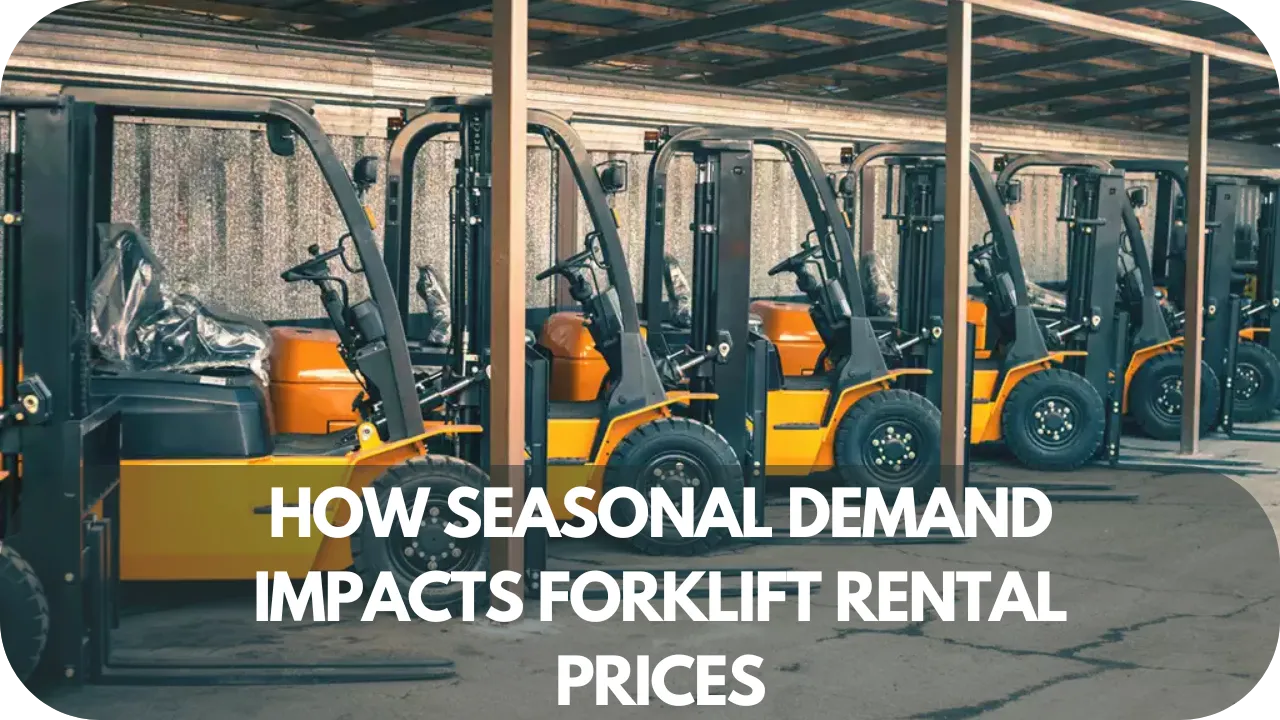
Seasonal demand can significantly impact forklift rental prices, leaving businesses facing higher costs and limited availability. Understanding these trends helps you plan and avoid last-minute expenses.
1. Increased Demand Raises Prices
During peak seasons, retail, agriculture, and construction industries require more forklifts to meet increased workloads. Retailers gear up for holidays like Christmas and Black Friday while farmers manage harvest seasons.
With higher demand, rental suppliers raise prices to reflect limited inventory. Forklift availability becomes competitive, and businesses must act quickly or face premium costs. This seasonal surge makes proactive planning critical to securing equipment at reasonable rates.
2. Limited Availability Drives Premium Costs
As demand spikes during busy periods, rental availability shrinks, eespecially for specific forklift types like electric models for warehouses or diesel models for outdoor construction.
Businesses that need to plan often face limited options, forcing them to pay premium prices to secure necessary equipment. This scarcity can disrupt operations and budgets. By booking forklifts early, companies can avoid last-minute struggles and inflated rental rates.
3. Short-Term Rentals Become More Expensive
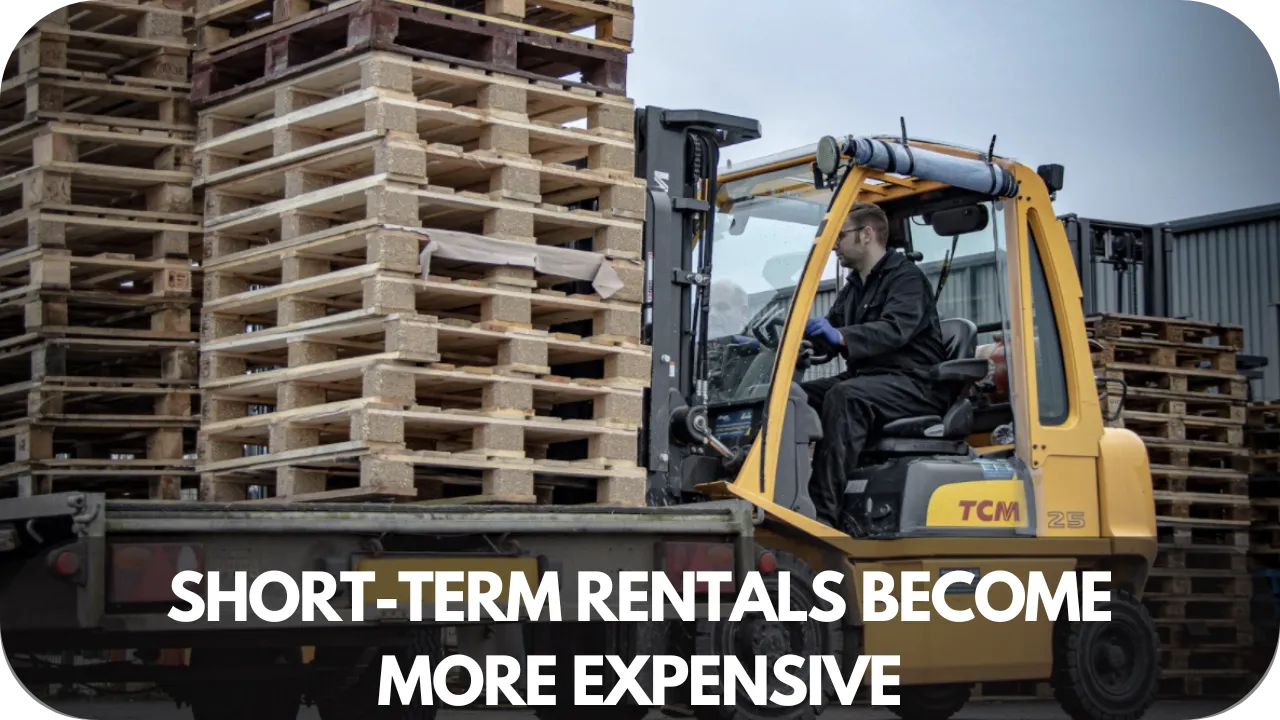
Short-term rentals are often their only option when businesses scramble for equipment during peak seasons. While flexible, short-term agreements come with significantly higher daily rates than long-term rentals.
Rental providers take advantage of urgent demand by adjusting pricing to maximise revenue. Companies that secure long-term rentals during off-peak months can reduce costs and ensure uninterrupted operations during high-demand periods. Proactive scheduling can save businesses substantial amounts.
4. Industry-Specific Peaks Drive Costs
Each industry experiences unique seasonal peaks that increase forklift rental prices. Retailers face surging demand during holiday seasons, warehouses need forklifts for inventory movement, and construction companies ramp up projects during warmer months.
Additionally, the agriculture sector sees significant forklift usage during harvest time. These overlapping demands across industries stretch rental fleets thin, pushing prices higher. Understanding these trends helps businesses align rental strategies with their needs.
5. Supply Chain and External Factors Amplify Costs
External factors like rising fuel prices, labour shortages, and supply chain disruptions intensify rental price hikes during seasonal demand. For example, diesel forklifts cost more to operate when fuel prices rise.
Additionally, delays in forklift parts or fleet servicing can reduce availability. Businesses caught unprepared during these external pressures may pay more for urgent rentals. Monitoring industry trends and working with reliable suppliers effectively ensures businesses mitigate these challenges.
Key Seasons That Affect Forklift Rentals
Explore how seasonal demand impacts forklift rentals, from peak construction periods to holiday logistics. Plan and secure the right equipment when you need it most during key seasons!
1. Holiday Seasons and Peak Retail Periods
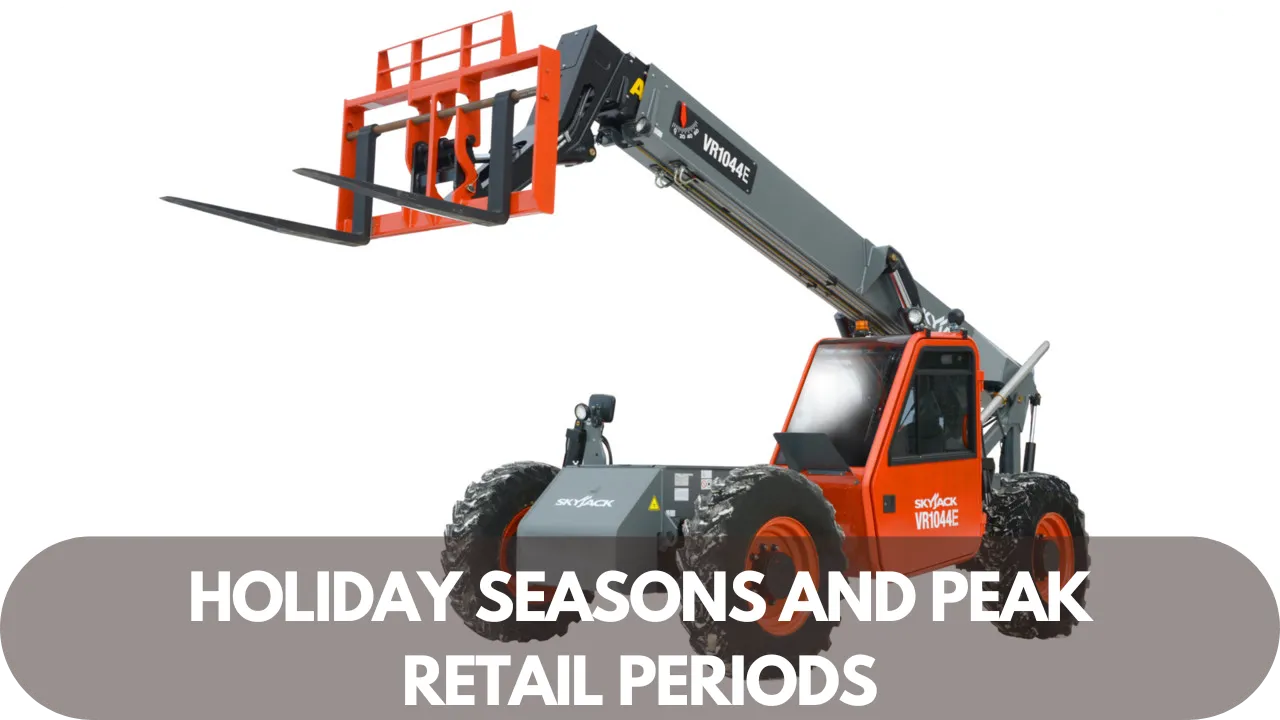
Holiday and peak retail periods surge demand for forklift rentals, particularly in logistics, warehousing, and retail.
Events such as Christmas, Black Friday, and New Year drive significant increases in stock handling, order fulfilment, and deliveries, requiring additional forklifts to manage the workload efficiently.
Warehouses experience higher activity levels as they handle larger inventory volumes and tight shipping deadlines. Similarly, retailers rely on forklifts for stock replenishment and managing seasonal displays.
This sudden demand often leads to rental price hikes and limited availability, particularly for electric forklifts ideal for indoor operations.
Businesses that fail to plan risk delays, inefficiency, and missed sales opportunities during these critical periods. Companies should book forklifts in advance or secure long-term rentals during off-peak months to avoid these challenges.
2. Agricultural Harvest Seasons
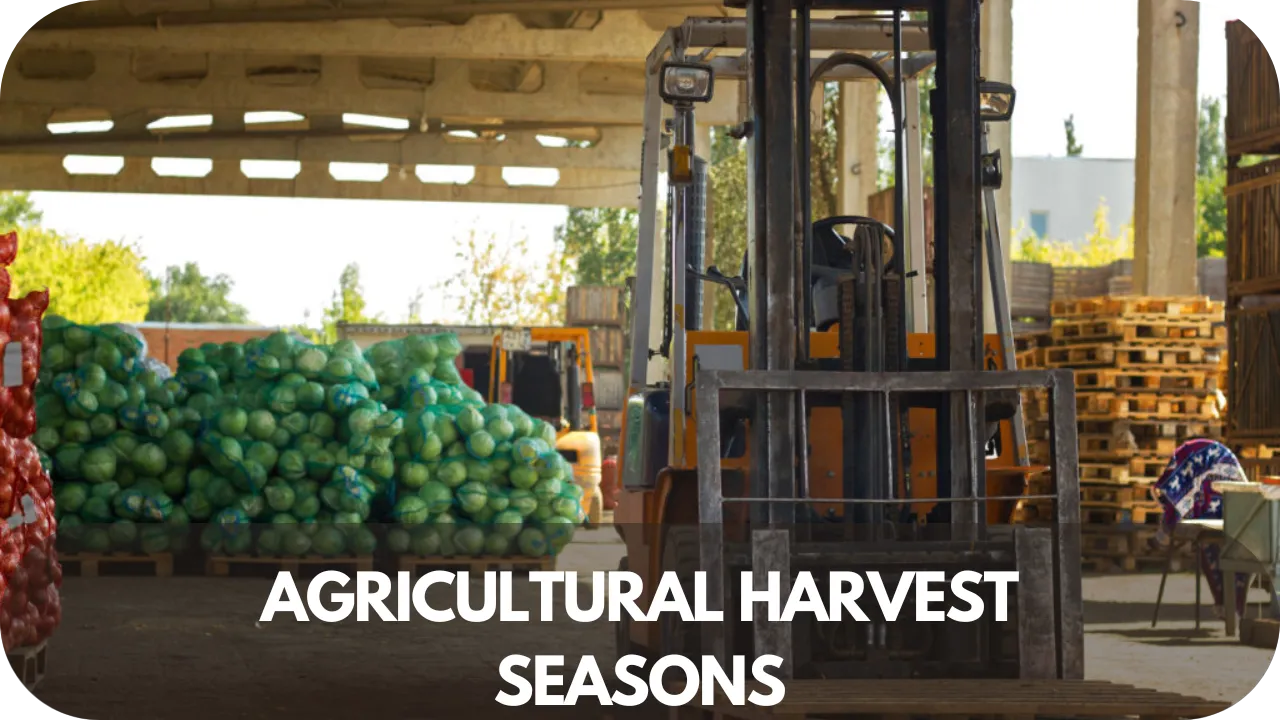
Agricultural harvest seasons significantly increase the demand for forklift rentals as farmers and suppliers manage heavy loads of produce, equipment, and materials.
During peak harvest times, forklifts are essential for efficiently transporting, stacking, and loading goods, particularly in large-scale farming operations.
The seasonal spike in demand often leads to higher rental costs and limited equipment availability, especially for forklifts suited for outdoor and uneven terrains, like diesel or LPG models.
To avoid delays or disruptions during harvest, agricultural businesses should plan rentals. Securing equipment early ensures smooth operations, reduces downtime, and allows farmers to maximise productivity during critical harvest periods.
3. Construction Booms in Warmer Months
Warmer months are peak times for construction projects, leading to a significant increase in demand for forklift rentals.
With favourable weather conditions, businesses accelerate operations, requiring forklifts for lifting materials, transporting equipment, and managing job sites efficiently.
Diesel and LPG forklifts are particularly popular for outdoor use, as they offer the power and durability needed for heavy loads and rough terrains. However, this seasonal surge often causes rental shortages and higher prices due to increased competition for equipment.
Construction companies should plan and secure their forklift rentals early to avoid disruptions, ensuring projects remain on schedule and within budget during peak seasons.
4. Year-End Inventory Audits
Year-end inventory audits increase demand for forklift rentals as businesses work to organise, count, and manage their stock efficiently. Warehouses and distribution centres rely on forklifts to move pallets, access high racking, and streamline operations during this critical period.
The increased activity often leads to higher rental prices and limited availability, particularly for electric forklifts ideal for indoor environments.
To stay ahead, businesses should plan forklift rentals to avoid delays and disruptions. By securing equipment early, companies can ensure a smooth inventory process, maintain accuracy, and meet year-end deadlines efficiently.
Tips to Secure Forklift Rentals During High-Demand Periods
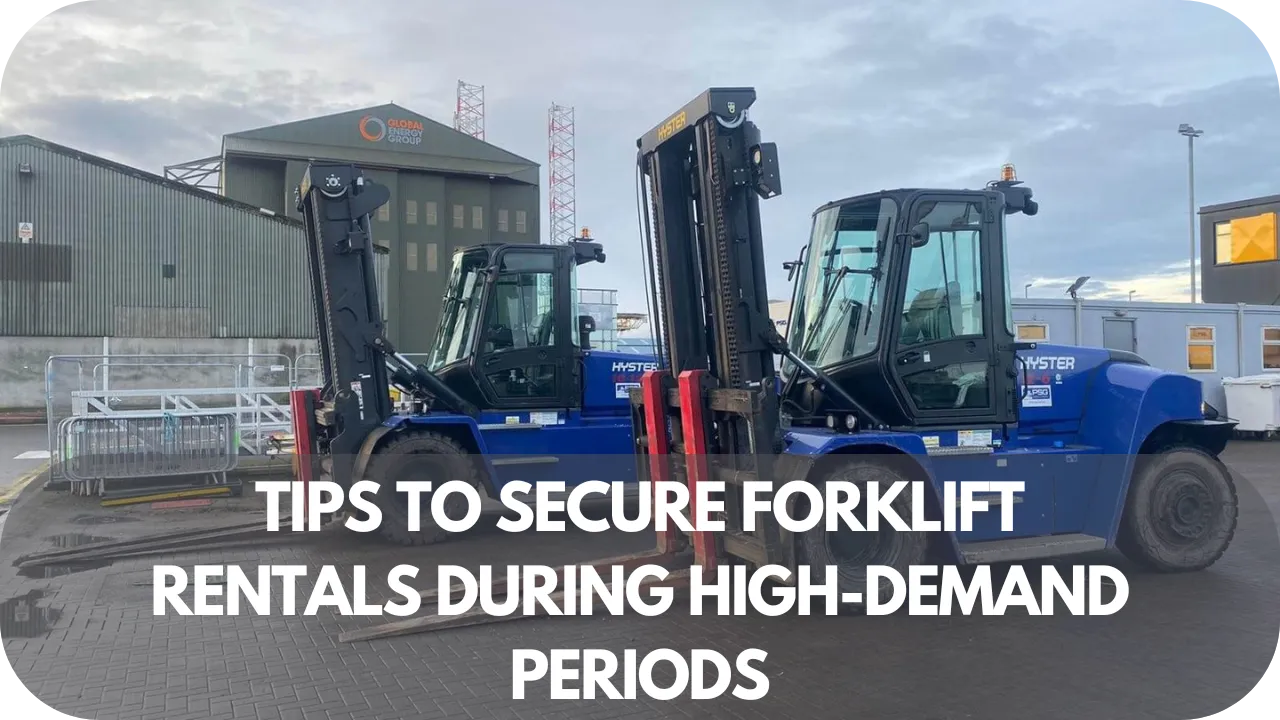
Planning is key to avoiding inflated costs and securing the equipment you need. Here are practical tips for managing forklift rentals during peak seasons:
- Book in Advance: Plan and reserve your forklifts well before peak seasons like holidays, harvests, or construction booms. Early booking ensures availability and better rates.
- Opt for Long-Term Rentals: Consider long-term rental agreements to lock in costs and guarantee equipment availability throughout high-demand periods.
- Work with Reliable Providers: Partner with trusted rental companies that offer flexible contracts, quality forklifts, and responsive support to avoid last-minute issues.
- Choose Off-Peak Delivery: Schedule forklift deliveries during less busy times to avoid delays and secure equipment when others are less active.
- Assess Your Needs Accurately: Determine the exact forklift type, capacity, and quantity you need in advance to streamline the rental process and avoid shortages.
Final Thoughts
Seasonal demand can drive up forklift rental prices and limit availability, but you can stay ahead with thoughtful planning. Secure your equipment early, avoid costly delays, and keep operations smooth.
Contact Buy A Fork today to lock in competitive rates and guaranteed seasonal availability.. Don’t let demand slow you down—plan smarter!