
Forklift Rentals for Construction Sites: Why It Makes Sense
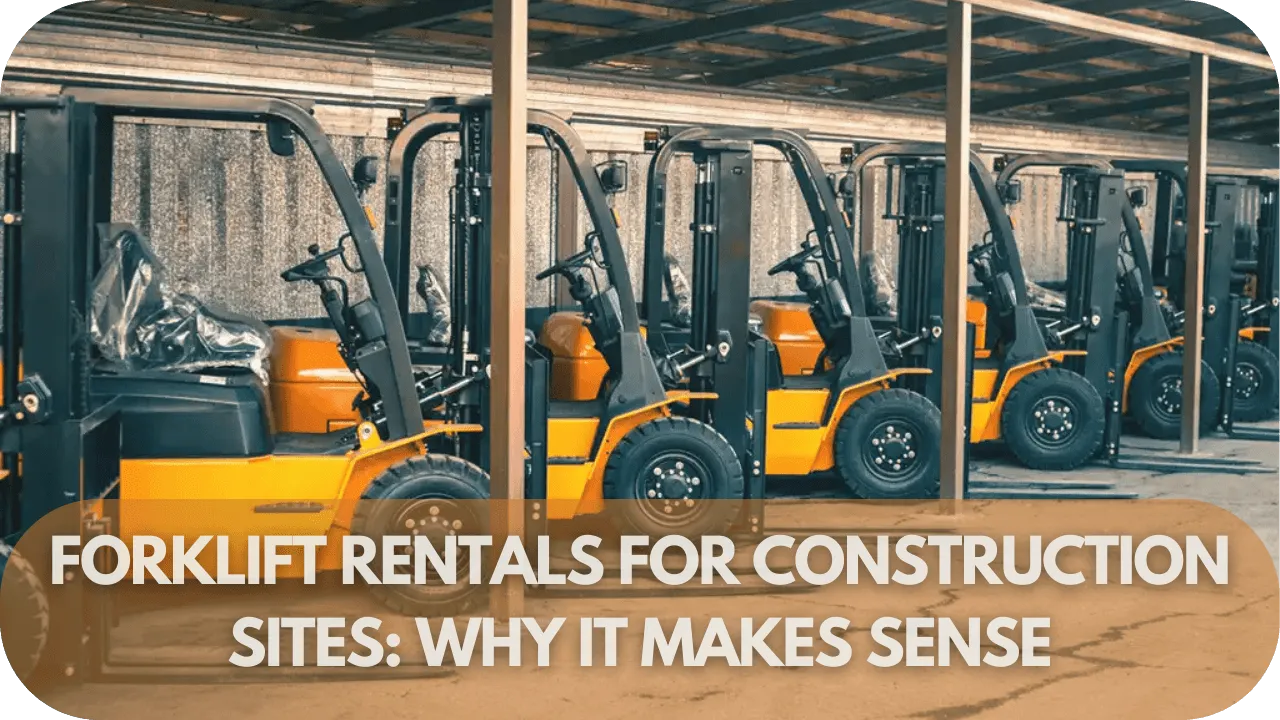
Running a construction site is no small feat, requiring efficiency, safety, and reliable equipment to keep things moving. Forklifts are crucial in lifting, transporting, and stacking materials, but buying one outright isn’t always the best choice.
That’s where forklift rentals come in. Construction companies increasingly turn to rentals for flexibility, cost savings, and access to the latest technology.
Let’s look into why renting forklifts makes sense for construction sites and how they can improve your project’s efficiency and bottom line.
1. Cost-Effective Solution
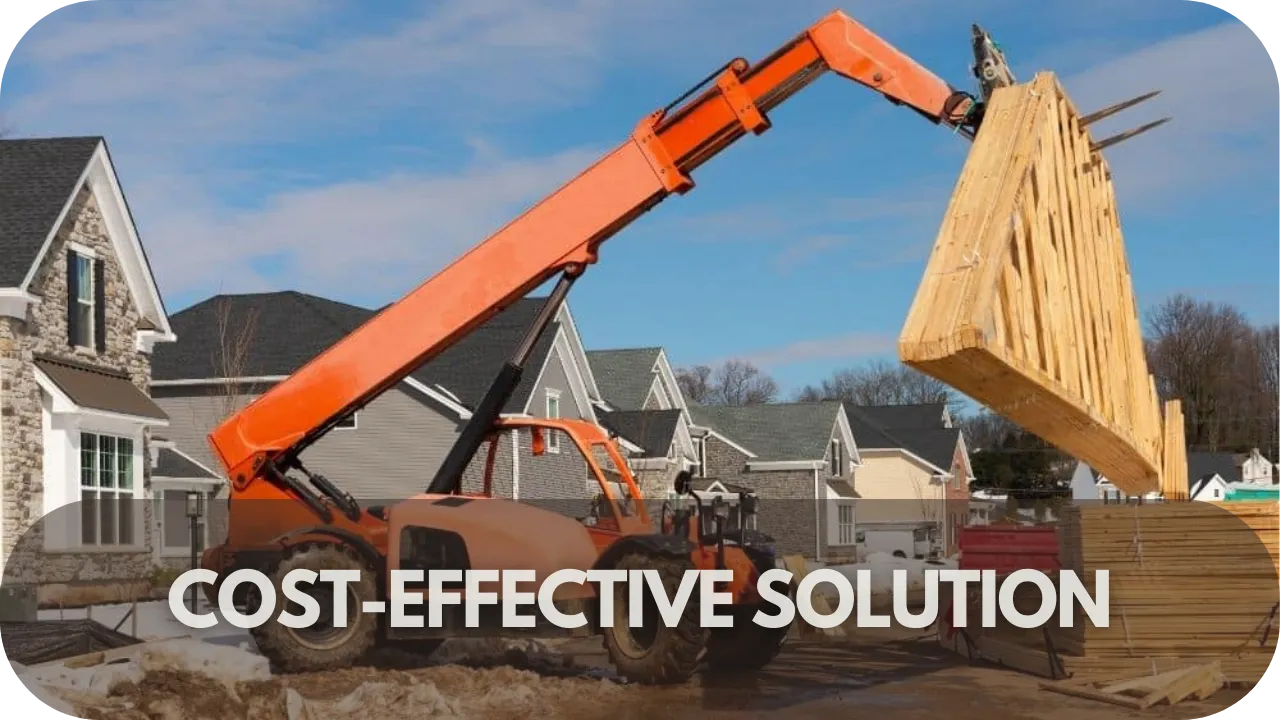
One of the primary reasons construction companies opt for forklift rentals is cost savings. Forklifts are costly to buy. Even a used model can cost tens of thousands of dollars, not to mention the ongoing maintenance, storage, and insurance costs of owning a forklift.
Renting a forklift, however, allows companies to avoid these hefty upfront costs. Instead of sinking capital into equipment, they can pay a fraction of the price for the needed duration. This flexibility helps construction businesses allocate their budgets more efficiently, directing funds towards other essential areas like labour, materials, and project management.
Additionally, rental fees often cover maintenance and repairs, meaning businesses won’t have to worry about unexpected costs for upkeep. If something breaks down, the rental company typically takes care of it, reducing potential financial strain.
2. Flexibility and Scalability
Construction projects come in all shapes and sizes. Each project has unique requirements, from residential builds to large-scale commercial developments. The types of forklifts needed can vary, depending on the nature of the job.
Renting forklifts offers flexibility in this regard. If a project requires a particular type of forklift for a specific task, rental companies can provide the right equipment.
Whether it’s a compact forklift for tight spaces or a high-capacity model for handling heavy loads, renting ensures that construction managers can access the right equipment at the right time.
Moreover, the rental model allows for scalability. If a project progresses faster than expected or requires additional machinery for a short period, a construction company can quickly scale up the number of forklifts needed.
On the other hand, if the workload decreases, the company can scale back without the commitment of owning multiple machines.
3. Access to the Latest Technology
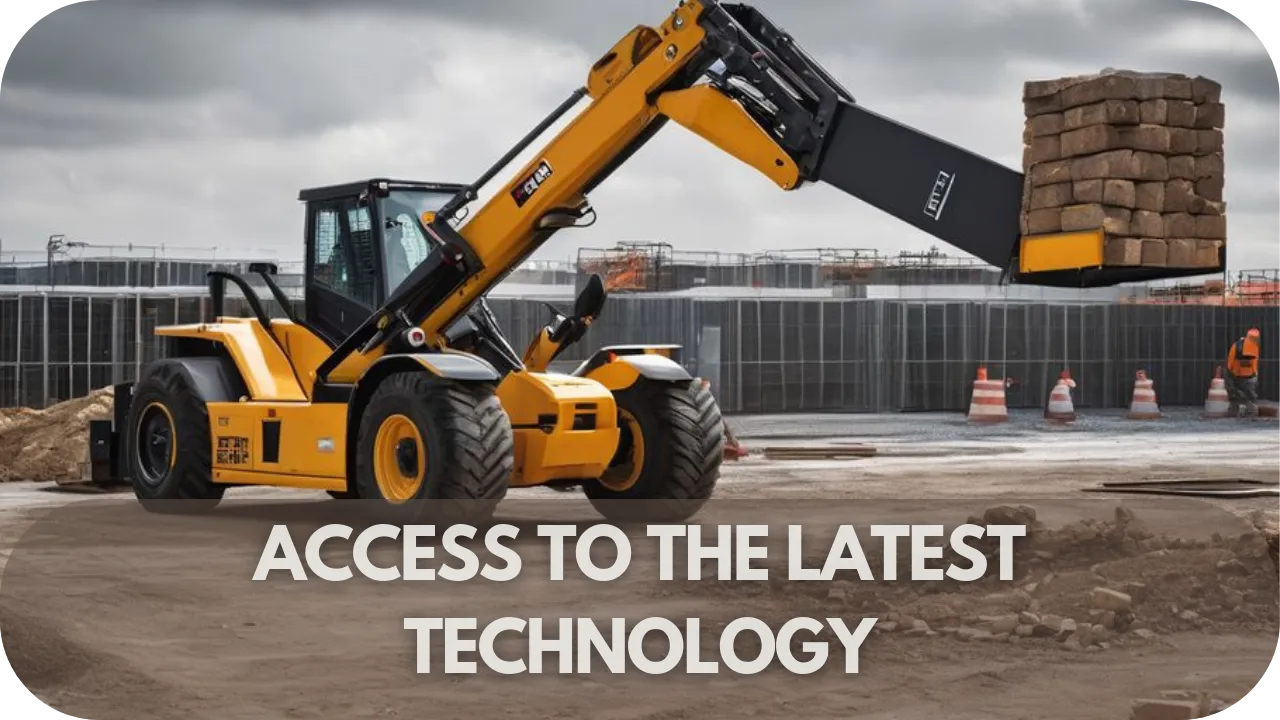
Like many other machines, forklifts have evolved. Newer models have improved safety features, energy efficiency, and lifting capacities. When renting a forklift, businesses can access the latest models with the most up-to-date technology, ensuring they have the best tools for the job.
Renting forklifts means construction companies can take advantage of these innovations without worrying about the depreciation of old models.
For instance, modern forklifts have features such as telematics, which provide real-time data on equipment usage, helping to optimise performance and reduce operating costs.
Some new models may also offer electric or hybrid options, which are more environmentally friendly and fuel-efficient.
4. Reduced Maintenance and Repair Hassles
One significant drawback of owning a forklift is the ongoing responsibility for its maintenance and repairs. Like all heavy machinery, forklifts require regular servicing to ensure they are in good working order. This can be time-consuming and expensive, particularly if the forklift experiences breakdowns during critical moments.
Forklift rentals allow companies to avoid the hassle of maintenance and repairs. Rental companies typically offer well-maintained machines that are serviced regularly.
Furthermore, if a rental forklift malfunctions, the company will fix it, ensuring minimal downtime for the construction project. This peace of mind lets construction managers focus on the task, knowing their equipment is in good hands.
5. Safety and Compliance
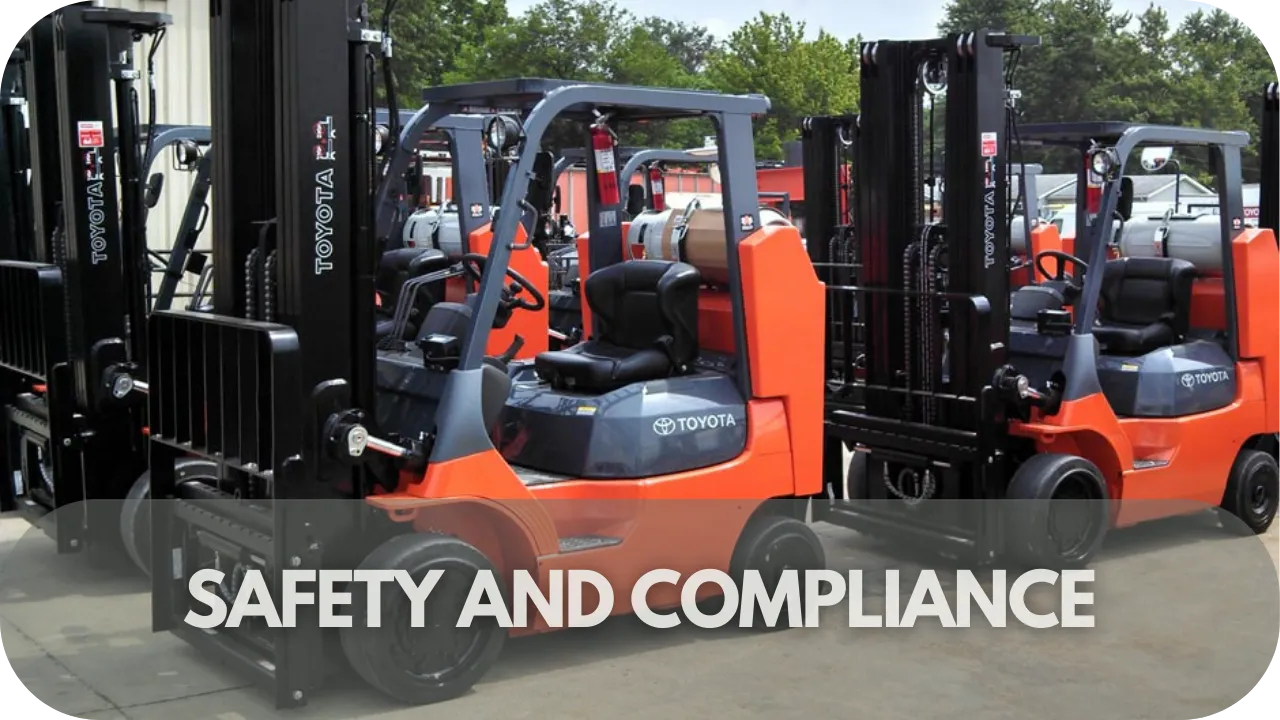
Construction sites are hazardous, and maintaining a safe working environment is crucial. Forklifts, when not used properly, can present serious safety risks, especially in busy construction areas where workers are moving in and out of tight spaces.
Rental companies understand the importance of safety and compliance with industry regulations. As part of their service, they ensure that all forklifts meet the required safety standards, undergo thorough inspections, and are fitted with necessary safety features such as lights, horns, and stabilisers.
In addition, forklift rental companies typically provide training on how to use the equipment safely. This ensures that operators on the site are well-trained and equipped to handle the machinery efficiently. Some rental providers even offer on-site support, ensuring everything runs smoothly during the rental period.
6. No Long-Term Commitment
Owning a forklift comes with a long-term commitment. Construction companies are responsible for the initial purchase and ongoing storage, maintenance, and insurance costs.
This can tie up a significant amount of capital, especially for smaller businesses that may only need a forklift for specific projects. Renting a forklift eliminates the need for a long-term commitment. Companies can rent forklifts on a short-term basis, whether in a particular project or a defined period.
If the need for the equipment ends earlier than expected, the company can return it without worrying about long-term financial obligations. This flexibility is invaluable for businesses that work on a project-to-project basis, as it allows them to only pay for the machinery when needed.
7. Availability and Convenience
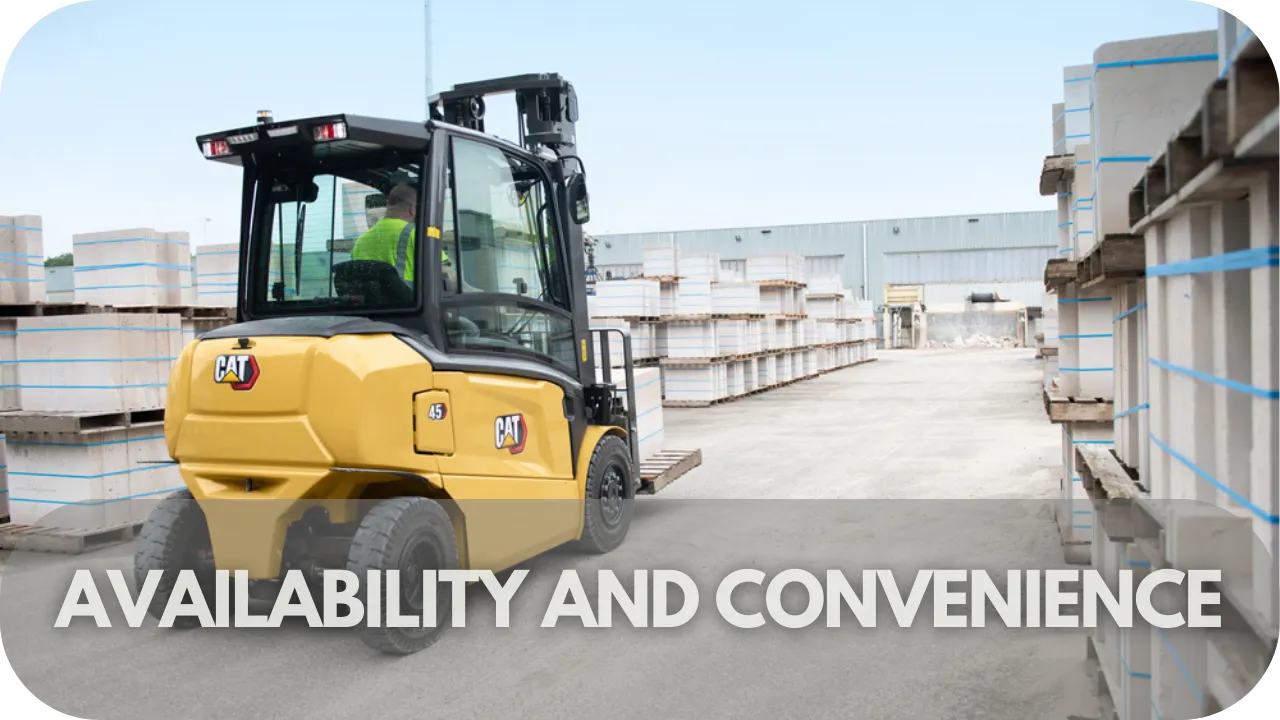
Another key benefit of renting forklifts is the convenience factor. Rental companies typically have various machines available so that construction companies can find the right equipment quickly. Many rental companies also offer delivery and pickup services, saving time and effort for busy site managers.
In addition, rental services usually include 24/7 support, ensuring that if an issue arises during working hours or outside of regular business hours, help is just a phone call away.
This high availability and convenience ensures construction projects don’t experience unnecessary delays due to equipment failure or maintenance issues.
8. Sustainability Benefits
As the construction industry moves toward more sustainable practices, renting forklifts can be a more environmentally friendly option than purchasing new equipment. Renting ensures that machinery is used efficiently and maintained properly, reducing the environmental impact associated with ownership.
Many forklift rental companies now offer electric or hybrid options, which can help reduce fuel consumption and emissions on construction sites. By opting for rentals, companies can contribute to sustainability goals while still having access to the right equipment.
9. Ease of Transportation and Logistics
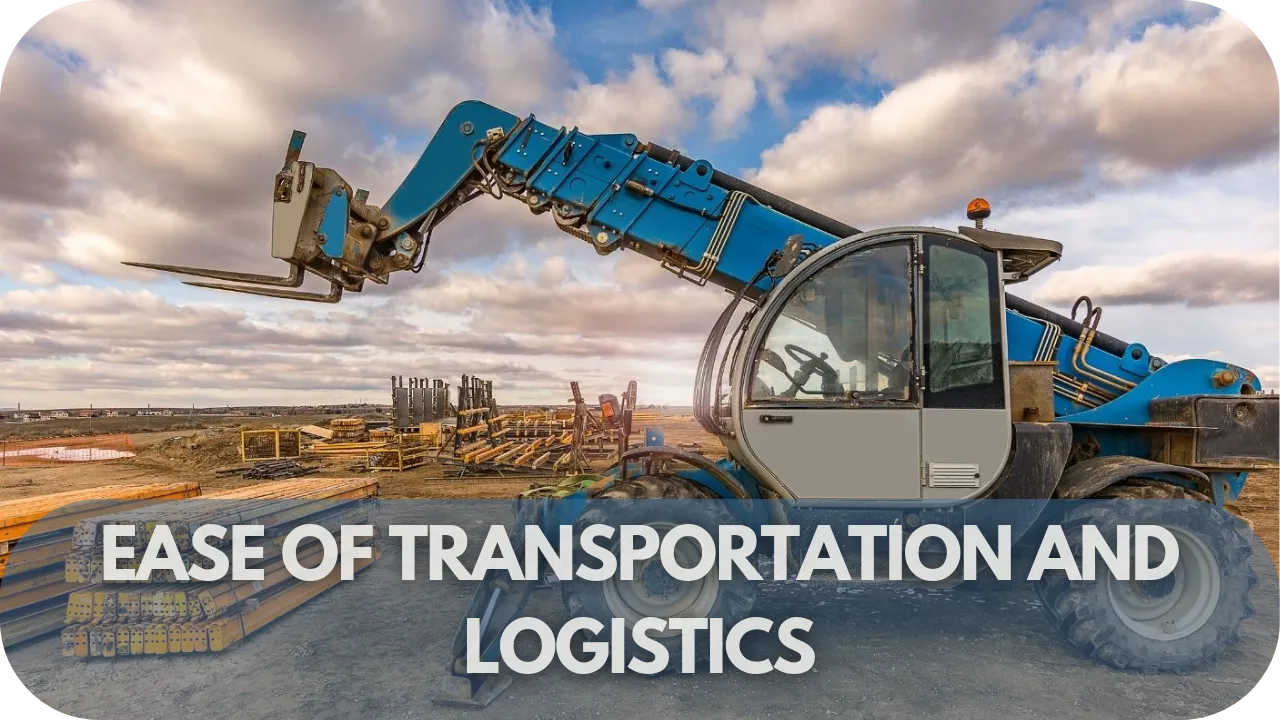
Moving heavy equipment from one job site to another can be a logistical challenge. Forklifts are large and require specialised transport to move between locations.
Renting forklifts helps alleviate this challenge, as rental companies typically handle the transportation of the equipment directly to the site. This reduces the need for the construction company to invest in trailers or other means of transporting the forklift.
Furthermore, rental companies often have regional fleets, which makes the equipment more accessible to construction sites across different locations. This convenience saves valuable time and energy in the setup phase, allowing the team to focus on more pressing tasks.
10. Reduction in Downtime During Peak Seasons
During peak construction seasons or busy project timelines, demand for machinery often exceeds supply. Forklift companies may find their equipment in use more than anticipated, leading to potential downtime and scheduling conflicts.
Renting forklifts during busy times ensures that companies have the necessary equipment without worrying about scheduling conflicts or equipment shortages. This keeps operations running smoothly, reducing delays and ensuring projects are completed on time.
Types of Forklifts Ideal for Construction Sites
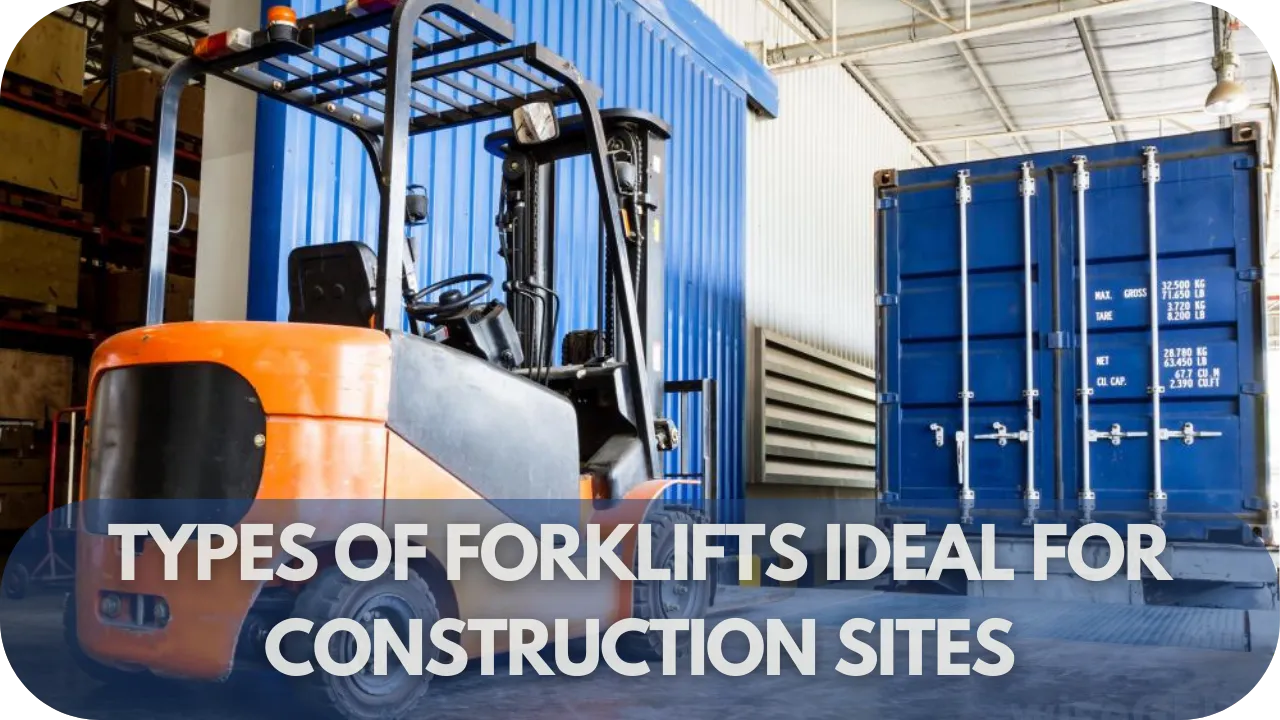
Different construction sites have different needs, and choosing the right forklift for the job is essential for efficiency and safety. Here’s an overview of the types of forklifts ideal for construction sites:
- Electric Forklifts: Electric forklifts are powered by rechargeable batteries, offering a clean, quiet operation with zero emissions. They are perfect for indoor construction environments, especially when working in tight spaces or areas requiring minimal noise and environmental impact.
- Liquid Propane Gas (LPG) Forklifts: Powered by liquid petroleum gas, LPG forklifts are more environmentally friendly than diesel models, producing less carbon dioxide. They are versatile enough to be used indoors and outdoors, making them suitable for construction sites with various operational needs.
- Diesel Forklifts: Diesel forklifts are highly efficient and designed for heavy-duty outdoor use. With long-lasting fuel capacity, these forklifts can run for extended periods without refuelling. They are ideal for construction sites where power and endurance are needed to navigate rough terrain or carry heavy loads.
Conclusion
As construction projects grow more complex, access to the latest technology and safety features can make all the difference. Forklift rentals offer a cost-effective, hassle-free solution to keep your project running smoothly, on time, and within budget.
Don’t let equipment needs slow you down—consider renting a forklift at Buy A Fork today and ensure your construction site stays on track!