
Renting Forklifts for Short-Term Projects: What You Need to Know
· Updated
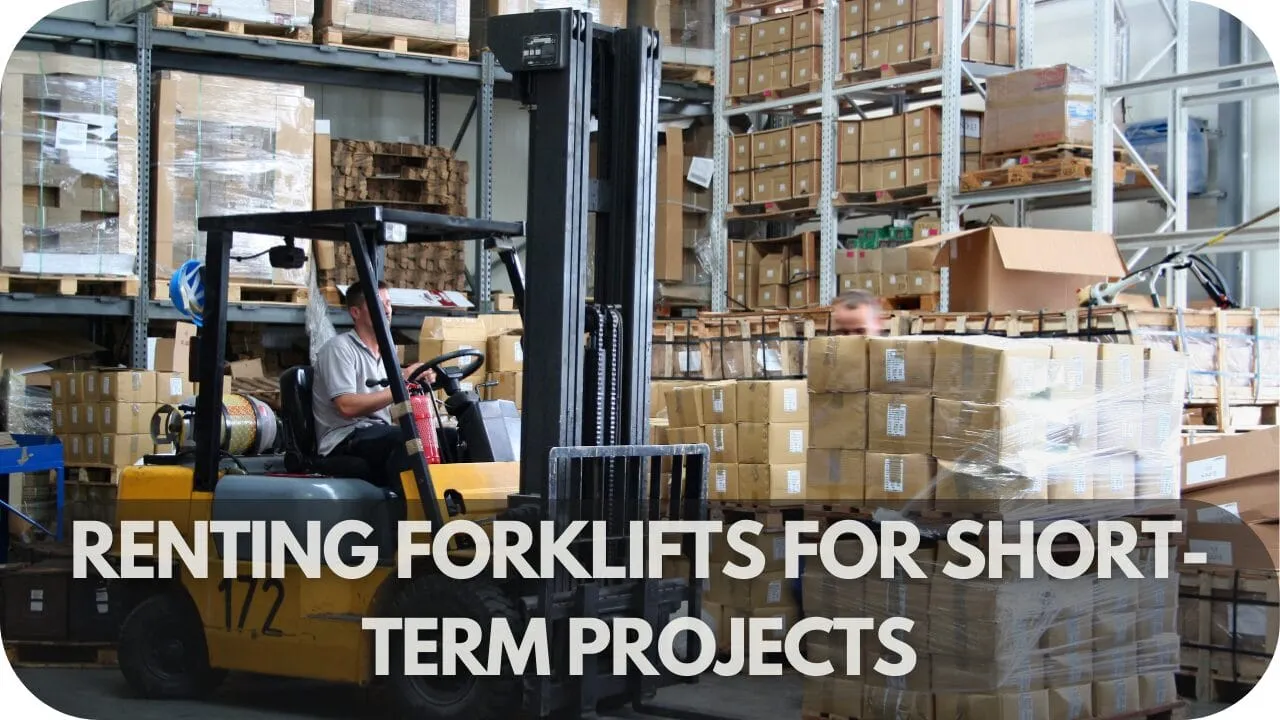
When tackling a short-term project that requires heavy lifting, forklifts are often essential. However, purchasing one may not be practical for businesses or individuals with temporary needs.
Renting a forklift offers a cost-effective, flexible solution that allows you to focus on the task at hand without the burden of long-term investment.
Whether you’re managing a construction site, moving heavy goods, or preparing for an event, renting gives you the tools without the commitment. Let’s go through everything you need to know about renting a forklift for your short-term project.
Why Renting a Forklift is Ideal for Short-Term Projects
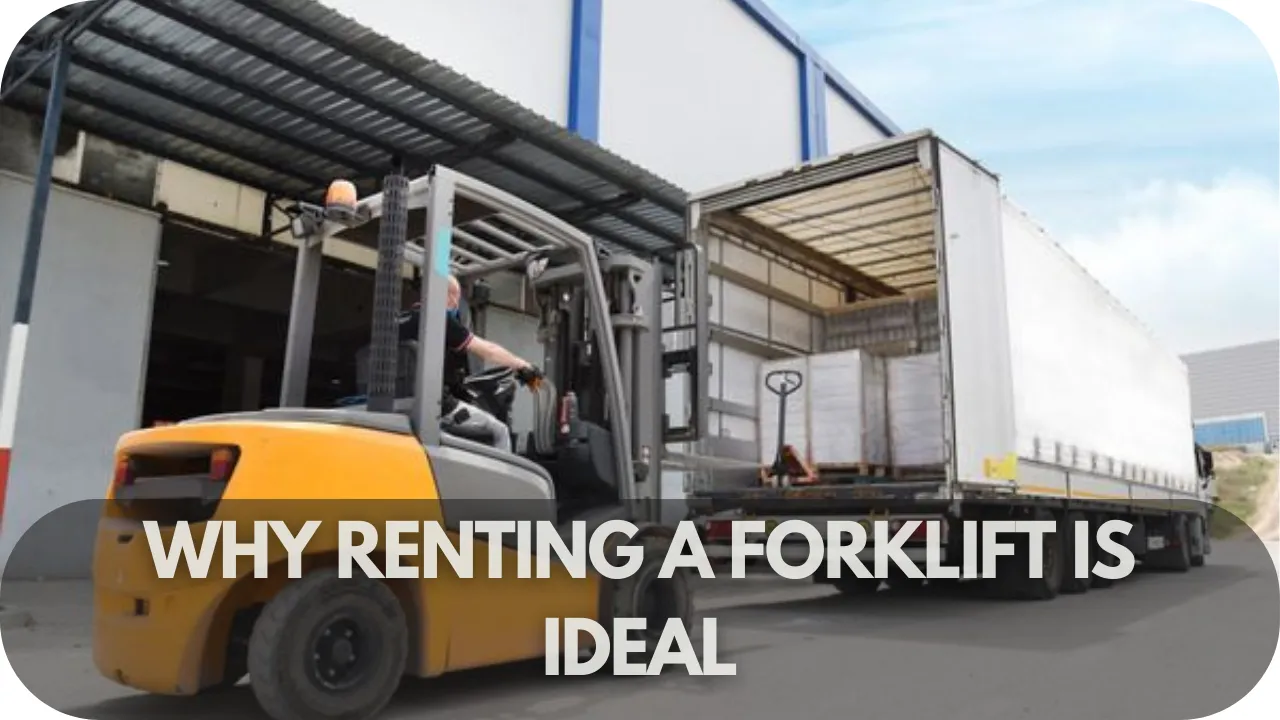
Renting a forklift is the perfect solution for short-term needs, especially if you’re not looking to invest in equipment you won’t use regularly. Forklifts are costly to purchase and maintain, making them a big investment for businesses that only require them for specific tasks or limited periods.
Renting offers a way to avoid the high upfront costs and ongoing maintenance responsibilities that come with ownership.
For projects that require heavy lifting but don’t need forklifts permanently—such as construction, warehouse stocktaking, or event logistics—renting is a highly flexible, cost-effective choice.
You can rent the exact equipment needed for the job, whether it’s a small pallet jack for moving goods or a larger rough-terrain forklift for outdoor projects. With no long-term commitment, renting allows you to adjust to project demands without the stress of having to store or insure heavy machinery after the job is done.
Key Considerations When Renting a Forklift
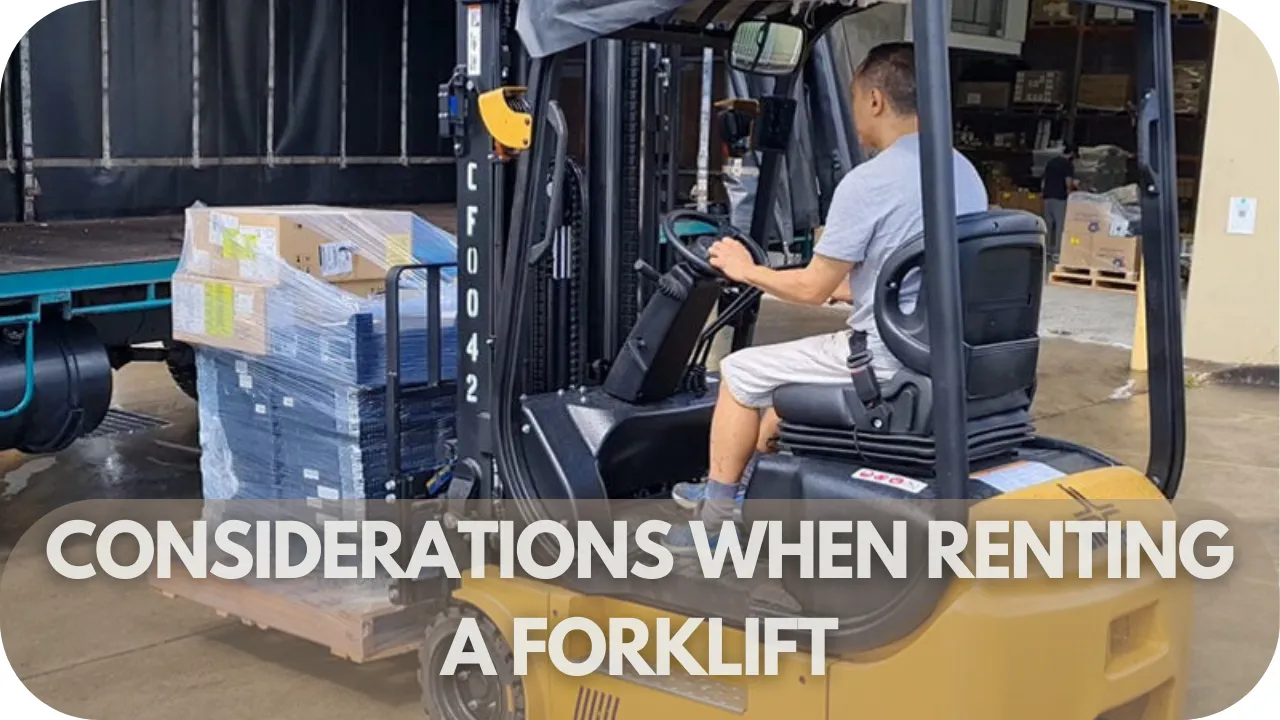 rental decisions”/>
Before committing to a forklift rental, there are several important factors to consider to ensure you get the best deal and the right equipment for your needs.
1. Evaluate the Duration of the Rental
Forklift rental rates can vary significantly depending on how long you need the equipment. Common options include daily, weekly, or monthly rates, with longer rentals often benefiting from discounted pricing. Clearly defining your project timeline helps avoid overpaying and ensures the forklift is available when needed.
2. Assess Size and Capacity
It’s crucial to choose a forklift that matches your load requirements. A forklift that is too small may lead to inefficiency and increased operational time, while an oversized forklift could be more expensive and harder to manoeuvre within your worksite. Knowing the weight and dimensions of your loads will guide you in selecting the appropriate forklift.
3. Review the Rental Terms
The rental agreement should outline not only the duration and costs but also your responsibilities regarding maintenance, potential damages, and insurance coverage. Knowing these terms helps prevent unexpected charges and ensures you are aware of your obligations during the rental period.
4. Consider Delivery and Pick-Up Logistics
Some companies provide delivery services directly to your project site, saving you time and effort, while others may require you to pick up the forklift yourself. Ensuring that the logistics align with your project schedule and budget is essential for a seamless rental experience.
How to Find a Reliable Forklift Rental Company
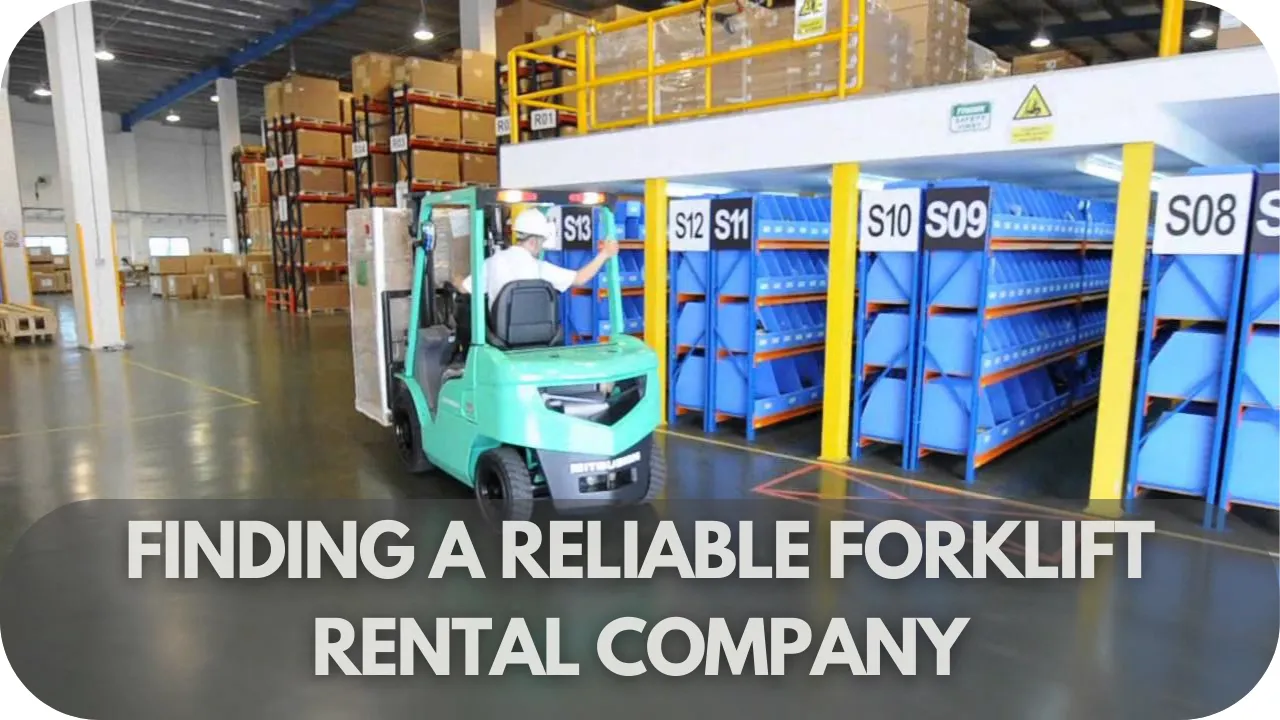
Not all forklift rental companies are the same, so it’s essential to do your due diligence when choosing a provider. Start by checking reviews and reputation; look for customer testimonials online. Reliable companies have a strong track record for delivering quality equipment on time and providing excellent customer service.
Next, assess the fleet condition. The forklifts you rent must be safe and efficient. Ensure the company maintains its fleet well and regularly inspects equipment. A reputable rental company offers modern, well-maintained forklifts, reducing the risk of breakdowns during your project.
Customer service and support are crucial. Choose a company that provides responsive customer service like Buy A Fork. If issues arise on-site, prompt support and quick repairs can save valuable time and keep your project on schedule.
Finally, consider local vs national providers. Local companies may offer more personalised service and quicker response times, beneficial for smaller or urgent projects.
National providers might have a broader selection and competitive rates, ideal for larger projects or those needing specialised forklifts. Evaluate your project requirements and location to choose the best provider.
What to Expect from a Forklift Rental Agreement
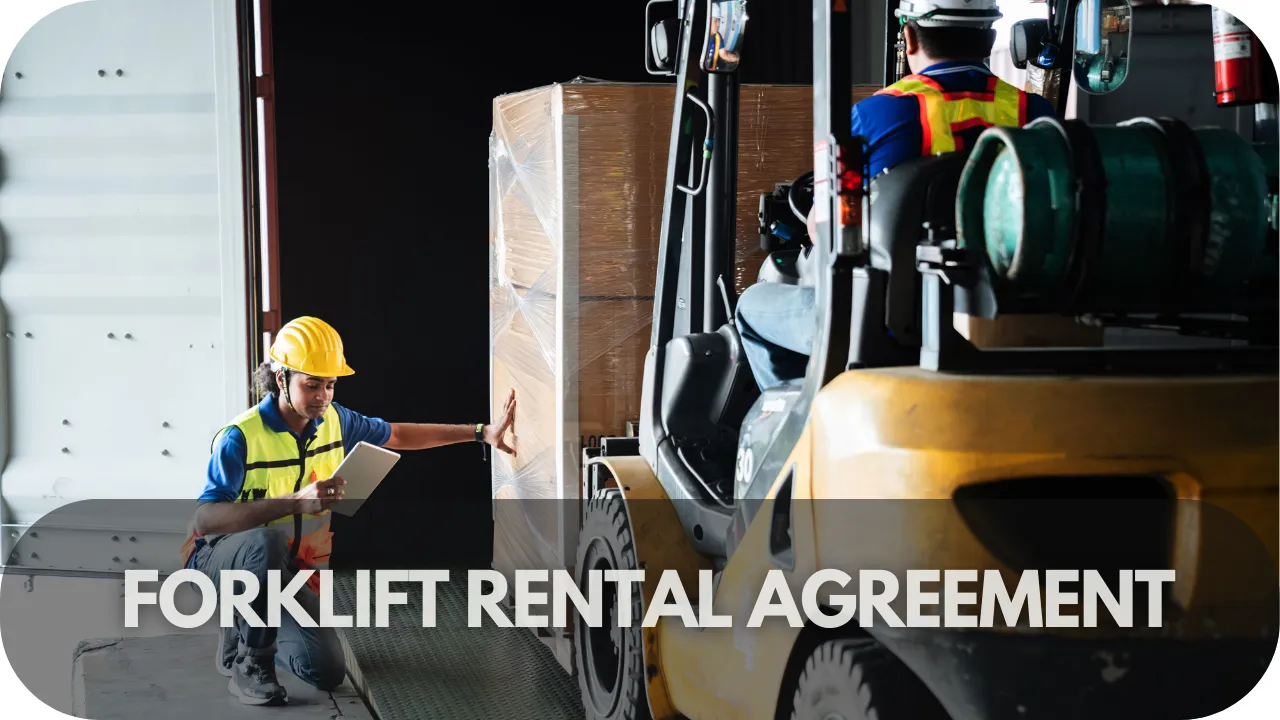
Before signing a forklift rental agreement, it’s important to know exactly what’s included in the contract. Start by confirming the total cost of the rental, including any additional fees such as delivery and fuel.
Be aware of how the rental duration is calculated and whether you will be charged for partial days or overages. Knowing these aspects helps you avoid unexpected expenses and ensures that the rental fits within your project budget.
Most rental companies offer basic insurance for damage or theft, but it’s crucial to understand the coverage limits. In some cases, you might need to purchase additional coverage to fully protect your equipment.
Additionally, determine who is responsible for routine maintenance and repairs during the rental period. Typically, the rental company covers standard maintenance, but you’ll be liable for any damage caused during use.
Lastly, make sure the delivery and pickup terms are clear, as some companies charge extra for delivery while others include it in the rental price. Being clear on these terms ensures a smooth rental experience without surprises.
Safety Tips for Using Rental Forklifts
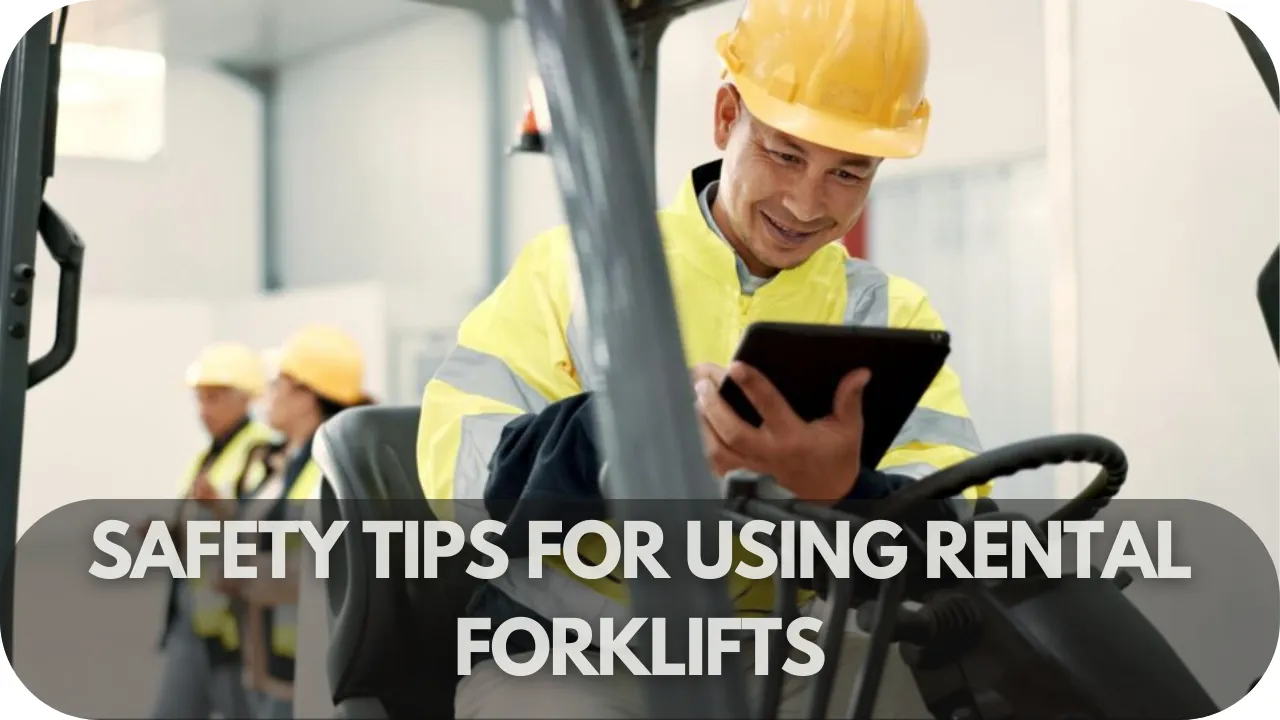
Operating a forklift, even temporarily, requires strict adherence to safety protocols. To prevent accidents and ensure smooth operation, keep these safety tips in mind:
- Training: Ensure that all operators are trained and certified to use the forklift. Even if your team is familiar with forklifts, specific models or tasks may require specialised training.
- Pre-operation Inspections: Always inspect the forklift before use. Check for any signs of wear and tear, such as damaged forks, leaks, or faulty brakes. If you notice any issues, report them to the rental company immediately.
- Proper PPE: Forklift operators should wear appropriate personal protective equipment (PPE), such as hard hats, steel-toed boots, and high-visibility clothing, to reduce the risk of injury.
- Safe Operation: Follow all safety guidelines, including maintaining a safe speed, using proper lifting techniques, and ensuring that loads are stable before lifting. Never exceed the forklift’s rated load capacity.
Benefits of Renting a Forklift Over Buying
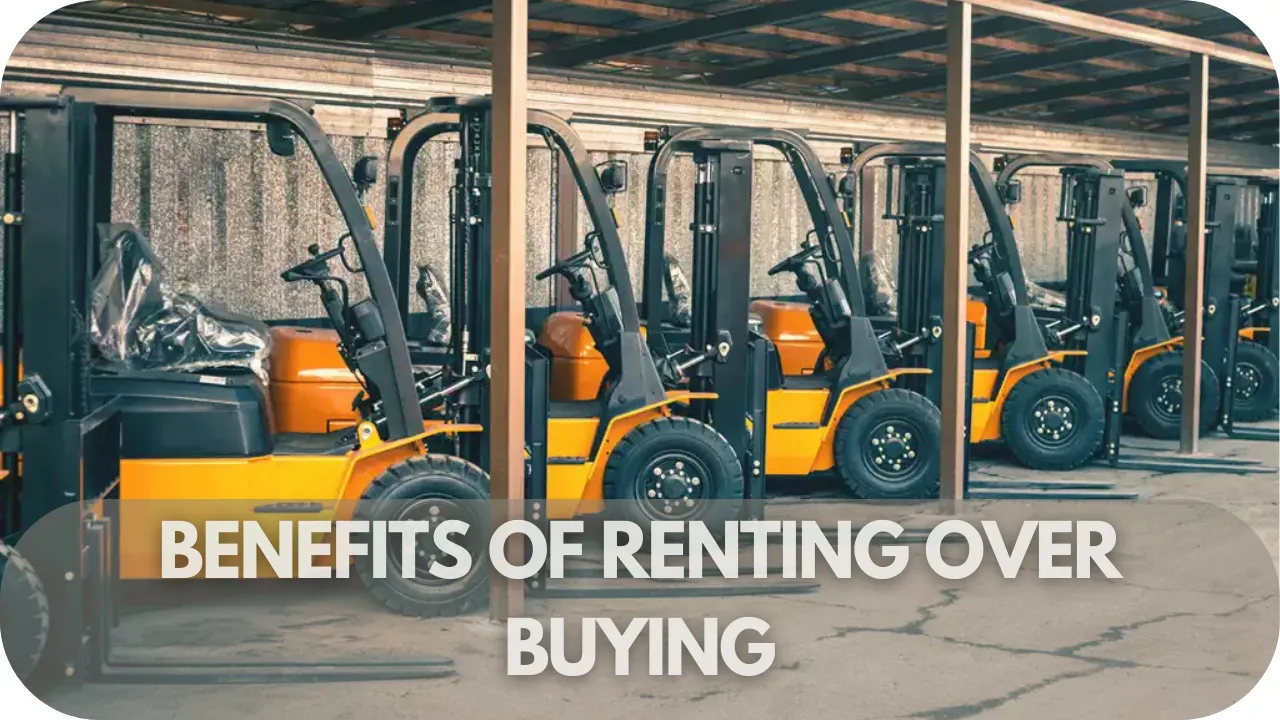
While buying a forklift may be suitable for businesses with ongoing heavy lifting needs, renting provides several advantages for short-term projects:
- No Long-Term Commitment: Renting a forklift allows you to meet your immediate needs without the long-term responsibility of ownership. Once your project is complete, you can simply return the forklift.
- Cost Savings: Renting is typically much more affordable than purchasing a forklift, especially when you factor in maintenance, storage, and insurance costs associated with owning a machine.
- Access to Modern Equipment: Rental companies offer the latest models of forklifts, which are often more efficient, safer, and easier to operate than older equipment.
- Flexibility: Renting gives you the flexibility to choose different types of forklifts as your needs evolve, ensuring you always have the right equipment for the job.
Common Mistakes to Avoid When Renting a Forklift
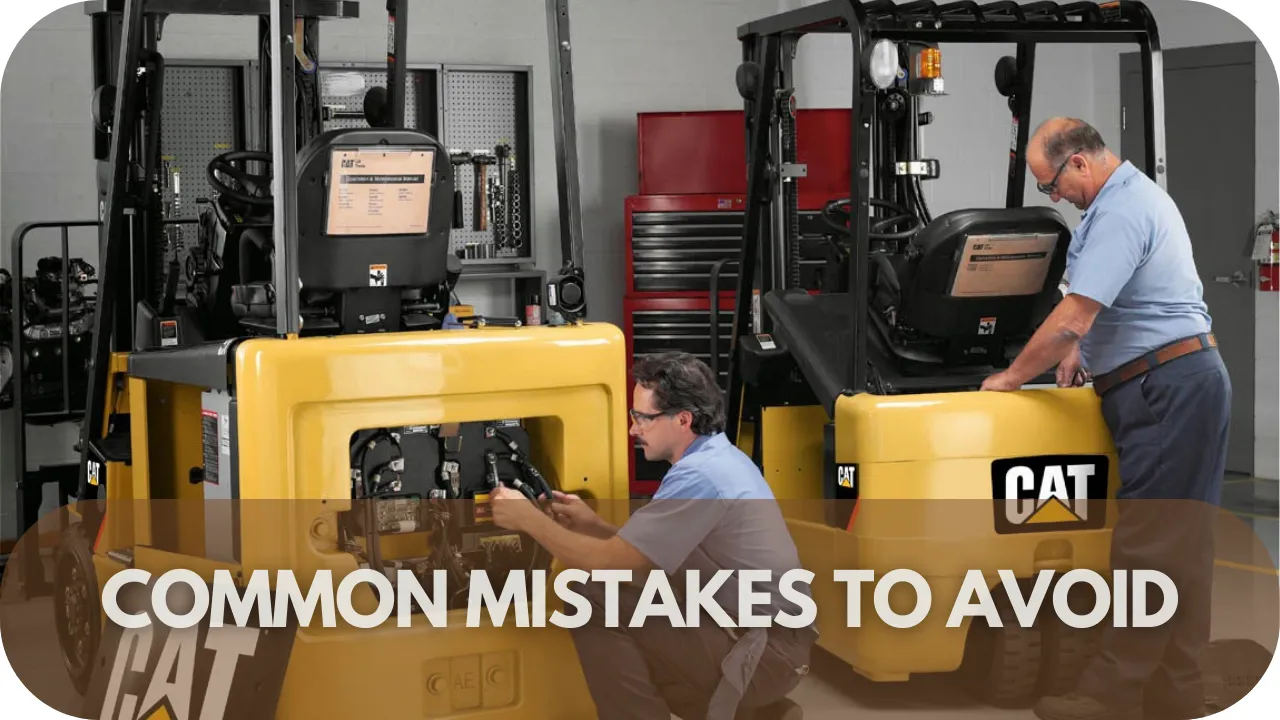
Even though renting a forklift seems straightforward, certain mistakes can lead to unexpected costs or delays. Knowing the forklift’s capacity is a common error; choosing a forklift that’s too small can cause inefficiency, while one that’s too large may be more expensive and difficult to manoeuvre.
Another mistake is skipping safety training. Proper training ensures that operators use the forklift safely and effectively, reducing the risk of accidents and equipment damage.
Lastly, not reading the fine print of the rental agreement can result in hidden fees and misunderstandings about maintenance and insurance responsibilities. Always thoroughly review the contract to avoid unforeseen issues.
Conclusion
Renting a forklift is an ideal solution for short-term projects, offering flexibility, cost savings, and access to the right equipment without a long-term commitment.
By following the tips in this guide, you can make an informed decision, choose the right forklift, and ensure a safe, successful project. Ready to rent a forklift? Get in touch with Buy A Fork today and find the perfect equipment for your needs.