
Key Considerations for Renting vs Buying Forklifts
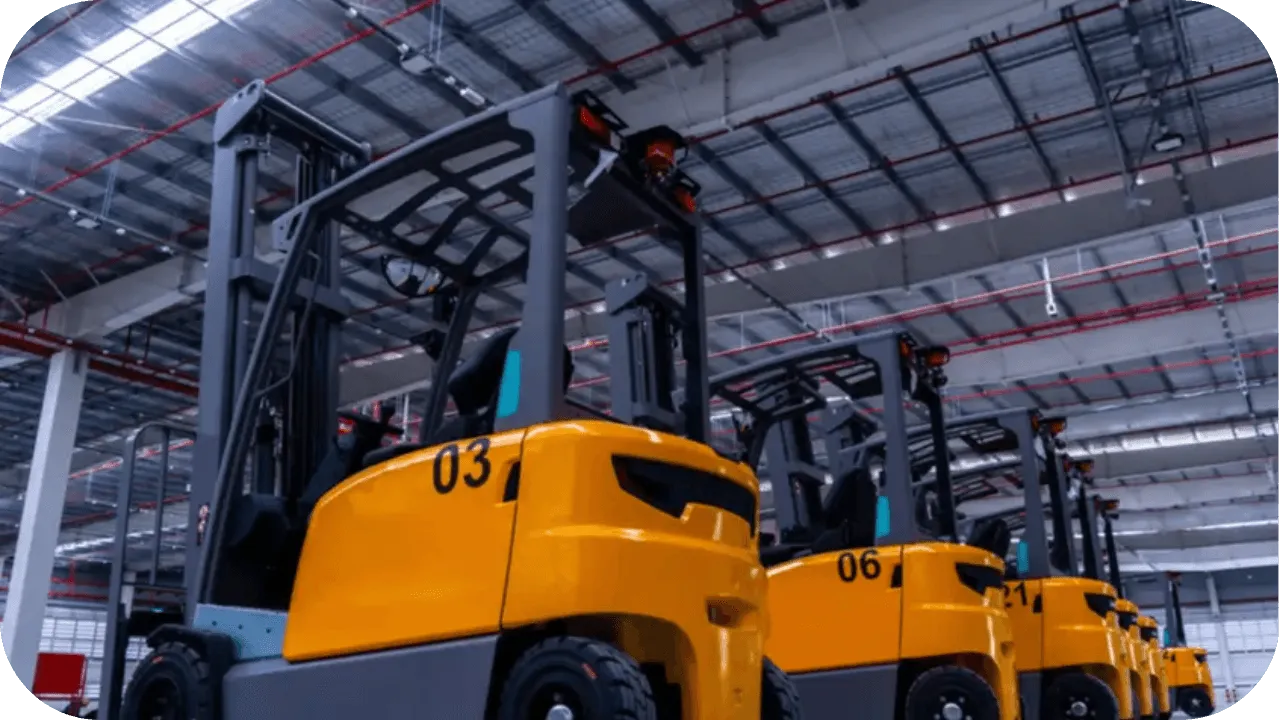
Regarding material handling, deciding whether to rent or buy a forklift can be a game-changer for your business.
Are you looking for flexibility and lower upfront costs, or does owning your forklift make more sense for long-term operations?
In this guide, we’ll discuss the key considerations for renting vs. buying forklifts, helping you make the best decision based on your business needs, budget, and future goals. Let’s get started!
Benefits of Renting a Forklift
When deciding between renting or buying a forklift, there are several compelling reasons why renting might be the better option for your business. Here are the key benefits to consider:
- Flexibility: Renting allows you to choose the right forklift for specific tasks, making it ideal for short-term projects or fluctuating needs.
- Lower Upfront Costs: Renting requires no significant initial investment, allowing businesses to preserve cash flow for other priorities.
- Included Maintenance and Repairs: Rental agreements often cover maintenance and repairs, saving you from unexpected costs and reducing the need for in-house maintenance.
- Access to Newer Models: Renting gives access to the latest forklift models and technology, improving efficiency and safety without the hassle of ownership.
- Reduced Risk: Renting eliminates the long-term commitment and risk of owning equipment, providing flexibility for businesses with changing demands.
- No Depreciation Concerns: Renting a forklift prevents depreciation, allowing you to focus on your operations rather than worrying about its asset value.
- Tax Benefits: Rental expenses can often be deducted as operating costs, providing potential tax advantages for businesses.
- Storage and Transport Savings: Renting eliminates the need for storage space and transportation for the forklift when it’s not in use.
Benefits of Buying a Forklift
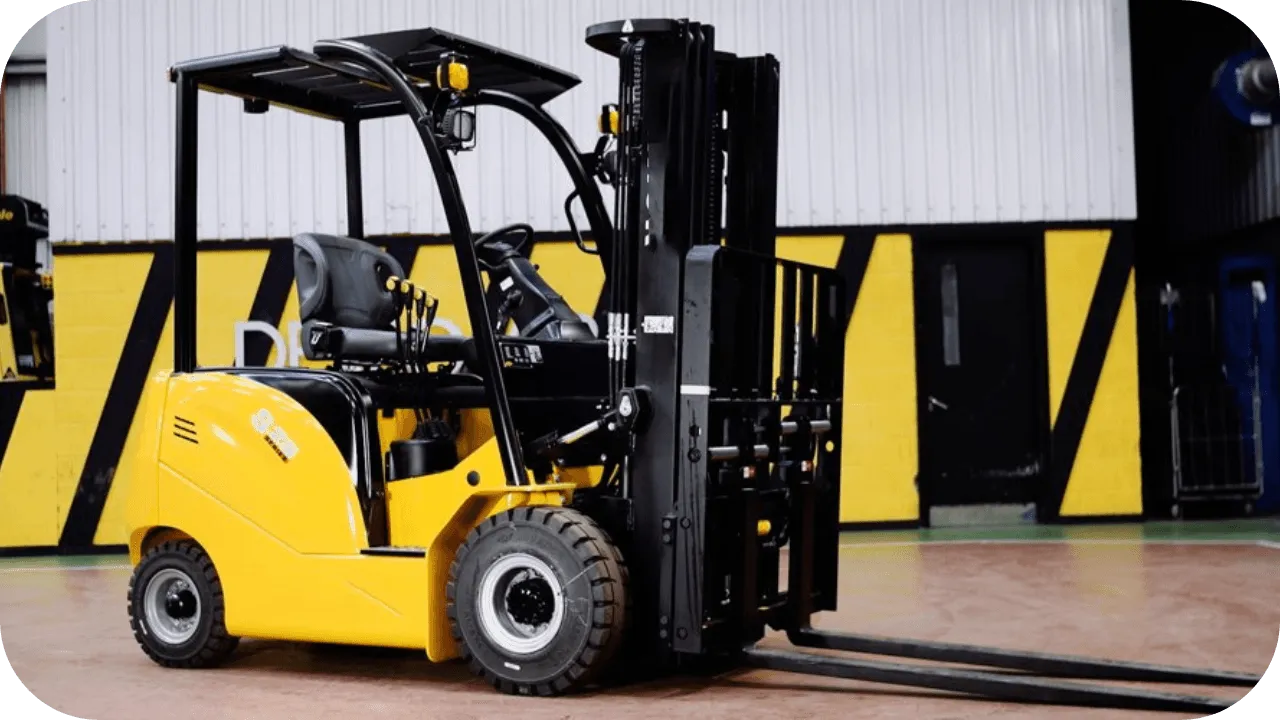
Purchasing a forklift offers several advantages, especially for businesses with long-term material handling needs. Here are the key benefits:
- Cost Efficiency Over Time: While the initial investment is higher, buying a forklift is more economical for businesses with consistent usage, as it eliminates ongoing rental fees.
- Ownership and Asset Value: Ownership allows you to retain the asset, which can be sold later to recover some of the investment. This also gives you control over the forklift’s lifecycle.
- Customisation: Owning a forklift allows you to customise it according to your business needs, improving operational efficiency.
- Control Over Maintenance and Repairs: You can schedule and manage maintenance and repairs, ensuring the forklift is kept in optimal working condition without relying on rental terms.
- Long-Term Investment: For businesses with stable and ongoing material handling needs, purchasing a forklift is a wise, long-term investment that can provide value for many years.
- No Restrictions on Usage: With ownership, you can use the forklift whenever necessary, without the constraints or time limits that rental agreements may impose.
- Increased Productivity: Owning a forklift ensures it’s always available when needed, reducing downtime and enhancing productivity.
- Better Financing Options: Purchasing a forklift can offer better financing options, including tax incentives and depreciation benefits, which can help offset the upfront cost.
Key Factors to Consider When Deciding Between Renting and Buying
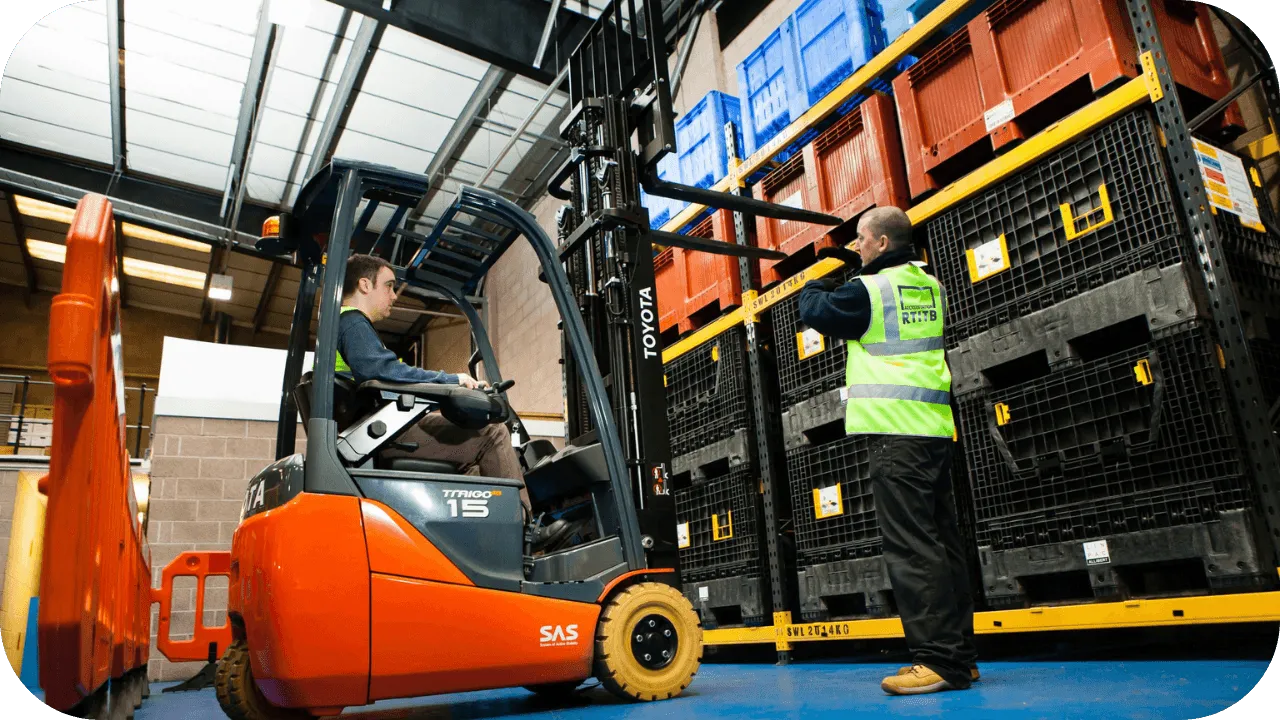
Whether to rent or buy a forklift depends on several key factors impacting your business needs and budget. Below, we break down the most important considerations to help you make the right choice.
1. Cost Comparison: Forklift Rental vs Forklift Purchase
Renting offers lower initial costs but may be more expensive in the long run if used frequently. Purchasing a forklift requires a significant upfront investment.
Still, it may be more cost-effective for businesses with regular usage over time—factor in ongoing costs such as servicing and repairs to determine the best option for your budget.
2. Fuel Type and Environmental Impact
The fuel your forklift uses can impact both costs and the environment. Many modern forklifts are available in electric, LPG, and diesel versions, each with different operational costs and environmental effects.
If you are renting, the available models may be limited, while buying allows you to choose a more eco-friendly option to meet your sustainability goals. Consider fuel efficiency and environmental impact when deciding.
3. Usage Frequency and Business Needs
Evaluate how often you need the forklift. Renting is ideal for businesses with short-term or fluctuating needs, providing flexibility without a long-term commitment.
Buying a forklift may be more cost-efficient and practical if your business requires regular use or heavy-duty tasks. By purchasing, you can adapt forklift operations for a changing business environment, ensuring your equipment scales with evolving operational needs and growth.
4. Business Scalability: Planning for Growth
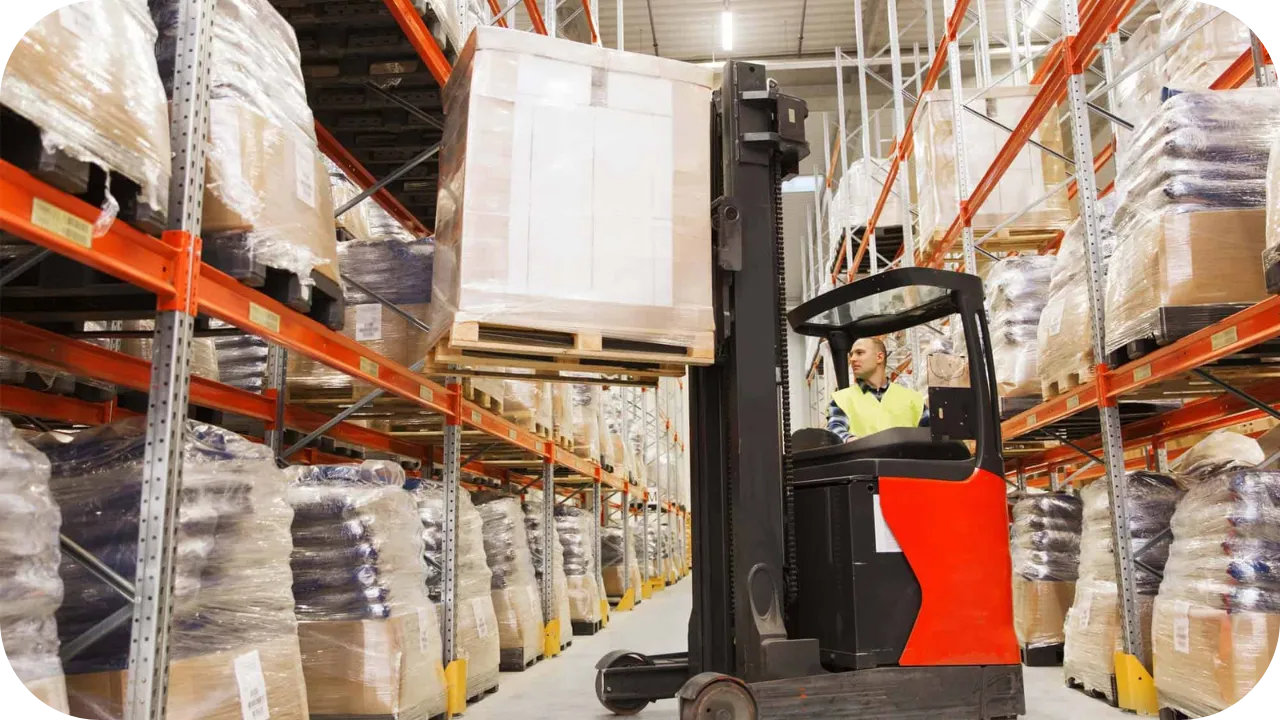
As your business grows, the demand for material handling may increase. Owning a forklift provides long-term stability and scalability, as you can add more equipment as your business grows.
Renting may be more flexible but could become restrictive as your operations expand. Buying may better align with your long-term growth plans if you anticipate increased demand for forklifts.
5. Customisation and Equipment Availability
When you buy a forklift, you can customise it to suit your specific business requirements, ensuring optimal performance.
Rental options may not offer the same level of customisation and could have limitations regarding features or specifications. If your business needs specialised equipment, purchasing a forklift is often the best choice to ensure compatibility with your operations.
6. Tax Implications: Rental vs Capital Asset Depreciation
Renting a forklift may allow you to deduct rental payments as an operating expense, potentially reducing your taxable income.
On the other hand, buying a forklift provides depreciation benefits, where the asset’s value decreases over time, offering tax deductions.
Depending on your business’s financial situation, either option may present tax advantages, so it is essential to consult with a financial advisor.
7. Availability and Lead Times
Renting a forklift is often quicker, allowing you to get the necessary equipment with minimal wait time. However, purchasing a forklift may take longer, particularly if you need a specific model or customisation.
For businesses with immediate needs, renting offers the benefit of faster turnaround and no waiting for delivery or production lead times.
8. Maintenance and Repairs: Who Covers the Costs?
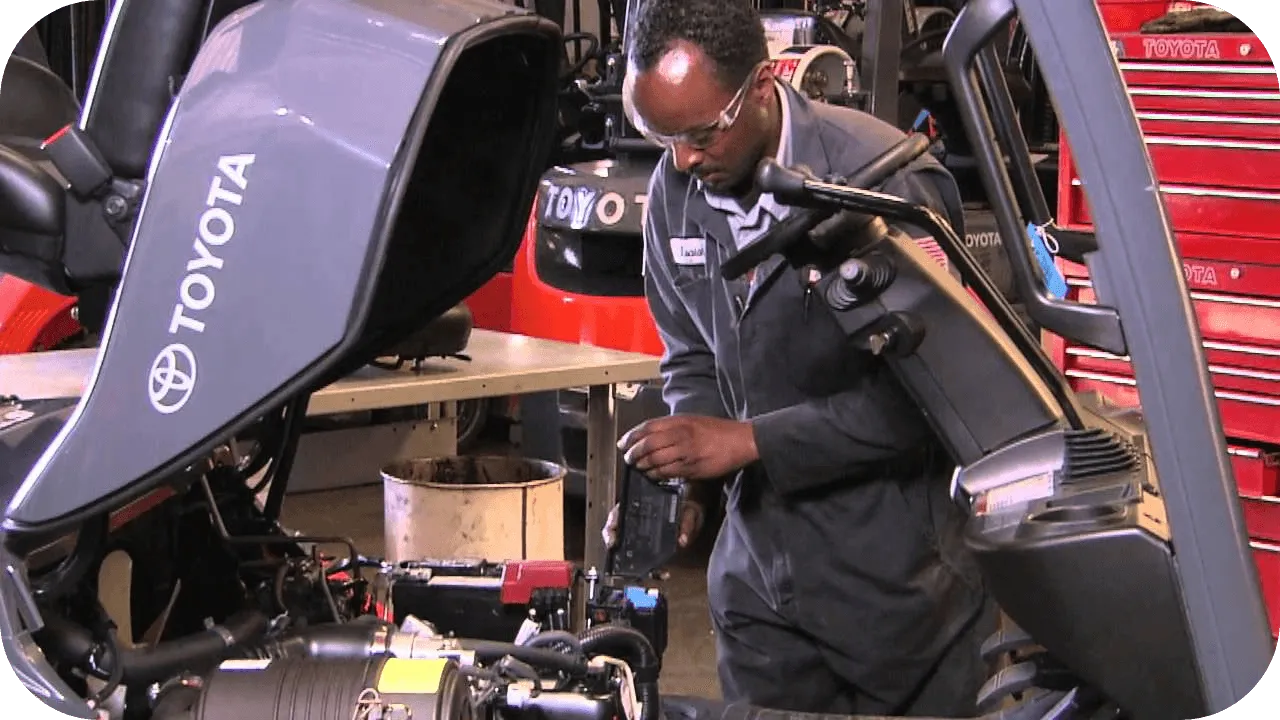
With rental forklifts, maintenance and repairs are often included in the rental agreement, reducing your business’s financial and logistical burden.
However, if you purchase a forklift, you are responsible for regular maintenance, repairs, and replacement parts, which can add significant ongoing costs.
Consider whether your business has the resources and expertise to handle maintenance or if a rental’s convenience is more beneficial.
9. Operator Training and Licensing Requirements
Operator training and licensing are essential for ensuring safety and compliance, whether renting or buying a forklift. However, you may need to invest in employee training with a purchased forklift.
Rental companies often provide training as part of their service, reducing your responsibility. Assess your workforce’s current training capabilities and whether rental agreements include necessary training programs or if you need to plan for in-house training.
10. Insurance and Liability Considerations
The rental company typically covers insurance and liability with rented forklifts, protecting your business from certain risks.
If you purchase a forklift, you must secure your insurance to protect against damage or theft, and you’ll be liable for the equipment’s condition and any accidents. Consider each option’s insurance requirements and potential liabilities, as they could impact your decision-making process.
Why Choose Buy A Fork for Forklift Rentals and Purchases?
At Buy A Fork, we provide businesses with high-quality forklift solutions tailored to your needs, whether renting or purchasing. Our extensive fleet of well-maintained forklifts ensures access to reliable equipment for any task, from short-term projects to long-term operations.
We offer flexible rental terms and competitive pricing, allowing you to avoid long-term commitments. All our rental forklifts come with full maintenance support, ensuring minimal downtime and optimal performance for your business.
We provide durable, reliable forklifts built to last. Our expert team offers personalised guidance to help you select the right model for your business needs, and we offer convenient financing options to make your purchase easier.
Conclusion
Consider your business’s needs and long-term goals when deciding whether to rent or buy a forklift. Buy A Fork is your trusted partner for reliable forklift rentals and sales, providing tailored solutions to suit your requirements. Contact us today to explore the best options and ensure your business is equipped for success.