
How to Handle Forklift Maintenance Costs and Budgeting
· Updated
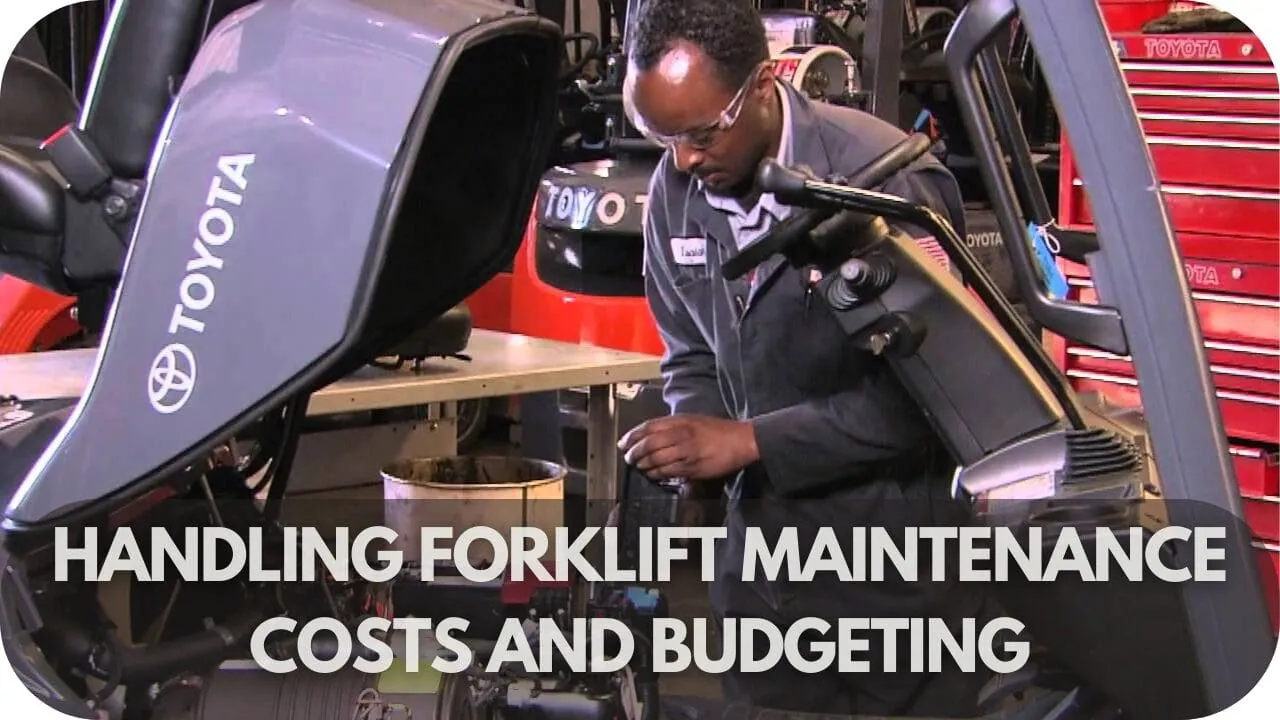
Forklift maintenance is a crucial but often overlooked aspect of running a warehouse or industrial operation. While forklifts are essential for productivity, their upkeep can quickly escalate into significant costs if not properly managed.
From unexpected repairs to high running costs, improper maintenance can affect both your bottom line and operational efficiency.
Let’s go through the factors influencing maintenance costs, how to budget effectively, and the strategies that can save your business money in the long run.
Key Factors Influencing Forklift Maintenance Costs
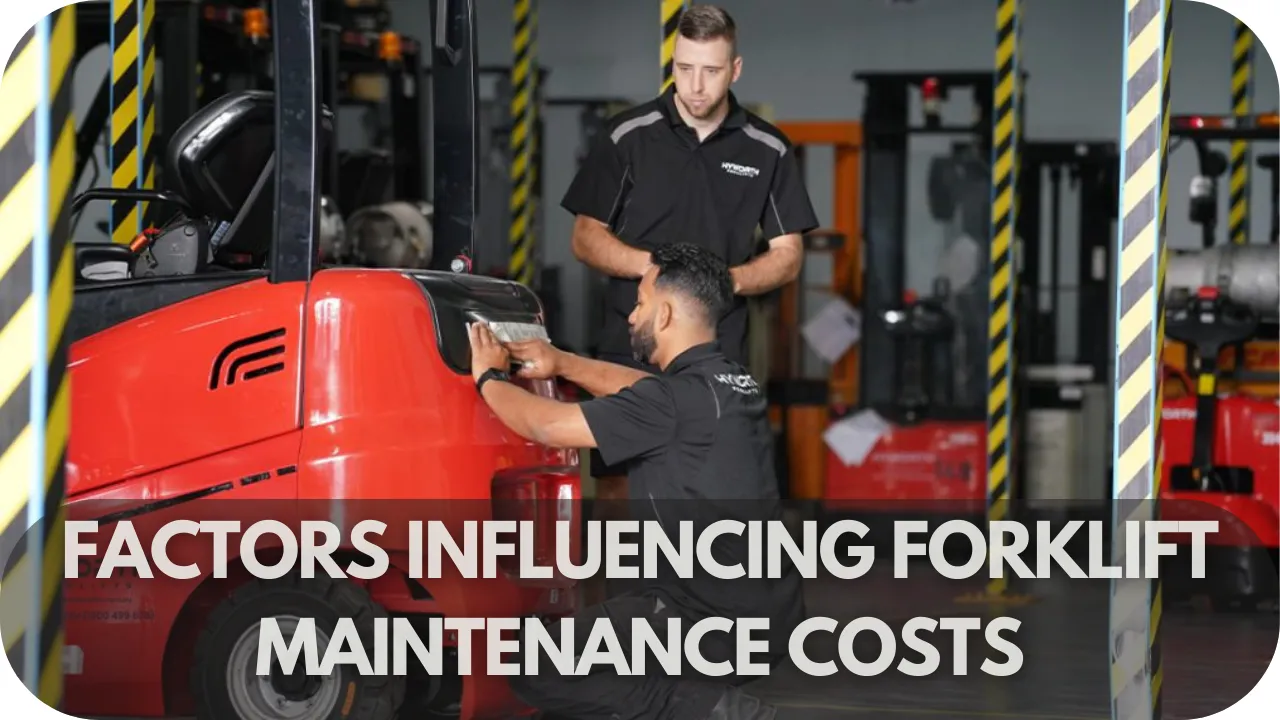
Managing forklift maintenance costs starts with understanding the factors that influence these expenses.
1. Age of the Equipment
Older forklifts generally require more frequent repairs and maintenance, making them costlier to run over time. The wear and tear on older models can lead to higher labour costs and parts replacements. As forklifts age, their efficiency tends to decline, and it can become harder to find spare parts, further increasing maintenance costs.
2. Frequency of Use
Forklifts that are used heavily daily are more likely to incur higher maintenance costs. Frequent use accelerates the wear and tear on components such as the tyres, hydraulic systems, and engines. A forklift operating in a busy warehouse environment or outdoors will need more frequent checks and repairs compared to one that is used intermittently.
3. Type of Forklift
The type of forklift you use also has a significant impact on maintenance costs. Electric forklifts, while more environmentally friendly, require regular battery maintenance and charging system checks.
Diesel or LPG-powered forklifts, on the other hand, may need more frequent engine inspections, fuel system checks, and exhaust system maintenance. Knowing the specific maintenance requirements of your forklift type can help you plan your budget more accurately.
4. Operating Conditions
Harsh operating environments – such as those with extreme weather, dust, or outdoor use – put extra strain on forklifts. Forklifts in such conditions often require more maintenance due to increased exposure to dirt, moisture, and environmental wear. This can lead to more frequent repairs and the need for specialised parts to ensure optimal functioning.
Effective Budgeting for Forklift Maintenance
To manage forklift maintenance effectively, it’s important to implement a solid budgeting strategy. A clear maintenance budget ensures your equipment is well-maintained without breaking the bank. Here are the key strategies to consider:
1. Develop a Comprehensive Maintenance Schedule
A well-structured maintenance schedule is essential for keeping forklifts in top condition and avoiding unexpected repair costs.
This schedule should outline routine checks such as oil changes, brake inspections, and tyre replacements, and should be based on the manufacturer’s recommendations. Sticking to a schedule reduces the risk of major breakdowns and costly emergency repairs.
2. Operator Training
Well-trained operators are key to reducing maintenance costs. Poor operation can lead to unnecessary wear on forklifts, causing components to fail prematurely. Regular training ensures that operators know how to use forklifts efficiently and safely, which helps extend the life of the equipment and reduce the frequency of repairs.
3. Daily Inspections
Implementing daily pre-operation checks ensures that small issues are identified before they become bigger problems. Operators should inspect key areas such as fluid levels, tyres, and brakes every day before use. This practice not only helps spot problems early but also prevents downtime caused by unexpected failures.
4. Preventative Maintenance
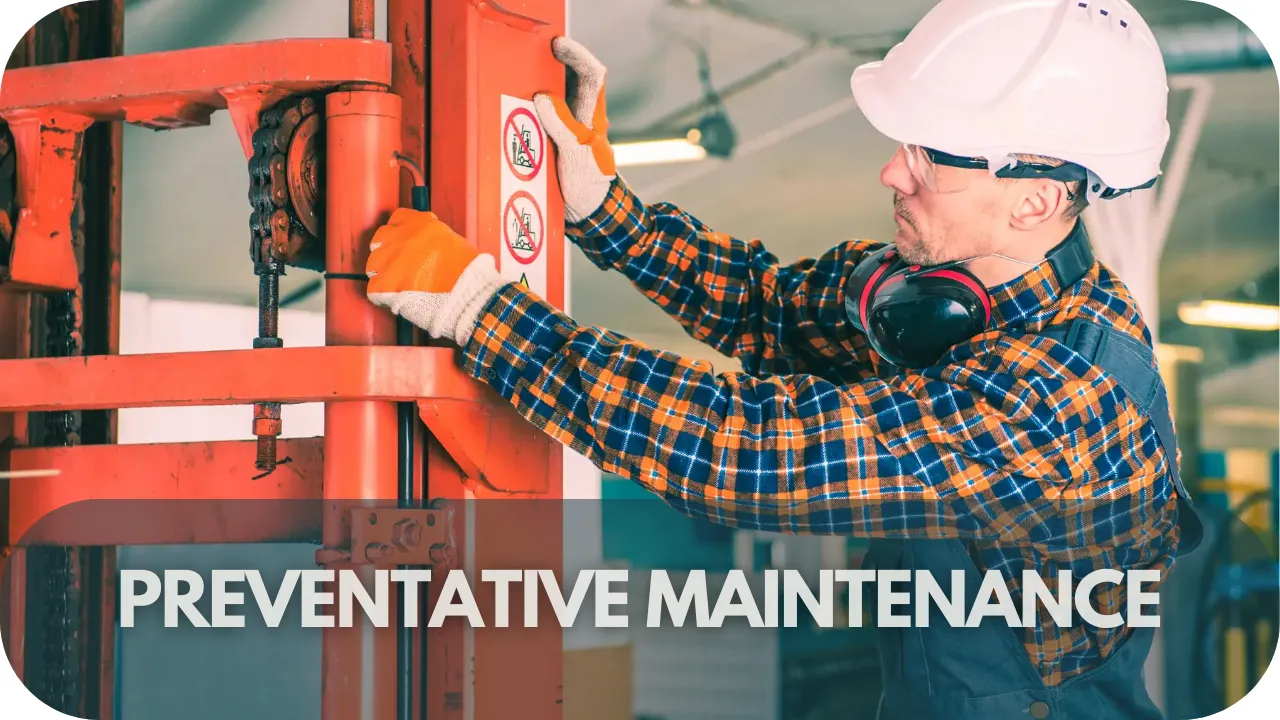
Rather than waiting for issues to arise, preventive maintenance focuses on addressing potential problems before they develop into costly repairs. Regular servicing, such as changing the oil, checking the hydraulic system, and maintaining the battery, keeps forklifts running smoothly. Proactive maintenance can save businesses thousands in repair costs over time.
5. Service Contracts
Signing a service contract with a reliable provider can help businesses manage their maintenance costs by fixing rates for regular servicing and inspections.
This eliminates the uncertainty around costs and helps businesses plan their budgets more effectively. It can also ensure that maintenance is performed by qualified professionals, reducing the risk of errors and costly repairs.
6. Fleet Evaluation
Regularly evaluate the performance of your forklift fleet. If you find that certain forklifts are consistently requiring repairs or maintenance, it may be more cost-effective to replace them rather than continue incurring repair costs.
A fleet evaluation helps you make informed decisions about when to retire older units and replace them with more reliable, efficient models.
7. Cost Tracking
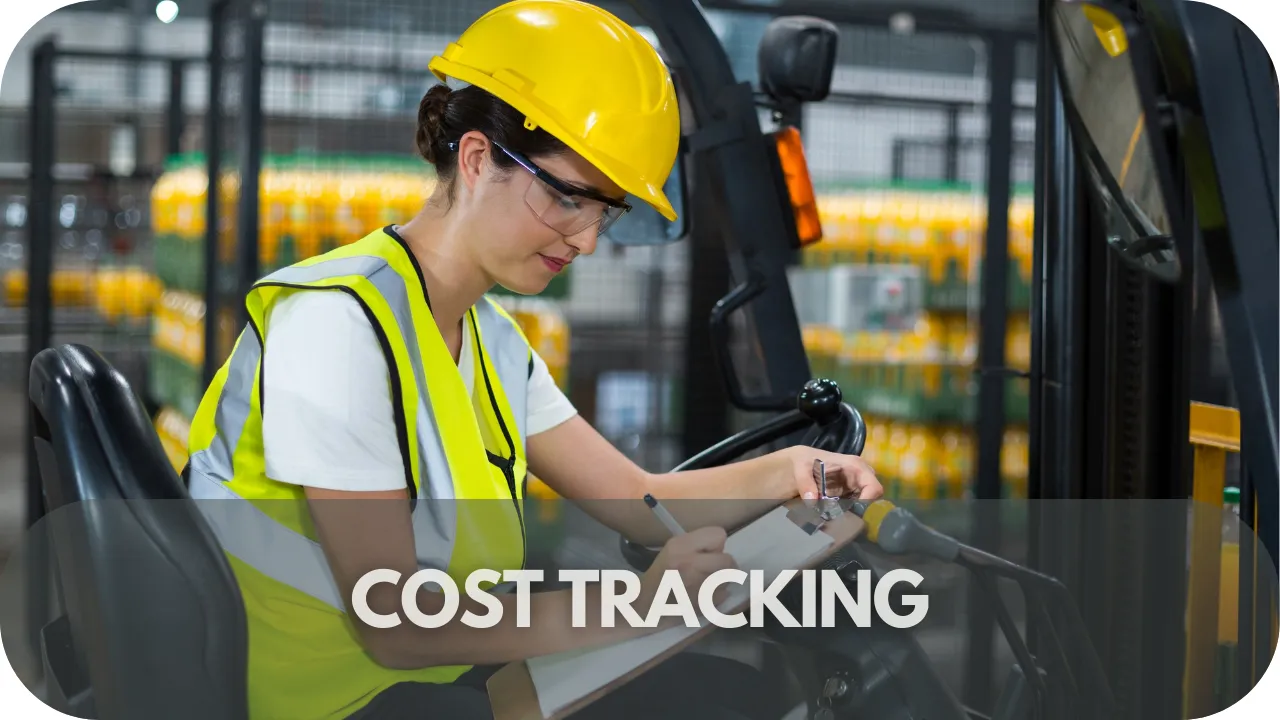
Tracking maintenance costs over time is essential to understanding trends and managing your budget. By recording every maintenance and repair expense, you can see where costs are rising and adjust your budget or practices accordingly.
Many fleet management software tools are available that can automate this process, saving time and offering detailed insights.
8. Proper Storage and Handling
When forklifts are not in use, ensure they are stored properly. Forklifts left in harsh conditions – such as exposed to the elements or in wet environments – are more likely to develop issues. Storing them in dry, clean spaces extends their lifespan and prevents unnecessary damage.
Optimising Your Maintenance Strategy for Long-Term Savings
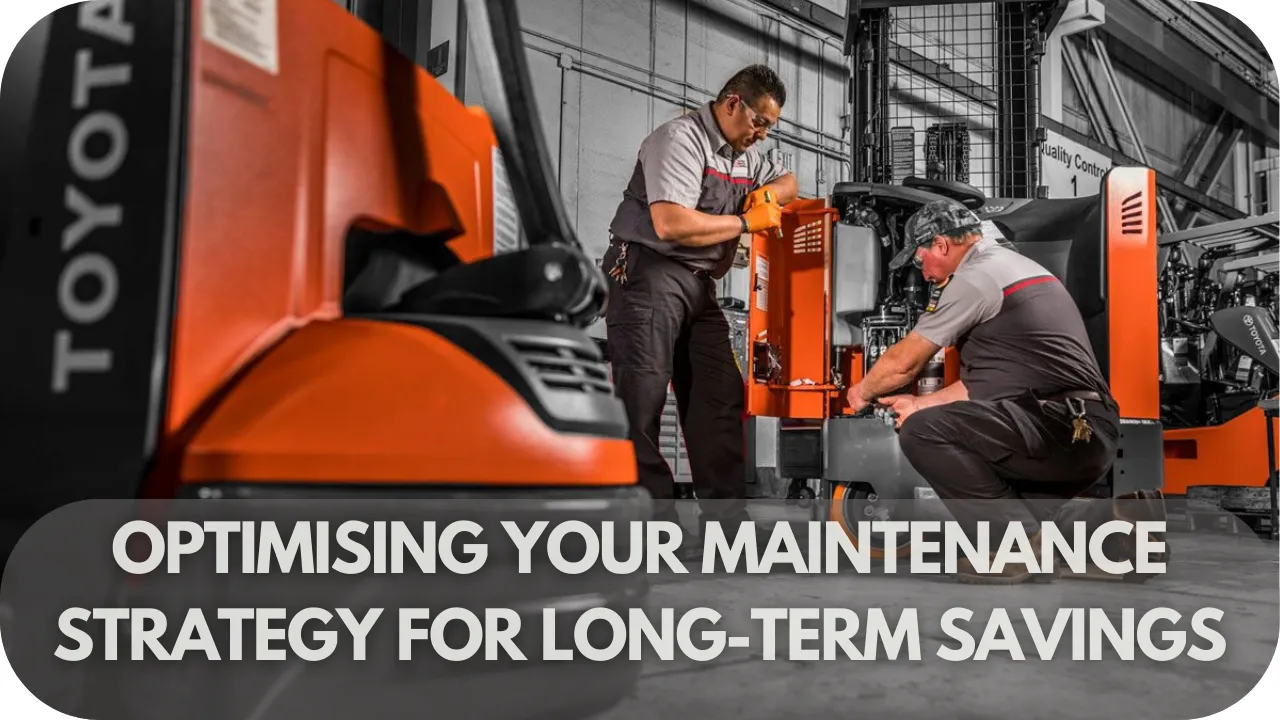
Long-term savings in forklift maintenance come from adopting a strategy focused on prevention, efficient usage, and timely fleet management.
- Preventive Care: Regular inspections and routine servicing are essential to identify and address minor issues before they develop into costly repairs. Keeping up with tasks like fluid checks, battery maintenance (for electric forklifts), and lubrication helps avoid unexpected breakdowns, reducing downtime and extending the life of your forklifts.
- Fleet Management: Implementing fleet management software allows you to track maintenance schedules, monitor forklift performance, and get alerts when service is due. It also helps identify high-maintenance forklifts, enabling you to make informed decisions about when to retire or replace them, ensuring your fleet remains efficient and cost-effective.
- Cost-Benefit Analysis for Replacements: When a forklift requires frequent repairs, it’s crucial to assess whether it’s more economical to repair or replace it. A cost-benefit analysis considers factors like repair costs, downtime, fuel efficiency, and the potential for future breakdowns. Replacing older forklifts with newer, more energy-efficient models can help reduce long-term maintenance costs and boost overall productivity.
- Operator Training: Well-trained operators are essential to reducing unnecessary wear and tear on forklifts. By ensuring that operators are educated on safe driving practices, proper load handling, and conducting daily inspections, businesses can prevent misuse that leads to early damage, saving both time and money in repairs.
- Proper Storage and Handling: Storing forklifts in clean, dry, and sheltered environments when not in use prevents environmental damage such as rust or battery degradation. Additionally, managing idle times by rotating forklifts ensures that they’re used efficiently, which not only optimises their performance but also reduces the risk of parts becoming worn out too quickly.
Choosing the Right Forklift for Your Business
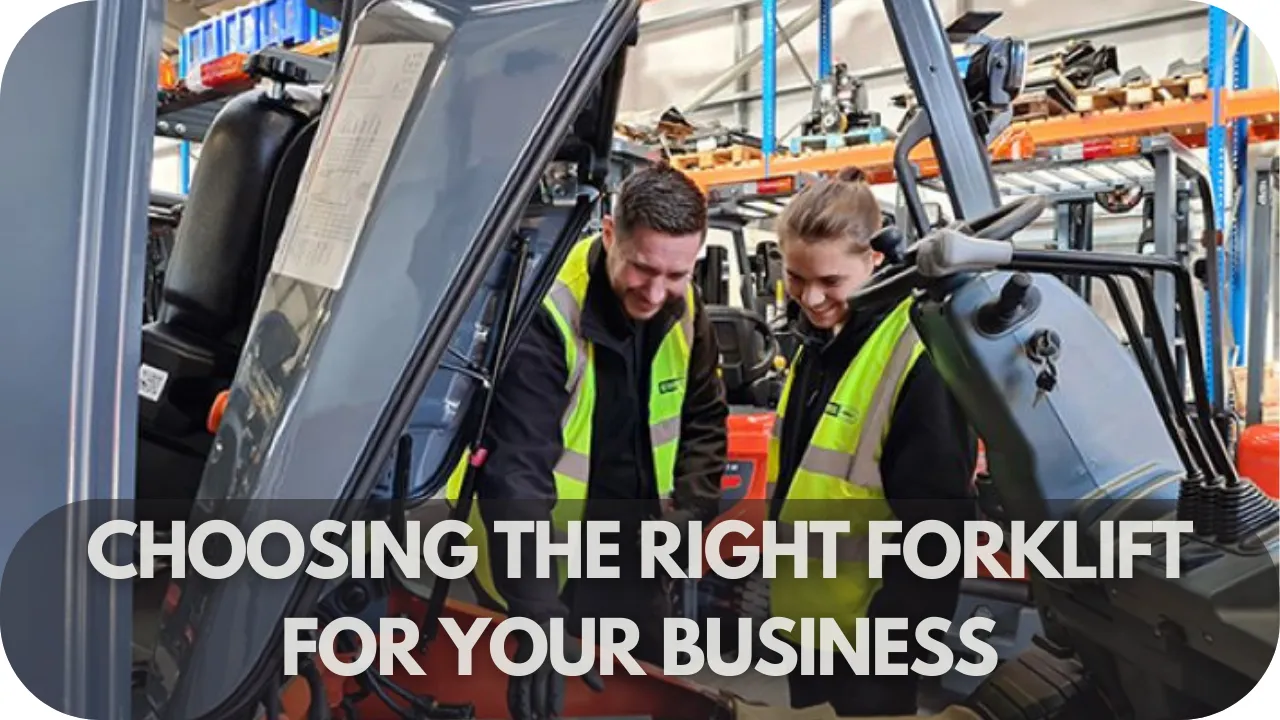
Selecting the right forklift for your business is a crucial factor in managing long-term maintenance costs. The wrong choice can lead to increased wear and tear, higher repair expenses, and lower productivity. Here’s what to consider:
- Assessing Your Load Requirements: Choose a forklift that matches your load capacity needs. Overloading a forklift or using one that’s too small can cause excessive strain on the equipment, leading to faster wear and more frequent maintenance.
- Forklift Type (Electric, Diesel, LPG): Different types of forklifts require different levels of maintenance. Electric forklifts, while more energy-efficient, often need regular battery care, while diesel models may require more frequent engine checks. Choose based on the specific demands of your operation.
- Indoor vs. Outdoor Use: Forklifts used in outdoor environments or harsh conditions (e.g., construction sites) will experience more wear and tear. Choose durable models designed for outdoor use, with appropriate tyres and additional protection for exposed parts.
- Technology and Features: Modern forklifts come with technology such as telematics and diagnostic tools that can help monitor performance and detect issues early. Investing in a forklift with these features can provide long-term savings by preventing major breakdowns and improving operational efficiency.
- Total Cost of Ownership (TCO): Look beyond the initial purchase price. Consider factors such as fuel efficiency, expected lifespan, ease of repairs, and ongoing maintenance costs to determine the total cost of ownership. A more expensive forklift may be cheaper in the long run if it’s more durable and efficient.
Conclusion
Effectively managing forklift maintenance costs requires a strategic approach that combines proactive maintenance, operator training, and fleet management. By setting a clear budget, maintaining your forklifts regularly, and investing in long-term strategies, your business can reduce downtime and avoid costly repairs.
Ready to optimise your forklift maintenance strategy? Contact us today at Buy A Fork for expert advice, tailored maintenance solutions, and quality forklift services that will keep your fleet running smoothly and efficiently.