
Common Forklift Mistakes and How to Avoid Them
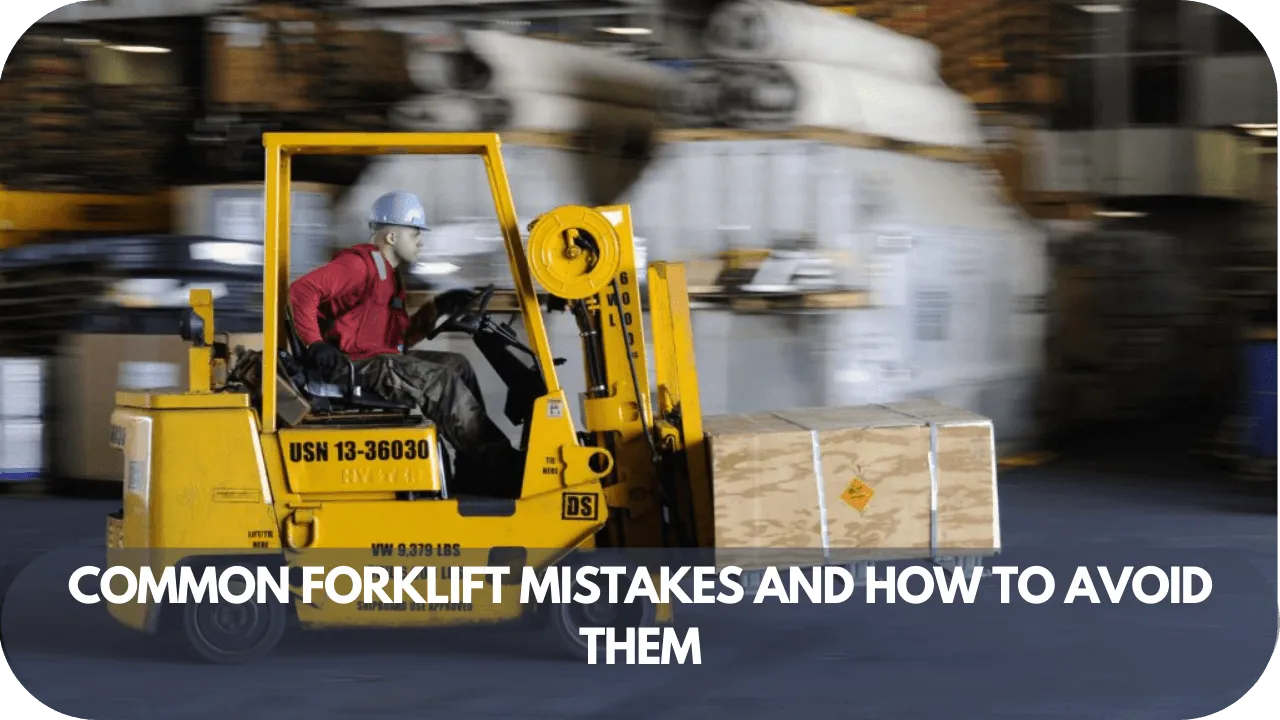
Forklifts are essential in warehouses and construction sites, yet many operators must correct critical mistakes that can lead to accidents or costly downtime. Common forklift errors include improper loading, speeding, and lack of maintenance.
These issues not only compromise safety but also reduce the efficiency of operations. This article will address the most frequent forklift mistakes and provide practical tips on avoiding them.
A well-trained operator is key to preventing these errors—don’t let avoidable mistakes slow down your business!
1. Improper Forklift Inspections Before Use
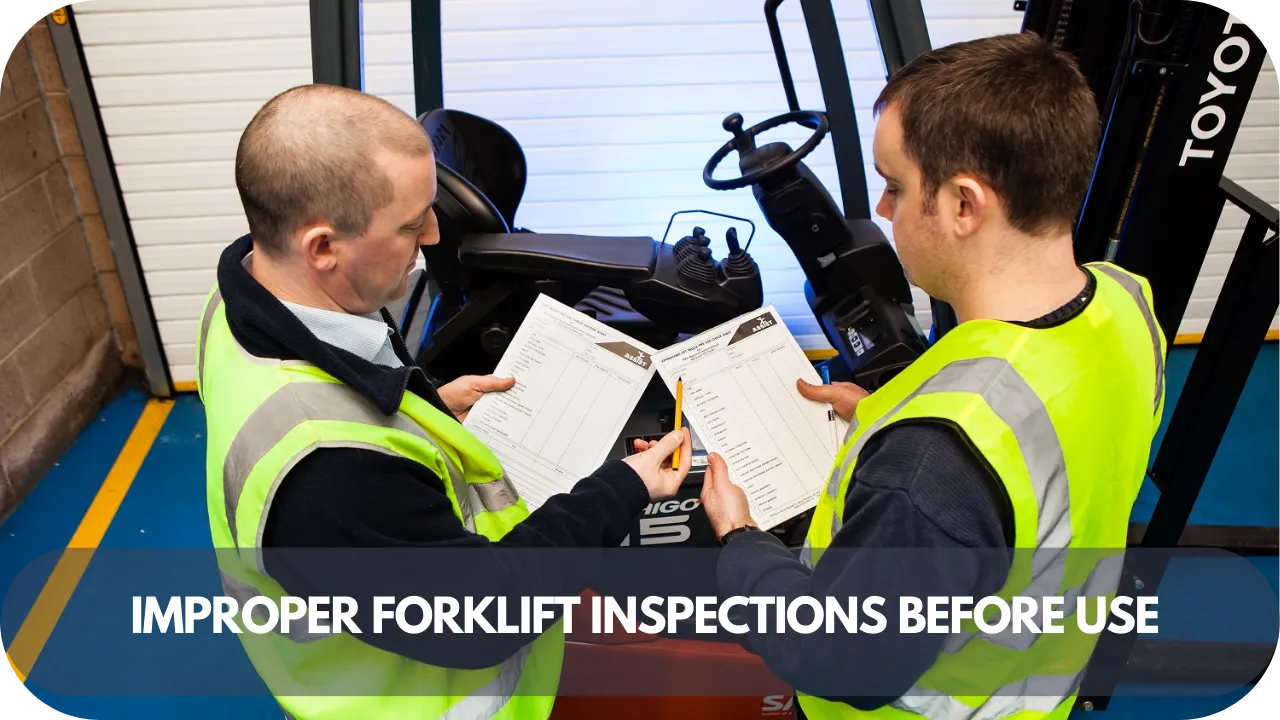
One of the most common forklift mistakes is skipping or rushing through the inspection before use. A proper inspection ensures the forklift is safe to operate and can help prevent accidents or equipment damage.
Before each shift, operators should check key components such as tyres, forks, and hydraulic systems. They should also inspect the battery, brakes, lights, and horn. Any signs of damage or wear, like cracks or leaks, should be reported and addressed immediately.
If inspections are neglected, it could lead to serious breakdowns during work or, worse, accidents. Operators must also ensure that safety equipment like seatbelts and guards are functioning.
2. Overloading the Forklift
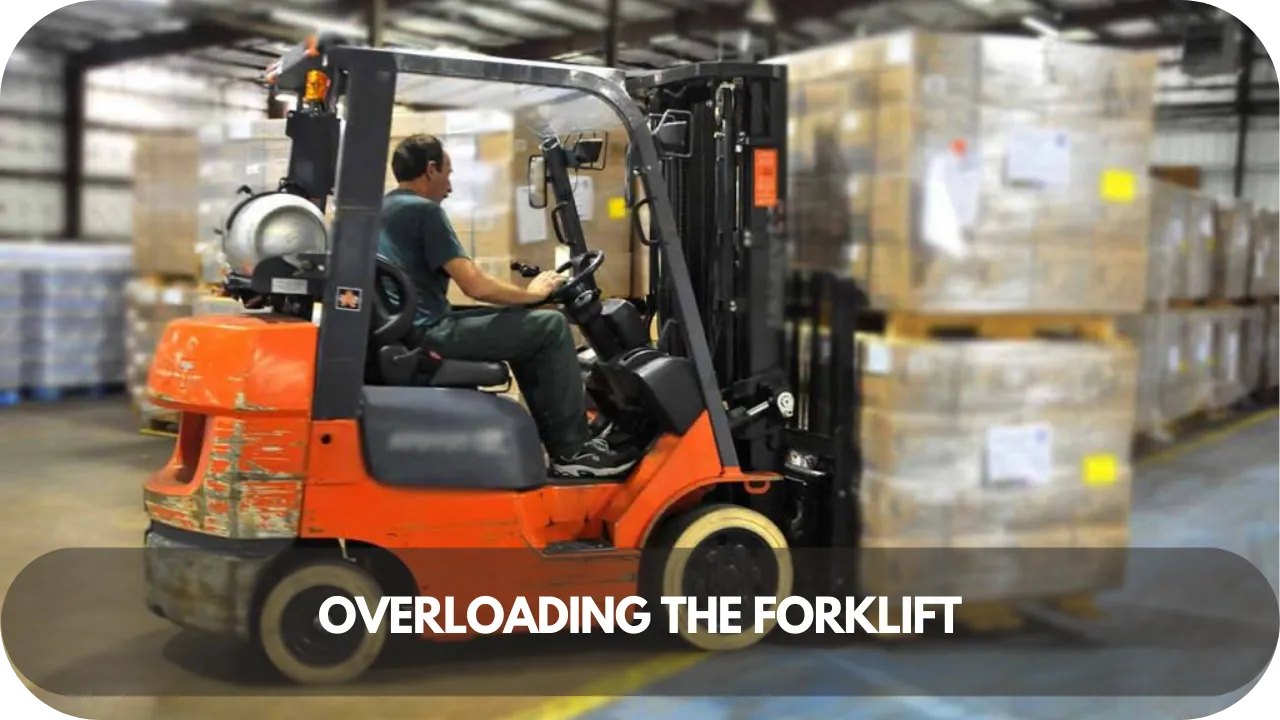
Overloading a forklift is one of the most dangerous mistakes in any warehouse. Every forklift has a weight limit, known as its rated capacity, which should never be exceeded.
An overloaded forklift becomes unstable and can tip over, causing serious injuries or property damage.
It’s crucial to always check the load capacity plate on the forklift before lifting any items. If you’re unsure about the weight, ask for assistance or use a scale to measure it.
Also, ensure the load is appropriately balanced, with the heaviest part centred on the forks. Ignoring these precautions can lead to accidents that could cost lives and valuable equipment.
3. Driving with the Forklift Mast Raised
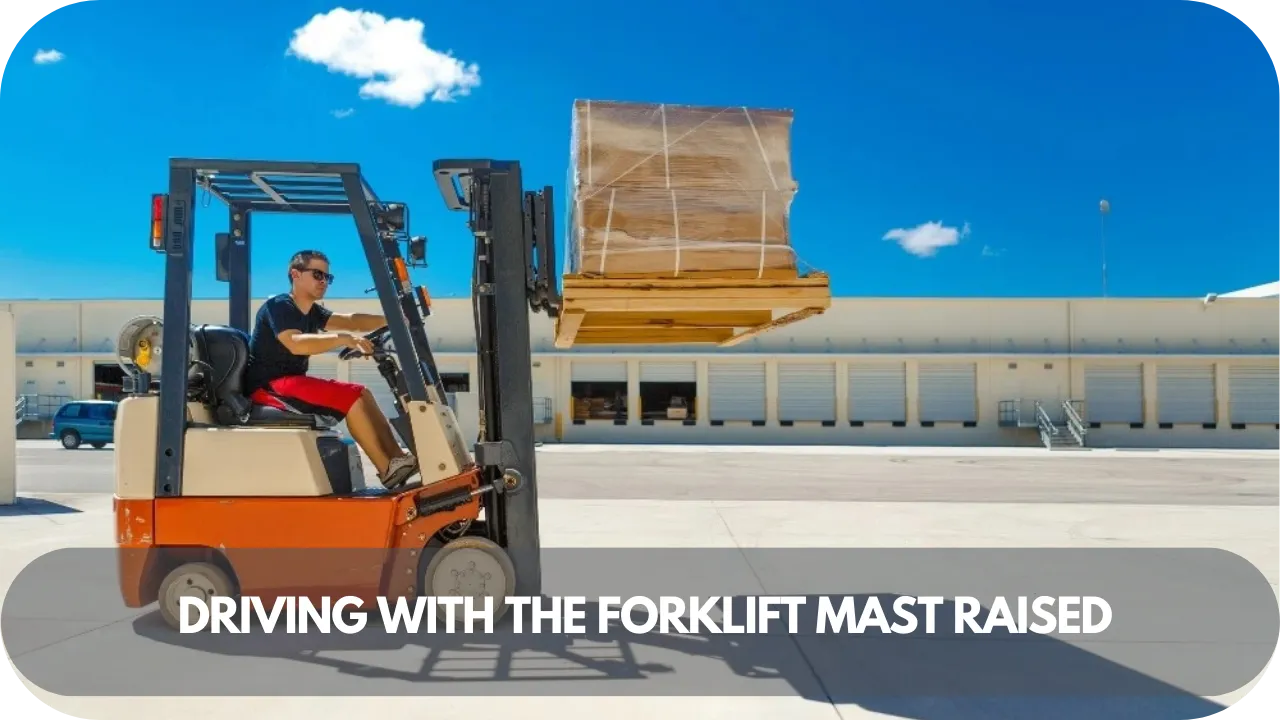
Driving with the mast raised is one of the most common and dangerous forklift mistakes. This may seem like a quick way to move a load, but it greatly affects the forklift’s stability.
When the mast is raised, the forklift has a higher centre of gravity, making it more likely to tip over, especially when turning or travelling on uneven ground.
It’s essential always to lower the mast to its lowest position when driving. This keeps the forklift stable and reduces the risk of accidents. Only raise the mast when lifting or lowering a load.
If the mast is up while moving, it can block the operator’s view, increasing the chance of collisions with obstacles or other workers.
4. Failing to Follow Proper Forklift Driving Techniques
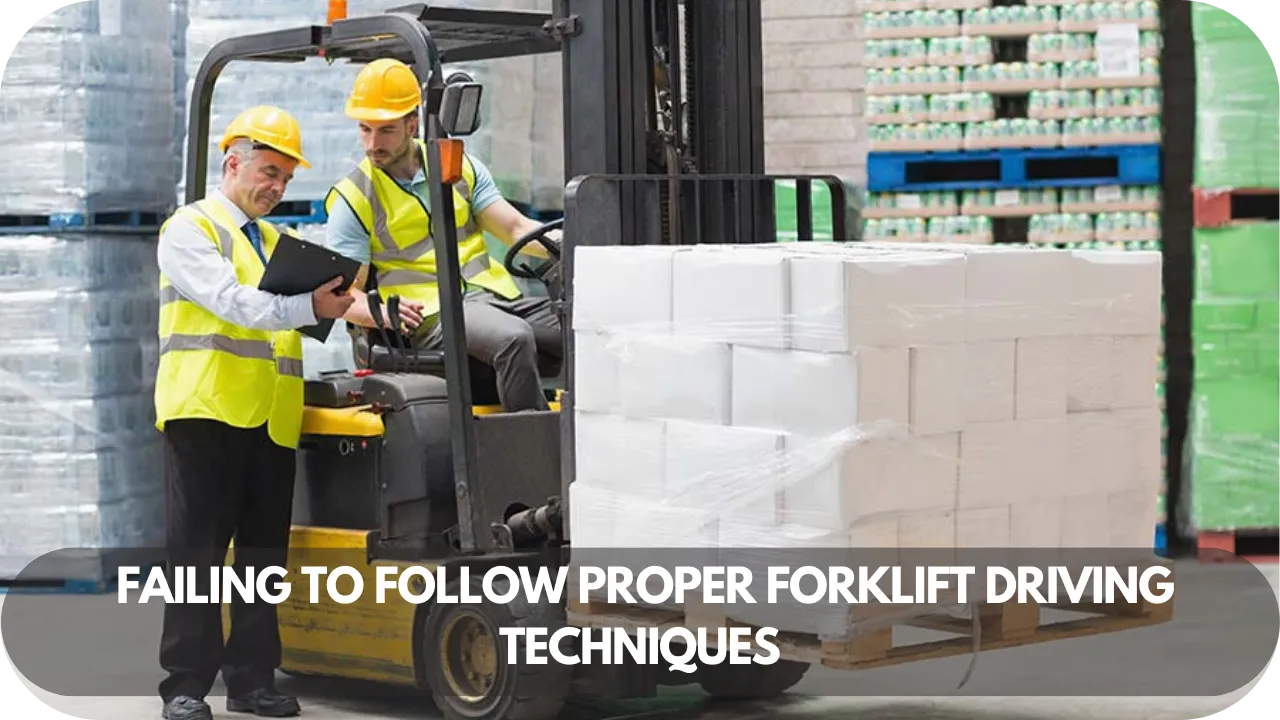
Improper forklift driving techniques are a leading cause of accidents in warehouses. Driving too fast, making sharp turns, or not using the horn can create dangerous situations.
Driving at a safe, controlled speed is essential when operating a forklift, especially when turning or moving through crowded areas. Sharp turns can cause the forklift to tip over, especially when carrying a heavy load.
Operators should always keep a safe distance from other people and obstacles. It’s also essential to use the horn at blind corners or intersections to warn others of your presence.
Proper posture is also essential—always sit upright with both hands on the steering wheel to maintain full control of the forklift.
5. Operating Forklifts in Poor Weather Conditions
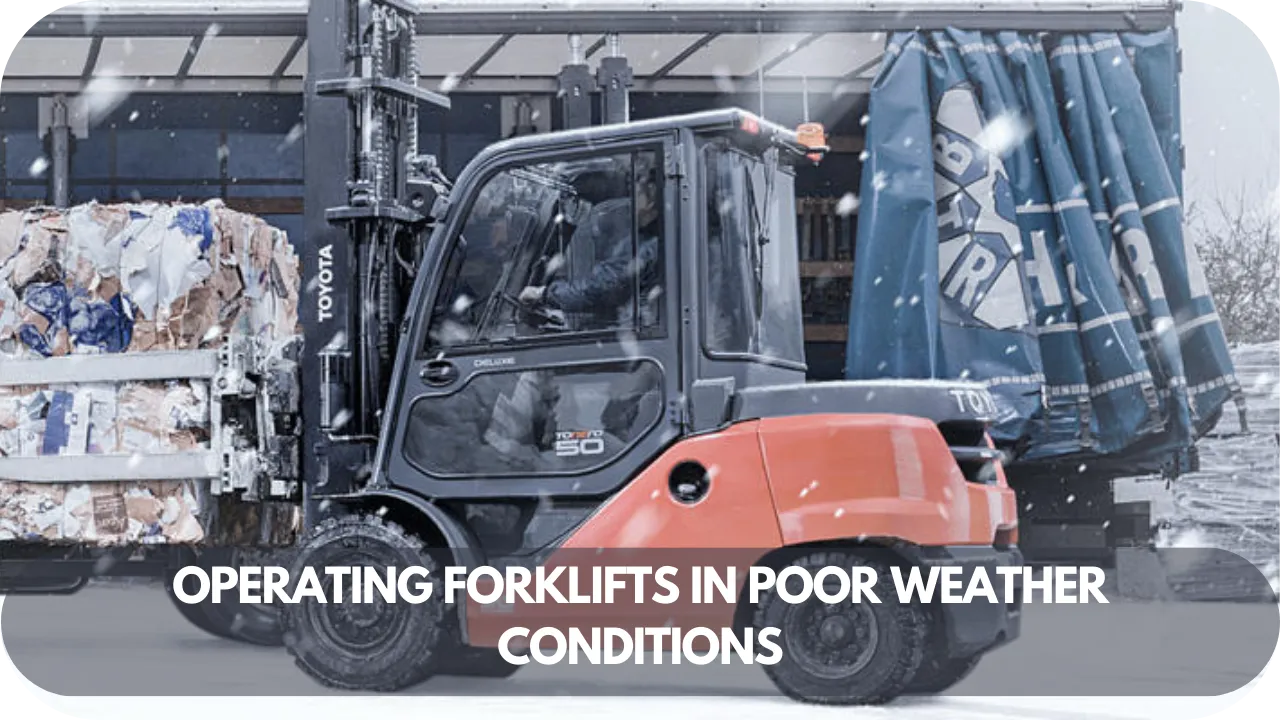
Operating forklifts in poor weather conditions can be extremely hazardous if not done correctly. Rain, snow, fog, or ice can slip the ground, affecting the forklift’s stability and control. In these conditions, it’s essential to slow down and drive with extra caution.
Before operating the forklift, always check the weather and ensure the path is clear of hazards like ice or puddles. Ensure the forklift is in good working condition, especially the tyres, brakes, and lights.
If visibility is poor due to fog or heavy rain, stop and wait for the conditions to improve, or use extra lighting to help you see better.
6. Not Using Seatbelts or Other Safety Gear
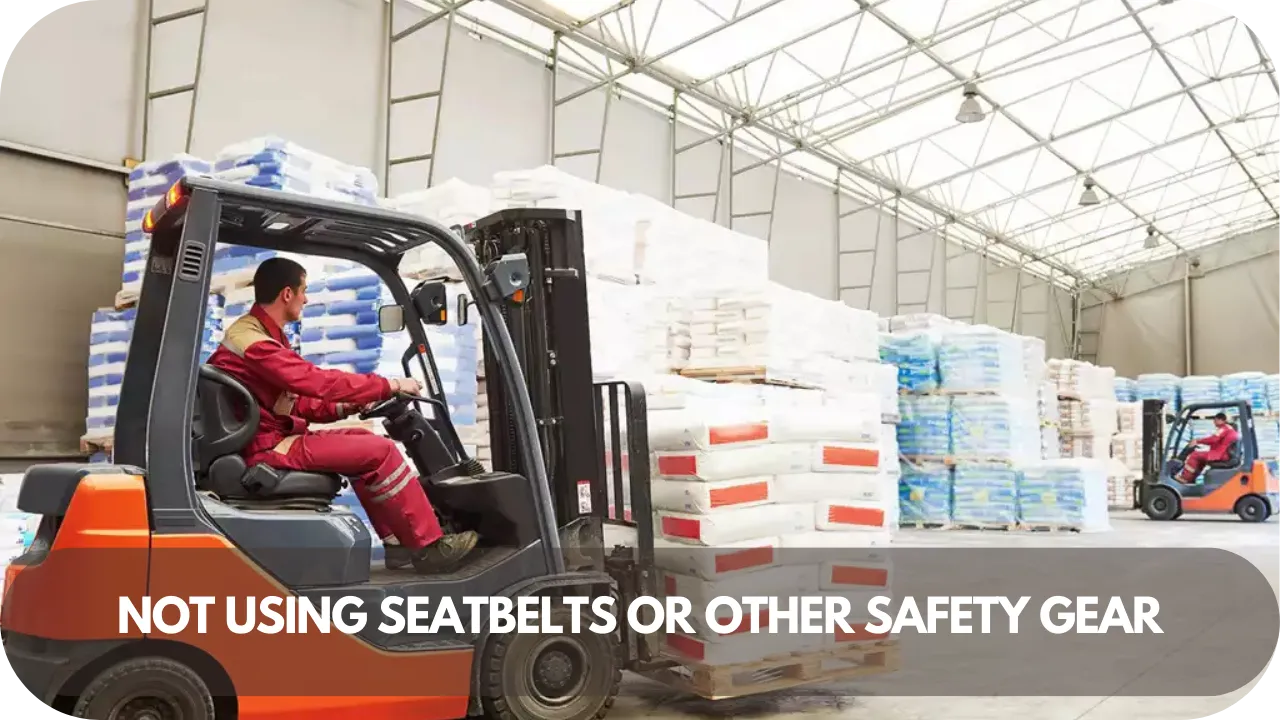
One of the most important safety precautions when operating a forklift is wearing a seatbelt. Failing to wear a seatbelt can lead to serious injuries if the forklift tips over or in the event of an accident.
Seatbelts help keep operators safe and secure, preventing them from being thrown from the vehicle.
In addition to seatbelts, operators should also check that other safety equipment like overhead guards and safety boots are in good condition and properly used. Ignoring safety gear increases the risk of accidents.
7. Inadequate Forklift Training and Certification
One of the most dangerous forklift mistakes is allowing untrained or uncertified operators to drive a forklift. Forklifts are powerful machines that require specific skills to operate safely. Inadequate training can lead to accidents, injuries, or even fatalities.
Operators must be appropriately trained to handle various situations, from loading and unloading to navigating tight spaces.
Forklift certification is legally required in many places, and for good reason. A certified operator knows how to manage the forklift safely, use it efficiently, and understand its limits. Without this training, even experienced workers can make costly mistakes.
8. Ignoring Pedestrian Safety in Forklift Areas
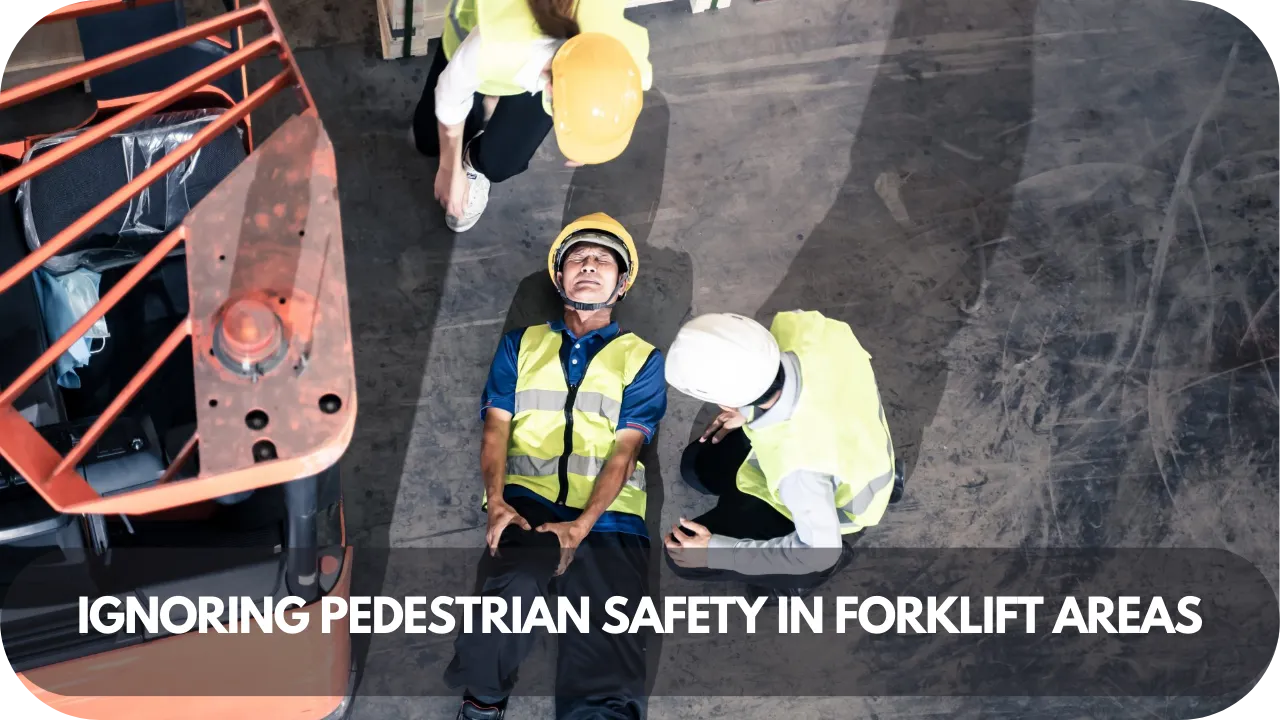
One of the most significant risks in a warehouse or loading dock is paying attention to pedestrian safety in forklift areas.
Forklifts and pedestrians often share the same space but move at different speeds, which can lead to accidents. Failing to establish clear walkways or pedestrian zones can put workers in danger.
Forklift operators should always be aware of their surroundings and slow down near areas where pedestrians are present. Pedestrians should also follow safety guidelines, like wearing high-visibility clothing and avoiding walking in forklift zones unless necessary.
Accidents can happen instantly, and a collision between a forklift and a pedestrian can have serious consequences. Always maintain a safe distance and ensure that clear signs or barriers are in place to separate pedestrians from forklifts.
9. Improper Forklift Parking and Storage
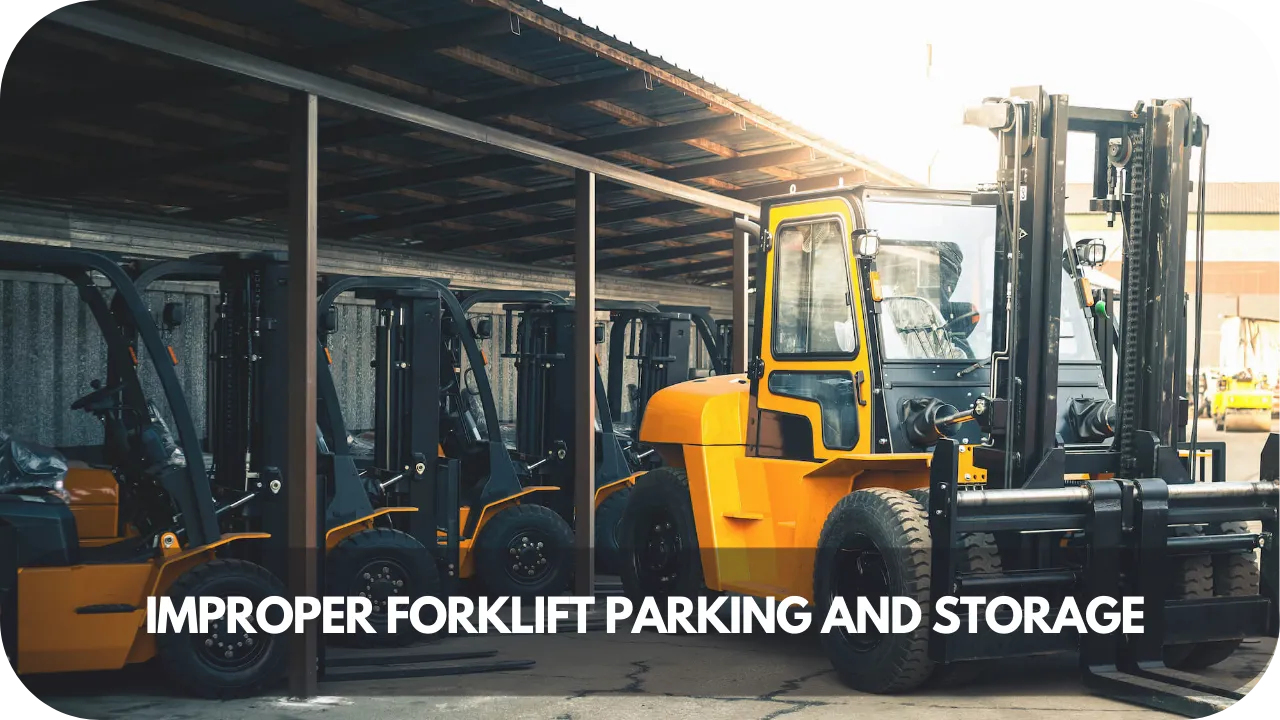
Improper forklift parking and storage can lead to accidents, equipment damage, and theft. Always park forklifts in designated areas that are clear of obstacles and allow easy access for other operators.
Parking in tight or cluttered spaces increases the risk of collisions or blocking walkways for pedestrians.
When parking a forklift, always lower the forks to the ground and switch off the engine. This prevents accidental movements and helps ensure the forklift is stable. Only leave a forklift on an incline and secure it properly, as it could roll or tip over.
Forklifts should also be stored in safe, dry areas to protect them from weather damage and ensure their longevity. Neglecting proper parking can lead to costly repairs and safety risks.
10. Inadequate Maintenance and Repair Practices
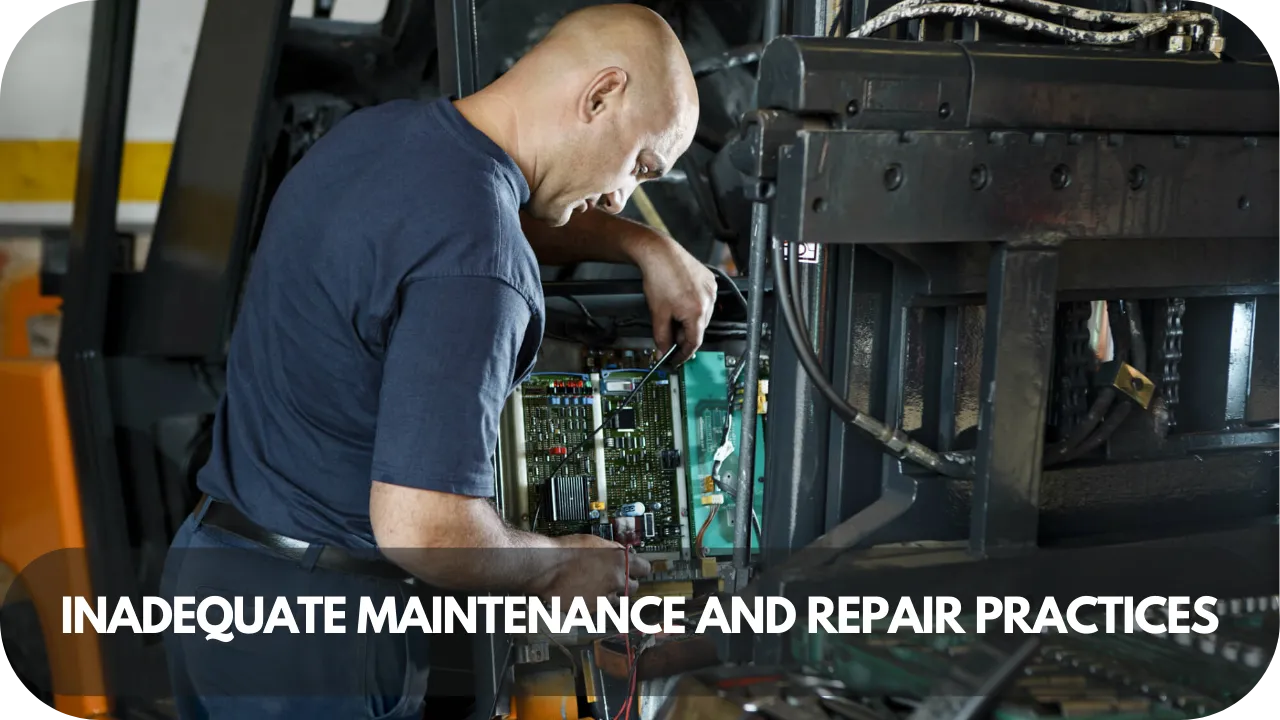
Inadequate maintenance and repair practices can lead to serious forklift failures and accidents. Neglecting regular checks on essential parts like brakes, tyres, and hydraulics can cause equipment malfunctions at critical moments.
Forklifts should be inspected before each shift, and any signs of damage or wear must be addressed immediately.
Ignoring scheduled maintenance can lead to larger, more expensive problems down the line, including engine failure or faulty steering.
It’s also crucial to only use qualified technicians for repairs. Fixing a forklift without proper knowledge can worsen the problem and even void warranties.
11. Using Forklifts for Unintended Purposes
Using forklifts for tasks they weren’t designed for is a dangerous mistake that can lead to serious accidents or equipment damage. Forklifts are built for lifting and moving heavy loads but should not be used to carry passengers, tow vehicles, or lift loads beyond their capacity.
Using a forklift for unintended purposes can strain the machinery, causing parts to wear out faster or even break. For example, towing something too heavy can damage the forklift’s transmission or engine.
It’s crucial always to use the forklift for its intended purpose and follow the manufacturer’s guidelines.
Conclusion
Avoiding common forklift mistakes is essential for maintaining a safe and efficient workplace. By following proper procedures, ensuring regular maintenance, and providing adequate training, you can reduce risks and improve safety.
Take action today to prevent these errors, protect your team, and enhance productivity. Prioritise safe forklift practices and ensure your equipment is always in top condition.