
Electric vs. Diesel Reach Trucks: Which to Choose?
· Updated
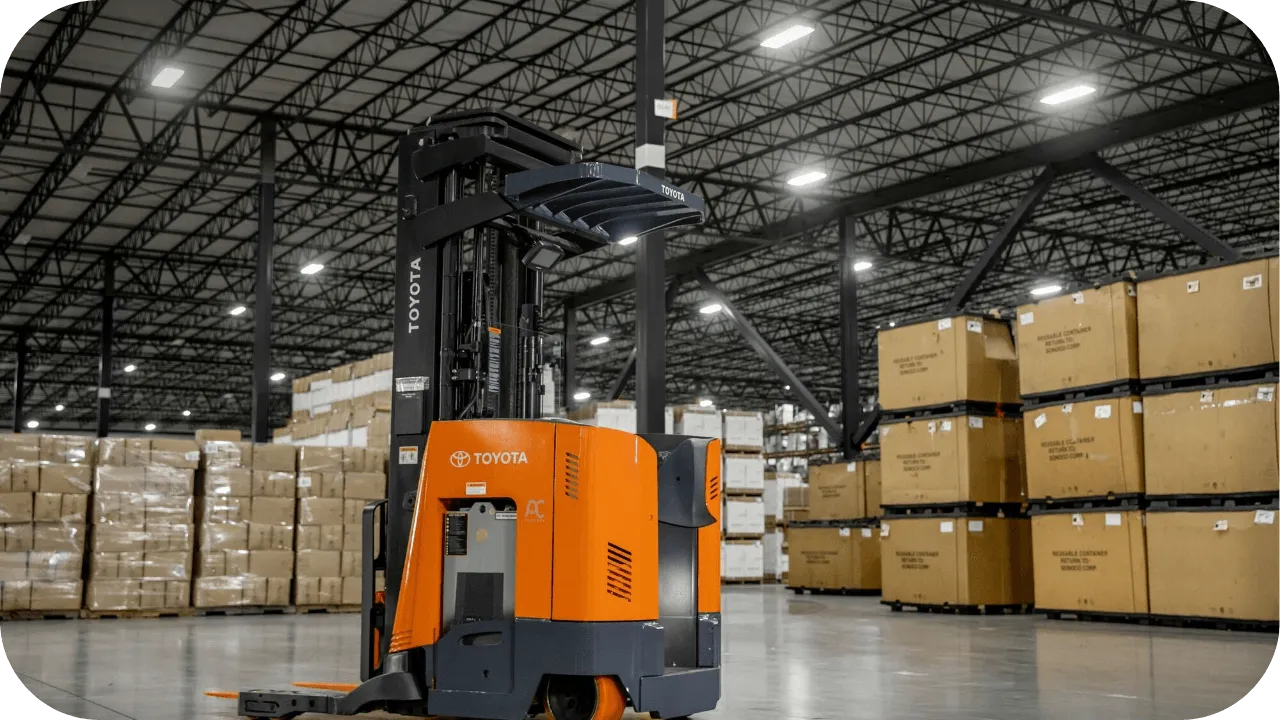
Choosing the right reach truck for your warehouse can be a daunting task. With so many options available, it’s easy to feel overwhelmed.
But when it comes down to electric versus diesel, the decision isn’t just about power – it’s about performance, cost, and sustainability.
In this article, we’ll break down the key differences between electric and diesel reach trucks to help you make an informed choice that suits your needs, budget, and operational requirements. Let’s dive in!
What Are Reach Trucks?
Reach trucks are essential pieces of equipment in warehouses and distribution centres. They are specifically designed to lift loads to high places, allowing operators to reach goods stored on high shelves or racks. Unlike conventional forklifts, reach trucks have an extended mast that enables them to reach deep into storage aisles.
These trucks are commonly used in environments where space is limited, as they allow for narrow aisles and maximised storage.
The key feature of a reach truck is its ability to extend its reach, enabling it to move loads that would otherwise be difficult to access. Available in both electric and diesel versions, these machines are versatile and capable of handling heavy loads in a range of environments.
Electric Reach Trucks: An Overview
Electric reach trucks are powered by rechargeable batteries. They are a popular choice for indoor operations due to their quiet operation and zero emissions. These trucks are ideal for use in warehouses that need to maintain a clean, quiet, and energy-efficient environment.
Electric models are easy to operate and require minimal maintenance. Their battery life depends on the usage and charging cycles, but modern electric trucks can operate for up to eight hours before needing a recharge.
They’re also more compact, making them perfect for narrow aisles where space is tight. With their reduced carbon footprint and lower operating costs, electric reach trucks are an environmentally friendly choice.
Diesel Reach Trucks: An Overview
On the other hand, diesel reach trucks are powered by an internal combustion engine. These trucks are typically used for outdoor operations or in environments that require heavy-duty lifting.
Diesel reach trucks are known for their power, and they can operate continuously for long periods without needing a recharge, making them ideal for large-scale warehouses.
Diesel models are also built for more rugged conditions, handling rough terrain, and extreme weather better than their electric counterparts. Although they’re louder and emit exhaust fumes, they provide unmatched power for tough jobs.
Diesel reach trucks are often used in industries like construction, agriculture, and large warehouses with expansive outdoor spaces.
Key Differences Between Electric and Diesel Reach Trucks
Each type offers unique advantages depending on your operational needs, environment, and budget. Let’s dive into the major factors that will help you make the best decision for your business.
1. Power Source
Electric reach trucks run on rechargeable batteries, offering a clean and energy-efficient solution for indoor use. They need to be recharged after several hours of operation, typically overnight.
Diesel reach trucks, on the other hand, use fuel to power their internal combustion engines. This means diesel trucks are more suitable for continuous use without the need for recharging, especially in outdoor or large-scale warehouses.
2. Cost Considerations
While diesel reach trucks often come with a higher initial purchase cost, they are more durable and can handle tougher working conditions, making them a longer-term investment for heavy-duty operations.
Electric reach trucks have lower upfront costs and benefit from lower operating expenses, with savings on fuel and maintenance. However, their battery replacements and charging equipment costs should also be factored into the long-term cost.
3. Environmental Impact
Electric trucks are the clear winner when it comes to reducing carbon emissions. They produce no exhaust fumes, making them ideal for indoor environments where air quality matters.
Diesel reach trucks, while powerful, emit harmful gases, making them less suitable for enclosed spaces but better for outdoor or expansive warehouses where emissions are less of a concern.
4. Performance in Different Environments
Electric reach trucks excel in indoor environments where space is tight and the floors are smooth. Their quieter operation and lack of emissions make them perfect for clean, noise-sensitive areas.
Diesel trucks, however, perform better in rugged, outdoor settings or warehouses with rough terrain, offering more power for heavy lifting and longer operational times without the need for frequent stops.
5. Load Capacity and Reach
Both types of trucks are designed to handle heavy loads and lift them to considerable heights. However, diesel-reach trucks typically have higher load capacities and can reach farther, making them better suited for heavy-duty tasks in large warehouses.
Electric models, though capable, generally have a lower load capacity and may require more frequent charging during high-demand operations.
Advantages of Electric Reach Trucks
When choosing the right reach truck for your operations, the advantages of electric models stand out. Let’s take a closer look at why electric reach trucks are a popular choice for many businesses.
- Energy Efficiency: Electric reach trucks are known for their energy-efficient design. The rechargeable batteries they use can be charged overnight, cutting down on electricity costs compared to diesel fuel.
- Low Noise Operation: These trucks produce minimal noise, making them ideal for indoor warehouses where noise reduction is a priority. This feature creates a quieter, more comfortable working environment.
- Lower Maintenance Costs: Electric trucks have fewer moving parts than their diesel counterparts, eliminating the need for regular fuel checks or oil changes. This reduces maintenance costs over time, making them more cost-effective in the long run.
- Environmental Benefits: With increasing awareness of sustainability, electric reach trucks offer a green solution. They produce zero emissions, helping businesses reduce their carbon footprint and align with eco-friendly practices.
Advantages of Diesel Reach Trucks
If you’re working in a large-scale warehouse or challenging outdoor environments, diesel reach trucks offer significant benefits. Let’s explore why they might be the right choice for your operation.
- Power and Endurance: Diesel reach trucks are built to handle larger loads and operate for longer periods without the need to recharge. This makes them ideal for high-demand, large-scale warehouses or outdoor settings where continuous operation is essential.
- Rugged Performance: Diesel trucks excel in tough conditions. Their powerful engines are designed to tackle rough terrain, making them the best option for outdoor or mixed-use environments. They can also perform in extreme weather conditions like rain or snow, where electric trucks might struggle.
- Superior Lifting Power and Stability: Diesel reach trucks offer more lifting power and stability, making them ideal for warehouses that require heavy lifting or have high-volume operations. Although they require more maintenance and fuel, their durability and performance often justify the investment.
Considerations Before Making Your Choice
Before choosing between an electric or diesel reach truck, consider your warehouse’s specific needs. The size and layout of your facility will play a key role in your decision. If you operate in a compact indoor space with narrow aisles, an electric reach truck may be the best fit.
For larger outdoor environments, a diesel truck could offer the power and durability needed to handle heavy lifting and tough conditions.
Cost is always a key factor. Diesel reach trucks may cost more upfront, but they offer higher power and longer operational times. Electric trucks are more affordable initially and have lower ongoing costs, but you must consider charging times and battery life.
Another factor to think about is sustainability. Electric trucks offer the advantage of lower emissions, which may be an important consideration for businesses aiming to reduce their carbon footprint. If environmental impact is a priority, electric models may be the way to go.
Electric vs. Diesel Reach Trucks: Which to Choose?
When choosing between electric and diesel reach trucks, consider your warehouse needs. Electric trucks are ideal for indoor, low-noise environments, offering energy efficiency and lower maintenance costs.
Diesel trucks excel in outdoor or large-scale settings, providing greater power, endurance, and performance in rough conditions. Your choice depends on factors like operational environment, load capacity, and budget.
Conclusion
Whether you value efficiency, sustainability, or raw power, both options have distinct advantages. If you’re ready to invest in the best reach truck for your business, Buy A Fork offers a wide range of solutions tailored to your requirements. Get in touch with us today and let our experts help you make the right decision for your warehouse operations!