
The Environmental Benefits of Switching to Electric Forklifts
· Updated
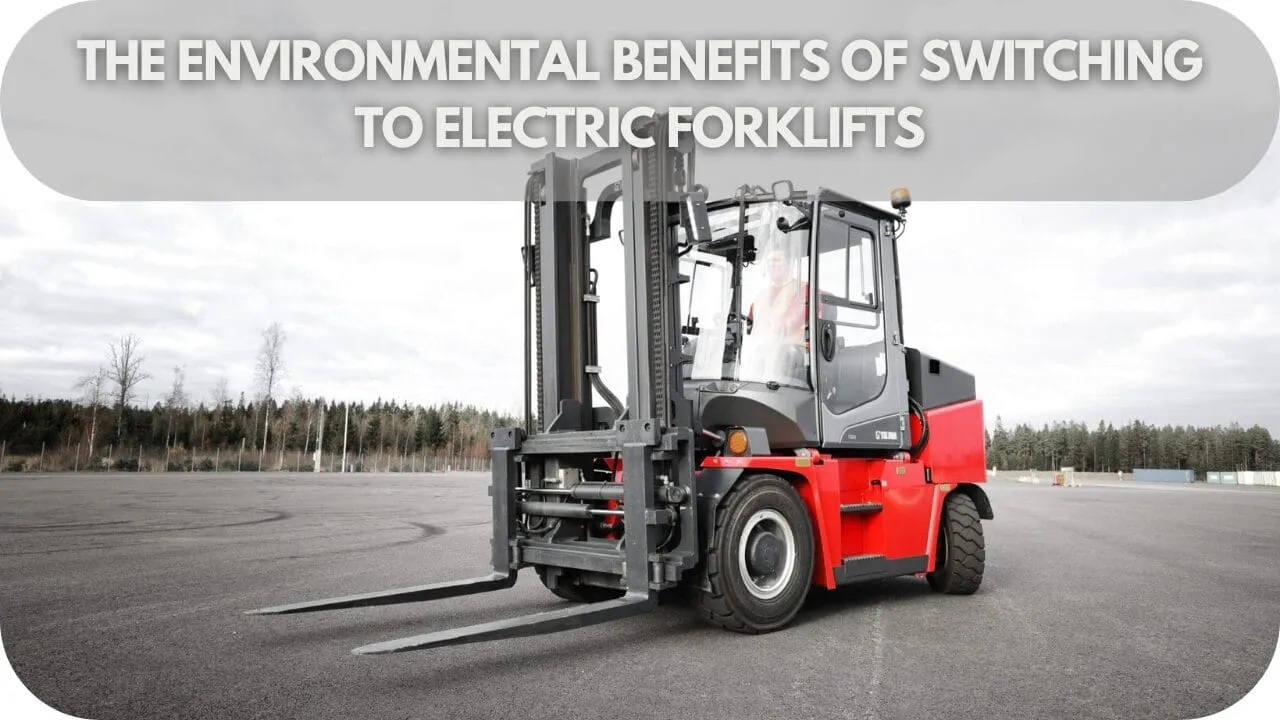
Electric forklifts are rapidly gaining traction across various industries, thanks to their ability to reduce environmental impact while improving operational efficiency.
Unlike traditional internal combustion (IC) forklifts, electric models run on rechargeable batteries and produce no direct emissions.
As companies increasingly focus on sustainability, electric forklifts offer a compelling solution to lower their carbon footprint. Let’s delve into the key environmental benefits of switching to electric forklifts.
1. Zero Emissions at the Point of Use
Electric forklifts produce zero tailpipe emissions, which significantly lower harmful pollutants in the atmosphere compared to their diesel, petrol, or LPG counterparts.
This feature becomes particularly valuable in indoor environments, such as warehouses or manufacturing plants, where air quality can directly impact employee health.
Carbon dioxide (CO₂), nitrogen oxides (NOₓ), and particulate matter (PM) emitted by IC forklifts contribute to global warming and respiratory issues. By adopting electric forklifts, businesses can help reduce greenhouse gas emissions, contributing to local and global environmental goals.
Moreover, clean indoor air enhances workplace conditions, promoting better employee well-being. Over time, the absence of exhaust fumes also reduces the need for expensive ventilation systems in indoor operations, cutting energy use and operational costs.
Therefore, switching to electric forklifts helps create a healthier, more eco-friendly workplace while supporting sustainable practices.
2. Reduced Noise Pollution
Noise pollution is a common issue in busy warehouses, logistics centres, and manufacturing plants. Diesel and LPG forklifts generate significant noise due to their internal combustion engines, which can cause hearing fatigue and elevate stress levels among workers.
Electric forklifts, on the other hand, operate much more quietly, reducing overall noise levels. This not only improves employee concentration and communication but also enhances overall safety by making it easier for operators to hear warning signals or verbal instructions.
Additionally, in warehouses located near residential areas, quieter operations minimise disturbances to the surrounding community. Lower noise levels can also play a crucial role in obtaining environmental permits or meeting regulatory requirements for facilities in urban settings.
Ultimately, reduced noise pollution contributes to a more pleasant work environment, better employee morale, and a smaller environmental impact.
3. Energy Efficiency and Lower Carbon Footprint
Electric forklifts are known for their superior energy efficiency compared to IC models. While traditional forklifts waste a significant portion of energy as heat during combustion, electric models convert more energy into usable work, reducing overall energy consumption.
This energy efficiency directly lowers the carbon footprint of warehouse operations, especially when businesses switch to renewable energy sources for charging, such as solar or wind power.
In this case, electric forklifts can operate with virtually no carbon emissions, aligning with global sustainability initiatives and corporate green goals. Furthermore, many modern electric forklifts come with regenerative braking systems, which capture and reuse energy during operation, enhancing overall efficiency.
Over time, the combination of energy savings and a reduced carbon footprint can significantly contribute to meeting both environmental and financial targets.
4. Decreased Dependence on Fossil Fuels
Switching to electric forklifts helps reduce dependence on fossil fuels, which are finite resources and major contributors to environmental pollution.
Diesel, petrol, and LPG are commonly used in traditional forklifts, and their combustion produces harmful emissions that degrade air quality and contribute to climate change.
By adopting electric forklifts, businesses can transition towards cleaner energy sources. Furthermore, as renewable energy infrastructure expands globally, businesses can increasingly rely on green energy to power their fleets.
This shift not only supports environmental goals but also protects businesses from fuel price volatility and supply chain disruptions. Reducing reliance on fossil fuels also means fewer fuel deliveries, which further decreases carbon emissions associated with transportation.
Over time, businesses will benefit from greater energy security and a more predictable operating cost structure.
5. Minimal Waste and Lower Maintenance Impact
Electric forklifts have fewer moving parts and require less maintenance than IC forklifts. Without the need for oil changes, filters, or spark plugs, the amount of hazardous waste generated is substantially reduced.
Traditional forklifts require regular servicing, which often involves disposing of used oil, coolant, and other fluids that can harm the environment if not handled properly.
In contrast, electric forklifts reduce the volume of waste produced and minimise the risk of leaks or spills that could contaminate the surrounding area.
Moreover, simpler maintenance procedures result in less downtime, improving operational efficiency. By eliminating consumable engine components, businesses can significantly cut down on maintenance-related costs and environmental impact.
This aspect not only supports a greener operation but also enhances the overall cost-effectiveness of electric forklifts.
6. Longevity and Recyclability
Electric forklifts generally have a longer lifespan compared to traditional forklifts, largely due to fewer moving parts and less wear and tear. Additionally, advancements in battery technology have made it easier to recycle or repurpose batteries at the end of their life cycle.
Lead-acid and lithium-ion batteries, commonly used in electric forklifts, are increasingly being recycled to recover valuable materials like lead, lithium, and cobalt. Many manufacturers are also working towards developing fully recyclable batteries, reducing waste and contributing to a circular economy.
Some businesses have even begun reusing old forklift batteries for stationary energy storage, extending their usefulness beyond the warehouse. This longevity and recyclability reduce environmental impact while ensuring a more sustainable lifecycle for materials used in forklift operations.
7. Government Incentives and Compliance with Regulations
Governments around the world are introducing stricter environmental regulations to curb industrial emissions and promote cleaner technologies. Electric forklifts not only help businesses comply with these regulations but also offer opportunities to benefit from various incentives.
Many countries provide tax credits, grants, or rebates to companies that adopt electric vehicles, including forklifts. These incentives can significantly reduce the upfront cost of switching to electric models, making the transition more affordable.
Additionally, operating electric forklifts can improve a company’s Environmental, Social, and Governance (ESG) rating, enhancing its reputation among investors and customers. Staying ahead of regulatory changes by adopting electric forklifts can prevent potential fines and ensure long-term compliance with environmental standards.
8. Supporting Corporate Social Responsibility (CSR) Goals
Today’s consumers and investors increasingly favour businesses that prioritise environmental and social responsibility. Switching to electric forklifts is a tangible way for companies to demonstrate their commitment to sustainable operations.
By reducing emissions, noise pollution, and waste, businesses can align their operations with CSR goals and improve their brand image. Implementing greener practices not only helps attract eco-conscious customers but also fosters a positive work environment, improving employee satisfaction and retention.
Publicly committing to sustainability initiatives, such as adopting electric forklifts, can also provide a competitive advantage in industries where environmental impact plays a significant role in decision-making.
9. Enhanced Safety and Sustainability in Warehouse Operations
Electric forklifts contribute to a safer working environment by eliminating harmful exhaust fumes and reducing noise levels. The absence of emissions improves air quality in indoor facilities, lowering health risks for employees.
Additionally, electric forklifts offer smoother acceleration and deceleration, enhancing operational control and reducing the risk of accidents. Many models come with advanced safety features, such as automatic braking systems and stability controls, further improving safety.
Sustainable warehouse operations are not only about reducing environmental impact but also about creating a healthier and safer workplace. Electric forklifts play a key role in achieving both goals, making them a smart choice for forward-thinking businesses.
10. Long-Term Cost Savings
Although electric forklifts may have a higher upfront cost than traditional models, their lower operating costs make them a more cost-effective solution in the long run. Savings on fuel, maintenance costs, and downtime can quickly offset the initial investment.
Moreover, as battery technology continues to advance, charging times are decreasing while battery life is improving, further enhancing cost savings. Businesses can also reduce ventilation and cooling costs in warehouses, as electric forklifts produce no heat or emissions.
When combined with government incentives and lower total cost of ownership, the long-term financial benefits of switching to electric forklifts become even more compelling.
Conclusion
Ready to make a positive impact on both the environment and your bottom line? Switching to electric forklifts means zero emissions, quieter operations, and long-term cost savings. Don’t just stay compliant—get ahead of the curve by adopting greener, more efficient technology.
Visit us today to explore our range of electric forklifts and take the first step toward a cleaner, more sustainable future for your business. Your eco-friendly upgrade awaits!