
Top Forklifts for Ports and Shipping Yards
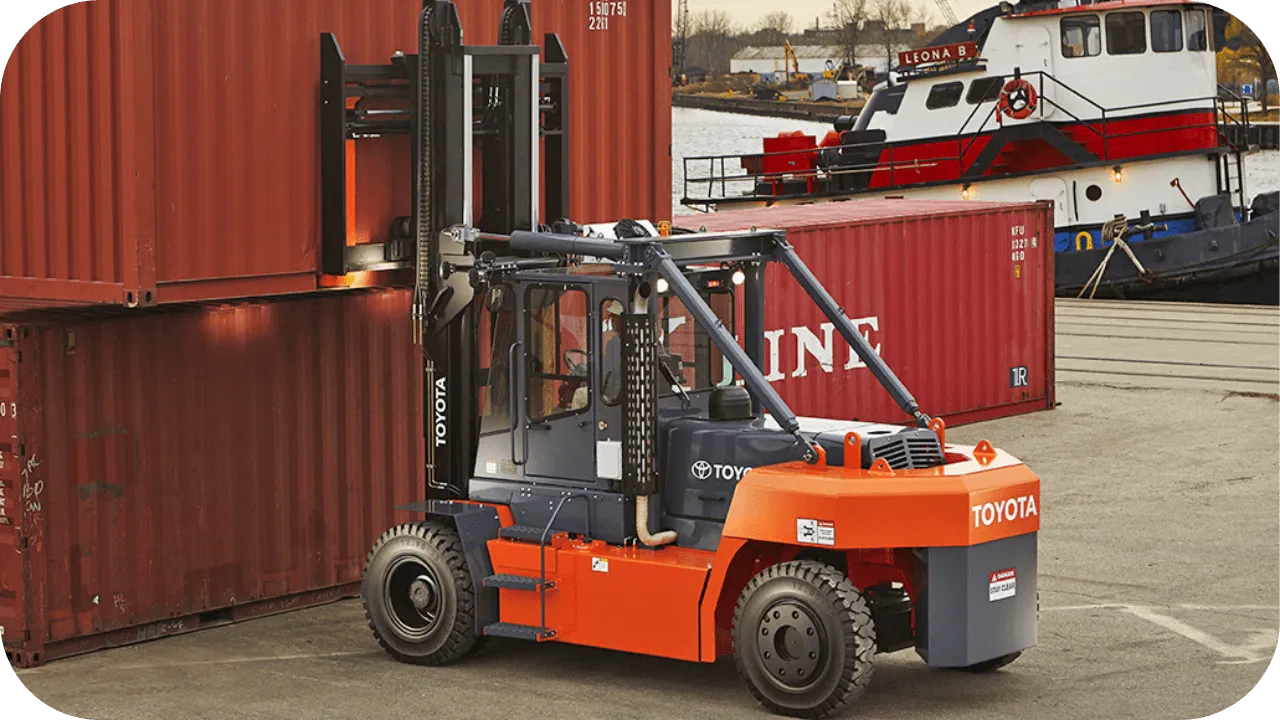
Ports and shipping yards are high-pressure environments where efficiency is everything. Every second counts when lifting heavy cargo, stacking containers, and running operations smoothly.
But here’s the challenge—not all forklifts are built for the job. Choosing the wrong one can slow down productivity and rack up costly downtime. So, which forklifts can handle the intense demands of port logistics?
From heavy-duty giants to agile reach stackers, we have the top-performing models you need to keep things moving. Let’s dive in!
Types of Forklifts Ideal for Ports and Shipping Yards
Handling heavy cargo in a fast-paced port environment demands forklifts that combine power, durability, and efficiency. Not every forklift is up to the task, but some are engineered specifically for the challenges of port logistics.
1. Toyota 8FD50N
The Toyota 8FD50N is a dependable, fuel-efficient forklift with a 5,000 kg lifting capacity, perfect for ports and shipping yards. Its robust engine ensures reliable performance, even in demanding environments.
The forklift is designed for durability and ease of maintenance, making it an excellent long-term investment. Its smooth operation and stability make it ideal for easily handling containers and heavy pallets in busy port environments.
2. Mitsubishi FD160N
The Mitsubishi FD160N forklift is designed for high performance and offers a 16,000 kg lift capacity. Built to endure the rigours of port and shipping yard operations, it provides exceptional power and stability for long, demanding shifts.
Its powerful diesel engine and solid construction make it ideal for lifting large containers and bulk cargo. With proven reliability, the FD160N is an excellent choice for businesses requiring a durable and efficient forklift for heavy-duty tasks.
3. Kalmar DCG160-12
The Kalmar DCG160-12 is a heavy-duty forklift with an impressive 16,000 kg lift capacity, designed to excel in port and shipping yard environments. It is built for demanding tasks and offers exceptional strength, durability, and stability, making it ideal for handling large containers and bulk materials.
With its advanced lifting technology and rugged design, the DCG160-12 ensures reliable performance even in harsh conditions, providing maximum efficiency in high-volume, heavy-duty applications.
4. Hyster H16XM-12
The Hyster H16XM-12 is a heavy-duty forklift with a 16,000 kg lift capacity, built to handle the toughest tasks in shipping yards. Its powerful engine and advanced hydraulic system provide excellent performance and productivity in demanding environments.
Designed for durability, it offers stability and efficiency, allowing for reliable operation during long shifts. The Hyster H16XM-12 is perfect for businesses looking for a forklift that can easily handle large containers and high-volume operations.
5. Konecranes SMV 16-1200 C
The Konecranes SMV 16-1200 C is a heavy-duty forklift with a 16,000 kg lift capacity, ideal for large-scale operations in ports and shipping yards. This forklift is equipped with advanced lifting technology and a robust design, allowing it to easily handle heavy containers and bulk materials.
Built for durability and reliability, the SMV 16-1200 C excels in the harshest environments, providing superior performance and efficiency in container handling and material transport.
6. Caterpillar DP100N
The Caterpillar DP100N is a reliable forklift with a 10,000 kg lift capacity, built for heavy-duty operations in ports and shipping yards. This forklift combines powerful performance with fuel efficiency, offering smooth operation for long hours.
It’s designed to handle large loads, including containers and pallets, with stability and ease. Built to withstand tough conditions, the DP100N ensures long-lasting durability, making it an excellent choice for businesses requiring consistent performance in demanding environments.
7. Linde H80D
The Linde H80D is a heavy-duty forklift with an 8,000 kg lift capacity, designed for tough port and shipping yard environments. It offers outstanding stability, power, and efficiency for handling large containers and heavy loads.
With a durable engine and advanced hydraulic system, the H80D ensures reliable performance. Built for long shifts, its ergonomic design and fuel efficiency make it a solid choice for high-demand, heavy-duty operations in challenging conditions.
Essential Considerations for Choosing a Forklift for Ports and Shipping Yards
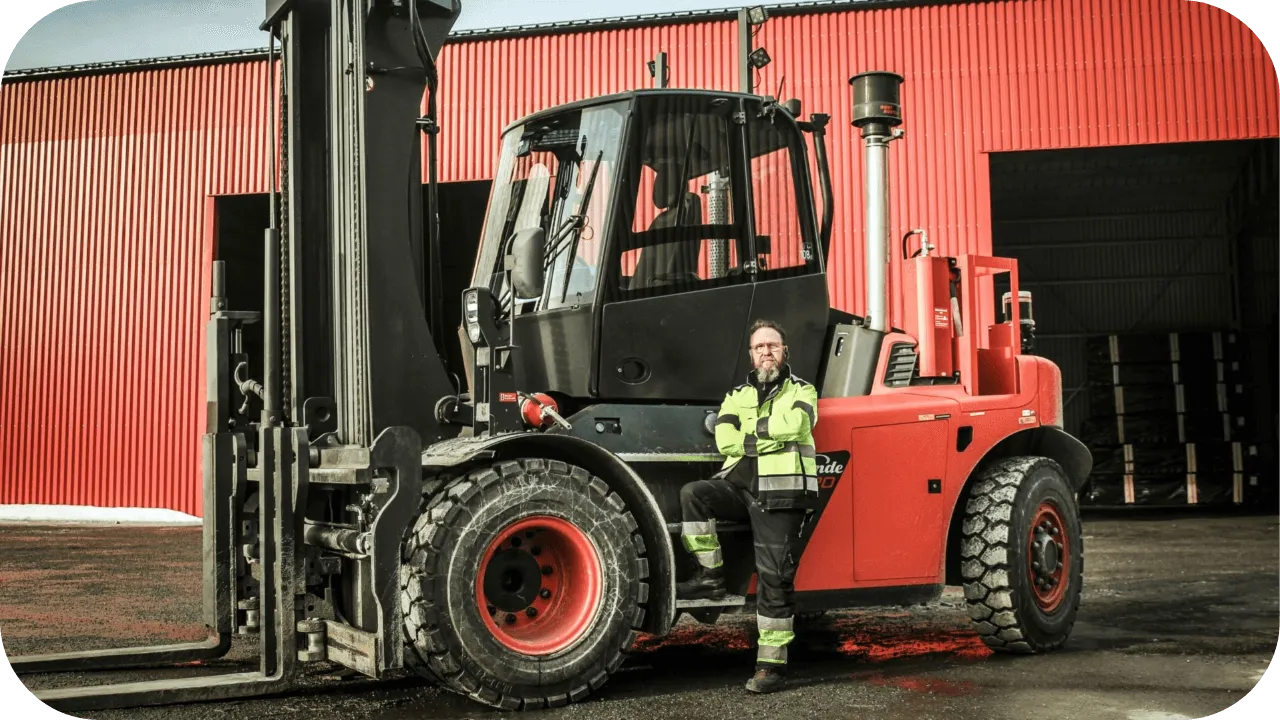
Not all forklifts can handle the intense demands of port logistics. The wrong choice leads to downtime, inefficiency, and costly delays. Here’s what to consider before making a decision.
1. Load Capacity and Lift Height
Ports demand forklifts that can handle heavy loads and high stacking. A forklift with a high lifting capacity or weight capacity ensures efficient container handling, reducing the need for multiple lifts and minimising operational delays.
2. Durability and Weather Resistance
Saltwater exposure, rough terrain, and constant use can wear down standard forklifts. Corrosion-resistant components sealed electrical systems, and reinforced frames help port forklifts withstand extreme conditions while maintaining peak performance.
3. Fuel Type: Diesel, Electric, or LPG
Diesel forklifts offer raw power and endurance, making them ideal for heavy lifting. Electric models provide zero emissions and lower running costs, while LPG balances power and environmental impact.
4. Manoeuvrability and Stability
Navigating tight port spaces requires forklifts with precise handling, stable bases, and high visibility. Models with compact designs, intuitive controls, and anti-tip technology enhance safety and efficiency.
5. Operational Costs and Maintenance
A forklift’s fuel efficiency, servicing frequency, and spare part availability impact long-term costs, including forklift maintenance costs. Choosing a model with low maintenance needs and reliable after-sales support ensures minimal downtime and maximum return on investment.
6. Safety Features and Compliance
Ports are high-risk environments, making advanced safety features essential. Anti-collision sensors, load stability systems, and ergonomic designs protect operators while ensuring compliance with strict port safety regulations.
7. After-sales support and Spare Parts Availability
A forklift is only as good as its support network. Quick access to replacement parts, servicing, and technical assistance keeps operations running smoothly, preventing costly downtime and disruptions.
Maintenance Tips for Forklifts in Ports and Shipping Yards

Forklifts in ports endure heavy loads, saltwater exposure, and constant operation, making maintenance a top priority. Neglecting upkeep leads to costly downtime and safety risks. Keep your forklifts running smoothly with these essential maintenance tips:
- Perform Daily Inspections: Before and after each shift, check tyres, forks, and hydraulic systems for damage, leaks, or wear to prevent breakdowns.
- Combat Corrosion: Ports expose forklifts to saltwater and humidity, so regular cleaning, lubrication, and rust prevention treatments help extend equipment lifespan.
- Monitor Battery and Fuel Systems: Electric forklifts need proper charging and clean terminals, while diesel and LPG models require fuel line inspections and filter replacements.
- Check Hydraulic Fluids & Lubrication: Low fluid levels affect lifting power and efficiency, so maintain proper oil levels and replace filters as necessary.
- Keep Tyres in Check: Uneven wear reduces stability and safety, so regularly inspect, rotate, and replace tyres to maintain optimal forklift performance.
- Stick to Preventative Maintenance: Follow manufacturer-recommended service schedules to address minor issues early and prevent costly, unexpected equipment failures.
Frequently Asked Questions (FAQs)
Find answers to common questions about choosing, maintaining, and operating forklifts in ports and shipping yards.
1. What size forklift is best for a shipping yard?
A forklift with a lift capacity of 5,000 kg to 16,000 kg is typically best for most shipping yards, with larger capacities needed for heavy-duty tasks.
2. How do I maintain a forklift in a harsh port environment?
Regularly clean the forklift, check the engine, hydraulic systems, and tires. Lubricate moving parts, replace filters, and schedule professional inspections.
3. What’s the difference between a standard forklift and a container handler?
Container handlers have higher lift capacities, extended reach, and are designed specifically for lifting and stacking containers, unlike standard forklifts that handle smaller loads.
4. How long do forklifts last in a port environment?
Forklifts in harsh environments typically last 5 to 10 years with proper maintenance, though some heavy-duty models can last longer.
5. Can forklifts be used in all weather conditions?
Yes, forklifts can be used in all weather conditions, but models with weatherproofing and corrosion-resistant parts are recommended for extreme conditions.
Conclusion
The right forklift keeps port operations running smoothly, handling heavy loads with power and precision. From high-capacity lifters to agile reach stackers, selecting the best model improves efficiency and reduces downtime.
With innovations like automation and electric power reshaping the industry, now is the time to upgrade. Find top-quality forklifts at Buy A Fork today and keep your shipping yard moving without delays!