
LF vs LO Forklift Licence: Which One Do You Need?
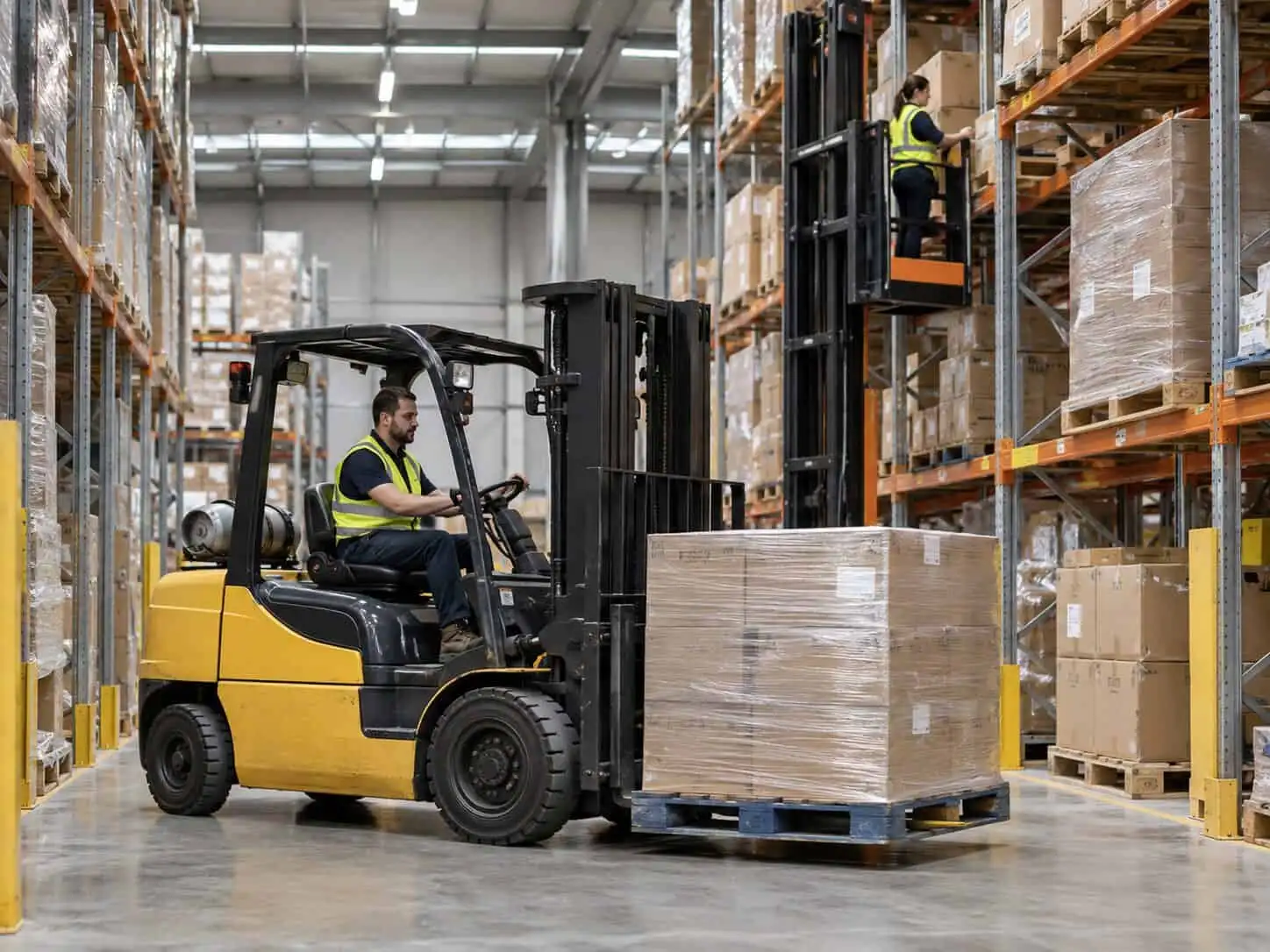
The difference between an LF vs LO forklift licence is not how high the forks go. It is whether the operator goes up with them. LF covers standard forklifts where the operator stays at ground level. LO covers order picking forklifts where the operator’s controls rise with the load.
That single distinction decides which ticket your operators need, and it catches out businesses that assume a forklift licence covers everything on the floor. It does not. An operator holding an LF licence is not licensed to run a high-level order picker.
This article covers what each class actually means in the regulators’ own words, which licence applies to each machine in a typical warehouse, what does not need a licence at all, and the obligations that sit alongside the licence rather than inside it.
What Is an LF Forklift Licence?
An LF licence covers a forklift truck with a mast and an elevating load carriage carrying fork arms, operated from a position that does not rise with the load. It is the standard forklift ticket and the one most operators hold.
SafeWork NSW describes the class as allowing you to operate “a forklift truck, equipped with a mast and an elevating load carriage with a pair of fork arms or other attachment”, and states directly that “this licence class is not for an order picking forklift truck”.
WorkSafe Queensland adds the threshold and the exclusions. It defines a forklift truck as a powered industrial truck with lifting media made up of a mast and an elevating load carriage carrying fork arms or other arms that can be raised 900 mm or more above the ground, but which does not include a pedestrian-operated truck or a pallet truck.
Those exclusions matter commercially, and we come back to them below. The machines an LF licence covers are the ones where the operator sits or stands at floor level and the forks do the moving. A counterbalance forklift is the obvious case, and reach trucks and high reach machines fall into the same class for the same reason.
What Is an LO Forklift Licence?
An LO licence covers an order picking forklift truck, where the operator’s controls form part of the load carriage and elevate with it. The operator rides up to the stock rather than the stock coming down to the operator.
SafeWork NSW defines the class as allowing you to operate “an order picking forklift truck where the operator’s controls are incorporated and elevate with the load carriage/lifting media”. WorkSafe Queensland uses the same trigger, describing an order-picking forklift truck as one that has the operator’s control as part of the load carriage or lifting media and lifts with it.
WorkSafe Queensland notes that these machines are generally referred to as stock pickers, which is worth knowing because operators, manufacturers and job ads all use the two terms for the same machine. Turret trucks used in very narrow aisle warehousing fall into the same class.
LF vs LO: The Difference in One Table
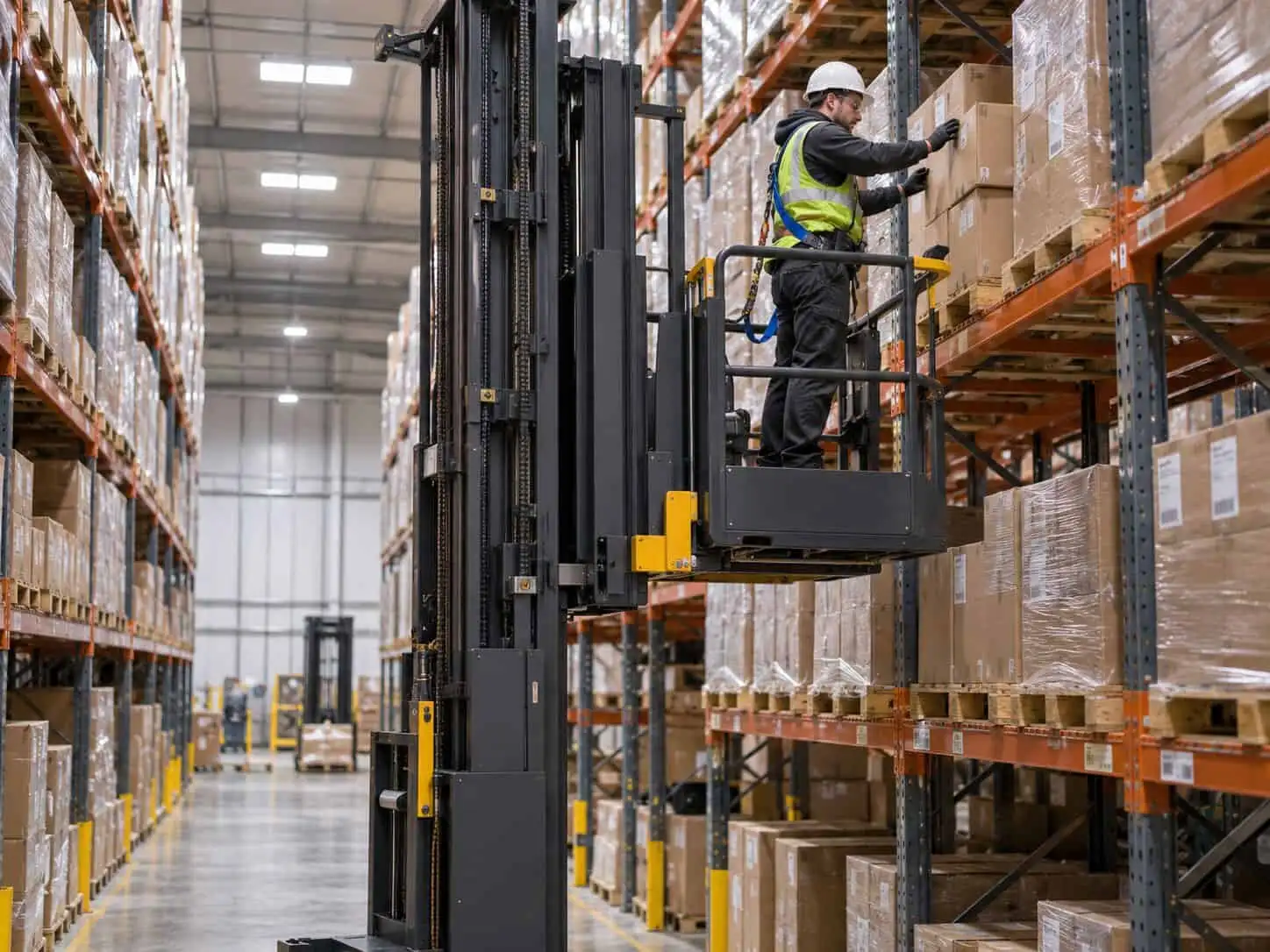
The comparison comes down to where the operator is standing when the load is at height.
| Comparison point | LF licence | LO licence |
|---|---|---|
| Operator position | Stays at ground level | Rises with the load carriage |
| Machines covered | Counterbalance, reach truck, high reach | Order picker, stock picker, turret truck |
| Typical work | Moving and stacking full pallets | Picking cases and items from racking at height |
| Working at height | No | Yes, with fall protection obligations |
| Covers the other class? | No. SafeWork NSW states LF is not for an order picking forklift truck | No |
Which Licence Do You Need for Your Machine?
Map the machine to the class before you map the operator to the machine. The table below covers the equipment in a typical Australian warehouse.
| Machine | Licence class | Note |
|---|---|---|
| Counterbalance forklift | LF | Operator seated at ground level |
| Reach truck | LF | Forks extend, operator does not |
| High reach forklift | LF | Height alone does not trigger LO |
| Order picker, high level | LO | Operator platform elevates with the load |
| Turret truck (very narrow aisle) | LO | Operator elevates in most configurations |
| Order picker, low level | Generally none | Operator stays at floor level, so the LO trigger is not met. Confirm the specific machine |
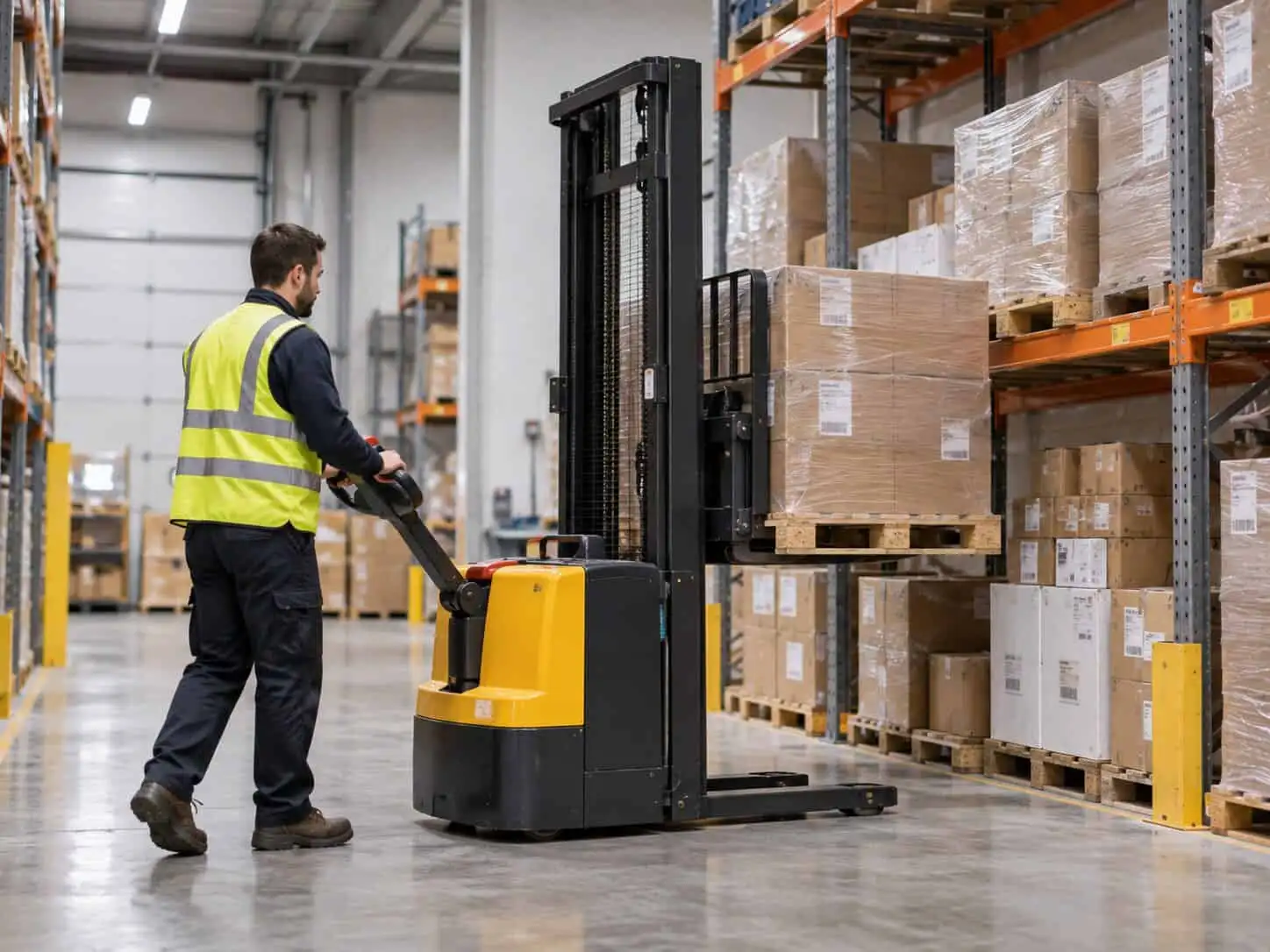
| Walkie stacker | Generally none | Pedestrian-operated, and pedestrian-operated trucks are excluded from the LF definition |
| Electric pallet jack | Generally none | Pallet trucks are excluded from the LF definition |
| Manual pallet jack | None | Not a powered industrial truck |
The rows marked “generally” are the ones to check rather than assume. WorkSafe Queensland’s LF definition excludes pedestrian-operated trucks and pallet trucks, which is why an electric pallet jack or a walkie stacker normally sits outside the licence entirely, but the exclusion is a definition rather than a blanket exemption and configurations vary. Confirm the specific machine with your state regulator before you roster anyone onto it.
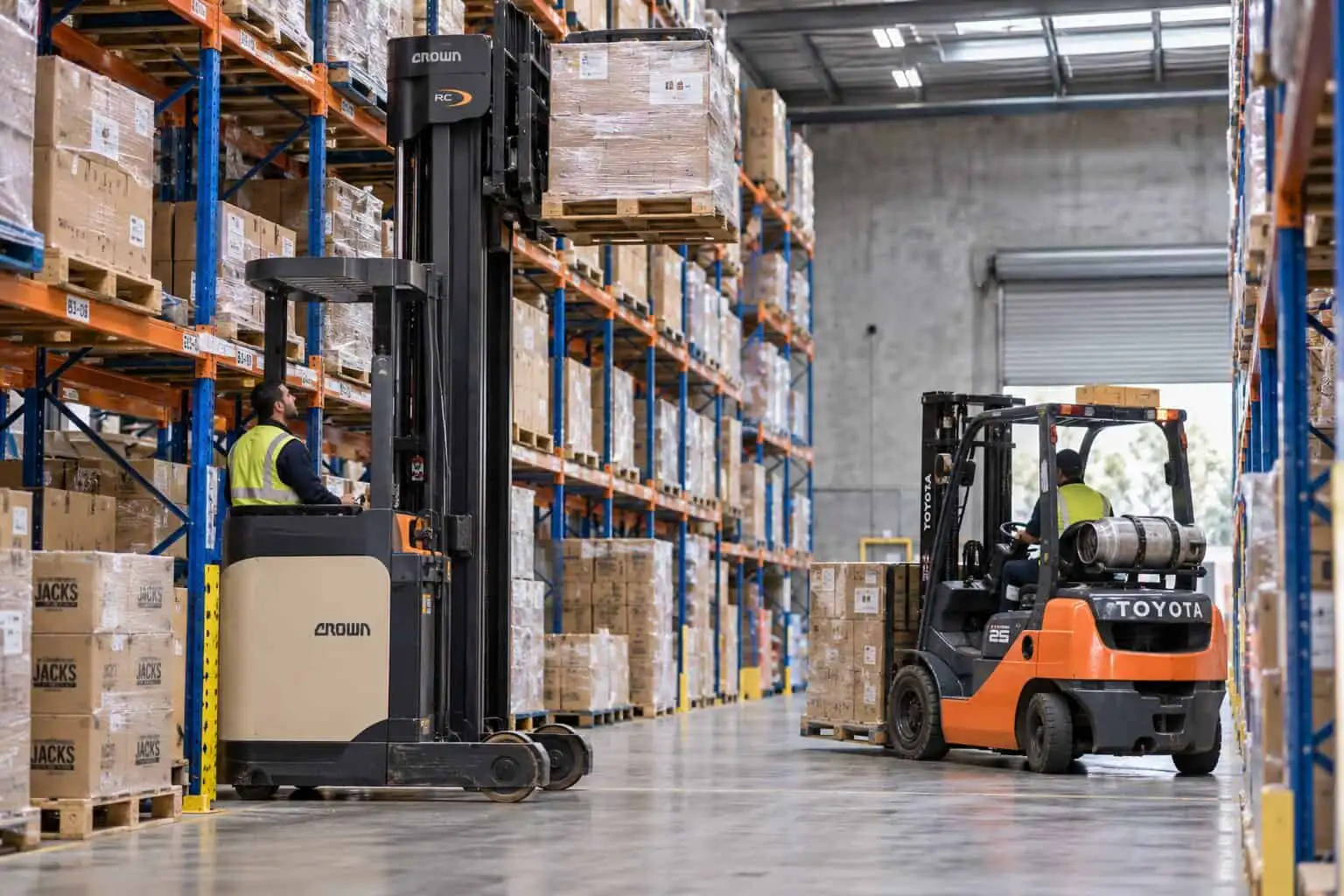
The practical consequence for a mixed fleet is that one licence class rarely covers the floor. A reach truck and an order picker look similar from across a warehouse and sit in different classes, so a business running both needs both tickets represented and needs to know which operators hold which.
Can You Operate an Order Picker on an LF Licence?
No. LO is a separate licence class, not an extension of LF, and SafeWork NSW states plainly that the LF class is not for an order picking forklift truck.
This is the most common misconception in the whole area, and it usually shows up when an experienced operator moves onto a new machine. Twenty years of counterbalance work does not license someone to run a high-level order picker, because the assessment covers a different set of hazards. They need to complete it and hold the separate class.
It runs the other way too. An LO licence does not cover a counterbalance forklift. The two classes are assessed separately because the machines behave differently and the hazards are different.
What Else Do You Need Besides the Licence?
The licence is the floor, not the ceiling. Three obligations sit alongside it and none of them is covered by holding the ticket.
- Fall protection on elevating platforms: an operator working at height on an order picker needs a harness and a rated anchor point on the machine, and that anchor point needs inspecting like any other height safety equipment. Confirm the current requirement with your state regulator, because this sits under working-at-height duties rather than under the licence itself.
- Attachment-specific training: WorkSafe Victoria requires that forklift operators receive information, training or supervision for each attachment they use. A licence covers the machine, not the clamp, rotator or jib fitted to it.
- Site familiarisation: aisle widths, floor condition, pedestrian routes and racking heights vary by site, and a licence assesses competence on the machine rather than knowledge of your building.
How to Get an LF or LO Licence in Australia
Both classes follow the same path, and getting a forklift licence in Australia runs the same way for LF and LO beyond the assessment itself: training and assessment through a registered training organisation, then the licence issued by your state regulator. Buy A Fork does not provide licence training, so the RTOs are where that conversation belongs.
- Choose the class you need using the machine table above.
- Book training and assessment with a registered training organisation that delivers that class.
- Complete the assessment and receive the statement of attainment.
- Apply to your state regulator for the high risk work licence.
An operator who needs both classes usually sits them together, which is cheaper and faster than coming back for the second one later.
Frequently Asked Questions
1. What is LF and LO forklift?
LF and LO are the two Australian high risk work licence classes for forklifts. LF covers a forklift truck with a mast and elevating load carriage where the operator stays at ground level. LO covers an order picking forklift truck where the operator’s controls elevate with the load carriage.
2. What does LO stand for in forklift?
LO is the licence class code for an order picking forklift truck. SafeWork NSW defines it as covering machines where the operator’s controls are incorporated into the load carriage and elevate with it, which is what separates it from the LF class.
3. What is an LO order picker?
An LO order picker is a warehouse forklift where the operator rides up with the load to pick individual cases and items from racking. WorkSafe Queensland notes these machines are generally referred to as stock pickers, and turret trucks used in very narrow aisle work fall into the same licence class.
4. Do you need a licence to drive a walkie stacker or pallet jack in Australia?
Generally no. WorkSafe Queensland’s forklift truck definition excludes pedestrian-operated trucks and pallet trucks, so these machines sit outside the LF class. Operators still need training and supervision, and you should confirm the position for your specific machine with your state regulator.
5. Is an LO licence harder to get than an LF licence?
They are separate assessments rather than one being a step up from the other. The LO assessment covers working at height and platform operation, which the LF assessment does not, so an experienced LF operator still has new material to cover.
6. Does an LF licence cover a reach truck?
Yes. A reach truck keeps the operator at ground level while the forks extend, so it sits within the LF class rather than LO. Height alone does not move a machine into the LO class: the trigger is whether the operator’s controls elevate with the load.
Matching Licences to Your Fleet
Check what your crew is already licensed for before you buy a machine, not after it arrives. Buying an order picker into a team that holds only LF licences means the machine sits idle until someone completes an LO assessment, and that is a delay worth knowing about at the quoting stage rather than the delivery stage.
It occasionally changes the buying decision entirely. If the picking is happening from the first two levels, a walkie stacker may do the job with no licence obligation at all, which is a cheaper answer in more than one way. What you are picking and how high you are picking it settles both questions at once, and our team in Somerton can work through the machine and the licence class together before you commit to either.