
Tips for Inspecting Forklift Brakes Before Buying
· Updated
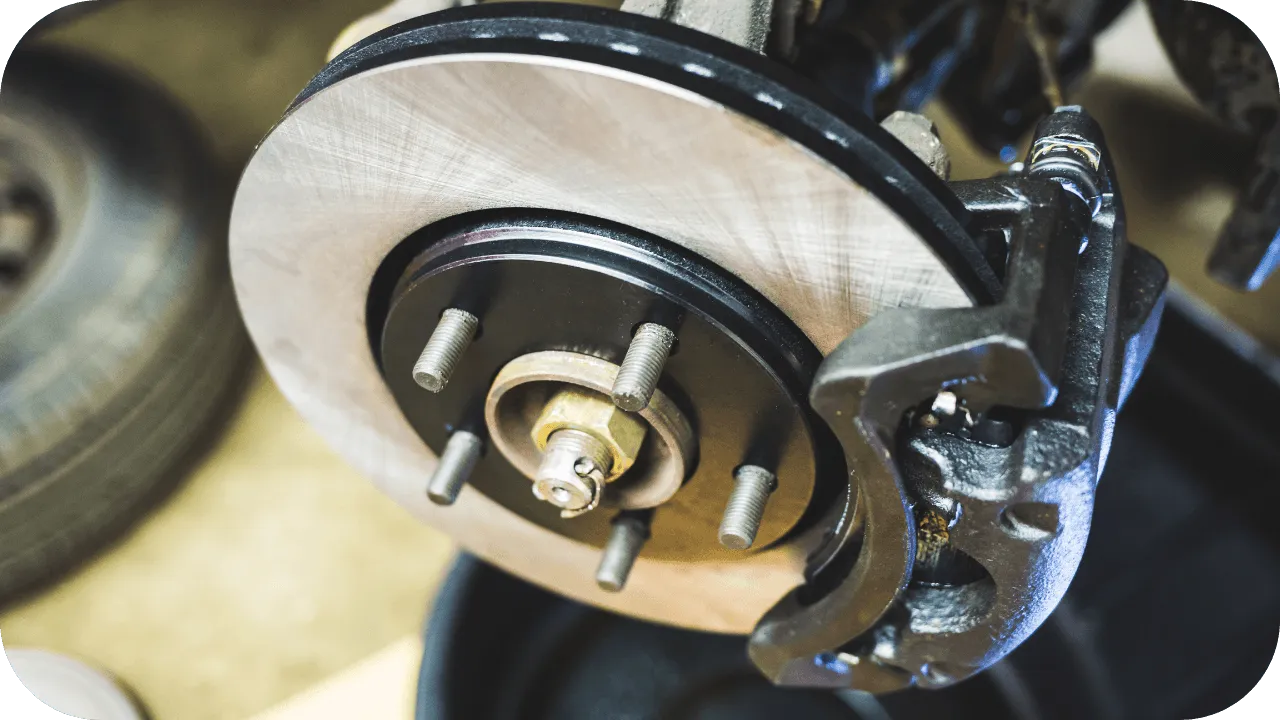
When buying a forklift, ensuring its brakes are in top condition is crucial for safety and performance. Faulty brakes can lead to costly repairs or accidents down the line. How can you be sure the brakes are up to standard before purchasing?
This guide will provide essential tips for inspecting forklift brakes, from visual checks to functional tests. Stay informed and make a confident, safe decision when investing in your next forklift.
1. Inspect the Brake Lines and Hoses
Brake lines and hoses are crucial for transferring brake fluid throughout the system.
Inspect these components for signs of wear, cracks, or leaks. Any damage to the lines or hoses can result in fluid loss, leading to brake failure.
Ensure the hoses are not bulging or cracked, which could cause them to rupture under pressure.
Regularly inspecting these components helps maintain brake system integrity and prevent safety hazards due to fluid leakage or loss.
2. Inspect Brake Pads and Shoes for Wear
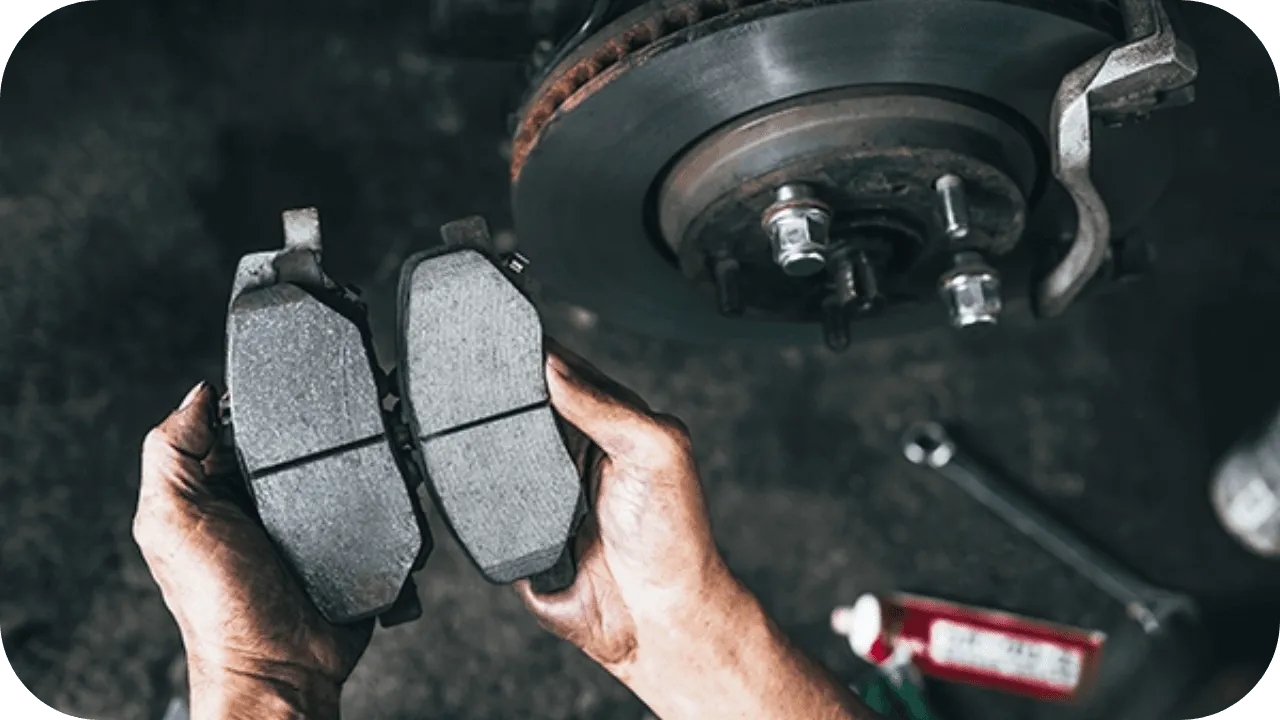
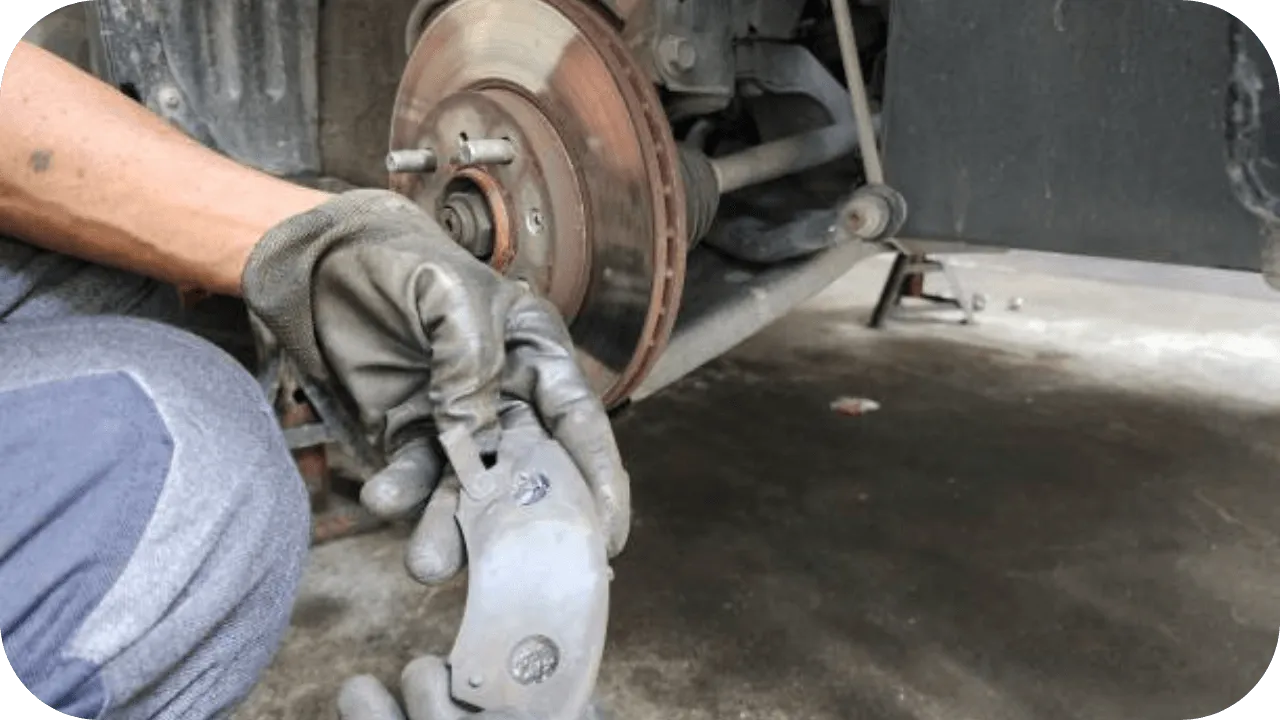
Brake pads and shoes are essential components that wear down over time. Check them for uneven wear or thinning, as these are signs they may need replacing.
Uneven wear could indicate misalignment or issues with the braking system, affecting performance. Examine the thickness of the pads or shoes; if they are below the manufacturer’s recommended level, replacement is necessary.
3. Test the Brake System for Proper Function
A proper brake system test is crucial to ensure the forklift operates safely. Perform a test by driving the forklift at a low speed and applying the brakes. The brakes should respond immediately and evenly, without any pulling or dragging.
If the forklift veers to one side or the brakes feel unresponsive, it could indicate a problem with the braking system, such as uneven pad wear or hydraulic issues. Testing ensures the system functions as intended and provides reliable stopping power.
4. Examine Brake Fluid Levels and Condition
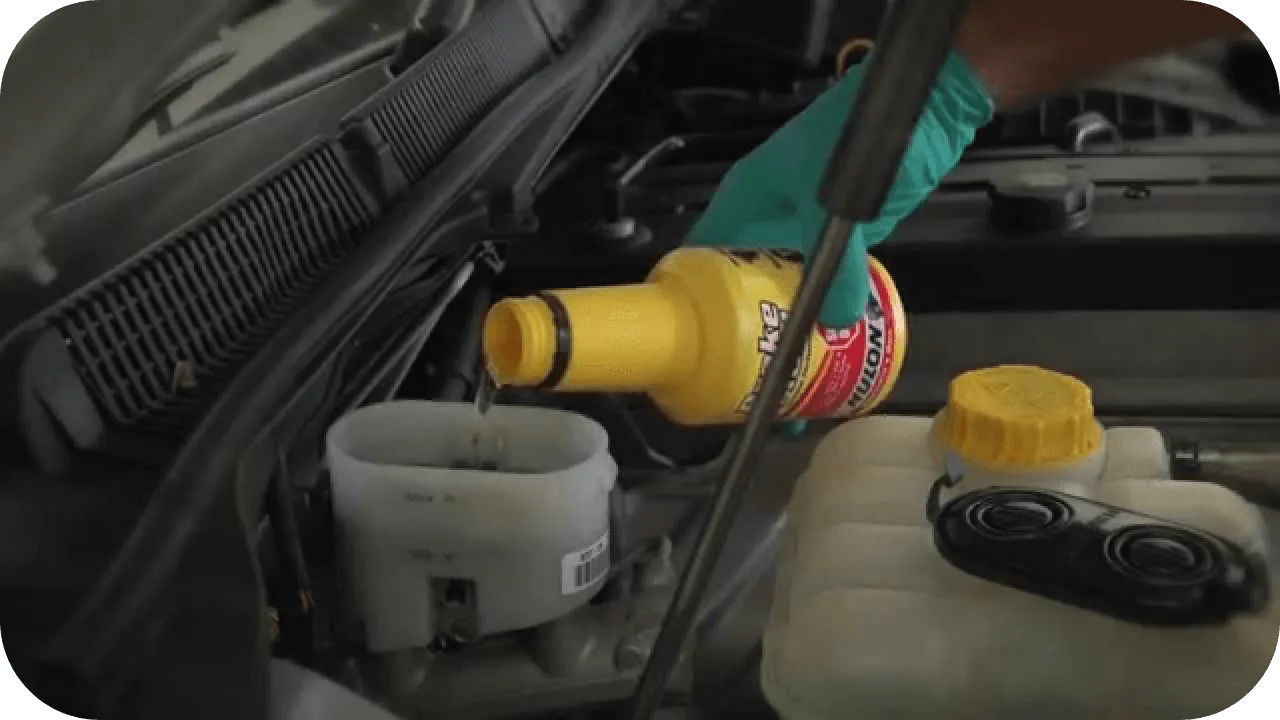
Brake fluid plays a vital role in transmitting force throughout the brake system. Check the fluid level regularly to ensure it falls within the recommended range. Low brake fluid may indicate a leak or worn-out brake components.
Assess the condition of the fluid in addition to the level; it should be clear or slightly amber. Dark or contaminated fluid can compromise braking efficiency, leading to potential failure. Replacing contaminated brake fluid helps maintain optimal braking performance.
5. Look for Unusual Sounds or Vibration During Operation
Unusual sounds or vibrations when applying the brakes can signal potential system issues. A squealing or grinding noise may indicate worn-out brake pads or debris trapped in the brake components.
Vibrations could suggest warped brake discs or drums. If left unchecked, these issues can reduce braking effectiveness and possibly damage the system.
Always listen for odd sounds during operation and address them promptly to maintain the forklift’s stability and safety.
6. Check Brake Pedal Feel and Response
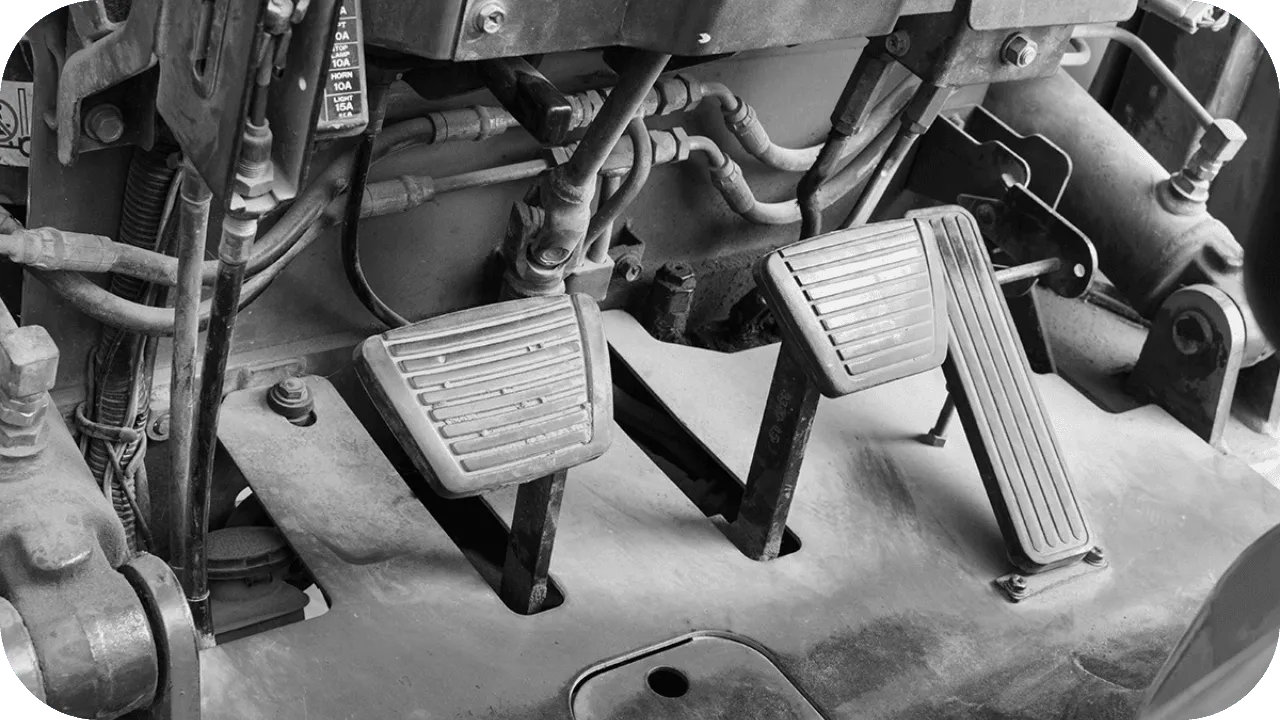
When inspecting a forklift’s brakes, pay close attention to the brake pedal’s feel and response. Press the pedal and observe if it feels firm and consistent, indicating a healthy brake system.
A spongy or soft pedal could suggest air in the brake lines or worn-out components, compromising braking efficiency.
Ensure the pedal engages smoothly without excessive travel or sudden resistance. A well-functioning brake pedal is crucial for maintaining control and safety during operations.
7. Verify the Condition of the Master Cylinder and Calipers
The master cylinder and brake calipers are vital components of the braking system. Inspect the master cylinder for leaks or corrosion impairing brake fluid pressure.
Check the brake calipers for proper function and alignment. Misaligned calipers can cause uneven braking. Ensure the pistons move freely within the calipers to prevent sticking or drag.
A well-maintained master cylinder and calipers ensure reliable braking and prevent costly repairs in the future.
8. Check for Brake Fluid Leaks and Contamination
Brake fluid leaks are a serious safety concern and must be addressed immediately. Inspect the entire brake system for any signs of fluid leakage, particularly around the master cylinder, brake lines, and wheel cylinders.
Contaminated brake fluid can affect the system’s performance, so ensure the fluid is free from dirt, moisture, or foreign particles.
Leaks or contamination can lead to brake failure, so regular checks are essential for maintaining safety and operational efficiency.
9. Inspect the Brake Drums or Discs for Damage
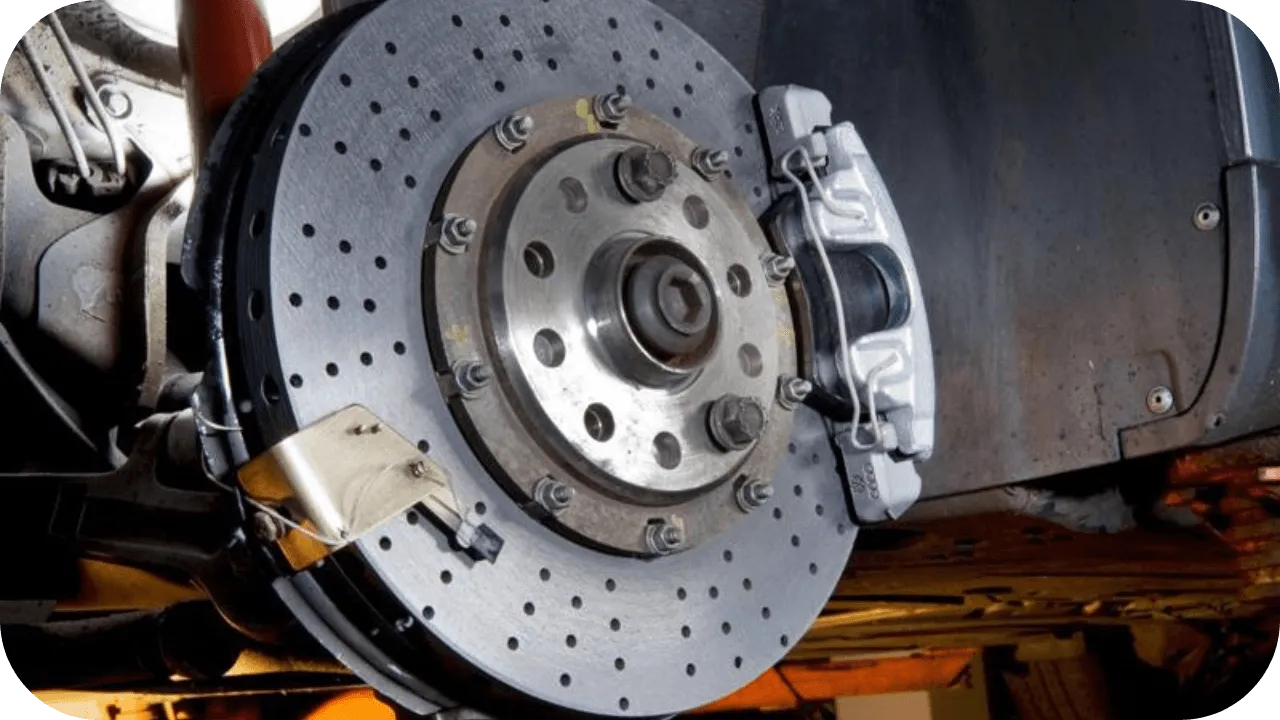
Brake drums or discs are subjected to constant friction, leading to wear and potential damage. Inspect them for any visible cracks, scoring, or warping that affects braking performance.
Uneven surfaces or damage may cause the brakes to work inefficiently or make them more prone to failure.
Replacing worn-out or damaged brake drums or discs ensures that the forklift’s brakes provide reliable stopping power and reduces the risk of accidents due to inadequate braking.
10. Evaluate the Age and History of the Forklift Brake System
The age and history of the forklift brake system can provide valuable insights into its overall condition. A forklift with a well-maintained, regularly serviced brake system will perform better than one neglected.
Check the forklift’s maintenance records to see if the brakes have been inspected and serviced regularly.
A well-documented brake history can help you assess whether the forklift is a safe investment or if major repairs are likely soon.
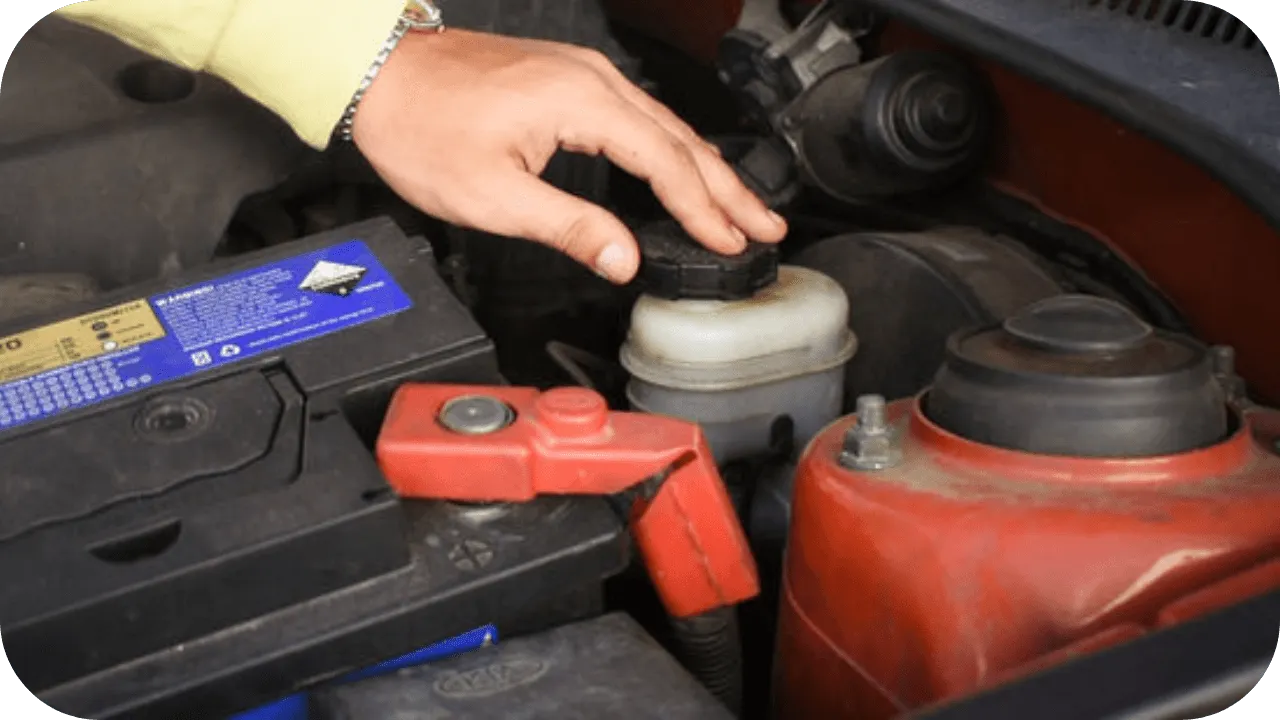
11. Assess the Brake Fluid Reservoir and Cap
The brake fluid reservoir should be inspected for proper fluid levels and to ensure the container is free of cracks or damage.
The cap should seal tightly to prevent moisture or contaminants from entering the fluid. Moisture in brake fluid can lead to corrosion and reduced braking efficiency.
A well-maintained brake fluid reservoir and cap help maintain the brake system’s overall health and prevent contamination, ensuring safe and effective braking performance.
12. Look for Signs of Brake Fade
Brake fade occurs when the braking system loses effectiveness due to overheating, often caused by prolonged or excessive braking.
If you notice that the forklift takes longer to stop or the brakes feel less responsive during heavy use, it could indicate brake fade.
Worn-out brake components, insufficient brake fluid, or improper brake system design can cause this.
13. Check Brake Performance During Reverse Operation
Brake performance should be assessed during all forklift operations, including reverse. While reversing, apply the brakes gently to ensure they respond promptly and evenly.
Poor brake response when reversing could indicate issues such as brake imbalance or air in the brake lines. Since reverse operations often require precise control, ensuring proper brake performance is essential for safety.
A reliable braking system during reverse operations helps maintain full control and prevents accidents or damage to equipment.
The Role of Professional Inspections in Forklift Brake Safety
Ensuring your forklift’s brake system is in top condition is essential for safety and performance. While basic checks are helpful, they might not catch more complex issues that could compromise your forklift’s functionality. This is where professional inspections come in.
- Expertise in Identifying Subtle Issues: Professional technicians have the knowledge and tools to identify brake problems that may not be visible during a basic inspection, such as uneven wear or internal component issues.
- Specialised Equipment: Trained experts use diagnostic tools to assess brake performance accurately, ensuring that components like brake pads, rotors, and fluid levels are within the required standards.
- Simulated Operational Testing: Professionals can test the brakes under real-world conditions, revealing any performance issues that may not be apparent during a stationary check.
- Prevention of Costly Repairs: A professional’s early identification of brake problems can prevent expensive repairs or replacements in the future, saving money in the long term.
- Enhanced Safety and Compliance: A certified inspection ensures that the forklift meets safety regulations, reduces the risk of accidents in the workplace, and is compliant with industry standards.
- Peace of Mind: Relying on expert evaluations provides confidence that your forklift’s braking system is reliable and safe for operation, safeguarding your investment and workplace safety.
- Compliance with Legal Requirements: Professionals ensure that the forklift’s braking system meets all legal safety requirements, reducing the risk of fines or penalties for non-compliance.
- Optimising Brake Longevity: Regular professional inspections help maximise the lifespan of forklift brake systems by ensuring components are maintained and serviced appropriately.
- Accurate Performance Metrics: Professional inspections provide precise data on brake performance, enabling more informed decisions about whether repairs or replacements are necessary.
Why Choose Buy A Fork for Your Forklift Purchase
When purchasing a forklift, you want to make the right investment for your business. At Buy A Fork, we make that decision easy with a commitment to quality, reliability, and exceptional service. Here’s why we’re the top choice for your forklift needs:
- Quality Pre-Owned Forklifts: We offer high-quality pre-owned forklifts with a 6-month service warranty, ensuring peace of mind with every purchase.
- Thorough Inspections: Each forklift undergoes rigorous inspections to meet safety and performance standards, ensuring reliable operation.
- Fast, Same-Day Delivery: We provide same-day and free local delivery within 10km, making the process quick and convenient.
- Exclusive Offer: Purchase a forklift and receive a free pallet jack (valued at $499), adding excellent value to your purchase.
- Expert Advice: Our experienced team offers specialist advice to help you select the perfect forklift for your needs, ensuring an informed buying decision.
- Outstanding Customer Service: We are committed to providing excellent customer support and ensuring a smooth and professional purchasing experience.
- Reliable and Safe Forklifts: With our focus on quality and safety, you can trust that your forklift will be trustworthy and ready for use in your operations.
Conclusion
Inspecting forklift brakes before purchasing is crucial for safety, reliability, and long-term performance. Following these tips ensures that you’re making a sound investment.
If you’re ready to buy a quality forklift confidently, choose Buy A Fork for expertly inspected, reliable equipment and excellent customer service. Contact us today to find the perfect forklift for your business needs.