
What Is My Forklift Worth? How Trade-In Values Are Worked Out
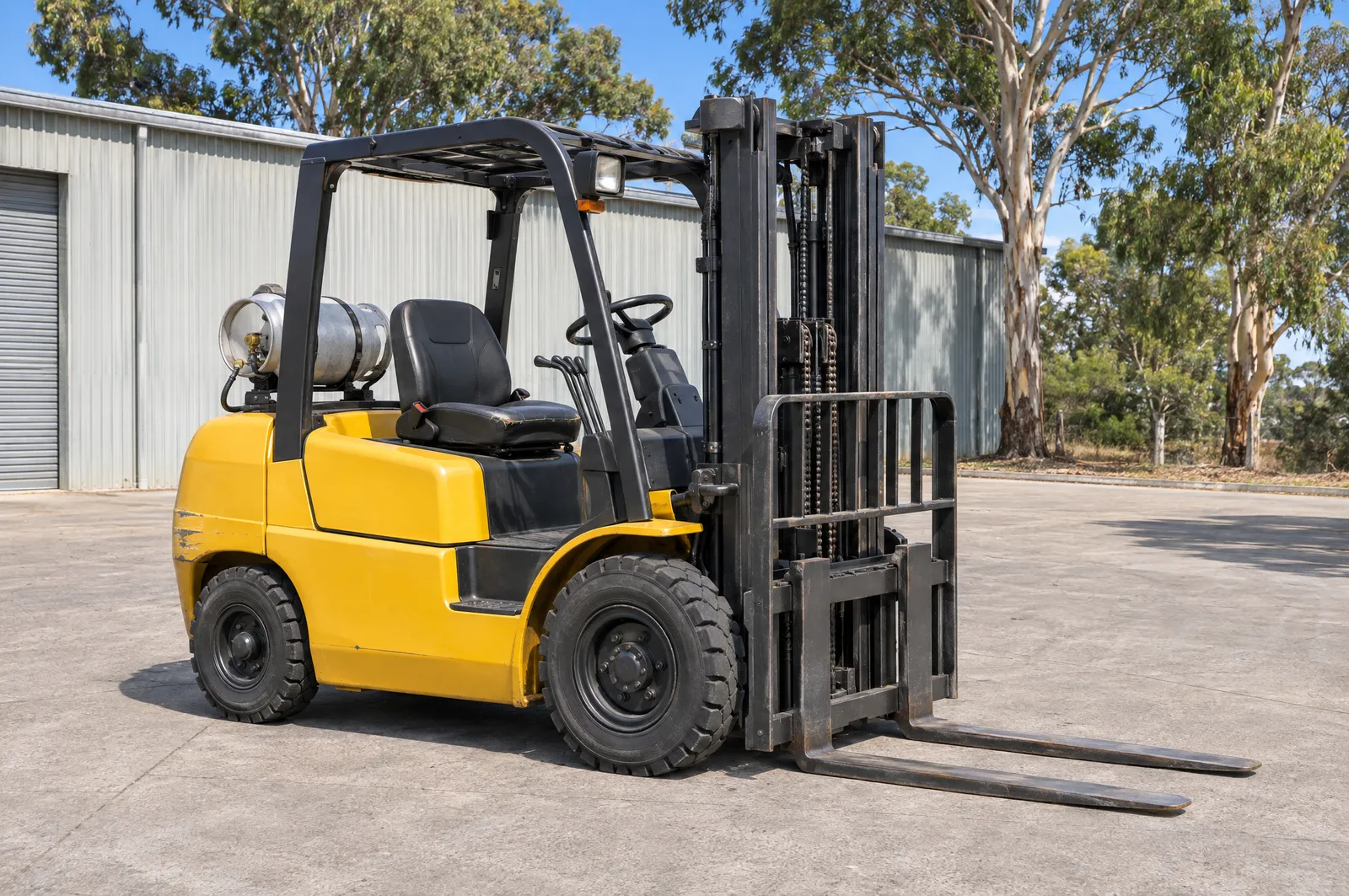
You're upgrading, and the first number you need is what the old forklift will take off the next one. So how much is my forklift worth as a trade-in? It's what a dealer expects to resell it for, less the cost and risk of getting it ready. Hours, condition, service history, the mast, tyres and battery decide that cost. Brand, spec and demand decide the resale price.
Buy A Fork sells mostly used forklifts and takes trade-ins against them, so this guide is written from the buying side of the counter.
How Much Is My Forklift Worth as a Trade-In?
Your forklift's trade-in value starts with what comparable used machines sell for, then comes down for everything the dealer has to fix, service and stand behind before resale. Comparable means the same make, capacity, power type and mast, at similar hours. That's why two forklifts of the same age can be worth very different amounts.
A trade-in figure sits below the retail price of a similar truck on a yard. The gap covers the dealer's inspection, repairs, servicing and paint, the warranty it will put on the machine, the time it sits in stock, and a margin. A private sale skips some of those costs, but you take on finding the buyer and handling the sale.
These are the factors behind most forklift valuations:
| Factor | What the Dealer Checks | Raises the Figure | Lowers the Figure |
|---|---|---|---|
| Hours | The meter reading and whether it can be trusted | Low hours backed by service records | High hours, or hours that can't be confirmed |
| Age and model | Year, model series and parts supply | A recent model with parts easy to get | An old model with parts hard to source |
| Brand | Local parts and service support | A brand with established local support | A brand few Australian workshops support |
| Condition | Leaks, damage, how it drives and lifts | Dry, straight, drives and lifts smoothly | Leaks, smoke, structural damage, warning lights |
| Mast, forks and tyres | Chains, rollers, cylinders, fork and tyre wear | Tight mast, forks and tyres with life left | Worn chains, leaking cylinders, tyres at the limit |
| Battery (electric) | Age, test results, the charger | A healthy battery with its matching charger | A battery near the end of its life |
| Service history | Invoices and inspection records | Regular servicing on record | No records at all |
| Demand | How many buyers want that spec | A common capacity, mast and power type | An unusual spec that suits few buyers |
Hours and Age
Hours are the first number a dealer asks for, because they show how hard the truck has worked. Where the reading sits against low and high forklift hours for that type of truck matters more than the raw number, since an electric and an LPG truck wear differently.
Age matters for a different reason. An older model can have low hours and still be worth less if parts are slow or expensive to get, because the dealer carries that risk once it's sold.
The figure also drops when the hours can't be trusted. If the hour meter has been replaced or a display has failed, say so up front and have the invoice for the new meter ready. A reading the dealer can't confirm gets valued as if it's higher.
Brand, Model and Parts Support
Brand affects value mainly through parts and service: a buyer pays more for a truck they know they can keep running. Forklifts from makers with dealer networks and parts supply in Australia are easier to resell, so they tend to hold a better trade-in figure than a brand few local workshops will touch.
Within a brand, the model and series matter too. A current series shares parts and know-how with newer trucks; a discontinued one may need parts brought in from overseas.
Condition, Mast and Tyres
Condition is where most of the reconditioning cost hides, and the dealer will price every fault they find as a repair bill. They'll start the truck cold, drive it, lift a load, and look underneath.
- Mast: worn or stretched chains, worn rollers, play in the mast channels, and leaks from the lift or tilt cylinders.
- Forks: cracks, bends and heel wear. Forks worn past the fork wear limits need replacing before resale, so the cost comes straight off.
- Tyres: worn to the limit, chunked or flat-spotted tyres mean a new set, which is a real cost on any truck.
- Engine and transmission: on LPG and diesel trucks, smoke, hard starting, oil leaks and a transmission that slips or bangs into gear.
- Frame and overhead guard: bent or cracked steel is a safety issue, not a cosmetic one.
Paint and seat wear matter far less than these. A tidy-looking truck with a leaking mast is worth less than a scruffy one that's mechanically sound.
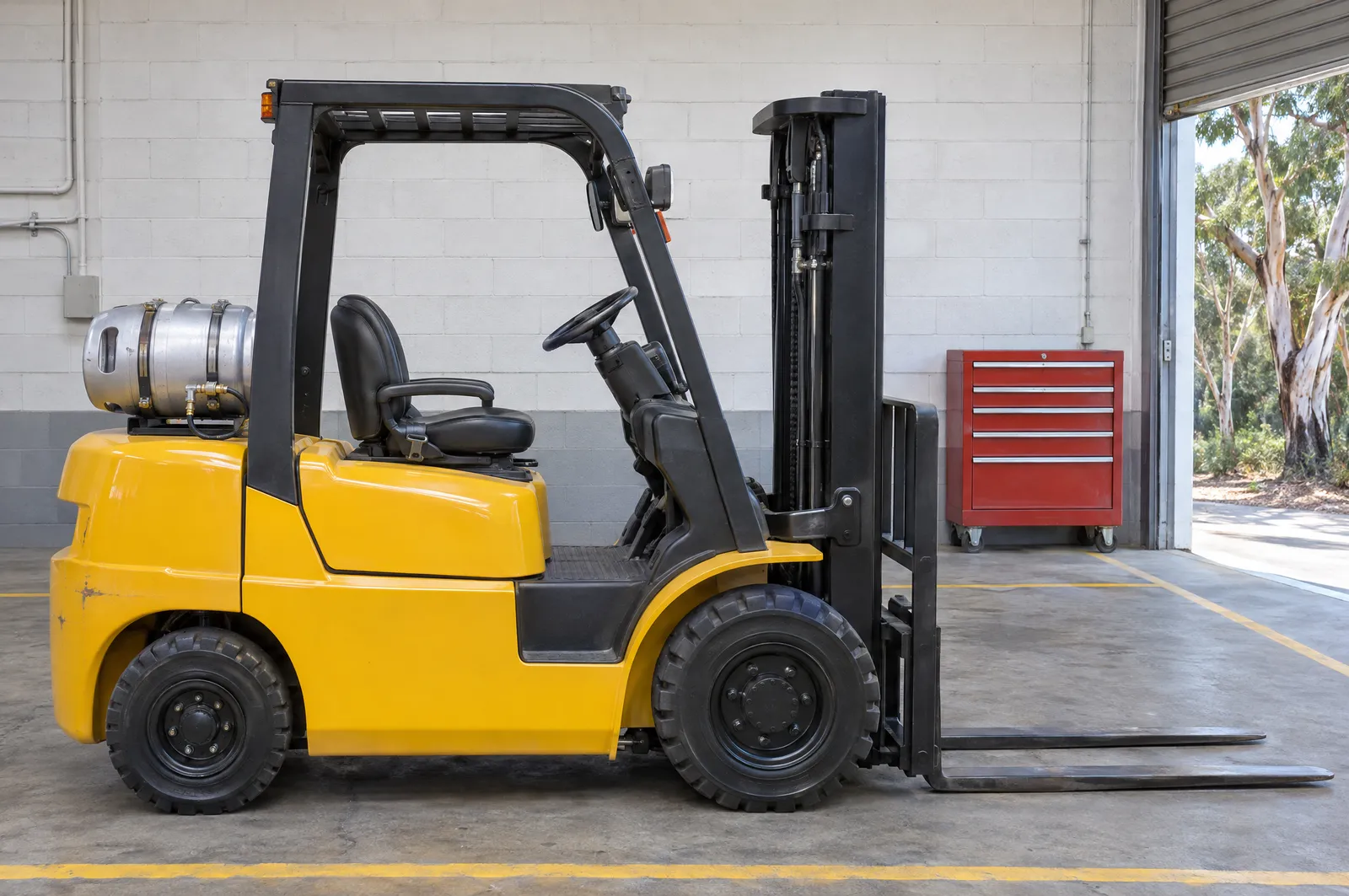
Service History and Paperwork
A full service history raises a trade-in figure because it replaces guesswork with records. WorkSafe Victoria's guidance on forklift maintenance and inspection says inspection and maintenance records should show any defects and the work done to fix them, and those same records are what a buyer wants to see.
Gather these before you ask for a figure:
- Service invoices: dates, hours at each service, and the work done.
- Repair records: major work such as a mast rebuild, new tyres or a new battery, with dates.
- The data plate: it should be present, readable and match the truck.
- Attachment details: a side shift, fork positioner or other attachment adds value only if it's set up correctly. WorkSafe Victoria's guidance on forklift attachments says the information plate needs to show the forklift's rated capacity with that attachment fitted.
If one workshop has looked after the truck, ask them for a printout of its history. Buy A Fork offers servicing and repairs for all makes and models, so a truck that's due can get a fresh service record before you ask for a figure.
Battery Health on Electric Forklifts
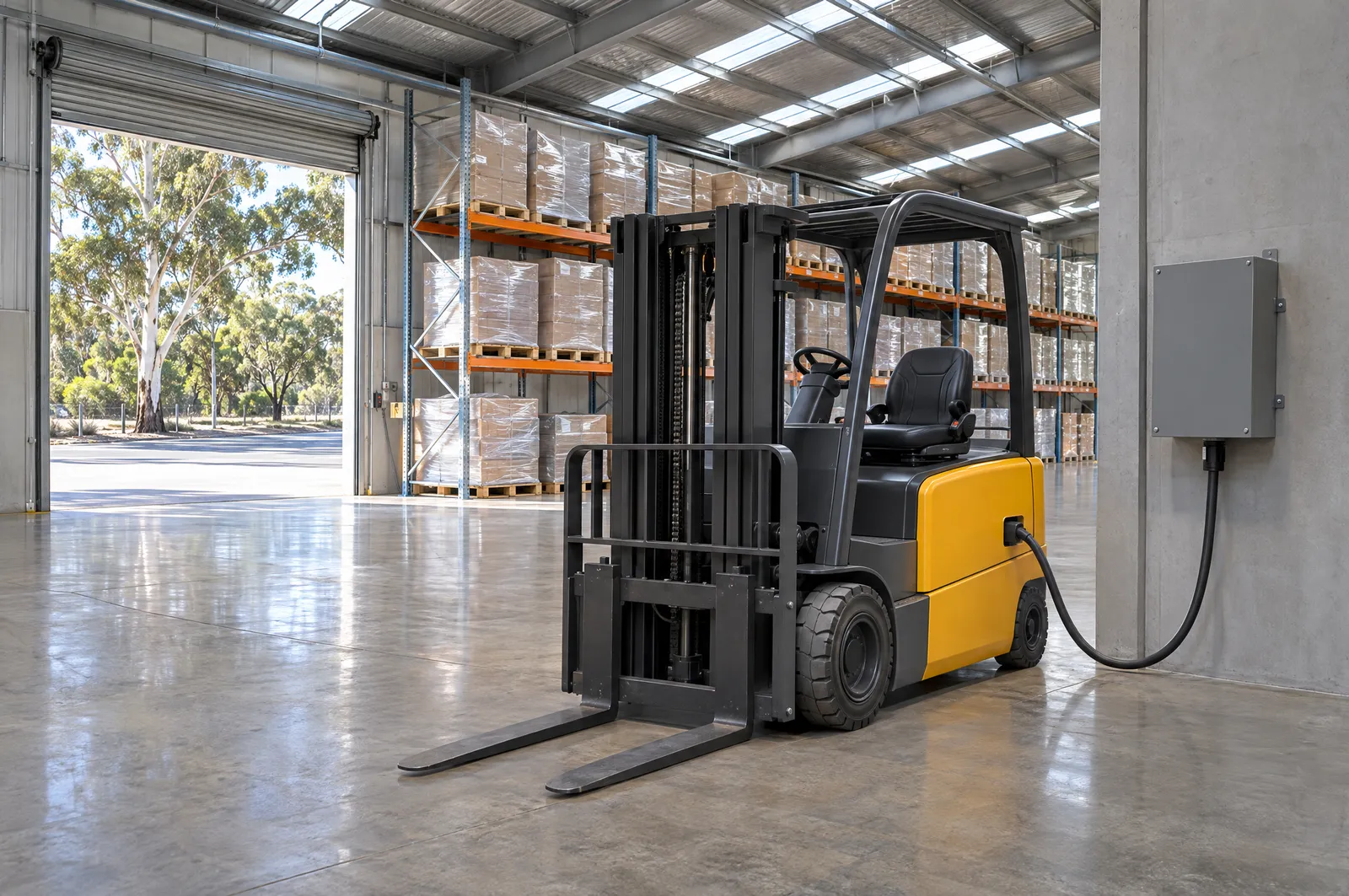
On an electric forklift, the battery's condition matters a lot, because a battery near the end of its life gets valued at what it costs to replace. Forklift battery prices vary with voltage, capacity and chemistry, so a tired battery in a big truck takes more off the figure than one in a small truck.
What a dealer will want to know:
- Battery age: the date it was made or fitted, from the battery's plate or the invoice.
- How it performs: whether it still gets through a full shift, and any discharge test results.
- Its history: watering records for lead-acid batteries, and any cells replaced.
- The charger: whether it's included, matches the battery and works.
A lithium-ion battery is valued on its age and condition too. Have its details and any warranty paperwork ready.
Market Demand: Who Will Buy It Next
A dealer prices a trade-in on how quickly it can resell it, so a spec that suits many buyers is worth more than an unusual one in the same condition. Capacity, mast type and lift height, power type, tyres and attachments all decide how many buyers it suits.
A standard counterbalance setup suits a lot of warehouses and yards, so it tends to find a buyer sooner. A truck with a very high mast, an unusual attachment or a heavy capacity can be a better machine, yet suit fewer buyers, and the figure reflects the wait for the right one.
Book Value Versus Trade-In Value
The value on your depreciation schedule is a tax figure, not the trade-in price, and the two rarely match. Tax depreciation follows the ATO's effective life rules, while a trade-in figure follows the used market.
The difference still matters at tax time. Under the ATO's rules, selling or trading in a depreciating asset is a balancing adjustment event: the amount you get for it is compared with its written-down value, and the gap can be assessable income or a deduction. Ask your accountant how the trade-in figure will be treated before you agree to it.
How to Get an Accurate Trade-In Figure
The more a dealer knows up front, the closer the first figure will be to the final one. Have these ready:
- The basics: make, model, year, serial number and power type.
- The hours: a clear photo of the hour meter.
- The spec: rated capacity, mast type and lift height, and any attachments.
- Photos: the whole truck from all four sides, the mast, the forks, the tyres and the data plate.
- Records: service invoices, repair history and battery details for an electric.
- Known faults: anything that's not working, with any repair quotes you already have.
Mention known faults up front, with any quotes, so the first figure already allows for them. If the old truck has a big repair quote against it, settle whether to repair or replace it before you spend money preparing it for a trade-in.
Get a Trade-In Figure Before You Choose the Next Forklift
Knowing what the old truck is worth tells you what you can spend on the next one. A trade-in comes off the price of a machine from the used forklift range, and finance or rent-to-own can spread the rest of the cost. The team in Somerton can talk through a trade-in on your current machine, or call 1300 057 880 with its make, model and hours.
Frequently Asked Questions
1. Can I Trade In a Forklift That Isn't Running?
Often, yes, but the figure will reflect the repair. A dealer has to allow for the cost of finding and fixing the fault, plus the risk that it's worse than it looks. A repair quote from a workshop helps them price it fairly.
2. Should I Service or Repair My Forklift Before Trading It In?
A routine service and a clean are worth doing, because they make the truck easier to inspect. A major repair rarely adds as much to the figure as it costs, so get the trade-in figure first and ask whether the repair would change it.
3. What Is the Depreciation Rate for a Forklift in Australia?
For tax, it depends on the forklift's effective life under the ATO's rules and the depreciation method your business uses, so your accountant can confirm the rate. That tax value is separate from the trade-in value, which comes from the used market.