
Forklift Speed Limits And Braking In The Warehouse
· Updated
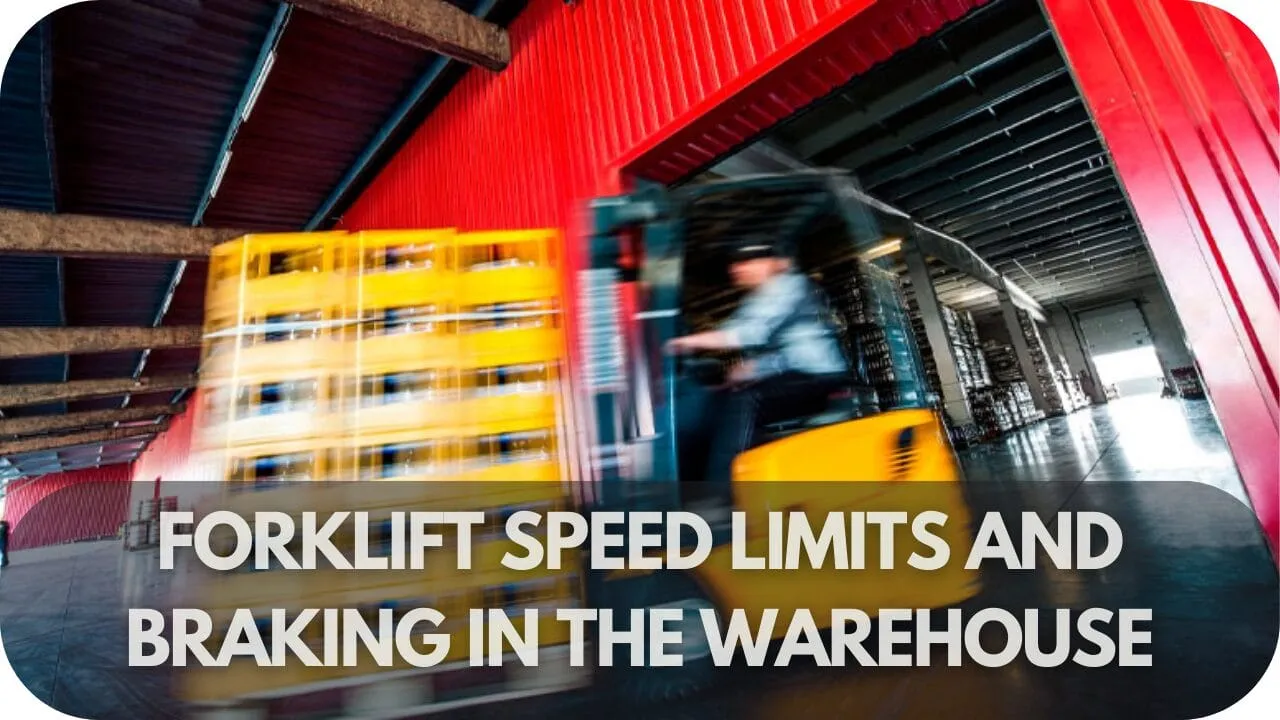
Forklift accidents can turn a thriving warehouse into a danger zone. Speeding forklifts, poor braking practices, and a lack of safety controls often lead to injuries, damaged goods, and costly disruptions. Safe speed limits and proper braking aren’t just legal obligations—they protect your workers and keep operations smooth.
Let’s go through why speed and braking matter, factors to consider, and how to build a safer work environment. Learn how your warehouse can stay productive while protecting everyone on site.
Why Forklift Speed Limits are Essential for Warehouse Safety
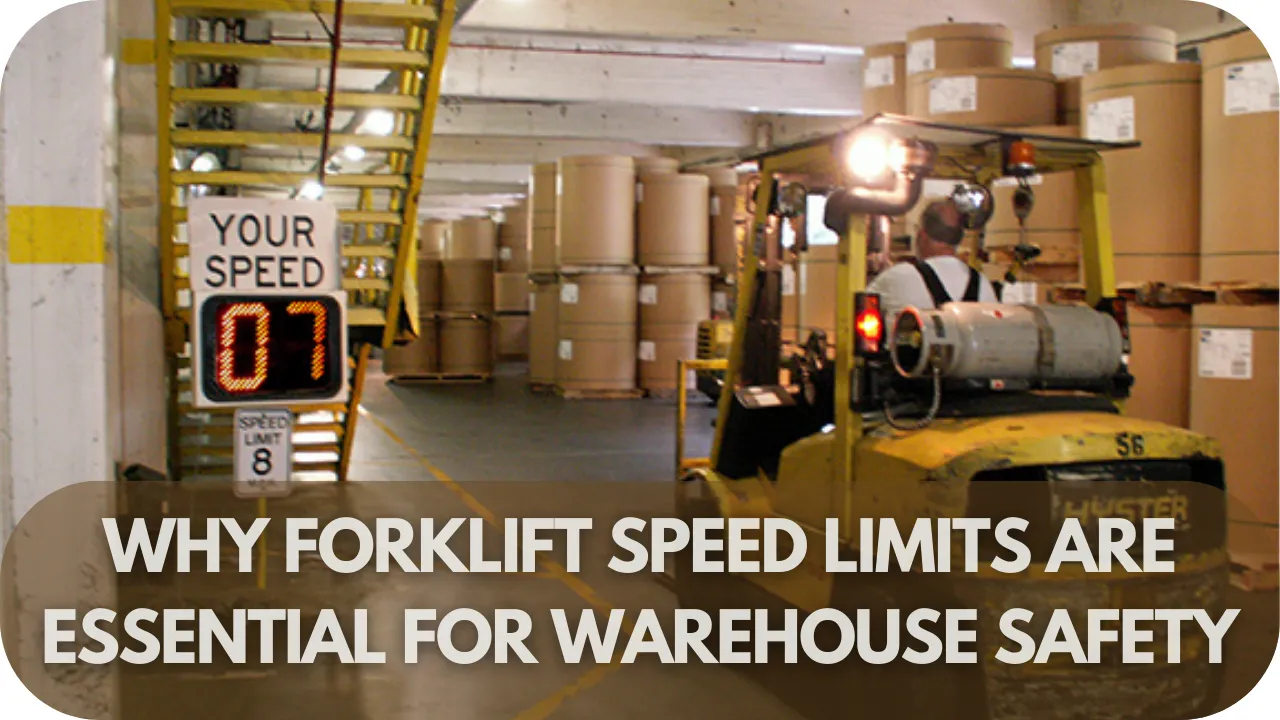
Forklift speed limits play a major role in maintaining a safe work environment. High speeds in busy warehouses increase the risk of collisions, tipping incidents, and injuries. Lowering speed helps operators stay in control, reducing the likelihood of losing balance or causing harm.
Forklift accidents often result in damage to goods, shelving, and equipment. Unnecessary speed raises the chance of costly repairs and inventory loss. Slower speeds allow operators to respond better to sudden obstacles or pedestrians.
Beyond safety, controlled speed improves workflow efficiency. Operators can focus on precision, preventing costly handling errors. Speed limits also align with workplace safety standards like Work Health and Safety (WHS), ensuring compliance while safeguarding staff.
Factors That Influence Forklift Speed and Braking Effectiveness
Several factors affect how a forklift handles speed and braking. Ignoring these can compromise safety and performance.
- Load Weight and Distribution: Heavier loads increase momentum, making it harder to stop quickly. Unevenly distributed loads can cause tipping during braking.
- Surface Conditions: Wet, slippery, or uneven warehouse floors reduce traction, increasing stopping distance and accident risks.
- Forklift Type and Maintenance: Electric forklifts often brake faster than diesel models. Regular maintenance ensures brake pads, hydraulic systems, and tyres are in optimal condition for effective stopping.
- Operator Skill and Training: Experienced operators understand how to manage speed based on load and conditions. Training plays a critical role in braking response times.
- Warehouse Layout: Narrow aisles, sharp turns, and pedestrian zones require lower speeds to stay safe. Clear signage and defined pathways reduce confusion.
How to Determine Safe Forklift Speed Limits in Your Warehouse
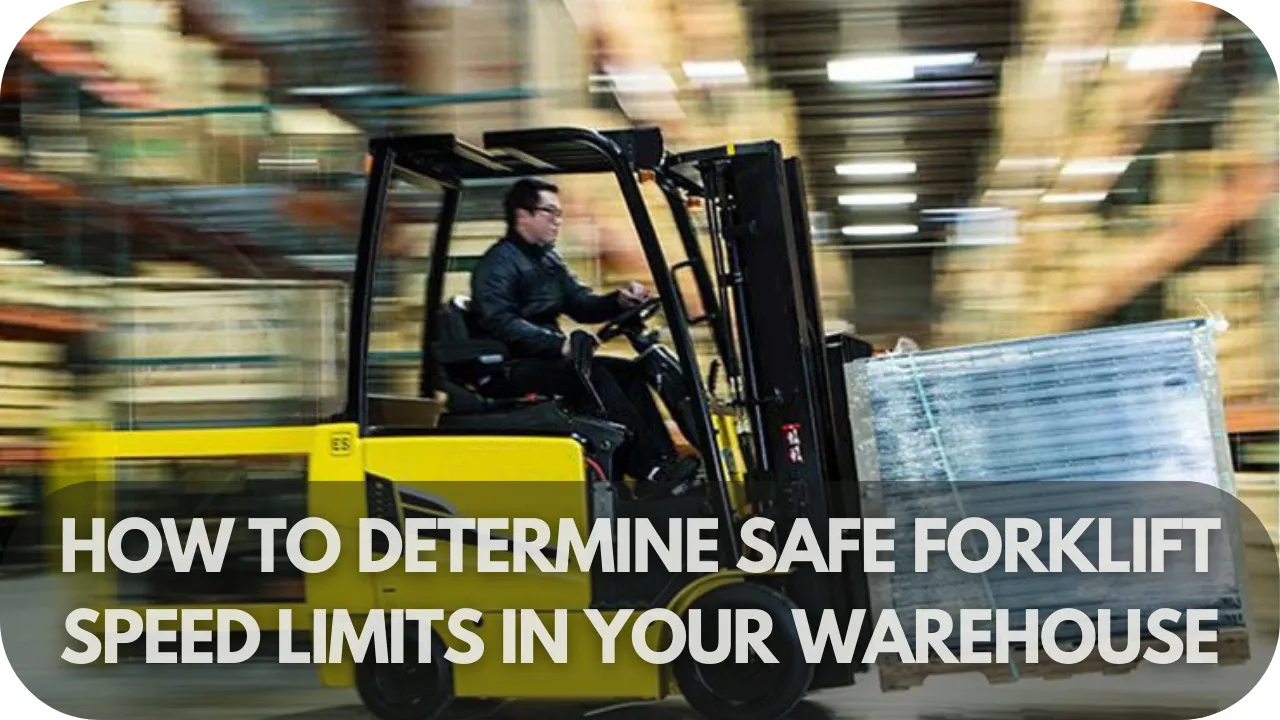
Setting safe forklift speed limits isn’t about guessing—it’s a strategic process based on warehouse layout and risk factors.
Step 1: Conduct a Risk Assessment
Start with a thorough risk assessment by identifying areas where forklifts frequently interact with pedestrians or other vehicles. Pay attention to blind spots, narrow aisles, and high-traffic areas where visibility is limited. Spaces like loading docks and pedestrian crossings typically require stricter speed control due to higher risks of accidents.
Step 2: Define Speed Zones
Establish speed zones based on risk factors and warehouse traffic patterns. Pedestrian-heavy areas may need lower speed limits compared to bulk storage zones where forklift interaction is minimal.
Pedestrian zones could have a speed limit of around 5 km/h, while open bulk storage areas may permit speeds up to 10 km/h. Speed adjustments should reflect the layout and traffic flow to ensure safety without disrupting productivity.
Step 3: Install Clear Signage and Markings

To enforce these speed zones effectively, install clear visual indicators such as speed limit signs and floor markings. Consistency across the warehouse helps operators stay aware of speed expectations and reduces confusion. Proper markings also guide both pedestrians and vehicle operators on safe movement paths.
Step 4: Use Speed-Limiting Technology
Modern forklifts often come with built-in speed-limiting technology. Geo-fencing can automatically reduce speed when a forklift enters designated high-risk zones, such as pedestrian crossings or narrow aisles. These tools help ensure compliance, even when operators are working under tight deadlines.
Step 5: Apply WHS Standards
Adhering to WHS (Work Health and Safety) guidelines is essential for maintaining a safe workplace. These standards promote speed control as a key factor in accident prevention. Following these principles reduces accident risks, keeps employees safe, and helps businesses avoid legal issues and penalties.
Forklift Braking: Techniques and Best Practices
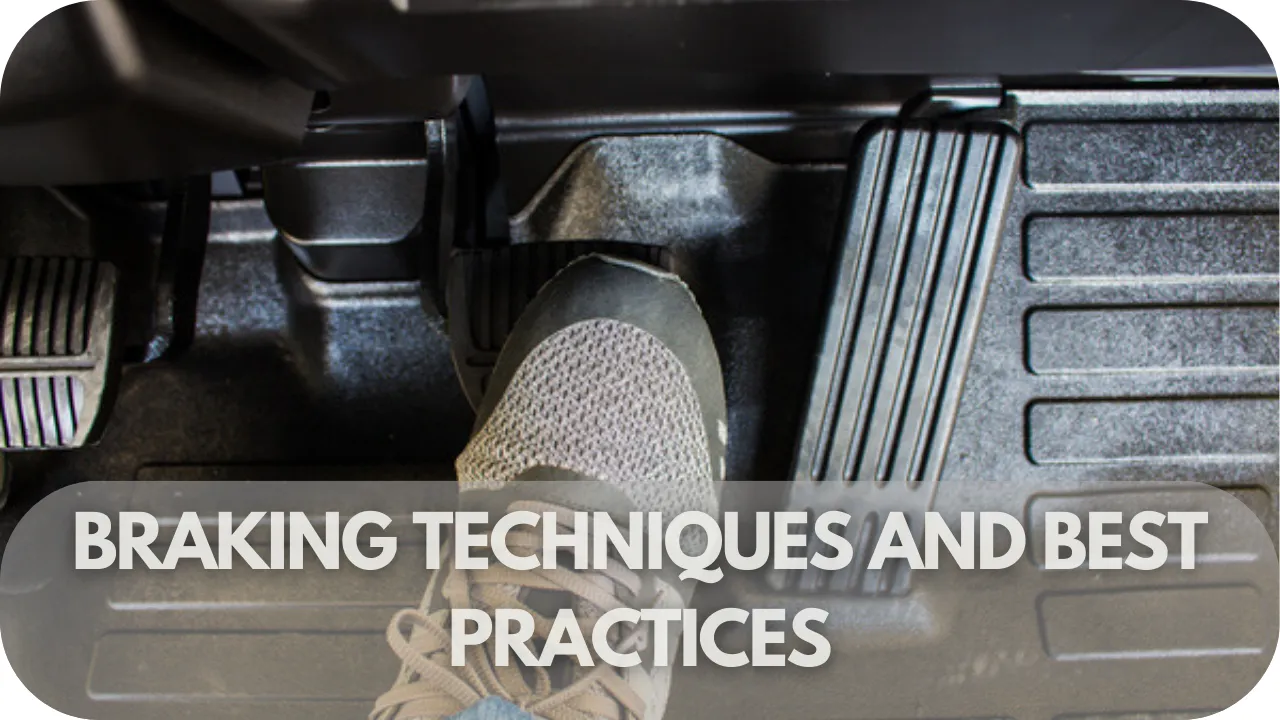
Braking correctly is essential for forklift safety and load stability. Poor braking techniques can lead to accidents, including skidding, tipping, and load shifts, which pose risks to both operators and warehouse personnel.
1. Controlled Braking
Operators should apply the brakes gradually, especially when handling heavy loads. Sudden or harsh braking can cause the load to shift, leading to imbalance, spills, or even tipping of the forklift. Gradual braking provides better control and helps maintain the stability of both the vehicle and the load.
2. Emergency Braking
In critical situations, operators need to know how to engage the brakes fully without endangering themselves or pedestrians.
Emergency braking should only be used when necessary, as it can compromise load stability and increase the risk of tipping. Proper training ensures operators know when and how to use emergency braking safely.
3. Braking Under Load
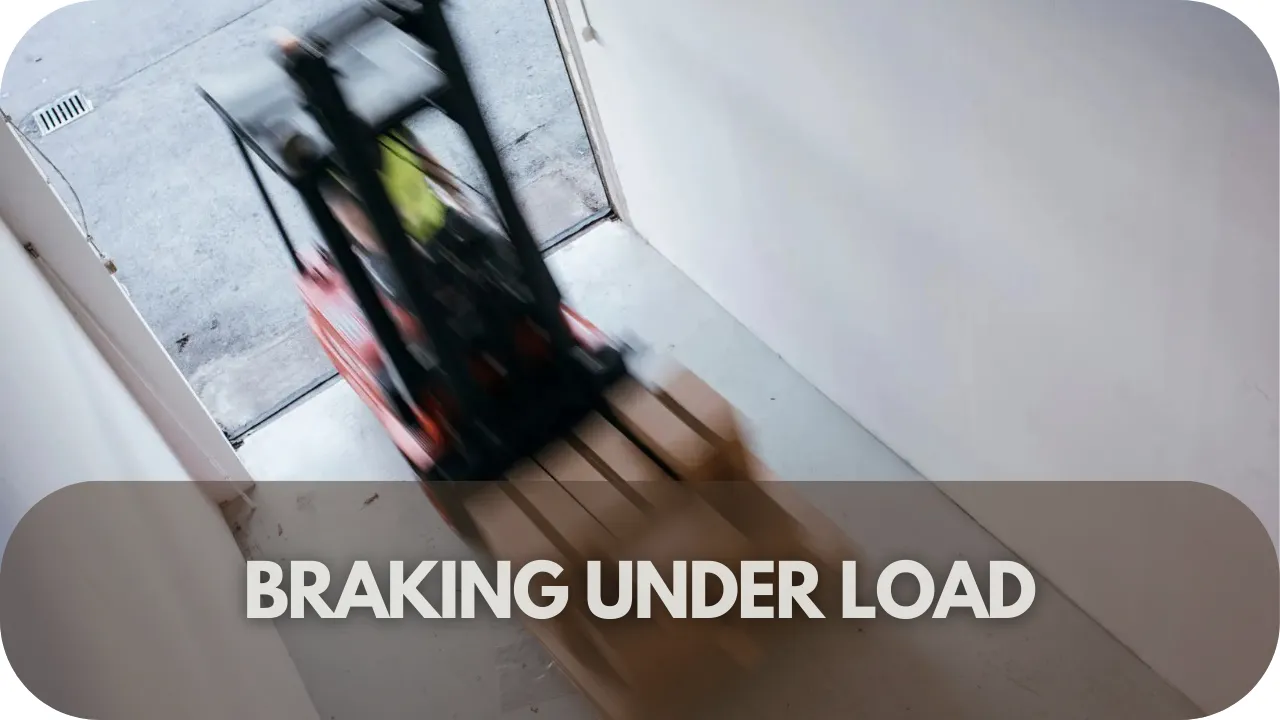
The heavier the load, the longer the stopping distance. Operators should begin braking earlier when carrying heavier loads and avoid sudden stops. Maintaining lower speeds while carrying substantial loads also reduces the risk of braking instability. Awareness of load distribution plays a key role in safe braking.
4. Routine Brake Maintenance
Forklift brakes require regular inspection to ensure they function correctly. Brake pads should be checked for wear, and fluid levels must be maintained.
Tyre condition also affects braking efficiency, as worn tyres reduce traction. Regular maintenance ensures the braking system remains reliable and effective, preventing accidents caused by brake failure.
Benefits of Adhering to Proper Speed Limits and Braking Practices
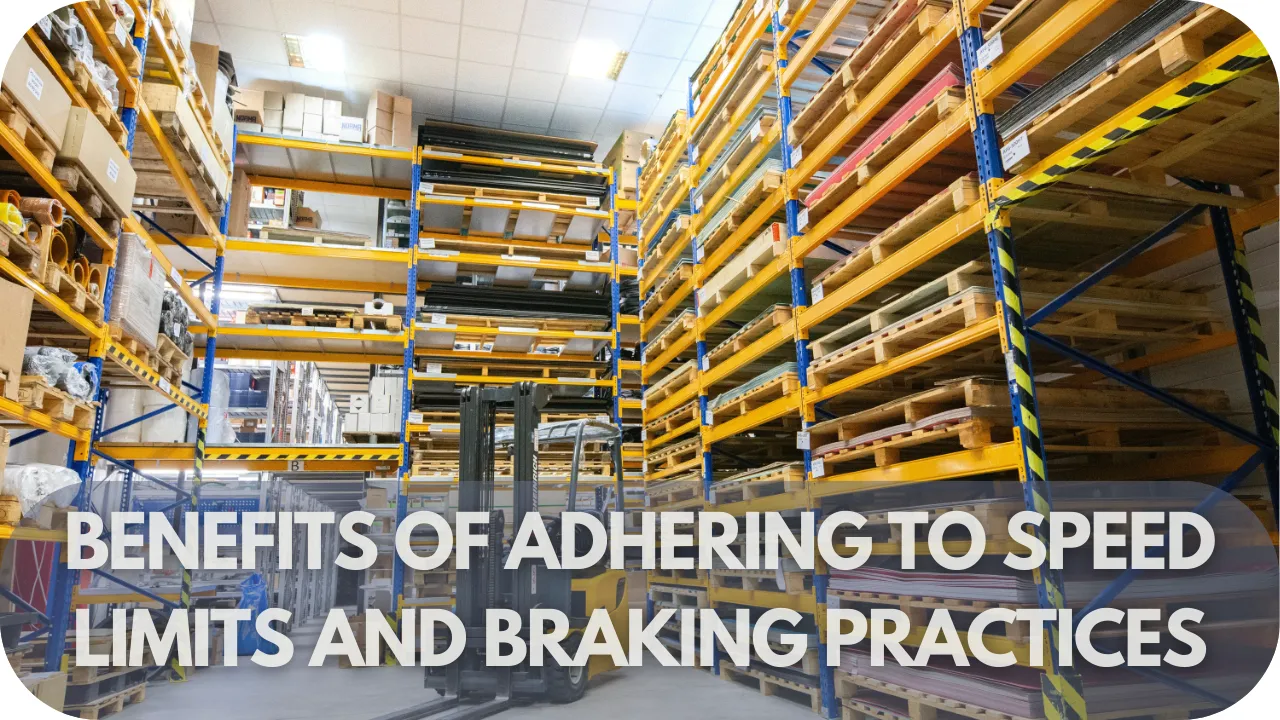
Following proper speed limits and braking practices offers significant advantages for both warehouse safety and operational performance. Here are the key benefits:
- Accident Reduction: Controlled speed and effective braking significantly lower the risk of collisions, slips, and tipping incidents, making the warehouse safer for workers and visitors.
- Protection of Goods and Equipment: Gentle braking reduces load shifts, preventing product damage and minimising wear on both forklifts and warehouse infrastructure.
- Compliance with WHS Standards: Proper speed management and braking techniques help businesses meet Work Health and Safety (WHS) guidelines, reducing the risk of fines, legal actions, and reputational damage.
- Cost Savings: Fewer accidents result in lower repair costs, reduced insurance premiums, and fewer compensation claims, directly impacting the bottom line.
- Improved Operational Efficiency: A safer work environment ensures uninterrupted operations, leading to higher productivity and boosted staff morale.
- Enhanced Worker Confidence: Employees feel safer and more confident operating forklifts in a controlled-speed environment, leading to better focus and efficiency.
- Reduced Equipment Wear and Tear: Consistent speed and smooth braking minimise mechanical stress on forklifts, extending their lifespan and reducing maintenance costs.
- Better Traffic Flow Management: Implementing proper speed limits ensures smoother traffic flow within the warehouse, reducing bottlenecks and operational delays.
Choosing the Right Forklift for Speed Control and Braking
Selecting the right forklift is crucial for controlling speed and braking safely. Modern forklifts are equipped with speed limiters that automatically regulate their speed, making them ideal for high-traffic warehouses where speed control is essential for safety.
Additionally, advanced braking systems like regenerative braking improve both control and efficiency, helping operators stop more smoothly and safely.
Forklifts with automatic load balancing features also reduce the risk of tipping during braking, especially when handling heavy or unevenly distributed loads. Buy A Fork offers a range of forklifts with these built-in safety features, ensuring smoother and safer operation in various warehouse environments.
Creating a Culture of Safety in the Warehouse
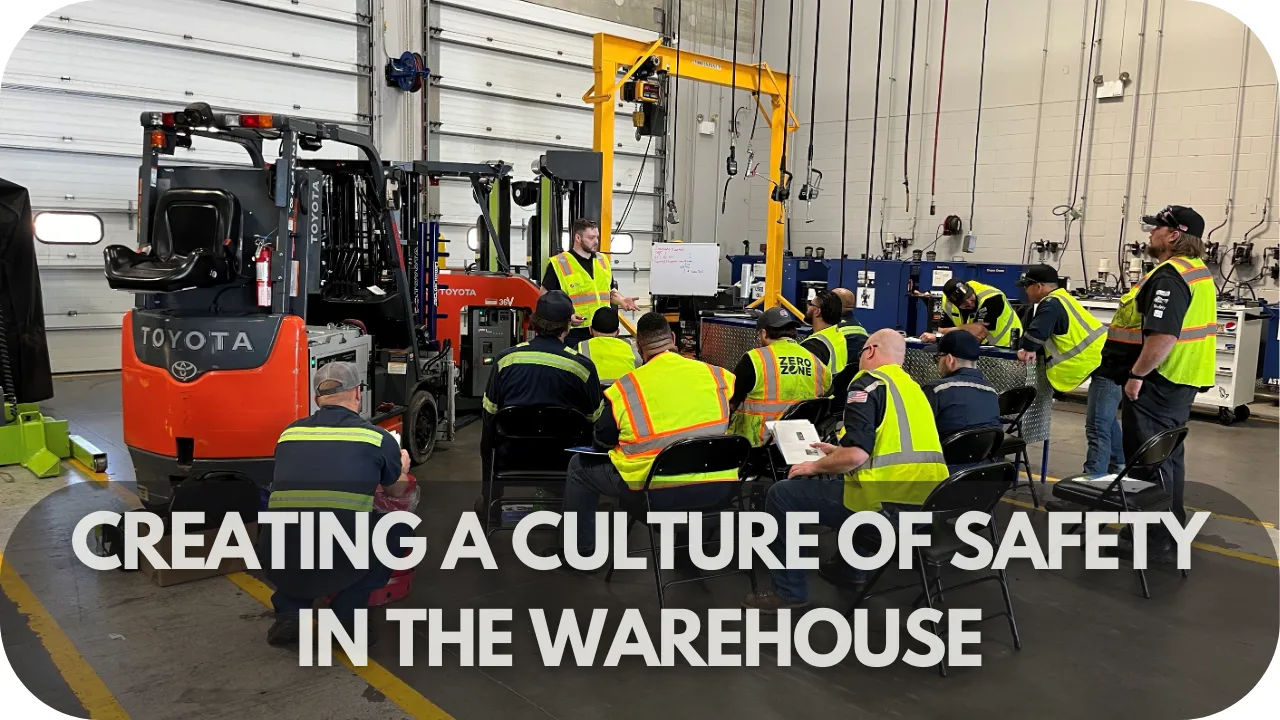
Safety is more than rules—it’s a mindset that needs reinforcement at every level.
- Ongoing Operator Training: Provide regular refresher courses to ensure operators stay updated on braking techniques and speed control.
- Clear Communication: Use team meetings and safety briefings to reinforce the importance of speed limits and proper braking.
- Accountability and Reporting: Encourage workers to report unsafe practices without fear of repercussions.
- Regular Safety Audits: Conduct routine checks to identify risks and ensure compliance with WHS standards.
Conclusion
Forklift speed limits and proper braking keep warehouses safe, efficient, and compliant. Implementing these practices reduces accidents, protects goods, and ensures smoother operations. Buy A Fork provides forklifts designed with safety features to help you maintain a secure work environment.
Ready to make your warehouse safer? Contact Buy A Fork today for expert advice and reliable equipment built for safety.