
Why Regular Forklift Inspections Are Crucial for Safety
· Updated
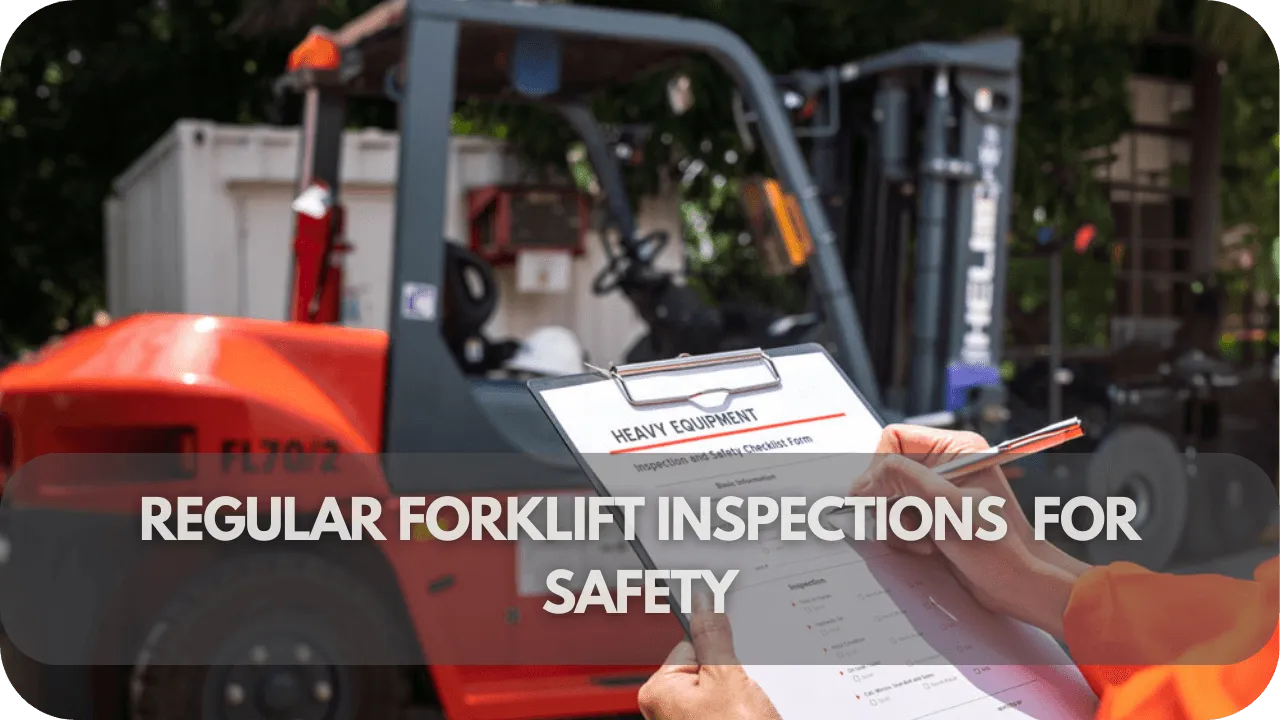
Every forklift on the job represents a powerful tool—but also a potential safety risk if neglected. Regular inspections are a regulatory requirement and a vital safeguard for preventing accidents, reducing costly breakdowns, and protecting operators. From identifying hidden faults to ensuring every component functions seamlessly, routine checks create a safer, more efficient workplace.
Neglecting inspections could lead to downtime or danger—here’s why staying vigilant about forklift safety checks is a non-negotiable priority. Read on.
The Importance of Forklift Inspections
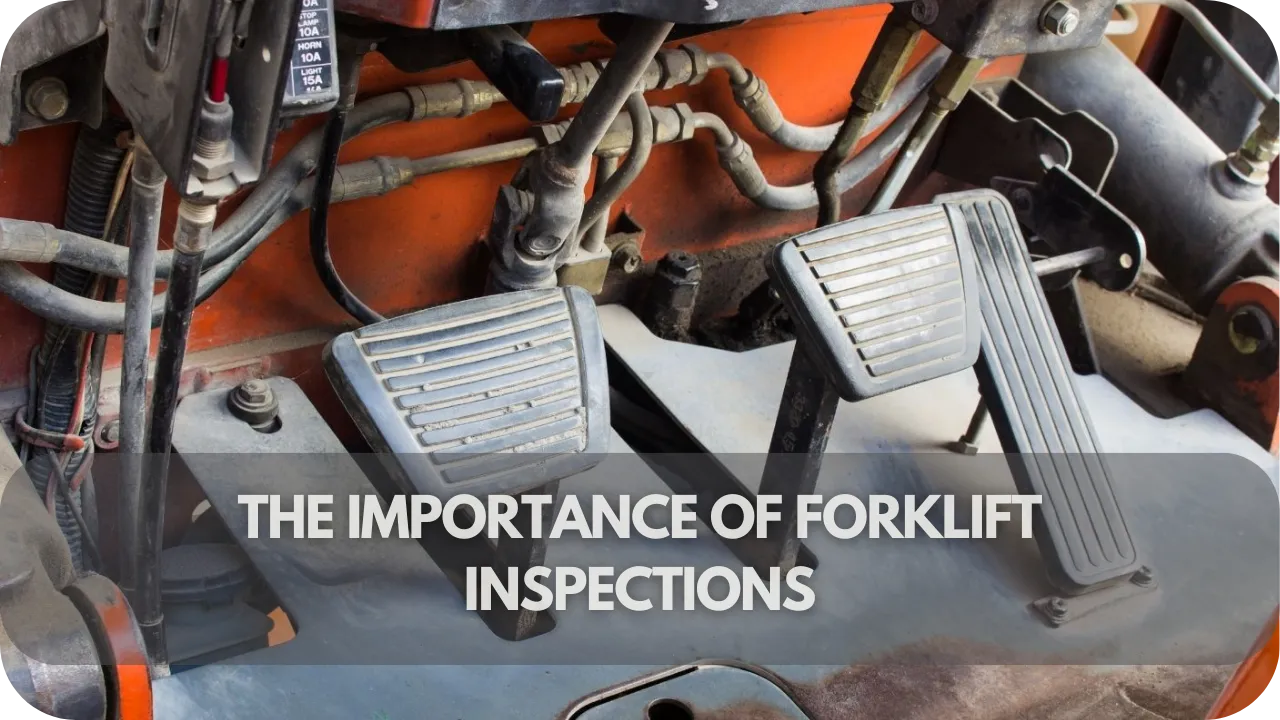
Regular forklift inspections preserve workplace safety, prevent costly downtime, and protect against hidden mechanical issues. They provide reassurance, safeguard employees, and ensure operational efficiency, making them indispensable for sustained success.
1. Preventing Accidents and Injuries
Preventing accidents and injuries is a primary benefit of regular forklift inspections. By meticulously examining critical components, potential faults are identified before they lead to hazardous situations.
Ensuring that brakes, lights, and steering mechanisms function correctly reduces the risk of operator error and mechanical failure. Additionally, routine checks of safety features, such as seatbelts and load restraints, enhance overall workplace safety.
Often, worn-out parts or leaks can be detected early, preventing accidents that could result in serious injuries or fatalities. Ultimately, prioritising these inspections fosters a safer environment, protecting employees and valuable assets.
2. Complying with Safety Regulations
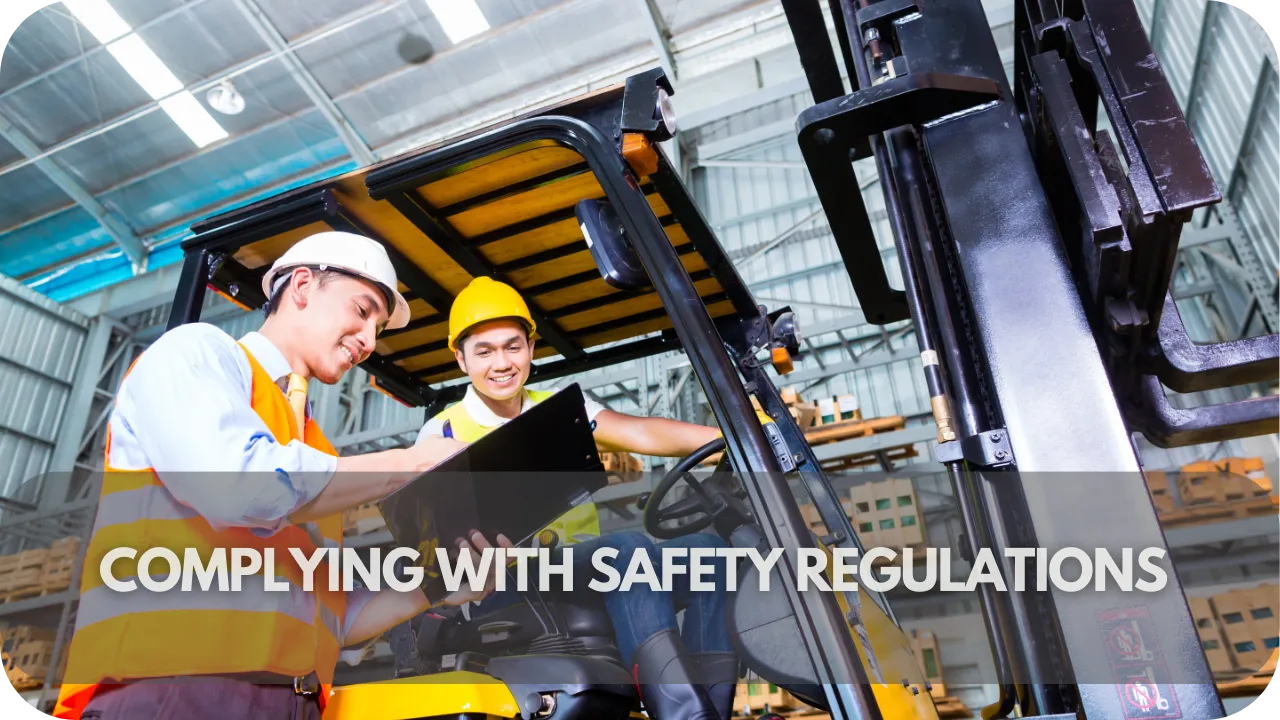
Adhering to safety regulations is essential for legal and operational integrity. Regular forklift inspections ensure that all equipment meets the latest safety standards set by authorities.
Failure to comply can result in hefty fines and legal consequences for businesses. Moreover, compliant forklifts reduce the likelihood of workplace accidents, aligning with occupational health and safety goals.
Maintaining proper documentation of inspections demonstrates a commitment to regulatory adherence, which can be beneficial during audits.
Additionally, staying up-to-date with safety regulations through consistent inspections helps businesses avoid interruptions and maintain smooth operations.
3. Extending Equipment Lifespan
Extending the lifespan of forklifts is a key advantage of regular inspections. Regularly assessing vital components can address wear and tear promptly, preventing minor issues from escalating.
Maintenance tasks such as oil changes, filter replacements, and lubrication keep engines running smoothly and efficiently. Additionally, identifying and replacing worn parts early ensures that forklifts operate at peak performance, reducing the strain on machinery.
Proper upkeep enhances reliability and minimises the frequency of costly repairs and replacements. Investing in consistent inspections ultimately maximises the return on your forklift investment, ensuring long-term operational success.
4. Maintaining Productivity and Efficiency
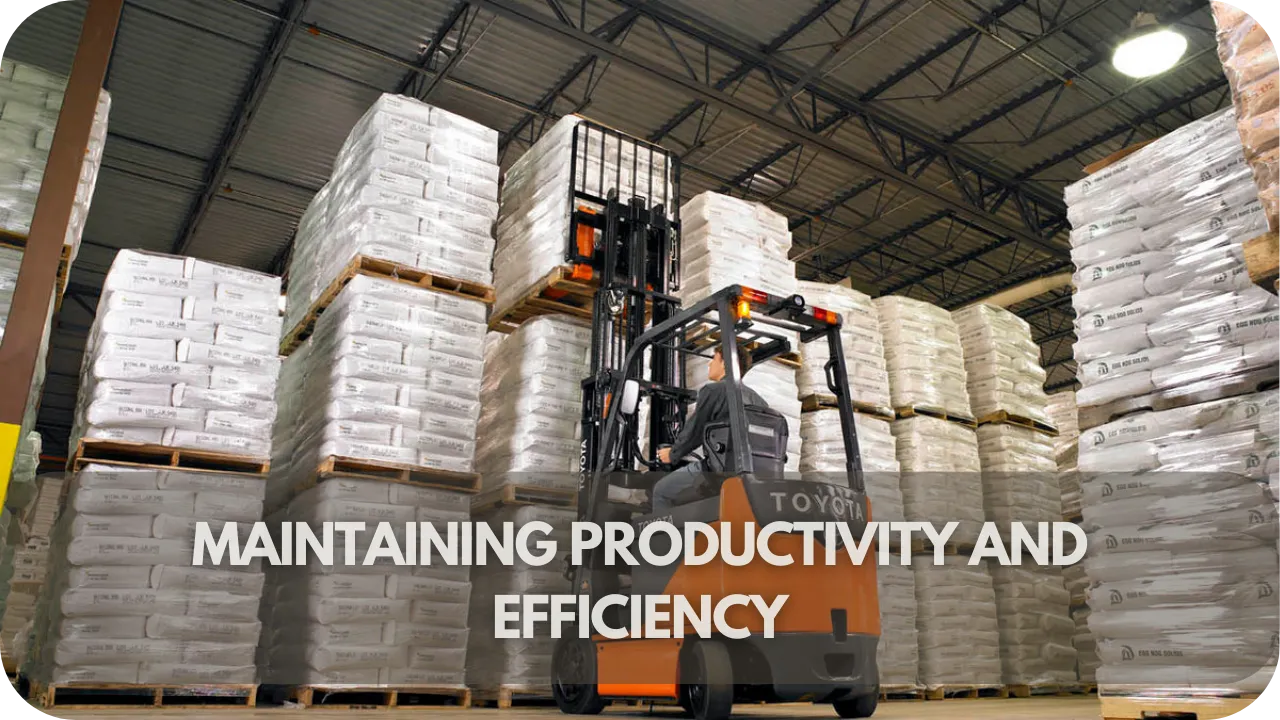
Maintaining productivity and efficiency is significantly enhanced through regular forklift inspections. By ensuring forklifts are in optimal condition, operations run smoothly without unexpected interruptions.
Scheduled inspections help identify and resolve issues before they impede workflow, allowing tasks to be completed promptly. Additionally, well-maintained equipment operates more efficiently, reducing energy consumption and increasing output.
Often, preventive maintenance leads to faster response times and fewer delays, boosting overall operational performance.
Furthermore, consistent inspections support seamless coordination among team members, fostering a more productive work environment. Prioritising forklift inspections ensures that your warehouse remains efficient and highly productive.
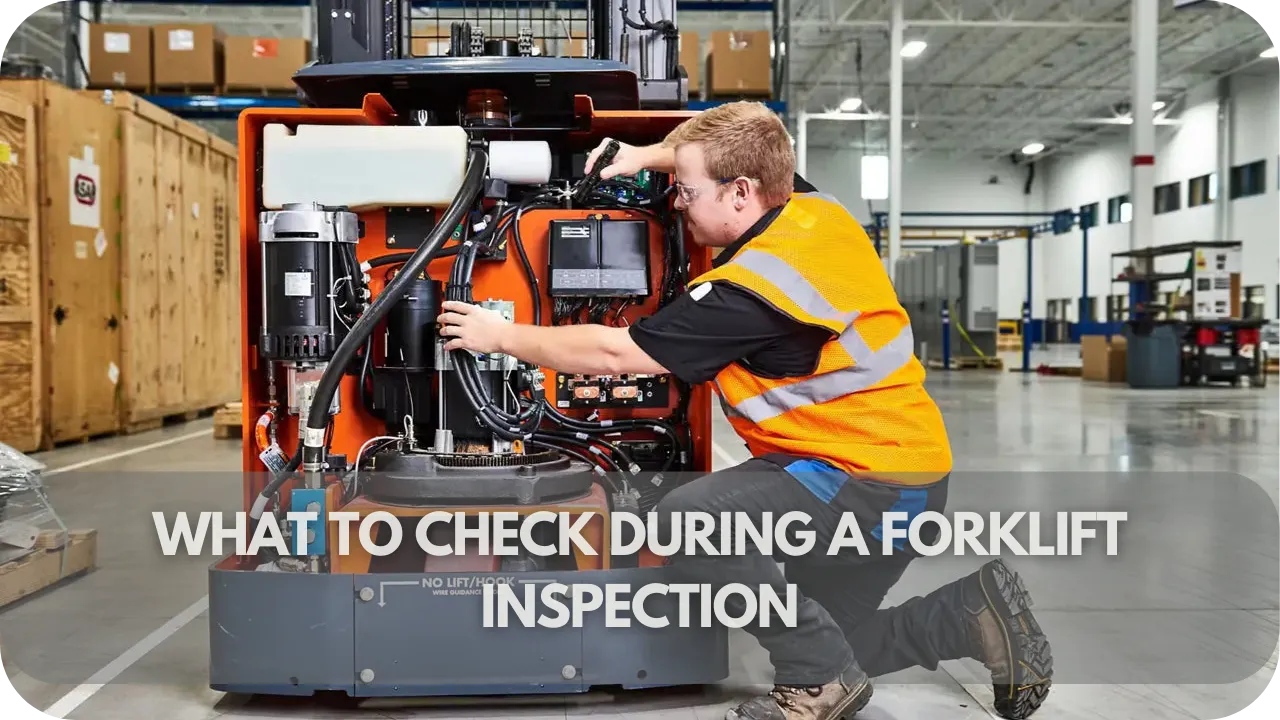
What to Check During a Forklift Inspection
 inspection checklist“/>
What should I check during a forklift inspection? Pinpoint the essential factors that ensure safety, reliability, and efficiency, helping you choose the right forklift for your business needs.
1. Fluid Levels
Maintaining proper fluid levels is essential for forklift safety and performance. Regularly checking oil, hydraulic fluid, and coolant prevents overheating and mechanical failures.
Insufficient lubrication can cause engine wear, increasing the risk of breakdowns during operations. Adequate hydraulic fluid ensures smooth and precise movements, reducing the likelihood of accidents caused by malfunctioning controls.
Coolant levels must be monitored to avoid overheating, which can compromise the forklift’s structural integrity and safety features. Often, leaks or low fluid levels are early indicators of more significant issues that need immediate attention.
2. Tires and Wheels
Maintaining tyres and wheels is fundamental for forklift safety and performance. Regular inspections detect wear and tear, preventing accidents caused by sudden tyre failures.
Ensuring proper tyre pressure enhances traction and manoeuvrability, reducing the risk of slippage and loss of control. Additionally, checking for cracks, cuts, and debris accumulation helps avoid punctures and blowouts that could lead to operational disruptions.
Often, worn-out tyres can compromise load stability, increasing the likelihood of tip-overs or spills. Furthermore, well-maintained wheels ensure smooth movement over various surfaces, enhancing overall efficiency.
3. Forks and Mast
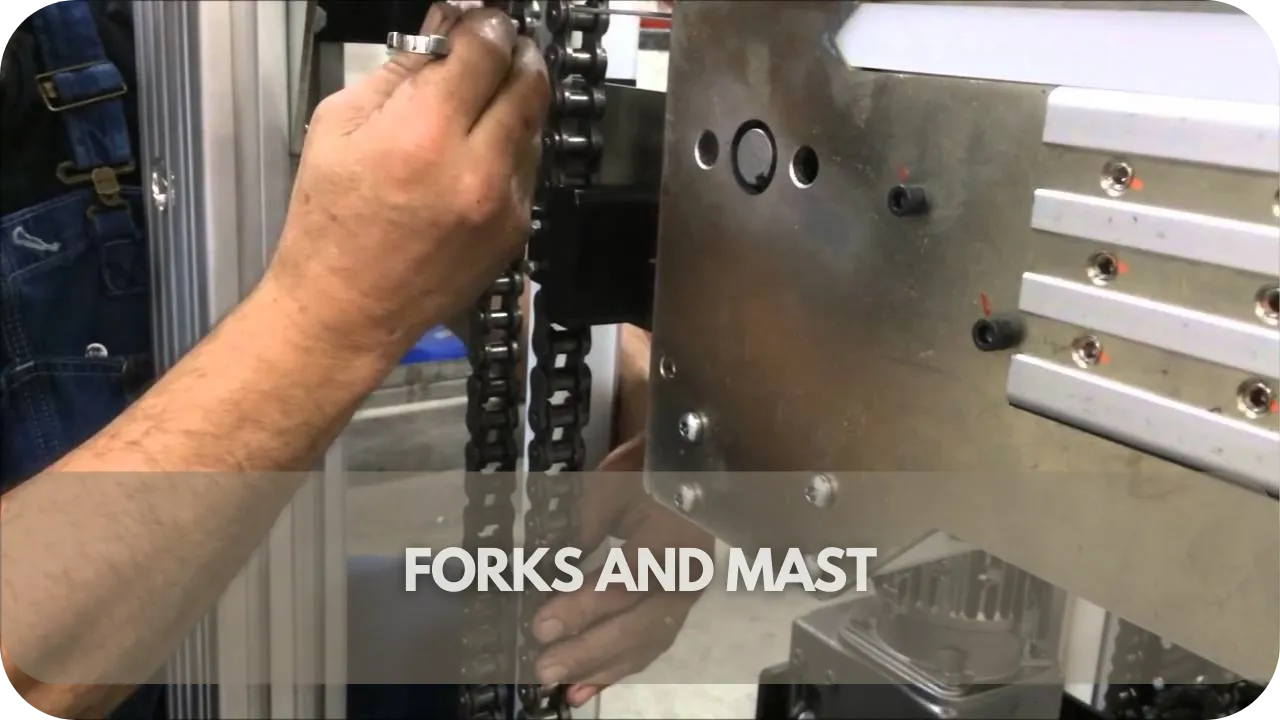
Maintaining forks and mast is essential for forklift safety and functionality. Regular inspections ensure that forks are free from bends, cracks, or other damages that could compromise load stability.
Inspecting the mast for smooth operation prevents issues like sticking or jerking movements, which can lead to accidents. Additionally, checking hydraulic systems connected to the mast ensures efficient lifting and lowering of loads.
Proper lubrication of mast components reduces wear and extends their lifespan, enhancing overall performance. Early detection of faults in forks and mast components can often prevent costly repairs and hazardous situations.
4. Brakes and Steering
Maintaining brakes and steering is vital for forklift safety and operational control. Regular inspections ensure that brake pads are wear-free and responsive, preventing sudden stops that could cause accidents.
Checking the steering system for smooth operation avoids unexpected turns or losses of control during manoeuvres. Additionally, inspecting hydraulic components linked to steering enhances precision and reliability.
Often, leaks or wear in these systems can lead to diminished performance, increasing the risk of collisions or tip-overs.
Proper maintenance of brakes and steering not only safeguards operators but also ensures that forklifts perform consistently under various working conditions.
5. Battery and Charging System
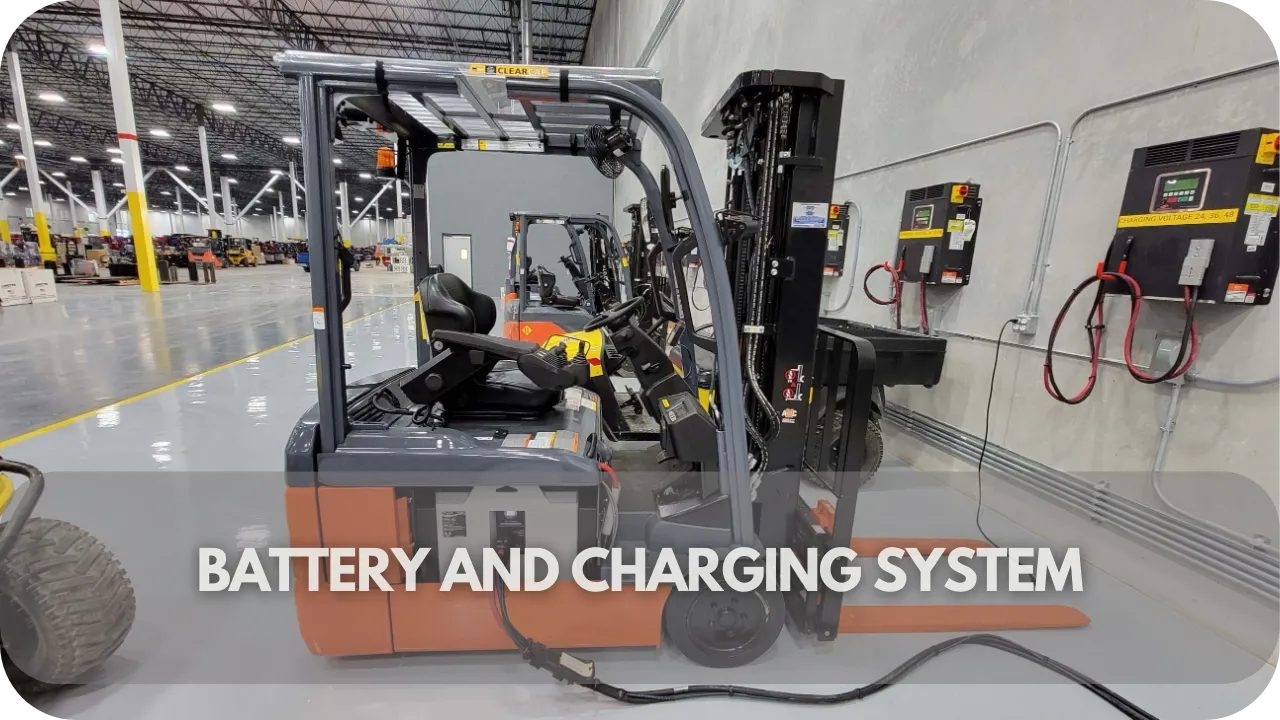
Maintaining the battery and charging system is crucial for forklift safety and performance. Regular inspections ensure batteries are free from leaks, corrosion, and damage, preventing hazards like acid spills or electrical failures.
Checking the charging system guarantees that batteries are properly charged and operating efficiently, avoiding unexpected power loss during operations. Additionally, verifying connections and terminals reduces the risk of short circuits and fires.
Often, worn or faulty components can be identified early, allowing for timely replacements and avoiding operational disruptions.
Proper battery and charging system maintenance enhances safety and extends the lifespan of forklift power sources, ensuring reliable performance.
6. Lights, Horn, and Safety Features
Maintaining lights, horns, and other safety features is vital for forklift safety. Regularly checking headlights, taillights, and indicators ensures visibility in all conditions, preventing accidents.
Ensuring the horn is functional provides an essential alert mechanism for operators and pedestrians. Additionally, inspecting safety features such as seatbelts, mirrors, and load restraints enhances workplace safety.
Faulty or non-operational safety equipment can often increase the risk of injuries and compliance issues. Proper maintenance of these components safeguards workers and ensures adherence to safety regulations.
7. Hydraulic System
Maintaining the hydraulic system is essential for forklift safety and performance. Regular inspections help identify leaks, worn hoses, and faulty cylinders before they cause major failures.
Ensuring adequate hydraulic fluid levels allows for smooth and controlled lifting and lowering of loads, reducing the risk of accidents.
Additionally, checking the integrity of seals and connections prevents unexpected pressure drops and malfunctions. Early detection of hydraulic issues often enables timely repairs, minimising downtime and costly breakdowns.
Proper hydraulic system maintenance enhances operational efficiency and ensures the safe handling of heavy loads, protecting operators and the workplace.
How Often Should You Inspect a Forklift?
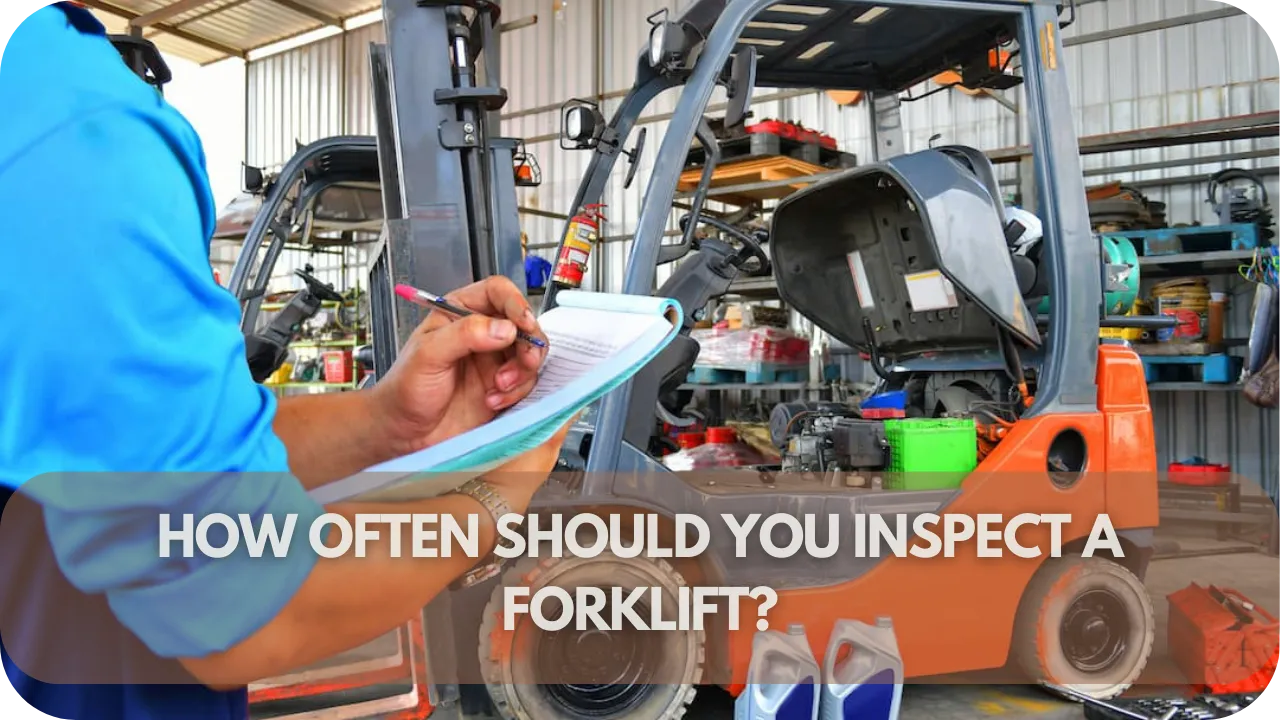
Determining the frequency of forklift inspections depends on usage and regulatory requirements. Operators should conduct daily pre-operation checks to ensure basic functionality and safety.
Weekly inspections delve deeper, examining components like brakes, lights, and steering systems for any signs of wear or damage. Additionally, qualified maintenance personnel should perform comprehensive monthly reviews to assess hydraulic systems, batteries, and structural integrity.
Annual inspections are crucial for identifying less obvious issues and ensuring compliance with industry standards. High-usage environments may necessitate more frequent checks to maintain optimal performance and safety.
Final Thoughts
Regular forklift inspections are essential for ensuring workplace safety and operational reliability. By detecting and addressing issues early, businesses can prevent accidents and minimise costly downtime.
Ultimately, maintaining a consistent inspection routine protects employees and enhances overall efficiency.