
6 Health Risks For Forklift Operators And How To Prevent Them
· Updated
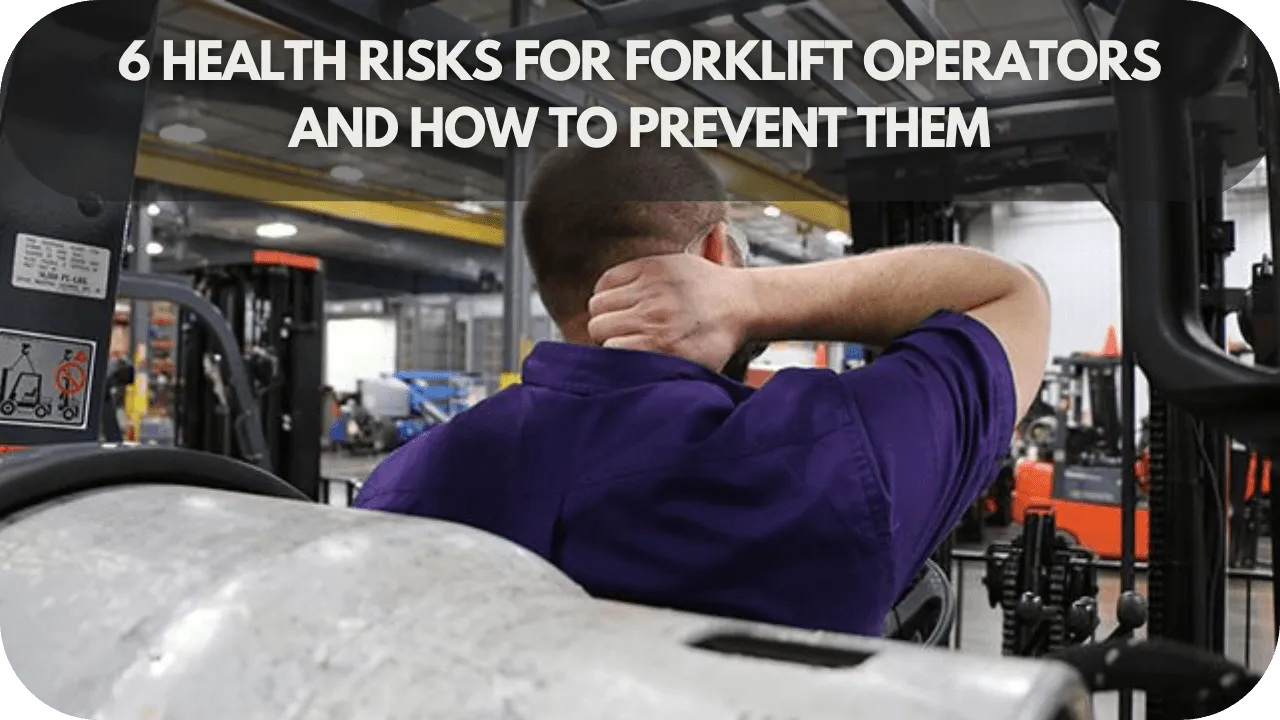
Forklift operators play a crucial role in various industries, including manufacturing, warehousing, and logistics. While their work ensures seamless operations, it often exposes them to several health risks.
These risks, if left unaddressed, can lead to chronic health conditions, reduced productivity, and even workplace accidents.
Below, we delve into six common health risks faced by forklift operators and discuss practical ways to prevent them.
1. Musculoskeletal Disorders (MSDs)
Musculoskeletal disorders are one of the most common health issues among forklift operators. The prolonged sitting required to operate forklifts places excessive strain on the lower back, neck, shoulders, and hips.
Additionally, repetitive movements, awkward postures while handling controls, and the vibration caused by forklift operation exacerbate these conditions. Over time, operators may develop chronic back pain, joint problems, or even herniated discs.
To mitigate this risk, prioritising ergonomic solutions is essential. Forklifts should be equipped with adjustable seats that provide proper lumbar support and cushioning to reduce strain on the spine. Encouraging operators to adopt correct sitting postures and avoid slouching while driving can significantly reduce discomfort.
Moreover, scheduling regular stretching or mobility exercises during breaks can help alleviate muscle tension and improve flexibility. Employers should also consider rotating job responsibilities to prevent prolonged exposure to repetitive tasks that strain specific muscle groups.
2. Injuries from Accidents
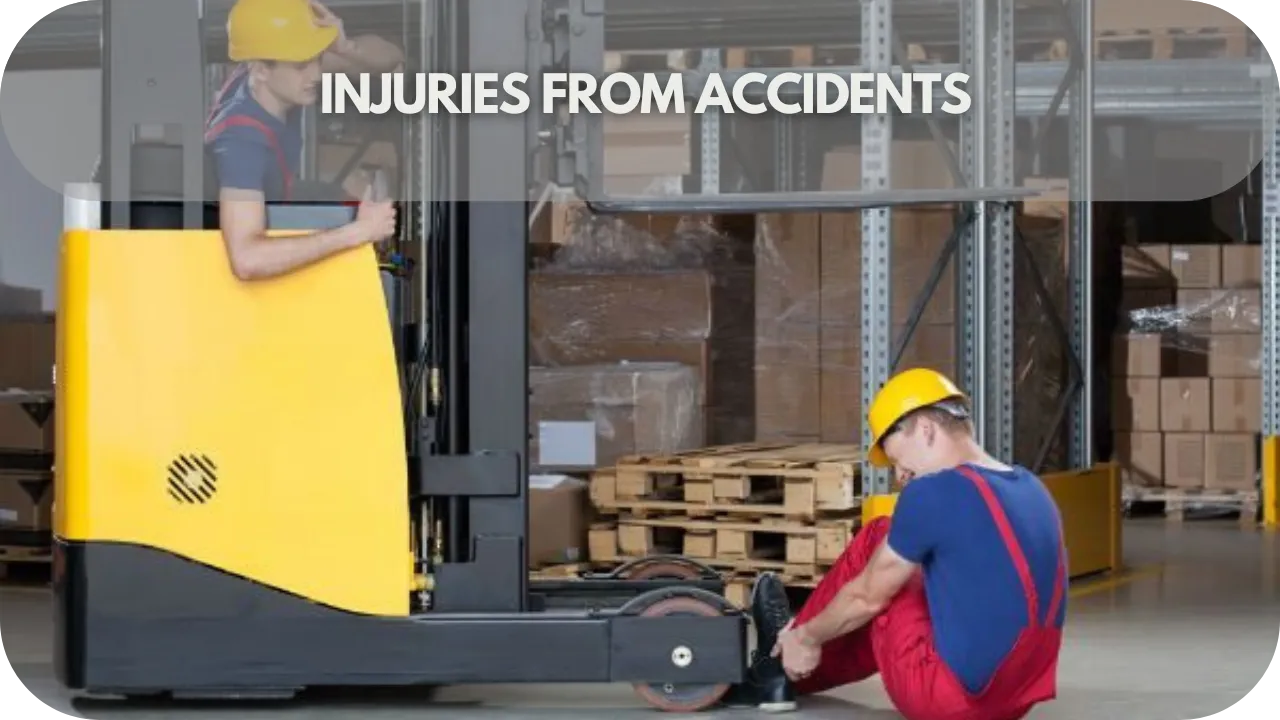
Despite strict safety protocols, accidents remain a significant risk for forklift operators. Collisions, tip-overs, and falling loads are among the most common hazards that can result in severe injuries, including fractures, head trauma, or even fatalities. These accidents often stem from factors such as poor visibility, insufficient training, or failure to maintain equipment.
Minimising accidents begins with thorough and ongoing safety training for all forklift operators. Training should cover essential topics such as proper load handling, navigating narrow spaces, and responding to emergencies.
Employers must also enforce strict adherence to safety protocols, including speed limits and load capacity guidelines. Regular maintenance and inspection of forklifts ensure that equipment remains in optimal working condition, reducing the likelihood of mechanical failures.
Additionally, implementing advanced safety features, such as backup alarms and cameras, can enhance visibility and operator awareness, further reducing the risk of accidents.
3. Respiratory Problems
In warehouses and industrial settings, forklift operators often encounter air quality challenges. Diesel-powered forklifts emit fumes that can be harmful when inhaled over prolonged periods, leading to respiratory issues such as chronic bronchitis or even lung damage.
Dust, debris, and chemicals present in the environment further exacerbate this risk, particularly in poorly ventilated areas. Preventing respiratory problems begins with transitioning to environmentally friendly forklifts such as electric forklifts, which do not produce harmful emissions.
Ensuring proper ventilation in workspaces is equally critical to maintaining good air quality. Employers can invest in ventilation systems or air purifiers to remove harmful particles from the air.
Additionally, providing respiratory protective equipment, such as masks or respirators, offers an extra layer of protection, especially in dusty or poorly ventilated environments. Operators should also be educated on the importance of reporting signs of respiratory discomfort early to avoid long-term complications.
4. Hearing Loss
Forklift operations are often conducted in noisy environments, such as bustling warehouses or industrial sites.
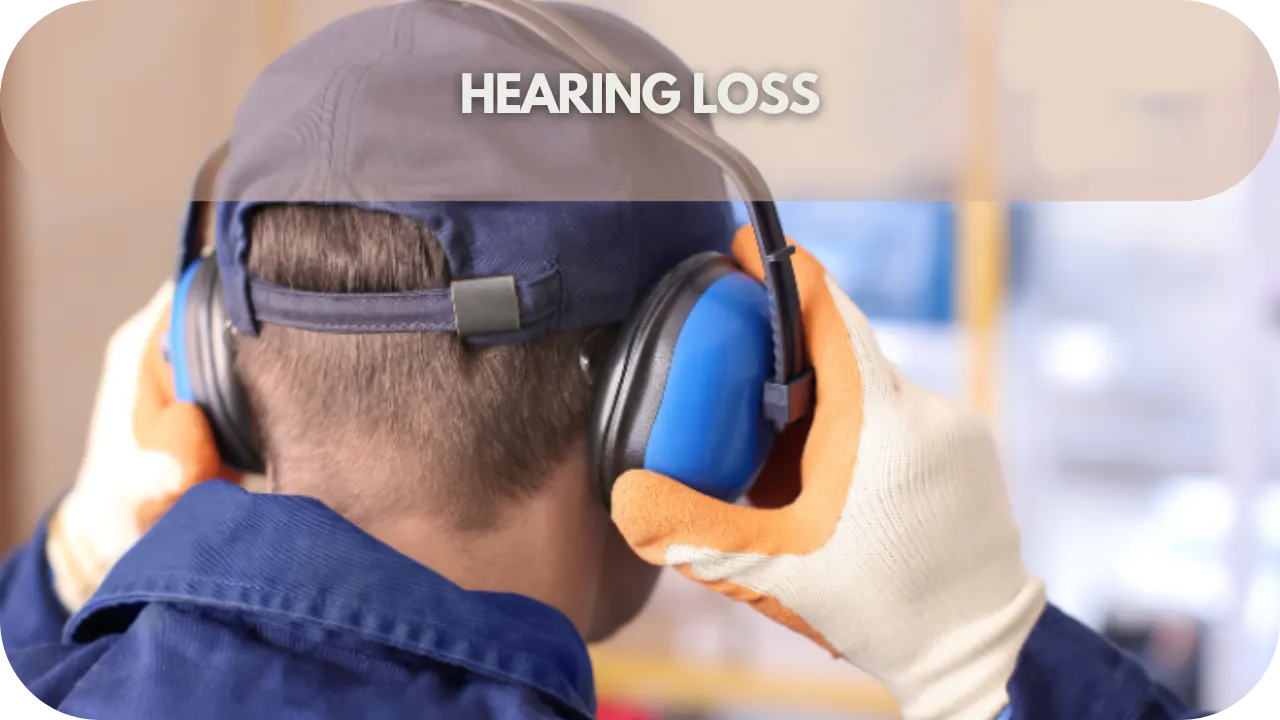
Continuous exposure to high noise levels from machinery, alarms, and other background activities can result in gradual hearing loss. This risk is particularly concerning as hearing damage is irreversible and often goes unnoticed until it becomes severe.
To combat noise-induced hearing loss, providing operators with high-quality hearing protection is a must. Noise-cancelling earplugs or earmuffs designed for industrial use can help reduce exposure to harmful sound levels without impairing communication.
Routine maintenance of forklifts and other machinery is equally important, as it can minimise unnecessary noise from faulty parts or engines. Furthermore, conducting regular hearing tests for operators allows early detection of hearing issues, enabling timely interventions and adjustments to workplace practices.
5. Vision Strain
Vision strain is another overlooked health concern for forklift operators. Long hours spent focusing on controls, screens, or dimly lit warehouse areas can result in eye fatigue. This strain often leads to headaches, blurred vision, or difficulty concentrating—factors that can compromise safety and productivity.
Improving workplace lighting is a straightforward and effective way to reduce vision strain. Bright, well-distributed lighting ensures that operators can see their surroundings and avoid accidents. Anti-glare safety goggles are also beneficial, especially for those working in areas with reflective surfaces or bright artificial lights.
Employers can encourage operators to take short breaks to rest their eyes and practice techniques like the 20-20-20 rule: every 20 minutes, look at something 20 feet away for 20 seconds. Regular eye examinations for forklift operators are crucial to detect and address any emerging vision issues early.
6. Stress and Mental Fatigue
Operating a forklift requires constant focus and precision, particularly when navigating tight spaces or transporting heavy loads. The stress of meeting deadlines, combined with long shifts and repetitive tasks, often takes a toll on the mental health of forklift operators. Over time, chronic stress can lead to burnout, reduced concentration, and even mental health conditions like anxiety or depression.
To address this issue, fostering a supportive workplace environment is key. Employers should implement reasonable work schedules that include mandatory breaks to prevent fatigue. Encouraging open communication about stress and workload concerns can help operators feel valued and supported.
Offering mental health resources, such as access to counselling or stress management workshops, further demonstrates a commitment to employee well-being. Training operators to manage their tasks efficiently and avoid unnecessary pressure also contributes to reducing stress levels.
Creating a Safer Workplace for Forklift Operators
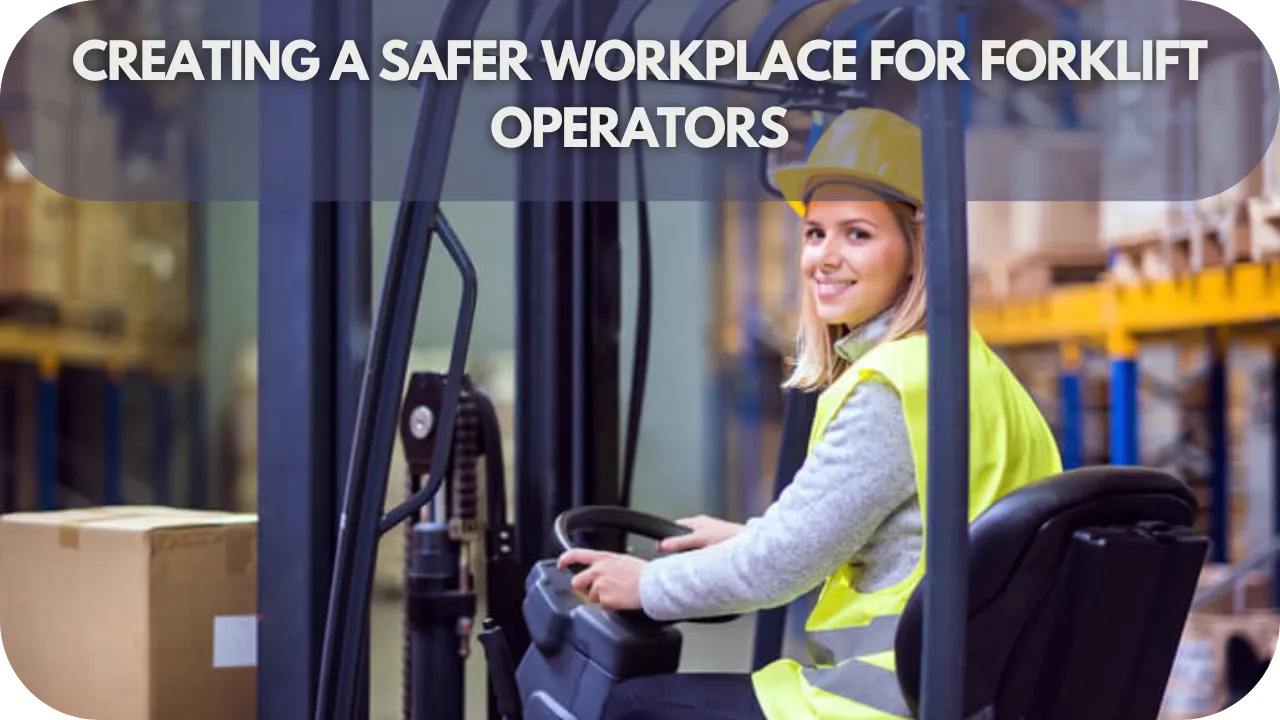
The health risks faced by forklift operators are not only detrimental to their well-being but also to workplace productivity and morale. By taking a proactive approach to safety and health, employers can create a work environment that prioritises both efficiency and employee welfare.
Start by assessing the specific needs and risks in your workplace. Conducting regular health and safety audits can help identify areas of improvement, from ventilation systems to training programmes.
Involving operators in discussions about safety measures fosters a culture of collaboration and ensures that interventions address their real-world challenges.
Moreover, consider investing in modern forklift technology that incorporates ergonomic designs and advanced safety features. Electric forklifts, for example, not only reduce emissions but also offer smoother operation, reducing the strain on operators.
Leveraging technology to monitor forklift usage and operator behaviour can also provide valuable insights into areas where additional training or adjustments are needed.
Finally, promoting a holistic approach to health by encouraging physical activity, healthy eating, and mental well-being outside of work helps operators maintain overall health and resilience. Employers can provide incentives for wellness programmes, such as gym memberships or health check-ups, to further support their workforce.
Conclusion
Ensure your team’s safety and efficiency with high-quality forklifts built for Australian conditions. Visit our store today, Buy A Fork, to find the perfect forklift for your business needs. With expert advice and a range of reliable options, we’ll help you make the right choice.
Don’t wait—enhance your operations and invest in equipment you can depend on. Shop with us now and experience the difference!