
How Much Electricity Does A Forklift Use Per Hour?
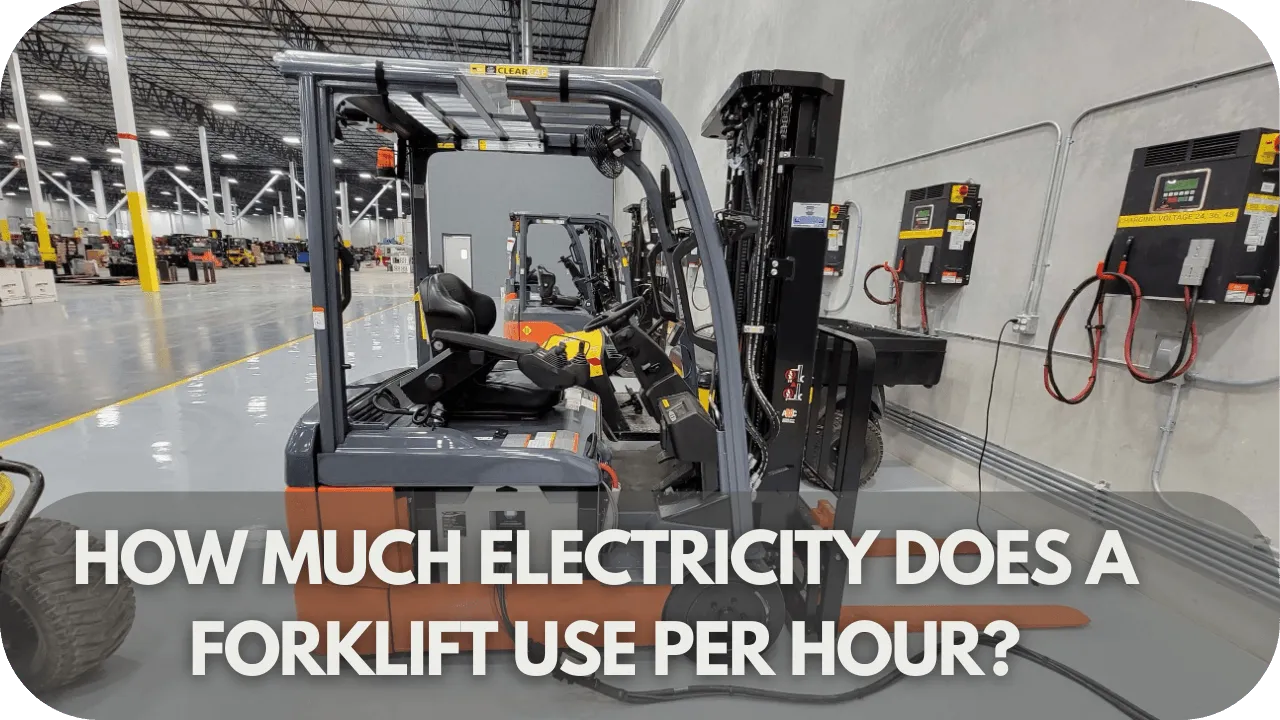
Electric forklifts are great for warehouses, but how much electricity do they use per hour? Knowing this can help you manage costs and improve efficiency. Power usage depends on the forklift’s size, battery type, and workload.
Some models use more electricity than others, affecting your energy bills. If your business runs multiple forklifts, even slight differences in power consumption can add up. Understanding your forklift’s electricity needs helps with budgeting and ensures smooth operations.
Let’s break down the key factors determining how much electricity your forklift uses daily.
How Much Electricity Does A Forklift Use Per Hour?
An electric forklift uses 4 to 15 kWh per hour, depending on battery size, load weight, and usage. A typical 48V forklift consumes around 8 kWh per hour and costs $2 to $3 based on electricity rates. Proper battery maintenance and efficient operation can reduce energy consumption and lower costs.
Factors Affecting Forklift Electricity Consumption
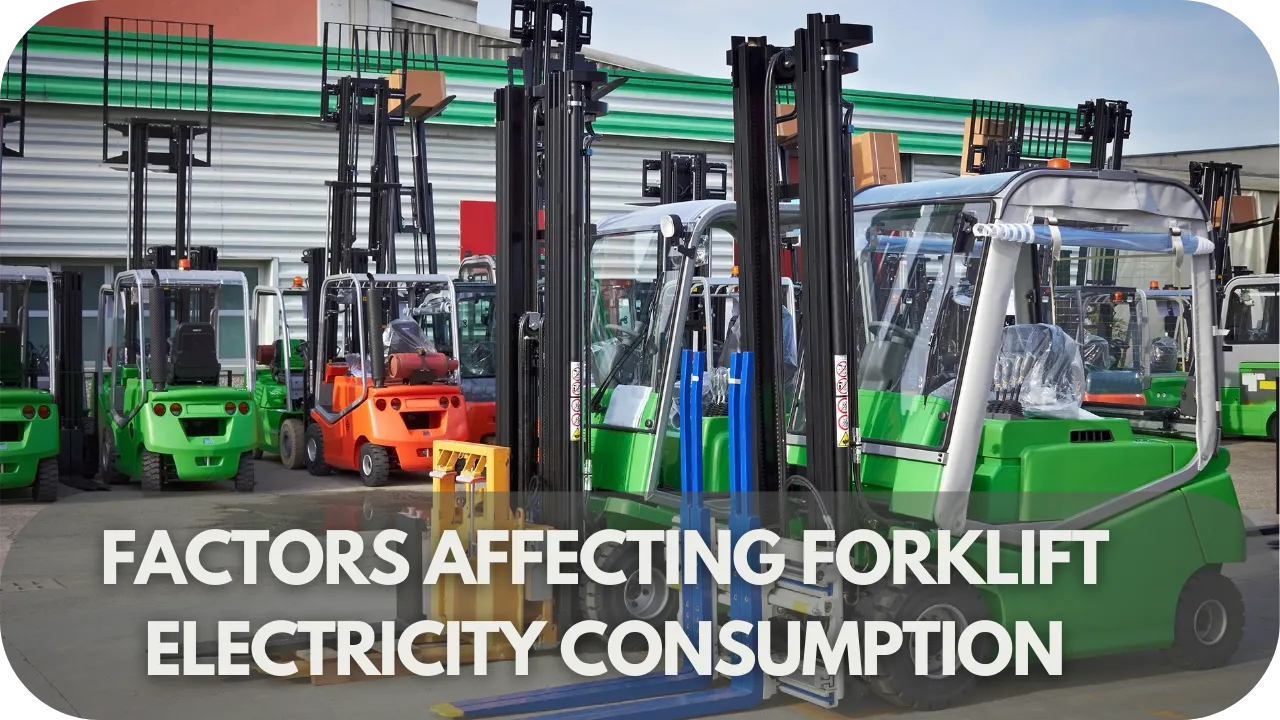
Understanding what influences a forklift’s electricity usage helps businesses optimise costs and improve efficiency. Here are key factors that determine power consumption:
1. Battery Capacity & Voltage
A forklift’s battery size and voltage directly impact its electricity consumption. Higher voltage batteries (such as 80V) consume more power but provide greater efficiency for heavy-duty tasks.
Standard forklifts typically use 24V, 36V, 48V, or 80V batteries, depending on the application. Larger batteries require more electricity per charge, increasing hourly energy usage. However, they also last longer, reducing downtime for recharging.
Businesses should choose the correct voltage based on their workload and runtime needs. Regular monitoring of battery health ensures consistent performance and prevents unnecessary power drain. Proper battery selection helps balance power efficiency and operational productivity.
2. Load Weight
The weight a forklift carries affects its electricity consumption. Heavier loads require more energy to lift and move, increasing hourly power usage. A fully loaded forklift uses significantly more power than one handling lighter items.
Overloading a forklift drains battery power faster, increasing wear and tear on the motor and hydraulic system. To optimise energy use, businesses should match load capacity to forklift specifications and avoid excessive weight.
Efficient load distribution and proper weight management help maintain consistent energy usage, reducing operational costs while ensuring the forklift operates at peak efficiency.
3. Workload & Usage Duration
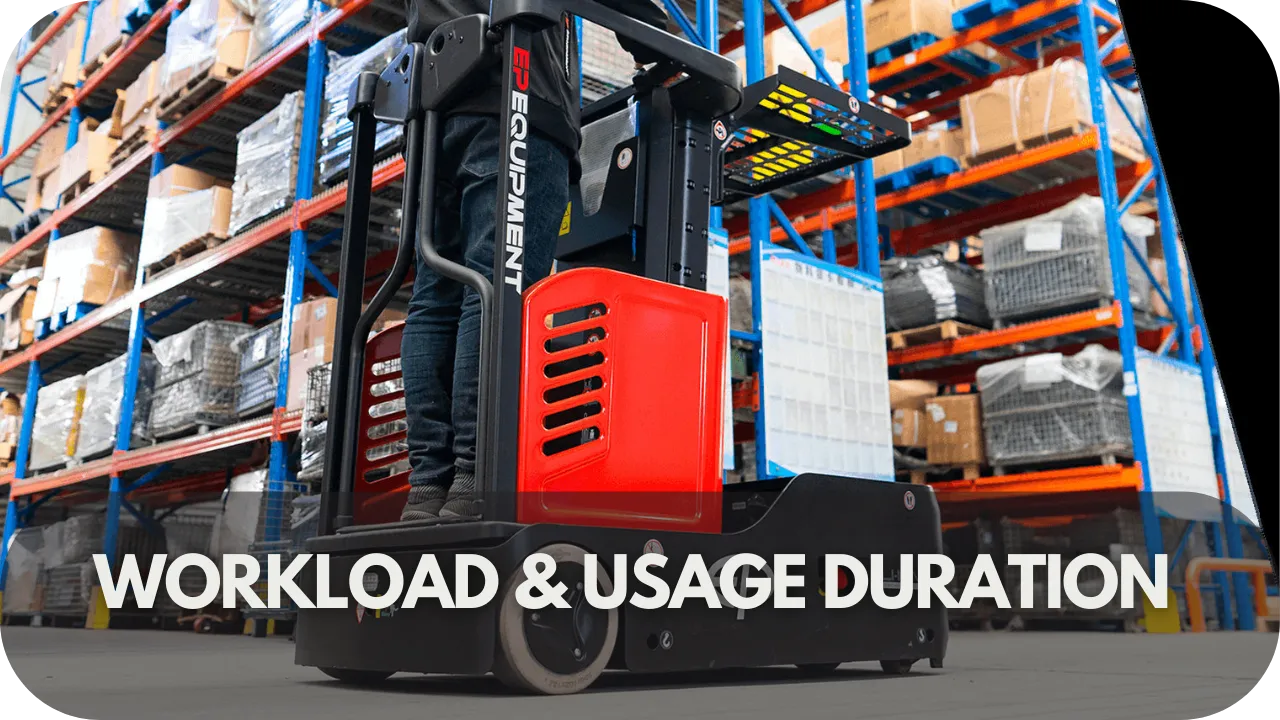
The more a forklift is used, the more electricity it consumes. Continuous operation with minimal breaks leads to faster battery depletion and higher energy costs. A forklift running at full capacity for an entire shift will consume more electricity than one operating intermittently.
High-speed operations and frequent lifting also contribute to increased power usage. Businesses should monitor operating schedules and workload intensity to manage electricity consumption.
Implementing efficient work cycles and forklifts during low-energy-demand periods can reduce unnecessary energy waste. Proper workload management ensures forklifts run longer on a single charge, improving overall cost efficiency.
4. Warehouse Conditions
The operating environment affects forklift electricity usage. Cold temperatures reduce battery efficiency, requiring more frequent charging. Uneven surfaces, ramps, and long travel distances increase power demand as the forklift works harder to maintain stability.
Smooth warehouse floors and optimised routes help lower energy consumption by reducing resistance. Poor lighting and extreme temperatures may also impact the battery’s ability to hold a charge.
Businesses should ensure proper warehouse conditions to maintain efficient power usage. Well-organised and obstacle-free workspaces help forklifts operate smoothly and with less strain, extending battery life and reducing overall electricity consumption.
5. Battery Age & Maintenance
An older or poorly maintained battery consumes more electricity to deliver the same performance as a newer one. Battery efficiency decreases over time, requiring longer charging periods and frequent recharges.
Regular maintenance, such as checking water levels, cleaning terminals, and avoiding deep discharges, ensures optimal power retention. Using high-quality chargers and following manufacturer guidelines prolongs battery life and reduces energy waste.
Replacing old batteries before they lose efficiency prevents unnecessary power consumption. Proper care and scheduled servicing help businesses maximise battery performance, ensuring forklifts run efficiently without excessive energy costs.
Average Electricity Consumption of Forklifts
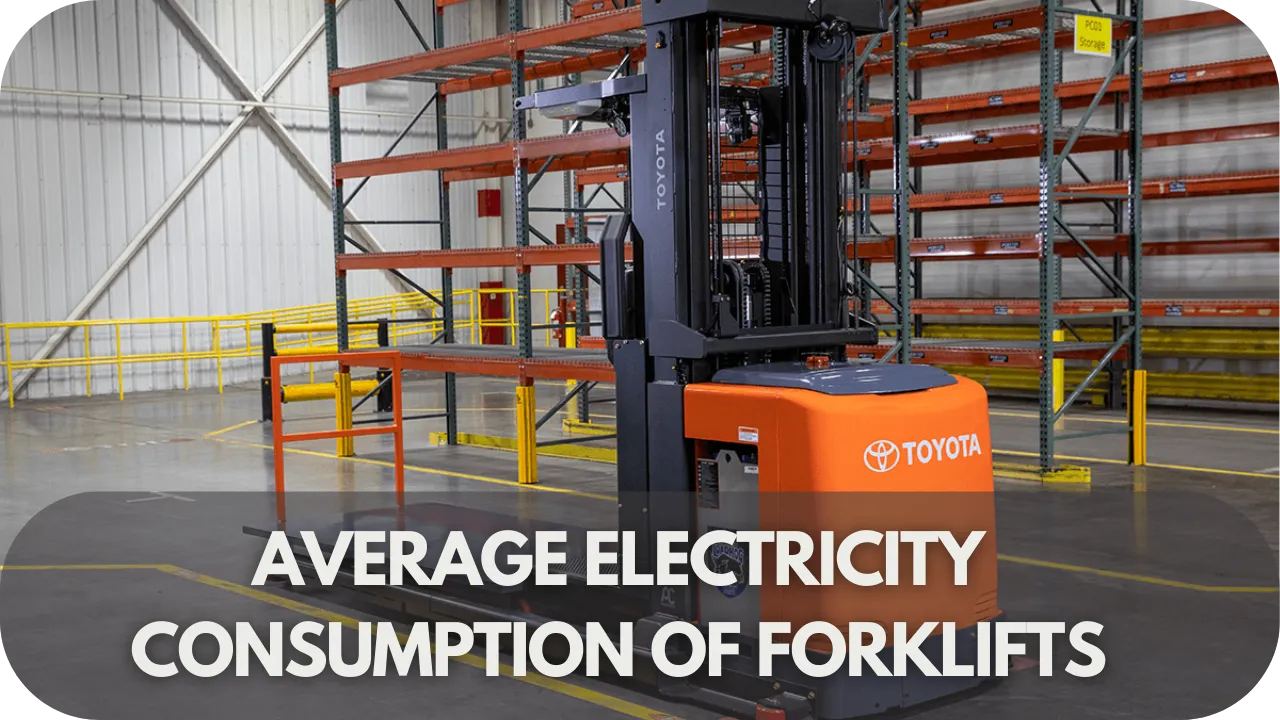
The electricity consumption of a forklift varies based on its battery size, workload, and usage duration. On average, a standard 48V electric forklift uses 8 kWh per hour, while a larger 80V model may consume 12-15 kWh per hour.
Lighter-duty forklifts may use as little as 4 kWh per hour, depending on operational efficiency.
Usage patterns greatly influence energy consumption. A forklift for heavy lifting, long shifts, or high-speed operations will draw more power than one operating at low intensity. Regular battery maintenance helps sustain efficiency and prevents excess power usage.
To estimate costs, businesses should multiply their forklift’s kWh usage by the local electricity rate. For example, if the rate is $0.30 per kWh, a forklift using 10 kWh per hour costs $3 per hour to operate.
Reducing idle time and optimising workload distribution can significantly cut electricity expenses.
Cost of Running an Electric Forklift
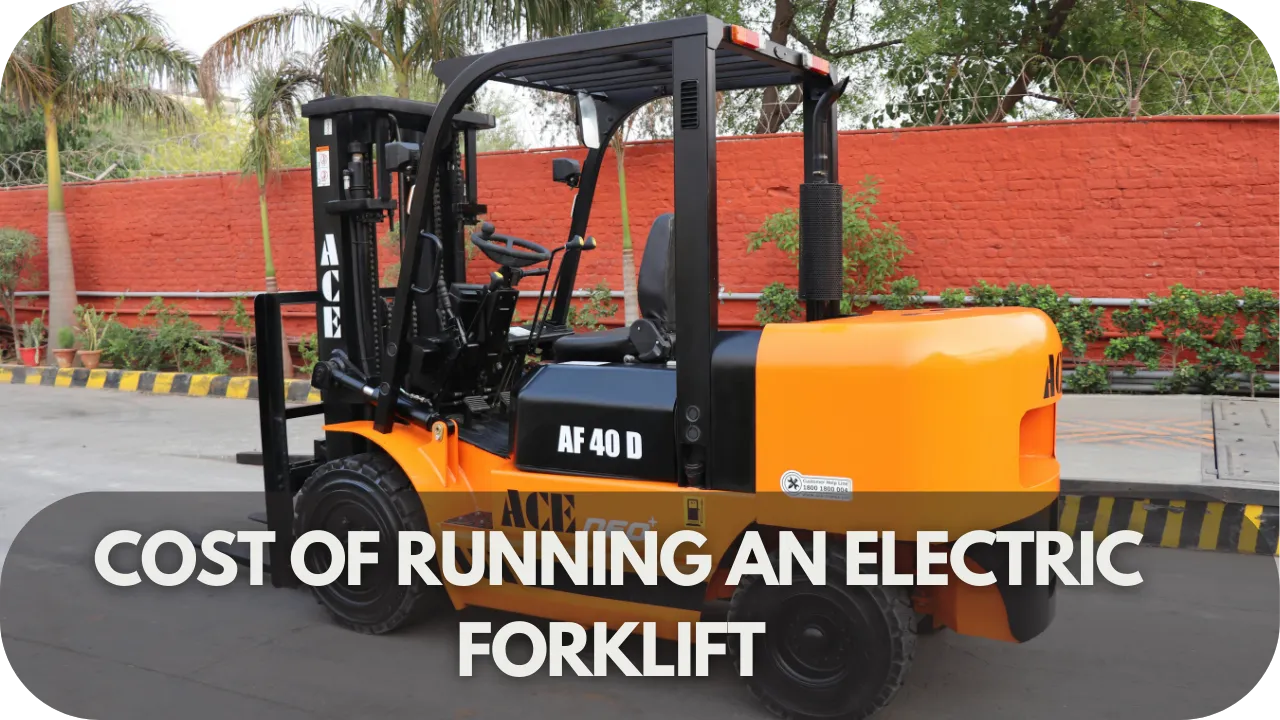
Operating an electric forklift costs depend on energy rates, battery efficiency, and workload. A typical electric forklift consumes 8-12 kWh per hour, meaning at an average electricity rate of $0.30 per kWh, running costs range from $2.40 to $3.60 per hour.
However, inefficient charging habits can increase costs. Frequent partial charging shortens battery lifespans, requiring earlier replacements and adding long-term expenses. Older batteries also draw more power to function, further raising electricity bills.
Despite the energy costs, electric forklifts remain more cost-effective than diesel or LPG models, thanks to lower maintenance expenses and fewer fuel requirements.
Businesses can reduce costs by charging forklifts during off-peak hours, maintaining battery health, and using energy-efficient models. By implementing these strategies, companies can cut electricity bills while ensuring forklifts perform at peak efficiency.
How to Reduce Forklift Energy Consumption
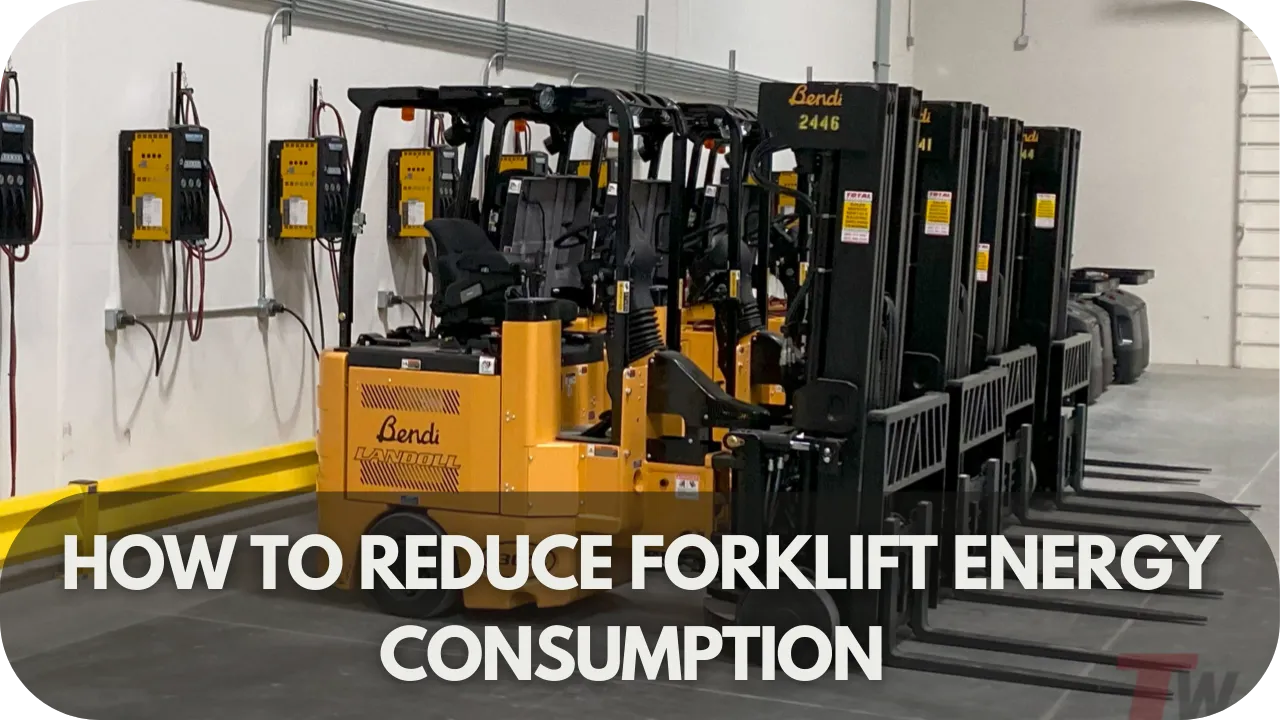
Reducing forklift energy use lowers operational costs and extends battery life. Here’s how to optimise power consumption:
- Charge Smartly: Charge during off-peak hours to save on electricity costs.
- Maintain Batteries: Clean battery terminals, check water levels and avoid deep discharges.
- Optimise Routes: Reduce unnecessary travel by planning efficient routes within the warehouse.
- Reduce Idle Time: Turn off forklifts when not in use to minimise wasted energy.
- Use Energy-Efficient Models: Invest in modern forklifts with power-saving technology.
- Monitor Load Management: Avoid overloading, as heavy loads drain more power.
- Ensure Proper Warehouse Conditions: Keep work areas smooth and obstacle-free to reduce strain on the forklift.
Choosing the Right Electric Forklift for Your Needs
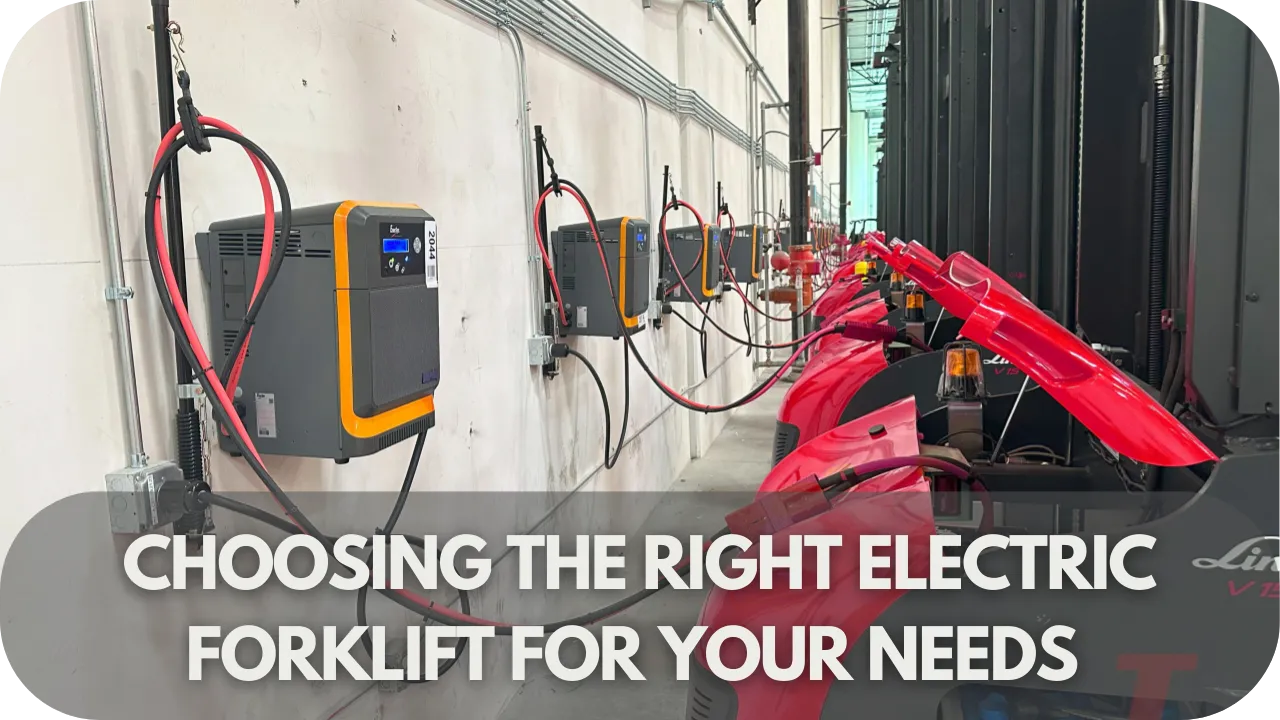
Choosing the right electric forklift improves efficiency and reduces energy costs. Before deciding, businesses must consider their warehouse layout, load requirements, and operational hours. Due to its higher power output, an 80V forklift may be best for heavy-duty operations. However, a 24V or 36V forklift may be more energy-efficient for light warehouse tasks.
Battery type also matters. Lithium-ion batteries provide faster charging and a longer lifespan, while lead-acid batteries are more affordable but require frequent maintenance.
Another key factor is manoeuvrability. If your warehouse has narrow aisles, choose a compact model with a tight turning radius. Businesses should also assess charging infrastructure to ensure smooth operations.
Investing in the right forklift ensures lower running costs, improved efficiency, and long-term reliability. Making an informed decision helps businesses maximise productivity while keeping electricity costs in check.
Conclusion
Understanding how much electricity your forklift uses helps you manage costs and improve efficiency. Choosing the right forklift can significantly affect energy savings and performance.
Need a reliable, energy-efficient forklift? Buy A Fork offers top-quality electric forklifts to suit your needs. Visit Buy A Fork today and power your business smarter!