
How Forklifts Can Improve Warehouse Efficiency
· Updated
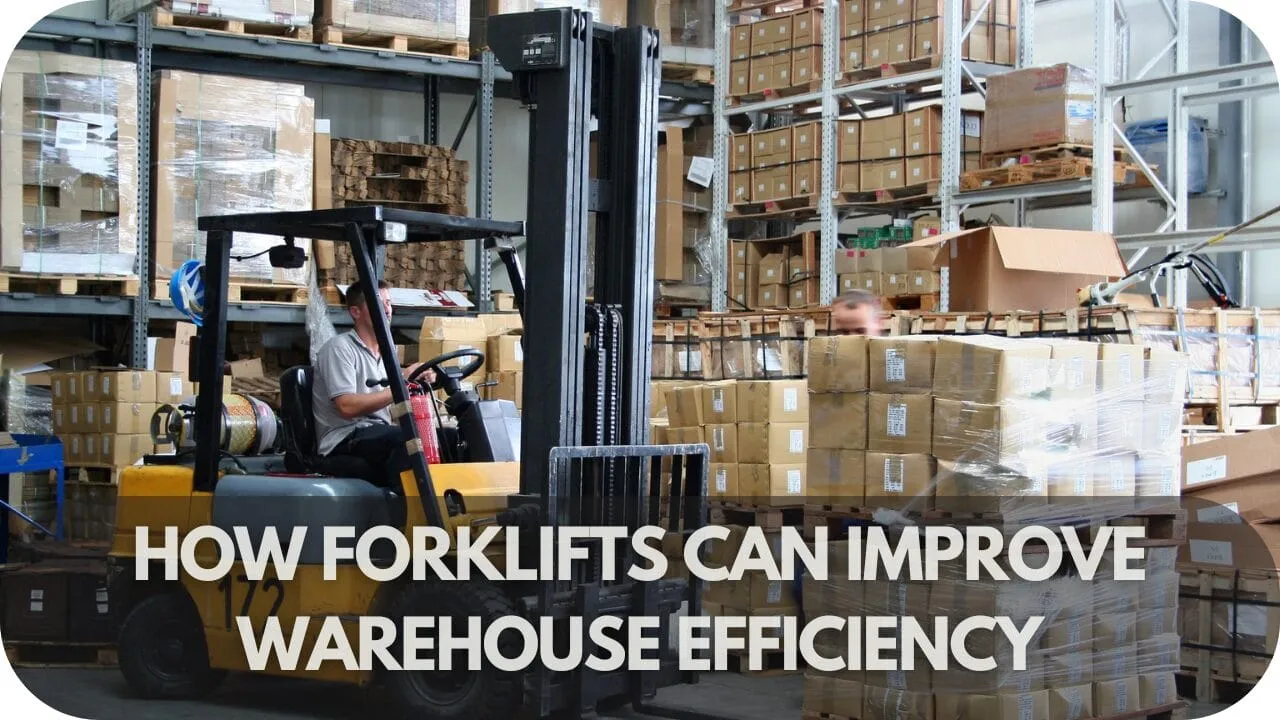
Forklifts are essential for enhancing warehouse efficiency, which is key in optimising operations. From streamlining inventory management to improving safety and speed, these versatile machines can significantly boost productivity.
Whether lifting heavy loads or navigating tight spaces, forklifts ensure smooth operations. This article will explore how incorporating forklifts into your warehouse can reduce downtime, minimise errors, and create a more organised, efficient environment.
Ready to maximise your warehouse potential? Let’s break it down!
1. Improving Seasonal Adaptability
Forklifts improve seasonal adaptability by enabling warehouses to manage fluctuating demand throughout the year efficiently.
During peak seasons, such as holidays or sales events, forklifts help speed up inventory movement, ensuring that products are quickly stocked and orders are fulfilled on time. Their versatility allows them to handle a variety of goods, from bulk items to small packages, adapting to changes in product types and storage needs.
Advanced forklifts, such as those with adjustable forks or specialised attachments, can quickly adapt to different tasks, ensuring smooth operations regardless of seasonal shifts. This flexibility ensures that warehouses can scale operations speedily and manage high volumes without compromising efficiency.
2. Enhancing Workplace Safety
Forklifts significantly enhance workplace safety by reducing the need for manual lifting and carrying heavy loads. This minimises the risk of strain-related injuries and other physical accidents.
With operators trained to handle forklifts properly, the likelihood of accidents is significantly reduced, ensuring a safer environment for all employees. Forklifts are designed with safety features such as stability systems, warning lights, and horns to alert workers of movement, preventing collisions.
Moreover, they help maintain a tidy, organised workspace by facilitating better stacking and storing of goods. This reduces trip hazards and clarifies aisles, contributing to overall warehouse safety.
A forklift safety checklist should be regularly followed to enhance safety further, ensuring that all equipment is inspected for potential hazards and operators adhere to the correct procedures.
3. Maximising Storage Space
Forklifts are essential for maximising storage space in a warehouse. By enabling the stacking of goods at greater heights, forklifts help optimise vertical storage, allowing for more inventory to be stored in the same area. This improves warehouse efficiency and reduces the need for expansion or additional storage.
Forklifts also facilitate the movement of bulky items, ensuring every inch of space is used effectively. They enable the arrangement of products in tight spaces, keeping aisles clear and reducing clutter. This organised approach increases storage capacity and enhances accessibility to goods.
4. Boosting Order Fulfilment Speed
Forklifts are crucial in boosting order fulfilment speed by reducing the time spent moving products across the warehouse. With their ability to quickly transport large quantities of goods, forklifts streamline the picking and packing process, speeding up overall operations. This results in faster order processing, ensuring products reach customers without delays.
Forklifts enable warehouse staff to retrieve items from high storage areas and move them efficiently to packing stations, minimising downtime and improving workflow. Their versatility also allows for handling a variety of product sizes and weights, adapting to diverse order types.
5. Reducing Operational Costs
Forklifts contribute significantly to reducing operational costs in a warehouse. By improving material handling efficiency, forklifts minimise the time and labour required for loading, unloading, and inventory management tasks. This leads to lower labour costs and increased productivity.
Their ability to optimise storage space allows warehouses to make better use of available areas, reducing the need for costly expansion or additional storage. Forklifts also reduce the risk of damage to goods during handling, preventing expensive product loss.
6. Adopting Advanced Forklift Technology
Adopting advanced forklift technology can significantly enhance warehouse efficiency. Modern forklifts with GPS tracking, automated systems, and real-time data analytics optimise route planning and inventory management. This reduces downtime and ensures that goods are moved quickly and accurately throughout the facility.
Technologies such as load sensors and telematics also improve safety by providing operators with instant feedback, reducing the likelihood of accidents and ensuring proper load handling.
Electric and hybrid forklifts also offer energy-efficient solutions, cutting fuel costs and reducing a warehouse’s carbon footprint.
7. Streamlining Material Handling
Forklifts play a crucial role in streamlining material handling within a warehouse. By quickly transporting goods across the facility, forklifts reduce the time spent manually moving items, allowing for faster order fulfilment. Their ability to lift heavy loads and reach high storage spaces optimises space utilisation, ensuring products are stored efficiently.
This reduces bottlenecks and increases throughput, contributing directly to improved operational productivity. Moreover, forklifts enhance safety by minimising the risk of injury associated with manual lifting, ensuring a safer working environment.
8. Enhancing Cross-Docking Efficiency
Forklifts are essential for enhancing cross-docking efficiency, which involves quickly transferring goods from inbound to outbound transport with minimal storage time.
By swiftly moving goods from receiving areas to loading docks, forklifts reduce delays and streamline cross-docking. Their ability to lift and manoeuvre heavy or bulky items ensures quick and safe transfer, optimising the flow of goods through the warehouse.
Equipped with advanced technology, forklifts can assist in real-time tracking and accurate inventory management, ensuring that products are quickly sorted and dispatched to the correct destinations.
The Environmental Impact of Modern Forklifts
Modern forklifts are transforming warehouse efficiency by reducing emissions, cutting costs, and supporting sustainability, all while improving operational performance.
1. Transition to Electric Power
Modern forklifts are increasingly powered by electric motors, eliminating the harmful emissions of internal combustion engines. This shift significantly reduces air pollution and lowers carbon footprints, particularly in indoor environments with limited ventilation.
Electric forklifts are ideal for operations in confined spaces, improving air quality and the overall working environment for employees.
2. Hydrogen Fuel Cell Technology
Hydrogen-powered forklifts offer an even more sustainable option. These vehicles generate electricity through a chemical process, emitting only water vapour, making them a highly eco-friendly choice.
For warehouses that demand high operational efficiency and long running times, hydrogen forklifts provide a clean energy solution without compromising performance or uptime.
3. Energy Efficiency and Regenerative Braking
Many modern forklifts are equipped with energy-efficient designs and regenerative braking systems.
Regenerative braking captures energy during deceleration, returning it to the battery, optimising energy use and reducing consumption. This contributes to lower emissions and longer-lasting equipment, benefiting the environment and operational efficiency.
4. Supporting Sustainability Goals
Adopting eco-friendly forklifts aligns with corporate sustainability efforts, contributing to compliance with stringent environmental regulations.
Integrating green technologies supports long-term business goals by reducing operational costs and enhancing a company’s reputation as an environmentally responsible organisation. This move can foster stronger relationships with stakeholders and customers who value sustainability.
5. Reputation and Cost Savings
Investing in environmentally conscious forklift technology benefits the planet and enhances a company’s reputation as a responsible business.
Lower maintenance and fuel costs significantly reduce long-term expenses, allowing businesses to save substantially over time. As environmental concerns shape market trends, companies with sustainable practices can differentiate themselves in a competitive industry.
6. Reduced Noise Pollution
Electric and hydrogen fuel cell forklifts operate much more quietly than their internal combustion counterparts, reducing noise pollution in warehouse environments. This creates a quieter, more comfortable workspace, increasing employee satisfaction and productivity.
Additionally, businesses can meet noise regulations more easily, particularly in urban areas with stricter limits on industrial noise.
7. Long-Term Cost Efficiency
While the initial investment in electric or hydrogen forklifts may be higher, their long-term operational costs are significantly lower. These forklifts require less maintenance due to fewer moving parts, reducing the need for costly repairs and replacement parts.
With lower fuel consumption and longer lifespan, businesses can see a strong return on investment over time, making them a cost-effective choice in the long run.
Choosing the Right Forklift for Your Warehouse
Choosing the right forklift for your warehouse maximises efficiency and productivity. Consider the following factors:
- Warehouse Layout and Space: Reach or turret trucks are ideal for narrow aisles and high-density storage due to their manoeuvrability and space optimisation.
- Load Capacity: If handling heavy loads, opt for counterbalance forklifts with high load capacities. For lighter tasks, pallet jacks or order pickers are sufficient.
- Storage Height: For warehouses with high racking systems, reach trucks, and order pickers excel in accessing elevated storage.
- Goods Type: Choose forklifts based on the type of goods you handle. Heavy-duty forklifts counterbalance are better for large, bulky items, while pallet jacks work well for smaller, lighter loads.
- Long-Term Costs: When deciding, factor in maintenance, operator training, and fuel efficiency.
- Forklift Power Source: Decide between electric, diesel, or LPG-powered forklifts, considering energy efficiency, operating environment, and running costs.
- Safety Features: Ensure the forklift has essential safety features such as stability systems, warning lights, and load sensors to minimise accidents and improve workplace safety.
- Operator Comfort: A forklift with adjustable seats and easy-to-use controls can improve operator efficiency and reduce fatigue.
Conclusion
Forklifts are indispensable for boosting warehouse efficiency enhancing productivity, safety, and space utilisation. By adopting the right forklift types and leveraging advanced technology, warehouses can streamline operations and meet growing demands effectively.
Buy A Fork offers a range of reliable forklifts to suit your operational needs. Take the next step towards optimising your warehouse efficiency by choosing Buy A Fork as your trusted supplier today.