
Forklift Safety Checklist: Essential Tips for Operators
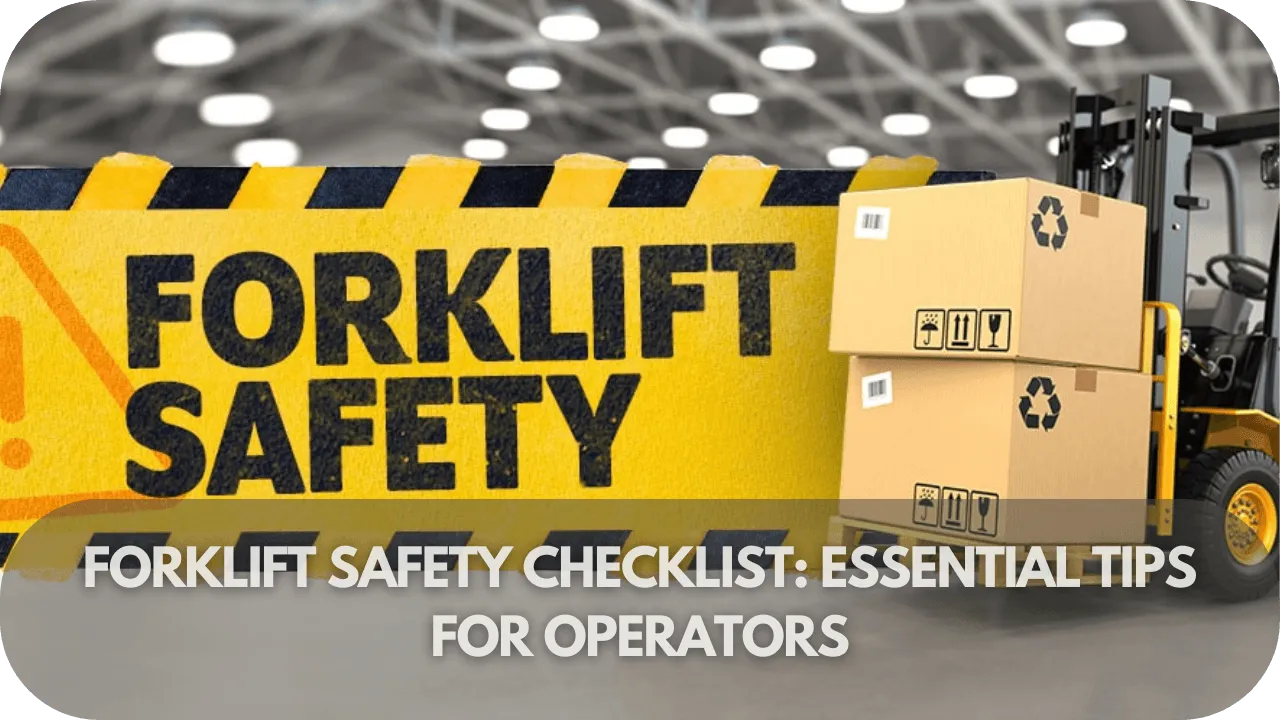
Forklifts are essential in many workplaces, from warehouses to construction sites. These heavy-duty machines help move materials quickly and efficiently, but they can also pose serious risks if not operated correctly.
Accidents involving forklifts can result in significant injuries, property damage, or even fatalities. As a forklift operator, you must ensure your workplace is as safe as possible.
It is vital to follow a comprehensive forklift safety checklist. Let’s review the key safety tips every operator should follow to protect themselves, their colleagues, and the workplace.
Why Forklift Safety is Important
Forklift safety is essential to ensuring a secure and productive work environment. Accidents involving forklifts can lead to severe injuries, equipment damage, and costly downtime, impacting employees and businesses.
Proper safety practices help minimise these risks, protecting workers and preventing disruptions.
Additionally, following forklift safety guidelines ensures compliance with workplace safety regulations, such as OSHA or WorkSafe standards, avoiding fines and legal penalties.
Prioritising safety also extends the lifespan of forklifts, reducing maintenance costs and improving overall efficiency.
By fostering a culture of safety, businesses enhance employee confidence, reduce workplace incidents, and maintain smooth operations. A well-implemented forklift safety checklist and proper operator training are the foundation for preventing accidents and maintaining a productive workspace.
Pre-Operational Forklift Safety Checklist
Before you start the engine, a thorough inspection of your forklift is necessary to ensure it’s in safe working order. Here are the key areas to check during the pre-operation inspection:
1. Inspect the Forklift
Check the condition of the tyres for signs of wear, punctures, or improper inflation. Inspect the brakes and steering for any irregularities. Test the lights, horn, and other signalling devices to ensure they function correctly.
Check the oil levels to ensure the forklift is adequately lubricated. Similarly, ensure that fuel, water, and hydraulic fluid are at proper levels to avoid operational failure.
Look for cracks, damage, or wear on the forks, mast, and load backrest. These components are essential for safely lifting and carrying loads, so ensuring they are in good condition is crucial.
2. Battery and Fuel Checks
If your forklift is electric, check the battery for corrosion and ensure it’s properly charged. Check the fuel levels for gas-powered forklifts and ensure the tank is secure and leak-free.
3. Operational Controls
Before starting the forklift, test the levers, pedals, and hydraulic systems to ensure they function smoothly. The controls should be responsive to prevent accidents during operation.
4. Safety Accessories
Ensure that seatbelts are in place and functioning correctly. Check mirrors for clear visibility and adjust them to suit your driving position. Verify that all warning lights and alarms are working correctly to alert you and others of potential hazards.
Essential Operational Safety Tips
Once your pre-operational checks are complete, you can begin operating a forklift. Follow these essential tips to keep yourself and your workplace safe using a forklift.
1. Starting Safely
Always wear your seatbelt before starting the forklift. Ensure your hands and feet are correctly positioned on the controls to avoid injury. Only begin the forklift if you’re fully prepared and in control.
2. Loading and Unloading
Never exceed the load capacity of the forklift. Overloading can cause instability and lead to tipping. Always ensure the load is evenly distributed on the forks and stable before lifting.
When stacking loads, ensure they are stable and properly secured. Always lower the load to the floor when no longer needed, and avoid stacking items too high.
3. Driving Guidelines
Always drive at safe speeds, especially when navigating corners, ramps, or narrow aisles. Speeding increases the risk of accidents, particularly in high-traffic areas.
Always approach slopes or uneven surfaces with caution. Forklifts can tip easily on gradients, so drive slowly and ensure the load is balanced correctly.
Always use the horn and other signalling devices in high-traffic areas to alert others of your presence. This is especially important in crowded warehouse environments where visibility may be limited.
4. Pedestrian Safety
Always maintain a safe distance from pedestrians, other vehicles, and obstacles. Forklift operators should be particularly cautious in areas with daily foot traffic.
If your view is obstructed or you need to reverse, use a spotter to ensure the path is clear. Spotters can help prevent collisions and improve overall safety.
5. Parking Safely
Always turn off the forklift’s engine and set the parking brakes when parking. Lower the forks entirely to the ground to prevent them from becoming a tripping hazard.
Common Forklift Safety Mistakes to Avoid
Even experienced operators can fall into bad habits or overlook safety practices. Here are some of the most common forklift safety mistakes to avoid:
- Overloading the Forklift: Exceeding the forklift’s load capacity is a leading cause of accidents. Always check the weight limits before lifting any load.
- Driving with Elevated Forks: Driving with the forks raised can cause the forklift to become unstable. Always lower the forks to the ground when not actively lifting a load.
- Ignoring Maintenance and Inspections: Skipping regular inspections or neglecting maintenance can lead to malfunctions compromising safety. Always adhere to maintenance schedules and report any issues immediately.
- Neglecting Training Requirements: A significant risk is operating a forklift without proper training. Ensure all operators are certified and receive regular refresher courses to stay up-to-date with best practices.
Post-Operational Checklist
After using the forklift, a post-operational checklist is just as crucial as the pre-operation checks. Always park the forklift in a designated area clear of foot traffic and obstacles. Ensure that the machine is on a level surface.
After use, take a few minutes to inspect the forklift for any wear or damage that may have occurred during operation. Look for any signs of stress or issues that need attention. If you notice any faults or problems, report them immediately to your supervisor or maintenance team. Early detection of issues can prevent more serious problems later.
Importance of Operator Training and Certification
Certified training is crucial for ensuring forklift operators use equipment safely and effectively. Operators should be trained in key skills like lifting, driving, and stacking, with regular refresher courses to stay updated on safety standards.
Investing in proper training and certification helps employers reduce accidents and improve workplace safety. Training must meet recognised standards, including Australian regulations and global guidelines such as OSHA and ISO, ensuring compliance with best-practice safety protocols.
Safety Tips for Employers
Employers play a critical role in fostering a safe working environment. Here are some ways to ensure forklift safety in your workplace:
- Create a Culture of Safety: Establish a culture of safety where operators are encouraged to follow best practices and report safety concerns without fear of retribution.
- Provide Regular Safety Audits and Updated Training: Conduct regular safety audits and provide updated training for operators. This helps ensure that safety procedures are followed consistently.
- Invest in Proper Equipment and Maintenance: Ensure all forklifts are well-maintained and meet safety standards. Investing in the right equipment reduces the likelihood of breakdowns and accidents.
Conclusion
Forklift safety is crucial for preventing accidents and ensuring a safe working environment. Following the checklist outlined above, you can protect yourself, your colleagues, and your workplace from potential hazards.
Prioritising proper training, regular maintenance, and safe operating practices is key to avoiding costly mistakes. For top-quality forklifts, accessories, and expert safety advice, visit Buy A Fork today and ensure your workplace operates safely and efficiently!