
How To Safely Change A Forklift Propane Tank
· Updated
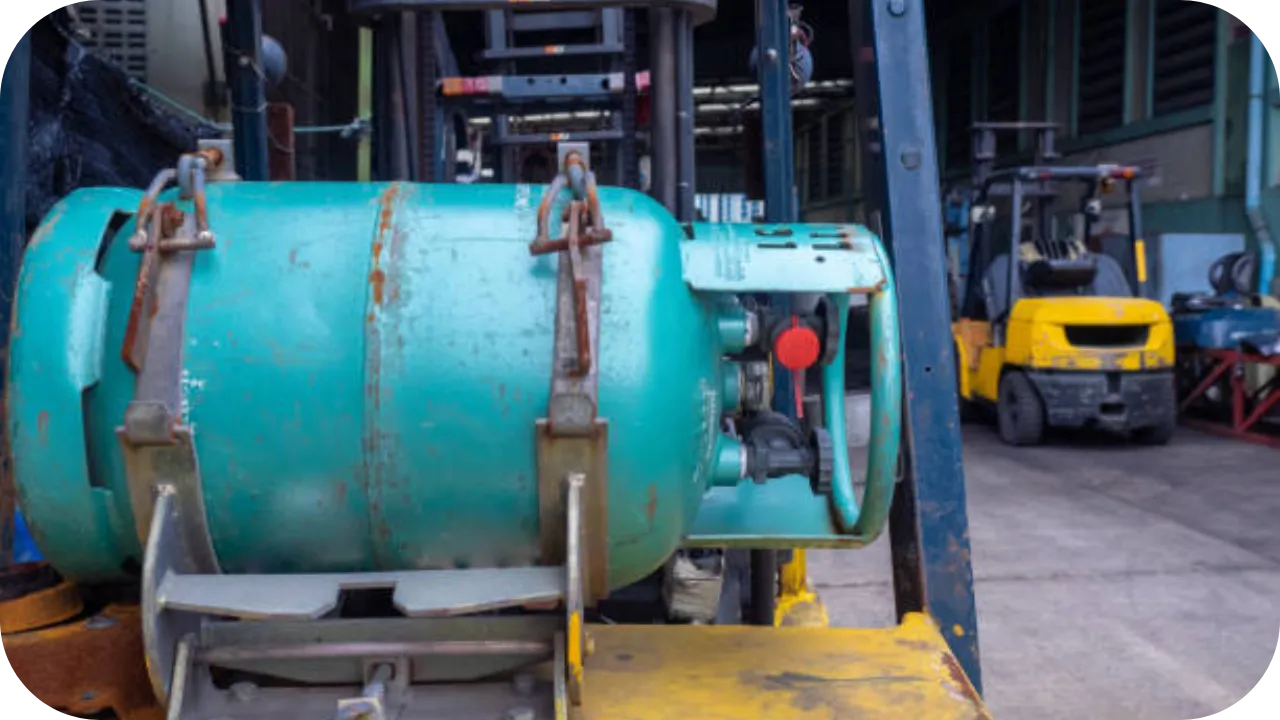
Changing a forklift propane tank may seem straightforward, but safety is key to preventing accidents. Knowing how to handle and replace the propane tank properly is essential whether you’re a forklift operator or warehouse manager.
In this guide, we’ll walk you through the steps, from turning off the gas supply to checking for leaks, ensuring you can perform the task confidently and safely. Here’s how to safely change your forklift’s propane tank.
Why Safety is Crucial When Changing a Forklift Propane Tank
Due to the potential risks, safety is crucial when changing a forklift propane tank. Propane is highly flammable, and improper handling can lead to fires, explosions, or hazardous gas leaks.
Additionally, mishandling the tank may cause damage to the forklift or its components, leading to costly repairs. Strict adherence to safety protocols ensures that operators and others in the vicinity remain protected.
It also helps maintain regulatory compliance with workplace safety standards, reducing the risk of legal repercussions. Proper training, correct tools, and regular safety checks are essential to minimise these risks and keep operations running smoothly.
Essential Tools and Equipment Needed to Change a Forklift Propane Tank

Changing a forklift propane tank requires specific tools and equipment to ensure safety and efficiency. The essential items include:
- Gloves: Heavy-duty, flame-resistant gloves protect your hands from potential burns and sharp edges on the propane tank.
- Wrenches: A suitable wrench or socket set is needed to securely disconnect the propane tank from the forklift’s gas line.
- Propane Leak Detector: After attaching the new tank, a leak detector or soapy water solution helps identify gas leaks.
- Personal Protective Equipment (PPE): Besides gloves, safety goggles and flame-retardant clothing should be worn to protect against splashes and sparks.
- Propane Tank Valve Wrench: This tool tightens or loosens the valve on the propane tank, ensuring a secure connection.
- Ventilation: Ensure proper ventilation in the area, especially when working indoors, to prevent gas accumulation.
Step-by-Step Guide: How to Change a Forklift Propane Tank Safely
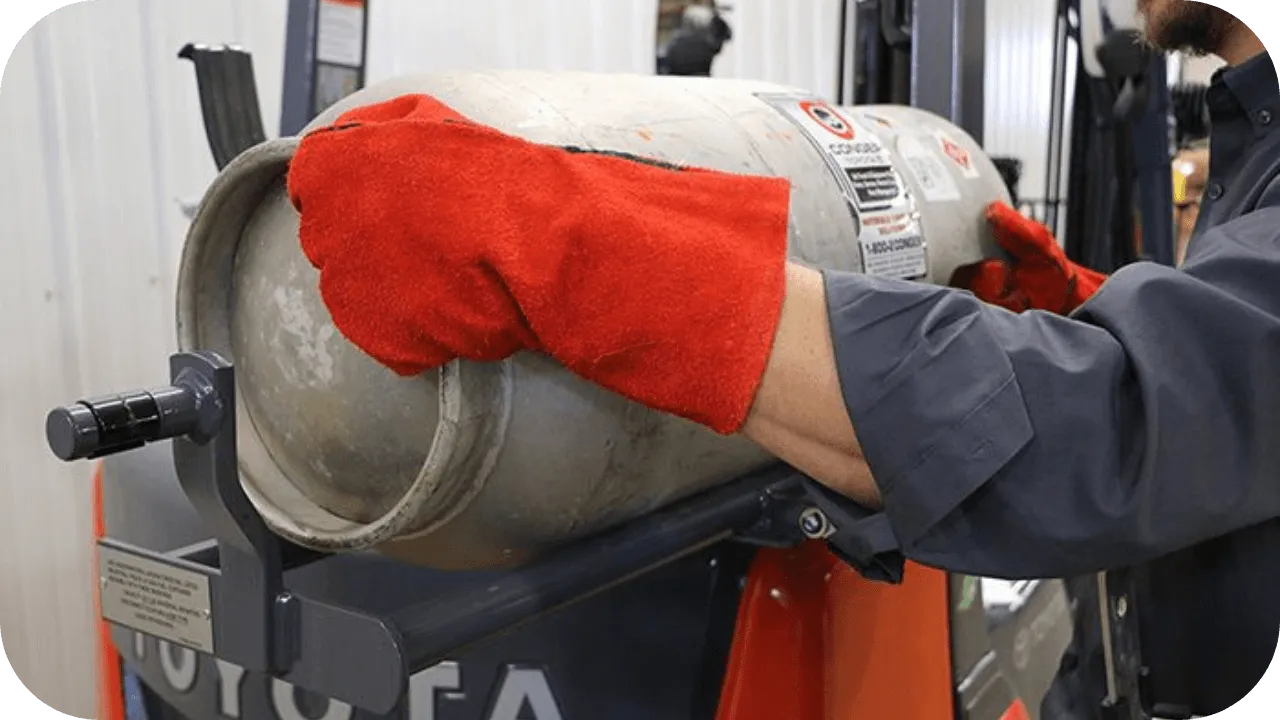
Changing a forklift propane tank safely is essential for smooth operations and safety. Follow these steps to ensure a secure and efficient tank replacement process.
Step1. Ensure Proper Ventilation and Clear the Area
Before starting, ensure the area is well-ventilated to prevent gas accumulation. Remove any potential ignition sources, such as open flames or electrical equipment, to reduce the risk of fire or explosion.
Step2. Turn Off the Forklift and Secure the Parking Brake
Turn off the forklift completely and engage the parking brake to ensure it remains stationary during the tank change.
This step prevents unexpected movement and ensures safety while handling the propane tank.
Step3. Shut Off the Propane Supply Valve
Locate and turn off the propane supply valve on the tank. This step is critical to stopping the gas flow and avoiding leaks or accidents when disconnecting the tank from the forklift.
Step4. Detach the Empty Tank from the Forklift
Carefully disconnect the empty propane tank from the forklift. Use a suitable wrench to loosen the connection and ensure no residual gas escapes during the detachment process, which could pose a hazard.
Step 5. Attach the New Propane Tank Securely
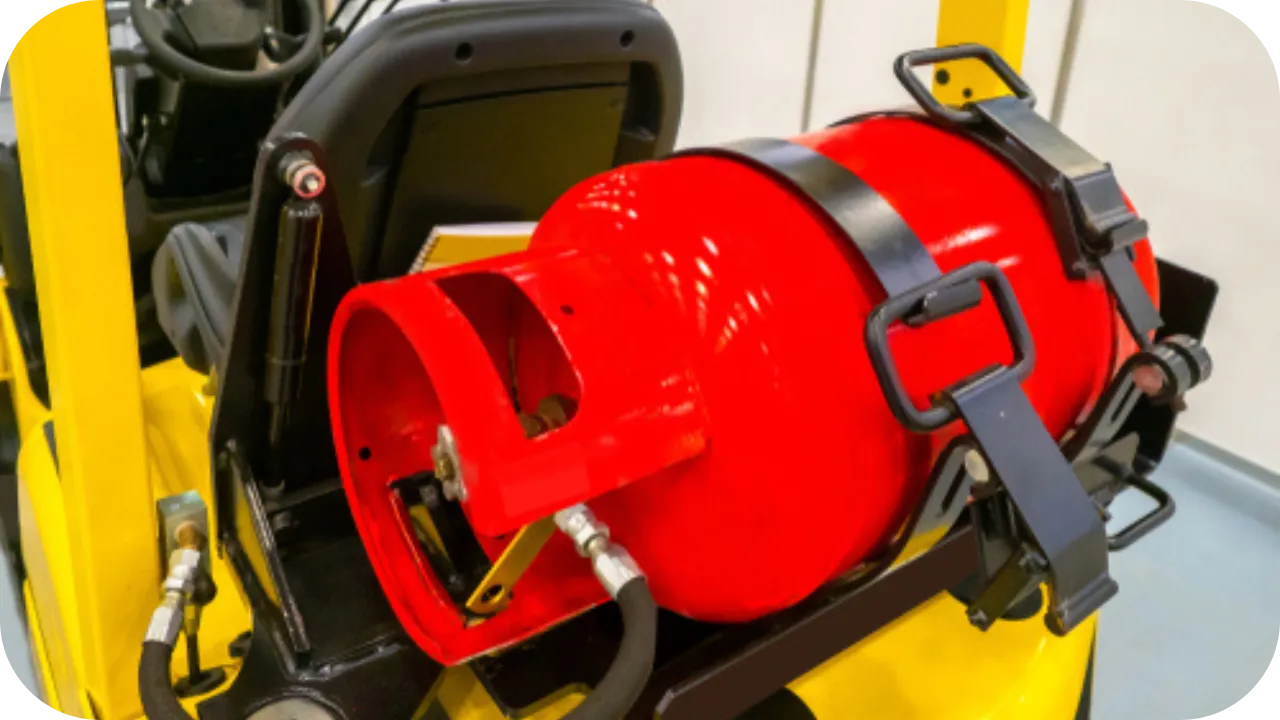
Align and securely attach the new propane tank to the forklift, fastening it tightly. Check the connection for misalignments, as a loose connection could lead to leaks or operational issues.
Step6. Recheck for Leaks and Turn On the Gas Supply
Before starting the forklift, check the tank and connections for any leaks using a leak detector or soapy water solution. If no leaks are found, slowly open the propane valve to restore the gas supply.
Step7. Test the Forklift Functionality Post Tank Change
Start the forklift and test its functionality to ensure the new propane tank functions correctly. Check for smooth operation and gas pressure and ensure that the forklift performs as expected before continuing regular use.
Propane Safety Tips for Forklift Operators
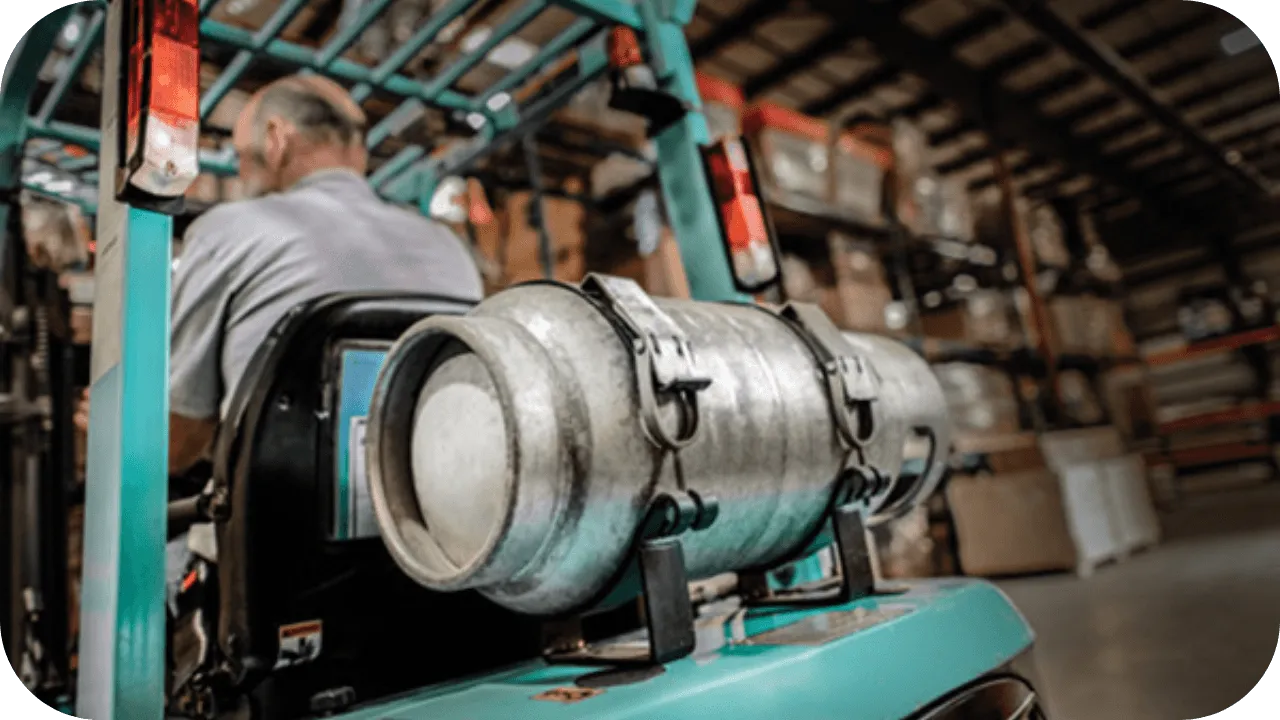
Here are some key Propane Safety Tips for Forklift Operators:
- Wear appropriate PPE: Always wear gloves and safety goggles when handling propane tanks to protect against burns and injuries.
- Ensure proper ventilation: Work in well-ventilated areas to prevent gas build-up and reduce the risk of fire or explosion.
- Check for leaks: Before starting the forklift, use a leak detector or soapy water solution to check for leaks. Never proceed if leaks are detected.
- Avoid open flames and electrical devices. Propane is highly flammable, so avoid ignition sources when handling it.
- Store propane tanks safely: Always store propane tanks in a cool, dry, and well-ventilated area, away from heat sources.
- Securely fasten tanks: When transporting propane tanks, ensure they are securely attached to prevent tipping or damage.
- Regular maintenance and inspection: Conduct routine checks and maintenance on propane-powered forklifts to ensure the system is functioning safely.
- Never leave a running forklift unattended: Always turn off the propane supply and parking brake before leaving a forklift.
- Know emergency procedures: Be trained to respond to propane leaks or accidents, including evacuation plans and emergency contacts.
- Handle propane tanks carefully: Avoid dropping or hitting the propane tank, as damage can result in dangerous leaks or malfunctions.
What to Do If You Encounter a Propane Leak
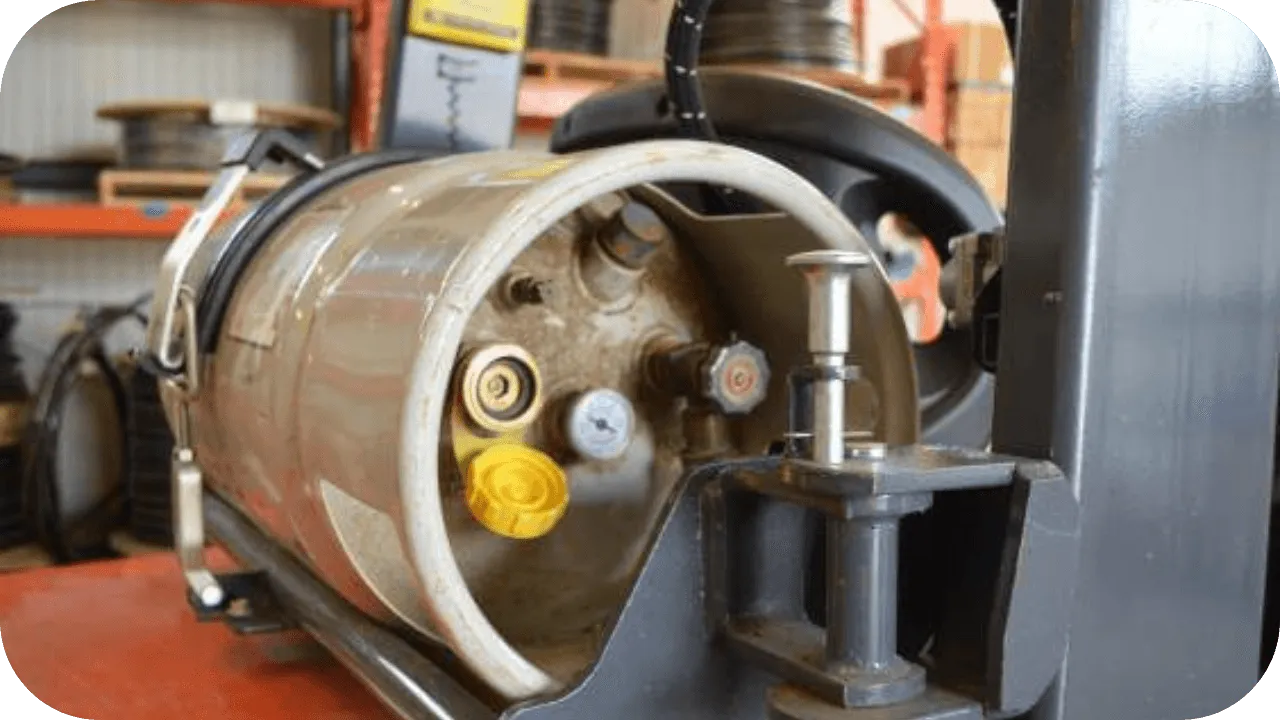
If you encounter a propane leak, immediate action is crucial to ensure safety. Follow these steps:
- Shut off the propane supply: Quickly turn off the propane valve to stop the gas flow and prevent further leakage.
- Evacuate the area: Clear all personnel from the vicinity, ensuring they are safe from the forklift and any ignition sources.
- Do not use electrical devices: Avoid using phones, radios, or other electrical equipment that could create a spark near the leak.
- Ventilate the area: If you’re working indoors, open windows or doors to allow the gas to dissipate. Ensure adequate ventilation to avoid gas accumulation.
- Check for leaks: After ensuring the area is safe, use a leak detector or soapy water solution to confirm the leak’s location.
- Contact emergency services: If the leak is substantial or you cannot control the situation, contact emergency services immediately.
- Professional inspection: Have a qualified technician inspect the forklift and propane system before returning it to service.
Types of Propane Forklifts Available for Different Applications
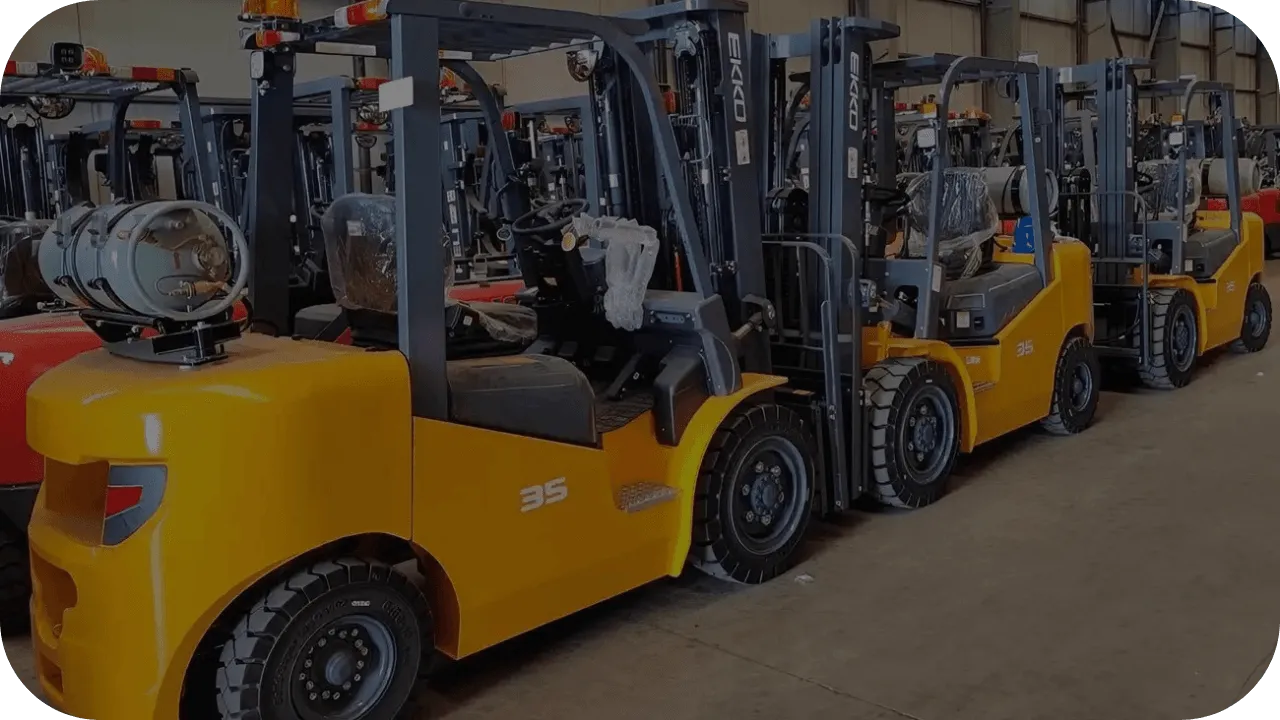
Choosing the right propane forklift maximises efficiency and safety. Below are some top models designed to meet specific lifting needs and operational environments.
1. 2010 Toyota Forklift
The 2010 Toyota Forklift is renowned for its durability and smooth operation. It is designed to handle various lifting tasks in medium-duty environments and offers both indoor and outdoor versatility.
Its efficient propane engine provides a reliable, cost-effective solution for warehouses and distribution centres, ensuring high productivity and minimal downtime.
2. 2017 Deluxe Model 2.5 Tonne Toyota
The 2017 Deluxe Model 2.5 Tonne Toyota propane forklift is ideal for heavy-duty applications in tight spaces.
It combines robust lifting power with advanced safety features, including a spacious operator cabin. The propane fuel system ensures consistent performance, making it perfect for industries requiring frequent, reliable lifting in high and low-demand environments.
3. 2018 1.8 Tonne Toyota Forklift
The 2018 1.8 Tonne Toyota Forklift offers exceptional manoeuvrability and fuel efficiency, making it perfect for indoor operations and smaller spaces.
Its compact design and high lifting capacity make it a top choice for warehouse environments with limited space, but heavy lifting is still required. The propane engine ensures reliability and long operational hours with minimal maintenance.
4. TOYOTA 32-8FG18
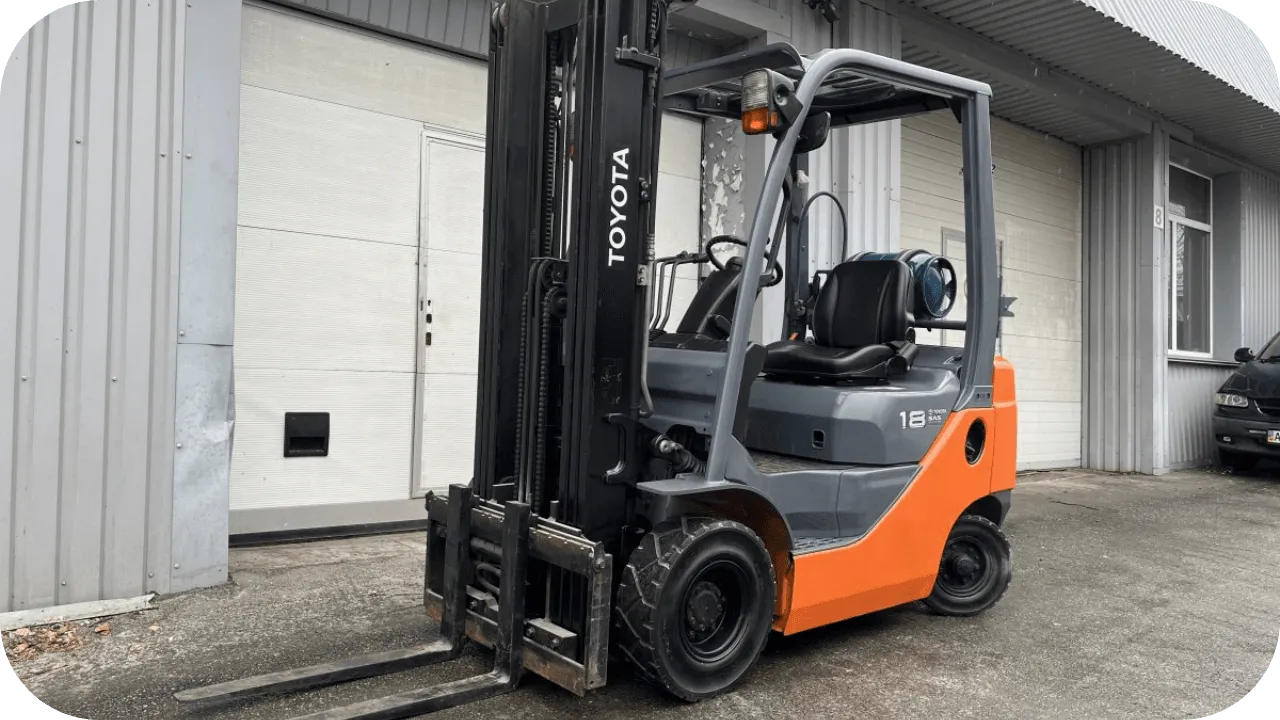
The TOYOTA 32-8FG18 propane forklift is designed for high efficiency and low operational costs. This 3.5-tonne model offers excellent manoeuvrability and stability, making it ideal for industrial and commercial applications.
With advanced safety features and a powerful propane engine, the Toyota 32-8FG18 is a reliable choice for heavy lifting in busy environments that require precision and dependability.
5. Linde | 2.5T | Diesel/LPG – H25-H35 Series 1220
The Linde 2.5T Diesel/LPG – H25-H35 Series 1220 is versatile for indoor and outdoor applications. This forklift combines the advantages of both diesel and LPG, offering flexibility for different work environments.
It is built for demanding tasks, with a strong lifting capacity and a focus on fuel efficiency, providing a powerful yet economical solution for industrial sites.
Conclusion
Changing a forklift propane tank safely is essential for operational efficiency and workplace safety. Following the proper steps and safety tips ensures a secure environment for everyone.
Don’t take risks – ensure your team is trained, your equipment is maintained, and your safety protocols are followed. For reliable forklifts and expert advice, trust Buy A Fork to keep your operations safe and efficient.