
BT Electric Stackers: Key Features to Consider
· Updated
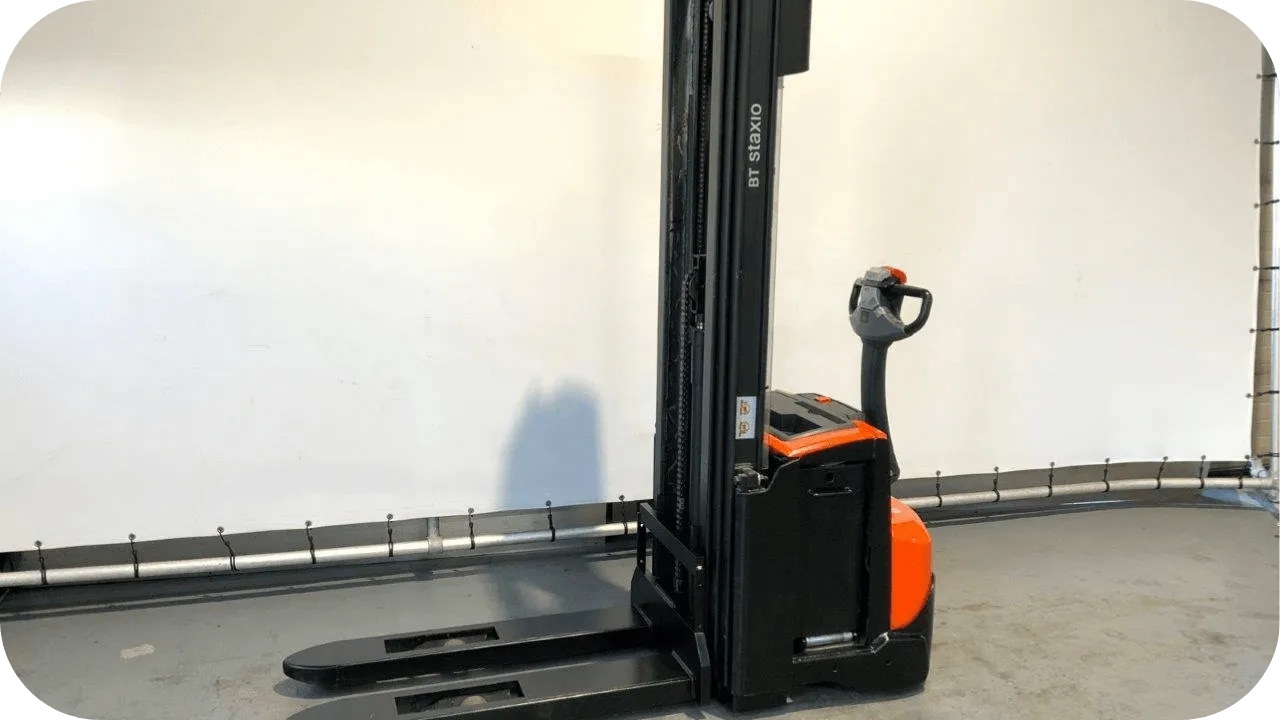
In today’s fast-paced warehouse environment, efficiency is paramount. That’s where BT Electric Stackers come in—these machines help streamline operations by lifting and moving heavy loads.
Whether you’re a small business owner or managing a large warehouse, choosing the right stacker can make all the difference. But with so many options, how do you know which one to pick?
Let’s examine the key features of BT Electric Stackers to help you make the right choice and improve your operations.
What Are BT Electric Stackers?
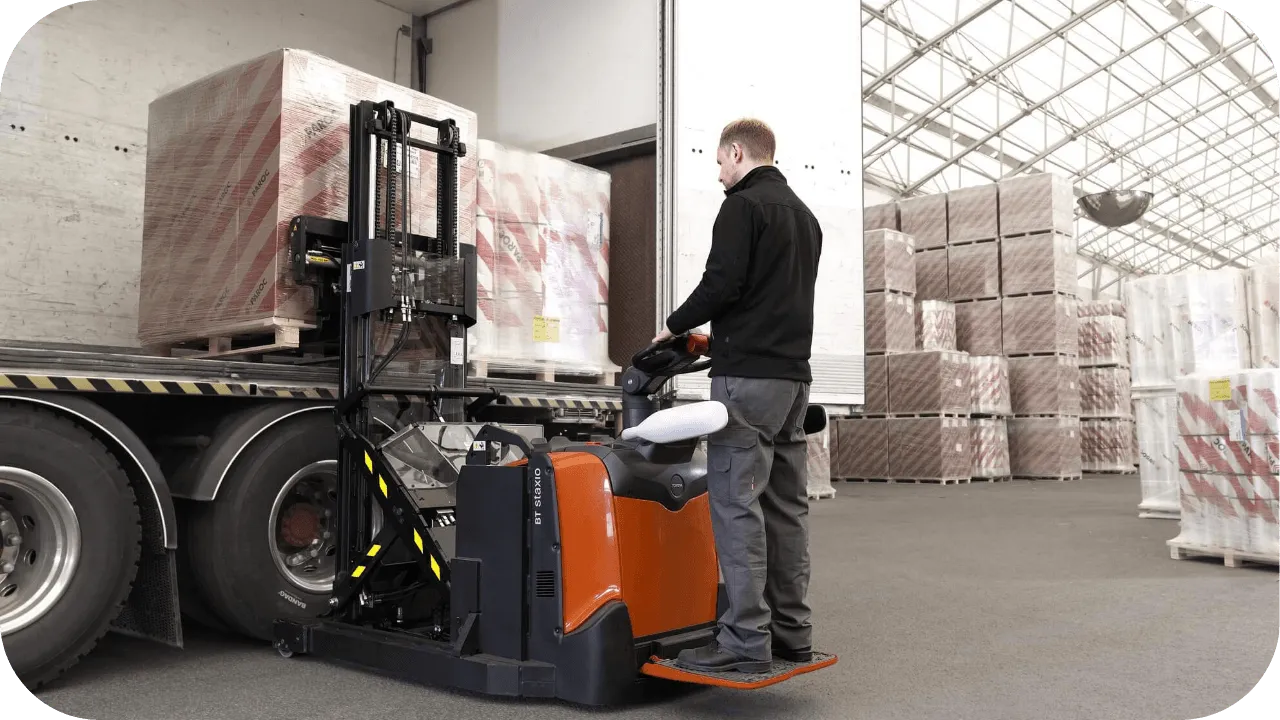
BT Electric Stackers are versatile material-handling machines that lift, stack, and move pallets in warehouses and industrial spaces. Unlike manual stackers, these electric models are powered by batteries, reducing the physical effort required by operators.
BT Electric Stackers are designed to help businesses optimise warehouse space, improve productivity, and enhance safety.
There are different types of electric stackers, such as pedestrian stackers, in which operators walk alongside the machine, and rider stackers, in which the operator rides with the machine. Each model is tailored to meet specific operational needs, such as handling varying load sizes or working in tight spaces.
When looking for a stacker, consider your business’s needs, such as maximum load capacity, manoeuvrability, or battery life. The right BT Electric Stacker will transform how you handle your warehouse tasks.
Key Features to Consider When Choosing BT Electric Stackers
Selecting the right BT Electric Stacker can transform your warehouse operations. Here are the essential features you must consider to ensure you make the best choice for your business.
1. Capacity and Lift Height
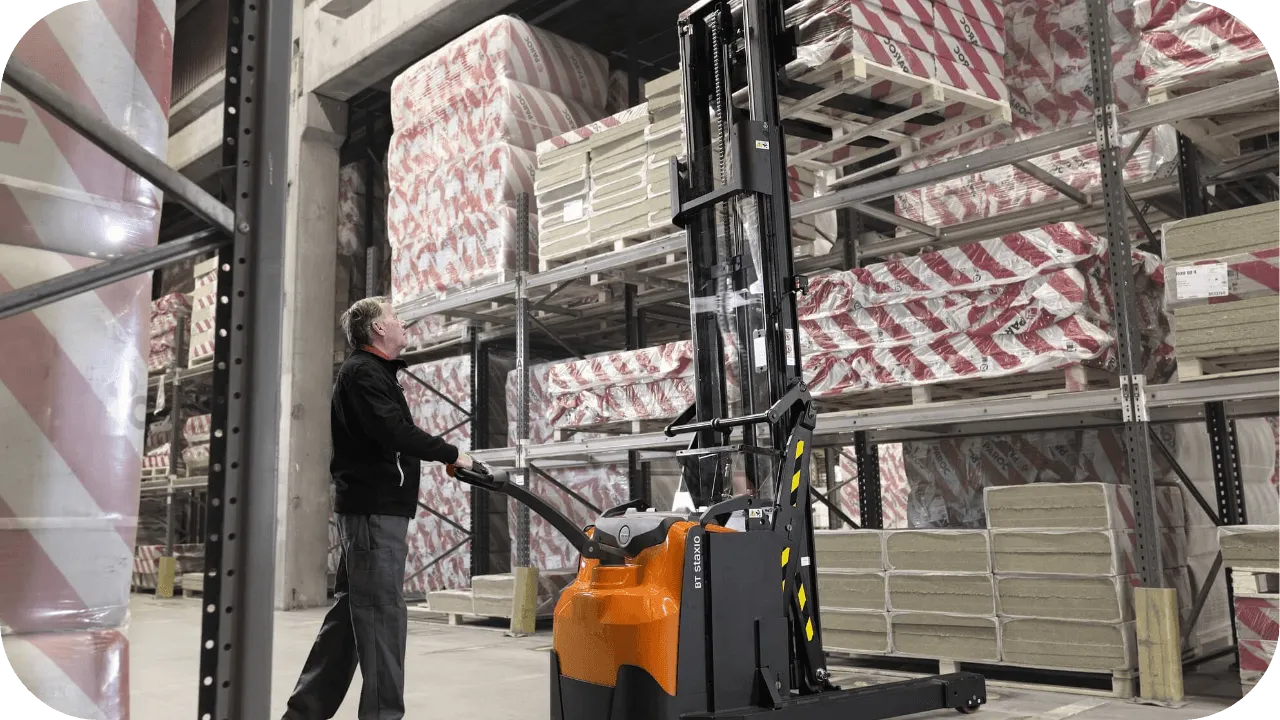
When choosing a BT Electric Stacker, the first thing to consider is its weight capacity and lift height. These features directly affect the stacker’s performance and suitability for your business needs. You’ll want to choose a model that can handle your heaviest loads while reaching the necessary heights to store or retrieve pallets efficiently.
BT Electric Stackers come in various capacities, from small models for lighter loads to heavy-duty versions for large pallet weights.
Lift height is equally important, as it ensures your stacker can reach the shelves or racks in your warehouse. Evaluate your warehouse’s vertical and horizontal storage needs to find the stacker that best suits your operations.
2. Battery Life and Charging Time
Electric stackers rely on their batteries to power their operations, and having a reliable battery is crucial for maintaining consistent performance throughout the day.
BT Electric Stackers use lead-acid and lithium-ion batteries, offering quicker charging time and longer operational periods between charges.
Battery life is key to reducing downtime and ensuring the stacker is ready when needed. BT’s advanced battery management system ensures your stacker lasts longer and stays efficient.
A quick charging time also means fewer breaks in your workflow. Consider the charging infrastructure in your warehouse and whether you’ll need a stacker that can operate for long hours on a single charge.
3. Maneuverability and Size
Manoeuvrability is essential for any stacker, particularly in warehouses with narrow aisles or tight corners. BT Electric Stackers are designed with excellent manoeuvrability, allowing operators to navigate small spaces easily.
Whether you need to operate in narrow aisles or between tight racking systems, these stackers can turn on a dime and transport goods efficiently.
Choosing the right size stacker also affects manoeuvrability. BT offers compact stackers ideal for smaller warehouses or those with limited space. Consider your warehouse layout before selecting to ensure the stacker can easily access every corner.
4. Fork Length and Width
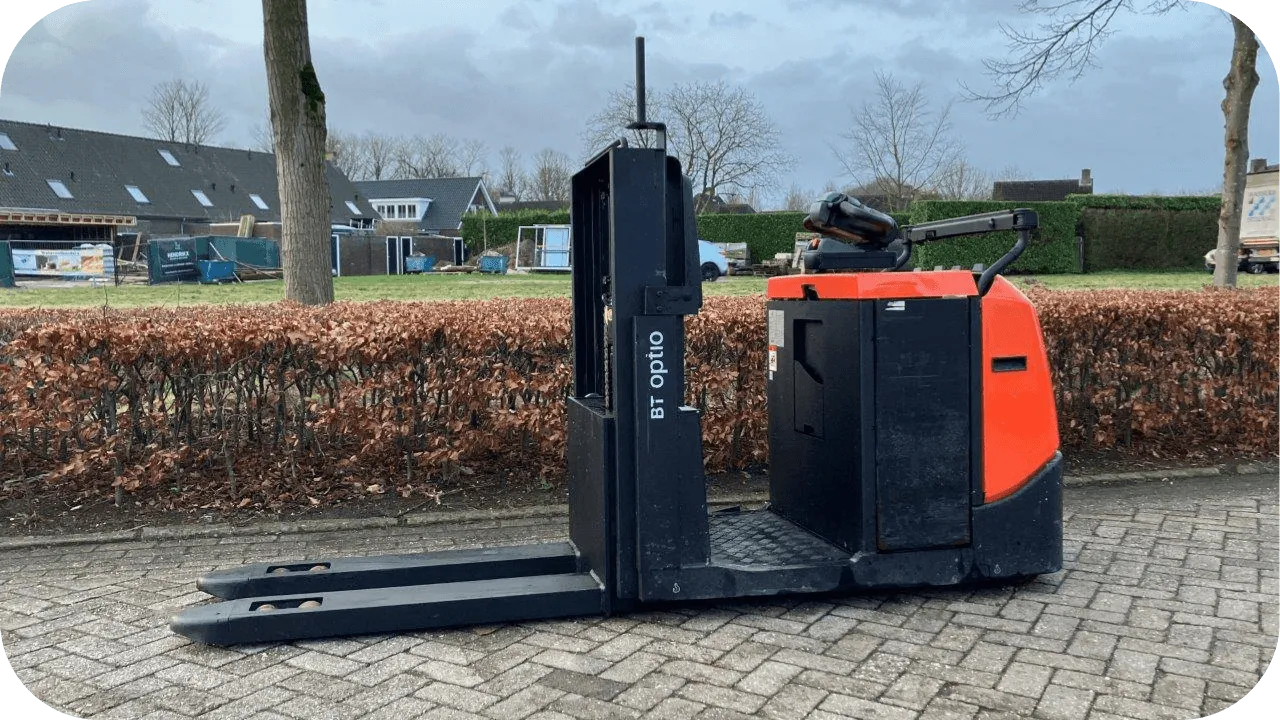
The fork length and width of a BT Electric Stacker can impact how well it fits different pallets. Pallets come in varying sizes, so the stacker must be adaptable to the ones used in your warehouse.
BT stackers come with adjustable fork widths, allowing you to customise the machine to fit different pallet sizes, from Euro pallets to standard ones.
Choosing the right fork size ensures that your stacker can efficiently lift and stack pallets without damaging the load or the racking system. If you deal with various pallet types, consider a stacker with adjustable forks for maximum flexibility.
5. Safety Features
Safety should always be a priority when selecting any warehouse equipment, and BT Electric Stackers are equipped with a wide range of safety features to protect operators and goods.
Features like automatic speed reduction when cornering, emergency stop buttons, and stability control systems ensure your stacker operates smoothly and safely.
Additionally, many BT stackers include sensors that prevent the forks from colliding with surrounding equipment or walls. The stacker’s ergonomic design also ensures operators maintain a secure, comfortable position while working.
Investing in a stacker with advanced safety features reduces the risk of accidents and protects your workers from unnecessary harm.
6. Ergonomics and Operator Comfort
A stacker that prioritises operator comfort can lead to better performance and fewer injuries over time. BT Electric Stackers are designed with ergonomics in mind, offering adjustable handles, comfortable footrests, and easy-to-use controls.
These features help reduce operator fatigue, allowing your team to work longer and more effectively.
The control panel and handle layout are designed to ensure smooth, intuitive operations, whether the operator is standing or riding. Investing in a stacker that prioritises ergonomics can boost productivity and worker satisfaction.
7. Durability and Build Quality
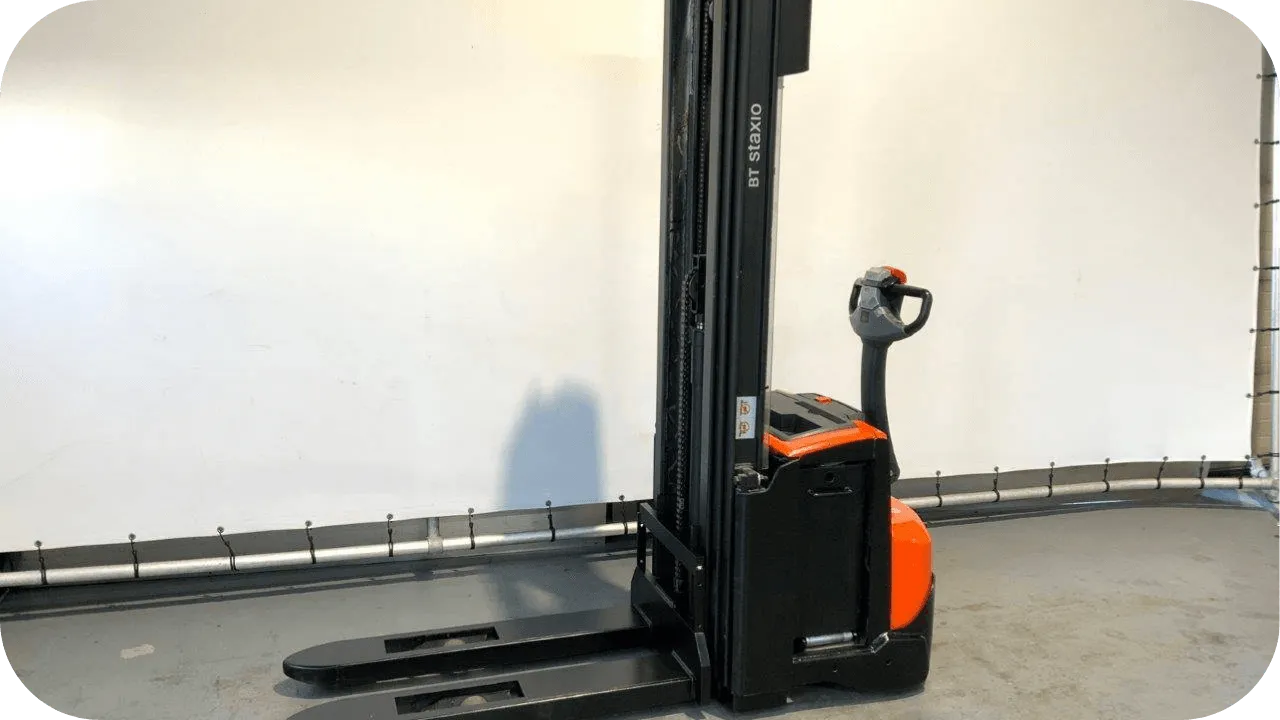
Durability is a crucial factor in industrial equipment, and BT Electric Stackers are built to withstand the rigours of a busy warehouse environment. Made from high-quality materials, they are designed to last.
Whether it’s a heavy-duty steel frame or corrosion-resistant parts, BT stackers are rugged and reliable.
A stacker’s durability ensures it can handle various tasks, from stacking heavy loads to navigating challenging environments. Choosing a durable stacker reduces the long-term costs of repairs and replacements, making it a wise investment for businesses looking to maximise their ROI.
8. Cost and Return on Investment
While upfront costs are always a consideration, looking at the long-term return on investment is essential when choosing a BT Electric Stacker. These machines are designed to last and require minimal maintenance, which means fewer repair costs down the line.
The productivity boost they bring to your warehouse operations translates into a higher bottom line.
Consider how often the stacker will be used, the types of loads it will handle, and its lifespan. When factoring in labour, time, and maintenance savings, the value of BT Electric Stackers becomes clear. They are an investment that pays off by improving efficiency, reducing downtime, and enhancing workplace safety.
How to Choose the Right BT Electric Stacker for Your Business
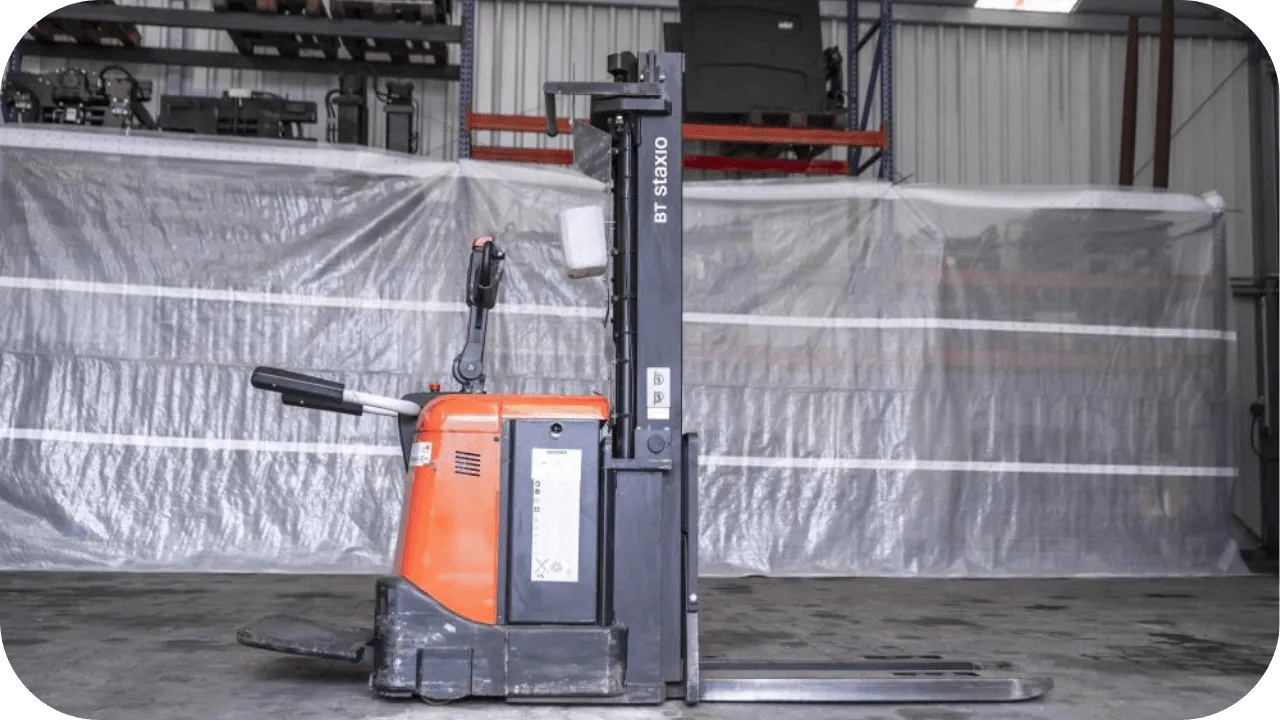
Choosing the right BT Electric Stacker is crucial for maximising efficiency and safety in your warehouse. Here are key factors to consider to ensure you pick the ideal stacker for your unique needs:
- Warehouse Layout and Size: Consider the size and design of your warehouse. A compact and manoeuvrable stacker will be essential for efficient navigation with narrow aisles or tight spaces.
- Load Capacity and Lift Height: Assess the types of loads you handle and the required lift height. Ensure the stacker you choose can safely lift and move your heaviest loads to the required height without compromising performance.
- Frequency of Use: If the stacker is used frequently throughout the day, consider a more robust model that can withstand continuous use, reducing downtime and enhancing productivity.
- Battery Life: For high-intensity use, opt for a stacker with longer battery life. This ensures that the stacker will last throughout the day without frequent charging, keeping operations smooth.
- Consult an Expert: Speak with a supplier or expert to help you accurately assess your needs and ensure the stacker you choose best fits your business requirements.
Maintenance and Care for BT Electric Stackers
Proper maintenance ensures your BT Electric Stacker operates efficiently for years. Regular maintenance tasks include checking the battery’s charge levels, lubricating moving parts, and inspecting the forks and lift mechanisms for wear and tear.
Battery care is particularly important for electric stackers. Ensuring batteries are charged properly and regularly can help avoid costly replacements and improve performance. Additionally, regular inspections should be performed to spot issues before they become significant problems, keeping downtime to a minimum.
Conclusion
To select the best stacker for your needs, consider key features like capacity, battery life, and safety systems. If you’re looking to enhance your warehouse operations, contact Buy A Fork today. We offer a wide range of electric stackers with excellent features and competitive pricing to help you improve your workflow and productivity.