
Benefits Of Forklift Rotator Attachments
· Updated
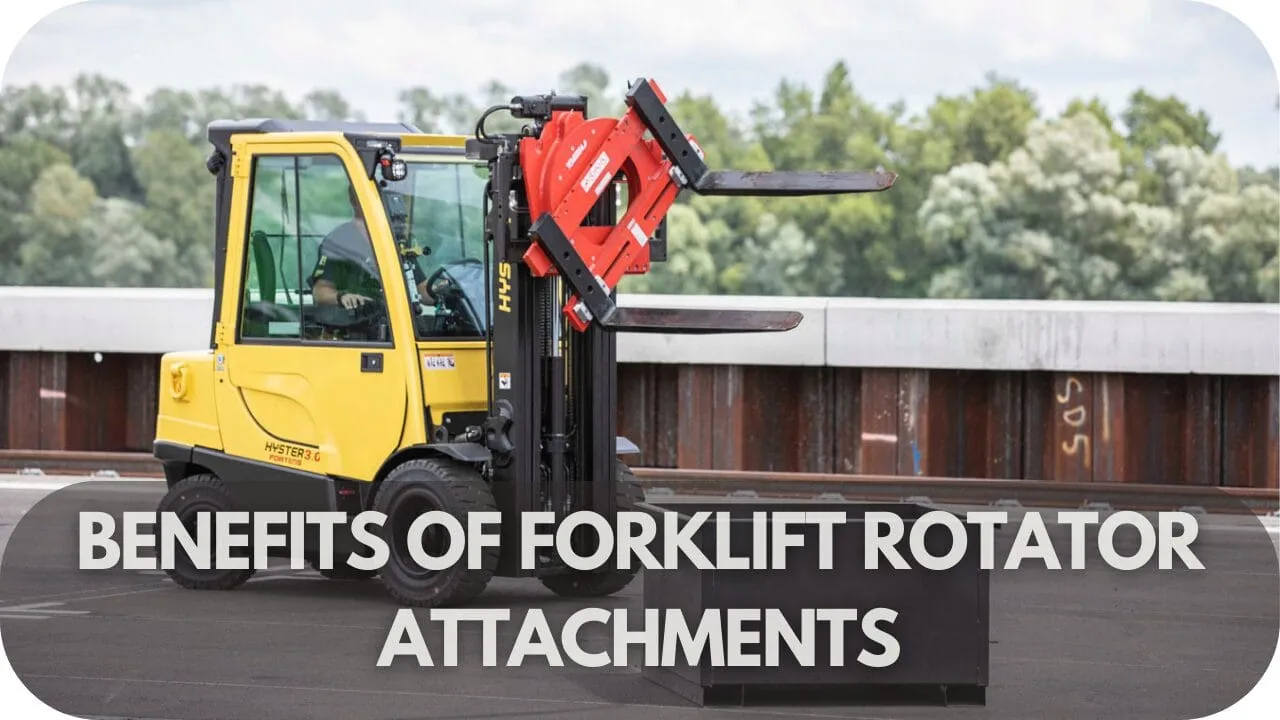
In today’s fast-paced world of material handling, businesses need to adopt solutions that boost efficiency, reduce risks, and save on costs. Forklift rotator attachments are one such game-changer, designed to improve the way materials are moved, rotated, and positioned.
Whether you are handling heavy barrels, awkward loads, or delicate items, these attachments provide better control and reduce manual effort. Let’s find out how forklift rotator attachments can enhance your business operations and make your team’s job easier and safer.
What Is a Forklift Rotator Attachment?
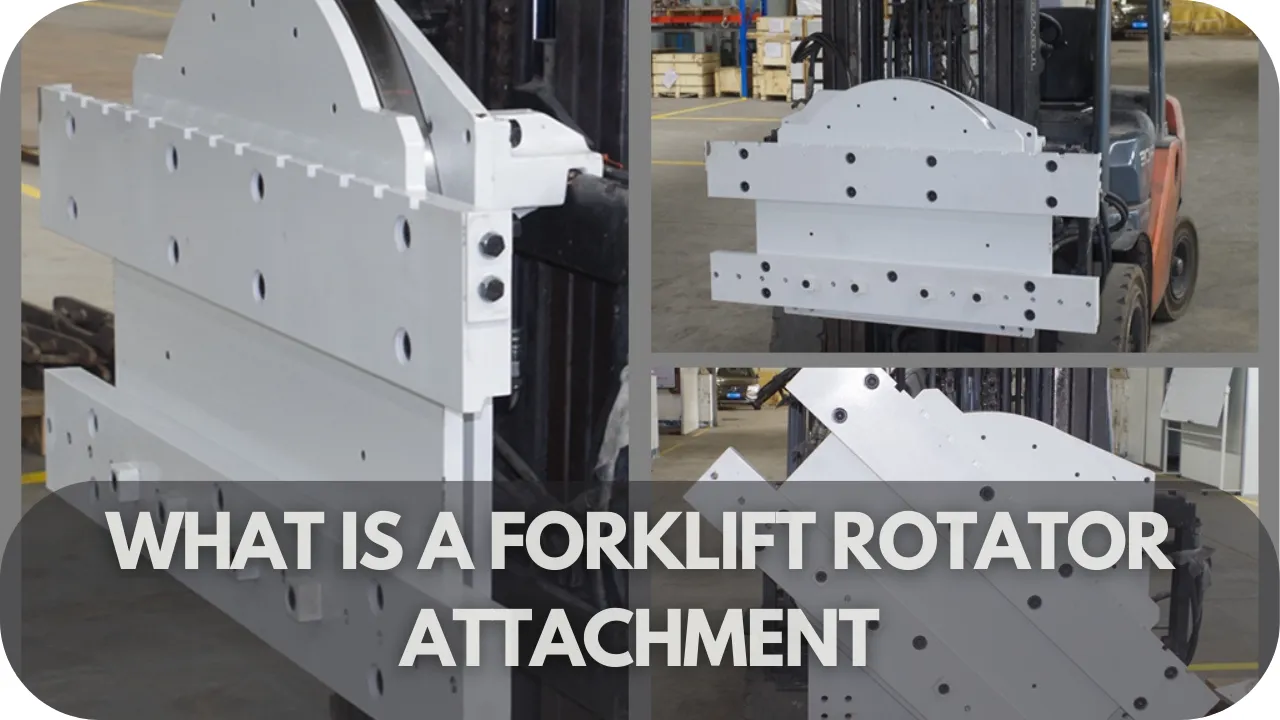
A forklift rotator attachment is an essential tool that allows forklifts to rotate, tilt, and position loads with precision. It attaches to the forklift’s existing forks and enables operators to move materials in a 360-degree motion.
These attachments are ideal for handling items that need to be turned, flipped, or positioned carefully, such as drums, barrels, crates, or irregularly shaped materials. Available in both manual and hydraulic versions, forklift rotators are adaptable to various forklift models and can be easily installed or removed based on the job requirements.
How Do Forklift Rotator Attachments Work?
Forklift rotator attachments work by using either hydraulic power or manual mechanisms to allow the load to rotate. Hydraulic rotators operate by connecting to the forklift’s hydraulic system, while manual ones rely on mechanical controls to achieve rotation. The operator uses the forklift’s controls to rotate the attachment, allowing the load to be positioned with accuracy and ease.
The attachment itself is usually mounted on the forklift’s forks, with the load being held by the rotator’s gripping arms or clamps. When the load needs to be rotated, the hydraulic or mechanical system engages, and the attachment turns the load 360 degrees, allowing it to be placed in the desired position.
Key Benefits of Forklift Rotator Attachments
They offer a range of benefits that can boost efficiency, safety, and productivity. Let’s see how these powerful tools can transform your operations.
1. Increased Handling Efficiency
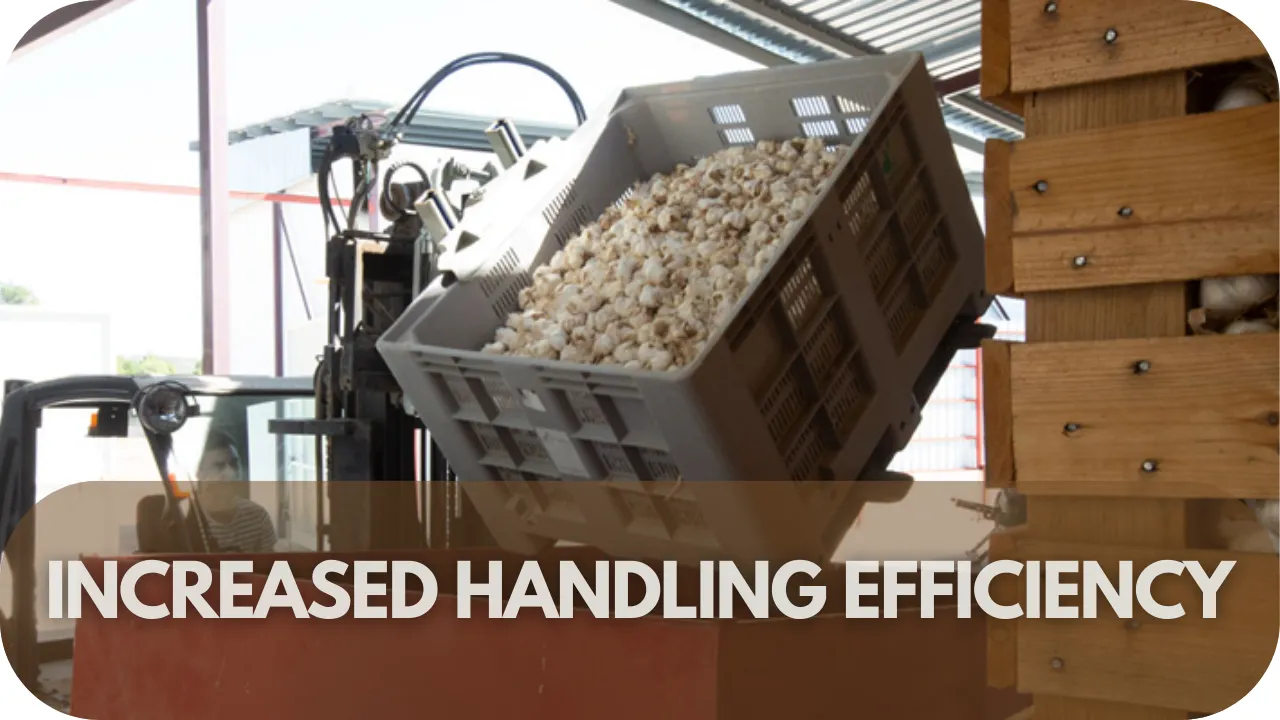
Forklift rotator attachments help speed up material handling by eliminating the need for workers to manually adjust or reposition loads. With the ability to rotate a load with precision, operators can place materials in the exact position without wasting time.
This increased handling efficiency means that tasks that would typically take longer can now be completed more quickly, enhancing overall productivity.
The ability to rotate and reposition materials with ease also allows for faster unloading, sorting, and stacking, ultimately resulting in quicker turnaround times. Whether it’s a warehouse or a construction site, reducing handling time allows businesses to complete more jobs in a day, improving both output and profitability.
2. Enhanced Safety Features
Safety is always a top priority in any work environment, and forklift rotators play a crucial role in keeping workers safe. The attachment reduces the risk of accidents that typically occur when workers manually adjust or move loads.
Since the rotator does the heavy lifting and rotating, workers are less likely to experience strain or injuries from awkward bending or lifting.
Furthermore, forklift rotators help prevent load-related accidents. By ensuring materials are securely gripped and rotated in a controlled manner, the risk of materials shifting, falling, or causing a spill is significantly reduced. This enhanced control improves overall workplace safety, creating a safer environment for your team.
3. Improved Load Precision
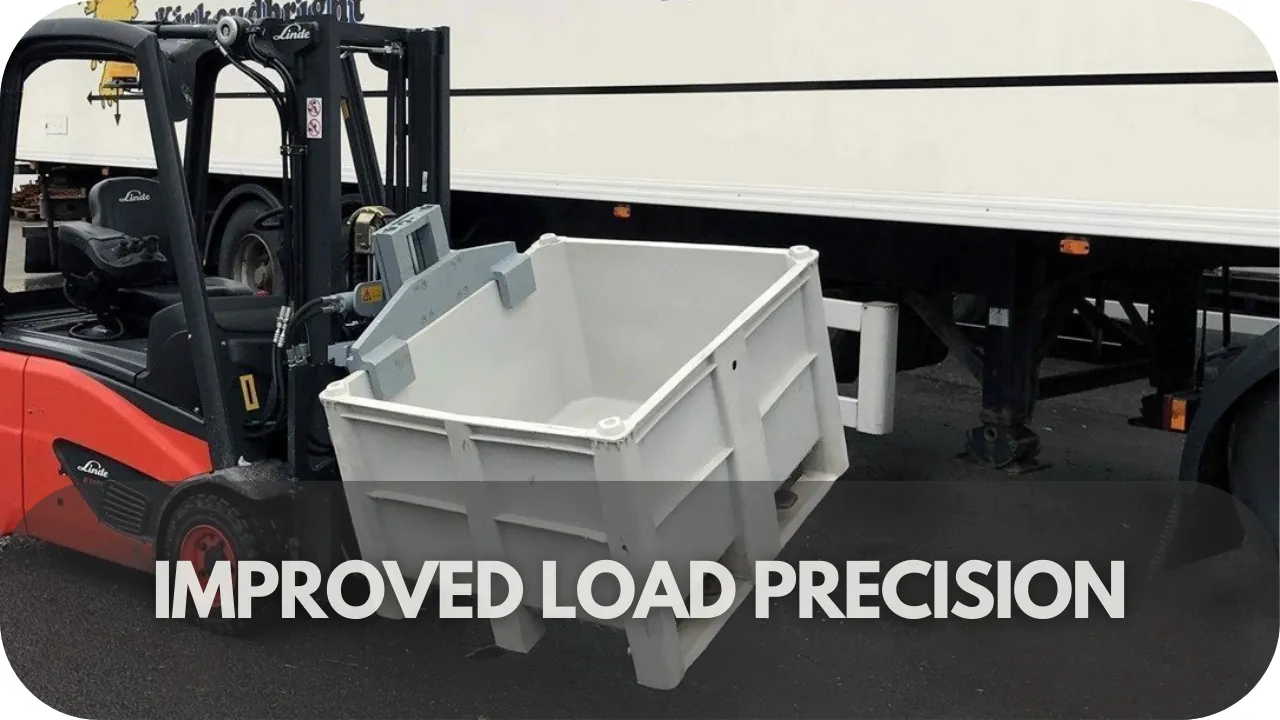
One of the standout benefits of forklift rotator attachments is the level of precision they offer. Unlike manual handling, which can lead to incorrect positioning or unstable loads, rotators give operators the ability to place materials exactly where they are needed.
Whether it’s aligning barrels, rotating containers, or adjusting awkwardly shaped items, the ability to control the load’s rotation ensures that everything is positioned correctly without the risk of damaging the load.
With better load precision, businesses can reduce material wastage, improve storage efficiency, and prevent damage during handling. As a result, the investment in forklift rotators can pay off through better use of space and fewer product losses.
4. Cost-Effective Investment
They are a cost-effective solution that helps businesses reduce operational costs. With fewer workers required to manually adjust or rotate materials, businesses can save on labour costs. Additionally, the efficiency boost translates into less downtime, leading to higher productivity and fewer delays.
Investing in a forklift rotator also helps reduce damage to loads and forklifts. By reducing wear and tear on both the forklift and the material, businesses can extend the lifespan of their equipment, which ultimately leads to fewer repair or replacement costs.
5. Versatility in Various Industries
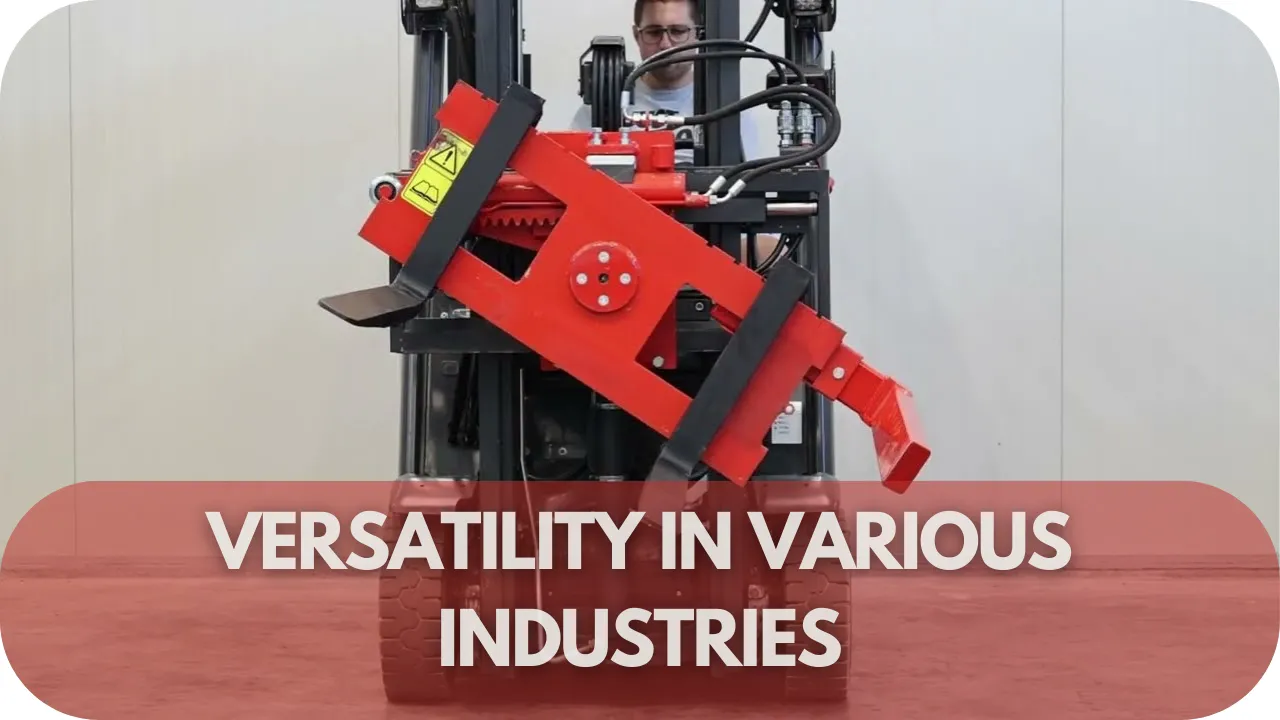
Forklift rotator attachments are versatile tools suitable for a wide range of industries. Whether in warehouses, construction, recycling plants, or factories, forklift rotators can handle various types of materials, including barrels, drums, timber, crates, and metal coils.
Their ability to rotate and position materials in tight spaces and tricky angles makes them ideal for environments where precision and flexibility are essential.
From rotating chemical barrels in a storage facility to flipping pallets in a warehouse, the rotator attachment offers flexibility to handle different materials and applications, making it a valuable tool across multiple sectors.
6. Improved Worker Productivity
With forklift rotators, operators can perform tasks faster and more efficiently. The ability to rotate and position loads with minimal effort means workers can focus on other tasks rather than spending time adjusting or repositioning loads manually.
This increase in efficiency translates to higher overall productivity, as workers spend less time moving materials and more time completing other important tasks.
Forklift rotators help streamline workflows, creating a smoother, faster-paced work environment. The reduction in manual labour also leads to less worker fatigue, which can enhance job satisfaction and further improve productivity.
7. Reduced Wear and Tear on Forklift
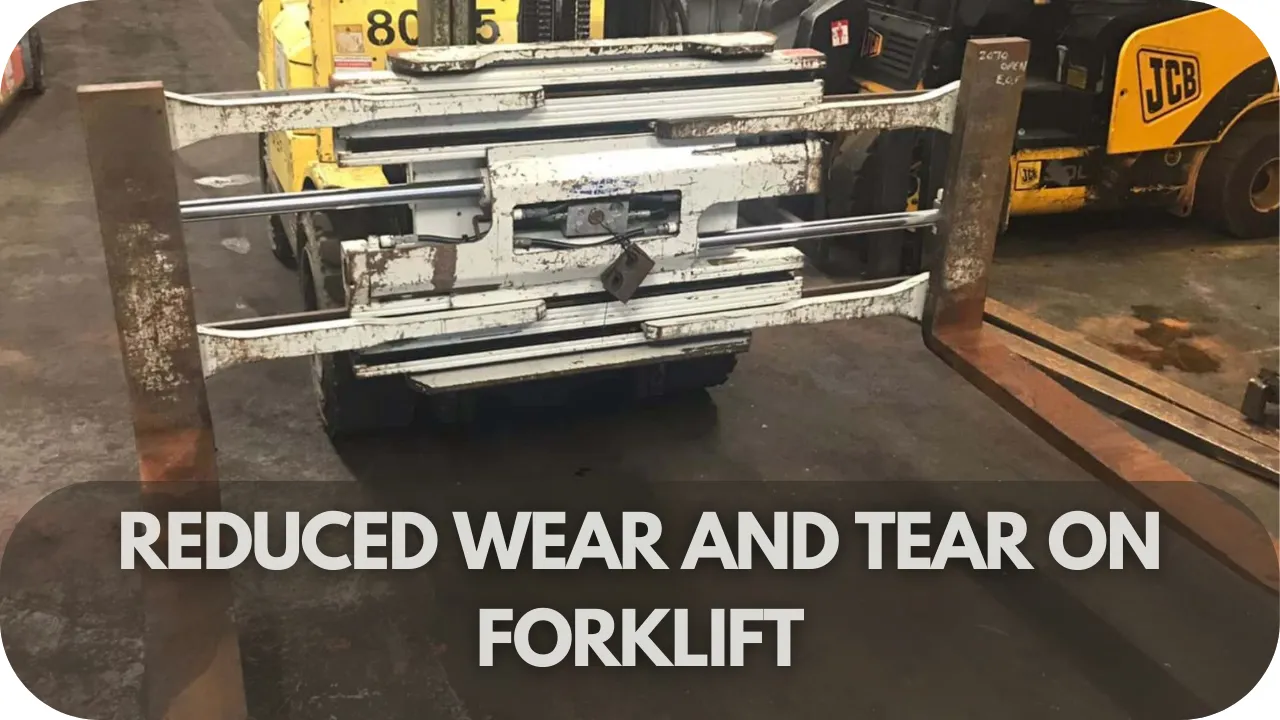
When loads are manually adjusted or repositioned, it puts extra strain on the forklift and its components. Forklift rotator attachments reduce this strain by handling the rotation and positioning of materials more efficiently. As a result, the forklift experiences less wear and tear, extending the life of the equipment.
By minimizing unnecessary stress on forklift components, rotators help maintain the integrity of the forklift, reducing the need for costly repairs and replacements. This lower maintenance requirement can save businesses money in the long run, making forklift rotators a cost-efficient addition to any fleet.
8. Enhanced Control in Difficult Environments
Forklift rotators excel in tight, confined spaces where manual repositioning of materials might be challenging. Whether it’s a small warehouse aisle or a crowded construction site, the ability to rotate and position loads precisely gives operators better control, even in challenging environments.
Rotators make it easier to manipulate heavy or awkward loads in areas where traditional material handling methods would be impractical. Their ability to rotate loads in limited spaces increases flexibility and efficiency, making them indispensable in complex work environments.
9. Easy Load Handling for Dangerous or Hazardous Materials
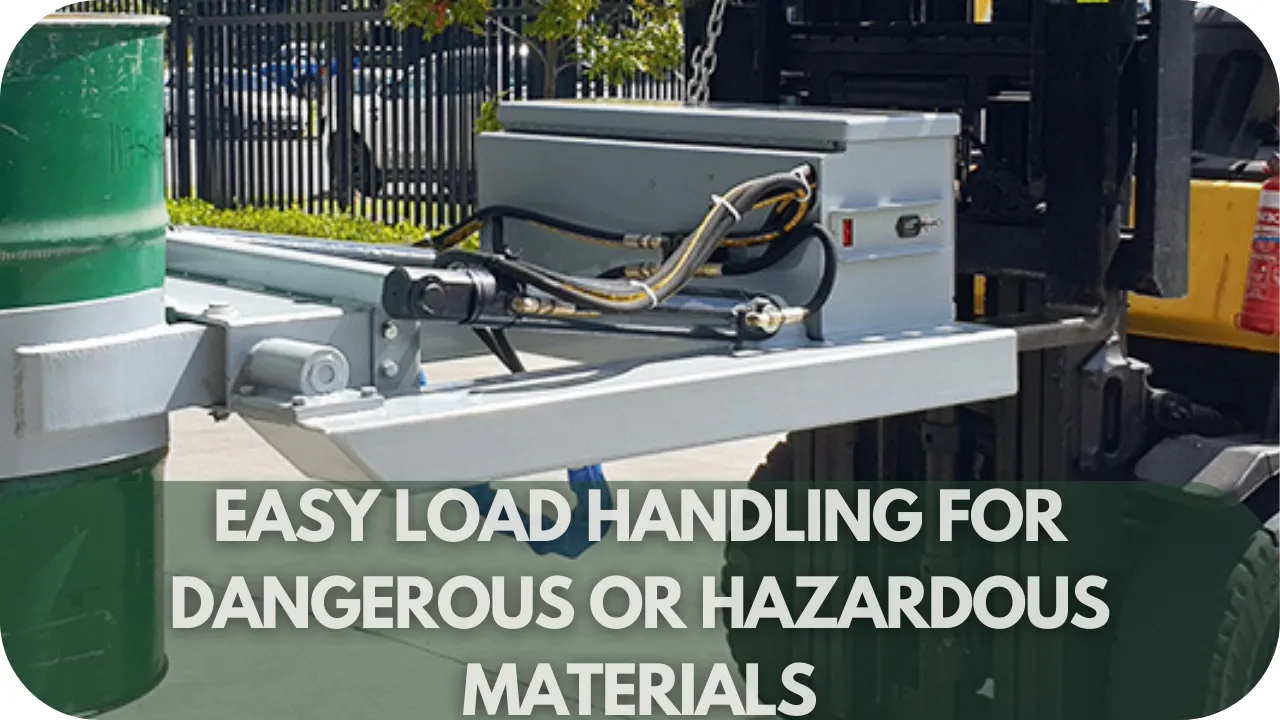
Certain materials, especially hazardous or toxic substances, require special care during handling. Forklift rotators can assist in safely managing such materials by reducing the need for manual handling and minimising human contact with dangerous substances.
Whether it’s rotating barrels of chemicals or moving oil drums, rotators provide a safer way to position and handle these potentially harmful items.
10. Supports Eco-Friendly Practices
Forklift rotators can contribute to more sustainable operations by improving the efficiency of material handling. By reducing the time and energy spent on manual adjustments or repositioning, businesses can lower their carbon footprint and reduce energy consumption.
Additionally, reducing the risk of damage to materials and equipment leads to less waste and fewer replacements, promoting a more sustainable, environmentally friendly operation.
How to Choose the Right Forklift Rotator Attachment
Choosing the right forklift rotator attachment can make all the difference in efficiency and safety. Here’s what to consider before making your decision:
- Load Capacity: Ensure the rotator can handle the maximum weight of your typical loads. Check the forklift’s lifting capacity and match it with the rotator’s specifications.
- Type of Materials Handled: Consider the types of materials you frequently move—barrels, drums, crates, or irregularly shaped items. Choose a rotator that is designed for your specific material types to ensure secure handling.
- Forklift Compatibility: Make sure the rotator attachment is compatible with your forklift model. Check for easy installation and removal, based on the attachment style (manual or hydraulic).
- Hydraulic or Manual: Decide whether you need a hydraulic or manual model based on your operational needs. Hydraulic models are faster and more efficient, while manual models are simpler and more affordable.
- Space and Environment: Consider the working environment—tight spaces may require more compact or specialised attachments. Look for rotators that offer flexibility for various environments like warehouses or construction sites.
- Durability and Maintenance: Choose a robust, durable attachment to withstand heavy use. Opt for models that are easy to maintain, ensuring long-term reliability.
Maintenance and Care of Forklift Rotator Attachments
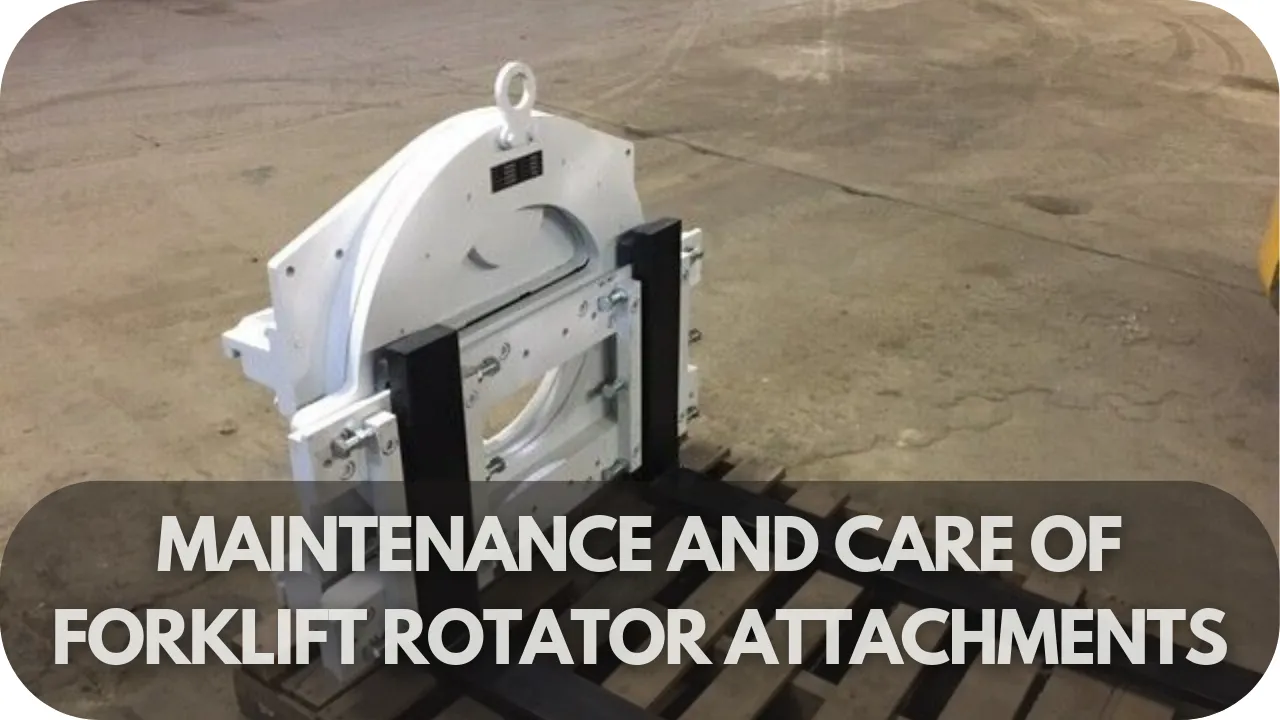
To ensure your forklift rotator remains in top condition, regular maintenance is key. Routine checks should include inspecting the hydraulic system (for hydraulic models), lubricating moving parts, and ensuring that the attachment is securely mounted to the forklift.
It’s important to clean the rotator regularly to remove any dirt, debris, or residues that could affect its performance.
Monitoring for signs of wear, such as unusual noises or slow rotation, can help prevent issues before they become serious. Early detection of any problems can prevent costly repairs and downtime. By keeping your forklift rotator well-maintained, you ensure its longevity and continuous efficiency, leading to better returns on investment.
Conclusion
Forklift rotator attachments offer businesses a practical solution to streamline material handling, improve safety, and increase productivity. With their ability to handle loads more efficiently and precisely, these attachments are an invaluable tool across various industries.
If you want to boost your operations, reduce manual labour, and enhance safety, investing in a forklift rotator attachment is a smart choice. Contact Buy A Fork today to learn more and find the perfect solution for your material handling needs.