
Toyota vs Linde: Which Electric Stacker is Best?
· Updated
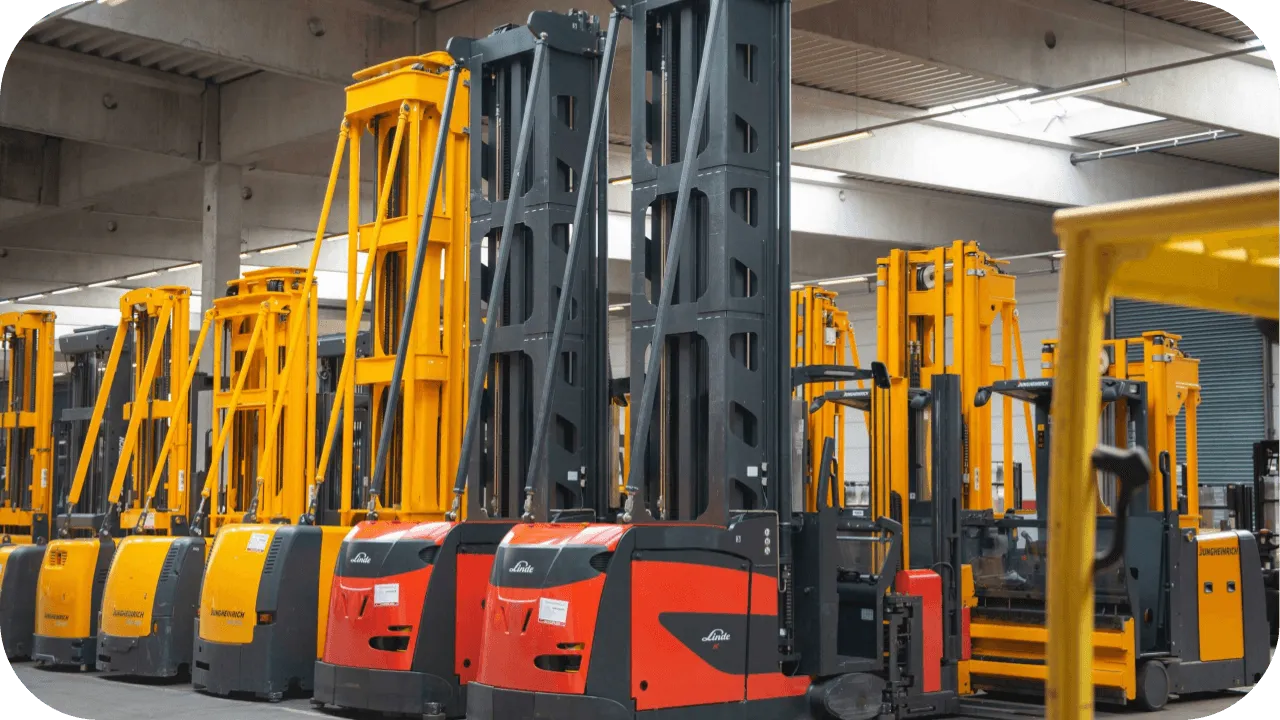
Choosing the right electric stacker isn’t just about brand loyalty—it’s about performance, efficiency, and long-term value. Toyota and Linde are industry leaders, but which truly fits your business needs?
Pick the wrong one, and you could face higher costs, limited productivity, and constant maintenance issues. Toyota boasts legendary reliability, while Linde is known for precision engineering. But which brand outperforms in real-world conditions?
This guide compares Toyota and Linde electric stackers head-to-head, analysing features, costs, and operational efficiency. By the end, you’ll know which stacker is best for your warehouse!
Toyota Electric Stackers
Toyota electric stackers are renowned for their durability, efficiency, and cutting-edge technology, making them a top choice for warehouses, logistics centres, and manufacturing facilities.
These stackers are designed for smooth handling in confined spaces and offer precision control, enhanced safety features, and energy-efficient performance.
Models like the BT Staxio SWE140S and SWE200D provide adjustable fork widths, straddle support arms, and high lifting capacities, making them suitable for various pallet types and warehouse layouts.
One of Toyota’s standout features is its energy-efficient AC drive system, which ensures longer run times and reduced battery consumption. The advanced stability system improves operator safety, reducing tilt risks when handling heavy loads.
With intuitive controls, ergonomic design, and smart automation, Toyota electric stackers help streamline operations and increase productivity.
Whether you need a compact stacker for narrow aisles or a heavy-duty model for high stacking, Toyota’s reliable engineering and user-friendly features make them a valuable investment for any business.
Linde Electric Stackers
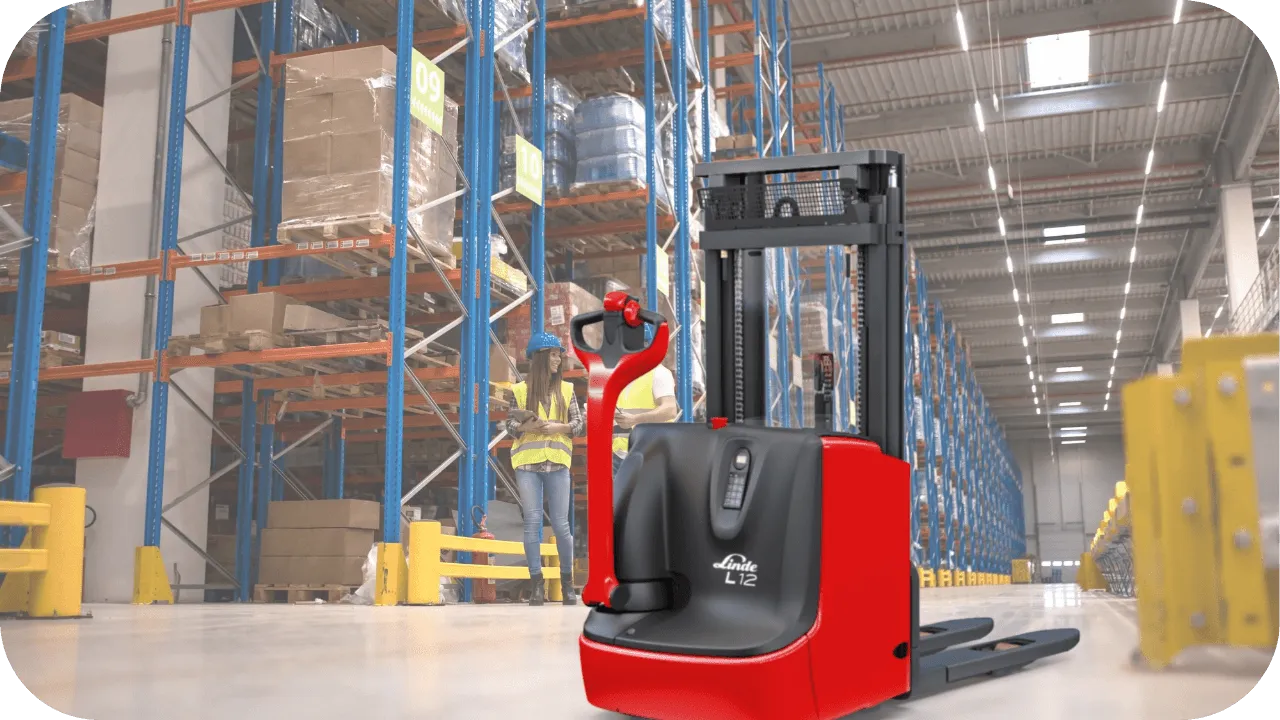
Linde electric stackers are built for precision, power, and efficiency, making them a preferred choice for space-constrained warehouses and high-performance operations.
Known for their robust construction and innovative technology, models like the Linde L10-L12 AS Series provide compact yet powerful lifting capabilities, perfect for handling heavy loads in narrow aisles. Their smooth acceleration, precise control, and strong chassis ensure seamless stacking and transport.
One of Linde’s key advantages is its intelligent energy management system, which extends battery life and optimises power consumption. The ergonomic control panel and effortless steering system reduce operator fatigue, increasing productivity and workplace safety.
Linde’s maintenance-friendly design minimises downtime, making these stackers cost-effective in the long run. With advanced braking systems, durable masts, and load stability features, Linde electric stackers offer unmatched reliability and control.
Linde stackers are ideal for businesses that require compact, high-performance solutions. They ensure efficiency in even the most demanding warehouse conditions.
Head-to-Head Comparison: Toyota vs. Linde
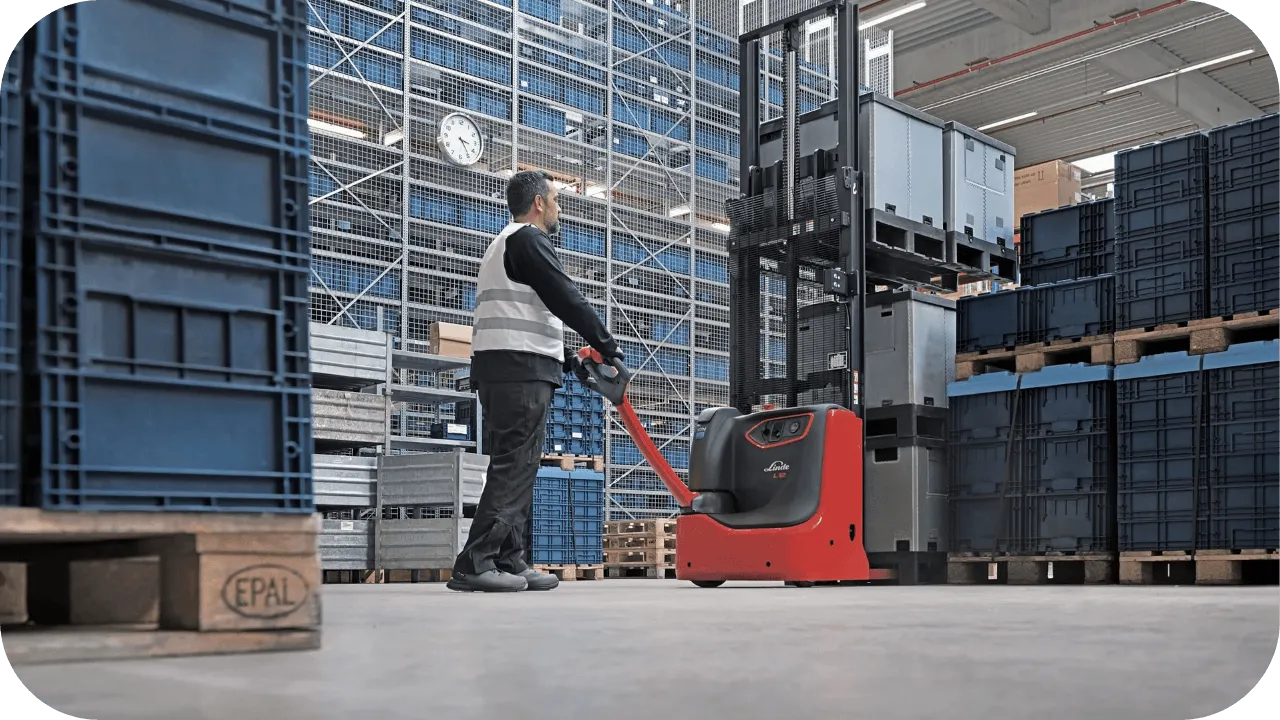
Choosing the right electric stacker can significantly impact warehouse efficiency, productivity, and operational costs. Let’s compare them head-to-head to determine which is best suited for your business needs.
1. Performance & Lifting Power
Toyota electric stackers provide smooth acceleration, precise control, and high energy efficiency, making them ideal for warehouse operations with varied pallet types. Models like the BT Staxio SWE140S allow adjustable fork widths for greater adaptability.
Linde stackers like the L10-L12 AS Series combine robust lifting power with strong chassis stability. Thus, they are better suited for heavy-duty stacking in space-constrained areas. If power and load stability matter most, Linde takes the edge.
2. Maneuverability & Space Efficiency
Toyota stackers are designed with compact frames and intuitive controls, allowing operators to move quickly through tight aisles. Their smooth steering system ensures quick turns and efficient navigation in busy warehouses.
Linde stackers, on the other hand, feature enhanced steering precision and a tighter turning radius, making them highly effective in confined areas. Due to their exceptional manoeuvrability, Linde may be the best option for businesses with narrow aisle layouts.
3. Battery Technology & Energy Efficiency
Toyota’s AC drive system optimises battery usage, allowing longer operational hours and reduced charging frequency. Additionally, Toyota offers fast-charging lithium battery options, minimising downtime.
Linde stackers feature intelligent energy management systems that efficiently regulate power consumption, ensuring extended battery life and consistent performance.
While both brands prioritise energy savings, Toyota’s quicker charge cycles may offer an advantage for businesses needing continuous operation with minimal downtime.
4. Safety & Operator Comfort
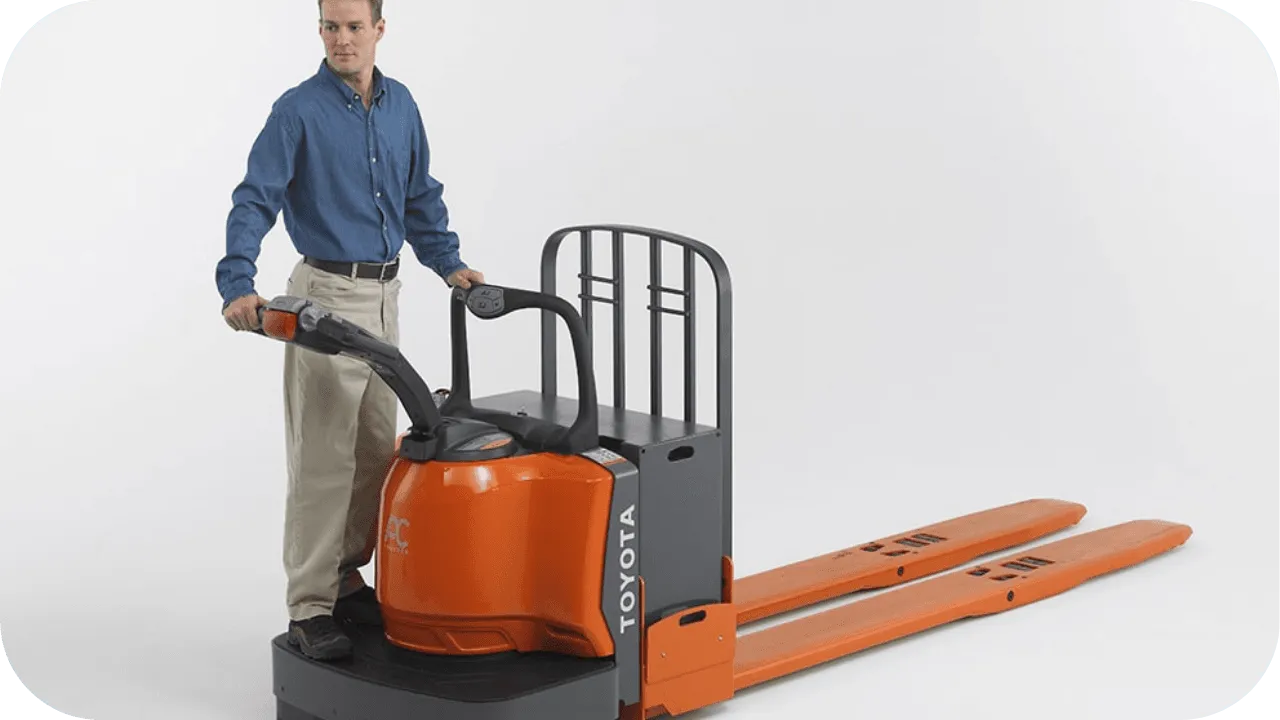
Toyota electric stackers automatically reduce turning speed, ensuring better stability and operator control. They also feature an enhanced stability support system, reducing tip-over risk when handling heavy loads.
Linde focuses on advanced braking mechanisms and load stability enhancements, making their stackers highly reliable for precision stacking. Both brands strongly emphasise ergonomics, ensuring reduced operator fatigue in long-hour warehouse operations.
5. Durability & Maintenance Costs
Toyota stackers are built for long-term reliability with minimal servicing needs, reducing unexpected downtime. Their widely available spare parts and servicing networks make maintenance more accessible.
Linde, known for its premium build quality, designs stackers that are easy to service with quick-access components, ensuring faster maintenance turnarounds. While both brands offer strong durability, Toyota’s lower overall maintenance costs and global support network give it a slight advantage in long-term serviceability.
6. Cost & Value for Money
Toyota stackers generally have a lower upfront cost, making them budget-friendly while maintaining strong performance. Their energy-efficient operation and cost-effective maintenance provide significant long-term savings.
With advanced technology and premium construction, Linde stackers justify a higher price tag, offering more extended durability and enhanced features.
Businesses looking for affordability and efficiency may lean towards Toyota, while those prioritising high-precision handling and premium performance might find Linde the better investment.
Which Electric Stacker Should You Choose?
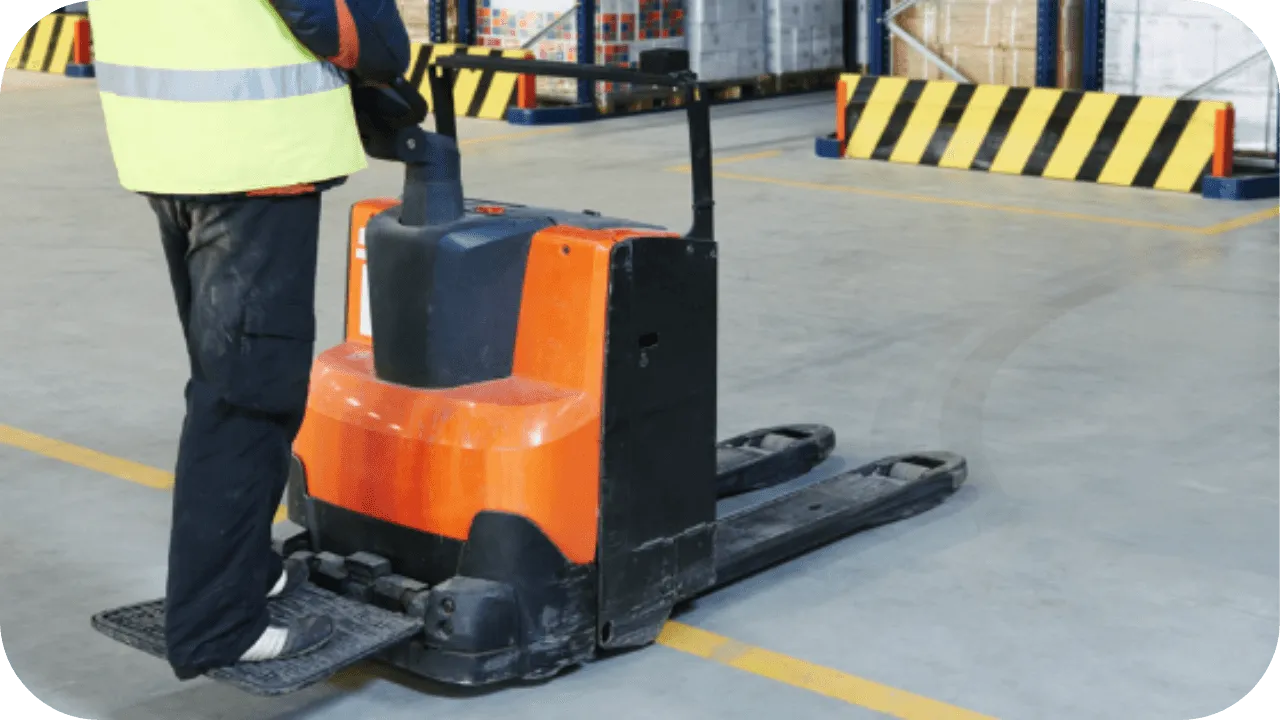
The right electric stacker can make or break your warehouse efficiency. Choose wrong, and you’re stuck with downtime, high costs, or poor manoeuvrability. So, which one truly fits your business needs—Toyota or Linde?
- Warehouse Size & Layout: If your warehouse has narrow aisles and limited manoeuvring space, Linde stackers are designed with a compact footprint and excellent steering control. Their small turning radius makes them ideal for high-density storage environments. While compact, Toyota stackers offer more flexibility for mixed-use warehouses, efficiently handling confined and open spaces.
- Load Requirements & Capacity: Linde stackers provide strong chassis support and superior load stability for heavy-duty lifting and bulk pallet movement. They are designed to handle larger weights with enhanced balance, making them ideal for industrial and high-volume operations. On the other hand, Toyota stackers are better suited for medium-load warehouses, offering efficiency and adaptability without compromising performance.
- Shift Duration & Battery Life: Toyota stackers feature fast-charging lithium battery options, reducing downtime between shifts. Their AC drive system efficiently regulates energy consumption, ensuring longer operational hours on a single charge. Linde’s intelligent energy management system extends battery life, but Toyota’s quicker charge cycles make them better for multi-shift operations requiring continuous uptime.
- Operator Comfort & Safety: Toyota stackers focus on ergonomics, stability control, and automatic speed adjustments, ensuring smooth and comfortable operation. Linde stackers, however, emphasise advanced braking systems and load stability, making them better suited for high-stacking precision work. Toyota is better if operator ease and manoeuvrability are priorities, whereas Linde provides greater safety under heavy loads.
- Maintenance & Long-Term Costs: Toyota stackers have lower initial costs and widely available spare parts, making maintenance affordable and accessible. Linde stackers, with their premium build and advanced components, may require higher servicing costs. If cost efficiency and long-term reliability are your focus, Toyota stackers provide better overall value.
Conclusion
The right electric pallet stacker transforms tight spaces into efficient work zones. Whether your business needs compact manoeuvrability, high lifting power, or low maintenance, there’s a perfect match.
Upgrade your warehouse efficiency today. At Buy A Fork, you can explore the top electric stackers and find the ideal solution for your space!