
Reach Trucks Vs. Forklifts: The Differences Explained
· Updated
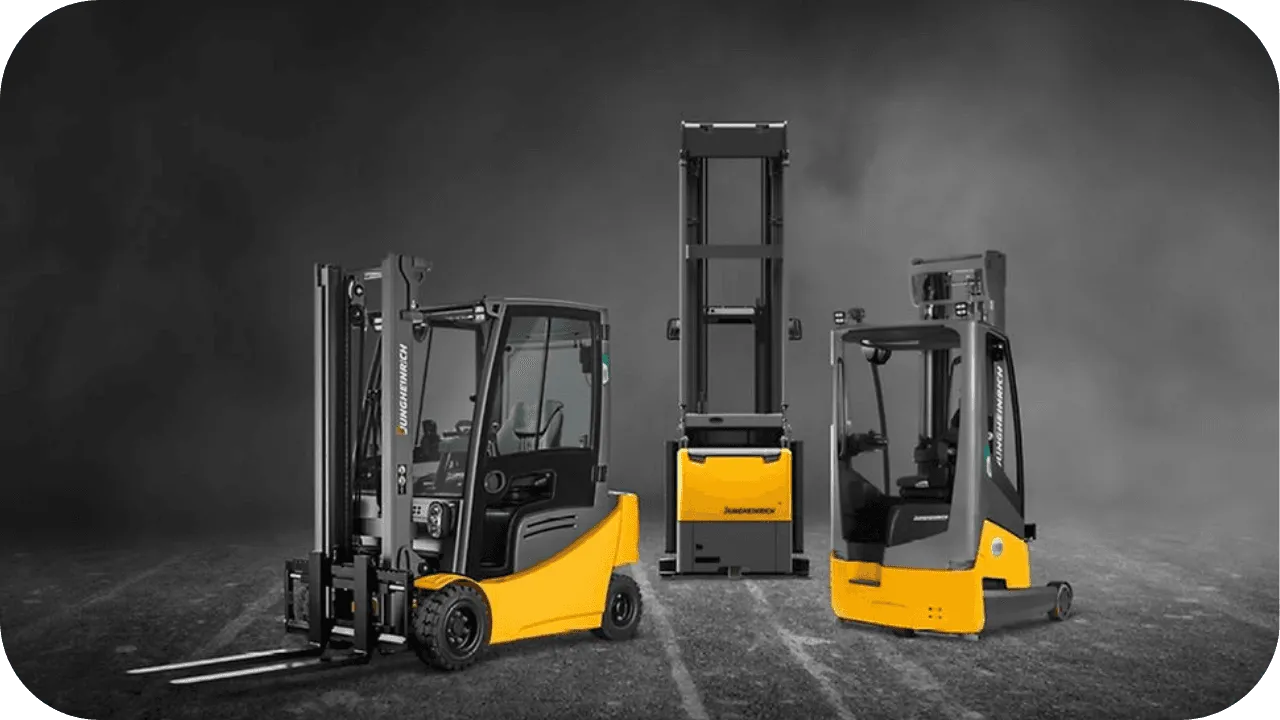
Warehouses are getting tighter, and efficiency is everything. But here’s the dilemma—should you go for a reach truck or a forklift? Pick the wrong one, and you’re looking at wasted space, slower operations, and extra costs.
A standard forklift might struggle in narrow aisles, but a reach truck? It soars to greater heights! Still, forklifts carry heavier loads and handle outdoor terrain. The reach trucks currently in stock show what the indoor option looks like in practice. The wrong choice could stall your business.
This guide breaks down the key differences, pros, and best uses of both. Let’s clear up the confusion so you can make the right call for your warehouse!
What is a Forklift?
A forklift is a powerful industrial vehicle designed to lift, move, and transport heavy loads easily. Equipped with a front-mounted forked platform, it can raise and lower materials, making it an essential tool in warehouses, factories, and construction sites. Machines of this type make up the counterbalance range, which is what most people mean when they say forklift.
Forklifts come in various types, including counterbalance forklifts, which use rear weights to stabilise loads, and rough terrain forklifts, built for outdoor use on uneven surfaces. These machines vary in fuel types, ranging from electric models for indoor operations to diesel or LPG-powered forklifts for heavy-duty tasks.
Depending on the model, forklifts typically have a load capacity of 1,000 kg to over 50,000 kg. Unlike reach trucks, which are designed for tight warehouse aisles, forklifts offer greater versatility, handling indoor and outdoor operations.
Forklifts are commonly used in logistics, retail, and construction to stack pallets, unload shipments, and transport goods over short distances. The right forklift depends on your workspace, weight capacity needs, and terrain requirements.
What is a Reach Truck?
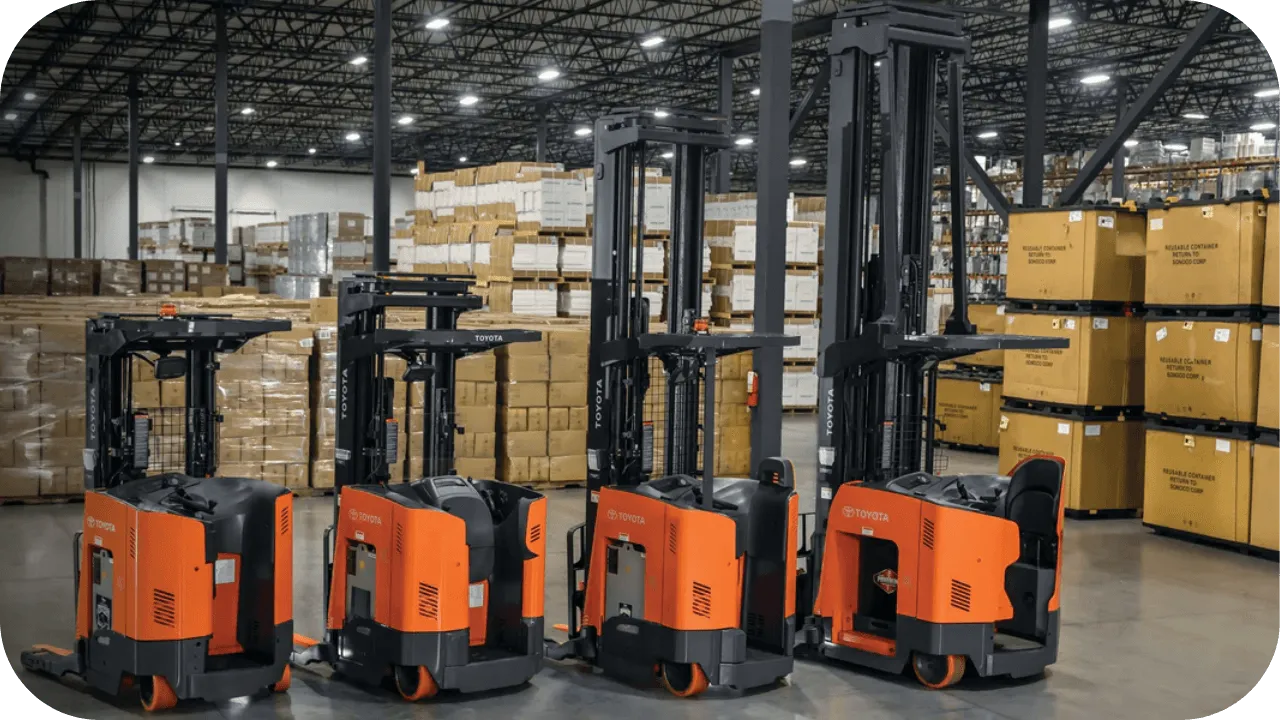
A reach truck is a specialised forklift for narrow aisle warehouses and high-racking systems. Unlike standard forklifts, it features an extendable mast that allows it to reach deeper into storage racks, maximising vertical space without needing a large turning radius.
These trucks are built for indoor use and operate on smooth warehouse floors. Their compact design and side-facing operator position provide excellent manoeuvrability, making them ideal for high-density storage areas. Most reach trucks use electric power, offering a quiet, emission-free solution for indoor environments.
One key advantage is their superior lifting height, often exceeding 10 metres, while maintaining load stability with stabilising legs. However, reach trucks are unsuitable for outdoor or uneven terrain, as they rely on smaller wheels for balance.
Reach trucks benefit businesses with tall warehouse racking and tight spaces the most. They improve efficiency, storage capacity, and retrieval speed, making them a preferred choice for logistics and distribution centres.
Key Differences Between Reach Trucks and Forklifts
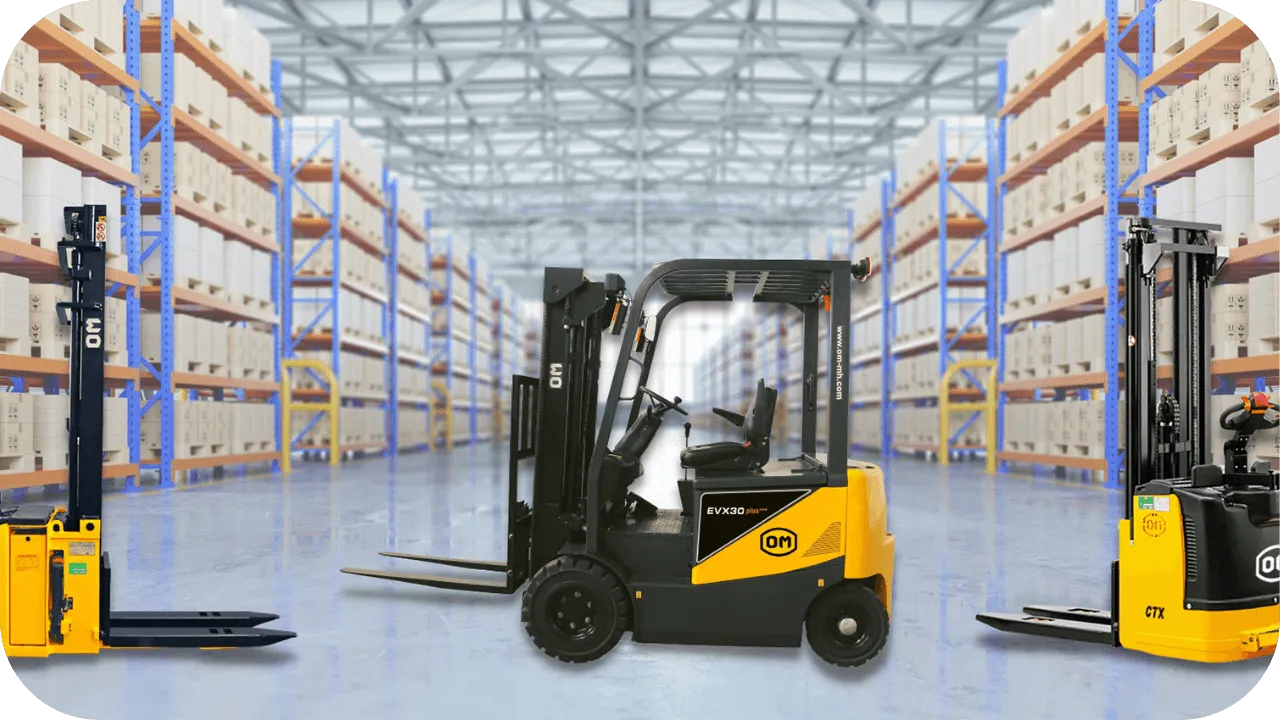
While both reach trucks and forklifts are essential for material handling, they differ significantly in design, functionality, and ideal applications. Here’s a breakdown of their key differences:
1. Design & Maneuverability
Forklifts are built with a counterbalance system, allowing them to lift heavy loads without needing extra stabilisers. Their larger turning radius makes them ideal for open spaces.
Conversely, reach trucks feature an extendable mast and a compact design, making them perfect for narrow aisles and high-racking warehouses where space efficiency is critical.
2. Lifting Height & Load Capacity
Forklifts are designed for lifting heavy loads and can typically handle weights of 1,000 kg to over 50,000 kg, depending on the model. However, their lift height is usually limited to 6 metres.
Reach trucks, in contrast, prioritise height over weight capacity. They often reach over 10 metres while carrying lighter loads, making them the better option for warehouse high-rack storage.
3. Indoor vs. Outdoor Use
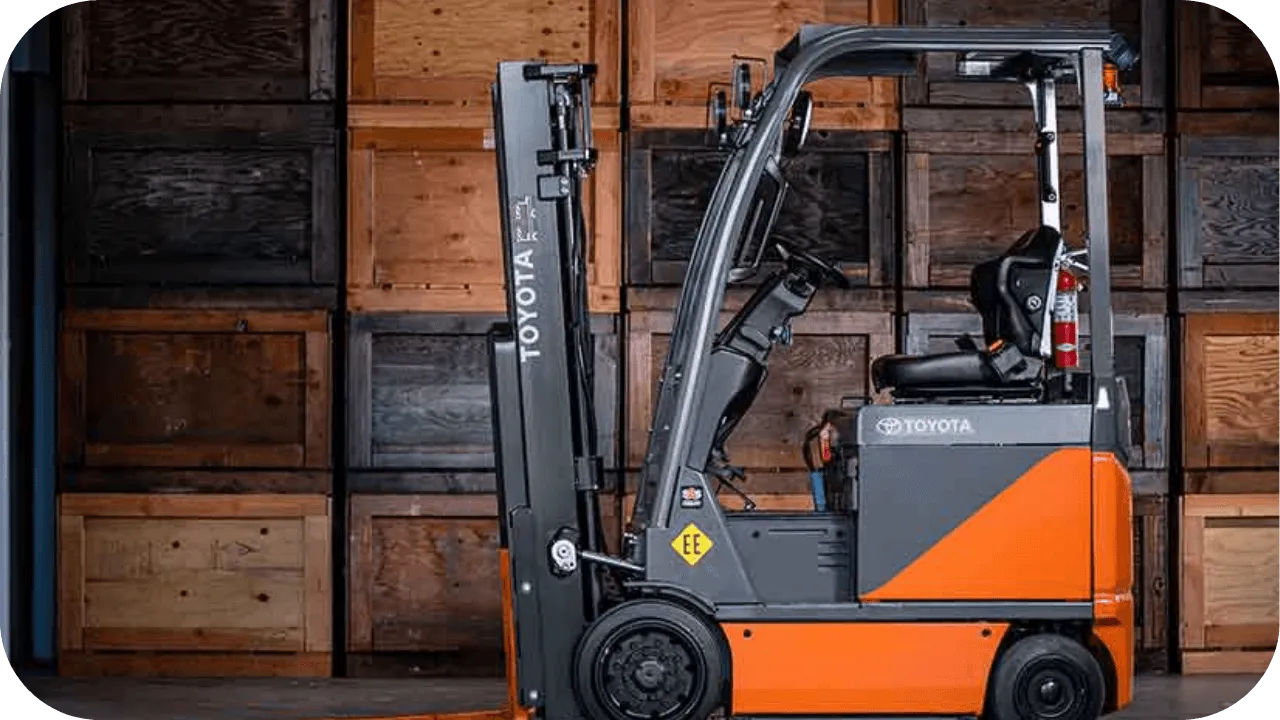
Forklifts are highly versatile and can be used both indoors and outdoors. They can operate on rough terrain, especially diesel or LPG-powered models.
Reach trucks, however, are specifically designed for indoor warehouse use. They require smooth flooring to function efficiently and are unsuitable for outdoor environments, limiting their application to indoor storage and logistics facilities.
4. Stability & Load Support
Forklifts use a counterweight system at the rear to balance the load at the front. This allows them to lift heavier loads safely and provides better stability on different surfaces.
Reach trucks, on the other hand, rely on outrigger legs and smaller wheels for support. While this setup helps them manoeuvre in tight spaces, it makes them unsuitable for uneven surfaces or outdoor use.
5. Cost & Maintenance
Forklifts generally come with a higher upfront cost, especially diesel and LPG models, which require more fuel and maintenance. However, their versatility makes them a long-term investment.
Reach trucks are more cost-effective for warehouses because they operate electric, reducing fuel costs and maintenance needs. However, their indoor-only use can be a limitation for businesses needing multifunctional equipment.
6. Operator Comfort & Visibility
Forklifts have a forward-facing operator seat, providing good visibility when moving loads. However, their larger size can make manoeuvring in tight spaces more challenging.
Reach trucks feature a side-facing operator position, allowing for precise control in narrow aisles. While this improves warehouse operations’ efficiency, it can take time for operators to adjust to the side-sitting driving position.
When to Choose a Forklift vs. a Reach Truck
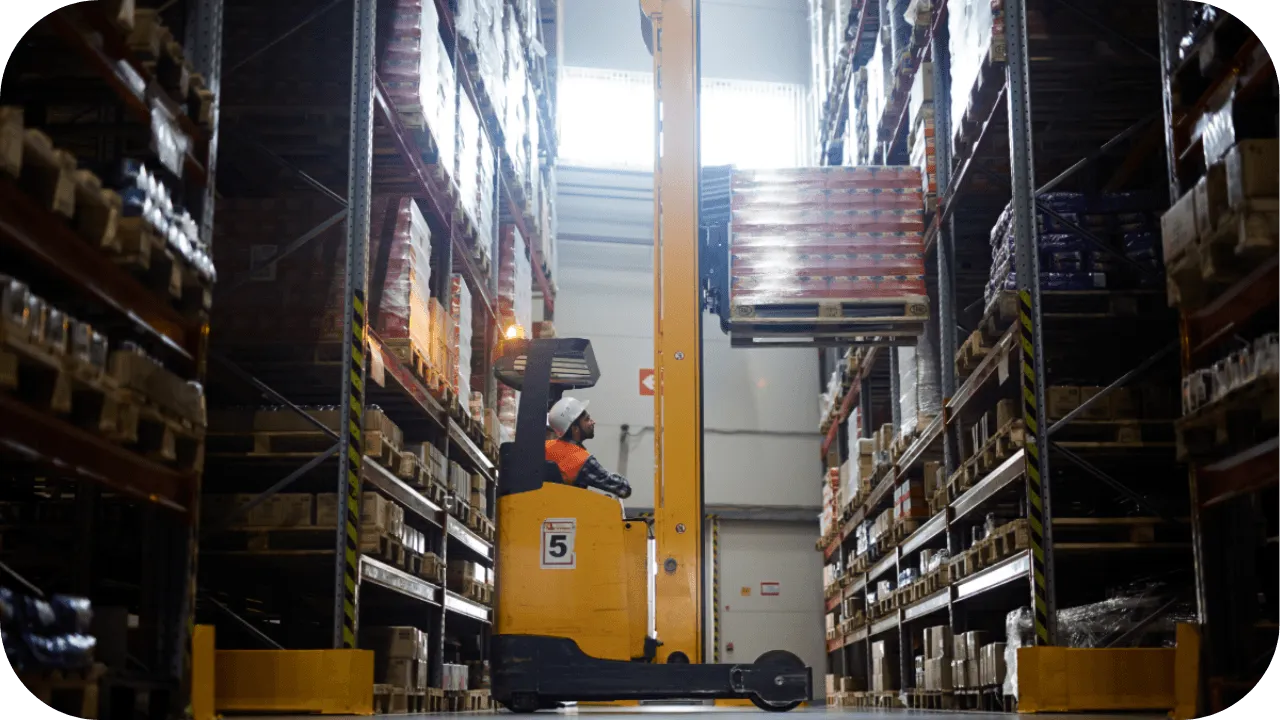
Where racking runs two pallets deep, a double reach truck becomes the third option worth pricing. Choosing between a forklift and a reach truck depends on your workspace, lifting needs, and environment. Forklifts are ideal for heavy-duty lifting in both indoor and outdoor settings.
They can handle rough terrain, uneven surfaces, and heavier loads, making them better for construction sites, warehouses with wide aisles, and outdoor storage areas.
A forklift is smarter if your operations require versatility across different locations. On the other hand, reach trucks are designed for indoor warehouse use, particularly in narrow aisles and high-racking storage. Their compact design and extendable mast allow them to reach heights over 10 metres, maximising vertical storage without requiring extra space.
If your facility has limited room for manoeuvring and prioritises stacking efficiency, a reach truck is the best option. Ultimately, go with a forklift if your focus is heavier loads and mixed-terrain operations. But a reach truck is the way to go if you need precision, height, and space efficiency.
Frequently Asked Questions
1. What is the difference between a reach truck and a forklift?
A counterbalance forklift carries the load in front and uses its own weight as the counterweight, so it needs room to drive under the racking. A reach truck keeps its wheels under the load and extends the forks forward instead, so it works in tighter aisles and generally lifts higher.
2. What is a reach truck?
A reach truck is an electric warehouse machine with outriggers and a mast that extends forward to place a pallet into racking. It is built for indoor work on flat floors, in narrower aisles than a counterbalance forklift can manage.
3. What is a high reach forklift?
High reach is a loose term buyers use for machines that place pallets into upper beam levels, which in practice usually means a reach truck. Actual lift height varies by model, so check the spec sheet rather than the label.
4. Can a reach truck work outdoors?
Not really. Reach trucks are built for flat, sealed indoor floors, and the small wheels and outriggers do not cope with uneven or wet ground. Outdoor work calls for a counterbalance forklift on suitable tyres.
5. Which should I buy for my warehouse?
If your aisles are wide and you work partly outdoors, a counterbalance forklift. If your aisles are tight and your racking is high, a reach truck. If you are close to the line, measure your narrowest loaded aisle and your top beam height before deciding.
Conclusion
Depending on space, height, and load capacity, a forklift or reach truck is the better choice. If you need versatility, choose a forklift.
Working in tight warehouse aisles? A reach truck is your best bet. Ready to invest in the right equipment? Browse our range at Buy A Fork and find the perfect fit for your business today!