
New Hangcha or Used Toyota? Choosing a Chinese-Built Forklift vs a Used Japanese One
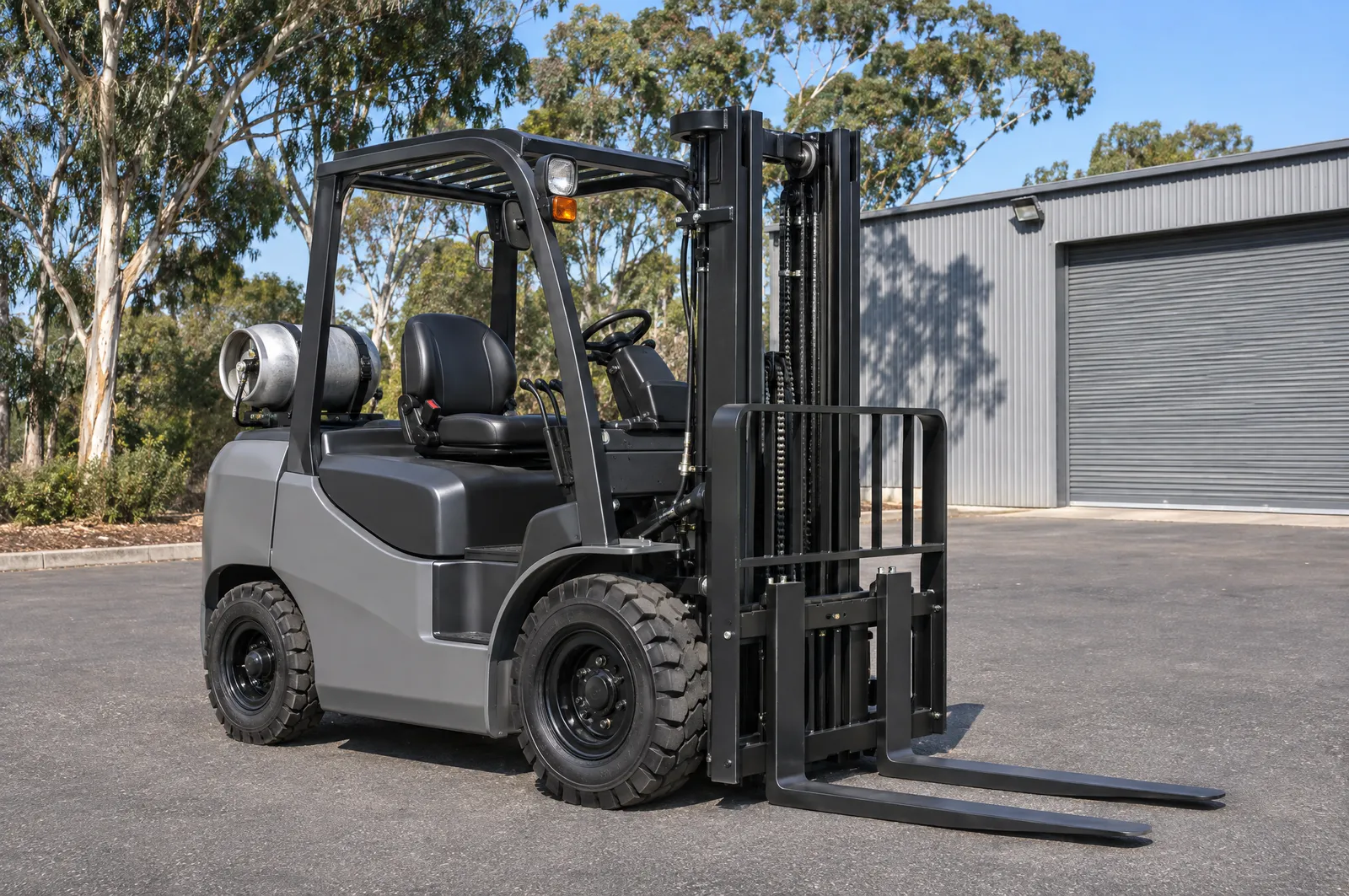
You've got a quote for a new Hangcha and a listing for a used Toyota, and need to know which is the safer buy. Are Chinese forklifts any good? Hangcha isn't a backyard brand: it has built forklifts since 1956 and ranked eighth among the world's lift truck suppliers on 2024 revenue. The choice is a factory warranty and zero hours against a proven machine with decades of local support.
Buy A Fork sells both: new Hangcha stock through an official partnership, and a mostly used range in which Toyota is the largest brand.
Are Chinese Forklifts Any Good?
The big Chinese makers build mainstream forklifts in volumes close to the household names, so the brand's origin matters less than the model, the dealer and the support behind it. In Modern Materials Handling's 2025 ranking of lift truck suppliers, Toyota Industries was first, Anhui Forklift Group (Heli) seventh and Hangcha eighth.
The volumes are close at the top. Toyota Industries sold 288,262 lift trucks in 2024 and Hangcha sold 280,012, although Toyota's lift truck revenue was about eight times larger. So a Hangcha isn't an unknown quantity, and neither is a Toyota. What differs is the machine in front of you: one is new with no hours, the other is used with a history you need to check.
For an Australian buyer, the more useful test is local support. Who holds the parts, who can service the machine near you, and who stands behind the warranty? Those three answers matter more than the badge.
New Hangcha vs Used Toyota at a Glance
A new Hangcha gives you zero hours, a factory warranty and the spec you order; a used Toyota gives you a proven model, a machine you can usually take this week and a resale market that's easy to read. Here's how the two compare on warranty, parts, servicing, spec and resale.
| What You're Comparing | New Hangcha | Used Toyota |
|---|---|---|
| Hours | Zero | Whatever is on the meter; check it against the service history |
| Warranty | Factory-backed manufacturer warranty; terms confirmed for each model | Our dealer warranty: a minimum of six months on every pre-owned forklift, extendable up to five years |
| Genuine parts in Australia | Stocked by Hangcha Australia in Victoria, New South Wales and Queensland; availability varies by model | Supplied through Toyota Material Handling Australia's 21 factory-owned branches |
| Servicing | Authorised Hangcha dealers across Australia, plus any workshop that services all makes | Toyota Material Handling Australia branches, plus any workshop that services all makes |
| Choice of spec | Order the capacity, mast, fuel or battery you need, subject to model availability | Limited to what's in stock on the day |
| Resale | Harder to predict, with fewer comparable used sales to price against | Easier to price, because comparable used Toyotas are common |
| What to check first | The written warranty terms and local parts support | Hours, service history and condition |
The table settles the easy cases. A forklift that will run long hours for years points one way, and a forklift for a few hours a day that you need this week points the other. The sections below cover the close calls.
Warranty: What Each Option Actually Covers
A new Hangcha comes with the manufacturer's warranty, and a used Toyota from a dealer comes with the dealer's warranty, so compare the written terms, not the headline.
Hangcha Australia says every new Hangcha forklift comes with a factory-backed manufacturer warranty, and that the dealer confirms the terms for each model. Ask for them in writing: the years and hours covered, which components are included, whether the battery has separate cover on an electric model, and who carries out warranty work near your site.
On the used side, our warranty on pre-owned forklifts is a minimum of six months on every machine, covering the engine or drive motor, transmission, hydraulics and electrical systems, and it can be extended up to five years. Some machines carry longer standard cover, and each listing shows its term.
A manufacturer warranty on a brand-new truck is a real advantage when the forklift is central to the business. A used truck with an extended warranty narrows that gap, at the cost of the hours already on it.
Parts and Servicing: Who Supports Each Brand Locally
Both brands have genuine parts held in Australia; the difference is the size and history of the network behind them.
Hangcha Australia describes itself as the official Australian branch of Hangcha Group. It holds forklift stock and genuine spare parts in warehouses at Dandenong South in Victoria, Smeaton Grange in New South Wales and Meadowbrook in Queensland, and sells and services through authorised dealers. It also notes that parts availability varies by model and configuration, which is the question to ask about the exact model you're quoting.
Toyota Material Handling Australia runs 21 factory-owned branches, with more than 500 of its 900 staff in service and parts support and over 350 mobile service vans. It has been in Australia for more than 50 years, so the parts and service network behind a used Toyota is long established.
Day-to-day servicing doesn't have to come from the brand's own network. We provide servicing for all makes and models, Hangcha and Toyota included. For warranty repairs on a new machine, confirm who is authorised to do the work before you buy.
Build and Design: Judge the Machine, Not the Badge
We know of no independent Australian test comparing Hangcha and Toyota build quality, so judge the build on the machine in front of you.
Start with the spec sheets and compare like for like: rated capacity at the same load centre, lift height, mast type, engine or battery, tyres and the safety features fitted. Toyota, for example, lists its System of Active Stability on models such as the 8FBE. Ask for the same detail on the Hangcha you're quoted.
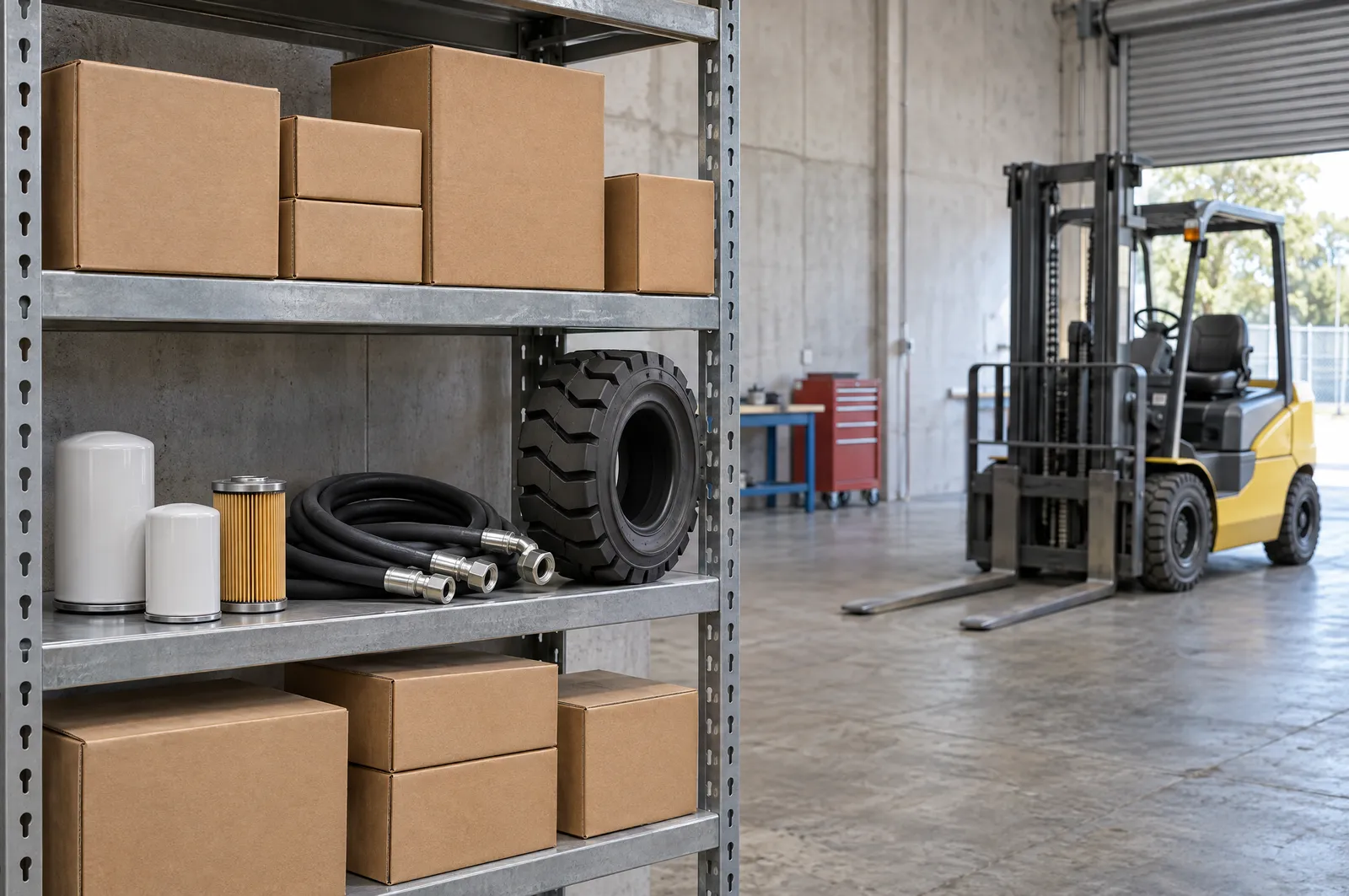
Then look at the trucks themselves. Check the mast, chains and rollers, the hydraulic hoses and fittings, the welds and the overhead guard, and have the person who'll drive it every day sit in both to judge the seat, controls and view through the mast. On a used truck, build quality shows in how it has aged: wear in the mast, oil leaks and how the controls feel after thousands of hours.
Hours and Condition: What You're Buying With a Used Toyota
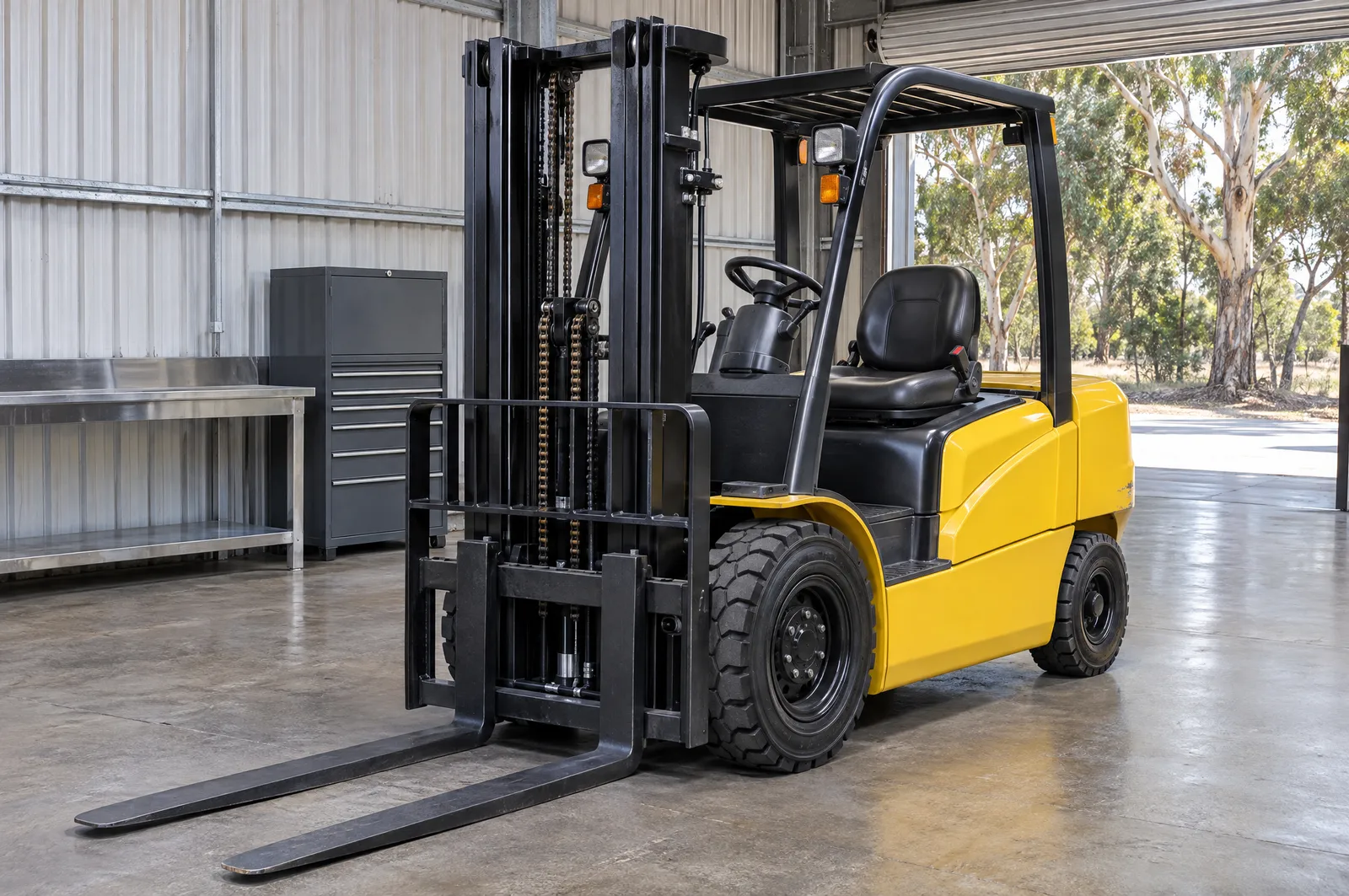
A used Toyota's value depends on the hours it has done and how well it was looked after, much more than on the brand. Toyota's US arm says most forklifts need replacing at around 10,000 hours, and at around 8,000 hours or less in some applications.
That puts the numbers in perspective. A used Toyota on 4,000 hours with a full service history still has a large share of its working life ahead, while one near 9,000 hours is being priced on what's left. Knowing what counts as low or high forklift hours helps you compare the used truck's price fairly against a new one with nothing on the meter.
Check the hours against the age, too. A forklift that has done 2,000 hours a year has had a much harder life than one that has done 500, even at the same age.
Resale: Which Holds Its Value Better?
There's no published Australian data comparing Hangcha and Toyota resale values, so judge resale by how easily you could sell the same machine later. Toyota Material Handling Australia says it has led the Australian counterbalance forklift market since 1987, which means plenty of used Toyotas change hands and buyers and workshops know the brand.
A brand with fewer machines on the local used market has fewer comparable sales to price against, which can make a future trade-in figure harder to predict. That doesn't mean a Hangcha will lose value faster. A newer truck with low hours and a service record can sell well; the figure is just less certain in advance.
If resale matters to you, look up how many used examples of the exact model are listed for sale, and what they ask at similar hours. That tells you more than any rule of thumb.
Which Should You Buy?
Buy new when the forklift will work hard for years, and buy used when the hours are moderate and a suitable machine is ready now.
A new Hangcha suits you when the truck will run long shifts or more than one shift a day, you need a specific capacity, mast or lithium-ion battery that used stock doesn't offer, and you plan to keep it long enough for the warranty and zero hours to pay off.
A used Toyota suits you when the work is a few hours a day or less, a standard spec will do the job, you want it this week rather than when a new truck arrives, and you'd like a machine whose resale is easy to judge.
Many buyers land in the middle, and that's where the written warranty, the hours on the used truck and the total cost over the finance term decide it. The wider pros and cons of new and used forklifts apply here as well, whichever brands you're comparing.
Questions to Ask Before You Sign
Put these to the dealer for either option, and get the answers in writing where they affect cost.
- What does the warranty cover, for how many years and how many hours, and who carries out warranty work near my site?
- Which parts for this exact model are held in Australia, and what's the usual wait for the rest?
- Who will service the forklift, and is there a service included with the purchase?
- For a used machine, what are the hours, and can I see the service history?
- What would my current forklift be worth as a trade-in?
- What's the total cost over the full finance or rent-to-own term, rather than the weekly figure?
Compare a New Hangcha and a Used Toyota at Buy A Fork
Buy A Fork carries new Hangcha forklifts through its official partnership alongside a mostly used range in which used Toyota forklifts are the largest group, so you can price both options in one place. Trade-ins, finance, rent-to-own and extended warranty are available, and local delivery is free within 10 km of the Somerton warehouse on selected forklifts bought at full price.
Talk to the team in Somerton or call 1300 057 880 with the capacity, lift height and hours a week you need, and ask for a new and a used option on the same spec.
Frequently Asked Questions
1. Which Forklift Brands Are Made in China?
Heli (Anhui Forklift Group) and Hangcha are the two largest Chinese forklift makers by lift truck revenue, ranked seventh and eighth among the world's lift truck suppliers in Modern Materials Handling's 2025 list. Several smaller Chinese manufacturers also sell in Australia, so check the local distributor and parts support for any brand you're quoted.
2. What Is a Well-Known Japanese Brand of Forklift?
Toyota is the obvious one. Its maker, Toyota Industries Corporation, ranked first on 2024 lift truck revenue in Modern Materials Handling's 2025 list. Mitsubishi and Komatsu are other Japanese forklift brands found on the Australian used market.
3. Can I Trade In My Old Forklift Against Either Option?
Yes. Trade-ins are accepted, so your old forklift's value can come off the price of a new or used machine. Have the make, model and rough hours ready, and mention any faults, because they affect the figure.