
Safety Tips for Operating Forklifts in Extreme Weather Conditions
· Updated
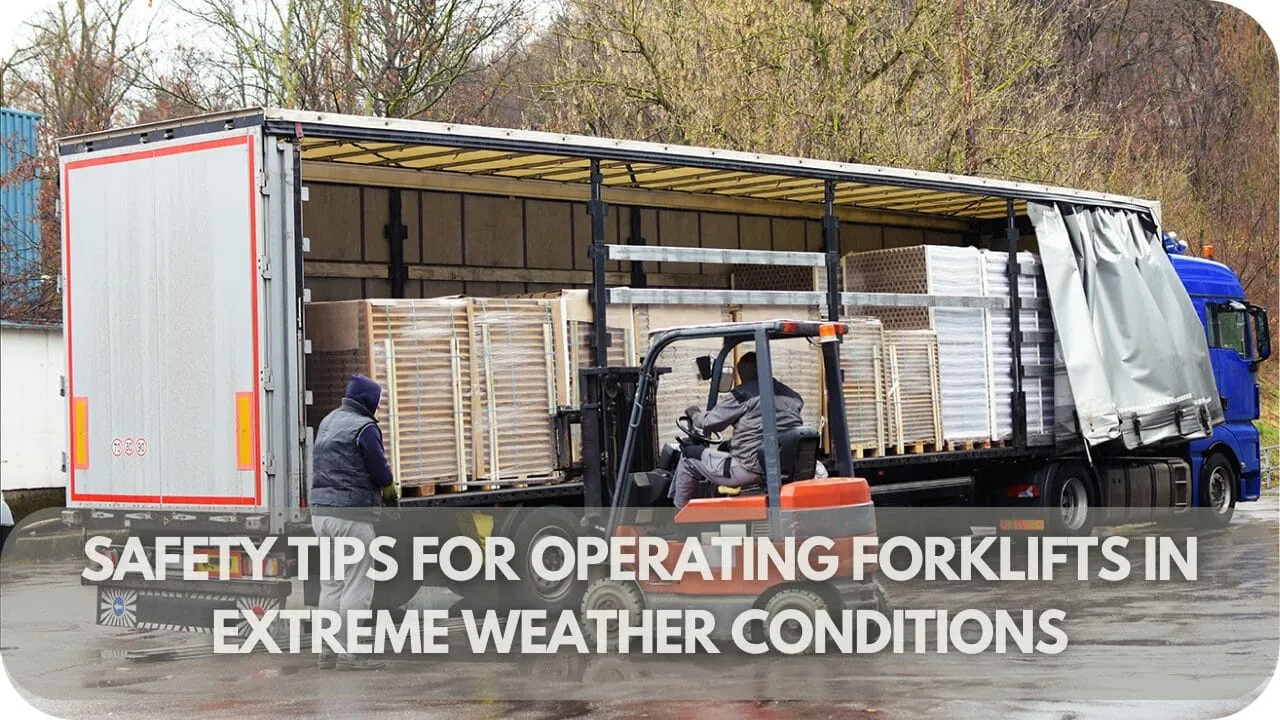
Extreme weather conditions can make forklift operations more hazardous. Understanding how to adapt to different weather scenarios is essential for ensuring the safety of both operators and the equipment.
Proper safety measures can keep operations running smoothly, reduce risks, and protect your workforce from accidents.
Read on for safety tips to help forklift operators navigate extreme conditions confidently and effectively.
General Safety Practices for Extreme Weather
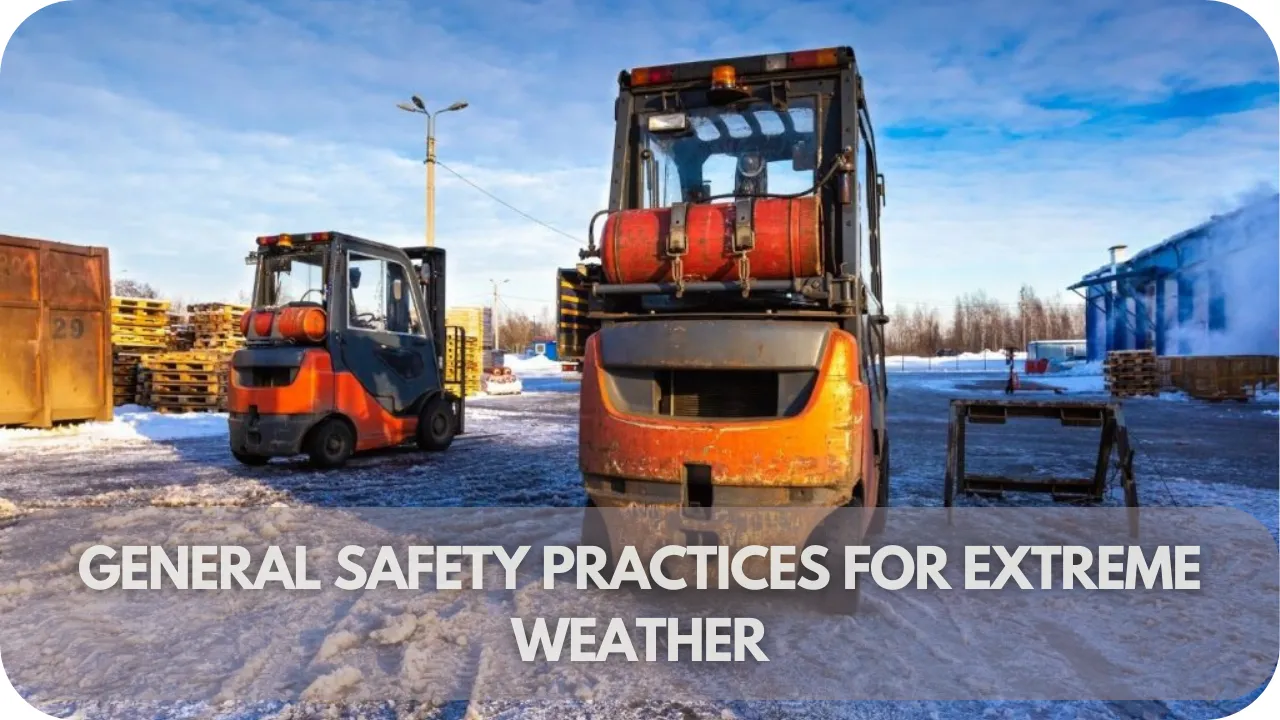
Operating forklifts during extreme weather demands heightened attention to safety to prevent accidents and maintain productivity. Follow these general safety practices to ensure both operator and equipment protection:
1. Conduct Thorough Pre-Operation Inspections
Inspect forklifts for any weather-specific issues before use. Check tyres for adequate tread, and lights for functionality, and ensure that brakes and wipers are in optimal condition.
2. Equip Operators with Proper Gear
Provide operators with weather-appropriate clothing, such as insulated gloves and jackets for cold conditions or cooling vests and hydration gear during extreme heat. High-visibility vests are essential for low-visibility weather.
3. Adapt Driving Techniques to Conditions
Slow down during rain or snow to prevent skidding. Avoid sharp turns and sudden braking, and maintain a safe distance from other equipment or obstacles.
4. Monitor Weather Alerts
Stay informed about weather conditions through alerts and forecasts. Postpone operations in extreme conditions like storms or heavy snowfall whenever possible.
5. Train Operators for Emergency Situations
Provide comprehensive training for operators to handle emergencies, such as dealing with slippery surfaces, poor visibility, or overheating engines.
6. Maintain Equipment Regularly
Ensure forklifts are equipped with weather-resistant features, such as anti-slip tyres and sealed components. Conduct regular maintenance to address seasonal wear and tear.
Safety Tips for Operating Forklifts in Rain or Wet Conditions
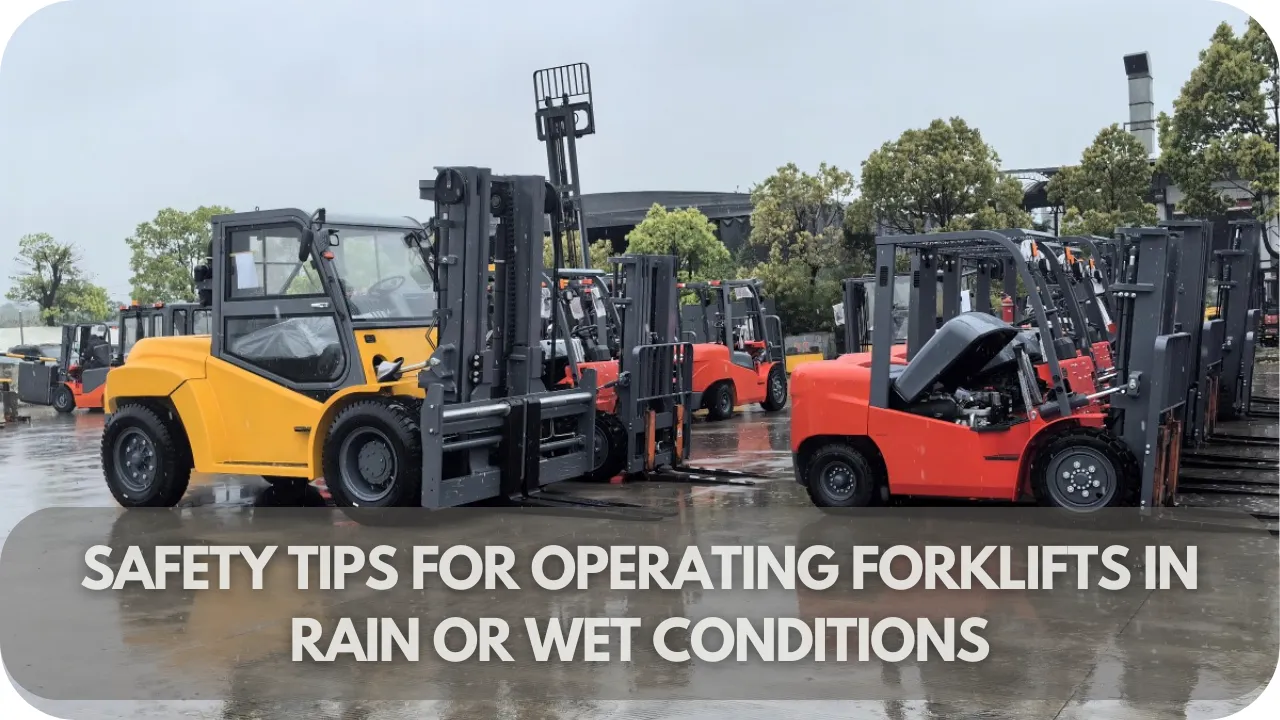
Operating forklifts in wet conditions requires extra caution to ensure safety and stability. Speed reduction is crucial to avoid skidding, especially on slippery surfaces. Sudden braking or sharp turns should be avoided, as they can result in a loss of control and increase the risk of accidents.
Always ensure that the forklift is equipped with good tread tyres, as this will improve traction on wet surfaces and help reduce the likelihood of slipping.
When driving in the rain, visibility should never be compromised. Keeping the windows, mirrors, and lights clean and functional is essential to ensure clear sightlines and reduce the risk of accidents. Regular checks of these components before use can prevent mishaps caused by poor visibility.
Additionally, be cautious of puddles, as they can hide potential hazards or cause water damage to the forklift. Avoid driving through large puddles whenever possible, as the water may hide objects or uneven ground that could lead to damage.
Waterlogged areas can also cause instability, making it harder to maintain control of the forklift. Always assess the surface conditions carefully and adjust your driving speed accordingly to ensure optimal safety in wet conditions.
Safety Tips for Operating Forklifts in Snow or Icy Conditions
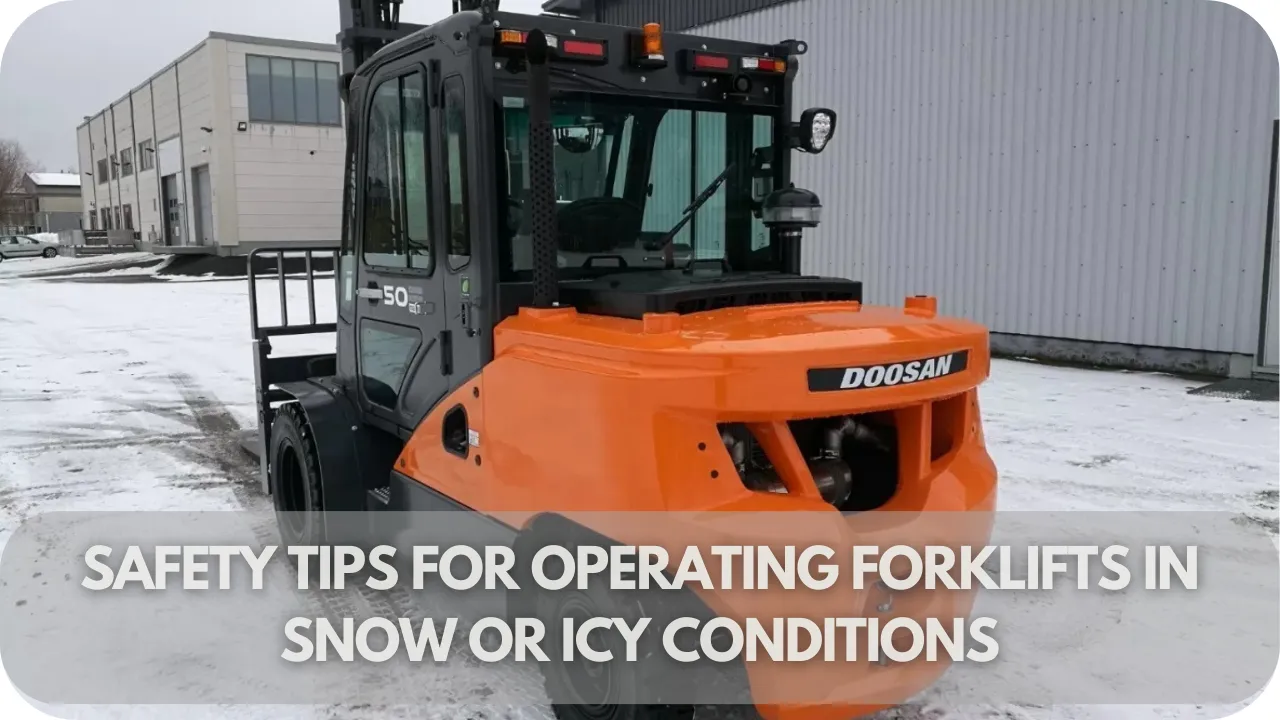
Snow and ice present significant challenges when operating forklifts, requiring extra caution and preparation. Using winter tyres or chains can significantly improve grip on slippery surfaces, reducing the likelihood of slipping or tipping.
These accessories are designed to provide better traction on snow-covered or icy ground, ensuring safer operation. Clearing pathways of snow and ice before starting the forklift is essential. This reduces the risk of accidents and improves the overall safety of the work area.
Keeping batteries warm in colder temperatures is also important, as low temperatures reduce forklift performance. Cold weather can decrease battery efficiency, causing operational issues and delays.
Store forklifts in heated areas when not in use, as this will help preserve battery life and ensure optimal performance. Operating on icy surfaces requires slow, steady movements to maintain control. Sudden or jerky movements can cause the forklift to lose traction, potentially leading to tipping.
Careful navigation, avoiding sharp turns, and reducing speed will help maintain stability and control. Always remain alert to changing conditions and adjust operations accordingly.
Safety Tips for Operating Forklifts in Hot Weather
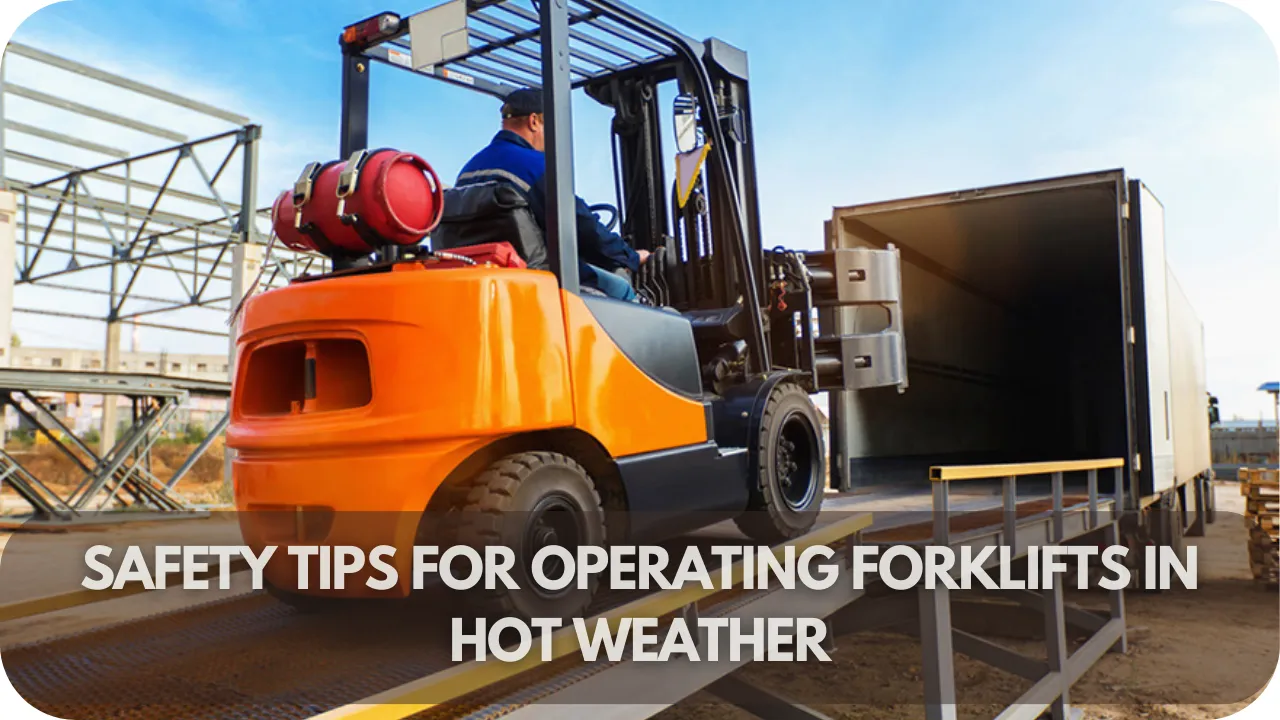
In hot weather, forklift operators risk overheating personally and in the machinery. It’s crucial to ensure operators can access hydration and shaded breaks to stay cool and focused. Providing these resources will help prevent heat-related fatigue and improve overall safety.
Additionally, it is essential to regularly inspect the forklift’s cooling system, ensuring the radiator and coolant levels are adequate to prevent the engine from overheating. Proper cooling system maintenance is key to preventing breakdowns in high temperatures.
Checking tyre pressure is equally important, as heat can cause tyres to overinflate, increasing the risk of blowouts—high temperatures cause the air inside the tyres to expand, which can lead to safety hazards. Ensure tyres are inflated to the manufacturer’s recommended levels to prevent accidents—high.
Storing forklifts in shaded areas when not in use is advisable during extreme heat. Prolonged sun exposure can cause the vehicle to overheat, damaging the engine and other components. If storing in a shaded area is impossible, consider using sunshades or coverings to protect the forklift.
Safety Tips for Operating Forklifts in High Winds
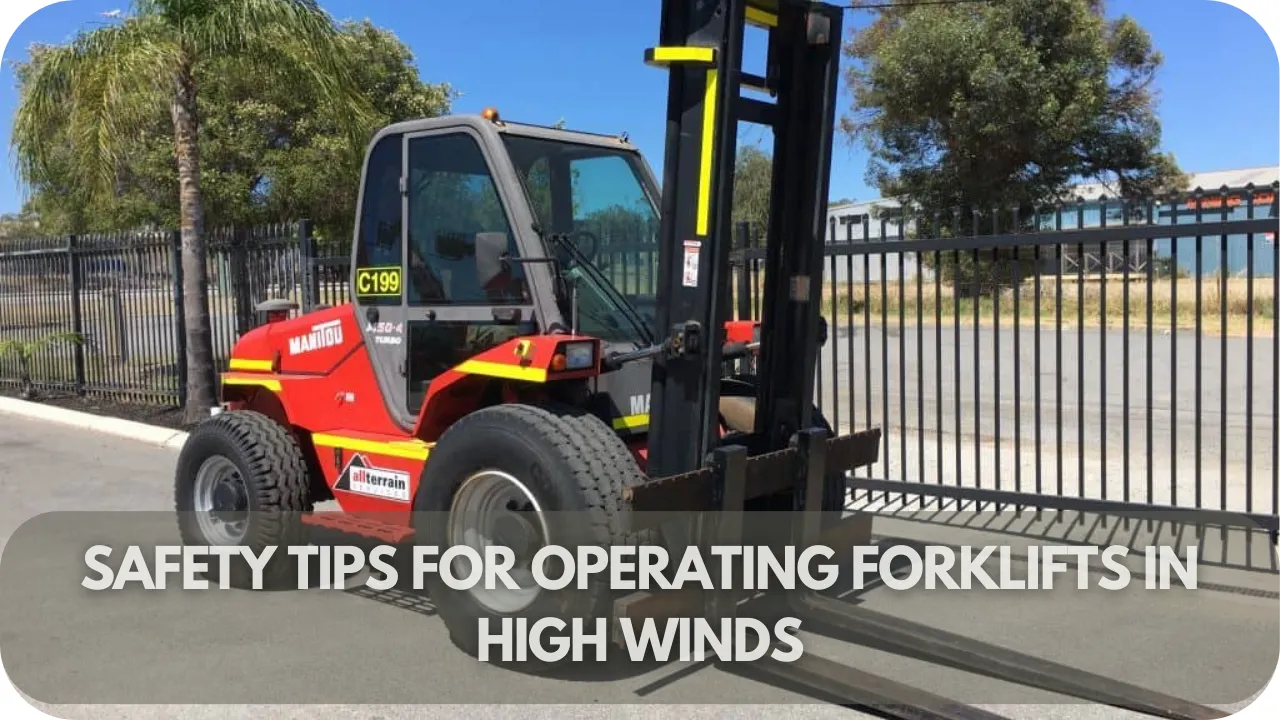
High winds can significantly affect forklift stability, particularly when moving tall or unstable loads. Stabilising loads properly is essential to prevent them from being affected by wind gusts.
It’s important to avoid carrying tall loads in high winds, as they are more susceptible to tipping over. Ensure that each load is balanced and securely fastened to the forklift to reduce the risk of instability. This helps maintain control and ensures the load doesn’t shift unexpectedly.
Operators should operate indoors or in sheltered areas to minimise exposure to strong winds. Sheltered environments provide a safer area to work, protecting the forklift and its load from gusts that can make handling more difficult.
If working outdoors is unavoidable, operators should be especially cautious, keeping a safe distance from obstacles and mindful of possible hazards. Wind can blow debris across the work area, potentially creating unexpected obstacles or damaging the forklift.
Operators should also look for any changes in wind patterns and adjust their driving speed accordingly. In windy conditions, reducing speed is essential to ensure better forklift control. Staying alert and adjusting operations based on the weather will help ensure safe forklift operation in high winds.
Training and Preparation for Extreme Weather Operations
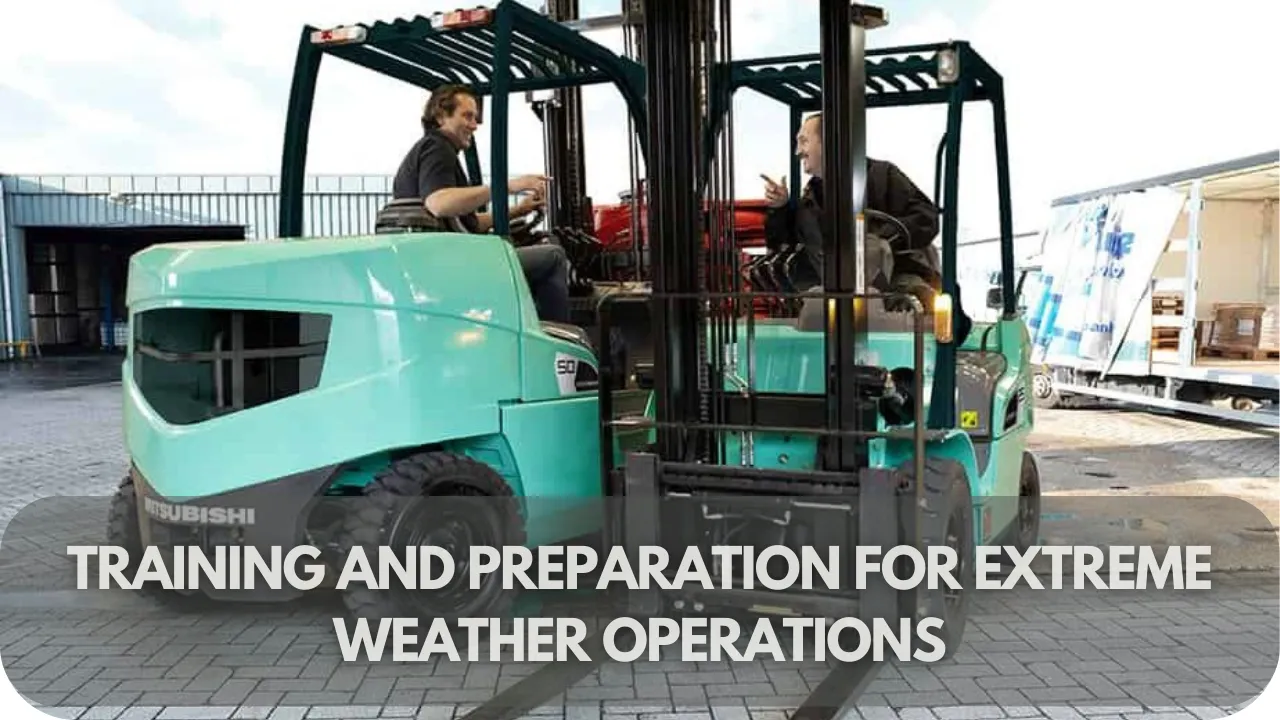
Training is vital for forklift safety, especially when operating in extreme weather conditions. Operators must be trained to handle various weather scenarios, including proper driving techniques and adjusting the forklift’s controls for optimal performance. This ensures that they can operate the forklift safely, regardless of the conditions.
Training should also include educating workers on assessing weather conditions and determining when it is unsafe to operate the forklift. Knowing when to stop work or delay operations can prevent accidents and protect both the operator and the equipment.
Preparation plays a crucial role in minimising risks during extreme weather. Forklifts should be inspected regularly, especially before expected severe weather, to ensure they are in good working condition.
Operators should also be provided with the appropriate safety gear, such as weather-resistant clothing and high-visibility vests, to protect themselves from the elements. Regular safety checks ensure critical parts, such as brakes and tyres, function properly in extreme conditions.
All staff members must be familiar with emergency protocols for extreme weather events. Ensuring operators know what to do in case of sudden weather changes or accidents will help reduce risks and enhance safety in challenging environments.
Maintenance Tips for Extreme Weather
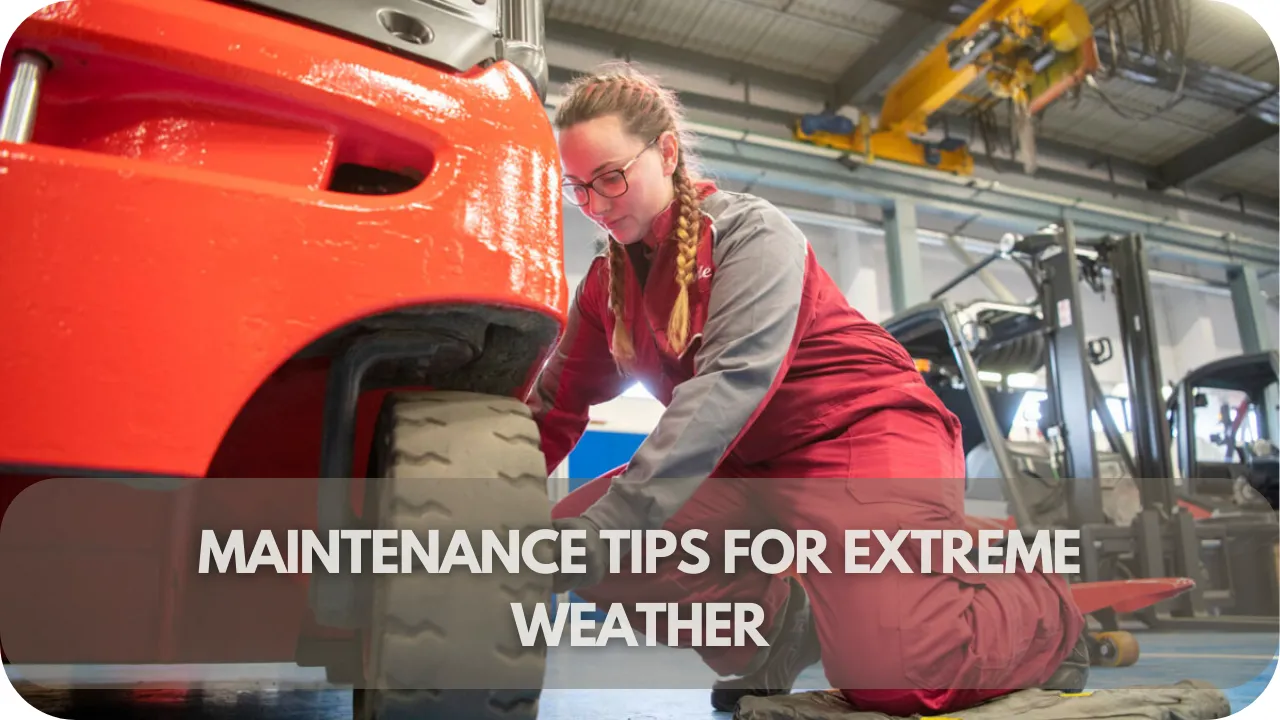
Forklifts for extreme weather conditions require frequent inspections to ensure they remain in optimal working condition. Pay close attention to electrical components, ensuring they are well-sealed and protected from moisture or snow, as these elements can cause corrosion or electrical failures, leading to equipment malfunctions.
Proper care of these components will prevent unnecessary downtime or costly repairs. Appropriate lubricants are essential to prevent components from freezing in cold temperatures and overheating in hot conditions.
Be sure to lubricate hydraulic systems, transmissions, and other moving parts with the right products for extreme weather conditions. In colder climates, use lubricants formulated to handle freezing temperatures, while in hotter environments, select lubricants that can endure higher heat.
This helps maintain smooth operation and prevent mechanical breakdowns. It’s also important to regularly check the brakes, engine, and steering systems. These components are critical for maintaining control of the forklift, especially in slippery or high-traffic environments.
FAQs
1. Can forklifts operate in heavy rain or snow?
Yes, forklifts can operate in heavy rain or snow, but extra precautions must be taken. Ensure the forklift is properly maintained and the tyres have adequate tread to avoid slipping. Operators should reduce speed and ensure visibility is not compromised.
2. What are the best tyres for forklifts in icy conditions?
Winter tyres or tyres with chains are ideal for icy conditions. These provide better traction, reducing the risk of slipping and allowing for more stable operation in cold, slippery environments.
3. How do I protect forklift batteries in extreme cold?
To protect forklift batteries in extreme cold, store the forklift in a heated area when not in use. Also, consider using battery heaters to maintain the battery’s optimal temperature in low temperatures.
4. What precautions should operators take during heatwaves?
Operators should stay hydrated during heatwaves, take frequent breaks, and ensure the forklift’s cooling system functions properly. Tyre pressure should also be monitored, as heat can cause over-inflation, increasing the risk of blowouts.
Conclusion
Safety should always be a top priority when operating forklifts in extreme weather conditions.
Whether rain, snow, high winds, or heat, following proper safety tips and maintenance routines will ensure safer operations and protect equipment and operators.
Keep weather-related risks at bay by staying prepared and adopting the best practices for each climate.