
Innovations in Forklift Design: What’s New in 2025?
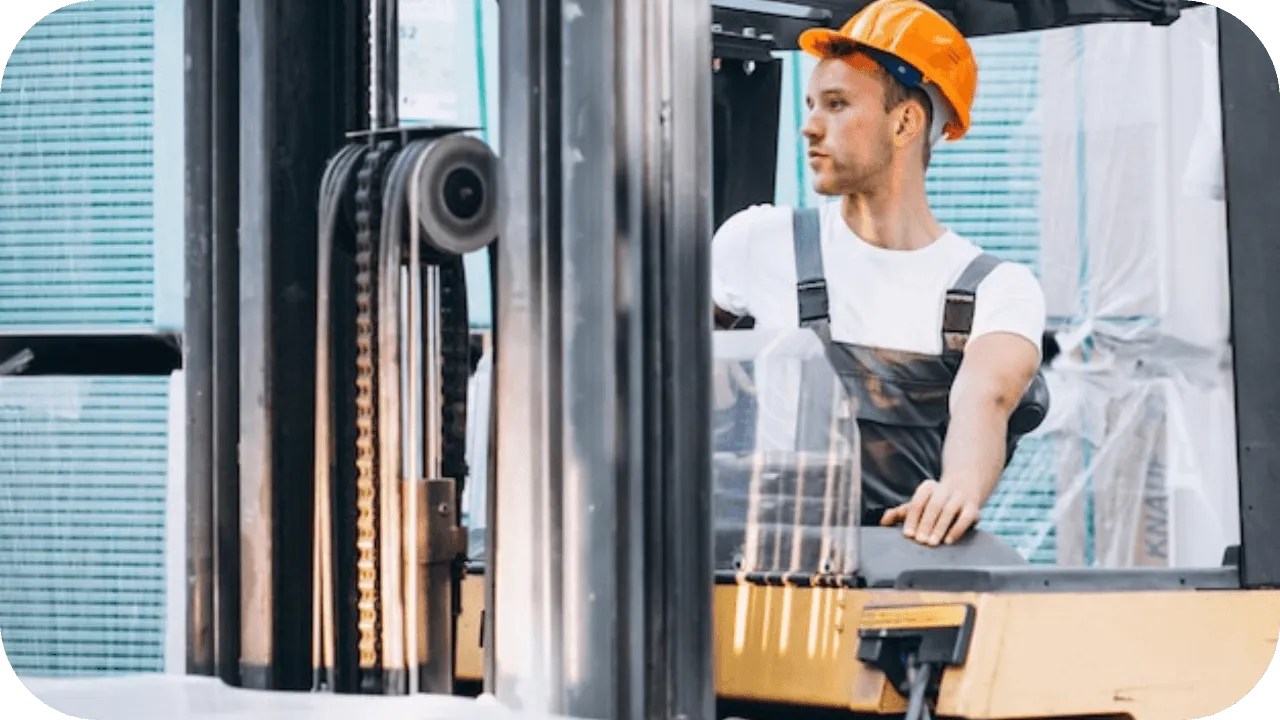
The forklift industry is evolving faster than ever, and 2025 is set to bring groundbreaking advancements that will transform how Australian businesses operate.
These innovations, from automation to eco-friendly designs, promise to boost efficiency, enhance safety, and reduce environmental impact. Whether in Melbourne, Sydney, or a regional town, staying ahead of these trends can give your business a competitive edge.
Let’s dive into the most exciting innovations in forklift design for 2025 and how they can benefit your operations.
1. The Rise of Automation and Smart Forklifts
The forklift industry in Australia is undergoing a technological revolution, with automation and artificial intelligence leading the way.
Australian automated forklifts are now equipped with self-driving capabilities and AI-powered navigation systems, reducing the need for manual operation.
These smart forklifts improve efficiency, lower labour costs, and significantly enhance workplace safety by minimising human error.
As more businesses invest in innovative forklift technology in 2025, warehouses and distribution centres are becoming more streamlined and cost-effective.
2. Eco-Friendly Forklifts
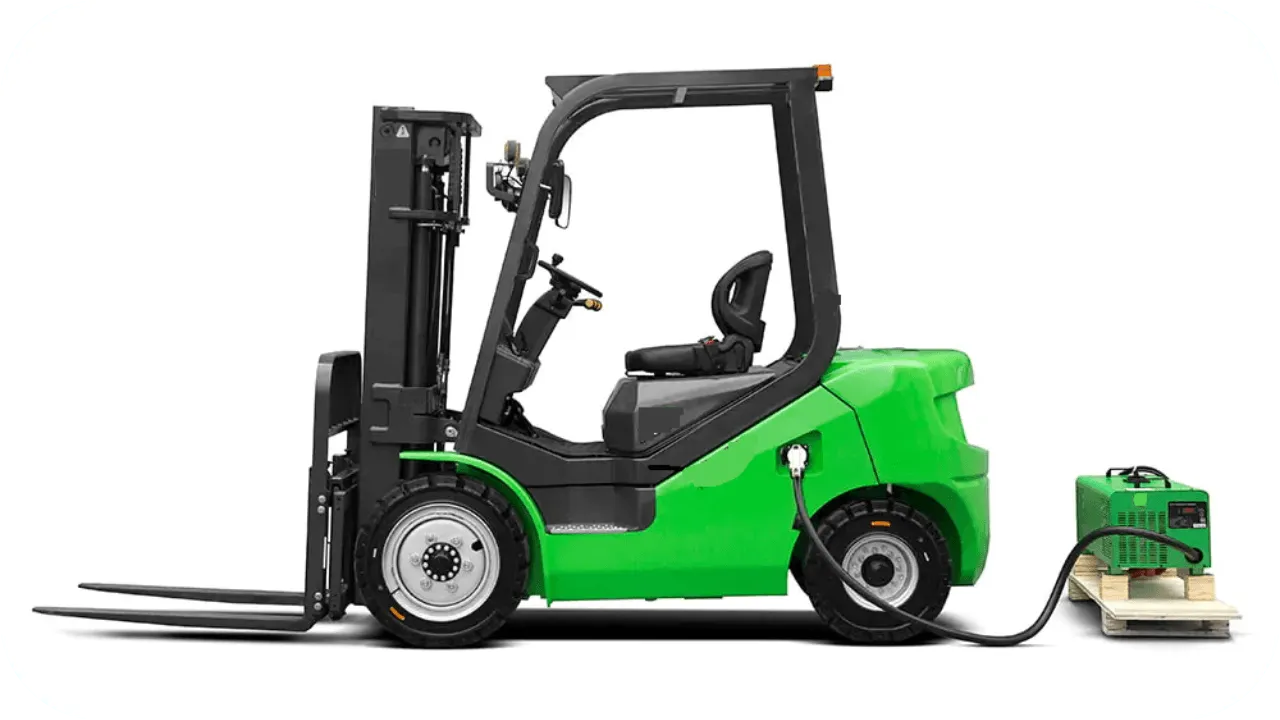
Environmental sustainability is now a top priority in forklift design, with manufacturers rolling out eco-friendly forklifts in Australia. The shift to electric and hydrogen-powered models is gaining momentum, offering businesses sustainable forklift solutions in 2025.
These forklifts produce zero emissions, reduce operational costs, and comply with strict environmental regulations. Electric forklifts are now a viable alternative to traditional diesel-powered models. They have improved battery life and faster charging times.
3. Exoskeleton-Assisted Forklift Operation
With an increasing focus on worker safety and efficiency, wearable exoskeleton technology is now being integrated into forklift operations to reduce physical strain on operators. These lightweight, ergonomic designs support key muscle groups, minimising fatigue and the risk of repetitive strain injuries.
Exoskeletons can enhance strength and endurance in industries requiring long shifts of heavy material handling. They allow workers to lift and move loads more easily, improving operator well-being and increasing productivity, as fewer rest breaks are required.
Some advanced exoskeletons also feature AI-powered motion assistance, adapting to individual operator movements and ensuring optimal posture while handling heavy equipment. As warehouses and distribution centres focus on reducing workplace injuries, this technology is proving to be a game-changer for workforce longevity and efficiency.
4. Improved Ergonomics and Operator Comfort
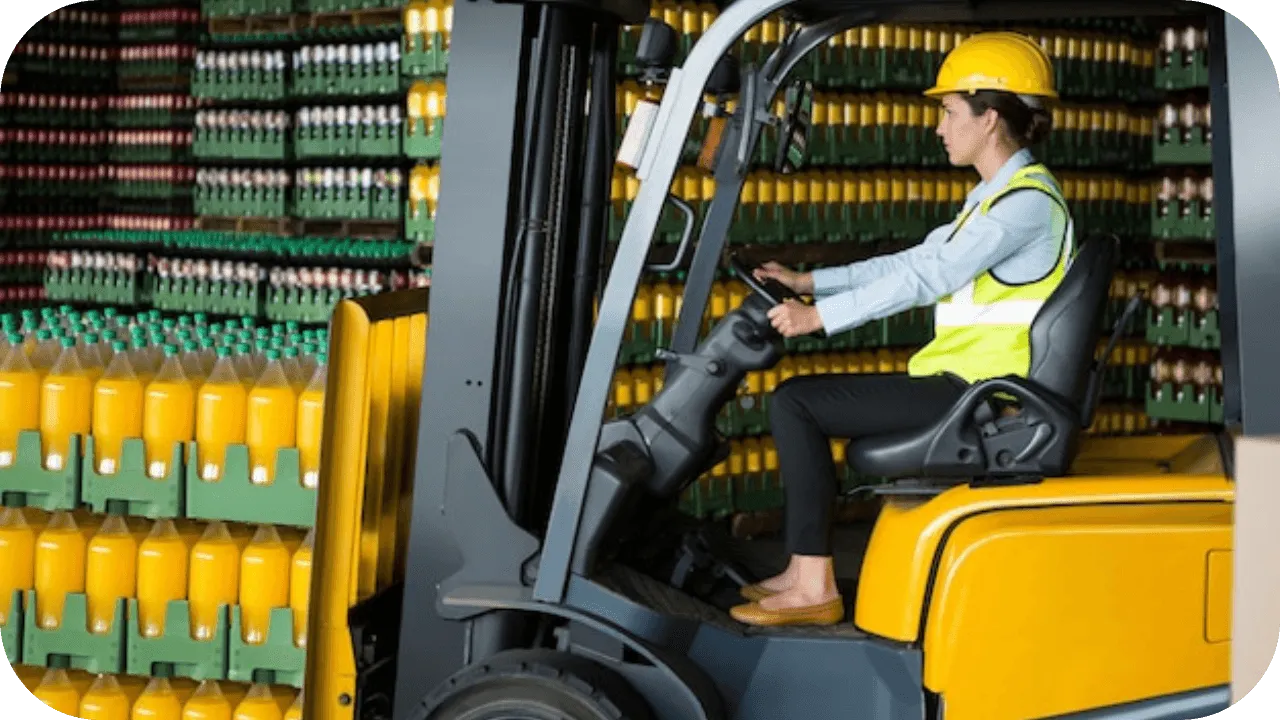
To enhance productivity and reduce operator fatigue, ergonomic forklifts in Australia are being designed with comfort in mind.
Adjustable seating, intuitive controls, and lower noise levels improve the working environment.
Introducing operator-friendly forklifts in 2025 ensures drivers experience less strain during long shifts, leading to higher efficiency and job satisfaction.
5. Connectivity and IoT Integration
Integrating IoT forklifts in Australia transforms traditional forklifts into smart, connected devices.
With connected forklift technology 2025, businesses can monitor fleet performance in real-time, schedule predictive maintenance, and use data analytics to optimise operations.
IoT-enabled forklifts also improve security by tracking movement and usage patterns, ensuring that only authorised personnel can operate them.
6. Hybrid Forklifts
Hybrid forklifts are bridging the gap between traditional combustion engines and modern electric-powered forklifts, offering businesses a reliable, energy-efficient alternative. By combining battery-electric technology with internal combustion engines (ICEs), hybrid models provide longer operational hours without frequent refuelling or recharging.
This is particularly advantageous for industries that operate in high-demand environments, where downtime can significantly impact productivity.
With on-the-fly switching between power sources, hybrid forklifts optimise fuel efficiency while reducing emissions compared to traditional diesel models. Companies with mixed indoor and outdoor operations benefit the most, as hybrid forklifts can seamlessly adapt to different terrains and workloads.
This technology is paving the way for a gradual transition to fully electric solutions without sacrificing performance, power, or reliability.
7. Advanced Lithium-Ion Battery Technology
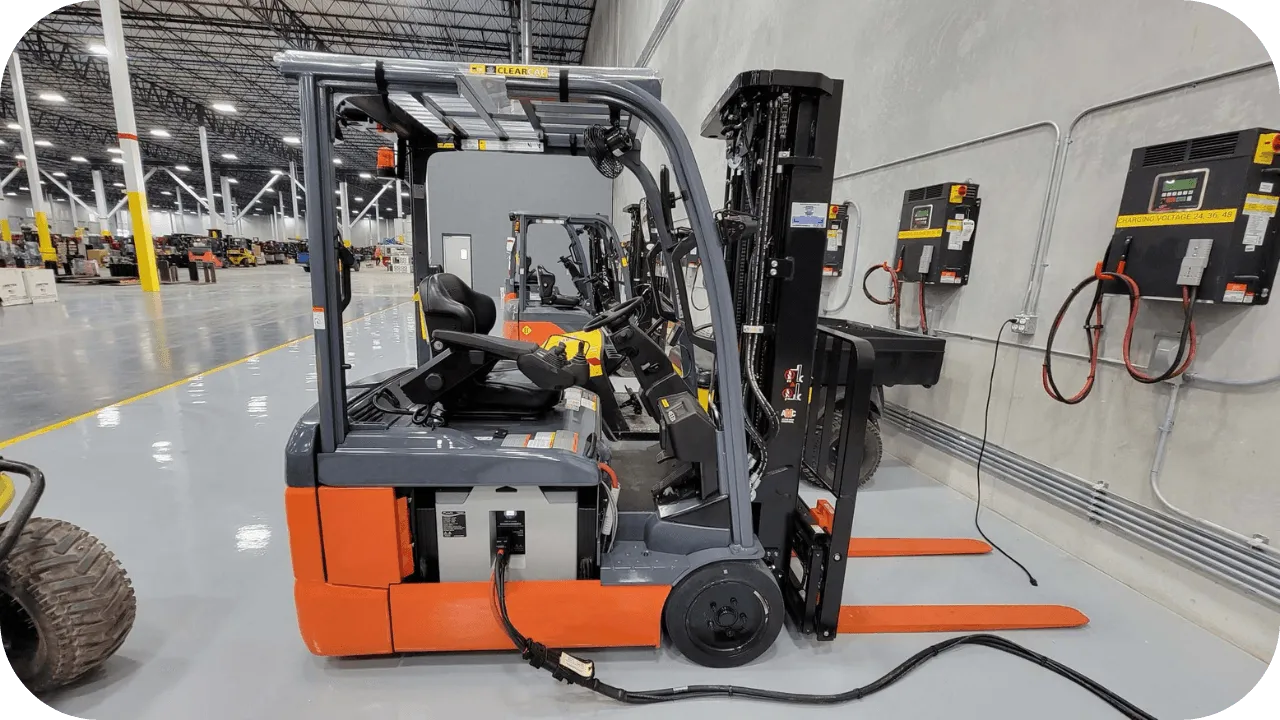
Lithium-ion batteries are redefining forklift power solutions. They surpass traditional lead-acid alternatives with faster charging, increased energy density, and lower maintenance requirements. Lithium-ion cells do not suffer from the ‘memory effect’, unlike older battery types, allowing for partial charging without degrading battery life.
Many modern forklift models now feature swappable lithium-ion battery packs, eliminating the need for lengthy charging sessions. Instead, operators can swap in a fully charged battery within minutes, keeping operations running at maximum efficiency.
These batteries also offer built-in thermal management systems, making them ideal for cold storage and high-heat environments where temperature fluctuations typically degrade performance.
With sustainability in mind, lithium-ion batteries contribute to lower carbon footprints, providing an eco-friendly solution that aligns with Australia’s push for greener industrial practices.
8. Forklift Fleet Management Software
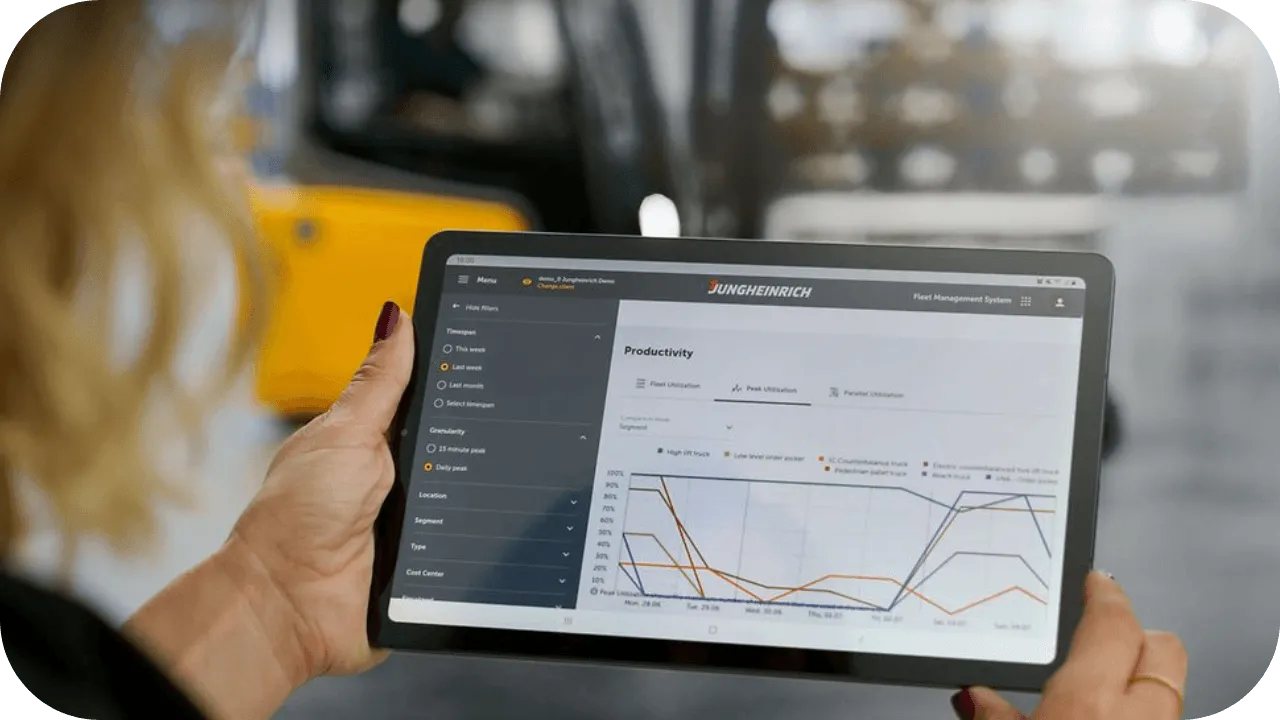
AI-powered fleet management systems are revolutionising warehouse efficiency. They offer businesses real-time data insights into forklift usage, maintenance schedules, and performance analytics. These solutions help predict equipment failures before they occur, reducing unexpected breakdowns and costly repairs.
By tracking energy consumption, fuel usage, and operator behaviour, businesses can identify inefficiencies and optimise fleet performance. Some advanced systems integrate GPS tracking and geofencing, ensuring forklifts are used within designated areas improving security and compliance.
IoT connectivity allows managers to access live performance data from remote locations, ensuring fleets operate at peak productivity. Fleet management software also improves uptime, reduces operational costs, and enhances workplace safety by providing automated alerts for maintenance reminders, overuse detection, and safety compliance violations.
9. 3D Camera and AI-Assisted Vision Systems
Modern forklifts have AI-powered vision systems and 3D cameras, significantly improving load-handling accuracy, safety, and operator visibility. These systems use advanced object recognition to detect pallet positioning errors, potential obstacles, and pedestrian movement, reducing the risk of accidents.
By integrating real-time spatial awareness, AI vision systems can automatically adjust fork height, tilt, and positioning, ensuring loads are picked up and placed accurately. This technology is particularly beneficial in high-rack storage and complex warehouse layouts, where human error can lead to costly damage or injuries.
Automated braking and proximity sensors enhance safety by preventing collisions and assisting operators in confined spaces. This innovation transforms how forklifts navigate dynamic industrial environments, increasing efficiency while minimising risks.
10. Enhanced Safety Features
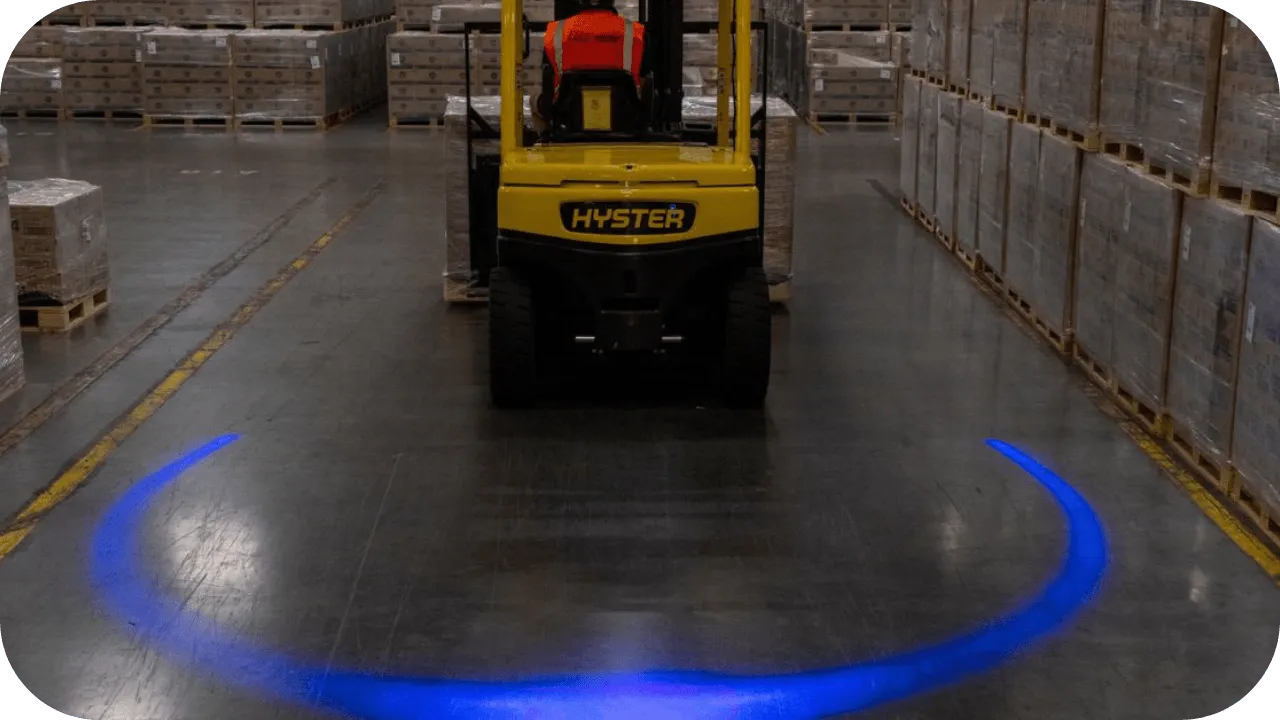
Safety remains a critical focus in forklift innovation. In 2025, the latest safety features include advanced sensors, collision avoidance systems, and operator-assist technologies.
These enhancements help prevent workplace accidents by detecting obstacles, slowing down the forklift when necessary, and providing operators with real-time alerts.
In advanced forklift safety Australia, new models are equipped with intelligent motion detection, which ensures that forklifts do not move when workers or objects are nearby.
11. Augmented Reality (AR) Forklift Training
Traditional forklift training methods are replaced by immersive Augmented Reality (AR) and Virtual Reality (VR) solutions, providing a risk-free, hands-on learning experience. With fully interactive, real-world simulations, operators can practice emergency scenarios, complex manoeuvres, and load-handling techniques without the dangers of on-the-job training.
AR overlays allow real-time instructions to be displayed within the forklift operator’s field of view, ensuring immediate guidance and feedback. Some companies are even integrating voice-controlled AR training modules, reducing the need for physical trainers while maintaining high learning retention.
By adopting AR training, businesses reduce training time, lower operational risks, and ensure that new operators are fully prepared before handling live equipment. This technology is particularly beneficial in high-turnover industries, where quick and effective onboarding is critical to maintaining productivity and safety standards.
12. Cold Storage Optimised Forklifts
The demand for cold storage and temperature-controlled logistics has led to the development of forklifts designed to withstand freezing environments.
Standard forklifts often suffer from battery degradation, hydraulic issues, and mechanical stiffness when exposed to sub-zero temperatures, but new cold storage models are engineered to overcome these challenges.
These forklifts feature insulated lithium-ion batteries, which maintain optimal performance even in freezing conditions. They also have low-temperature hydraulic fluids and anti-freeze lubricants that prevent mechanical wear.
Cold storage forklifts are also designed with heated operator cabins, ensuring workers remain comfortable and productive even in harsh working conditions.
With refrigerated logistics booming in Australia, investing in cold-resistant forklifts reduces maintenance costs, improves operational efficiency, and ensures the safe transportation of perishable goods.
Why Buy A Fork is Your Partner in Innovation
We are committed to staying ahead of the curve at Buy A Fork, providing Australian businesses with the latest forklift innovations. Here’s why Buy A Fork is your trusted partner:
- Latest Forklift Technology: We offer the most advanced forklifts, including AI-powered and automated models.
- Eco-Friendly Options: Our electric and hydrogen-powered forklifts support sustainability goals.
- Unmatched Safety Features: Our forklifts come equipped with industry-leading safety enhancements.
- Expert Guidance: Our team provides tailored solutions to match your business needs.
- Real-Time Connectivity: IoT-enabled forklifts for smarter fleet management.
- Reliable After-Sales Support: Comprehensive maintenance and repair services.
- Competitive Pricing: High-quality forklifts at the best market rates.
- Fast Delivery Across Australia: Quick and efficient supply chain solutions.
- Flexible Financing Options: Custom payment plans to suit your budget.
- Commitment to Innovation: We continuously upgrade our offerings to keep you ahead of the curve.
Conclusion
Forklift technology in 2025 is more advanced than ever, offering businesses in Australia smarter, safer, and more sustainable solutions. From automation and AI to eco-friendly power sources and IoT connectivity, these innovations are transforming material handling. Ready to upgrade your fleet? Contact Buy A Fork for the latest in forklift technology.