
What Is Fleet Management | A Complete Overview Guide
· Updated
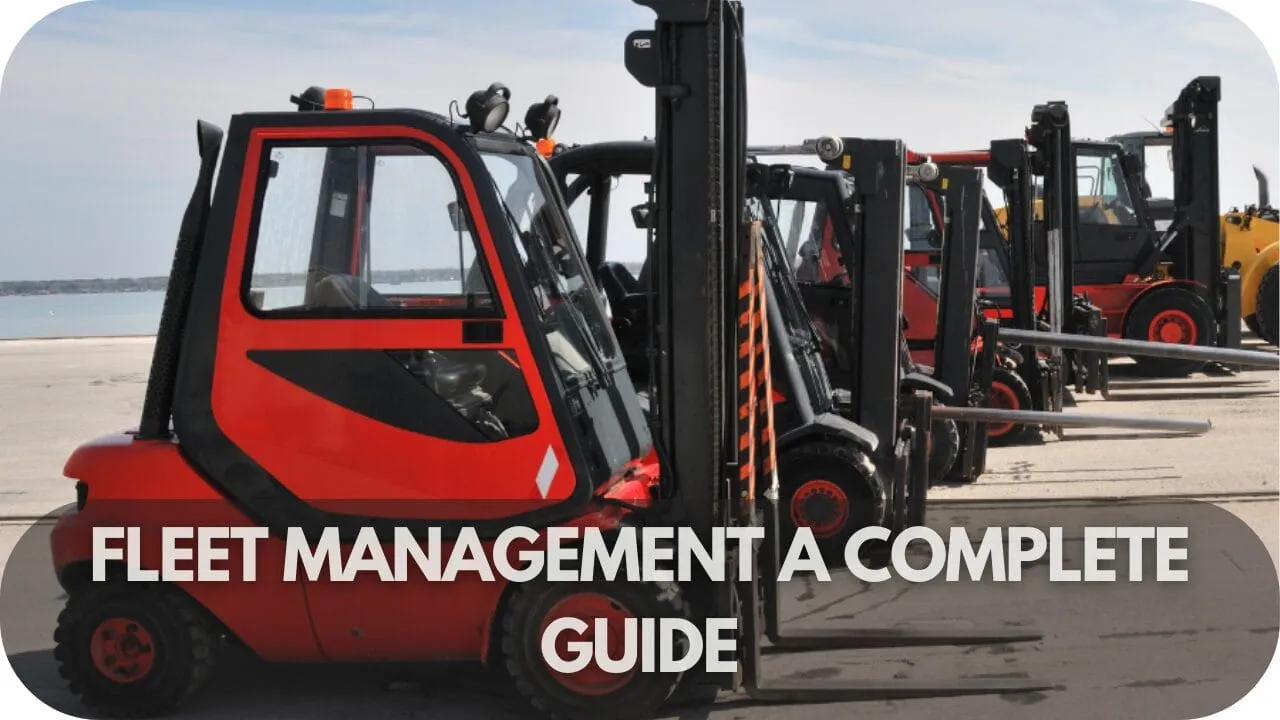
Fleet management plays a critical role in keeping businesses running smoothly, especially for those relying on vehicles and heavy machinery like forklifts.
Whether it’s a logistics company managing delivery trucks or a material handling business operating a fleet of forklifts, managing these assets properly can mean the difference between profit and costly inefficiencies.
But what exactly is fleet management, and why does it matter? Let’s break down everything you need to know about fleet management, how it works, its key components, and why it’s essential for your business.
What Is Fleet Management?
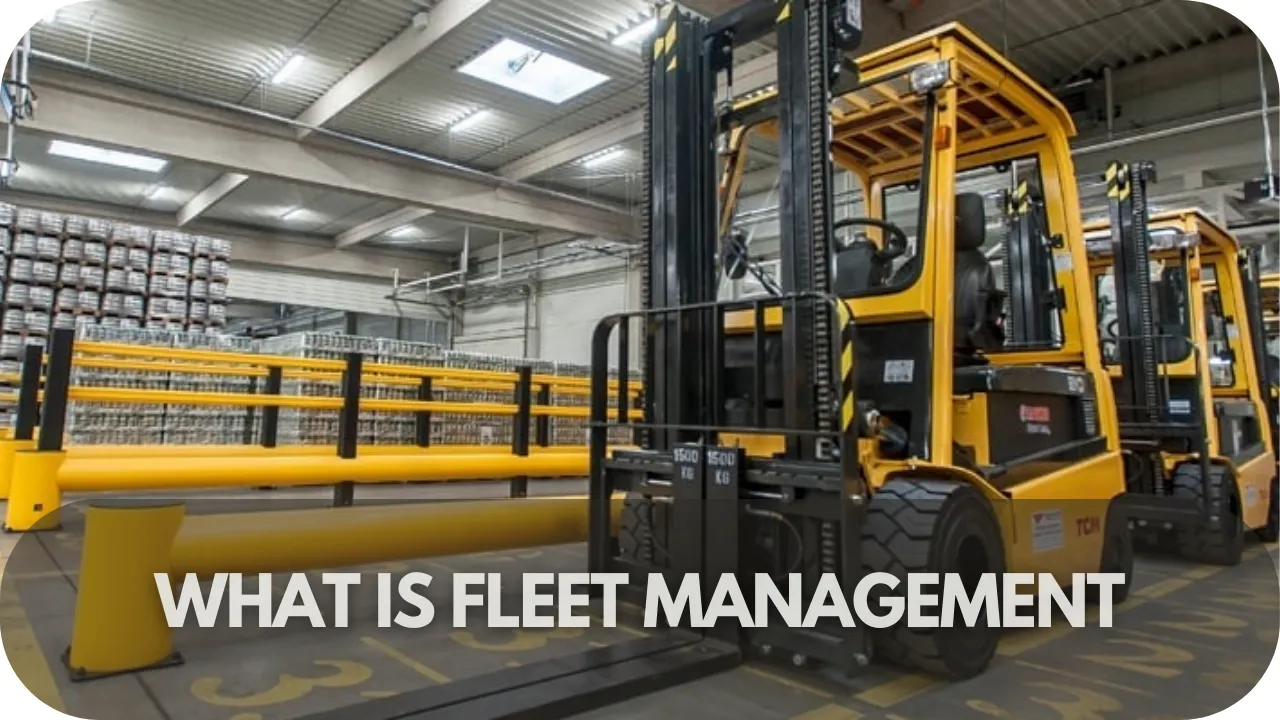
Fleet management involves overseeing and controlling a group of vehicles or machinery used for business operations. It ensures that assets like trucks, vans, forklifts, or other equipment are used efficiently, maintained properly, and operated safely.
At its core, fleet management focuses on improving productivity, reducing operational costs, and ensuring compliance with safety regulations. Businesses with multiple vehicles or machines, such as construction firms, logistics companies, and material handling businesses, rely on it to keep operations smooth.
Managing forklifts effectively can significantly impact operational success. From maintenance scheduling to fuel monitoring, a good fleet management strategy helps prevent breakdowns, control costs, and extend the lifespan of your assets.
How Fleet Management Works
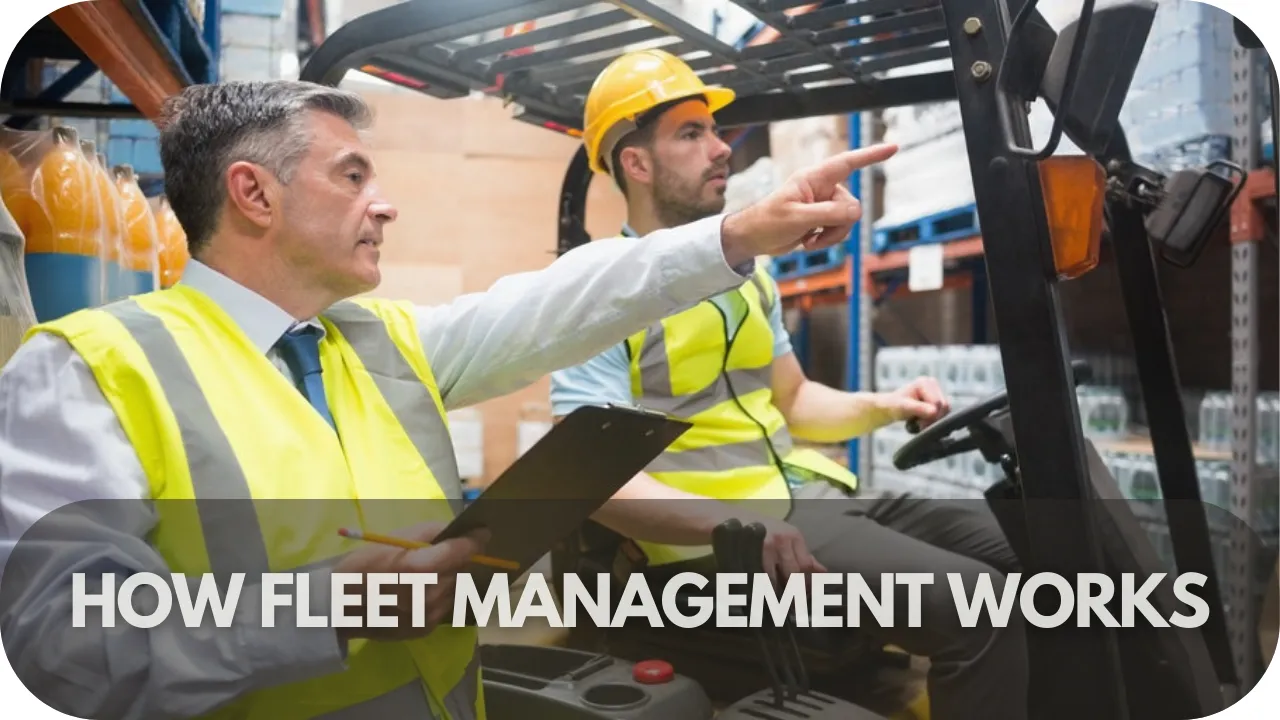
Fleet management works by using tools and processes to monitor, control, and optimise a company’s vehicle operations. It begins with acquiring vehicles suited for the business’s needs and continues with tracking their usage, maintaining them, and ensuring compliance with regulations.
Technology plays a huge role in modern fleet management. Telematics systems, for example, use GPS and sensors to track vehicle location, speed, fuel consumption, and driver behaviour. This data helps businesses make informed decisions, like scheduling maintenance before issues arise or rerouting vehicles for efficiency.
A fleet management system also includes policies for driver safety and performance monitoring. By tracking key metrics, businesses can identify patterns, reduce fuel wastage, and avoid unnecessary wear and tear.
Key Components of Fleet Management
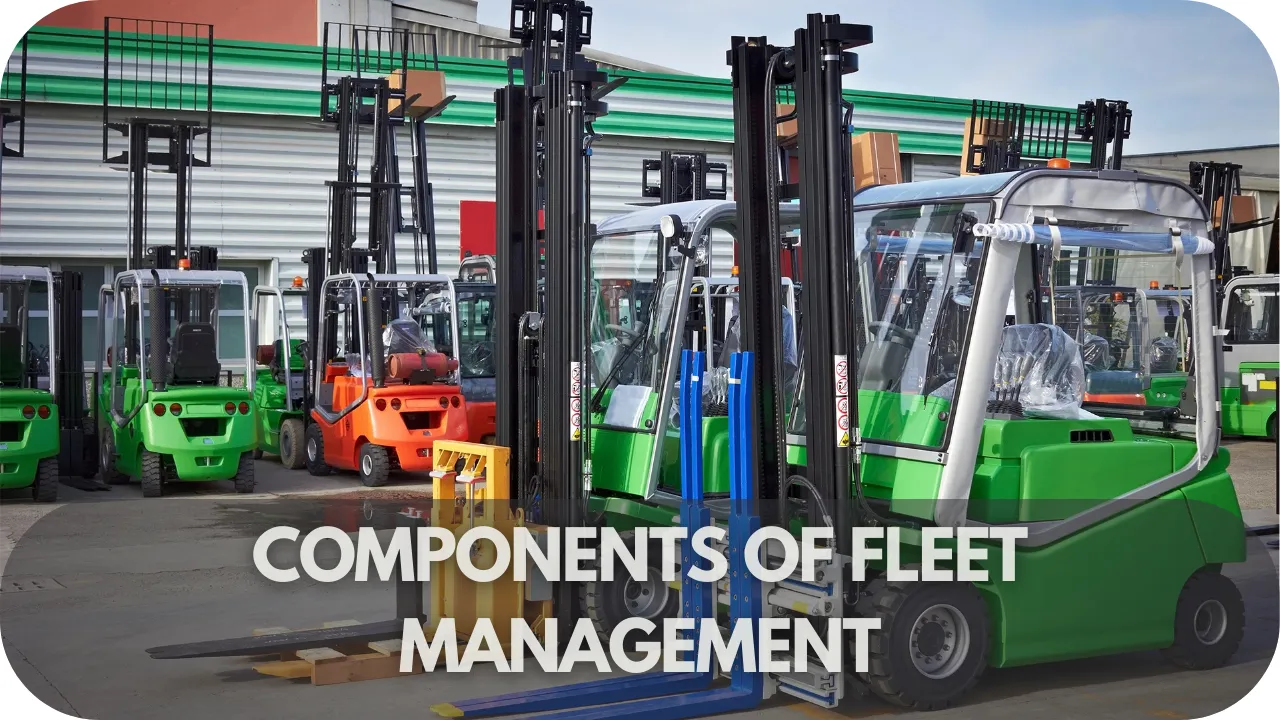
Effective fleet management goes beyond just tracking vehicles—it’s about controlling every aspect of your fleet for maximum efficiency.
1. Vehicle Acquisition
Vehicle acquisition is the first step in fleet management. It involves selecting the right vehicles or equipment based on the company’s operational needs. Factors to consider include vehicle type, load capacity, fuel efficiency, and long-term maintenance costs.
Choosing forklifts suitable for warehouse operations or outdoor use can make a significant difference in efficiency and cost control. Acquiring high-quality, durable equipment reduces repair costs and extends operational life.
2. Vehicle Tracking and Telematics
Vehicle tracking involves using GPS and telematics systems to monitor a vehicle’s location, usage, and performance. Telematics provides data like speed, fuel consumption, and engine health, helping businesses make data-driven decisions.
For forklift operations, real-time tracking can monitor equipment usage patterns and prevent overuse or misuse. This data can be used to plan better work schedules and avoid excessive wear.
3. Driver Management
Driver management focuses on monitoring and improving driver performance. It includes training, performance reviews, and monitoring driving habits to ensure safety and efficiency.
Businesses often use telematics to track driver behaviour, such as harsh braking, speeding, or idling. This helps create safer work environments and reduces accident risks. Proper driver management ensures that forklift operators are well-trained and follow safety standards, reducing risks and improving productivity.
4. Maintenance and Repairs
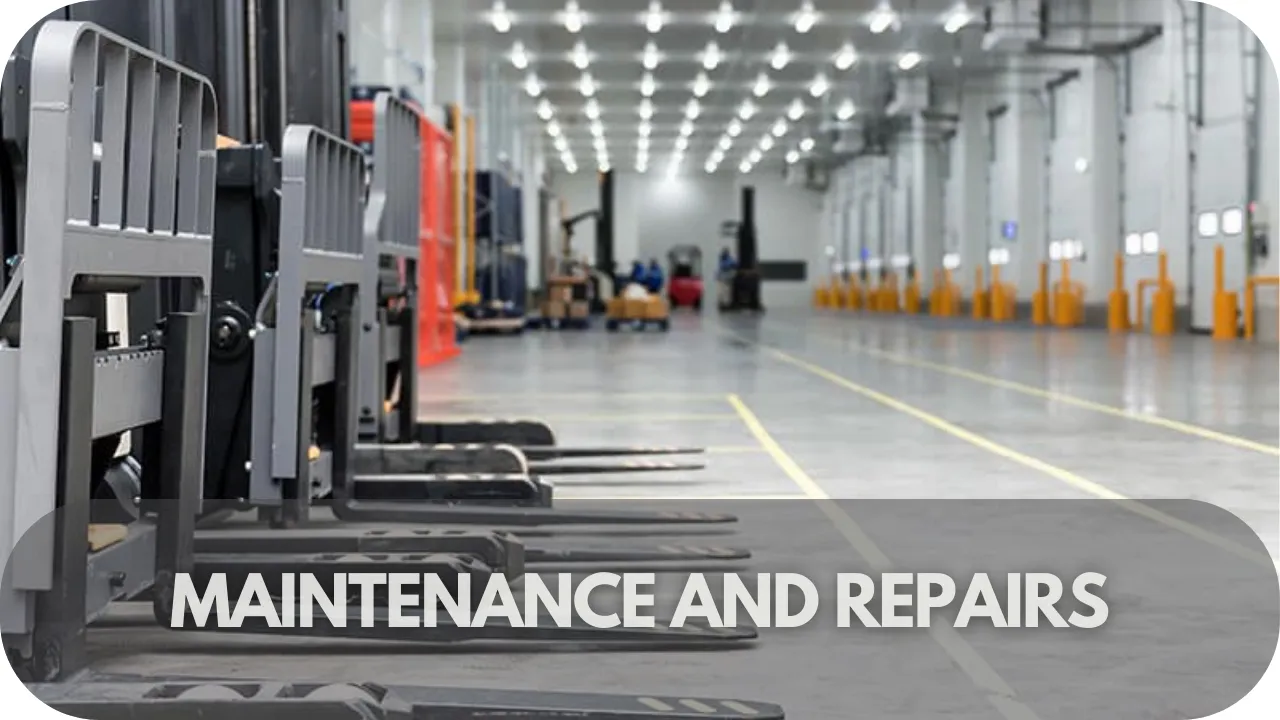
Regular maintenance is crucial for preventing breakdowns and extending vehicle life. A fleet management system often includes scheduled maintenance plans to keep vehicles in top condition.
By tracking service history and setting alerts for regular check-ups, businesses can avoid costly repairs. Preventative maintenance is especially important for forklifts, which can suffer from operational strain in busy environments.
5. Fuel Management
Fuel management involves monitoring fuel usage and finding ways to reduce consumption. Telematics systems can track fuel usage patterns, while maintenance schedules ensure vehicles run efficiently.
Efficient fuel management can lead to significant cost savings, especially for businesses operating large fleets of vehicles or forklifts.
6. Compliance and Safety Management
Compliance involves ensuring all vehicles meet local regulations, such as Australia’s Work Health and Safety (WHS) standards. Safety management focuses on training staff, monitoring driver behaviour, and ensuring equipment is safe to operate.
A strong fleet management system will track compliance deadlines, such as registration renewals and safety inspections, ensuring legal requirements are met on time.
7. Route Planning
Route planning is essential for businesses managing delivery vehicles or service trucks. By optimising routes, companies can reduce travel time, fuel usage, and vehicle wear.
Modern fleet management systems use GPS tools to identify the fastest and most efficient routes, improving service delivery times and reducing costs. While forklifts may not require long-distance planning, optimising warehouse movements can still significantly impact productivity for companies.
Benefits of Fleet Management for Businesses
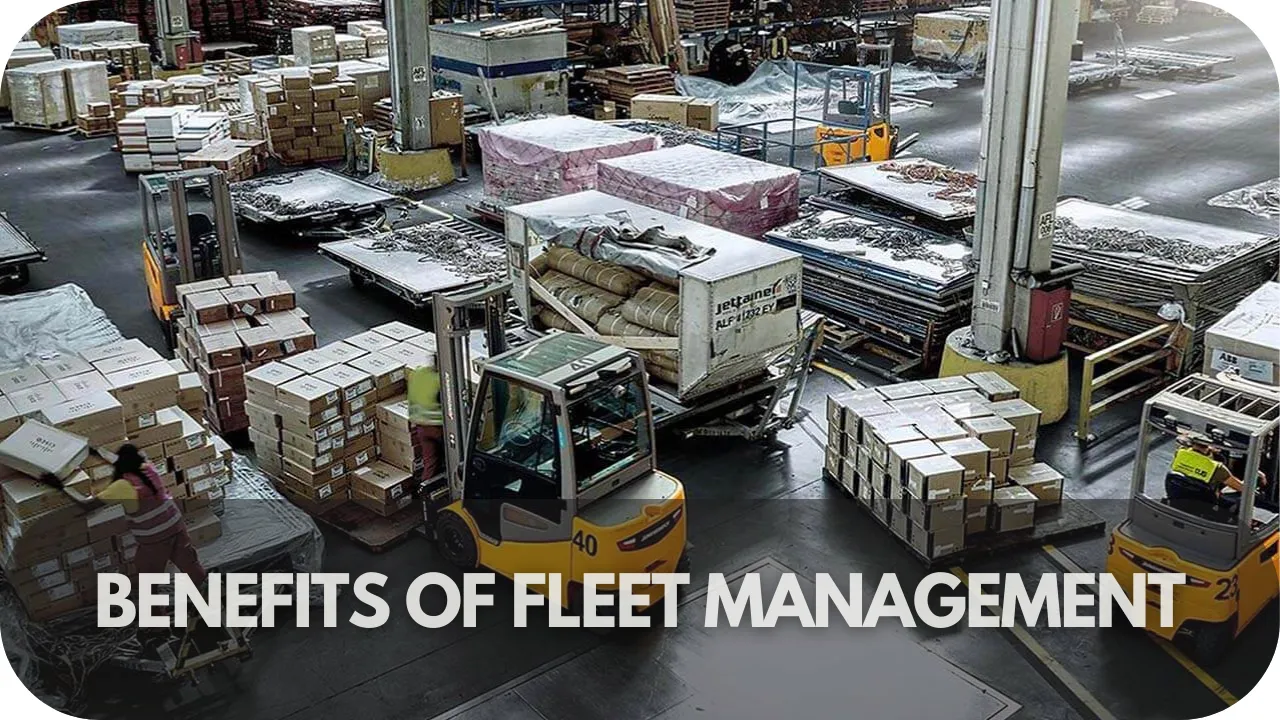
Effective fleet management offers a range of benefits that can significantly impact a company’s bottom line and operational success.
- Cost Reduction: Preventative maintenance and fuel tracking help avoid unexpected breakdowns and reduce operational costs.
- Increased Efficiency: Real-time data and telematics optimise vehicle usage, resource allocation, and task management.
- Enhanced Safety: Monitoring driver behaviour and training programs lower accident risks and ensure compliance with safety standards.
- Extended Asset Lifespan: Regular servicing and usage tracking prevent excessive wear, extending equipment durability.
- Compliance Assurance: Automated reminders for safety checks, inspections, and legal renewals help avoid fines.
- Better Productivity: Route optimisation and task scheduling reduce downtime and maximise resource utilisation.
- Improved Decision-Making: Data insights on vehicle performance and fuel use support strategic business decisions.
Factors to Consider When Choosing a Fleet Management Solution
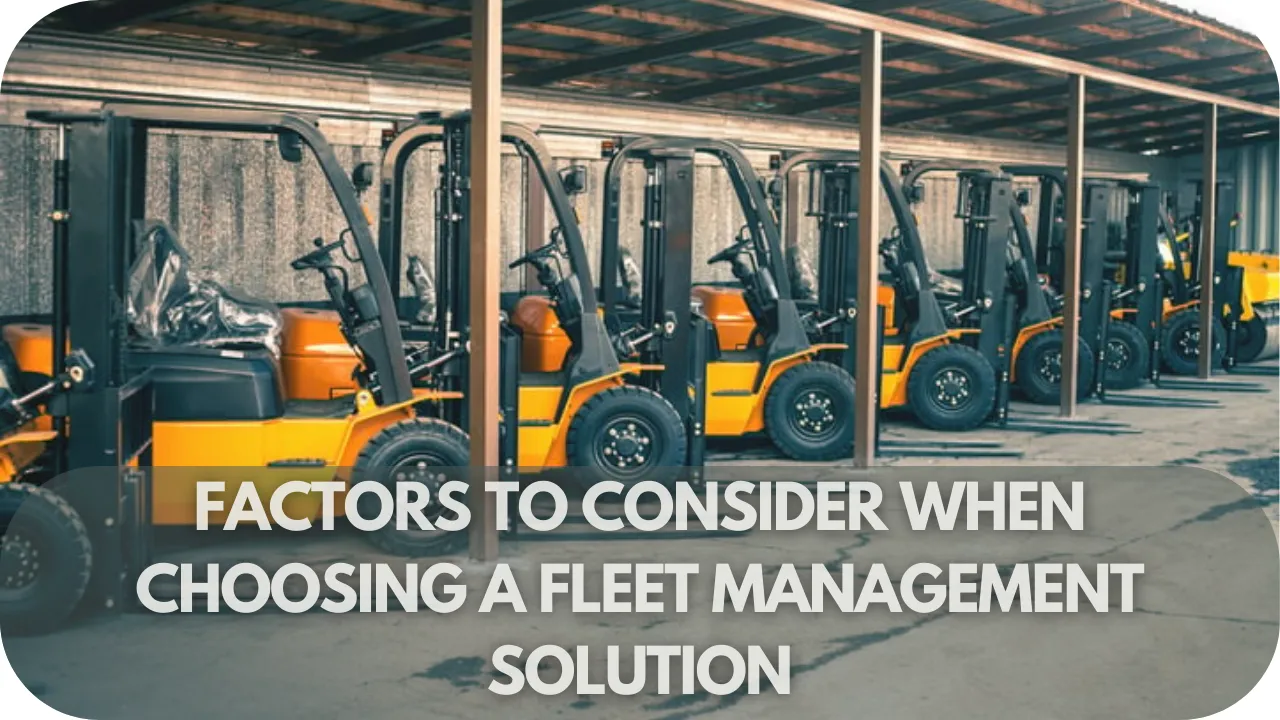
Choosing the right fleet management solution can make the difference between smooth operations and constant headaches.
- Business Size: Choose a system that aligns with your current fleet size, whether managing a small set of forklifts or a large vehicle fleet, to avoid unnecessary complexity or limitations.
- Software Integration: Ensure the fleet management solution integrates seamlessly with your existing tools, such as accounting software, telematics, and maintenance platforms, for smooth data sharing.
- Ease of Use: Opt for a user-friendly platform with a simple interface, ensuring staff can operate it efficiently with minimal training and technical expertise.
- Local Support: Confirm that the provider offers responsive customer support within Australia to assist with system issues, ensuring minimal downtime.
- Scalability: Choose a system capable of growing your business, supporting additional vehicles, advanced reporting tools, and evolving operational demands over time.
Common Challenges in Fleet Management and Solutions
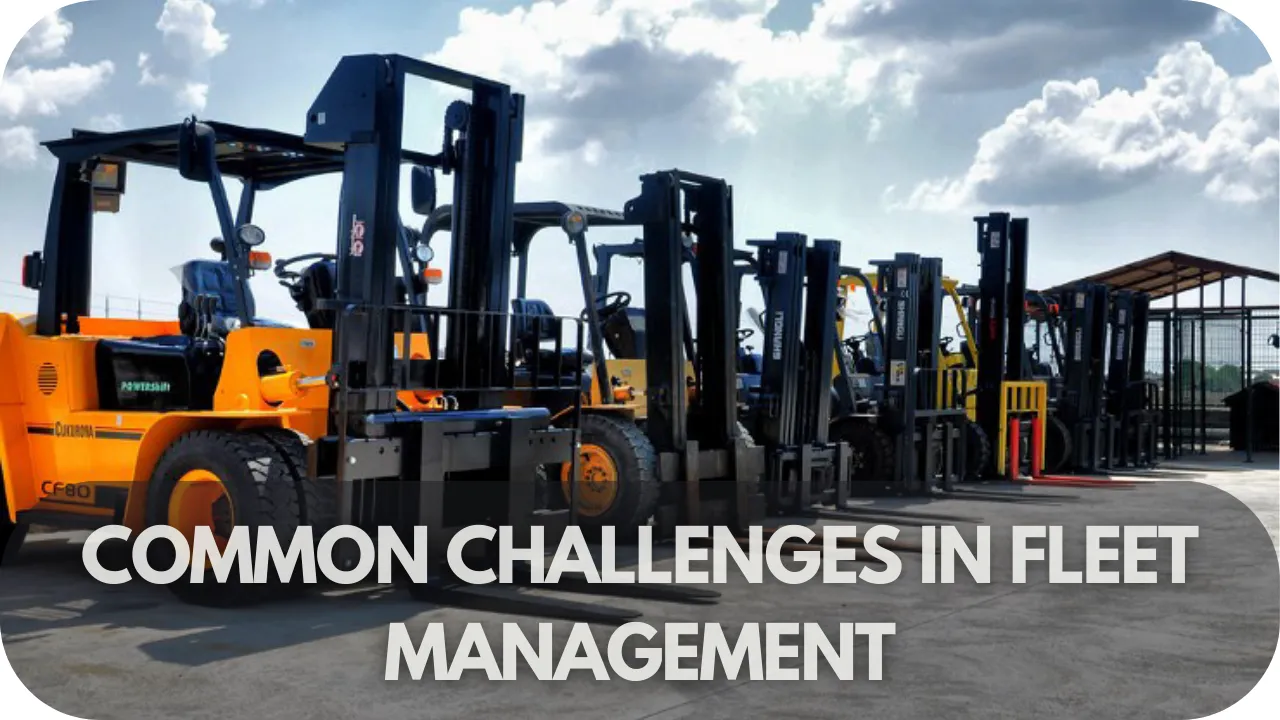
Even with a well-planned system, businesses often face challenges when managing a fleet. Addressing these issues early can prevent costly disruptions and improve overall performance. Here are some common challenges and effective solutions:
1. High Maintenance Costs
Ongoing maintenance costs can quickly add up, especially when unexpected breakdowns occur. Repairs, replacement parts, and unplanned downtime can disrupt operations and strain budgets.
Implement a preventative maintenance plan that schedules regular servicing and inspections. Monitoring vehicle health with fleet management tools can help detect issues early, reducing the need for costly emergency repairs. Proper maintenance also extends the lifespan of equipment like forklifts, saving money in the long run.
2. Poor Visibility
Limited visibility into vehicle location, performance, and usage can make it difficult to manage fleet operations effectively. Without proper data, businesses may struggle with inefficient vehicle allocation, delayed deliveries, and increased operational risks.
Telematics systems provide real-time data on vehicle location, speed, and operational status. With GPS tracking and performance reports, businesses gain better oversight, enabling smarter decision-making. For forklift operations, this data helps track asset usage and identify idle or underutilised equipment.
3. Compliance Issues
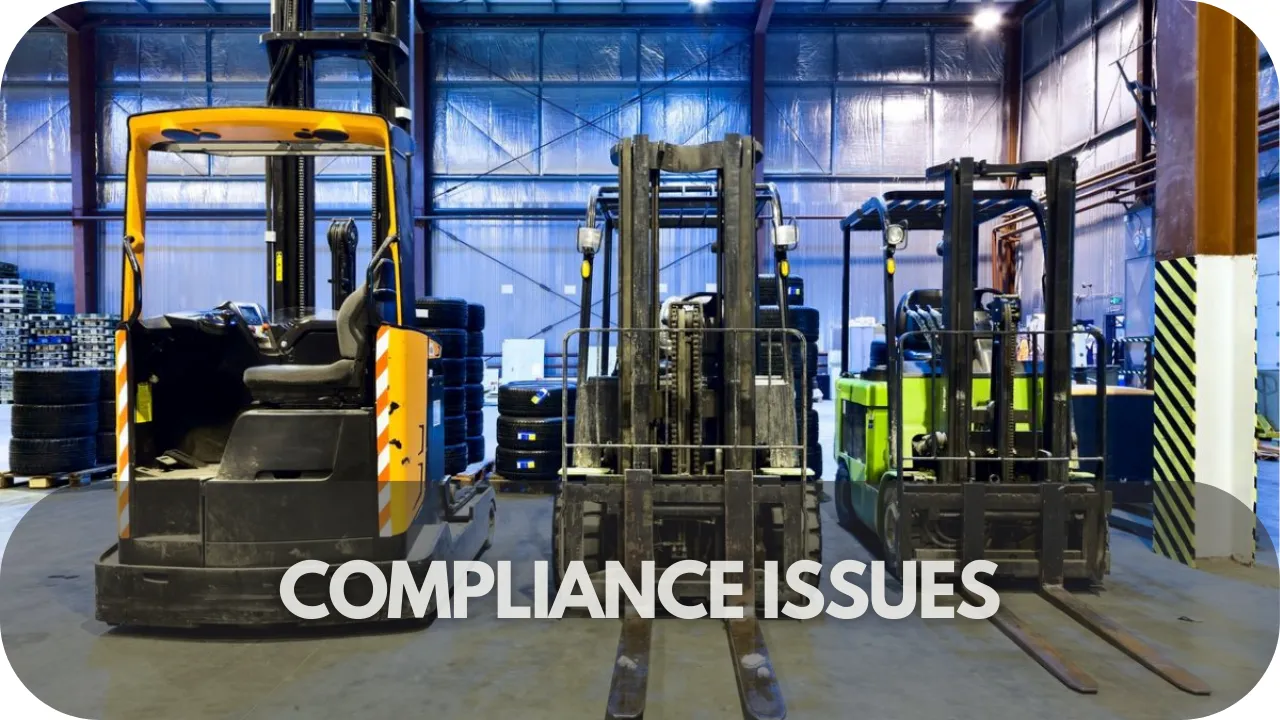
Fleet compliance involves meeting regulatory standards, such as vehicle inspections, registration renewals, and safety certifications. Missing deadlines or overlooking compliance requirements can lead to fines, legal issues, and operational downtime.
Automated compliance tracking tools can send alerts for upcoming registration renewals, safety inspections, and training certifications. These systems ensure businesses stay updated with local regulations, such as Australia’s Work Health and Safety (WHS) standards, reducing legal risks.
4. Fuel Waste
Excessive fuel consumption is a major cost driver for fleet-heavy businesses. Poor route planning, idling, and inefficient driving habits can contribute to fuel waste.
Implement fuel management tools to track fuel usage in real-time. Identifying patterns, such as excessive idling or inefficient routes, can help reduce waste. Additionally, driver training programs focused on fuel-efficient driving habits can further cut costs and improve sustainability.
Best Practices for Effective Fleet Management
Managing a fleet effectively requires proactive strategies to optimise performance, reduce costs, and ensure safety. Here are the best practices for successful fleet management:
- Implement Preventative Maintenance: Schedule regular inspections, servicing, and repairs to prevent unexpected breakdowns and costly repairs. Use automated maintenance reminders to stay on track.
- Utilise Telematics and Real-Time Tracking: Adopt telematics systems for real-time GPS tracking, performance monitoring, and driver behaviour insights to improve efficiency.
- Train and Monitor Drivers Regularly: Provide ongoing driver training on safety, fuel-efficient driving, and proper vehicle handling while using telematics data to give performance feedback.
- Set Clear Policies and Compliance Standards: Establish policies for vehicle usage, maintenance routines, and driver responsibilities. Use compliance tools to track inspections and certifications.
- Optimise Fuel Usage: Use fuel monitoring systems to track consumption patterns, reduce idling, and improve route efficiency for lower fuel costs.
- Leverage Data for Continuous Improvement: Analyse reports from fleet management tools to identify trends and adjust strategies for improved efficiency and cost savings.
Conclusion
Fleet management is essential for businesses that rely on vehicles and heavy machinery. It helps control costs, improve safety, and keep operations running smoothly. Whether managing forklifts or delivery vehicles, an effective system can transform how businesses operate.
Buy A Fork offers tailored fleet management solutions to help businesses maximise efficiency and reduce costs. Get in touch today for expert advice on managing your forklift fleet effectively.