
How to Handle Forklift Emergencies and Accidents
· Updated
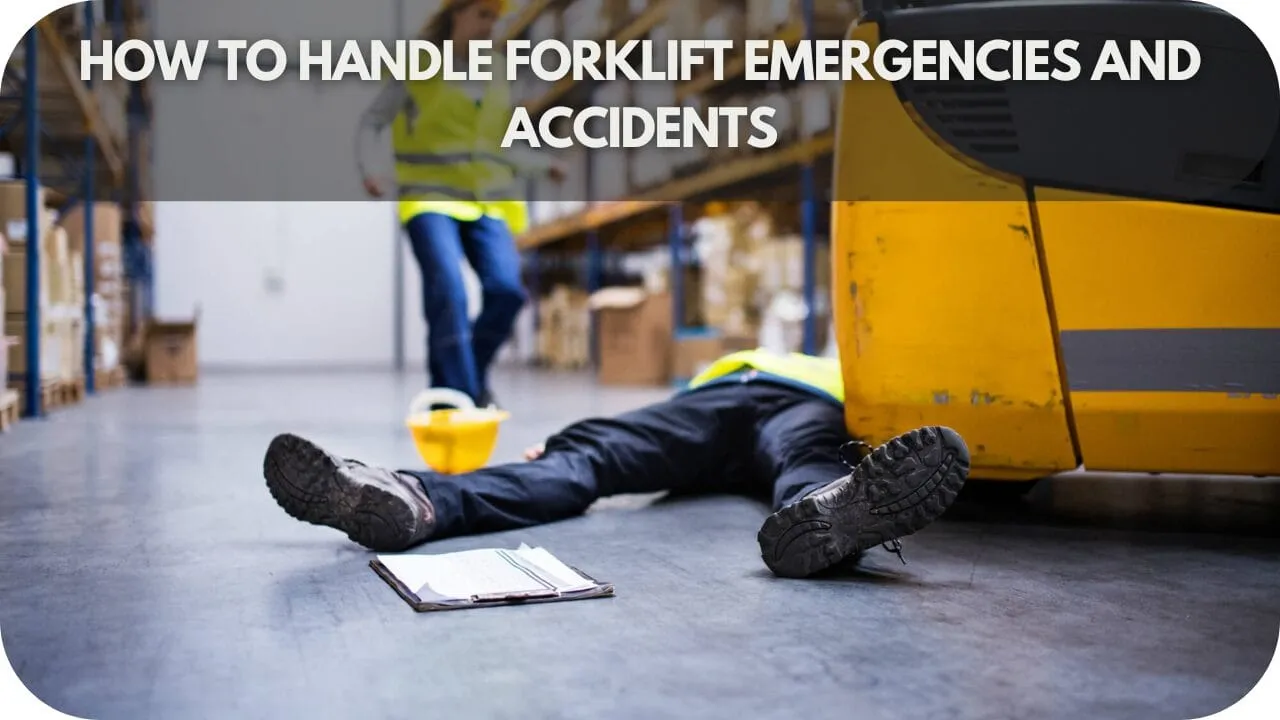
Forklifts play a crucial role in many industrial operations, but they also pose significant risks when things go wrong.
Understanding how to handle emergencies and accidents effectively can help minimise injuries, reduce downtime, and improve workplace safety.
This guide provides practical steps for managing forklift-related incidents and preventing future occurrences.
Common Forklift Emergencies and Accidents
One moment of distraction or a minor miscalculation—when it comes to forklifts, that’s all it takes for a routine task to turn into a serious emergency. Understanding the most common forklift accidents is your first step towards preventing them.
1. Overturning Forklifts
Forklift overturning incidents are often catastrophic, posing a severe threat to the operator’s life and those nearby.
These accidents typically occur when forklifts are driven at high speeds around corners, when operators attempt to carry loads that are too heavy or unbalanced, or when working on uneven or sloped surfaces without proper precautions.
A forklift’s centre of gravity shifts with every movement, meaning even a minor misjudgement in load handling or terrain can result in an overturn. To mitigate such risks, operators must adhere to safe speed limits, avoid abrupt turns, and always ensure that loads are evenly distributed and properly secured.
2. Collisions
Collisions can happen in warehouses or industrial settings where visibility is compromised, and traffic is high. Forklifts may collide with fixed structures like shelves, machinery, or loading docks, but the most serious accidents involve pedestrians. Blind spots and narrow aisles make it difficult for operators to spot hazards in time.
Additionally, inadequate signalling, malfunctioning horns, or improper route planning can lead to collisions.
Facilities should implement one-way traffic systems, clear floor markings, and mandatory pedestrian walkways to reduce the likelihood of such accidents. Training operators on situational awareness and reaction time further minimises these risks.
3. Falling Loads
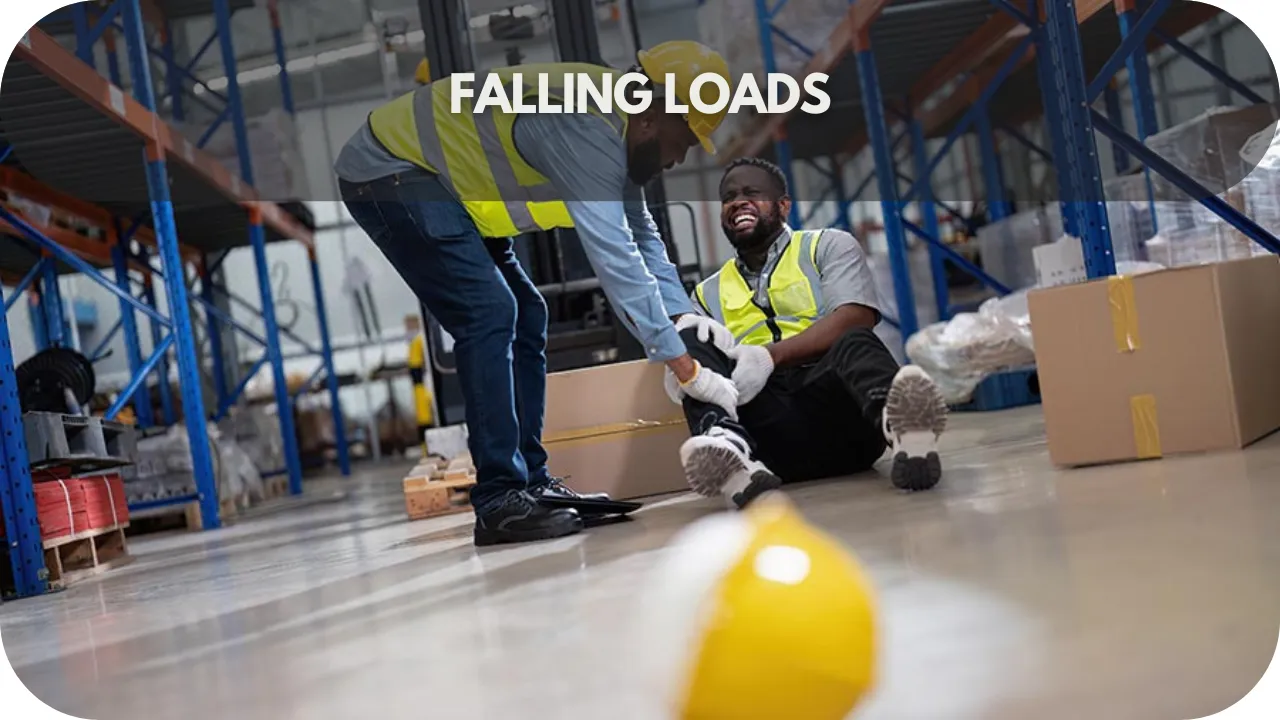
Loads falling from forklifts can lead to devastating injuries, especially when heavy materials or sharp objects are involved. These incidents are often a result of improper stacking, overloading, or transporting loads with a raised mast.
Loads carried at heights increase instability, making forklifts more susceptible to tipping or losing their cargo. Operators must check load weight limits, avoid stacking items too high, and always transport loads with the mast lowered whenever possible.
Using attachments like clamps or load stabilisers can further enhance load security.
4. Mechanical Failures
Forklifts rely heavily on their mechanical components for safe operation. Failures in brakes, steering systems, hydraulic lifts, or tyres can lead to sudden loss of control. For example, brake failures can result in runaway forklifts on inclines, while hydraulic issues may cause a load to drop unexpectedly.
These malfunctions are often caused by poor maintenance practices, ignoring warning signs, or using forklifts beyond their intended lifespan. To prevent such failures, companies must establish routine inspection schedules, maintain detailed service logs, and promptly address any reported issues.
5. Tip-Overs on Inclines
Operating forklifts on slopes or ramps increases the risk of tipping. Tip-overs occur when operators fail to position the load correctly, either by keeping it too high or not tilting the mast back enough to stabilise the load.
Additionally, driving too fast while ascending or descending inclines exacerbates the risk. The correct approach involves keeping the load uphill when driving on slopes, maintaining a slow and steady speed, and avoiding sharp turns.
Facilities should also mark hazardous incline areas and enforce strict guidelines on slope operations.
6. Operator Error
Human error remains one of the leading causes of forklift emergencies and accidents. Factors such as lack of proper training, fatigue, distraction, or complacency contribute to accidents.
In many cases, operators might not fully understand load capacity limits or the proper way to navigate tight spaces. Encouraging a culture of safety, providing regular refresher courses, and ensuring operators are fit to work can greatly reduce these incidents.
Supervisors should also monitor forklift operations closely and provide immediate feedback when unsafe practices are observed.
7. Incidents Involving Pedestrians
Warehouses and industrial sites often have shared spaces where both forklifts and pedestrians operate, increasing the chances of accidents. Poor visibility from the forklift’s cabin, coupled with distracted pedestrians, can result in serious injuries.
Forklift operators may fail to see pedestrians in blind spots, particularly when reversing or carrying bulky loads. Effective safety protocols include installing flashing lights, audible alarms and mirrors on forklifts, as well as ensuring pedestrians wear high-visibility clothing.
Furthermore, separating pedestrian walkways from forklift pathways through barriers and designated crossings is crucial for preventing such incidents.
Pre-Emergency Preparation
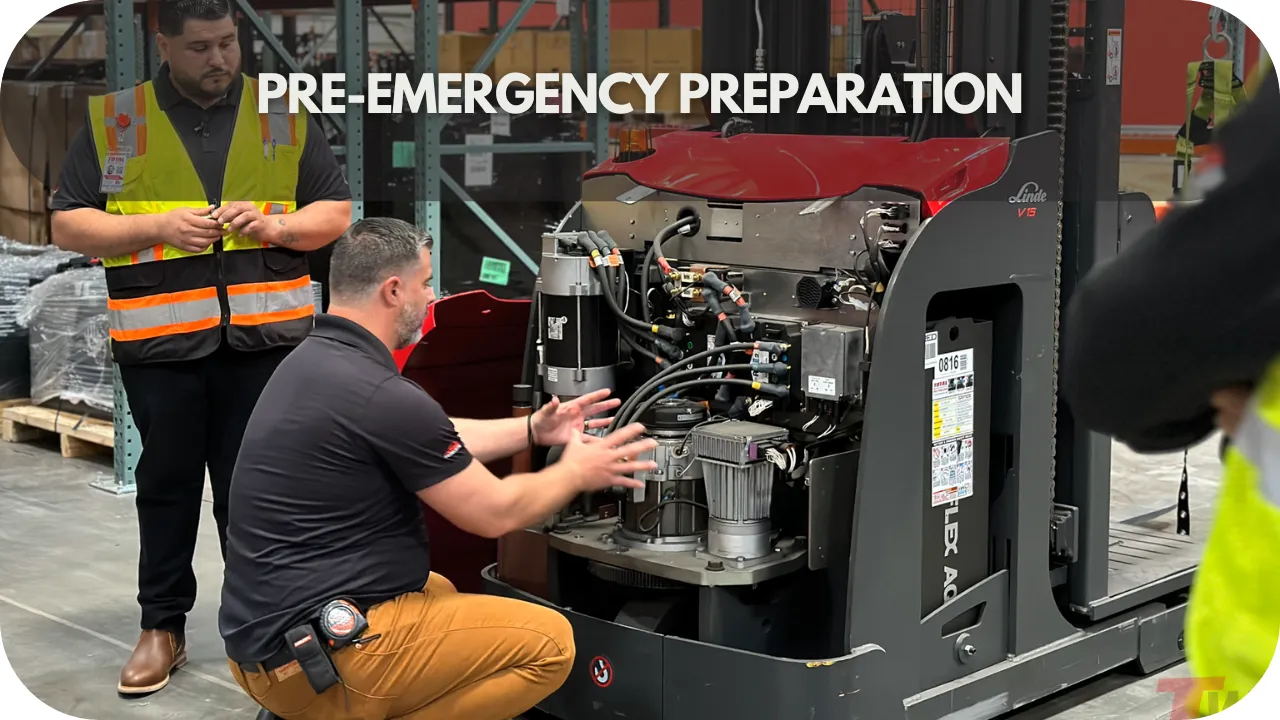
Preparing for forklift emergencies is essential in creating a safer work environment. A proactive approach reduces risks, ensures faster response times, and minimises injury or property damage when accidents occur. Here’s how to build a robust pre-emergency plan:
1. Operator Training and Certification
Properly trained operators are your first line of defence against emergencies. Certification ensures they understand equipment limits, load management, and safety protocols. Refresher courses and hands-on drills help maintain these skills, reinforcing safe practices and keeping operators up-to-date with new regulations.
2. Routine Forklift Inspections
Daily pre-operation inspections are essential for identifying potential hazards before they lead to accidents. Operators should thoroughly check key components such as brakes to ensure proper functioning and prevent runaway forklifts.
Tyres must be inspected for wear and proper inflation to maintain stability during operation. Hydraulics should be examined for leaks or irregular movements that may affect the safe handling of loads.
Additionally, lights and horns should be confirmed operational to enhance visibility and signalling in the workplace. Documenting these inspections promotes accountability and provides a trackable maintenance history, helping to prevent mechanical failures over time.
3. Defining Hazard Zones
Identifying high-risk areas such as loading docks, narrow aisles, and pedestrian walkways is critical. Mark these zones with clear signage, floor markings, and barriers. Encourage forklift operators to exercise extra caution in these areas, and establish right-of-way rules to minimise collisions.
4. Emergency Equipment and First Aid Kits
Strategically placed emergency equipment ensures quick access during a crisis. First aid kits, fire extinguishers, and spill containment materials should be readily available and maintained regularly. Additionally, appointing trained first-aid responders can help manage injuries before medical professionals arrive.
5. Clear Communication Channels
Effective communication is vital during emergencies. Ensure operators and staff have access to radios or other communication devices. Use standardised hand signals and establish emergency codes for quick, clear messaging during critical situations.
6. Emergency Drills and Simulations
Conducting regular emergency drills helps familiarise workers with response protocols. Simulating real-life forklift emergencies allows staff to practise their roles, improving confidence and efficiency in high-pressure situations. After each drill, evaluate the team’s performance and refine the emergency plan as needed.
7. Creating a Forklift Safety Checklist
A comprehensive checklist ensures nothing is overlooked during pre-operation checks and emergency preparation. Include key items such as inspection points, safety gear checks, and operator readiness. Encourage operators to complete the checklist before every shift, fostering a habit of safety-first thinking.
Immediate Steps to Take After a Forklift Accident
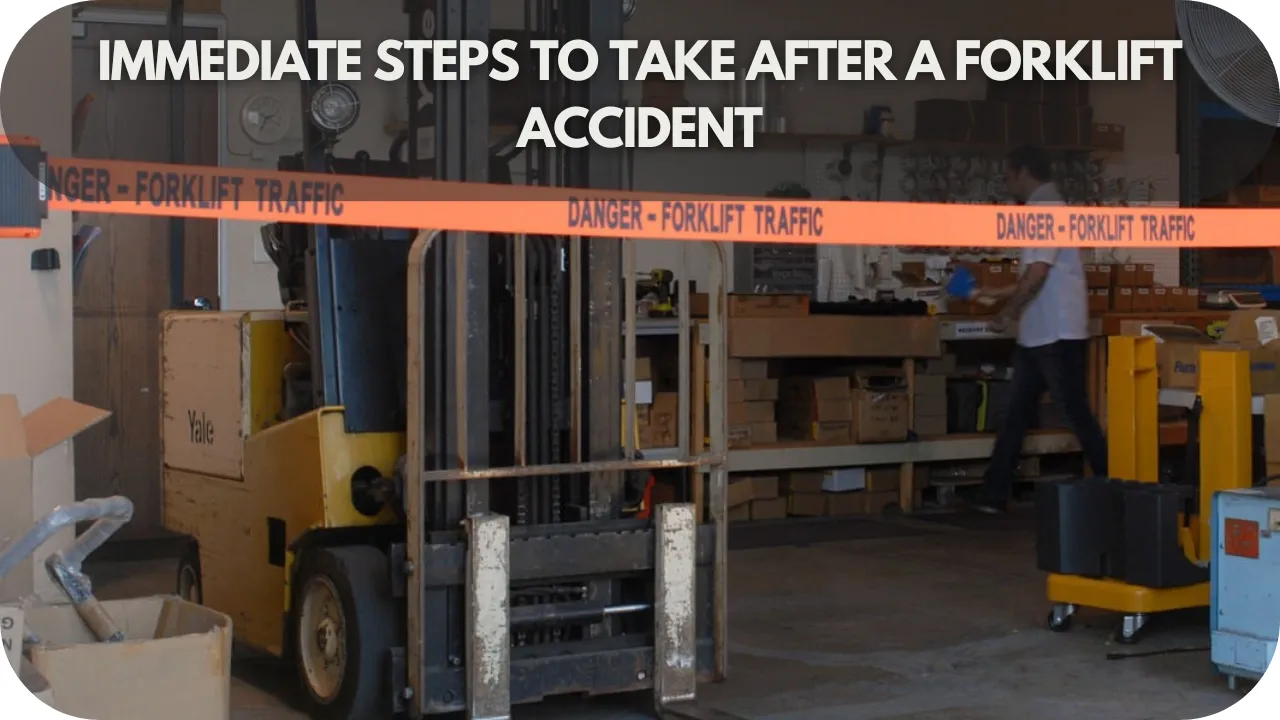
When a forklift accident occurs, the first few minutes are critical. Quick, decisive action can help prevent further injuries, minimise damage, and ensure a proper investigation. Here’s what to do immediately after a forklift incident:
1. Ensure Safety First
Before anything else, prioritise safety by stopping the forklift and assessing the surroundings. Turn off the engine to prevent further movement or risk of fire. If the accident involves fallen loads, ensure the area is clear to avoid additional injuries.
2. Administer First Aid
If anyone is injured, administer first aid immediately. Designated first-aid responders should attend to injuries while another team member contacts emergency services. Never attempt to move an injured person unless they are in immediate danger, such as from fire or falling debris.
3. Secure the Area
Cordoning off the accident site is crucial to prevent other workers from entering a potentially hazardous area. Use cones, barriers, or caution tape to block off the affected zone. This step helps protect both bystanders and emergency responders.
4. Notify Management and Emergency Personnel
Quickly inform your supervisor or safety officer about the incident. Depending on the severity of the accident, you may need to contact external emergency services or regulatory authorities. Prompt reporting ensures that appropriate action is taken without delay.
5. Document the Scene
Gathering evidence immediately after the accident is key to an accurate investigation. Take clear photos of the forklift, the load, the surrounding area, and any visible damage. Record details such as the time, location, weather conditions, and who was involved. Witnesses should be asked to provide written statements while their memory is fresh.
6. Record Operator and Machine Information
Note the operator’s name, certification status, and any relevant information about the forklift, such as the model and recent maintenance history. These details are crucial for determining whether operator error, mechanical failure, or environmental factors contributed to the incident.
7. Prevent Further Risks
If the accident caused damage to infrastructure or equipment, ensure that repairs are scheduled promptly. Remove any debris or obstacles that may pose additional hazards, and inspect nearby forklifts for potential damage.
8. Follow Reporting Procedures
Every company should have a formal incident reporting process. Complete the required documentation, including incident forms, injury reports, and any regulatory filings. Accurate and timely reporting is essential for compliance and future prevention.
9. Communicate with Staff
Inform employees about the incident in a way that promotes safety awareness rather than fear. Highlight the lessons learned and any immediate changes to safety protocols. Open communication helps prevent rumours and keeps everyone informed about safety improvements.
Best Practices to Prevent Future Forklift Emergencies
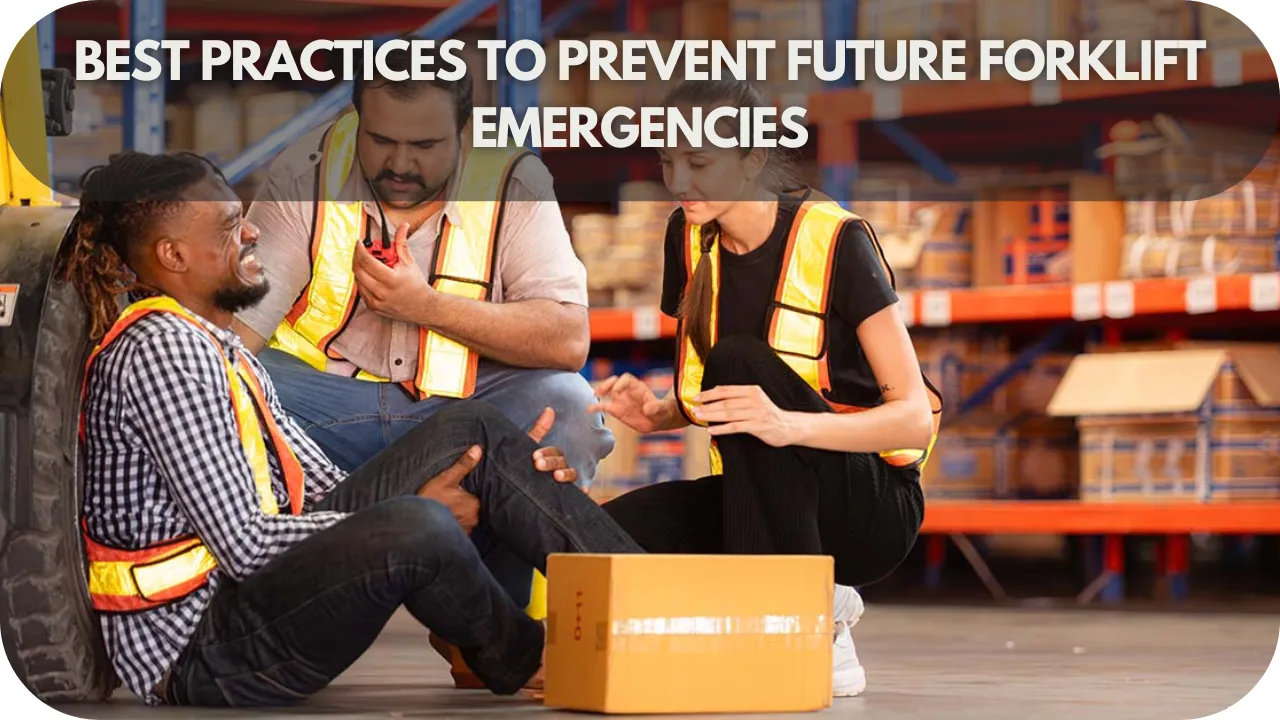
Preventing future forklift emergencies requires a combination of proactive measures, rigorous training, and workplace safety enhancements.
Start by ensuring all operators receive comprehensive training and periodic refresher courses, covering both standard procedures and emergency protocols. Regular forklift maintenance is crucial—implement a preventive maintenance schedule to address potential issues before they cause accidents.
Building a forklift emergency response team is crucial for ensuring a swift and coordinated reaction to accidents. The first step is to assign key roles, including a team leader, first aid responders, and communication officers.
Next, ensure that all team members undergo specialised training in forklift-related emergencies, which includes recognising different types of incidents, the safe operation of emergency equipment, and communication protocols.
Establish clear traffic management systems within the facility, including marked pedestrian walkways, one-way traffic routes, and designated loading areas to minimise collision risks.
Consistently enforce speed limits and proper load handling techniques, ensuring that loads are always stable and within capacity limits. Encourage a culture of safety by conducting regular safety audits and toolbox talks to keep safety top of mind.
Additionally, leverage technology such as backup alarms, flashing lights, and proximity sensors to enhance operator awareness and response times. By combining these best practices with a commitment to continuous improvement, businesses can significantly reduce the likelihood of forklift-related emergencies.
Conclusion
If you’re looking for top-quality forklifts to enhance safety and efficiency in your workplace, look no further! Visit Buy a Fork today to explore a wide range of reliable, high-performance forklifts available for purchase across Australia.
Don’t compromise on safety and productivity—invest in the best equipment for your team. Browse now and find the perfect forklift for your business needs! Act fast and secure your equipment today!