
Electric vs. Diesel Forklifts: Which One Is Best?
· Updated
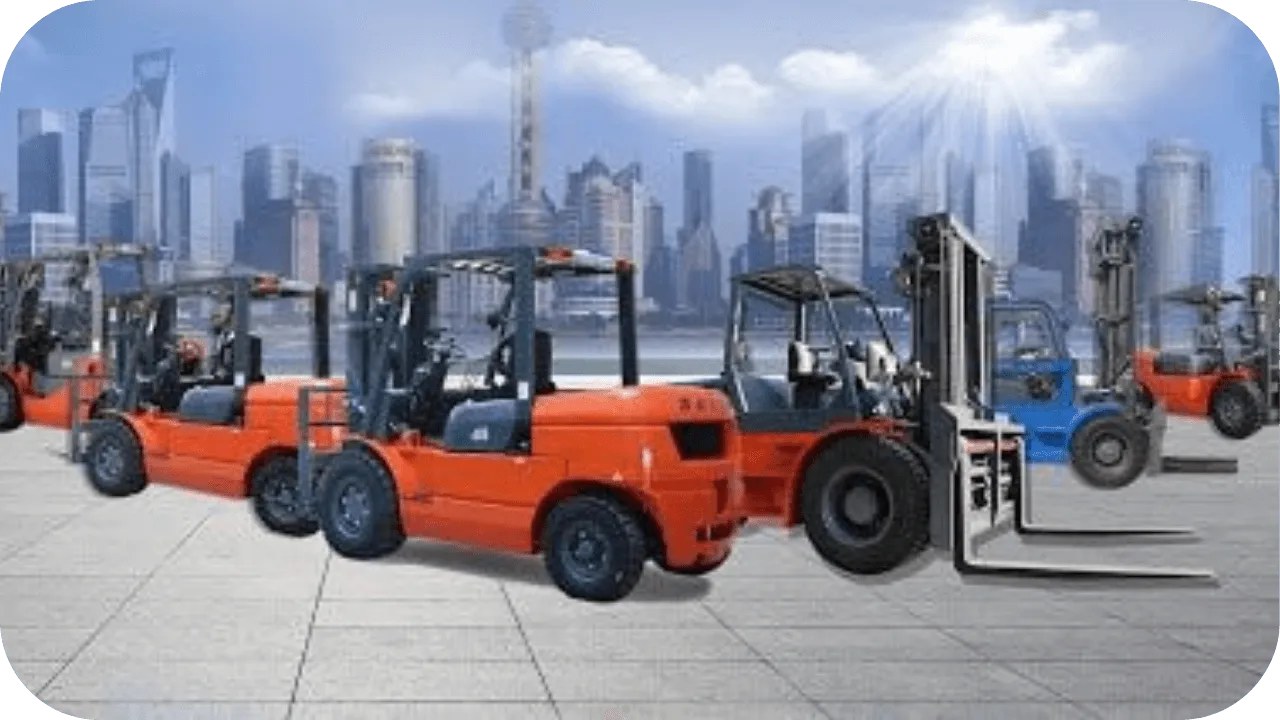
Choosing the right forklift for your business can be a game-changer, but with so many options, it’s not always clear which is best. Should you opt for an electric forklift with low emissions and quiet operation, or does a diesel forklift offer better power and reliability for outdoor tasks?
In this post, we’ll compare electric and diesel forklifts to help you decide which is best for your needs, performance requirements, and budget. This guide will highlight the key differences to inform your decision.
What Are Electric Forklifts?
Electric forklifts are powered by rechargeable batteries, offering an eco-friendly and efficient alternative to traditional diesel-powered models. They produce zero emissions, making them suitable for indoor use in warehouses and distribution centres where air quality is crucial.
Popular models like the Crown | 1.5T | Electric—RR 5700 Single and the 2016 Raymond Double Deep Reach Fork 9.4M L/H Electric provide excellent lifting capacity and precision for high-rack storage.
These forklifts operate quietly, reducing workplace noise pollution. With fewer moving parts, options like the BT Electric Double Pallet Jack and Crown | 1.6T | Electric – RD 5700 Double require minimal maintenance, translating to lower operating costs.
Linde Electric Forklifts also stand out for their manoeuvrability, making them perfect for confined spaces where efficiency and reliability are paramount.
What Are Diesel Forklifts?
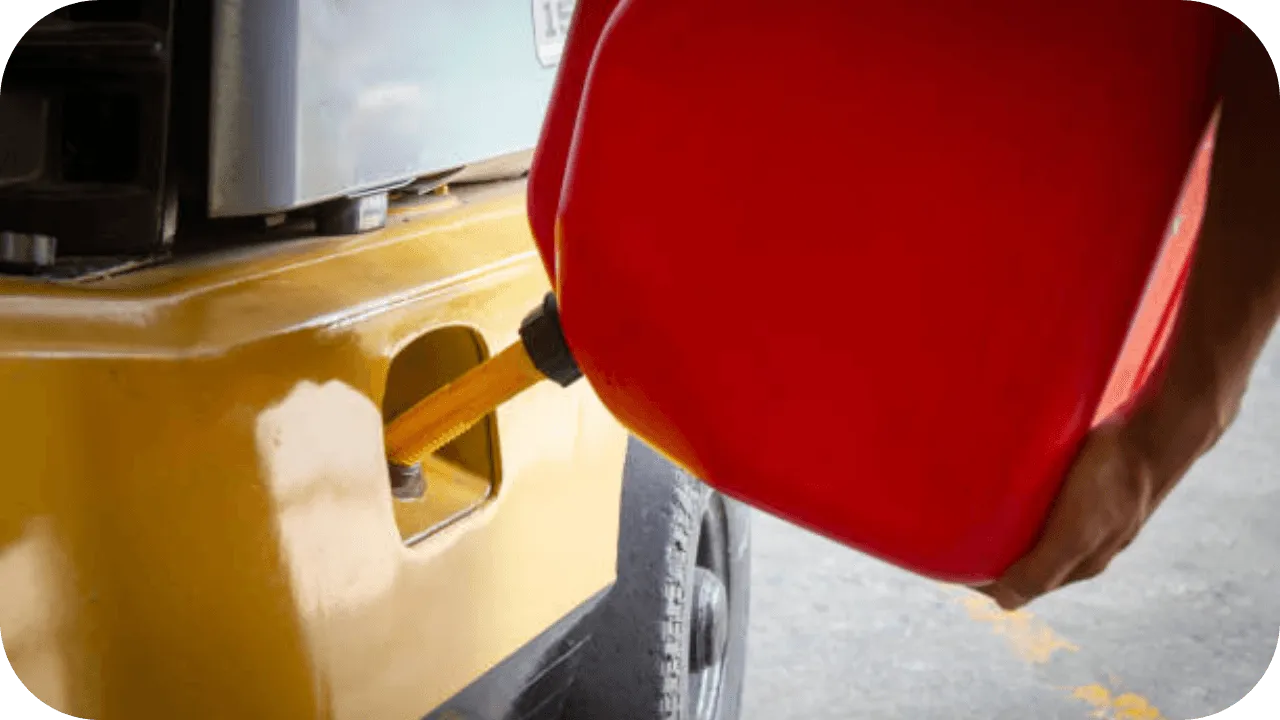
Diesel forklifts are powered by an internal combustion engine, using diesel fuel for high performance in heavy-duty applications. They are designed for outdoor use and excel in rugged environments where power and durability are essential.
A prime example is the Linde | 2.5T | Diesel/LPG – H25-H35 Series 1220, which delivers exceptional strength and reliability for demanding tasks.
They offer superior lifting capacity, ideal for transporting heavy loads over long distances or uneven terrain. With an extended operating range, diesel forklifts are well-suited for long shifts and intensive workloads.
While they emit exhaust fumes, they remain a top choice for industries such as construction and logistics, where power and endurance take precedence.
Key Differences Between Electric and Diesel Forklifts
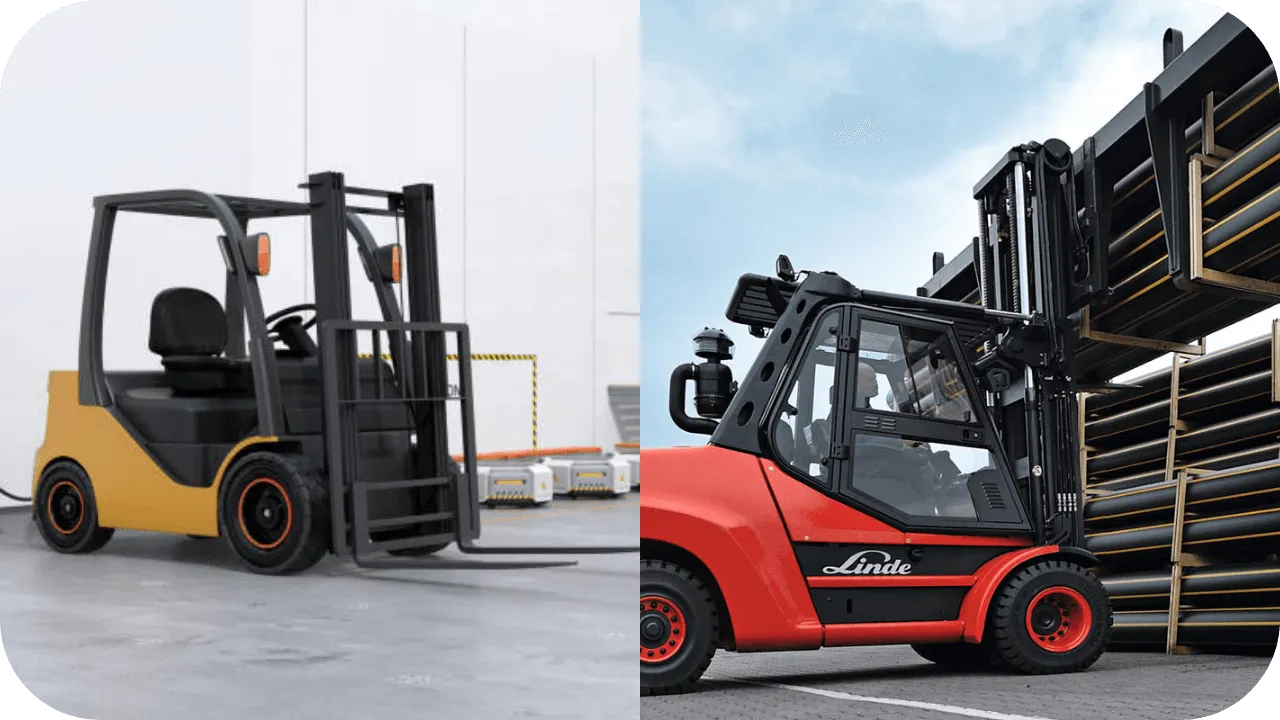
Choosing the right forklift for your business can be challenging. Understanding the differences between electric and diesel forklifts will help you make an informed decision. Here’s a breakdown of the key factors to consider when deciding which forklift is best for your needs.
1. Power Source: Electric vs. Diesel
Electric forklifts are powered by rechargeable batteries, offering a clean and quiet alternative to diesel forklifts, which rely on an internal combustion engine.
Electric models are ideal for indoor use, while diesel forklifts deliver more power, making them better suited for heavy-duty outdoor applications with higher performance for longer durations.
2. Operating Environments: Indoor vs. Outdoor
Electric forklifts are perfect for indoor environments such as warehouses and distribution centres due to zero emissions and low noise levels.
In contrast, diesel forklifts are built for outdoor use, excelling in rugged, uneven terrains and demanding environments like construction sites, where higher power and durability are required for challenging lifting tasks.
3. Charging and Fueling: Time and Convenience
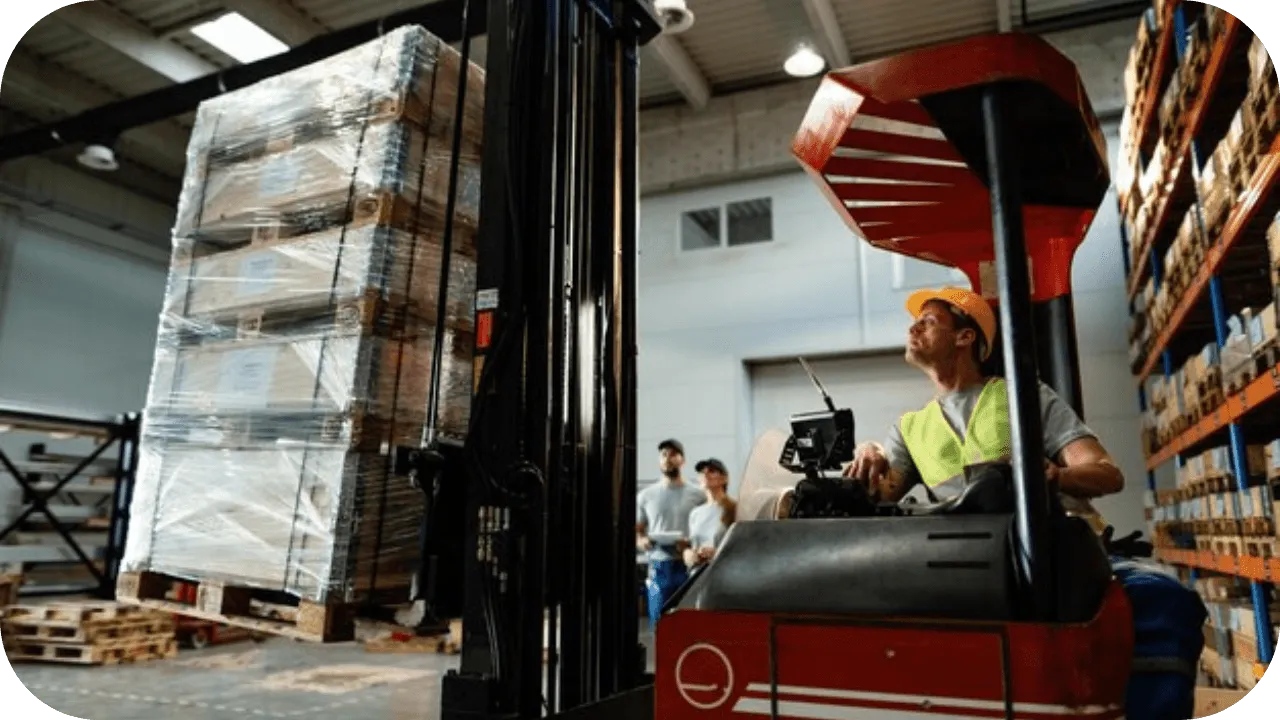
Electric forklifts require a charging period, typically 8 to 12 hours for a full charge, which may require downtime. Diesel forklifts, on the other hand, are refuelled quickly, offering continuous operation with minimal interruption. This makes them ideal for businesses with high uptime demands and long shifts where quick fueling is essential.
4. Maintenance Requirements and Costs
Electric forklifts require less maintenance due to fewer moving parts, reducing overall servicing costs. They primarily need battery maintenance and occasional checks.
Diesel forklifts require more maintenance, with regular checks on the engine, fuel systems, and exhaust, leading to higher servicing costs over time. Diesel models also require more frequent part replacements due to wear and tear.
5. Environmental Impact: Which Forklift is More Eco-Friendly?
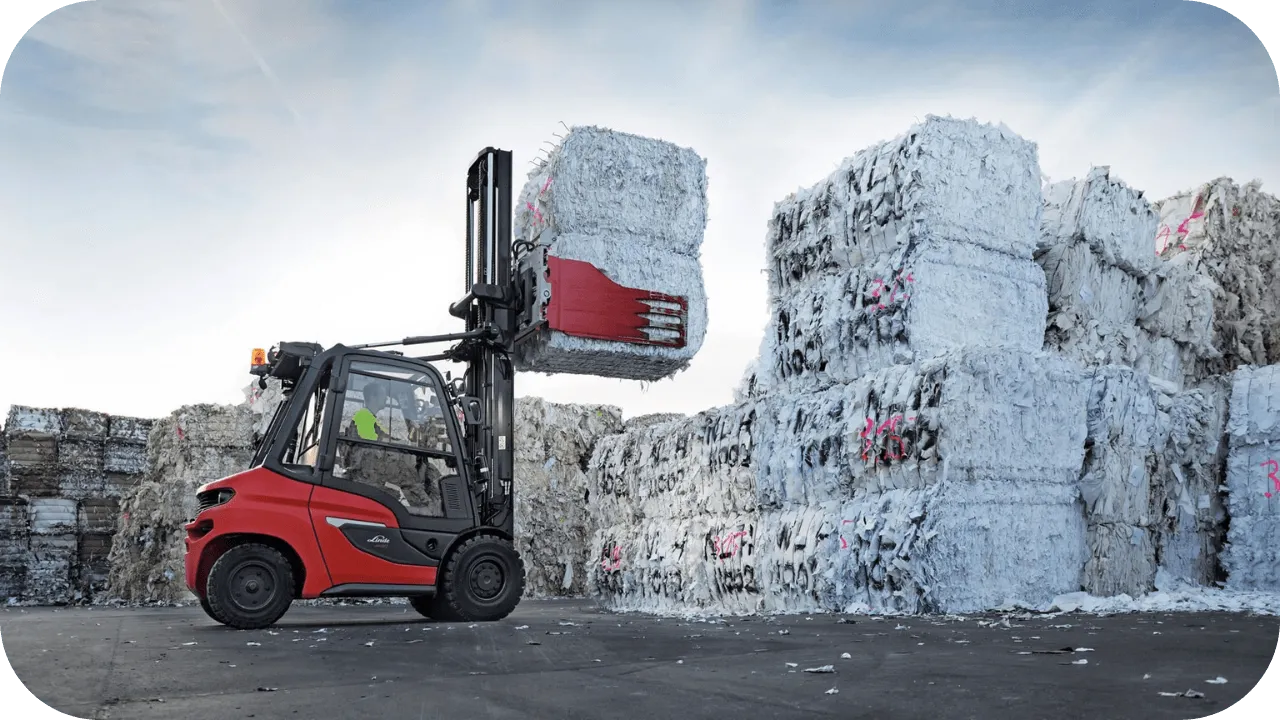
Electric forklifts are far more eco-friendly, producing zero emissions and reducing air pollution in indoor environments. They contribute to a cleaner, safer working environment.
Diesel forklifts, however, emit carbon dioxide and other pollutants, making them less environmentally friendly. Despite this, they are still widely used in industries where power and endurance outweigh environmental concerns.
6. Cost of Ownership: Is an Electric or Diesel Forklift More Cost-Effective?
Electric forklifts generally have a higher upfront cost but are more cost-effective in the long run due to lower fuel and maintenance costs.
Diesel forklifts have a lower initial purchase price but incur higher fuel costs and maintenance requirements, making them less cost-efficient, particularly in long-term use and high-demand industries.
7. Performance Comparison: Electric vs. Diesel Forklifts
Electric forklifts are quieter, more manoeuvrable, and ideal for lighter to medium load capacities, especially in confined spaces. Diesel forklifts, with greater power and lifting capacity, perform better with heavy loads, longer distances, and outdoor operations.
Diesel models are preferred for more challenging, continuous-duty applications, while electric forklifts are ideal for precision and indoor tasks.
8. Safety Considerations
Electric forklifts are safer for indoor environments as they don’t emit harmful exhaust fumes and operate quietly, reducing noise-related risks.
Diesel forklifts, while powerful, pose a safety risk in enclosed spaces due to exhaust fumes, which can lead to poor air quality. Diesel forklifts also require more ventilation and safety measures to manage emissions effectively
Which Forklift is Best for Your Business Needs?
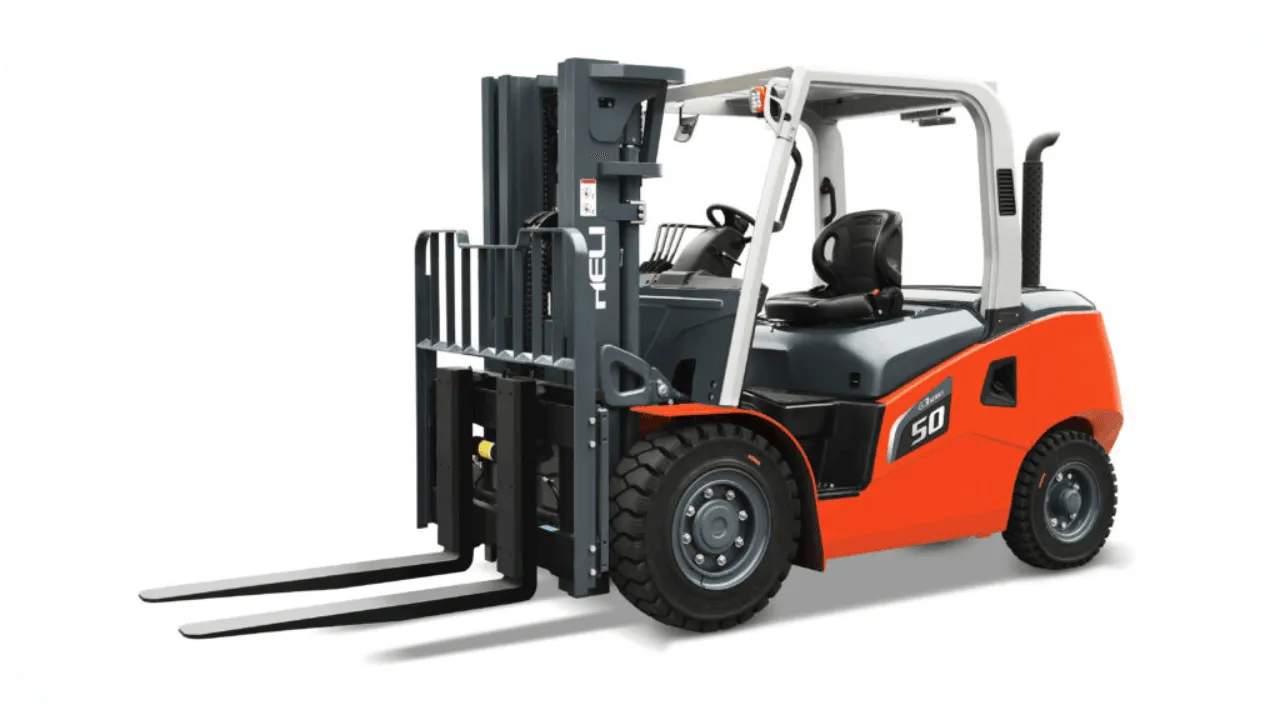
Choosing the right forklift depends on your specific business requirements. Electric forklifts are ideal for indoor environments such as warehouses or factories where air quality and noise levels are a priority. They are perfect for lighter loads, shorter distances, and tasks that require precision.
A diesel forklift might be better if your operations involve heavy-duty tasks, longer shifts, or outdoor environments. Diesel forklifts excel in rugged conditions, offering greater power, lifting capacity, and endurance for tough jobs.
For businesses focused on eco-friendliness, electric forklifts offer a cleaner, quieter solution with fewer emissions. However, diesel forklifts remain a reliable, cost-effective option for high-power and continuous-duty operations.
Why Buy Forklifts From Buy A Fork?
Buy A Fork is your trusted source for reliable, cost-effective forklifts. We specialise in high-quality, pre-owned forklifts tailored to your business needs. Here’s why we’re the best choice:
- Specialisation in Pre-Owned Forklifts: We offer high-quality, pre-owned forklifts with a 6-month service warranty, ensuring reliability and long-term performance.
- Rigorous Inspections: Each forklift undergoes thorough inspections and testing to meet the highest quality standards, providing peace of mind with every purchase.
- Fast Turnaround: With same-day delivery and free local delivery within 10km, we ensure your forklift arrives quickly, allowing your business to run smoothly.
- Wide Range of Forklifts: We have the right equipment for your needs, whether you need electric forklifts for indoor operations or diesel forklifts for heavy-duty outdoor tasks.
- Expert Guidance: Our team provides specialist advice to help you choose the right forklift based on your business requirements.
- Competitive Pricing: No hidden fees and transparent pricing ensure great value for your investment.
- Exceptional Customer Service: We prioritise customer satisfaction, offering continued support and guidance even after your purchase.
- Flexible Financing Options: We provide flexible financing solutions, making it easier for businesses to invest in high-quality forklifts without straining their budgets.
- Customisation Services: If you require specific forklift modifications or accessories, we offer customisation to meet your operational needs.
Conclusion
Choosing between electric and diesel forklifts depends on your business needs: power, cost-efficiency, or environmental impact. Buy A Fork offers expert guidance and quality equipment to help you make the right decision.
Contact us today to find the perfect forklift solution tailored to your requirements and elevate your operations.