
Electric vs. Diesel Counter Balance Forklifts Compared
· Updated
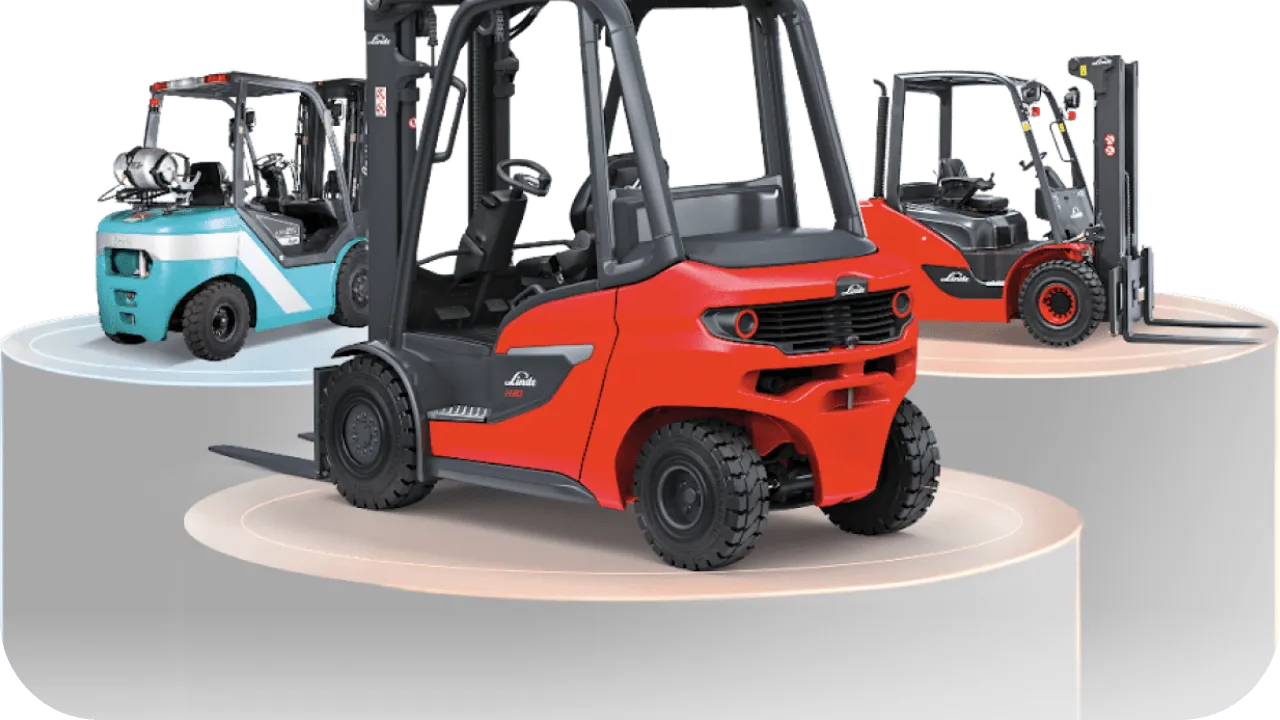
Choosing between an electric or diesel counterbalance forklift isn’t just about cost but efficiency, performance, and long-term savings. The wrong choice can drain your budget or limit productivity.
Imagine running out of power mid-shift or spending thousands on fuel! With businesses facing rising operational costs, selecting the right forklift is more critical than ever.
This guide compares electric and diesel forklifts, comparing costs, performance, and suitability. By the end, you’ll know which best suits your business needs!
Electric Counter Balance Forklifts
Electric counterbalance forklifts are a game-changer for warehouses and indoor operations. Running on rechargeable batteries, these forklifts eliminate fuel costs and significantly reduce maintenance needs.
They produce zero emissions, making them an eco-friendly choice that aligns with modern sustainability goals. One of their most significant advantages is quiet operation, reducing noise pollution in busy work environments.
They also feature smooth acceleration and precise handling, which is ideal for tight spaces. While the upfront cost may be higher than diesel models, long-term savings on fuel and maintenance quickly offset the investment.
However, they require downtime for charging, which can be a drawback in high-demand operations. Some businesses overcome this by using swappable battery systems for continuous use. While best suited for indoor and light outdoor tasks, they may struggle with rough terrain or heavy-duty lifting.
If you’re looking for cost-efficient, low-maintenance, and environmentally friendly forklifts, electric counterbalance models are a smart choice—especially for warehouses, logistics, and manufacturing facilities.
Diesel Counter Balance Forklifts
Diesel counterbalance forklifts are built for heavy-duty performance, making them the go-to choice for outdoor and high-intensity operations.
With high torque and lifting power, they handle large loads, uneven surfaces, and extended work hours without compromising efficiency. Unlike electric models, they don’t require charging downtime—simply refuel and keep working.
Their rugged construction allows them to thrive in construction sites, shipping yards, and large warehouses where power and durability matter most. Diesel engines also offer faster acceleration and greater towing capacity, making them ideal for demanding environments.
However, diesel forklifts come with higher fuel and maintenance costs. They also produce emissions and noise, which can limit indoor use unless proper ventilation is in place. Businesses must weigh the trade-off between raw power and operational costs.
If your operation demands unmatched lifting strength, endurance, and all-terrain capability, a diesel counterbalance forklift remains a reliable, high-performance investment for outdoor and industrial applications.
Key Comparison: Electric vs Diesel Forklifts
When choosing between an electric or diesel counterbalance forklift, businesses must weigh key factors like cost, performance, and operational efficiency. Here’s how they compare:
1. Performance and Lifting Power
Electric forklifts are known for their smooth operation, precise handling, and instant torque, making them ideal for warehouse environments and tight spaces. However, they may struggle with heavy-duty lifting and rough terrain, especially in outdoor applications.
Diesel forklifts, on the other hand, offer raw power and high torque, making them more suitable for heavier loads and challenging environments like construction sites, docks, and large outdoor storage yards.
2. Operational Costs and Fuel Efficiency
Electric forklifts have higher upfront costs but lower running expenses over time since they don’t require diesel fuel. Charging an electric forklift is cheaper than refuelling a diesel model, and fewer moving parts mean less frequent maintenance.
While diesel forklifts are initially cheaper, they consume more fuel and have higher fuel and maintenance costs. Frequent oil changes, filter replacements, and engine servicing can add up, making them more expensive to maintain in the long run.
3. Environmental Impact and Workplace Suitability
Electric forklifts produce zero emissions, making them eco-friendly and safe for indoor use. They also generate less noise, reducing workplace disturbances.
Diesel forklifts, however, emit harmful exhaust fumes and produce significantly more noise, so they require proper ventilation when used indoors.
This makes electric models ideal for warehouses and enclosed spaces, while diesel forklifts are better suited for outdoor environments where emissions and noise aren’t a significant concern.
4. Downtime and Work Efficiency
Electric forklifts must be recharged after several hours of use, which can lead to downtime if not properly managed. Businesses using electric models often implement battery-swapping systems to maintain efficiency.
Diesel forklifts have no charging delays since they can be refuelled quickly, making them ideal for continuous, high-demand operations. A diesel forklift ensures less downtime and uninterrupted workflow if your business runs long shifts with minimal breaks.
5. Maintenance and Longevity
Electric forklifts have fewer mechanical components, meaning less frequent maintenance and longer lifespans when adequately maintained. Oil changes, exhaust maintenance, or engine servicing are unnecessary.
Diesel forklifts, however, require regular maintenance due to their complex engine systems. Components like fuel injectors, air filters, and exhaust systems demand frequent attention, leading to higher maintenance costs.
However, diesel forklifts are often more durable in harsh environments, making them ideal for rugged work conditions.
Which Forklift is Best for Your Business?
Choosing the right forklift depends on your work environment, load demands, and budget. Electric models suit indoor, eco-friendly use, while diesel forklifts offer raw power for outdoor and heavy-duty tasks.
- Indoor vs Outdoor Use: Electric forklifts are ideal for indoor operations such as warehouses, factories, and retail spaces due to their zero emissions and quiet operation. Diesel forklifts, on the other hand, excel in outdoor environments, handling rough terrain, heavy loads, and extended shifts with ease.
- Load Capacity and Power Requirements: Electric forklifts provide smooth acceleration and better control for lighter loads and precision handling. However, diesel forklifts offer greater torque and high-powered performance if your business involves heavy lifting and rugged materials.
- Cost and Long-Term Savings: Electric forklifts have higher upfront costs, but their lower fuel and maintenance expenses make them cost-effective over time. Diesel forklifts may be cheaper initially, but rising fuel costs and frequent servicing increase operational expenses.
- Maintenance and Durability: Electric forklifts require less frequent maintenance, reducing downtime and servicing costs. Diesel forklifts, with their complex engines and fuel systems, demand regular upkeep and higher repair expenses. Electric forklifts are the smarter investment if low maintenance and reliability are key to your business.
- Environmental Impact and Workplace Safety: Electric forklifts produce no emissions, making them environmentally friendly and safe for indoor air quality. Diesel forklifts generate fumes and noise, affecting worker health and compliance with environmental regulations.
- Downtime and Operational Efficiency: Electric forklifts require battery charging, which leads to operational pauses unless a battery swap system is in place. Diesel forklifts run continuously and require quick refuelling, making them better for long shifts and demanding workloads. If minimising downtime is crucial, diesel forklifts provide uninterrupted performance.
Conclusion
Choosing between electric and diesel counterbalance forklifts comes down to power, efficiency, and long-term costs. Do you need eco-friendly precision or heavy-duty endurance?
We’ve got the right forklift for you! Browse Buy A Fork’s selection today and find the perfect fit for your business. Power up your productivity—make the smart choice now!