
Are Electric Stackers Better Than Forklifts?
· Updated
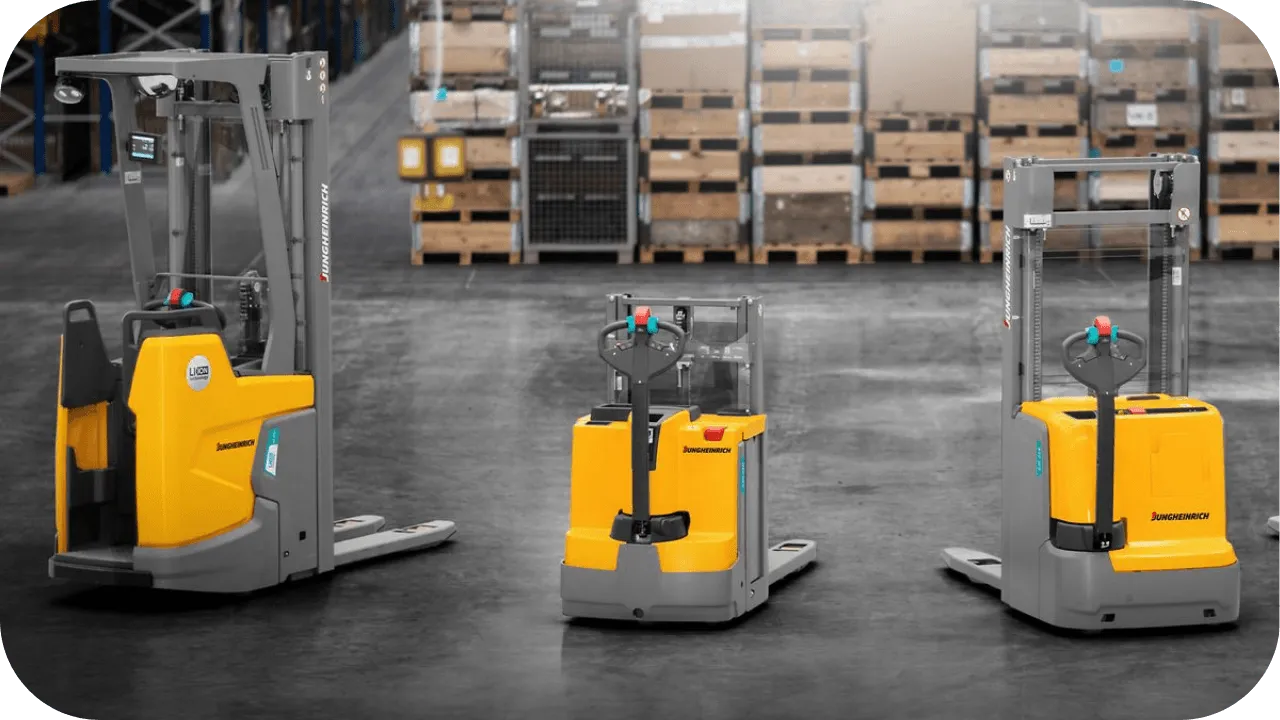
The decision between electric stackers and forklifts is crucial when choosing the right material-handling equipment for your business.
Both play key roles in warehouses and distribution centres, but which stands out in performance and cost-effectiveness?
In this article, we’ll dive deep into the key differences, pros, and cons of electric stackers and forklifts to help you make an informed choice. Let’s break down which option is right for your needs.
Are Electric Stackers Better Than Forklifts?
Electric stackers are better than forklifts for small indoor spaces due to their compact size, energy efficiency, and lower cost. However, forklifts excel at handling heavier loads, operating outdoors, and offering more versatility. The choice depends on your business needs. Electric stackers are ideal for lighter, confined tasks, while forklifts suit larger, heavy-duty operations.
What Are Electric Stackers?
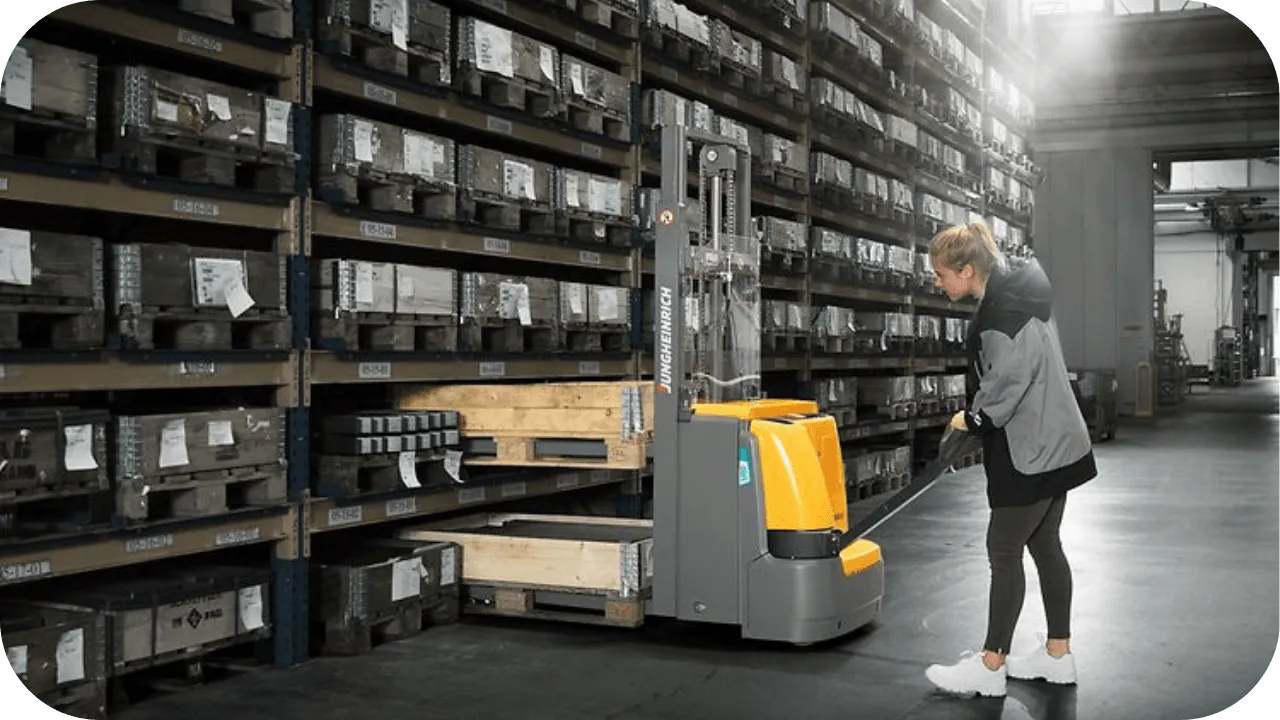
Electric stackers are compact, electrically powered machines primarily designed for lifting and stacking goods in tight spaces. Stackers are smaller, more agile, and easier to manoeuvre than traditional forklifts, making them perfect for narrow aisles.
These stackers can lift lighter loads than forklifts but are efficient in environments requiring frequent, small movements.
Electric stackers are typically used to stack and retrieve pallets from high-racking systems. Depending on your operational needs, they come in various models, including pedestrian-operated and rider-operated versions.
While electric stackers are ideal for indoor use, their battery-powered design ensures quieter and more energy-efficient operations, making them a preferred choice for warehouses that value sustainability.
Pros and Cons of Electric Stackers
When choosing the right equipment for your warehouse, understanding the advantages and limitations of electric stackers can help you make a smart investment. While these machines excel in specific environments, they also have their drawbacks. Let’s break down the key benefits and challenges.
| Pros of Electric Stackers | Cons of Electric Stackers |
| Compact and Manoeuvrable: Their small size makes them ideal for tight spaces, especially narrow aisles where forklifts may struggle. | Limited Load Capacity: Electric stackers have a lower lifting capacity than forklifts, making them less suitable for handling heavy or bulky loads. |
| Energy-efficient: Powered by batteries, electric stackers consume less energy, making them an eco-friendly option. They’re also much quieter, which makes them perfect for indoor operations. | Not Ideal for Outdoor Use: Electric stackers are designed for indoor use on smooth surfaces. They are not suited for outdoor tasks or rough terrain, where forklifts perform better. |
| Lower Costs: Electric stackers are more affordable for upfront costs and maintenance than forklifts. They don’t require expensive fuel or complex maintenance procedures like their gas or diesel counterparts. |
What Are Forklifts?
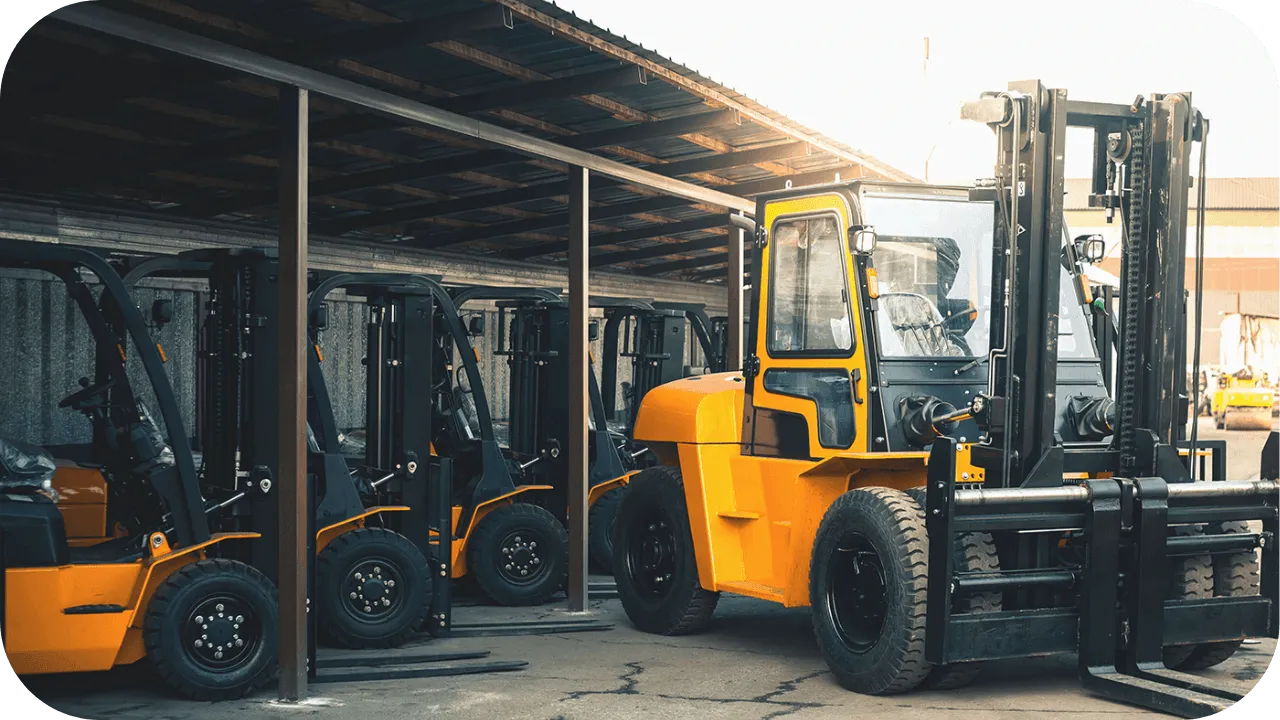
Forklifts, primarily electric and diesel variants, are versatile machines for lifting heavy loads. These machines come in various sizes, from compact models for lighter tasks to larger ones capable of handling tons of weight. Forklifts are known for their strength, durability, and ability to transport long distances within a warehouse or yard.
Electric forklifts, like stackers, are battery-powered and provide the same quiet and clean operation. In contrast, gas-powered and diesel forklifts tend to be used outdoors due to their more robust engines.
Regardless of the power source, forklifts are built to handle many tasks, including lifting, transporting, and stacking heavy goods in less confined spaces than electric stackers.
Pros and Cons of Forklifts
Forklifts are a powerful choice for many industries, especially when handling heavy-duty tasks. However, like all equipment, they come with both advantages and challenges. Let’s dive into forklifts’ key pros and cons to help you assess if they fit your business.
Forklifts offer several benefits, particularly in environments where strength, versatility, and a wide range of use cases are important.
- Higher Load Capacity: Forklifts can handle much heavier loads than electric stackers, making them ideal for industries like construction and heavy manufacturing where lifting power is essential.
- Versatility: Forklifts are designed for indoor and outdoor use and can efficiently operate in harsh environments. Gas-powered models are particularly suited for construction sites and outdoor warehouses, offering flexibility across various workspaces.
- Range of Models: Forklifts come in different models to suit specific operational needs. Whether you need a small, electric version for lighter tasks or a large, high-powered machine for industrial work, there’s a forklift for every job.
Despite their strengths, forklifts have some drawbacks that businesses must consider.
- Size and Bulk: Forklifts tend to be larger and bulkier, which makes them less suitable for navigating narrow aisles or tight spaces. This can be a challenge in smaller warehouses where space is limited.
- Higher Operational Costs: Whether electric or powered by internal combustion engines, forklifts generally come with higher maintenance, fuel, and part replacement costs than electric stackers.
Key Differences Between Electric Stackers and Forklifts
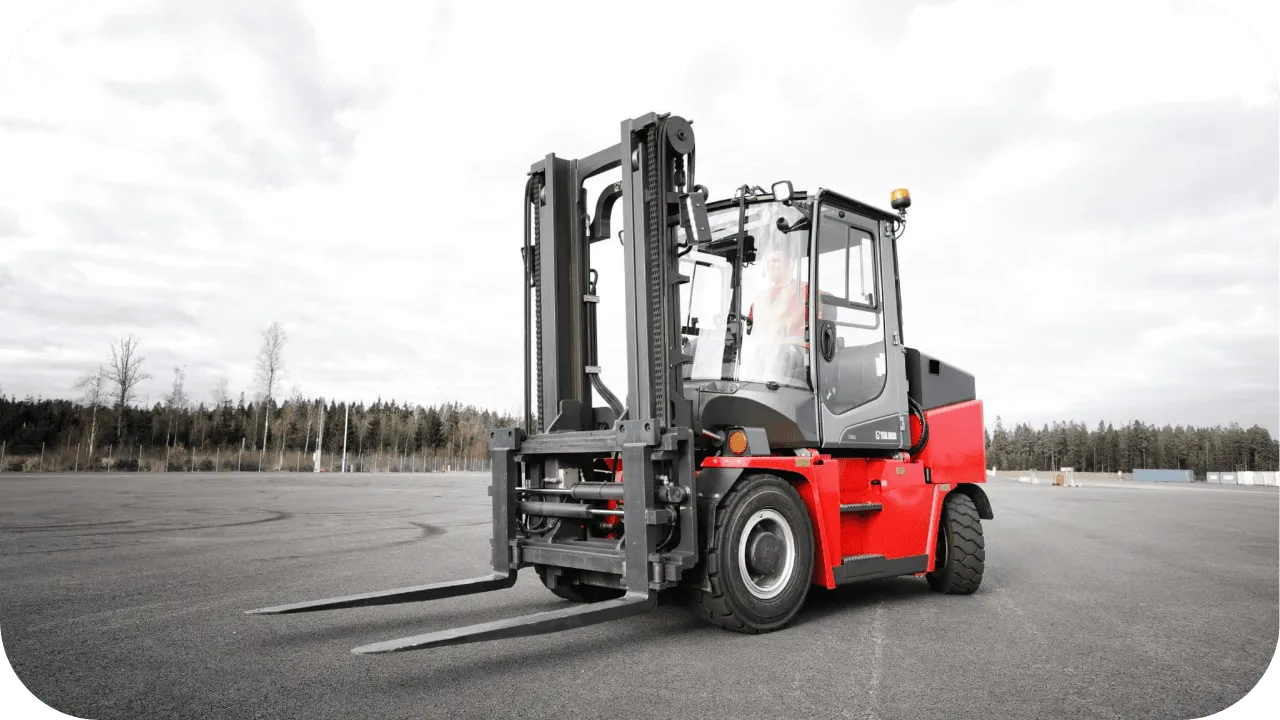
Both have their strengths, but the right choice depends on what you’re handling and where you’re operating. Let’s dive into the key differences that will help you make an informed decision for your business.
1. Power Source
Batteries power electric stackers, whereas forklifts can be powered by electricity, gas, or diesel. Electric forklifts offer the same environmental benefits as electric stackers but with more robust power.
2. Size and Maneuverability
Stackers are smaller, more compact, and ideal for confined spaces like narrow aisles and smaller warehouses. Forklifts are bulkier, making them better suited for larger spaces or outdoor use, where manoeuvrability is less of a concern.
3. Load Capacity
Forklifts can handle heavier loads, typically 1,000 kg to 5,000 kg or more. Electric stackers, however, are generally limited to lighter loads, usually between 1,000 kg and 1,500 kg.
4. Operational Costs
Electric stackers have lower upfront and maintenance costs than forklifts. Forklifts, especially diesel models, can be expensive to maintain and fuel, but they offer greater power and range.
5. Safety Features
Both equipment types have safety features, but stackers are often easier to handle in tight spaces, reducing the risk of accidents in high-traffic environments.
Environmental Impact: Electric Stackers vs. Forklifts
Electric stackers generally have the advantage in terms of environmental friendliness. They are battery-operated, produce zero emissions, and are ideal for indoor use, especially in confined or air-sensitive environments.
On the other hand, gas and diesel forklifts, while powerful, produce carbon emissions and noise pollution. Electric forklifts, though less polluting, still require battery charging, which depends on the electricity source and is often tied to fossil fuels.
As industries push toward sustainability, electric options are increasingly favoured for their lower environmental footprint.
Which One Is Better for Your Business or Warehouse?
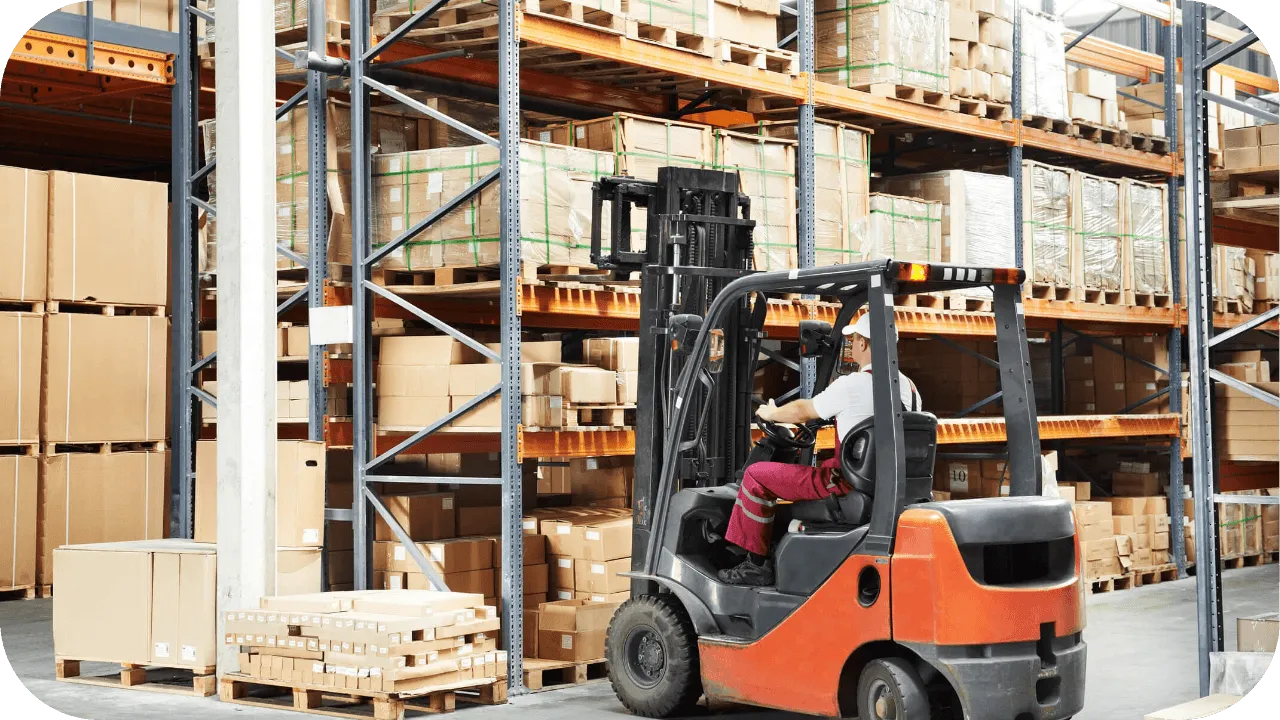
The answer depends mainly on your specific operational needs. An electric stacker could be your best bet if you run a smaller warehouse or manage lighter loads in confined spaces. They are more energy-efficient, cost-effective, and easier to manoeuvre in tight spaces.
However, a forklift offers more power and versatility if your business involves handling heavy loads, frequent outdoor use, or working in larger warehouse spaces. Forklifts are designed to hold a broader range of tasks and offer greater load capacity and environmental flexibility.
Conclusion
Choosing between electric stackers and forklifts depends on your specific needs. Electric stackers are ideal for smaller indoor spaces because they offer cost-efficiency, manoeuvrability, and energy savings. Forklifts are better for heavier loads and outdoor versatility.
Still unsure? Contact Buy A Fork today! Our experts can help you assess your requirements and recommend the perfect solution for your business. Contact us now to make an informed decision!