
BT vs. Mitsubishi: Best Electric Pallet Stackers
· Updated
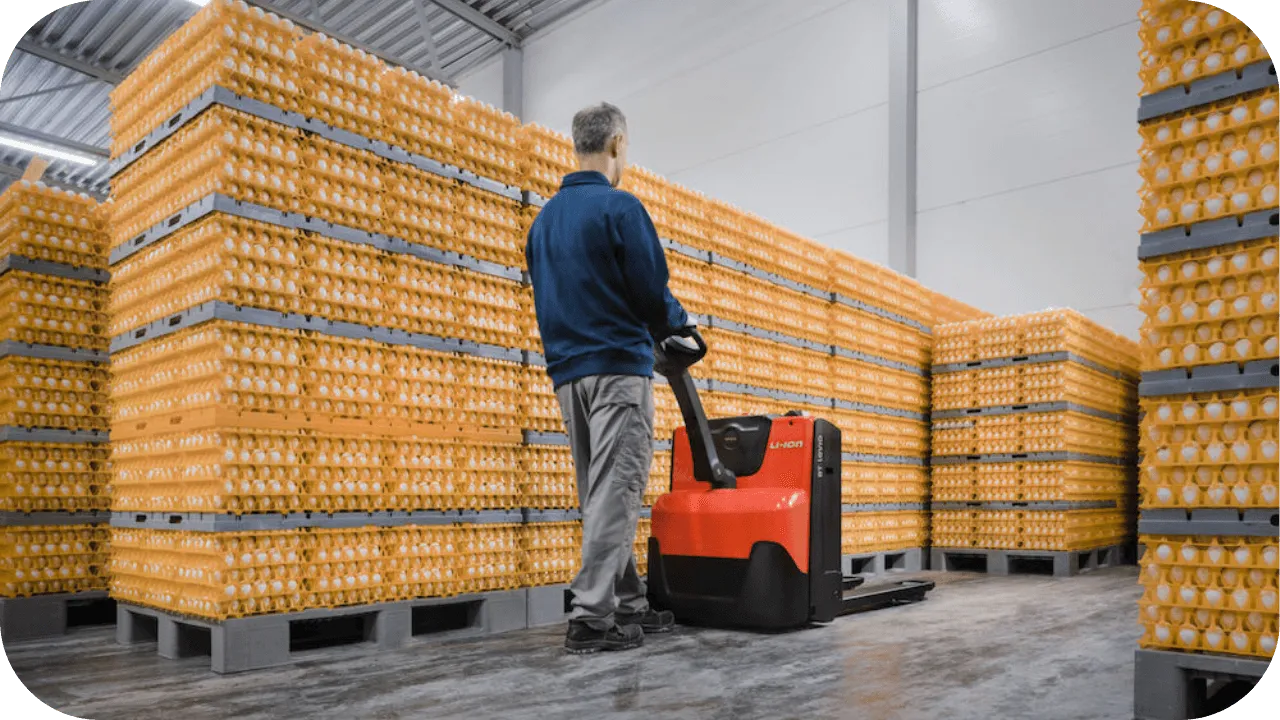
Choosing the right electric pallet stacker can boost efficiency in your warehouse. BT and Mitsubishi are two leading brands offering high-quality solutions, but which one truly delivers the best performance for your business needs?
Finding the right fit can be tricky, whether you’re after power, ergonomics, or durability. In this article, we’ll compare both brands, helping you make an informed decision about your operations. Let’s dive into the details!
What Are Electric Pallet Stackers?
Electric pallet stackers are essential in many industries. They provide an efficient solution for lifting and stacking pallets in tight spaces. Unlike manual pallet jacks, these machines are powered by electricity, making them easier to operate, especially for heavier loads.
Their primary function is lifting and transporting goods, usually within warehouse environments, to high storage areas or more organised stacking.
These stackers are designed for ease of use, allowing operators to navigate aisles effortlessly while maintaining safety and efficiency. Compared to traditional manual stackers, electric versions significantly reduce the physical strain on operators, improving productivity and reducing the likelihood of injury.
Whether lifting pallets to an overhead shelf or moving heavy items across the warehouse, an electric pallet stacker ensures the task is handled with less effort and in less time.
BT Electric Pallet Stackers
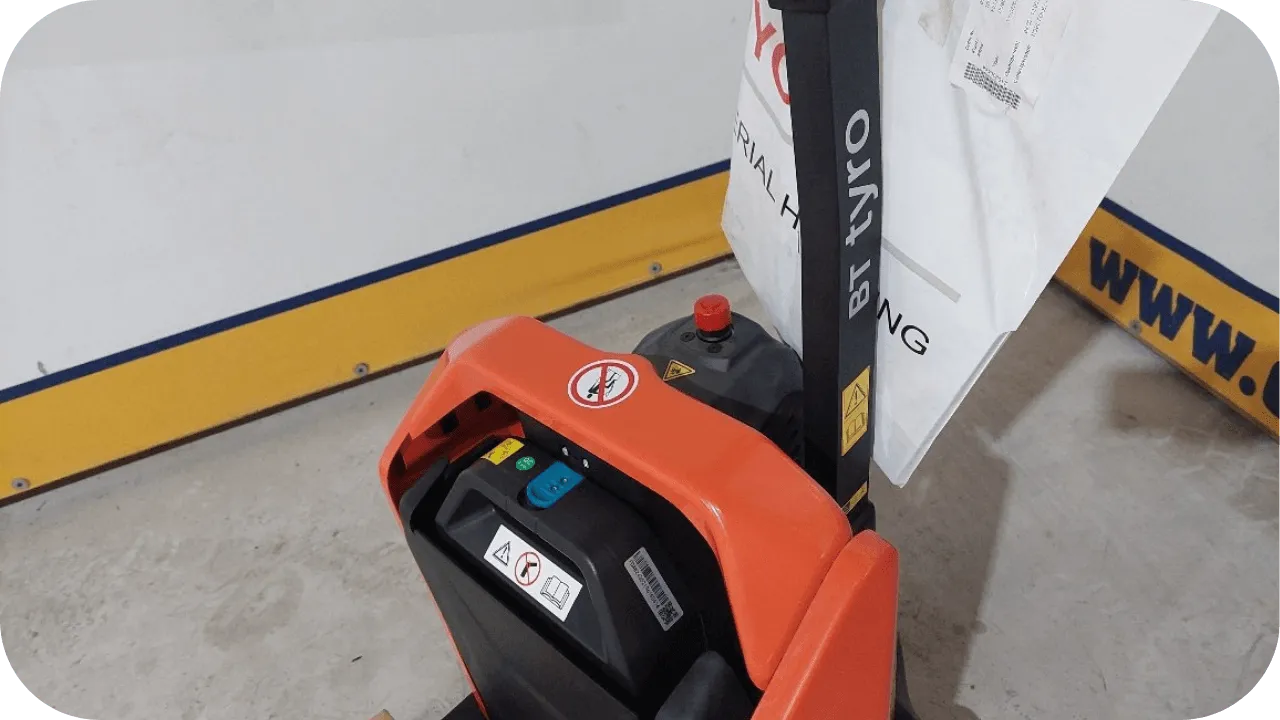
BT is a well-established name in the materials handling industry, known for its range of reliable, high-performance electric pallet stackers. Their stackers are designed with a focus on ease of use, durability, and cost-effectiveness.
Key models, such as the BT Reflex, BT Levio, and BT Staxio, cater to industry needs by offering various load capacities and lifting heights.
One of the standout features of BT pallet stackers is their user-friendly design. The controls are intuitive, allowing even new operators to get up to speed quickly. Their compact build makes them ideal for navigating narrow aisles and tight spaces, ensuring smooth manoeuvrability.
BT’s stackers also have a reputation for being incredibly durable, focusing on longevity even in demanding environments. They require less maintenance, helping to reduce long-term costs. This makes them an attractive option for businesses that need a reliable, low-maintenance machine that can handle heavy workloads.
Mitsubishi Electric Pallet Stackers
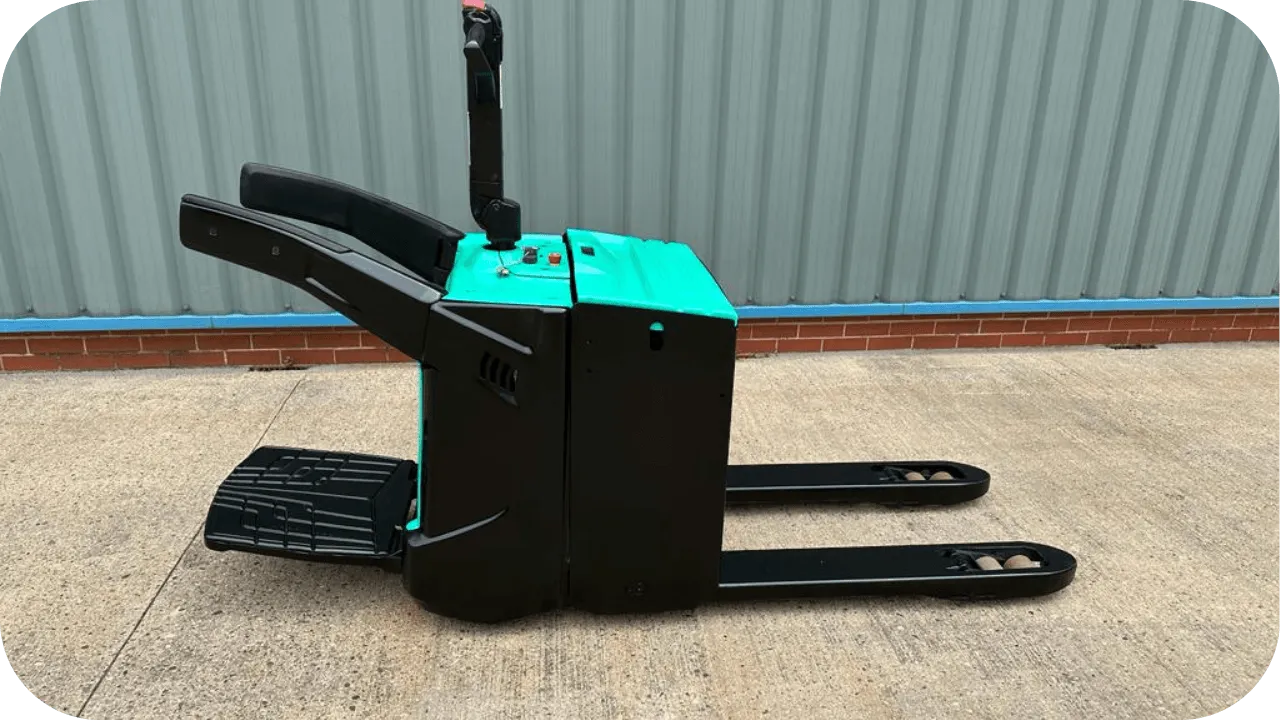
Mitsubishi is another trusted name in the electric pallet stacker market. Its products are known for incorporating cutting-edge technology into their products—Mitsubishi pallet stackers, like the AE Series and PS Series. Mitsubishi pallet stackers offer a range of solutions designed to improve performance and operator comfort.
One key advantage of Mitsubishi models is their energy efficiency. These stackers have advanced battery management systems that extend battery life, allowing operators to work longer without recharge.
Mitsubishi’s stackers are also known for their precision and smooth operation, making them ideal for operations that require high accuracy and minimal downtime.
Ergonomics is another strong point for Mitsubishi. The controls are designed to reduce strain on the operator’s body, providing more comfort during long shifts. Additionally, these stackers are built for high performance, offering excellent lifting capacity, speed, and reliability, making them perfect for demanding work environments.
BT vs. Mitsubishi: Key Features Comparison
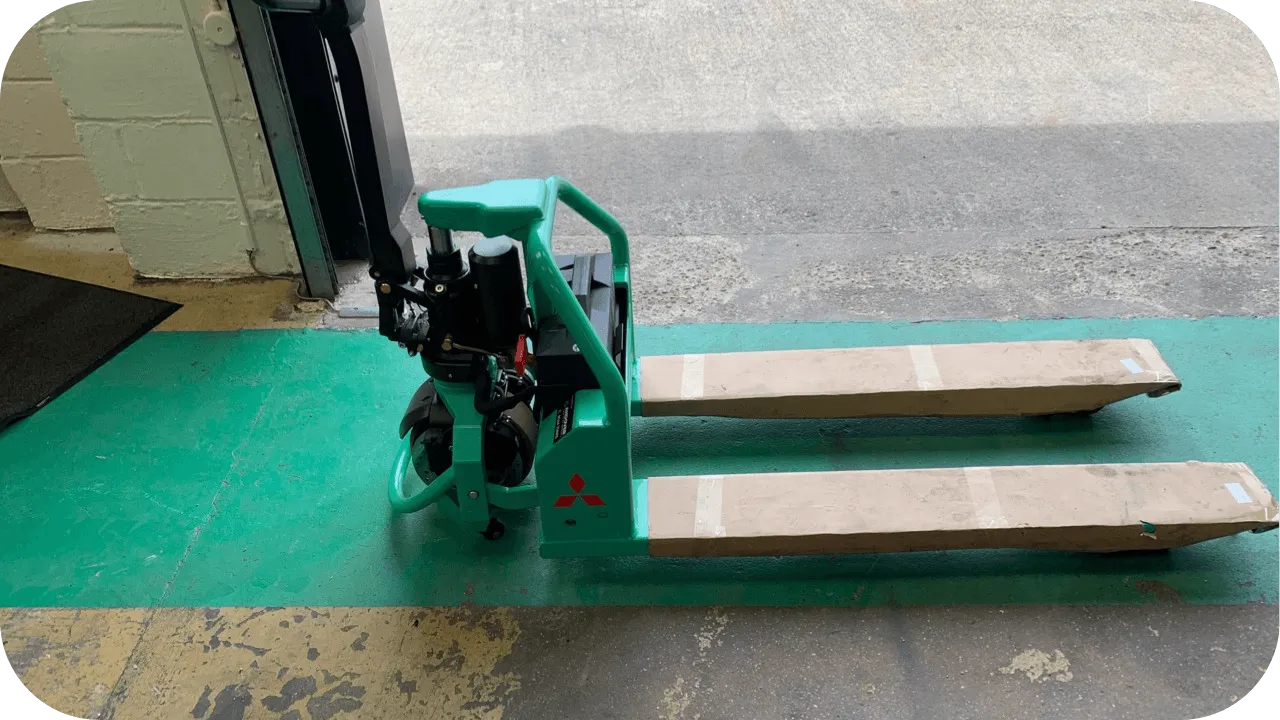
When comparing BT and Mitsubishi electric pallet stackers, several key features stand out:
1. Performance Comparison
BT electric pallet stackers are designed for general warehouse tasks. They offer a good balance of lifting capacity (1,000 kg to 2,500 kg) and speed, which is ideal for businesses with standard loads. They also perform well in narrow aisles, making them suitable for operations with limited space.
Mitsubishi, however, excels in high-demand environments. It offers lifting capacities exceeding 2,500 kg and advanced speed controls.
Their performance is better suited for larger warehouses or businesses with heavier loads, improving operational efficiency and throughput in multi-level or high-density environments.
2. Design and Ergonomics
BT stackers’ compact design prioritises simplicity and ease of use, making them easy to manoeuvre, especially in tight spaces. The controls are intuitive, and the handle design provides comfort. However, the design focuses on function over advanced ergonomics.
In contrast, Mitsubishi stackers offer superior ergonomic design, with adjustable platforms, cushioned steering wheels, and better-positioned controls that reduce operator fatigue.
These features make Mitsubishi ideal for longer shifts and operations requiring frequent lifting and navigation. They enhance overall operator comfort and reduce strain during extended use.
3. Durability and Build Quality
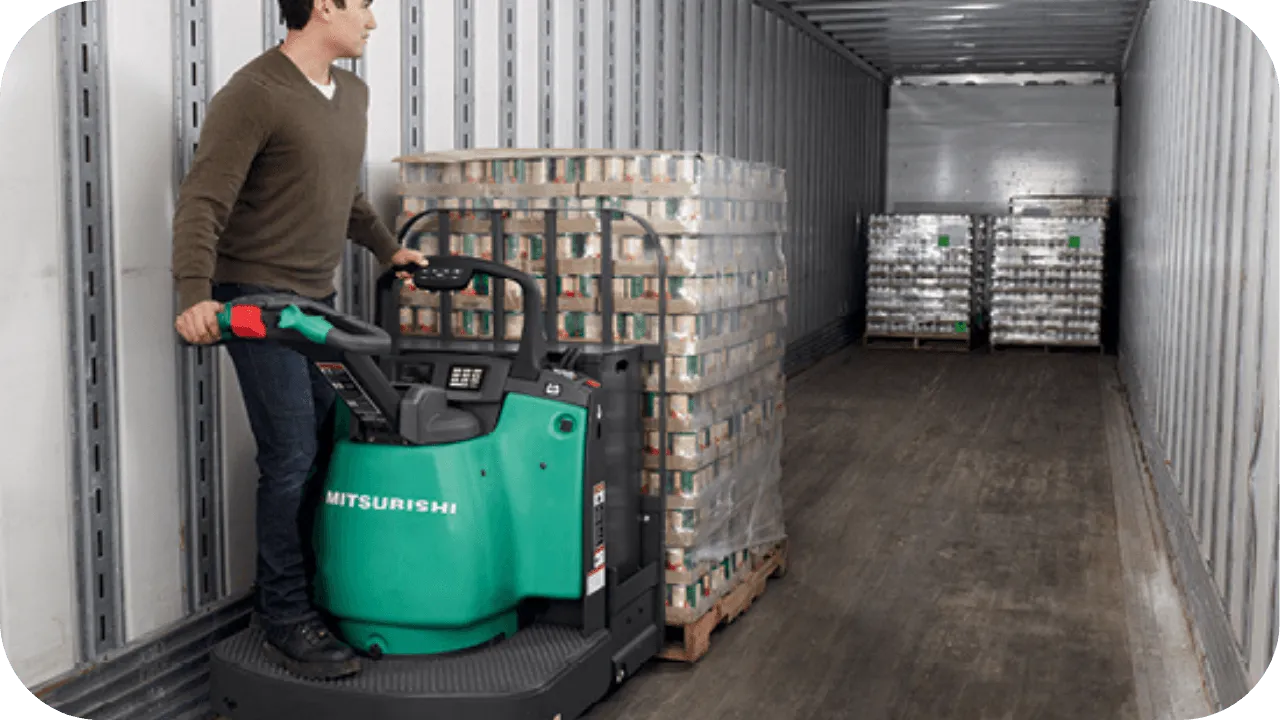
BT electric pallet stackers are known for their robust build and are designed to handle everyday wear and tear in standard warehouse operations. The steel frame construction ensures longevity even in fluctuating temperature and humidity environments.
However, while BT stackers are durable, they are not designed for the most demanding conditions. On the other hand, Mitsubishi stackers are built to withstand more intensive operations.
Their reinforced components and better protection against environmental factors, such as dust and moisture, make them more suitable for larger warehouses and high-stress environments. They offer greater durability and longevity.
4. Technology and Features
BT pallet stackers offer simple, user-friendly technology with easy-to-use controls, battery management systems, and basic diagnostic tools for maintenance. These features prioritise reliability and are ideal for users who require straightforward solutions without complex functionalities.
Mitsubishi, however, integrates more advanced technology, such as smart battery management systems that optimise energy usage and extend battery life. Mitsubishi models include real-time diagnostics, automatic regenerative braking, and intuitive touchscreen displays.
These advanced features improve operational efficiency, reduce downtime, and provide better performance in high-demand environments, making Mitsubishi ideal for businesses looking for cutting-edge technology.
5. Battery Life and Energy Efficiency
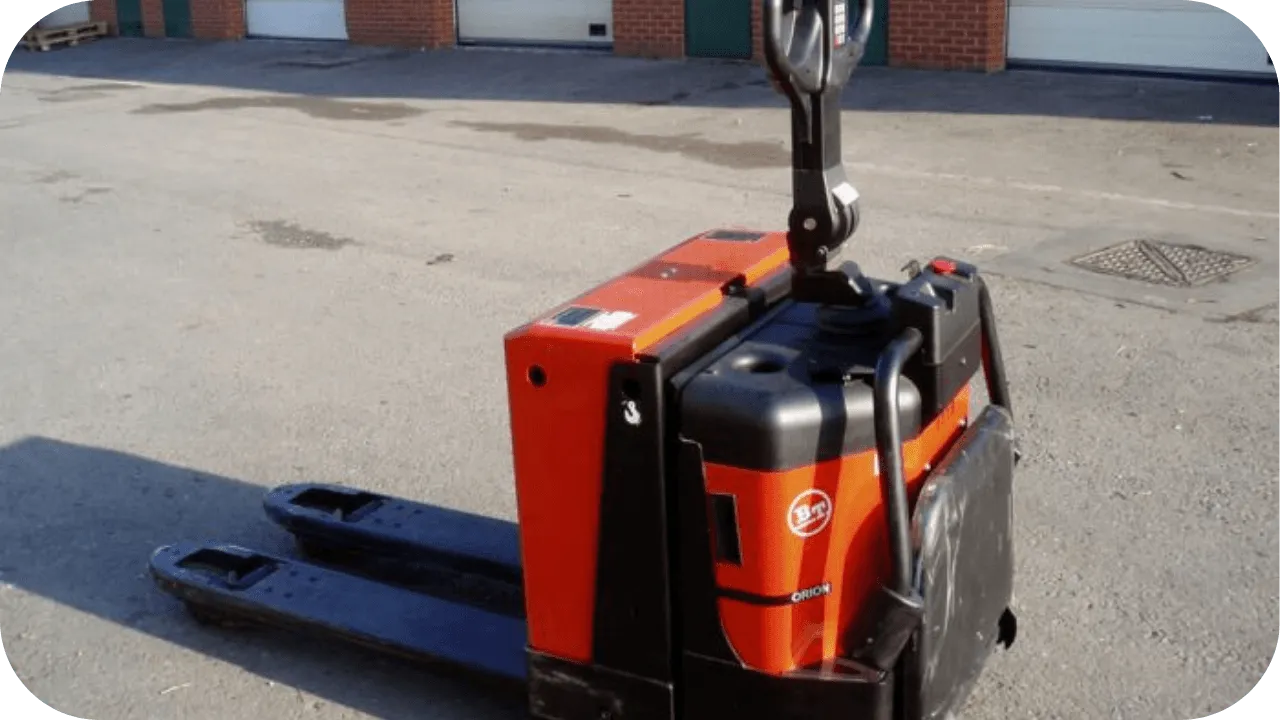
BT electric pallet stackers have reliable battery systems that provide decent operational hours before requiring a recharge. However, BT models lack advanced energy-saving features found in competitors like Mitsubishi.
These stackers are suited for lighter-to-medium-duty applications where the battery doesn’t need to last an entire shift. In contrast, Mitsubishi strongly emphasises energy efficiency. Their stackers feature advanced battery management systems that optimise energy use, extending operational times per charge.
With regenerative braking and other energy-saving technologies, Mitsubishi models are better equipped for high-volume operations and multi-shift environments, where extended battery life is crucial.
Which Brand is Better for Your Business?
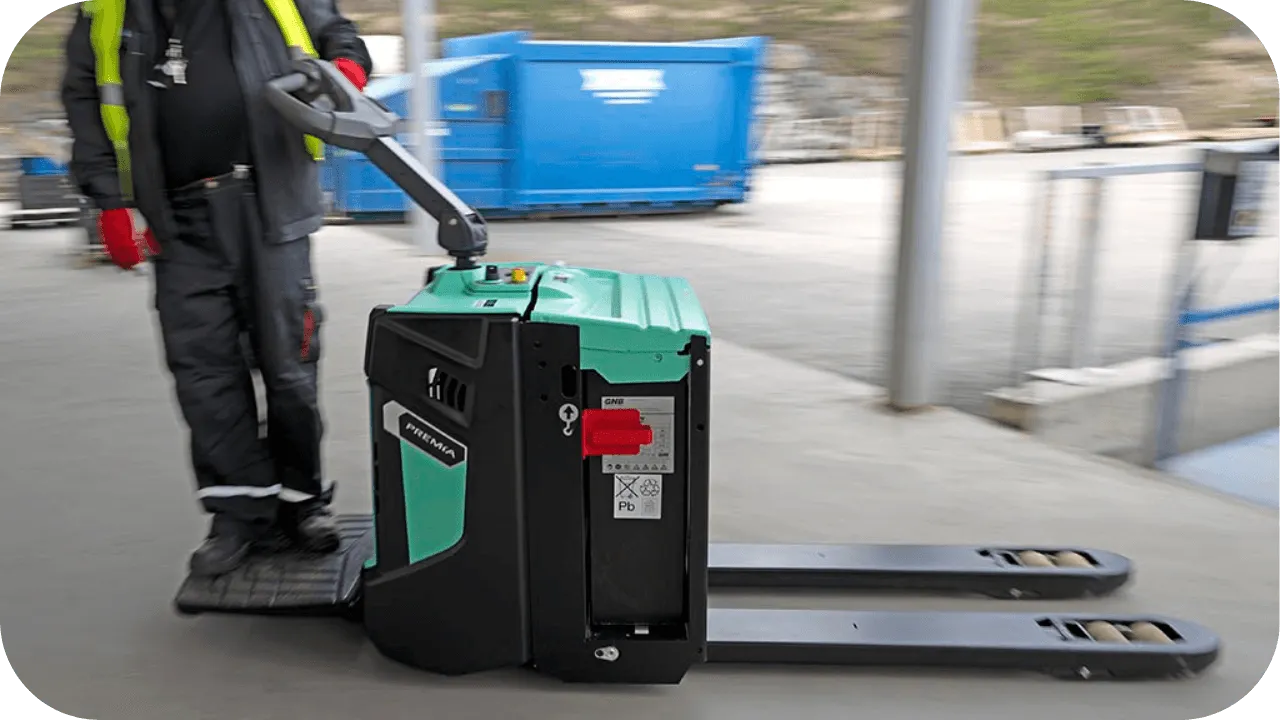
Choosing between BT and Mitsubishi ultimately depends on your business’s specific needs. BT is an excellent choice if you’re looking for a cost-effective, reliable option focusing on simplicity. It’s ideal for companies with smaller spaces, lower budgets, or less demanding operational needs.
On the other hand, Mitsubishi might be the better choice if your operation requires more advanced features, higher speed, and greater energy efficiency. Its superior technology and performance suit larger businesses with high-density environments or those requiring precision handling.
Conclusion
Choosing the right electric pallet stacker depends on your unique business needs. BT offers affordability and reliability, while Mitsubishi excels in advanced technology and energy efficiency. If you’re after long-term performance, Mitsubishi might be the better choice.
BT is ideal for a cost-effective solution. Whatever you decide, both brands offer top-quality options. Visit Buy A Fork today to find the perfect stacker for your operations and boost your warehouse efficiency!