
Why Second-Hand Forklifts Are Ideal for Startups
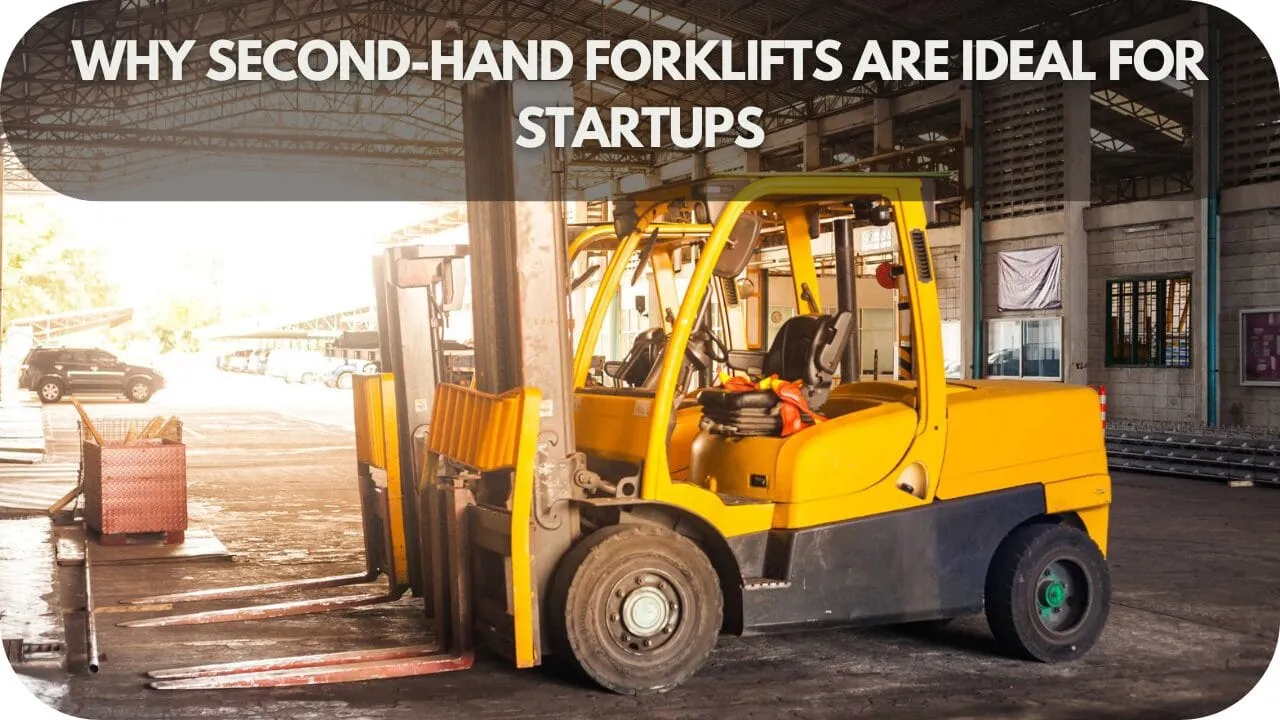
Starting a business is an adventure full of challenges, and keeping costs low often feels like walking a tightrope. Imagine needing a forklift to boost productivity but wincing at the price of a brand-new one.
That’s where second-hand forklifts swoop in to save the day! Offering affordability without sacrificing reliability, they’re the unsung heroes for startups with big dreams and tighter budgets. Intrigued?
Let’s dive into why choosing a pre-owned forklift might just be the smartest move for your growing business.
1. Cost Savings for Startups
For startups operating on limited capital, the cost of purchasing new equipment can be prohibitive. Second-hand forklifts provide a budget-friendly alternative, often costing 30–50% less than their new counterparts.
This significant reduction in upfront expenses allows startups to allocate their resources to other critical areas, such as marketing, staffing, or product development.
Furthermore, the affordability of second-hand forklifts means startups can explore financing options with lower monthly repayments. This minimises financial strain while providing the operational efficiency required to compete in the marketplace.
2. Faster Return on Investment (ROI)
One of the most appealing aspects of second-hand forklifts is the faster ROI they offer. Unlike new forklifts, which suffer significant depreciation in the first few years, used forklifts retain their value for longer.
Startups can recover their initial investment more quickly, thanks to reduced acquisition costs and consistent operational output.
Additionally, since second-hand forklifts are typically more affordable, the revenue generated through their use can surpass the initial expenditure in a shorter timeframe. This accelerated ROI is particularly advantageous for startups aiming to establish profitability as quickly as possible.
3. Reliable Performance for Lower Costs
It’s natural for startups to question the reliability of second-hand equipment, but with proper inspection and sourcing, used forklifts can deliver excellent performance.
Many pre-owned forklifts are sold after only a few years of use, making them a viable option for startups that need dependable equipment at a fraction of the cost.
Refurbished forklifts, in particular, are often inspected, repaired, and tested to meet industry standards. These models can come with warranties, providing peace of mind and ensuring that any necessary repairs are covered.
A well-maintained second-hand forklift can last for many years, delivering the same functionality as a new model but with substantially lower operational costs.
4. Access to Premium Models at Lower Prices
Second-hand forklifts allow startups to access premium models that might otherwise be out of reach financially. Advanced features such as higher load capacities, enhanced manoeuvrability, or specialised attachments can improve efficiency in material handling.
Opting for a used premium model ensures startups can leverage top-tier technology without overshooting their budget.
For instance, a high-capacity diesel forklift, which might be unaffordable when brand-new, becomes attainable when purchased second-hand. This enables startups to optimise their operations while keeping their costs in check.
5. Environmental Sustainability
Sustainability is a growing priority for businesses, and choosing second-hand forklifts supports environmentally friendly practices. By extending the lifecycle of machinery, startups contribute to reducing industrial waste and conserving natural resources.
Reusing equipment also decreases the demand for manufacturing new forklifts, which lowers carbon emissions associated with production processes.
This eco-friendly approach not only benefits the planet but also enhances a startup’s brand reputation. Modern consumers are increasingly drawn to businesses that demonstrate environmental responsibility, giving startups an edge in the competitive market.
6. Easier Maintenance and Lower Repair Costs
Maintaining second-hand forklifts is often more straightforward and cost-effective than new models, as replacement parts for older forklifts tend to be more readily available and affordable.
Many mechanics are also familiar with repairing older models, which reduces the likelihood of facing specialised service fees.
Startups can save further by carrying out routine maintenance in-house, provided their team has the necessary skills. Ensuring proper upkeep can prolong the lifespan of the forklift, preventing costly repairs and avoiding downtime that could disrupt operations.
7. Flexibility for Expanding Operations
Second-hand forklifts offer startups the flexibility to expand their operations without committing to high upfront costs. As the business grows and its material handling needs increase, additional forklifts can be acquired affordably. This approach ensures startups remain agile and responsive to changing demands.
Moreover, second-hand forklifts typically hold their resale value better than new ones, allowing startups to recoup a portion of their investment if they decide to upgrade later.
This flexibility is invaluable for businesses navigating the uncertainties of early growth stages.
Where to Find High-Quality Second-Hand Forklifts
When searching for second-hand forklifts in Australia, it’s essential to prioritise reputable suppliers offering quality equipment. Below are some reliable options:
1. Buy A Fork
Buy A Fork is a leading supplier of second-hand forklifts in Australia, renowned for its extensive inventory and customer-focused service. Catering to industries like warehousing, manufacturing, and logistics, the company offers a wide range of electric, LPG, and diesel-powered forklifts at competitive prices.
Each forklift undergoes rigorous inspection, with detailed maintenance records and warranties provided to ensure quality. Flexible financing and payment options make Buy A Fork ideal for startups and budget-conscious businesses. With locations in major cities and delivery to remote areas, Buy A Fork delivers reliable, affordable solutions nationwide for all material handling needs.
2. Forklift Traders
Forklift Traders is a Melbourne-based dealer offering both new and second-hand forklifts. They are known for their wide selection of refurbished forklifts, each inspected and serviced to meet high standards. Their team provides expert advice to help startups find the right forklift to suit their needs.
3. Adaptalift Group
Adaptalift Group is one of Australia’s leading forklift providers, with branches across the country. They offer a comprehensive range of used forklifts, including brands like Toyota, Mitsubishi, and Hyster. Their transparent sales process includes detailed condition reports and optional warranties for peace of mind.
4. ForkForce Australia
ForkForce Australia operates in Brisbane, Sydney, and Melbourne, offering an extensive range of second-hand forklifts. They specialise in providing affordable, reliable equipment for small businesses and startups. Their inventory includes diesel, LPG, and electric forklifts, all serviced and ready for use.
5. Lencrow Forklifts
Lencrow Forklifts, with locations in Sydney, Melbourne, Brisbane, and Newcastle, offers high-quality used forklifts tailored to diverse industries. Their extensive inventory includes top brands and varying load capacities. Lencrow ensures each forklift is tested and refurbished for optimal performance.
Tips for Choosing the Right Second-Hand Forklift
Choosing a second-hand forklift can save your startup a fortune, but only if you know what to look for. Here’s how to make a smart investment without the pitfalls.
- Assess Your Business Needs: Before browsing forklifts, clearly define your requirements. Consider the load capacity, lift height, and type of materials you’ll be handling. Understanding your specific needs ensures you choose a forklift suited to your operations.
- Check the Hours of Operation: Forklifts are like cars; their lifespan is determined by usage. Look for models with fewer hours of operation, as this usually indicates less wear and tear.
- Inspect the Forklift’s Condition: Examine the machine thoroughly for signs of damage or excessive wear. Pay close attention to tyres, forks, and the mast, as these are often subject to the most stress.
- Review Maintenance Records: Ask for the forklift’s service history. Regular maintenance is a good indicator of how well the forklift was cared for and its reliability moving forward.
- Consider the Fuel Type: Decide whether you need an electric, LPG or diesel forklift based on your environment and usage. For instance, electric forklifts are ideal for indoor use, while diesel models suit outdoor operations.
- Test the Forklift: Always conduct a test run. This allows you to check for smooth operation, responsiveness, and any unusual noises that might signal underlying issues.
- Verify Safety Features: Ensure the forklift is equipped with functional safety features, such as lights, horns, and emergency stop mechanisms. A safe forklift protects your workers and avoids compliance issues.
- Evaluate the Seller’s Reputation: Only purchase from reputable dealers or sellers with good reviews. Trusted suppliers are more likely to provide reliable equipment and transparency about its condition.
- Check for Warranty or Support: Many dealers offer limited warranties on second-hand forklifts. Opt for a supplier that provides after-sales support and guarantees to address potential issues.
- Compare Prices: Shop around to compare prices for similar models. Be cautious of prices that seem too good to be true, as they may reflect hidden problems.
Conclusion
Ready to enhance your startup’s operations with a reliable second-hand forklift? Visit Buy A Fork, your trusted partner for high-quality forklifts at unbeatable prices.
With a wide range of models, competitive financing options, and expert support, they’ve got everything your business needs to get moving. Don’t settle for less—explore their selection today and find the perfect forklift to suit your growing business! Start your search now at Buy A Fork!