
5 Important Things To Check If Your Forklift Doesn’t Start
· Updated
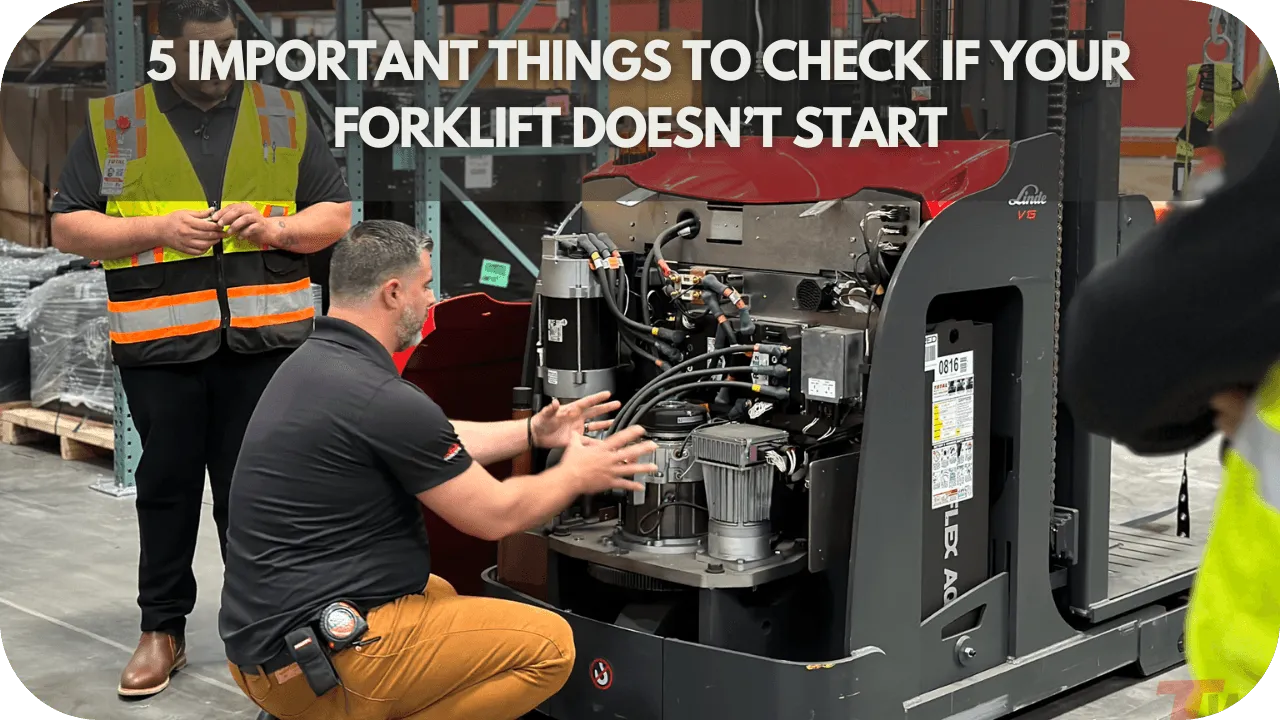
You’re ready to kick-start your workday, but your forklift refuses to cooperate. Frustration builds, and the clock keeps ticking. Before you lose precious time—or your patience—take a moment to troubleshoot like a pro.
A non-starting forklift doesn’t have to ruin your day. From simple fixes to potential red flags, knowing what to check can save you a costly service call.
Curious about where to begin? Let’s dive into the five key things to inspect when your forklift won’t start, and get you back on track in no time!
1. Closely Examine the Ignition System Components
The ignition system is crucial for starting the forklift. Begin by testing the ignition switch to ensure it’s functioning properly; a faulty switch can interrupt the flow of electricity to the engine.
Check for wear or damage on the key itself, as worn keys might not turn the ignition effectively. Inspect the wiring connected to the ignition system for signs of burns, frays, or disconnections. Use a continuity tester to ensure the wires are transmitting power as intended.
Ignition coils, which generate the spark for combustion, should also be tested for faults. If you notice weak or inconsistent sparks, the ignition coil may need replacement. A malfunctioning ignition system can cause intermittent starting problems, making thorough inspection essential.
2. Thoroughly Inspect the Battery and Electrical Connections
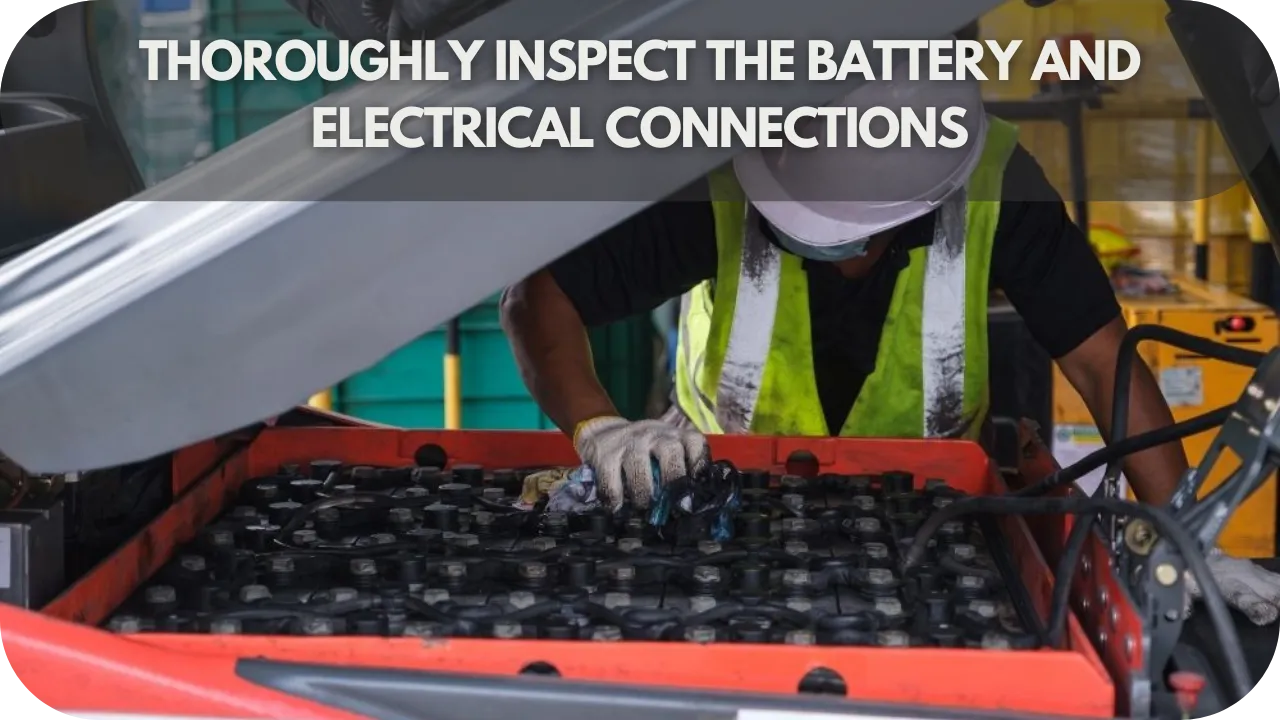
The battery is often the first place to check when your forklift won’t start. Begin by inspecting the battery for adequate charge using a multimeter. A fully charged forklift battery should read around 12.6 volts or higher.
Check the terminals for corrosion, which can interrupt the connection. Clean them using a battery terminal cleaner or a solution of baking soda and water. Ensure the cables are tightly secured and free of frays or cracks.
Additionally, examine the ground connections and the main power line to confirm there are no loose or damaged wires. Don’t forget to check the battery’s electrolyte levels (if applicable) and refill with distilled water as needed.
Faulty batteries are one of the most common causes of starting issues, and proper maintenance can significantly extend their lifespan.
3. Inspect the Ignition Coils and Starter Motor for Faults
Ignition coils and the starter motor are integral to starting the forklift. Ignition coils amplify the battery voltage to create a spark for combustion. Use a spark tester to check for consistent, strong sparks. Weak or absent sparks indicate coil failure and may require replacement.
The starter motor should also be tested for proper function. Listen for clicking or grinding sounds when turning the key—these often indicate issues with the starter motor or solenoid. Ensure the starter motor connections are tight and free of corrosion.
Additionally, inspect the flywheel and starter gear for alignment and wear. If the starter motor fails to crank, the engine will not engage, leaving your forklift non-functional.
4. Conduct a Comprehensive Check of the Fuel System and Filters
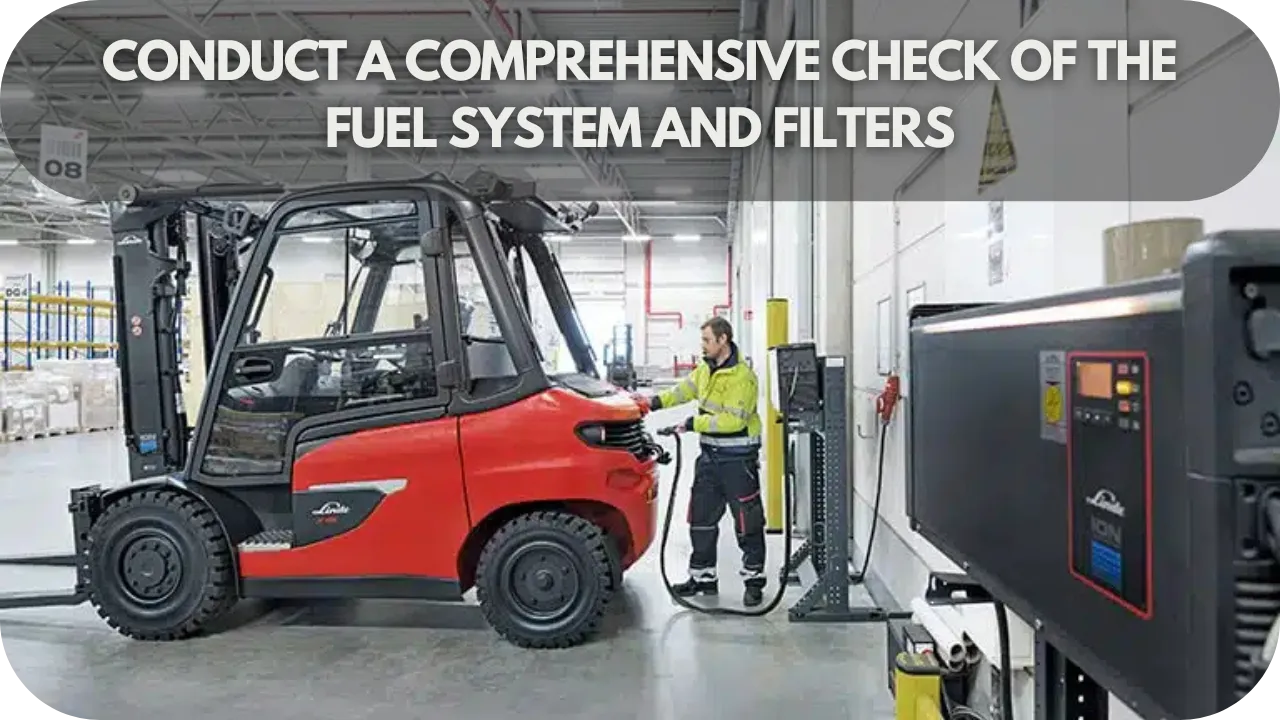
For fuel-powered forklifts, the fuel system plays a vital role. Start by checking the fuel gauge to ensure the tank has enough fuel. Inspect the fuel lines for cracks or leaks, as air entering the system can disrupt fuel delivery.
Replace fuel filters that appear clogged or dirty, as they can restrict the flow of fuel to the engine. If your forklift uses propane, examine the propane tank and its connections for leaks. A leak detector or soapy water can help identify escaping gas.
Additionally, check the carburettor for blockages or build-up that could prevent proper fuel-air mixing. Poor fuel quality can also lead to engine failure, so consider draining and refilling the tank with clean fuel if contamination is suspected.
5. Evaluate Hydraulic and Key Mechanical Components for Issues
Hydraulic and mechanical issues can also cause starting problems. Inspect the hydraulic system for signs of leaks, such as wet spots or low fluid levels. Hydraulic fluid is essential for powering various forklift functions, and insufficient levels can prevent operation.
Check hoses for cracks or loose connections, and ensure the hydraulic pump is working efficiently. On the mechanical side, inspect belts for wear, fraying, or improper tension. Worn belts can slip and fail to engage critical components.
Examine gears and bearings for alignment and damage, as these can hinder the forklift’s movement. Regular maintenance of these components can help prevent costly repairs and ensure reliable operation.
Understanding Common Forklift Starting Problems
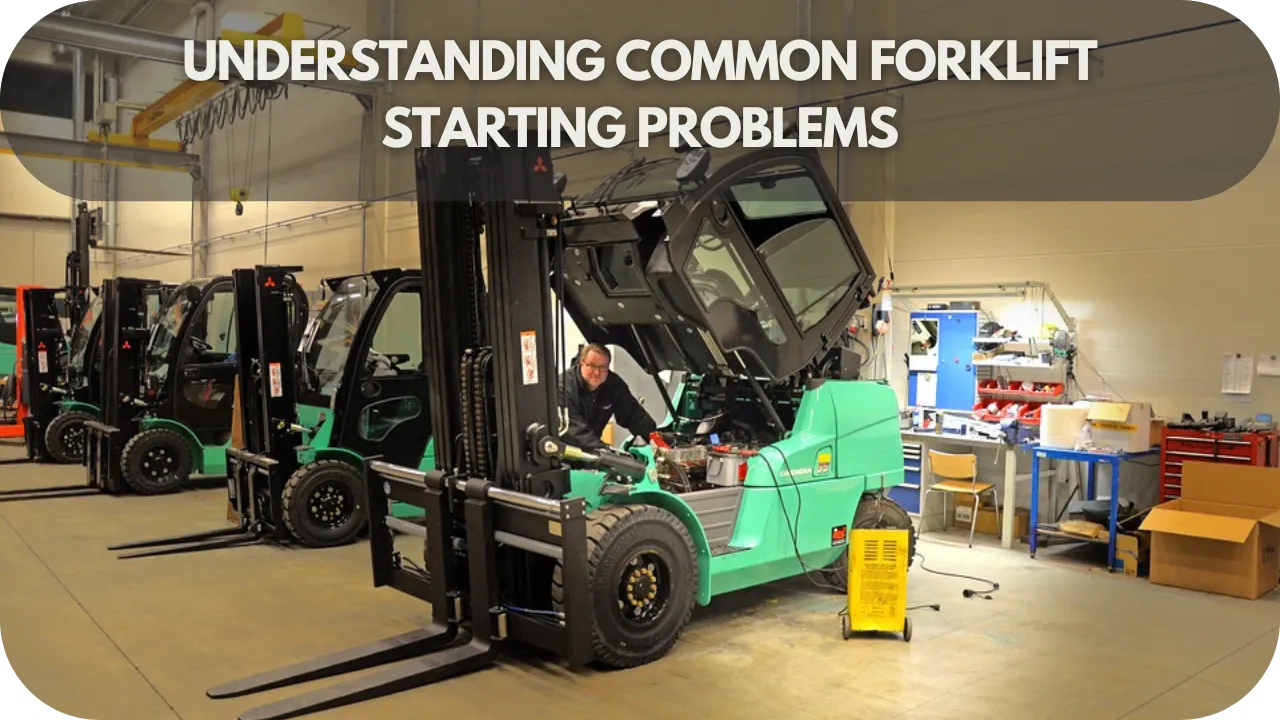
Forklift starting problems can stem from various underlying issues, often related to the battery, ignition system, fuel supply, or mechanical components. A weak or discharged battery, corroded terminals, or loose connections can disrupt power flow, while a faulty ignition switch or damaged wiring may prevent the engine from turning over.
For fuel-powered forklifts, clogged filters, contaminated fuel, or leaks in the fuel lines can restrict fuel delivery, causing the engine to stall or fail to start. Inadequate maintenance of the starter motor and ignition coils can lead to inconsistent sparks, further complicating the start-up process.
Mechanical problems, such as worn belts, misaligned gears, or hydraulic leaks, can also hinder the forklift’s operation. Addressing these issues requires a systematic approach to inspection and troubleshooting, ensuring all components are in good working order.
Regular maintenance and timely repairs can significantly reduce downtime and improve the overall reliability of your forklift.
Quick DIY Fixes for Immediate Startup
Here are simple steps to get your forklift running in no time:
- Check the battery connections: Tighten any loose cables and clean corroded terminals with a baking soda solution.
- Inspect fuel levels: For fuel-powered forklifts, ensure the tank has enough fuel or propane.
- Test the ignition switch: Jiggle the key slightly to see if the ignition contacts are loose or faulty.
- Replace dirty air filters: A clogged air filter can restrict airflow and prevent the engine from starting.
- Tap the starter motor lightly: Use a small tool to gently tap it; this can sometimes free a stuck solenoid or motor.
- Look for emergency brake engagement: Ensure the parking brake is fully disengaged as some forklifts won’t start with it engaged.
Importance of Regular Forklift Maintenance
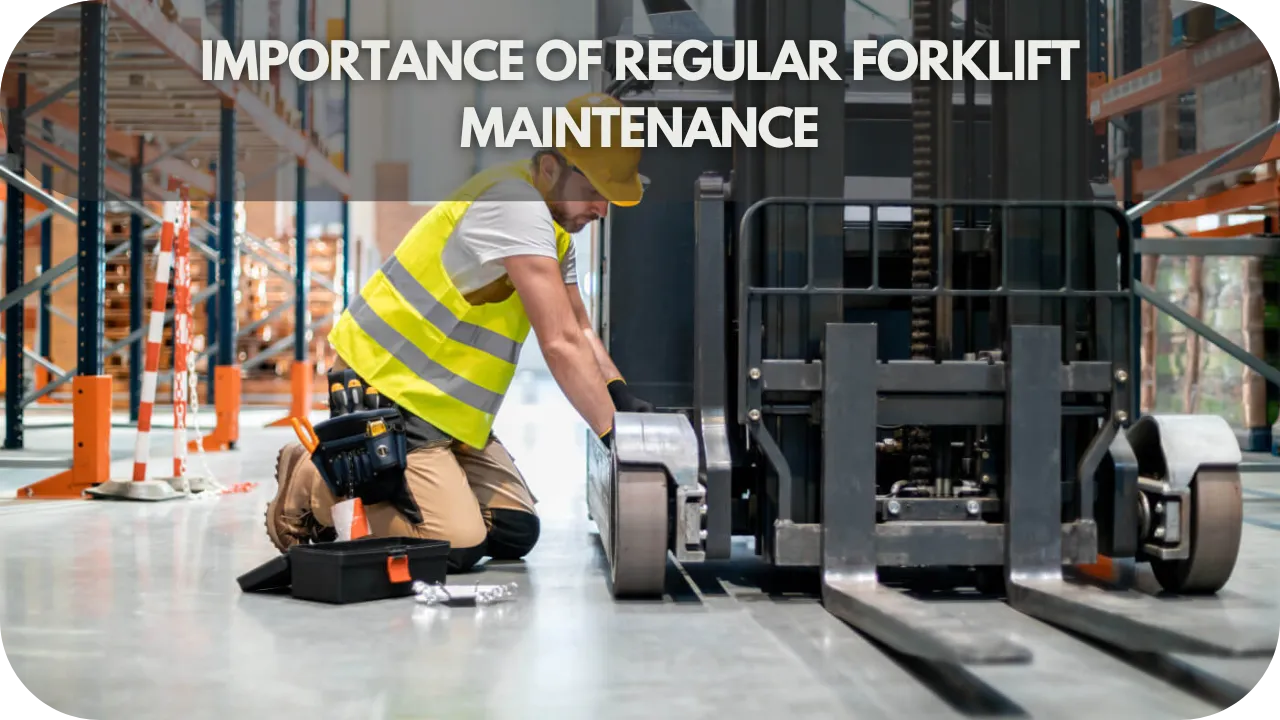
Keep your operations smooth and your forklifts reliable with preventive maintenance.
- Enhance Equipment Longevity: Regular maintenance reduces wear and tear, helping forklifts operate efficiently for years.
- Minimise Downtime: Scheduled servicing prevents unexpected breakdowns, ensuring uninterrupted productivity.
- Improve Safety: Well-maintained forklifts reduce the risk of accidents caused by mechanical or hydraulic failures.
- Boost Fuel Efficiency: Clean filters, properly inflated tyres, and optimised engines consume less fuel, cutting operational costs.
- Maintain Performance Consistency: Regular inspections ensure smooth handling, consistent power, and reliable lifting capacity.
- Prevent Costly Repairs: Identifying minor issues early prevents them from turning into expensive repairs or replacements.
- Compliance with Regulations: Routine checks ensure your forklifts meet workplace safety and industry standards.
- Increase Resale Value: A well-documented maintenance history adds to the forklift’s market value when upgrading.
How to Use Diagnostic Tools Effectively
Modern diagnostic tools are invaluable for pinpointing forklift issues quickly and accurately. Start by connecting the diagnostic scanner to the forklift’s onboard computer system, following the manufacturer’s instructions.
The tool will read error codes corresponding to specific engine, ignition, or hydraulic system faults. Cross-reference the codes with the forklift’s service manual to identify the problem areas.
Advanced diagnostic tools can also monitor real-time data such as battery voltage, fuel pressure, and engine temperature, allowing you to assess performance metrics instantly.
Regular use of diagnostic tools not only helps resolve immediate issues but also aids in tracking wear and tear, ensuring timely maintenance and preventing costly repairs.
When Professional Help Becomes Necessary
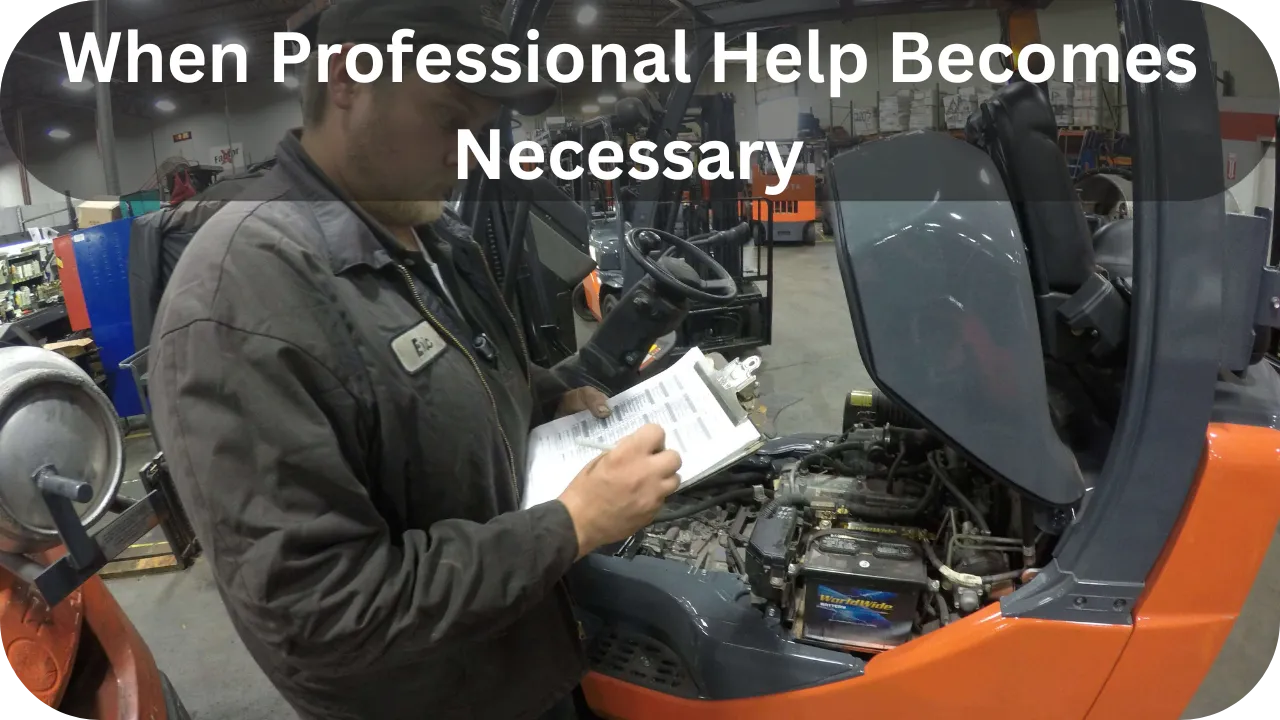
While many forklift issues can be resolved with DIY fixes or diagnostic tools, some problems require professional expertise. If the forklift fails to start despite basic troubleshooting, or if you notice persistent mechanical or hydraulic issues such as leaks, grinding noises, or overheating, it’s time to call in a certified technician.
Professionals have access to advanced diagnostic equipment and the experience to address complex issues like engine overhauls, hydraulic pump repairs, or electrical system failures.
Ignoring these signs can lead to costly breakdowns or safety risks, making expert intervention essential for prolonged efficiency and workplace safety.
Conclusion
Ready to elevate your operations with reliable forklifts? Visit Buy A Fork for the best range of high-quality forklifts in Australia. Whether you need dependable equipment for heavy lifting or efficient handling solutions, we’ve got you covered.
Don’t settle for less—invest in performance and durability. Browse our range today and find the perfect forklift to keep your business moving forward. Your upgrade starts here!